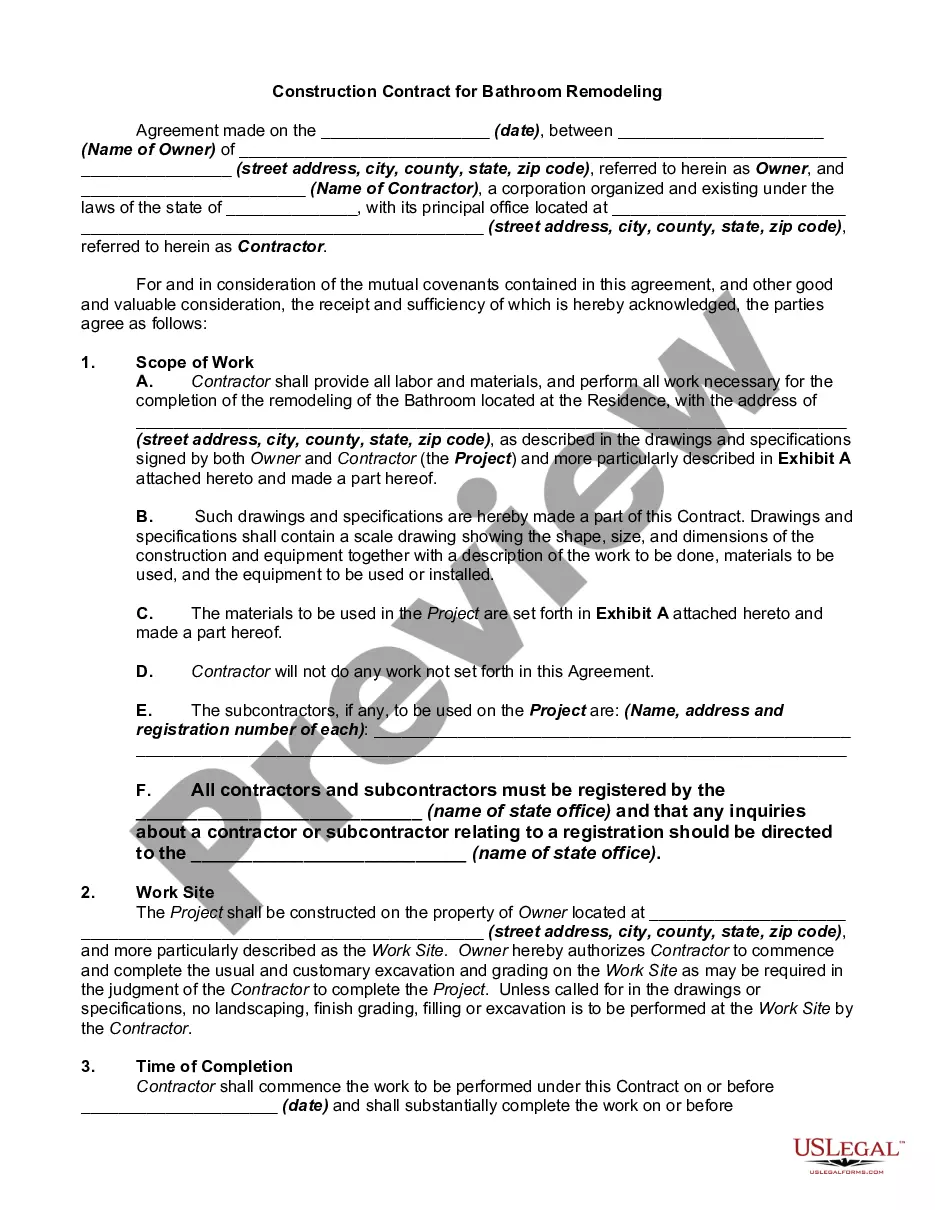
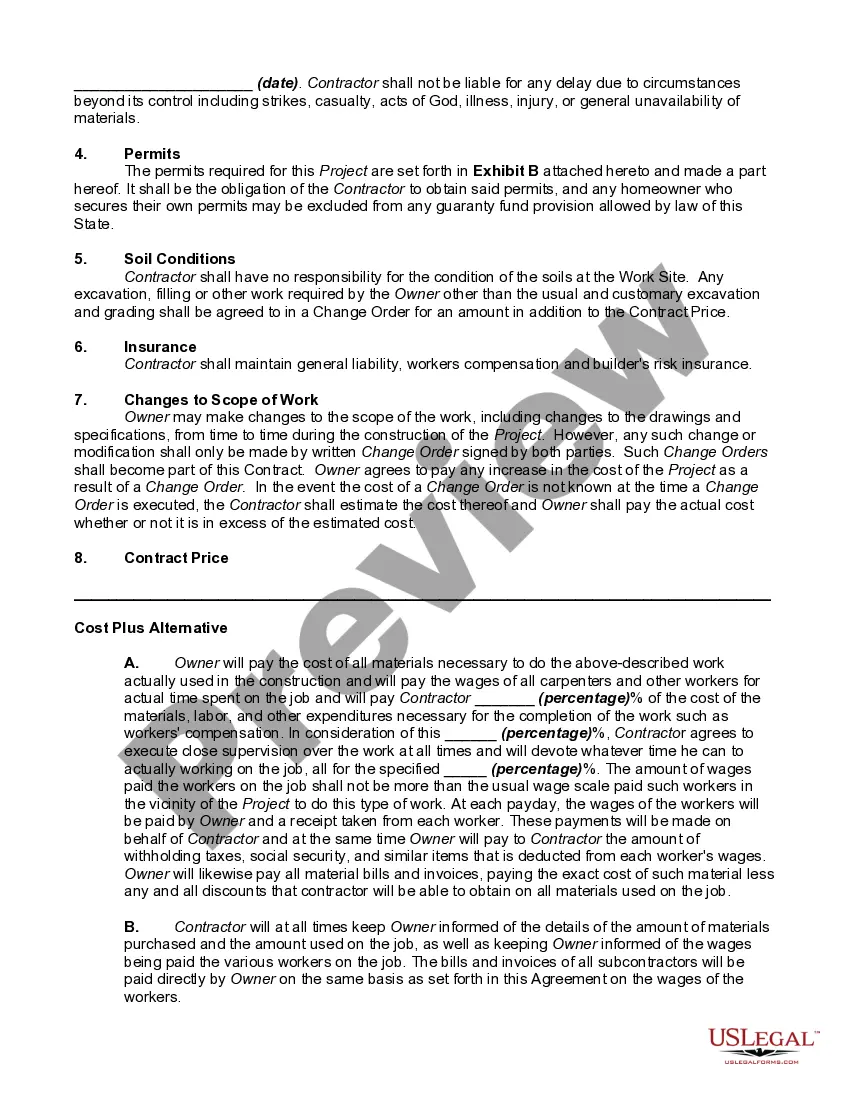
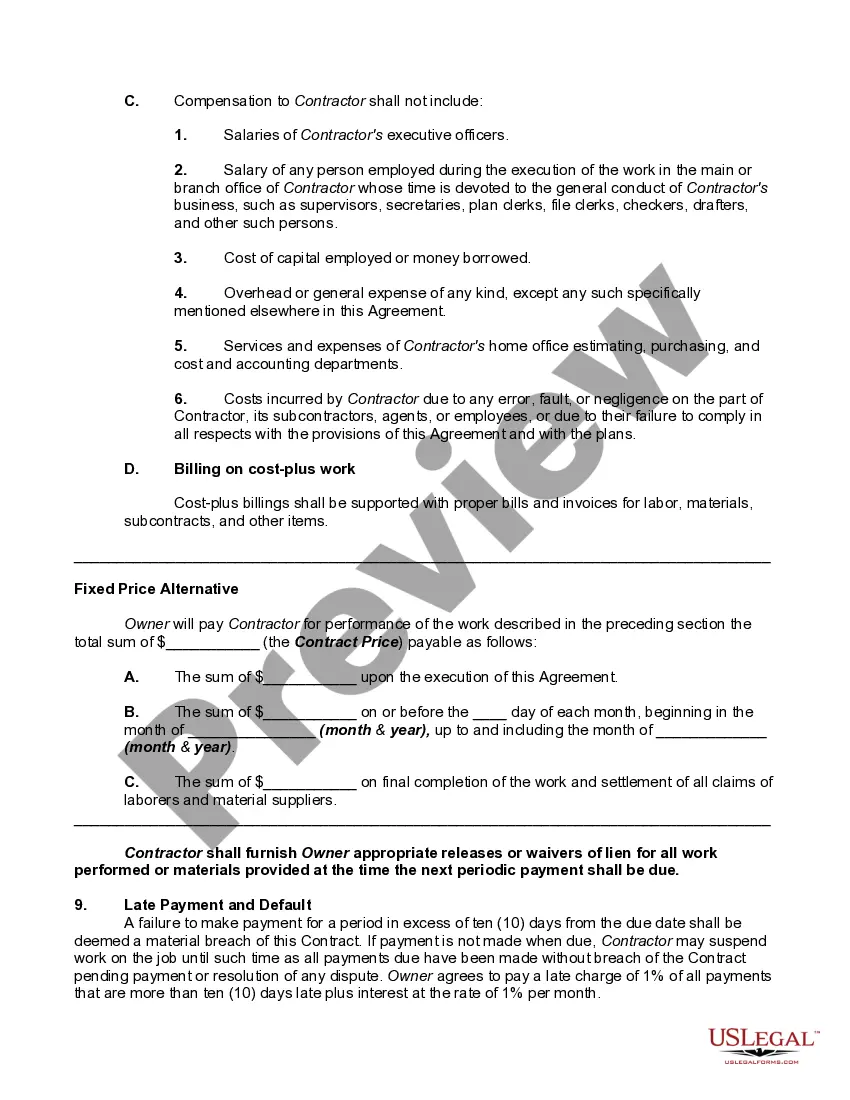
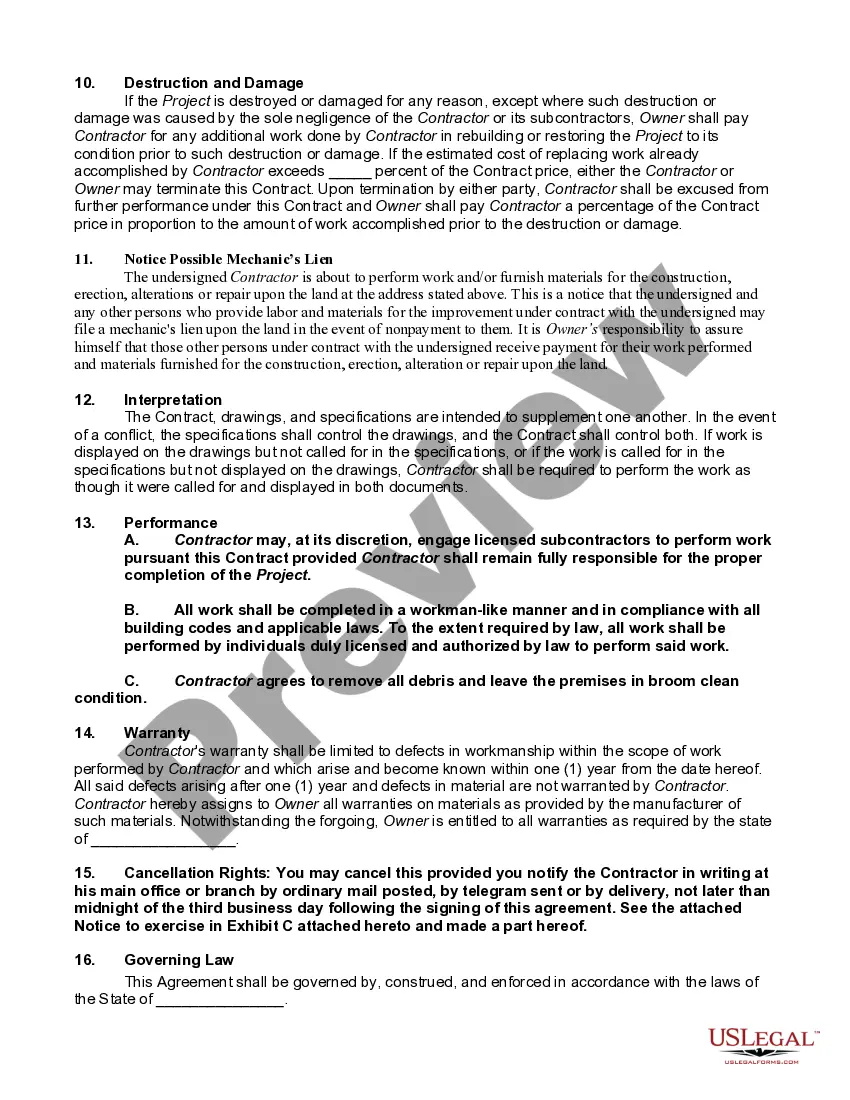
Standard Contract For Remodeling
Description
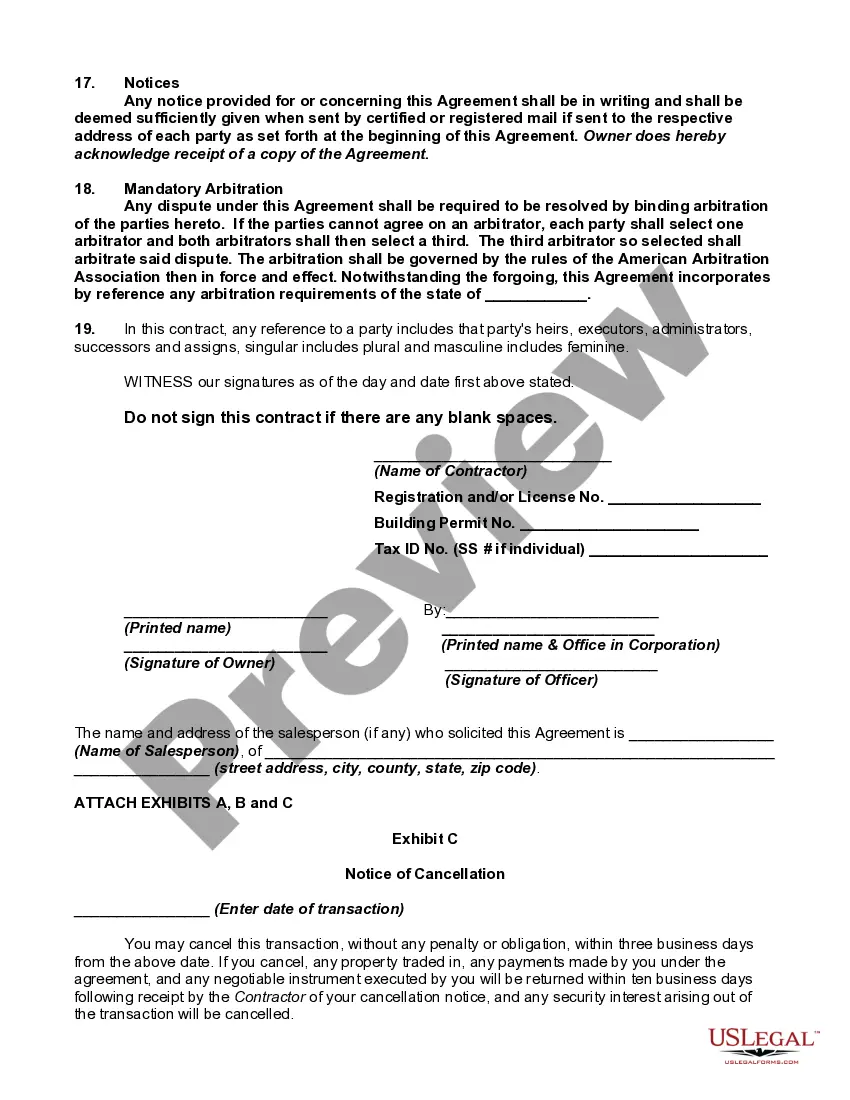
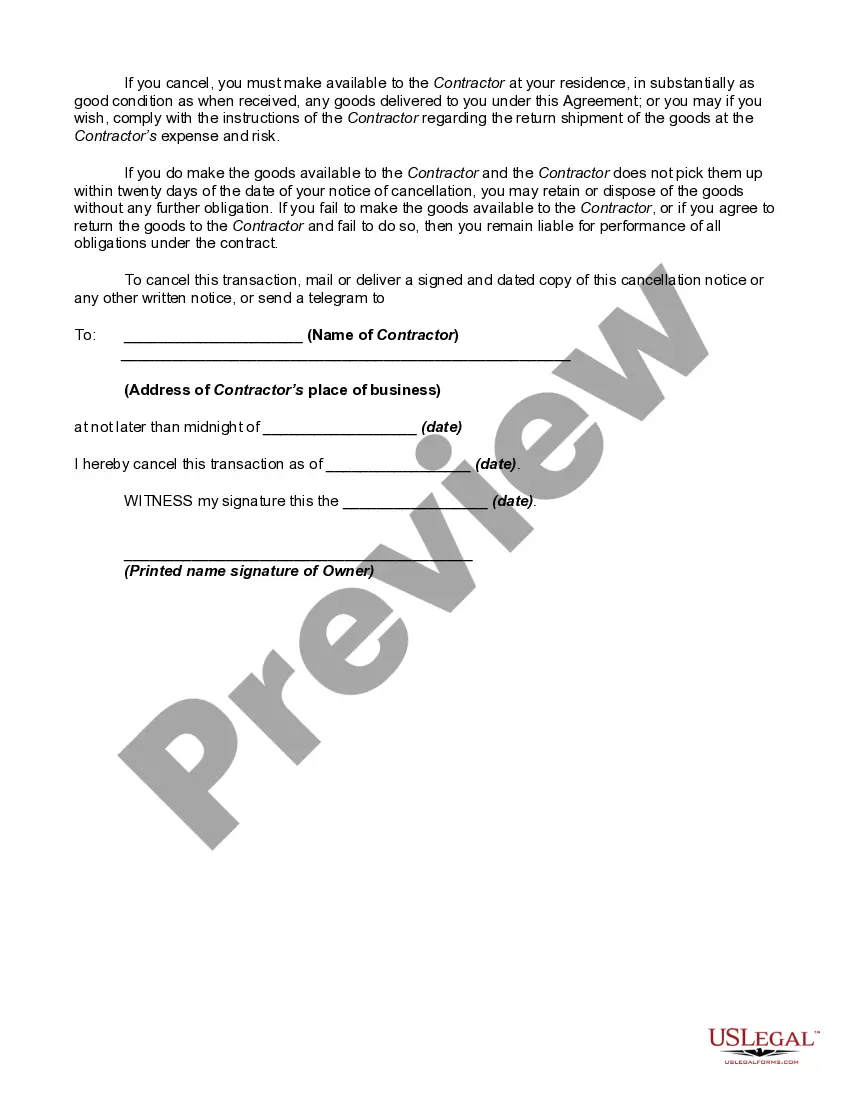
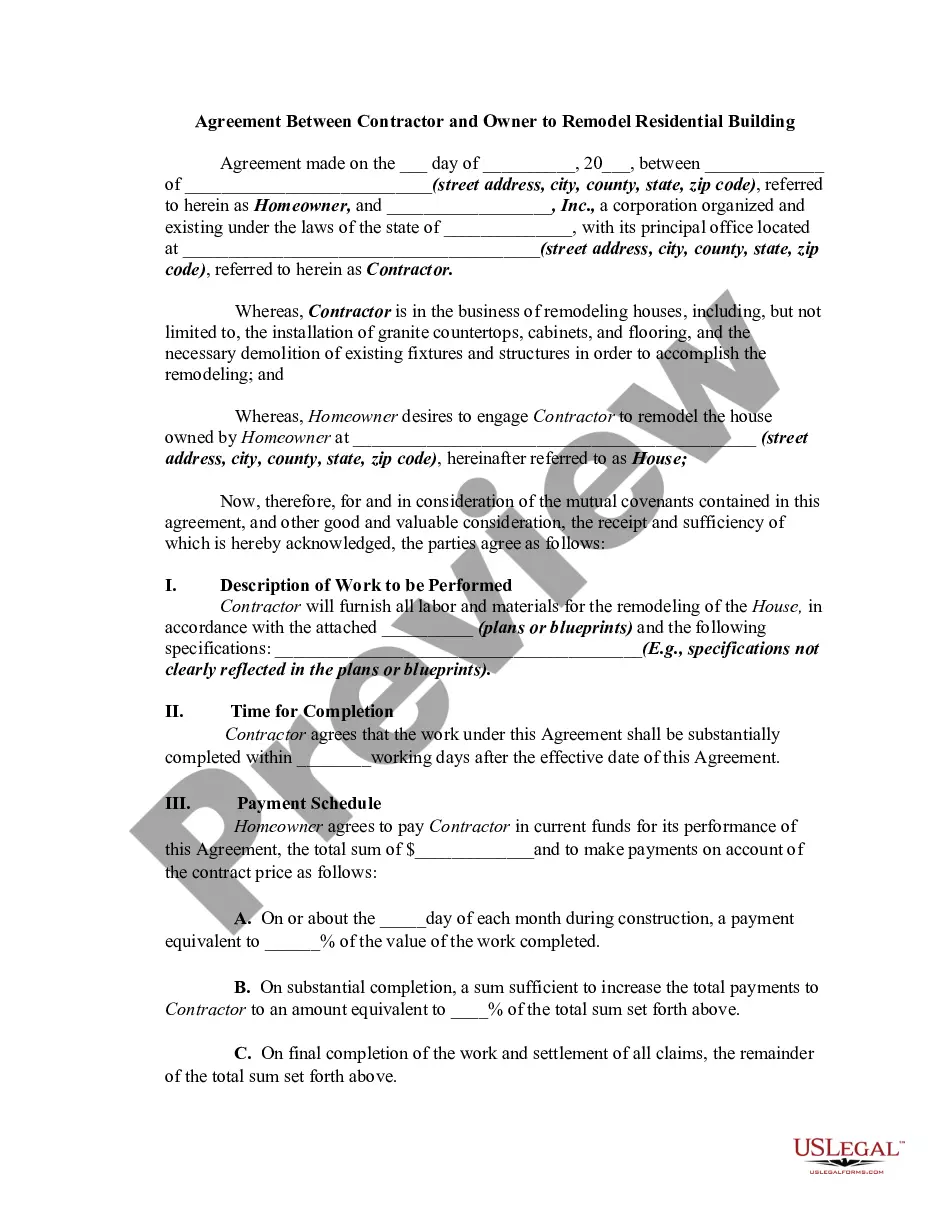
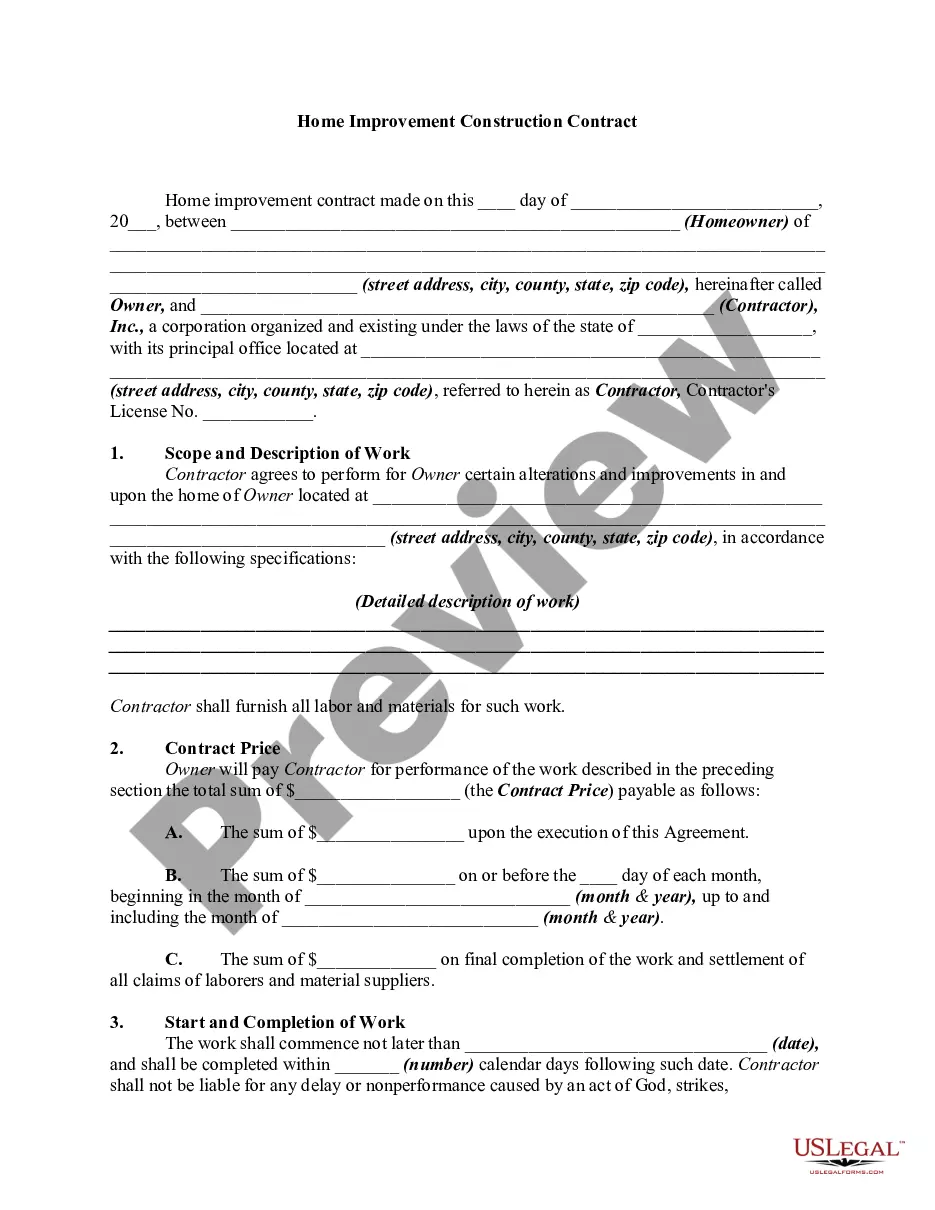
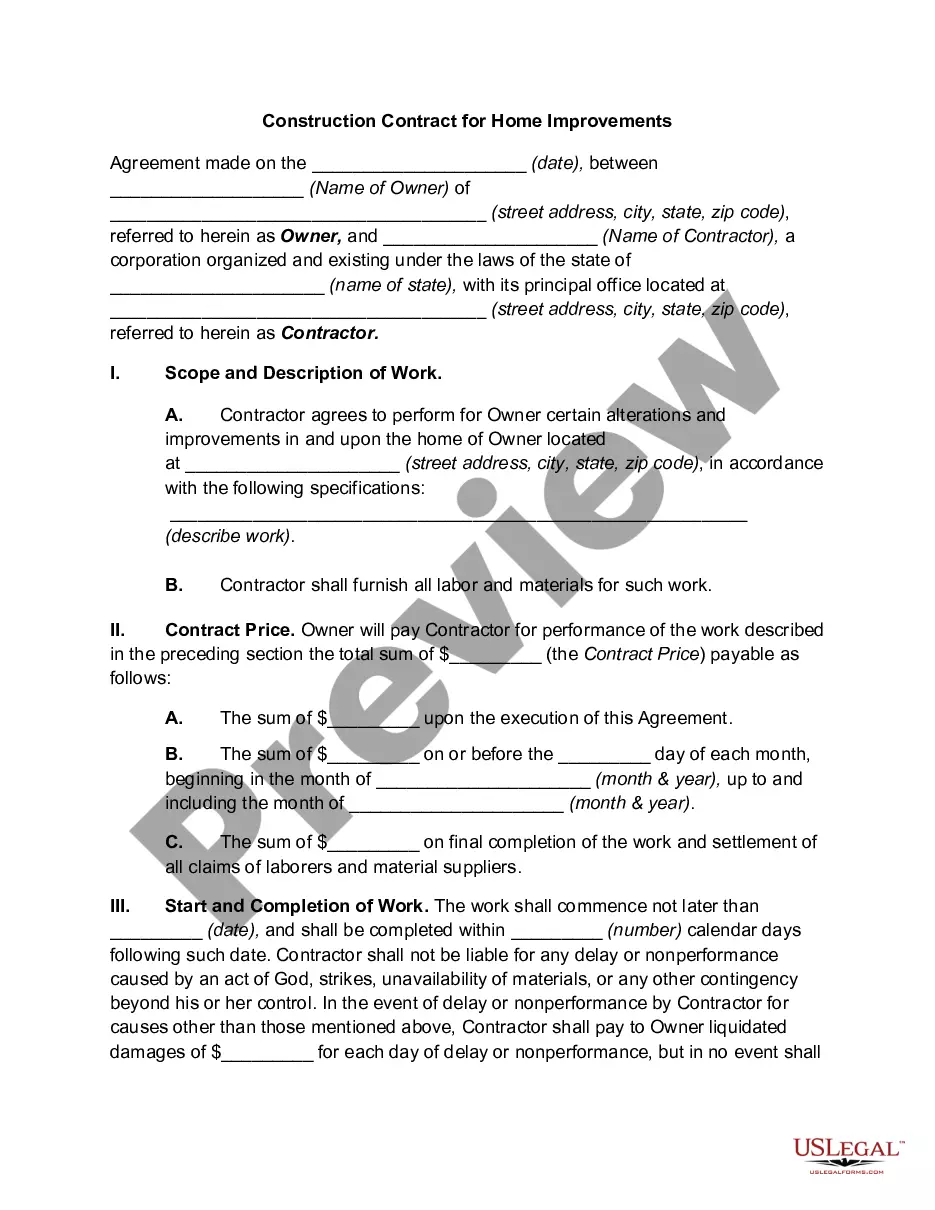
Get your form ready online
Our built-in tools help you complete, sign, share, and store your documents in one place.
Make edits, fill in missing information, and update formatting in US Legal Forms—just like you would in MS Word.
Download a copy, print it, send it by email, or mail it via USPS—whatever works best for your next step.
Sign and collect signatures with our SignNow integration. Send to multiple recipients, set reminders, and more. Go Premium to unlock E-Sign.
If this form requires notarization, complete it online through a secure video call—no need to meet a notary in person or wait for an appointment.
We protect your documents and personal data by following strict security and privacy standards.

Make edits, fill in missing information, and update formatting in US Legal Forms—just like you would in MS Word.

Download a copy, print it, send it by email, or mail it via USPS—whatever works best for your next step.

Sign and collect signatures with our SignNow integration. Send to multiple recipients, set reminders, and more. Go Premium to unlock E-Sign.

If this form requires notarization, complete it online through a secure video call—no need to meet a notary in person or wait for an appointment.

We protect your documents and personal data by following strict security and privacy standards.
Looking for another form?


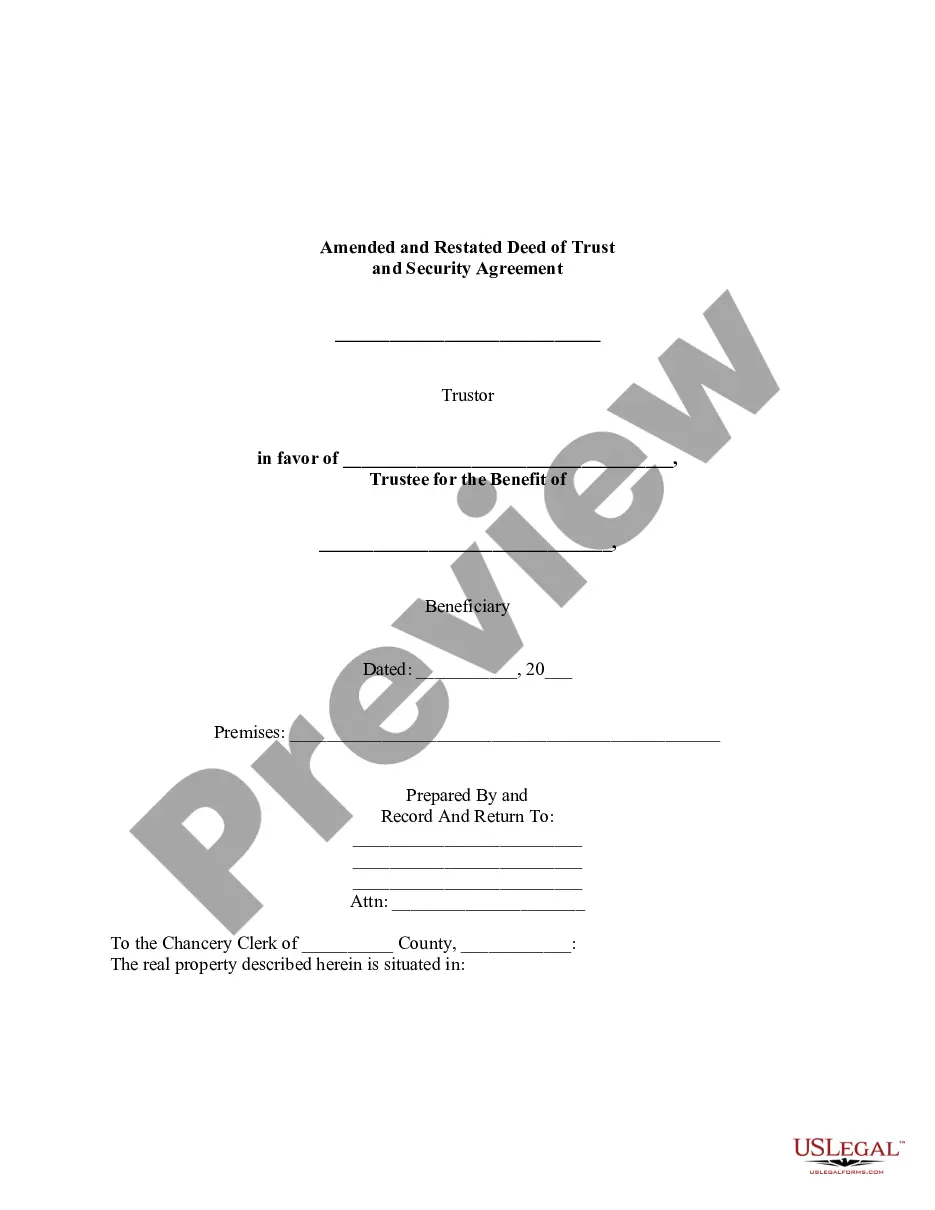






How to fill out Construction Contract For Bathroom Remodeling?
- Log in to your US Legal Forms account if you're a returning customer. Click the Download button to get your standard contract for remodeling template.
- If you're new to the service, start by reviewing the Preview mode and form description. Make sure the selected form aligns with your local jurisdiction requirements.
- Using the Search tab, find alternative templates if necessary. Ensure you've identified the correct document that fits your specific needs.
- Purchase the document by clicking on the 'Buy Now' button. Choose a subscription plan that suits you, and create an account to access the resources.
- Complete your purchase by entering your payment information. You can use either a credit card or a PayPal account.
- Download your standard contract for remodeling. Save the template and access it anytime from the 'My Forms' section in your profile.
By following these straightforward steps, you can easily secure a standard contract for remodeling through US Legal Forms. This service ensures that you have access to the necessary legal documentation to protect your interests.
Start your journey today and refine your remodeling projects with confidence by utilizing the US Legal Forms library!
Form popularity
FAQ
The main elements of a construction contract include identification of the parties, detailed project description, payment structure, timeline for completion, and terms for resolving disputes. It's essential to identify who is involved to avoid confusion. Detailed project descriptions clarify expectations, while a clear payment structure helps manage finances. Additionally, specifying the timeline and dispute resolution terms protects both parties and contributes to a successful remodeling project.
To write a remodeling contract, begin by clearly defining the project scope and include detailed descriptions of the work to be done. Incorporate payment terms and project milestones for clarity. Be sure to outline timelines, quality requirements, and terms for any changes that may occur. Utilizing resources from platforms like ulegalforms can help streamline this process and ensure your standard contract for remodeling meets all legal requirements.
A construction contract must include five essential elements: scope of work, payment terms, timeline, requirements for the quality of work, and provisions for changing the contract. The scope defines what the contractor will do, while payment terms specify how and when payments will be made. A clear timeline helps track project progress. Additionally, quality requirements outline standards for work, and change provisions detail how modifications are handled in a standard contract for remodeling.
A standard construction contract outlines the terms and conditions of a construction project, including the responsibilities of the parties involved. This type of contract serves as a guideline for project execution, helping to ensure that work is completed on time and within budget. Using a standard contract for remodeling can simplify the process and minimize disputes. It provides clear expectations for homeowners and contractors alike.
The 5 C's of contract law include Capacity, Consideration, Consent, Clarity, and Compliance. Capacity ensures both parties are able to enter into a contract, while consideration refers to the value exchanged. Consent involves agreeing to the same terms without any pressure, clarity ensures that the terms are easy to understand, and compliance means the contract adheres to relevant laws. Understanding these C's is vital for creating a robust standard contract for remodeling.
The five essential elements of a contract are offer, acceptance, consideration, capacity, and legality. First, one party must make a clear offer, which the other party must accept without changes. Consideration involves something of value exchanged between both parties. Additionally, both parties must have the capacity to understand the contract and its terms, and finally, the contract must be legal and not violate any laws.
Transparency is key, but avoid sharing personal financial details or your budget limits upfront. This information can affect negotiations and project costs. Focus on your expectations and needs outlined in your standard contract for remodeling instead. Having a clear contract helps ensure that conversations remain professional, which can lead to a smoother remodeling process.
Typically, the down payment you give a contractor should range from 10% to 50%, depending on the project size and complexity. It's wise to reflect on your standard contract for remodeling when determining this amount, as it should protect your interests. Consider the contractor's reputation and previous projects when deciding. Always negotiate terms that feel comfortable for you.
It is common for contractors to request a deposit of around 50% to secure their services and cover initial costs. However, you should review your standard contract for remodeling to ensure it specifies the deposit amount and payment schedule. Transparency is essential, so discuss any concerns with your contractor before moving forward. Always keep written records of any agreements made.
Creating a remodeling contract involves outlining the specific details of your project. Begin with the scope of work, payment terms, and timelines. A standard contract for remodeling should also include clauses for dispute resolution and changes to the project. Consider using US Legal Forms for templates that ensure your contract meets all legal requirements.