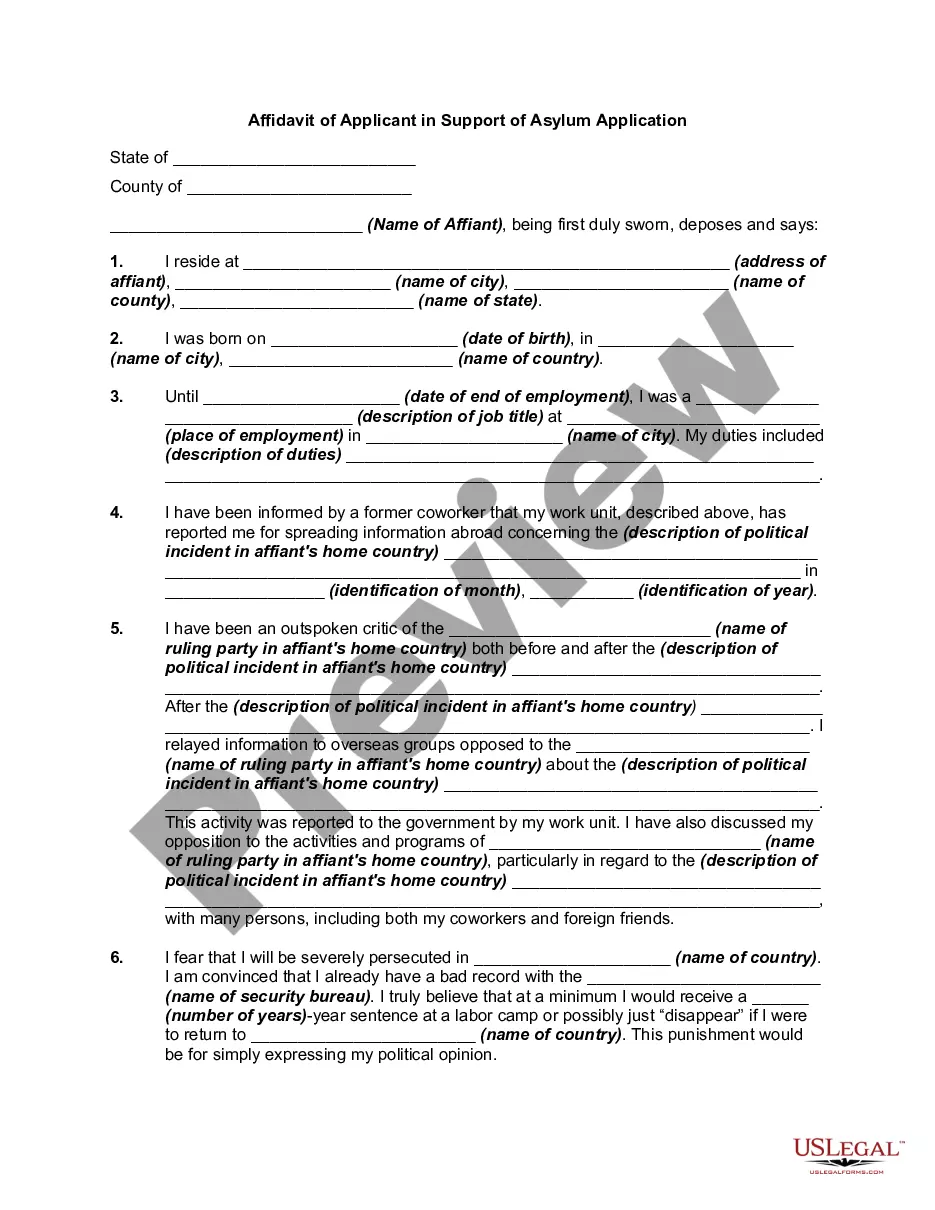
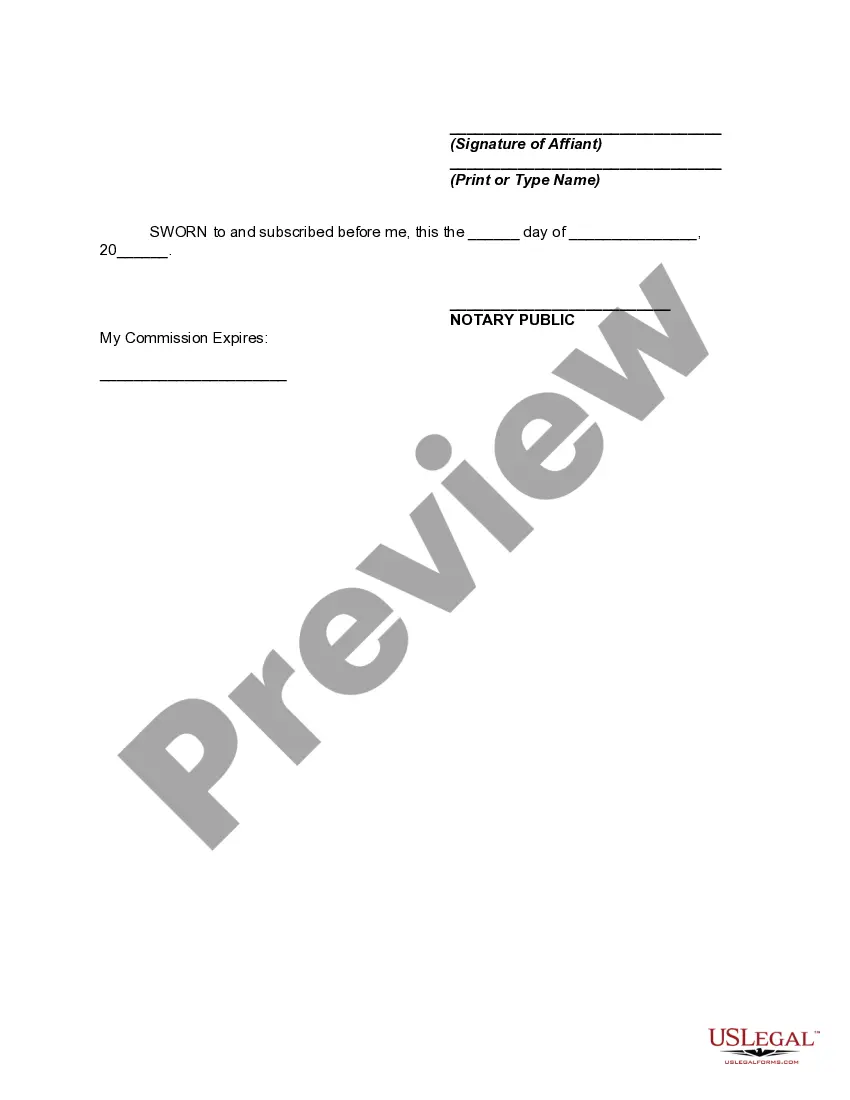
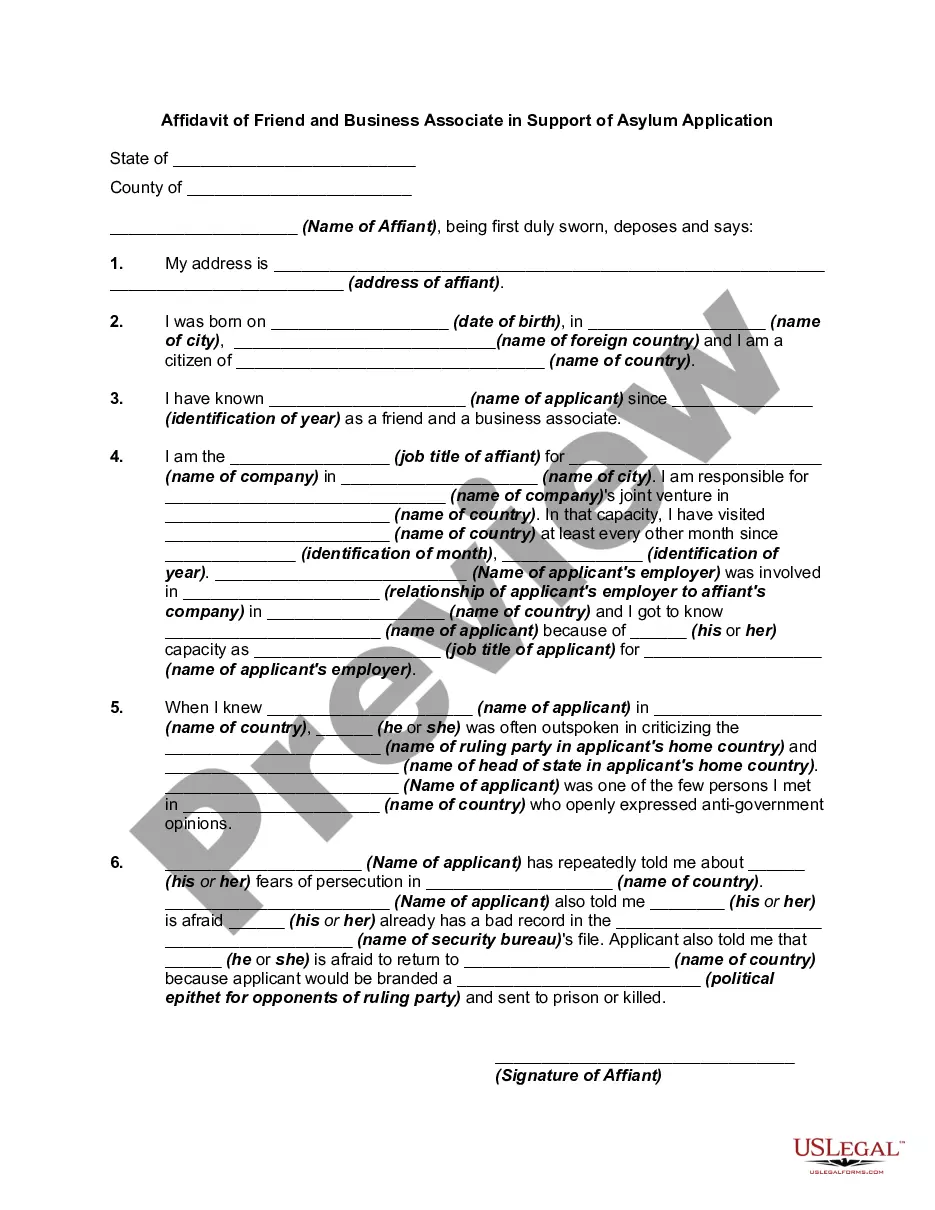
Applicant Asylum Sample Without Authorization
Description
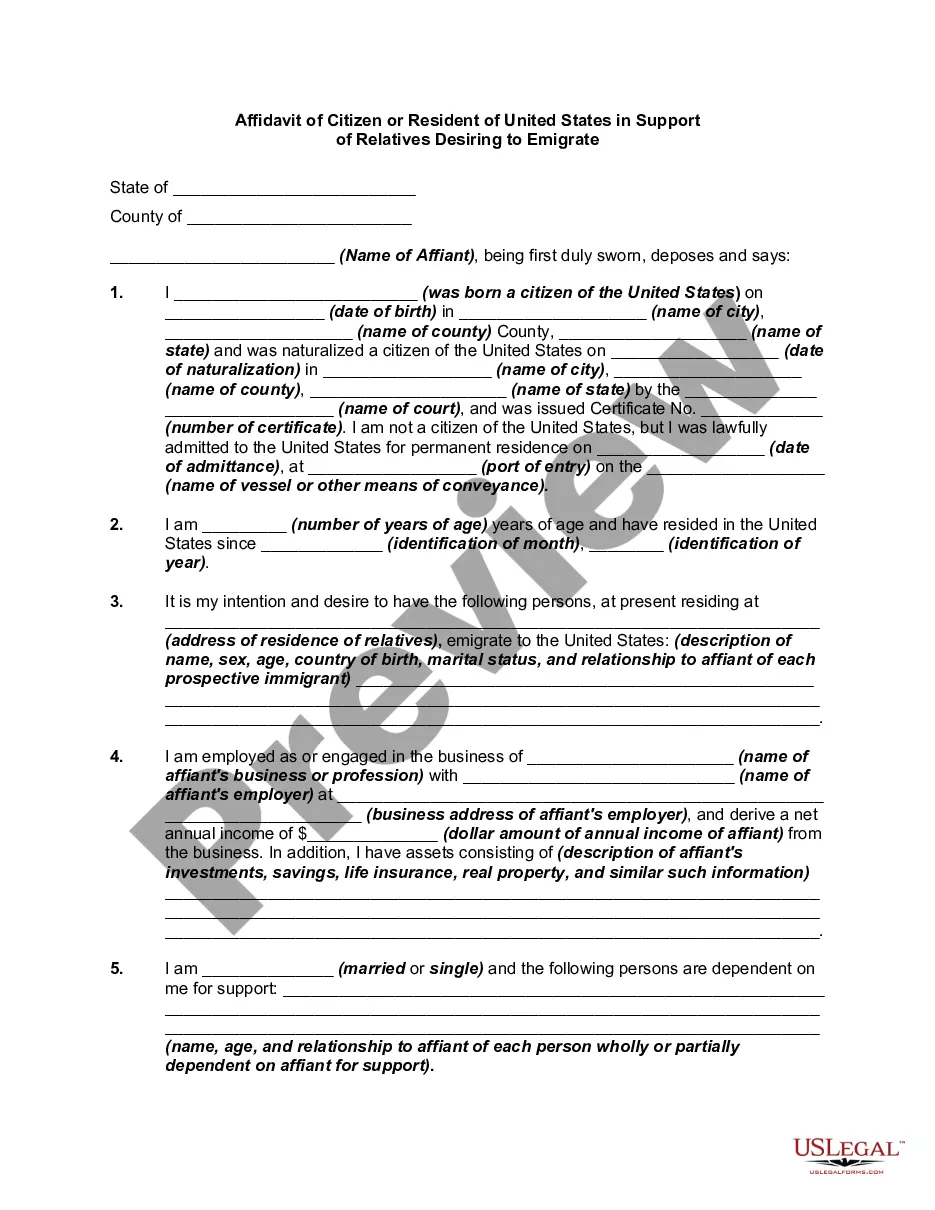
Get your form ready online
Our built-in tools help you complete, sign, share, and store your documents in one place.
Make edits, fill in missing information, and update formatting in US Legal Forms—just like you would in MS Word.
Download a copy, print it, send it by email, or mail it via USPS—whatever works best for your next step.
Sign and collect signatures with our SignNow integration. Send to multiple recipients, set reminders, and more. Go Premium to unlock E-Sign.
If this form requires notarization, complete it online through a secure video call—no need to meet a notary in person or wait for an appointment.
We protect your documents and personal data by following strict security and privacy standards.

Make edits, fill in missing information, and update formatting in US Legal Forms—just like you would in MS Word.

Download a copy, print it, send it by email, or mail it via USPS—whatever works best for your next step.

Sign and collect signatures with our SignNow integration. Send to multiple recipients, set reminders, and more. Go Premium to unlock E-Sign.

If this form requires notarization, complete it online through a secure video call—no need to meet a notary in person or wait for an appointment.

We protect your documents and personal data by following strict security and privacy standards.
Looking for another form?
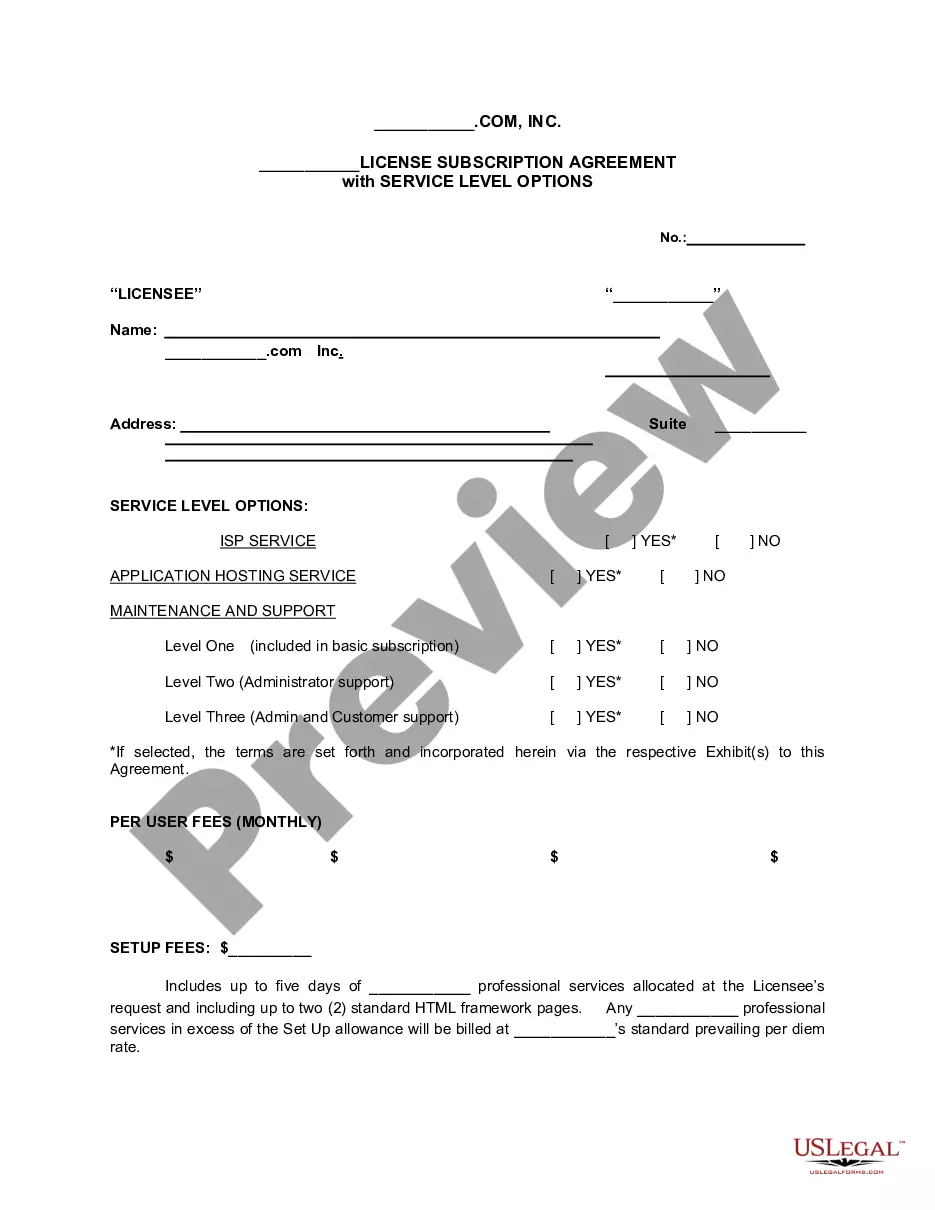



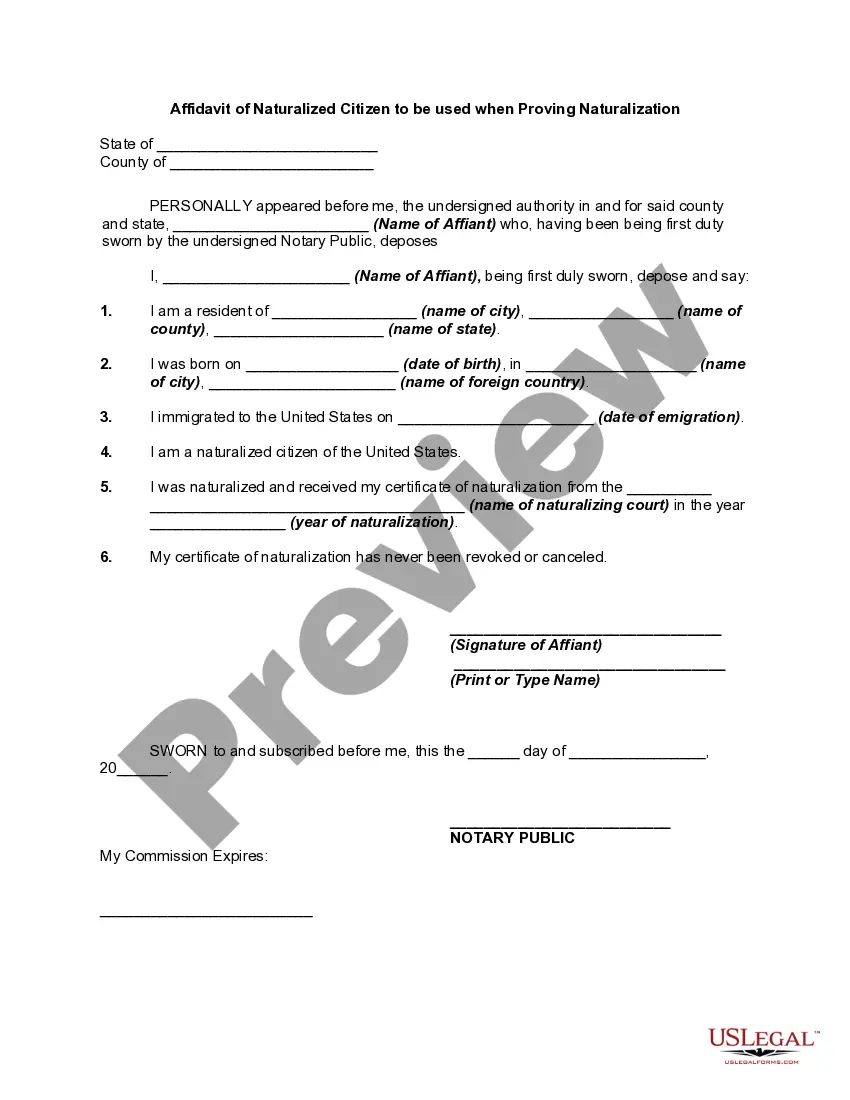
How to fill out Affidavit And Proof Of Applicant In Support Of Asylum Application?
The Applicant Asylum Sample Without Authorization displayed on this page is a reusable legal template created by expert attorneys in accordance with federal and local regulations.
For over 25 years, US Legal Forms has supplied individuals, companies, and legal professionals with more than 85,000 validated, state-specific documents for any business and personal situation. It is the quickest, simplest, and most reliable method to acquire the necessary paperwork, as the service ensures the utmost level of data protection and anti-malware safeguards.
Select the format you desire for your Applicant Asylum Sample Without Authorization (PDF, DOCX, RTF) and download the sample onto your device. Complete and sign the document. Print the template to fill it out manually. Alternatively, use an online multifunctional PDF editor to swiftly and accurately complete and sign your form with a legally-binding electronic signature. Download your documents again. Reuse the same document whenever required. Access the My documents tab in your profile to redownload any previously saved forms. Subscribe to US Legal Forms to have verified legal templates for all of life's circumstances at your fingertips.
- Search for the document you require and review it.
- Browse through the file you searched and preview it or verify the form description to ensure it meets your requirements. If it doesn't, use the search bar to find the suitable one. Click Buy Now once you have found the template you need.
- Subscribe and Log In.
- Choose the pricing plan that fits you and create an account. Use PayPal or a credit card to make a quick payment. If you already possess an account, Log In and verify your subscription to continue.
- Obtain the fillable template.
Form popularity
FAQ
It should describe the applicant's fear of returning to her country, addressing the following requirements of the asylum claim: 1) persecution; 2) protected category; 3) reason for the persecution; 4) inability and unwillingness of government to control the abuser; 5) the applicant's well-founded fear; 6) her inability ...
If you are an asylee, you are authorized employment as part of your asylee status. An EAD will be issued to you after the Asylum Office, an immigration judge, or the Board of Immigration Appeals grants you asylum.
Knowing what happens if asylum is denied may be the key to you remaining in the U.S., and gaining legal immigration status. If the government denies your application for asylum, removal proceedings will likely start, but you may be able to appeal the decision and continue seeking asylum.
Under the federal regulations, asylum seekers can get in trouble if they file a "knowingly frivolous" application. Knowingly frivolous means that one or more important claim in the application is false. It could also mean claims of asylum where there was positively no credible fear of persecution back home.
I am applying for asylum because I am afraid that I will be harmed by my family and the gangs if I return to El Salvador. My family abused me and forced me to work since I was a little boy. Two of my aunts hit me all the time. They hit me with belts, rocks or anything they could find.