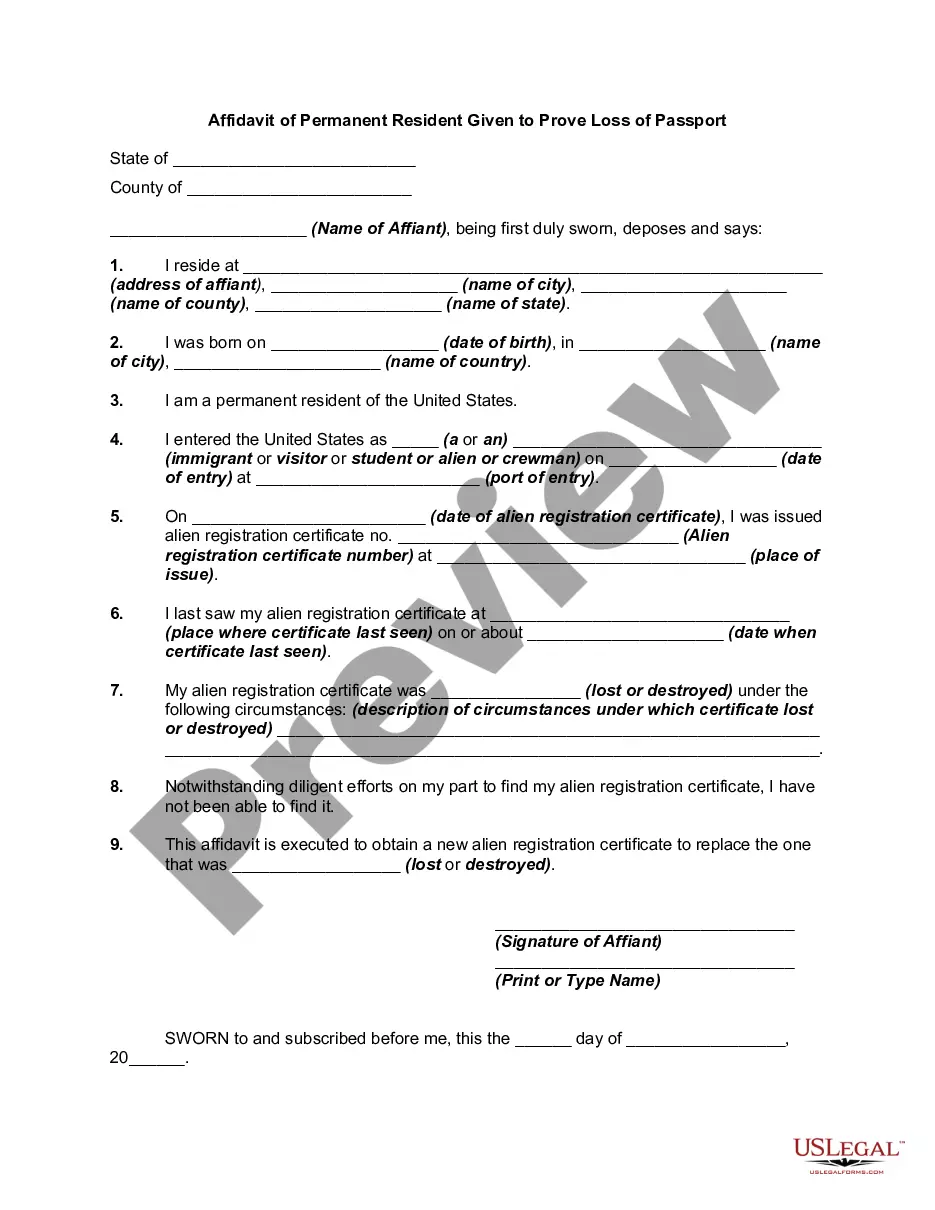
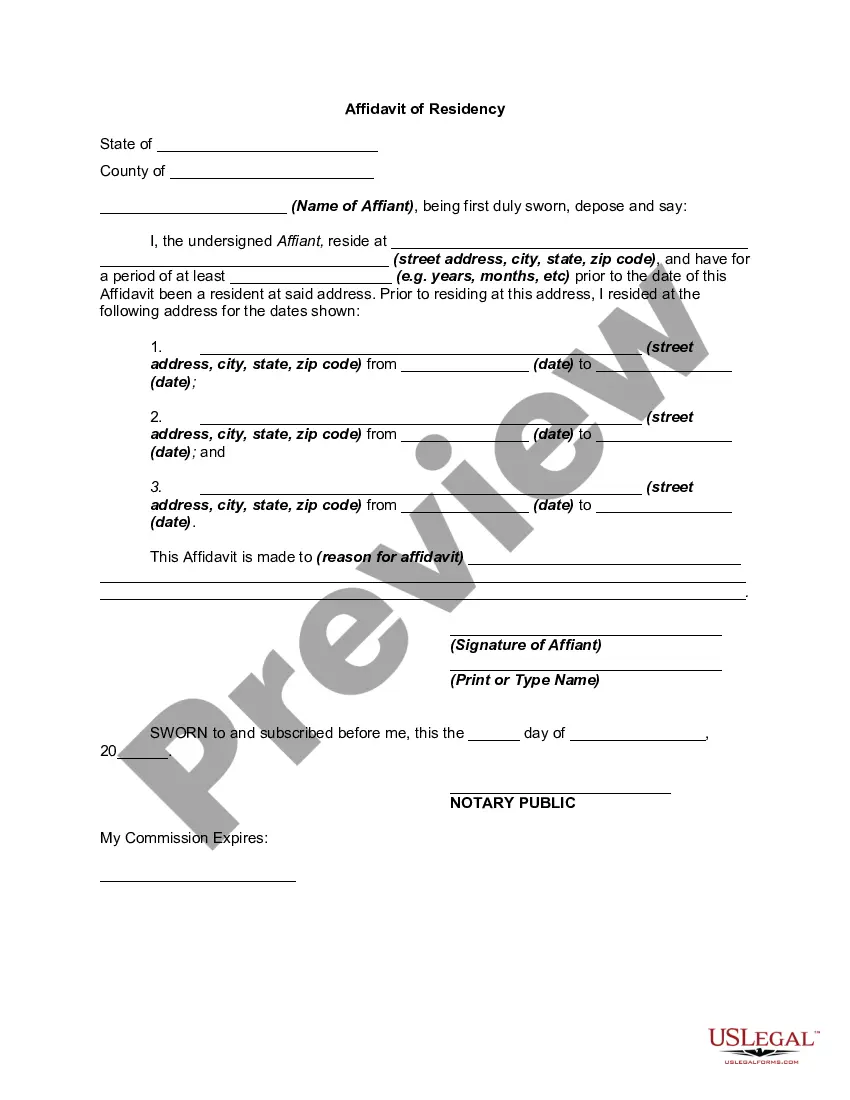
Dmv Proof Of Residency
Description
Get your form ready online
Our built-in tools help you complete, sign, share, and store your documents in one place.
Make edits, fill in missing information, and update formatting in US Legal Forms—just like you would in MS Word.
Download a copy, print it, send it by email, or mail it via USPS—whatever works best for your next step.
Sign and collect signatures with our SignNow integration. Send to multiple recipients, set reminders, and more. Go Premium to unlock E-Sign.
If this form requires notarization, complete it online through a secure video call—no need to meet a notary in person or wait for an appointment.
We protect your documents and personal data by following strict security and privacy standards.

Make edits, fill in missing information, and update formatting in US Legal Forms—just like you would in MS Word.

Download a copy, print it, send it by email, or mail it via USPS—whatever works best for your next step.

Sign and collect signatures with our SignNow integration. Send to multiple recipients, set reminders, and more. Go Premium to unlock E-Sign.

If this form requires notarization, complete it online through a secure video call—no need to meet a notary in person or wait for an appointment.

We protect your documents and personal data by following strict security and privacy standards.
Looking for another form?
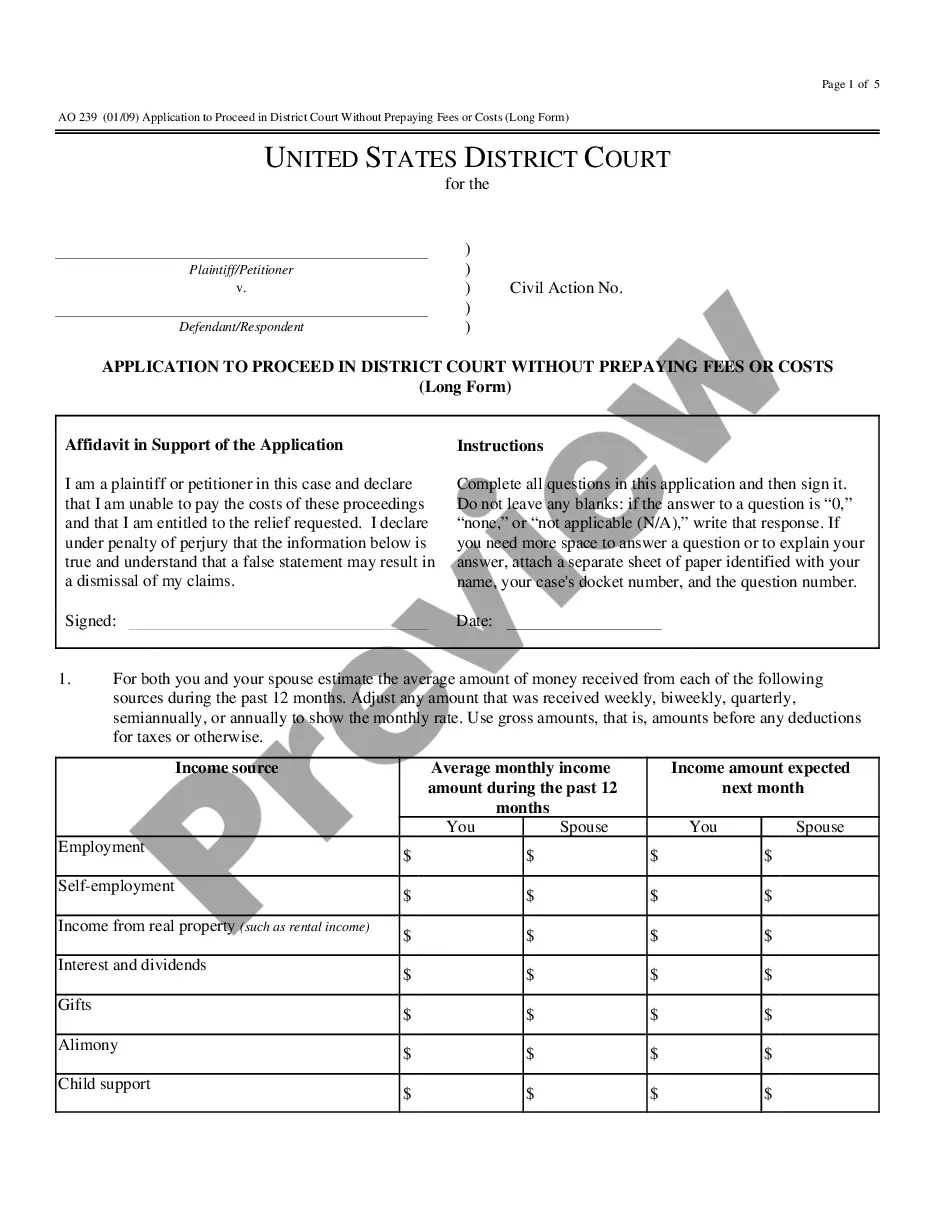
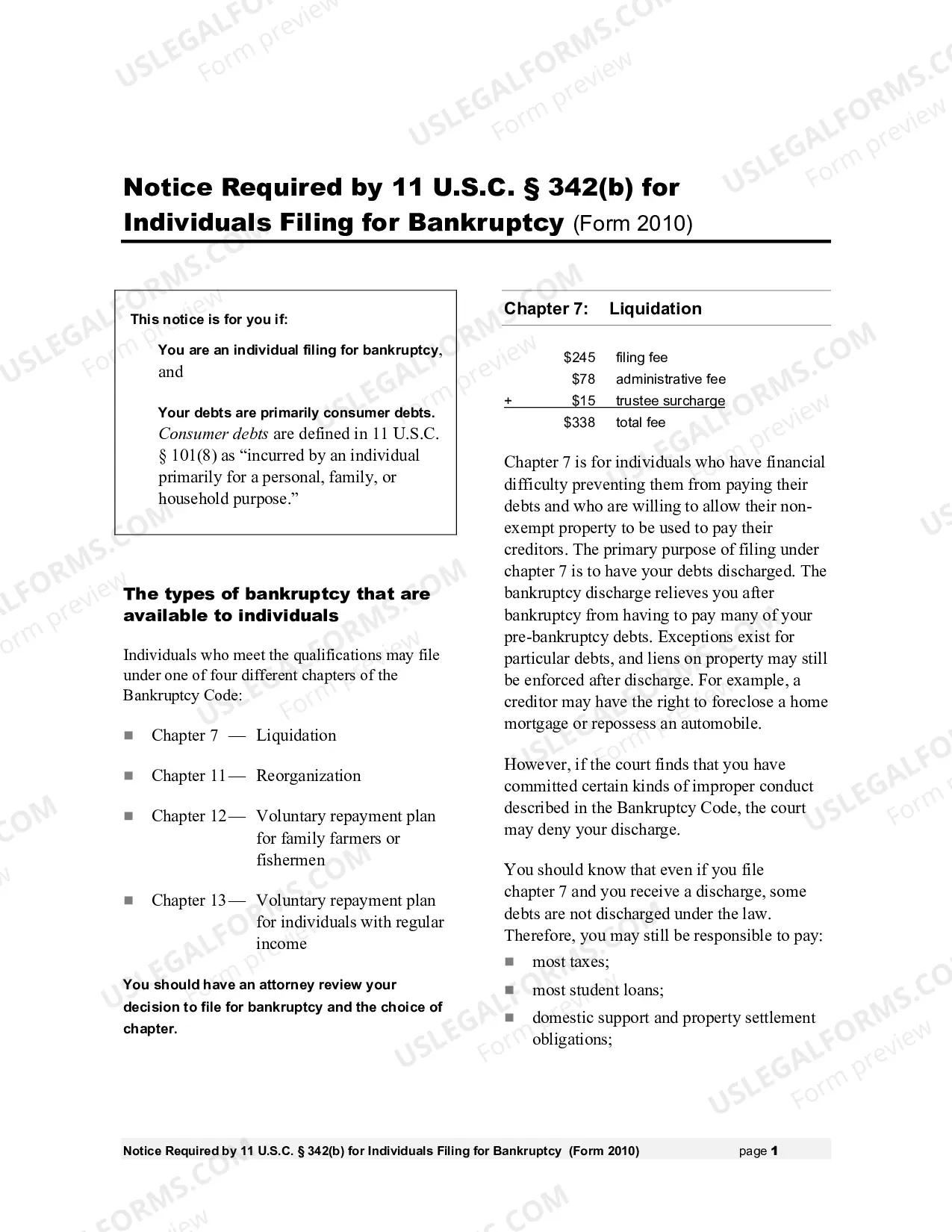
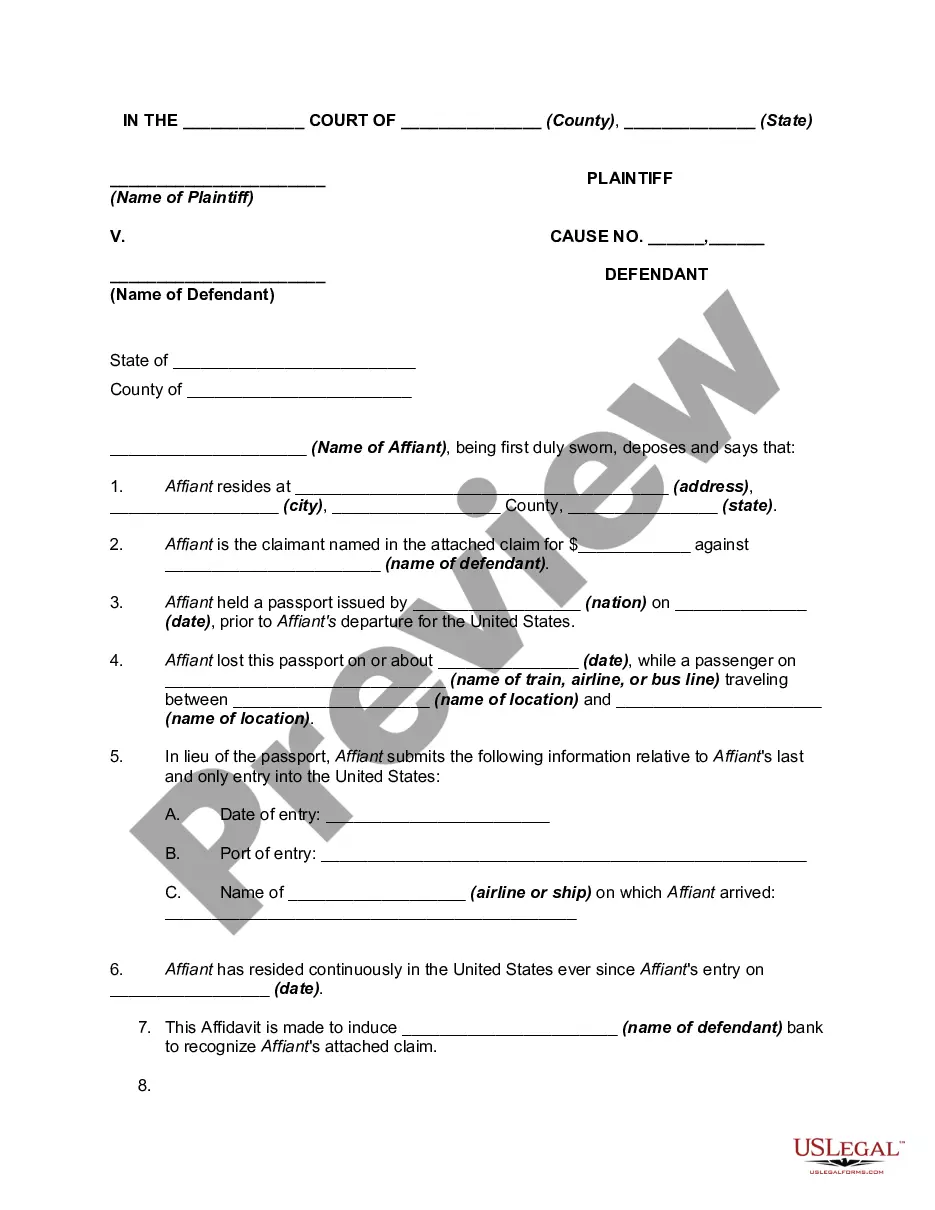
How to fill out Affidavit And Proof Of Permanent Resident Or Residence Given To Prove Loss Of Passport?
Regardless of whether it is for professional reasons or personal issues, everyone encounters legal circumstances at some stage in their life.
Completing legal documents requires meticulous attention, starting with selecting the right form template. For example, if you choose an incorrect version of a Dmv Proof Of Residency, it will be declined upon submission.
With an extensive catalog from US Legal Forms available, you do not need to waste time searching for the right sample across the web. Use the library’s user-friendly navigation to locate the correct form for any situation.
- Obtain the sample you require using the search bar or catalog navigation.
- Review the document’s details to confirm it aligns with your situation, state, and locality.
- Click on the preview of the document to inspect it.
- If it is not the correct document, return to the search feature to find the Dmv Proof Of Residency sample you are looking for.
- Download the file when it meets your requirements.
- If you already possess a profile with US Legal Forms, click Log in to retrieve previously saved documents from My documents.
- If you do not have an account yet, you can acquire the form by clicking Buy now.
- Choose the suitable pricing option.
- Fill in the profile registration form.
- Select your payment method: you can choose either a credit card or a PayPal account.
- Choose the file format you prefer and download the Dmv Proof Of Residency.
- Once downloaded, you can fill out the form using editing software or print it out and complete it by hand.
Form popularity
FAQ
Anyone who intends to use someone else's image, likeness, or property in a specific context should obtain a form. This includes photographers, filmmakers, event organizers, and anyone planning to use the material commercially. In some cases, these are required by law.
The general answer is no you don't need a release when photographing a public location, however, it is always best to error on side of caution and obtain a model release. This may not always be feasible and is appropriate to photograph even without a release in the case of street photography.
However, photo releases should contain the following components: Names. Names of both parties should be included in a photo release to properly identify who is either granting or receiving permission to use the photos. Terms. ... Description of the shoot. ... Agreement statement. ... Dated signature.
Some of the most common types of release forms include photo, model, property, and copyright release forms. They're all designed to protect a photographer's work and outline publishing rules for the photos.
You should use a photo release consent form any time you plan on using an image for commercial purposes. In other words, if your picture is going to generate money ? even indirectly for marketing or sales purposes ? you need a release form.
A Photography Contract is a legal agreement that outlines the scope, payment timeline, and due dates for photography services. With signatures from both the photographer and the client, this contract can help to create a shared understanding and limit future conflicts.
Since the model has control, the artist, photographer, or company hiring the model needs permission from the model to use the images both for the initial intended purpose as well as any potential future uses. In essence, the model release form lays out the terms of use that both the artist and model agree with.