Non-profit
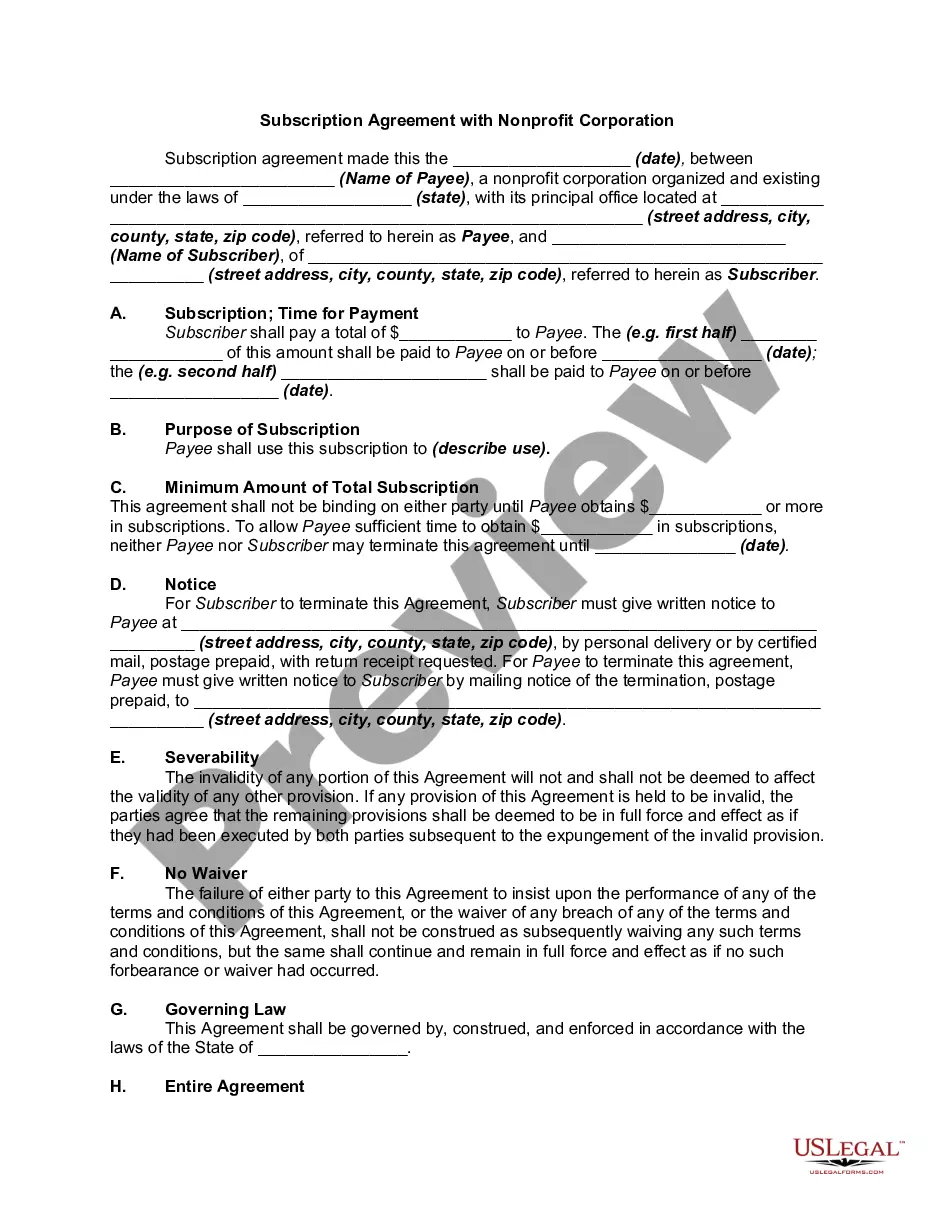
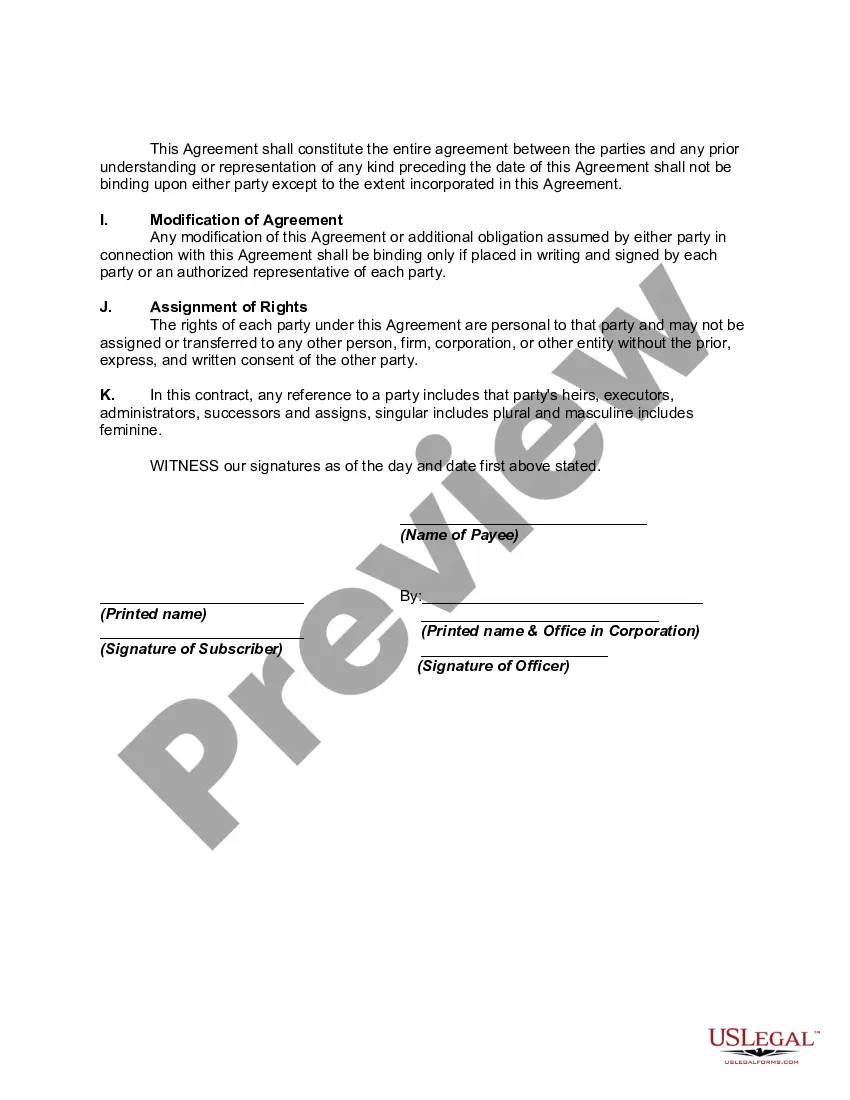
Description
Get your form ready online
Our built-in tools help you complete, sign, share, and store your documents in one place.
Make edits, fill in missing information, and update formatting in US Legal Forms—just like you would in MS Word.
Download a copy, print it, send it by email, or mail it via USPS—whatever works best for your next step.
Sign and collect signatures with our SignNow integration. Send to multiple recipients, set reminders, and more. Go Premium to unlock E-Sign.
If this form requires notarization, complete it online through a secure video call—no need to meet a notary in person or wait for an appointment.
We protect your documents and personal data by following strict security and privacy standards.

Make edits, fill in missing information, and update formatting in US Legal Forms—just like you would in MS Word.

Download a copy, print it, send it by email, or mail it via USPS—whatever works best for your next step.

Sign and collect signatures with our SignNow integration. Send to multiple recipients, set reminders, and more. Go Premium to unlock E-Sign.

If this form requires notarization, complete it online through a secure video call—no need to meet a notary in person or wait for an appointment.

We protect your documents and personal data by following strict security and privacy standards.
Looking for another form?

How to fill out Subscription Agreement With Nonprofit Corporation?
- If you are a returning user, log in to your account. Ensure your subscription is active to access and download forms.
- For first-time users, begin by exploring the preview mode and detailed descriptions of the forms to guarantee they fit your needs and jurisdiction.
- If you find any discrepancies or require a different form, utilize the search feature to locate the correct document.
- Once the right template is identified, click on the Buy Now button and select a subscription plan that suits your requirements. You'll need to create an account to access all features.
- Proceed to checkout by entering your payment details via credit card or PayPal to complete the subscription.
- After the purchase, download your selected forms and save them on your device. Access your documents at any time in the My Forms section of your account.
Following these straightforward steps can help your non-profit organization quickly acquire the necessary legal documents while ensuring compliance and accuracy.
Empower your non-profit today with the vast resources available at US Legal Forms and start your journey towards legal readiness!
Form popularity
FAQ
Yes, non-profits typically must file state tax returns, although requirements can vary by state. Some states may not require a return if the organization has no taxable income. It's essential to check your state’s regulations to ensure compliance. For assistance in navigating state filings, US Legal Forms offers resources and templates tailored to your specific needs, making the process more accessible.
To report a non-profit to the IRS, you can file an informational return using the appropriate Form 990 series, along with any required schedules, based on your income level and activities. Providing precise information about your organization’s activities is key for compliance. Regular reporting ensures transparency and maintains your non-profit status. Consider using US Legal Forms for templates and guidance to ensure you meet your reporting obligations correctly.
To file for a not-for-profit organization, you need to complete and submit IRS Form 1023 for recognition of exemption under Section 501(c)(3). This form requires detailed information about your organization’s purpose, programs, and financial projections. Drafting a clear mission statement is essential for this process. If you need guidance, US Legal Forms provides professional templates and resources to streamline your application.
Yes, even if a non-profit made no profit, it generally must still file an informational return like Form 990 with the IRS. This requirement helps maintain transparency and allows the IRS to review the organization’s activities and adherence to tax compliance. Additionally, failure to file may jeopardize your non-profit status. Using US Legal Forms, you can find templates to help you meet these requirements easily.
Non-profits file taxes by completing the appropriate IRS forms designed specifically for their status, such as Form 990, 990-EZ, or 990-N. These forms allow the organization to report its income, expenditures, and activities to the IRS. Ensuring accuracy in your financial statements is vital, as this helps maintain your tax-exempt status. US Legal Forms can assist with easy-to-follow templates that guide you through the filing process.
Filing taxes as a non-profit involves submitting IRS Form 990 or one of its variations, depending on your organization's size and activities. This form provides the IRS with essential information about your non-profit’s finances, governance, and programs. It's crucial to keep accurate financial records to ensure compliance, as these forms help demonstrate your mission’s progress. If you're uncertain about the process, US Legal Forms offers resources and templates to simplify your filing.
When referring to non-profit organizations, it is best to write it as 'nonprofit' without a hyphen or space. This usage reflects the term's increasing acceptance in the industry. For clarity in communication, consistently use 'nonprofit' when describing organizations that operate without profit motives. Accurate terminology helps convey professionalism and respect in your discussions about non-profits.
A prime example of a non-profit is Habitat for Humanity, which works to provide affordable housing for those in need. This organization brings together volunteers and communities to build homes and promote home ownership. By focusing on shelter as a basic human right, it fulfills a crucial social need. Such non-profits demonstrate how collective efforts can lead to meaningful change.
The 33% rule for nonprofits refers to a guideline suggesting that non-profits should allocate at least 33% of their resources to program services. This rule helps ensure that a significant portion of funds is spent directly on achieving their mission rather than on administrative costs. Adhering to this guideline allows non-profits to maintain transparency and effectiveness. Many donors appreciate organizations that prioritize their mission in this way.
known nonprofit company is the American Red Cross. This organization provides emergency assistance, disaster relief, and education in the United States. Nonprofits like the Red Cross rely on donations and volunteers to fulfill their mission. These companies do not distribute profits to shareholders but reinvest any surplus into their programs.