Examples Of Letters Of Guardianship Without Court
Description
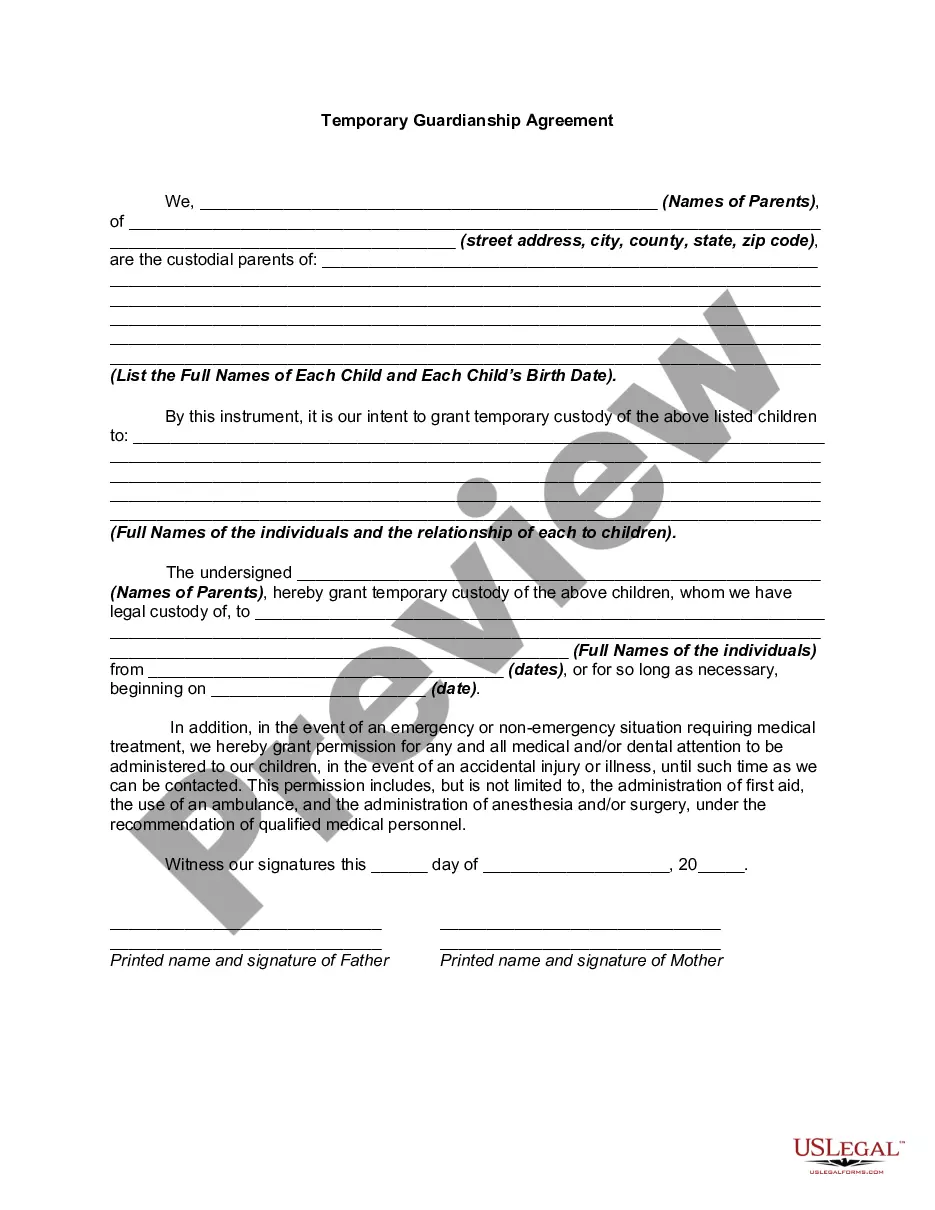
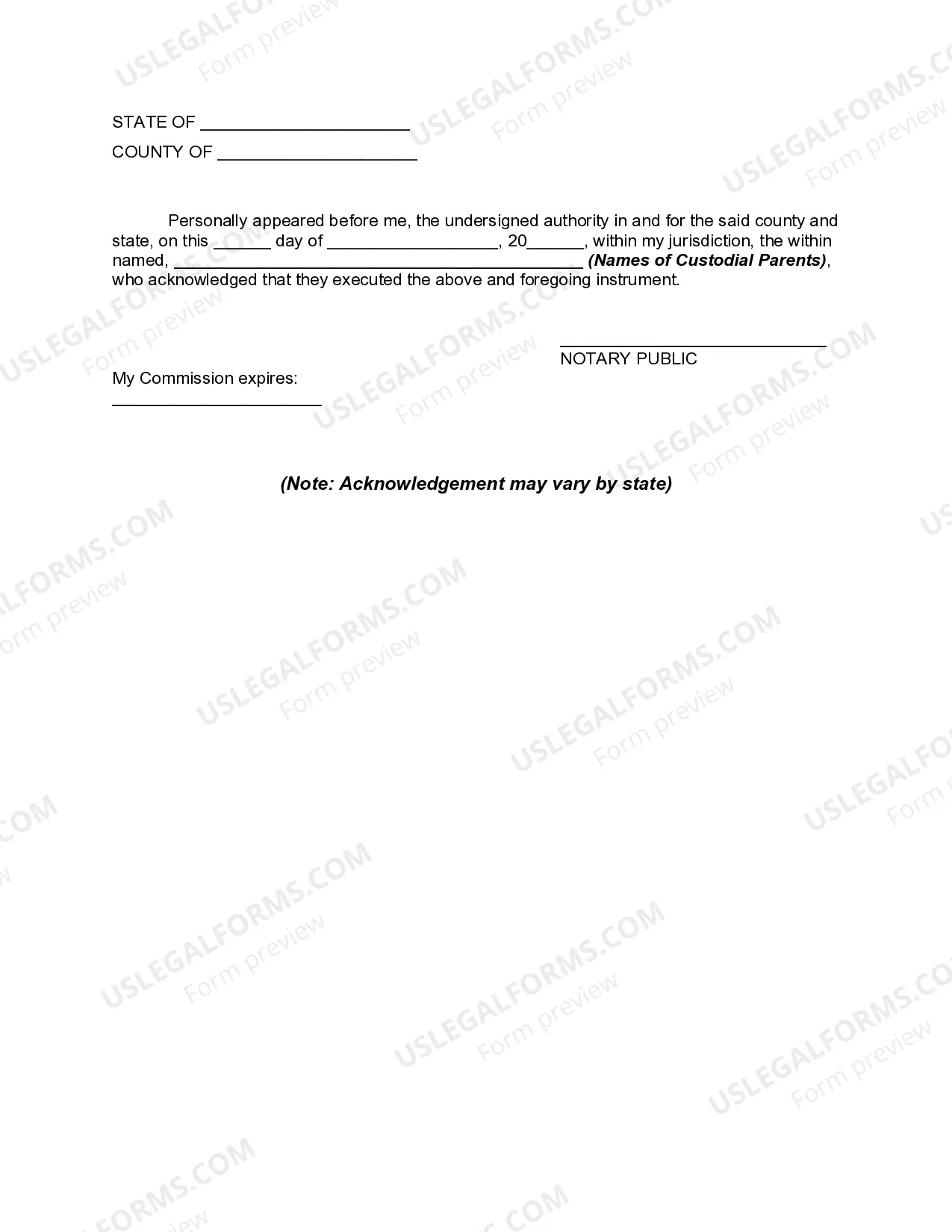
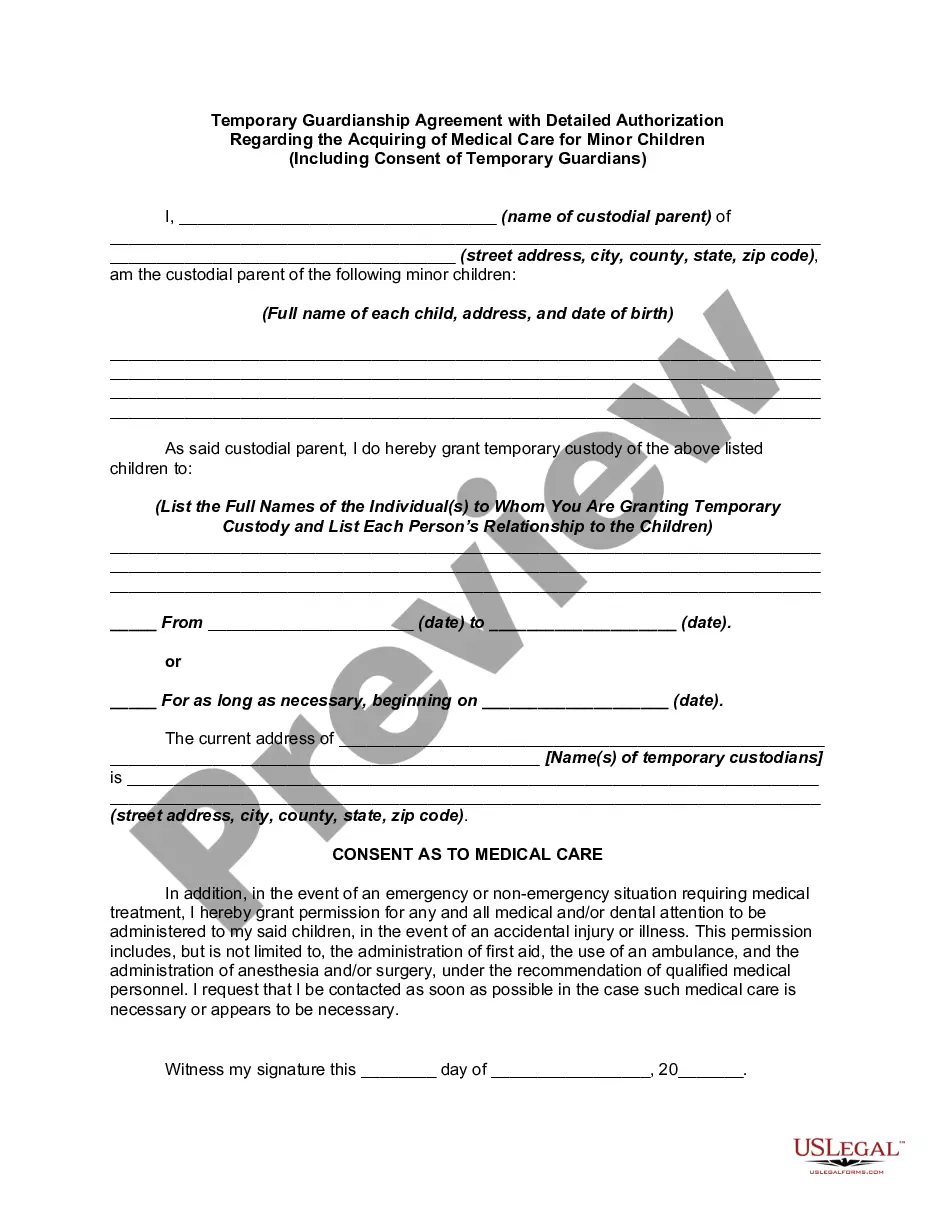
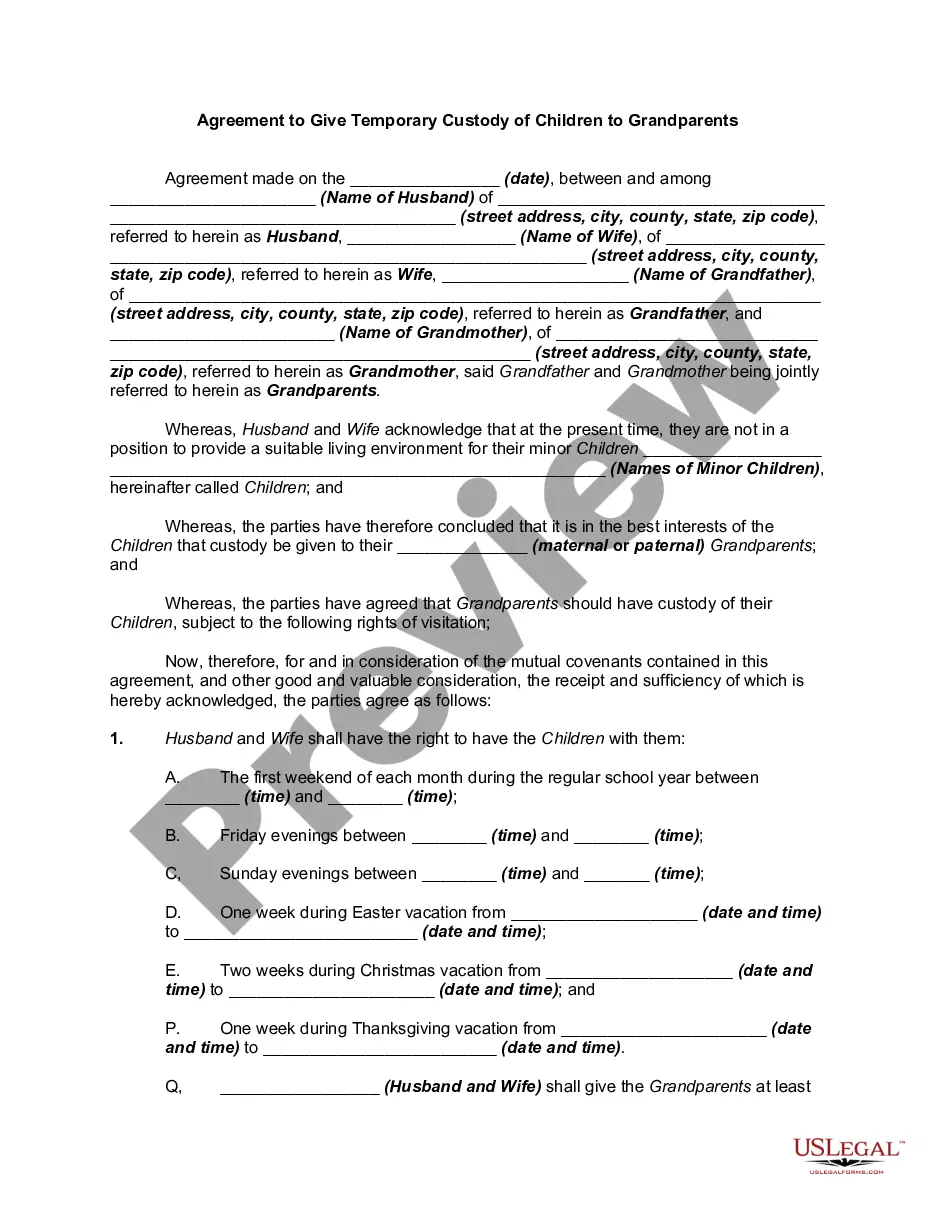


How to fill out Temporary Guardianship Agreement?
The Samples Of Guardianship Letters Without Judicial Approval that you observe on this site is a reusable legal document prepared by experienced attorneys in accordance with federal and local regulations.
For over 25 years, US Legal Forms has supplied individuals, businesses, and lawyers with over 85,000 authenticated, state-specific documents for various business and personal circumstances. It’s the quickest, simplest, and most dependable method to acquire the documentation you require, as the service ensures bank-level data security and anti-malware safeguards.
Register for US Legal Forms to access verified legal templates for every situation life may present.
- Look for the document you require and examine it.
- Choose the pricing plan that fits your needs and create an account. Make a prompt payment using PayPal or a credit card. If you already possess an account, Log In and review your subscription to proceed.
- Select the format you prefer for your Samples Of Guardianship Letters Without Judicial Approval (PDF, Word, RTF) and download the document to your device.
- Print the document to complete it by hand. Alternatively, utilize an online multifunctional PDF editor to quickly and accurately fill out and sign your form with a legally-binding electronic signature.
- Reuse the same document whenever necessary. Access the My documents tab in your profile to redownload any previously purchased templates.
Form popularity
FAQ
Writing a letter to confirm your guardianship involves stating your intentions clearly and formally. Start by including your name, the child's name, and a declaration of your guardianship. You can enhance your letter with examples of letters of guardianship without court for reference, ensuring it meets legal expectations. To finalize, add your signature and date to affirm the letter's validity.
To prove that someone is your guardian, you should gather relevant documents that confirm their guardianship status. Look for acts such as signed letters of guardianship or other formal agreements that declare their role. Additionally, you can use examples of letters of guardianship without court to provide clear evidence of their responsibilities and authority. If necessary, consult with legal professionals to ensure everything is properly documented.
To write a letter of guardianship, begin by clearly stating your intent to assume guardianship. Include the full names of both the guardian and the individual needing guardianship, along with pertinent details about their situation. Be sure to outline any responsibilities you will take on, such as care or decision-making. For more comprehensive guidance, check out examples of letters of guardianship without court on US Legal Forms, where you can find templates to simplify the process.
An example of guardianship involves a situation where a grandparent becomes the legal guardian of their grandchild. This may occur when the child's parents are unable to provide care. In such cases, showcasing examples of letters of guardianship without court can offer guidance on formalizing this important arrangement.
When writing for guardianship, focus on the needs of the person requiring care and your choice of guardian. Explain why your selected guardian would be a good fit, detailing their skills and experience. This clarity will help in drafting effective examples of letters of guardianship without court.
A letter of recommendation for guardianship should highlight the guardian's qualities and suitability for the role. Discuss their strengths, character, and experiences that make them a good fit. Ensure the letter is concise and heartfelt, providing additional examples of letters of guardianship without court.
Writing a formal letter for guardianship requires a clear format. Begin with your contact information and a date, then address the letter to the intended guardian. Include details about the person needing care, your relationship to them, and express your wish for them to serve as guardian, creating yet another example of letters of guardianship without court.
To write a notarized letter for guardianship, start by stating your intention to appoint a guardian. Include necessary details such as the guardian's name, the relationship to the person needing care, and specific responsibilities. Once completed, have the letter signed in front of a notary public for validation, showcasing one of the practical examples of letters of guardianship without court.
A letter of intent for guardianship outlines your wishes regarding the care of a child or person in need of protection. This document serves as an informative guideline for the potential guardian. It is especially useful when you want to express your preferences without going through court, providing clear examples of letters of guardianship without court.
Some downsides of guardianship include the potential loss of personal autonomy for the individual being cared for and possible financial responsibilities for the guardian. Additionally, guardianship can be a lengthy and costly process if pursued through the court system. To avoid complications, consider creating examples of letters of guardianship without court that outline your intentions clearly.