Accounting For Insurance Contracts
Description
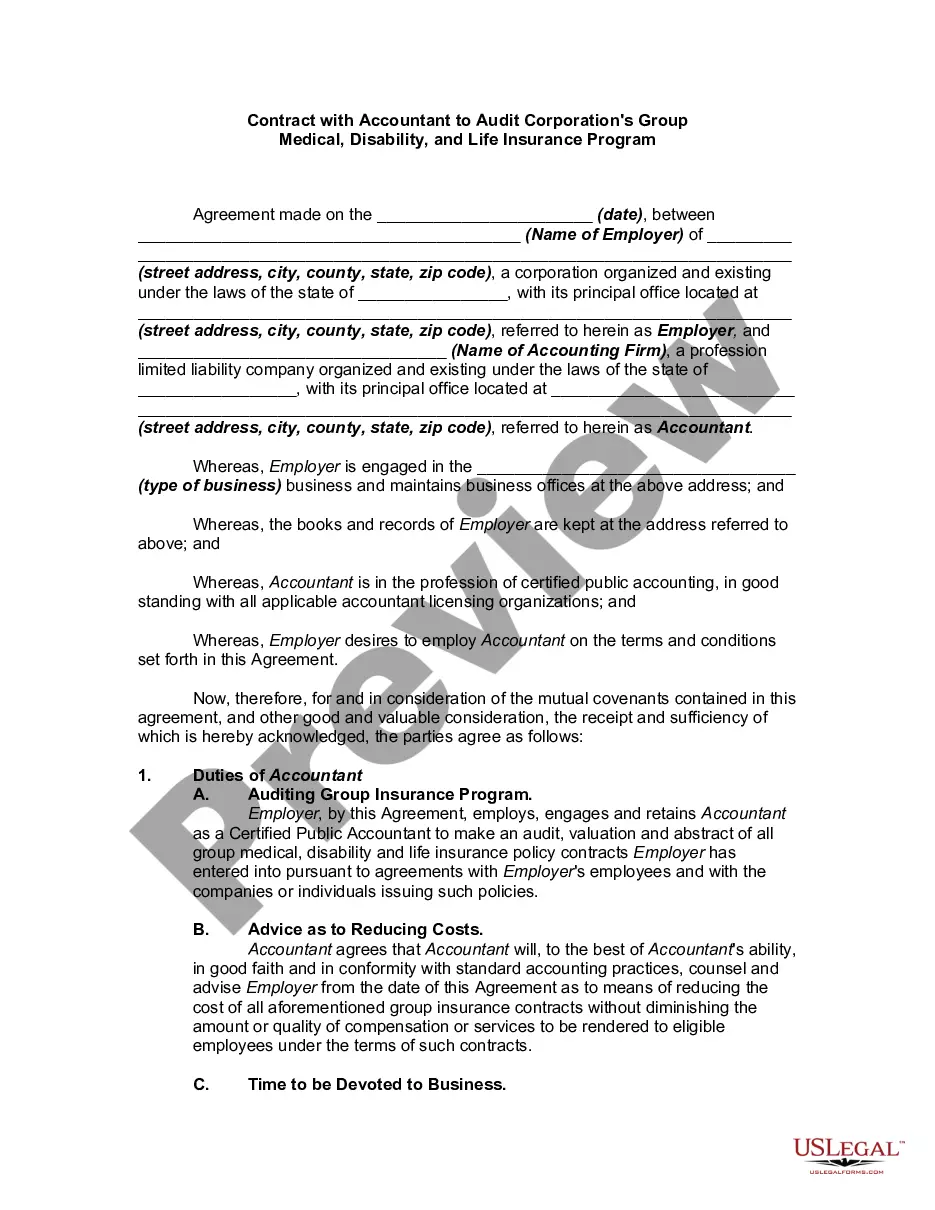
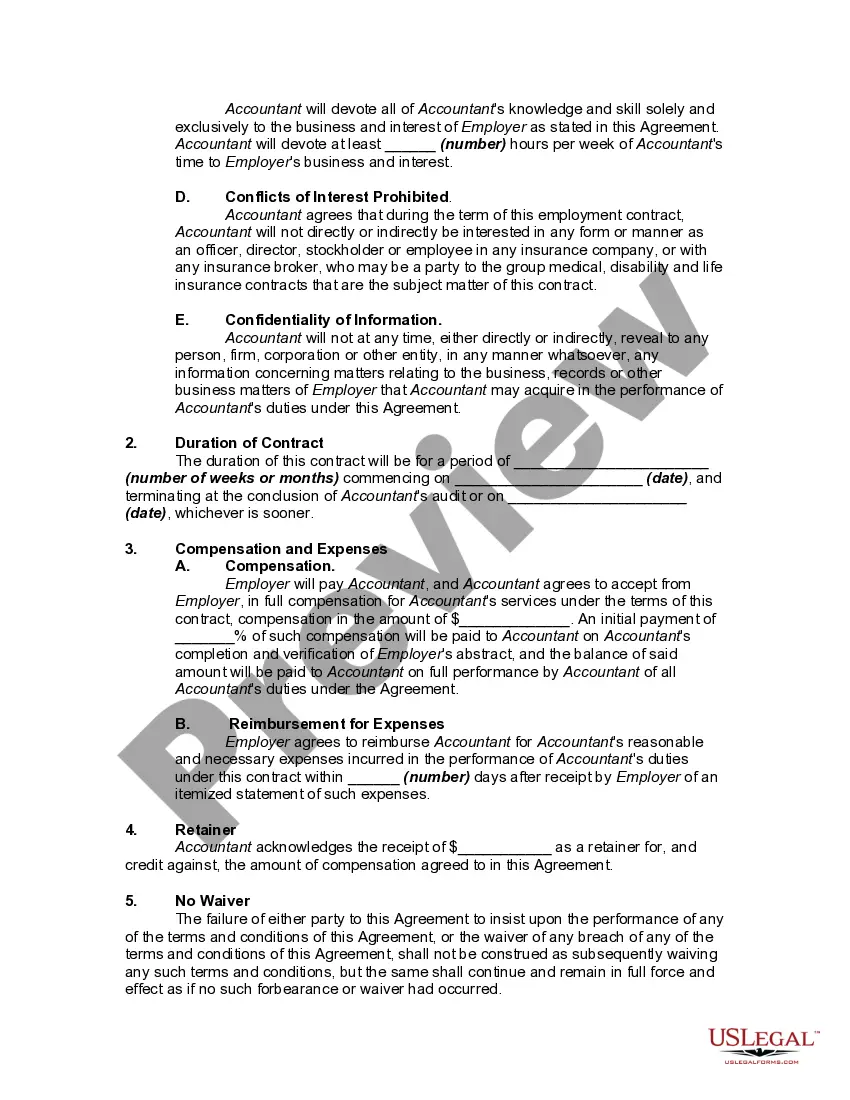
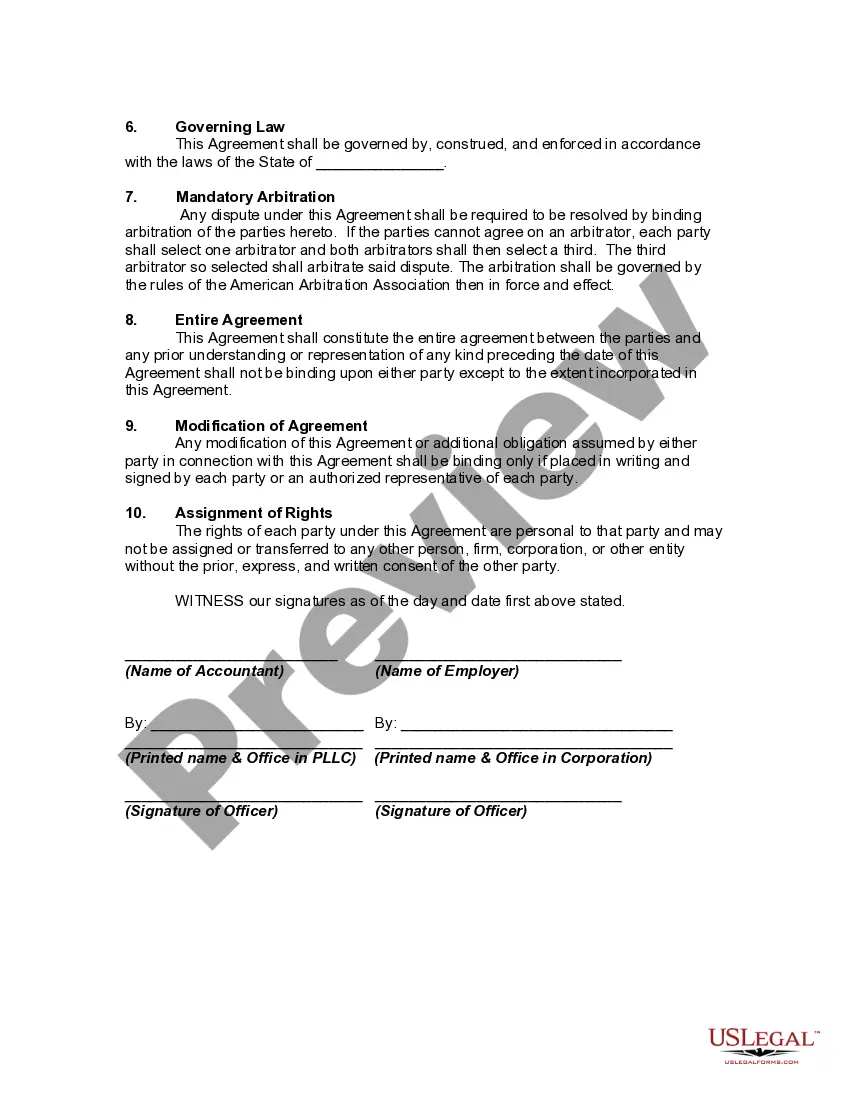
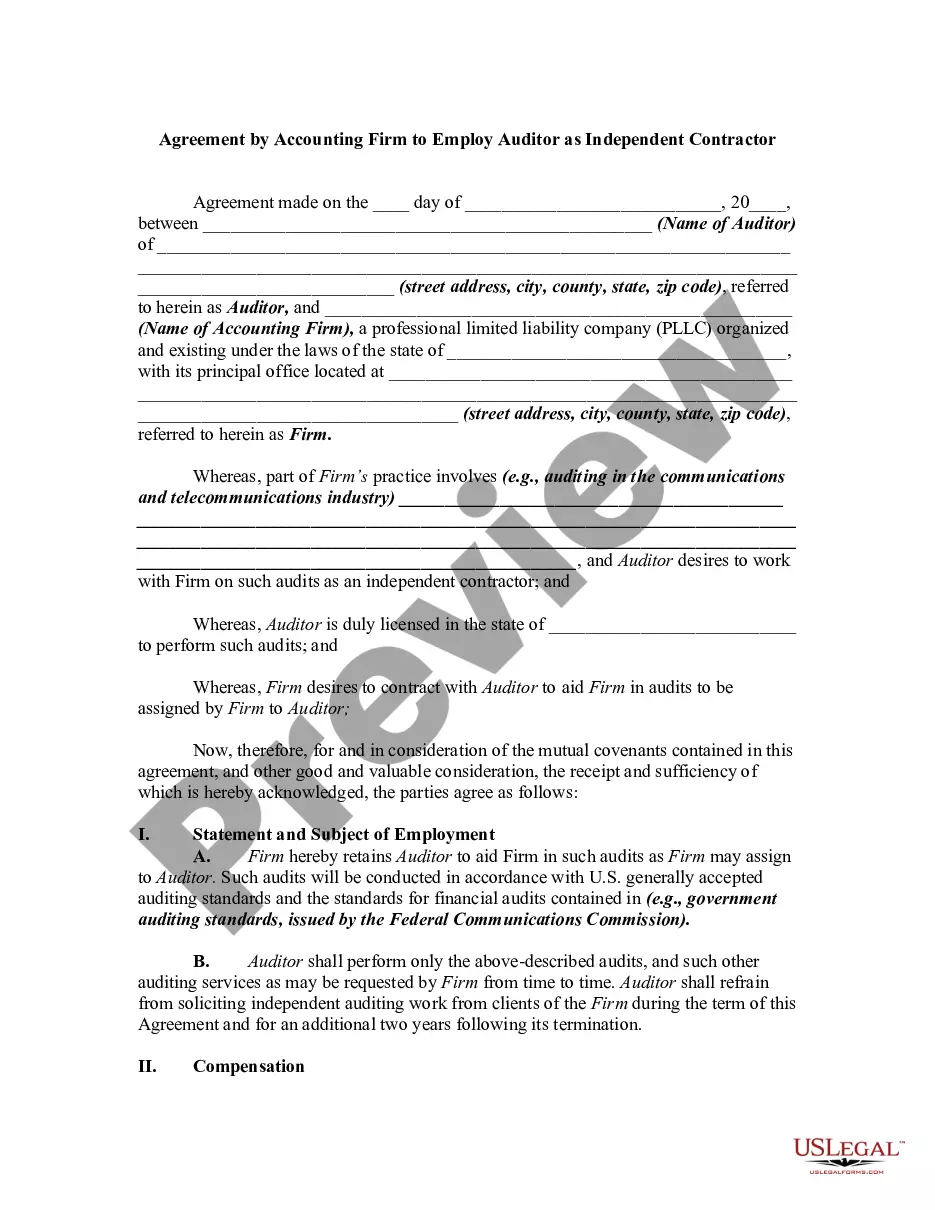
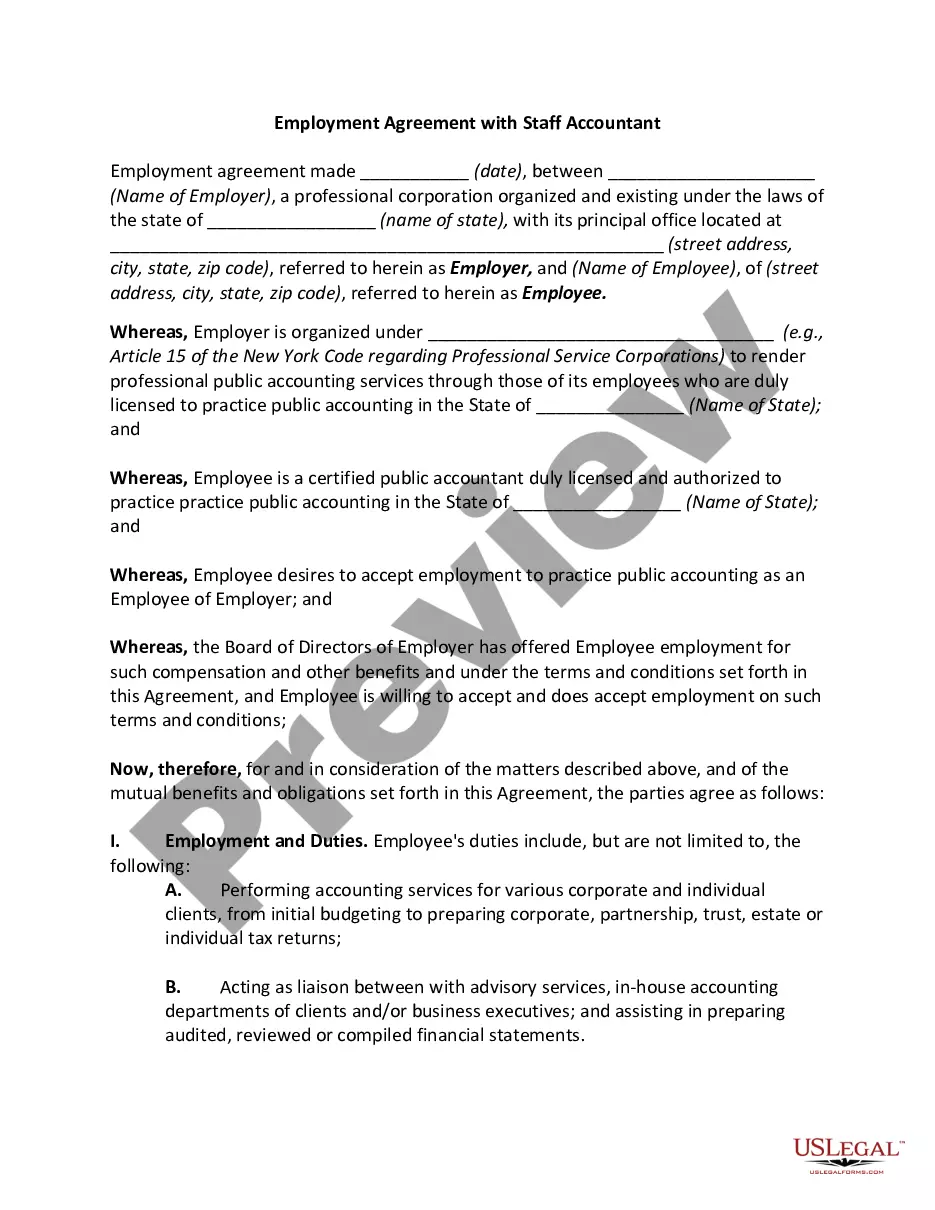
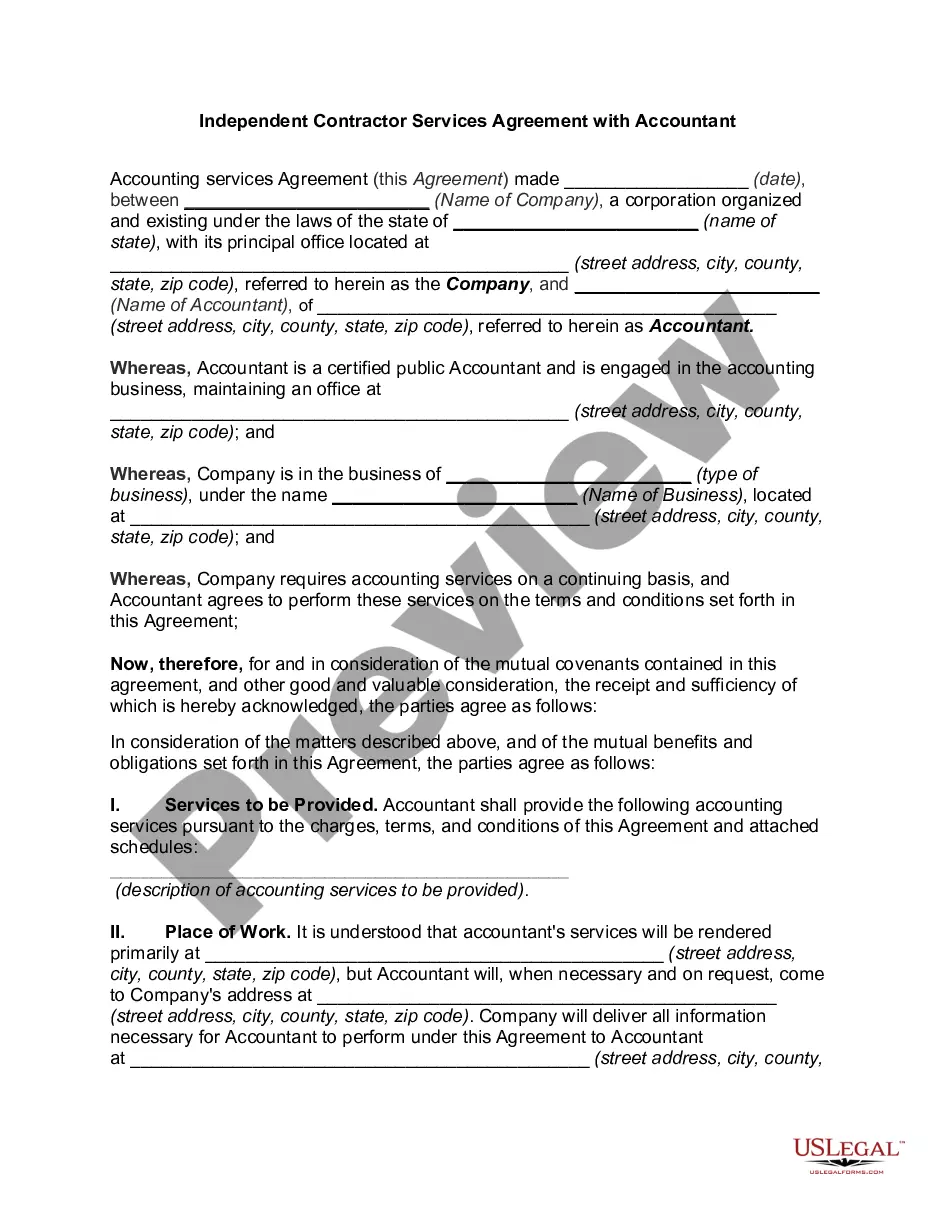
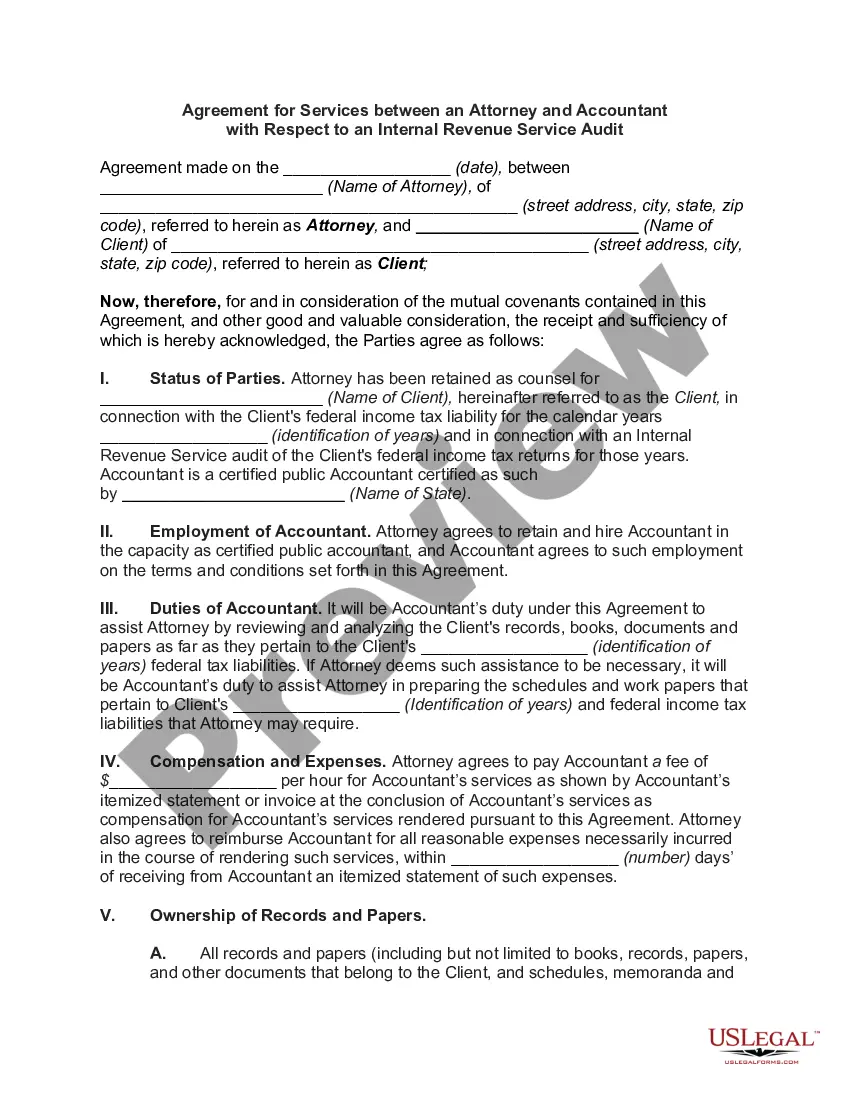
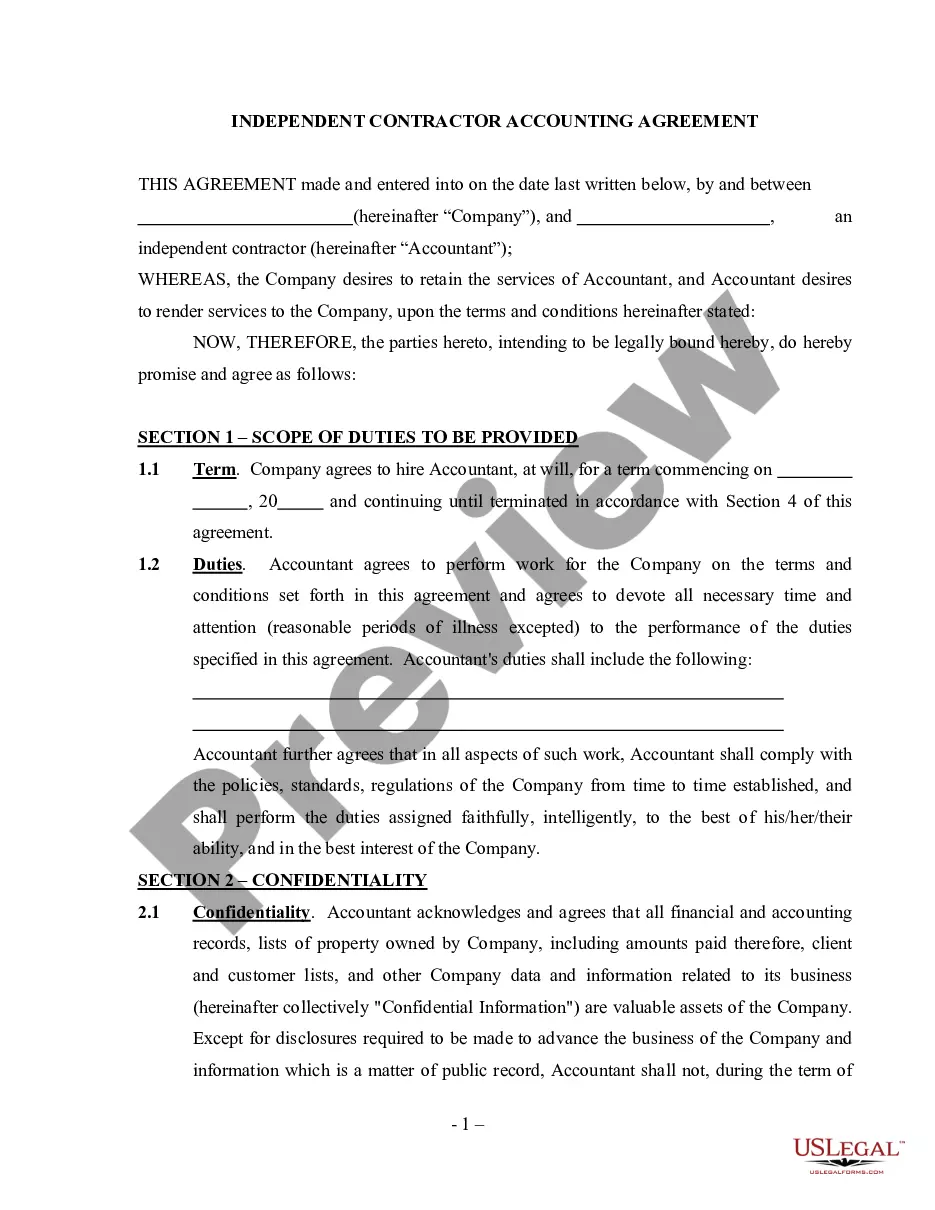
Get your form ready online
Our built-in tools help you complete, sign, share, and store your documents in one place.
Make edits, fill in missing information, and update formatting in US Legal Forms—just like you would in MS Word.
Download a copy, print it, send it by email, or mail it via USPS—whatever works best for your next step.
Sign and collect signatures with our SignNow integration. Send to multiple recipients, set reminders, and more. Go Premium to unlock E-Sign.
If this form requires notarization, complete it online through a secure video call—no need to meet a notary in person or wait for an appointment.
We protect your documents and personal data by following strict security and privacy standards.

Make edits, fill in missing information, and update formatting in US Legal Forms—just like you would in MS Word.

Download a copy, print it, send it by email, or mail it via USPS—whatever works best for your next step.

Sign and collect signatures with our SignNow integration. Send to multiple recipients, set reminders, and more. Go Premium to unlock E-Sign.

If this form requires notarization, complete it online through a secure video call—no need to meet a notary in person or wait for an appointment.

We protect your documents and personal data by following strict security and privacy standards.
Looking for another form?








How to fill out Contract With Accountant To Audit Corporation's Group Medical, Disability, And Life Insurance Program?
It’s well-known that you cannot transform into a legal expert instantly, nor can you easily learn how to swiftly prepare Accounting For Insurance Contracts without possessing a specialized skill set.
Creating legal documents is a lengthy endeavor that demands specific education and expertise. Therefore, why not entrust the preparation of the Accounting For Insurance Contracts to the specialists.
With US Legal Forms, one of the most extensive legal document repositories, you can access everything from court forms to templates for internal communication.
You can revisit your documents from the My documents section at any time. If you’re an existing customer, you can simply Log In, and locate and download the template from the same section.
Regardless of the reason for your forms—be it financial, legal, or personal—our website is here to assist you. Experience US Legal Forms today!
- Locate the document you require by utilizing the search bar at the top of the website.
- Preview it (if this feature is available) and review the accompanying description to ascertain whether Accounting For Insurance Contracts is what you need.
- Restart your search if you require any additional template.
- Create a complimentary account and choose a subscription plan to acquire the template.
- Select Buy now. After completing the transaction, you can download the Accounting For Insurance Contracts, fill it out, print it, and send or mail it to the appropriate individuals or organizations.
Form popularity
FAQ
An insurance contract is a "contract under which one party (the insurer) accepts significant insurance risk from another party (the policyholder) by agreeing to compensate the policyholder if a specified uncertain future event (the insured event) adversely affects the policyholder." [IFRS 4.?Appendix A]
Statutory Accounting Principles, also known as SAP, are used to prepare the financial statements of insurance companies. In the United States, authorized insurers are required to prepare financial information ing to SAP.
Any insurance premium costs that have not expired as of the balance sheet date should be reported as a current asset such as Prepaid Insurance. The costs that have expired should be reported in income statement accounts such as Insurance Expense, Fringe Benefits Expense, etc.
When the insurance coverage comes into effect, it is moved from an asset and charged to the expense side of the company's balance sheet. Insurance coverage, though, is often consumed over several periods. In this case, the company's balance sheet may show corresponding charges recorded as expenses.
There are four necessary elements to comprise a legally binding contract: (1) Offer and acceptance, (2) consideration, (3) legal purpose, and (4) competent parties. The effective date of a policy is the date the insurer accepts an offer by the applicant "as written."