Website User Agreement With Canada
Description
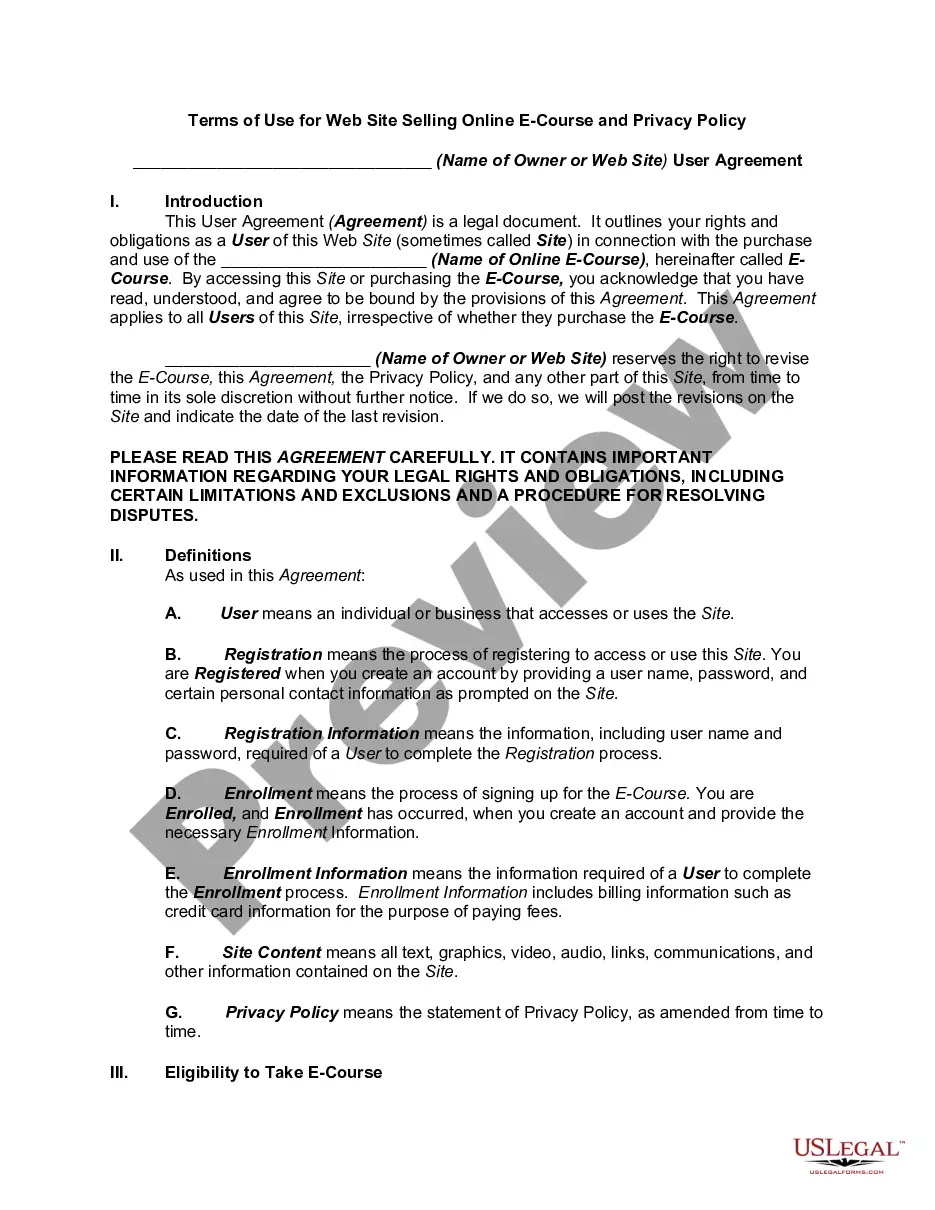
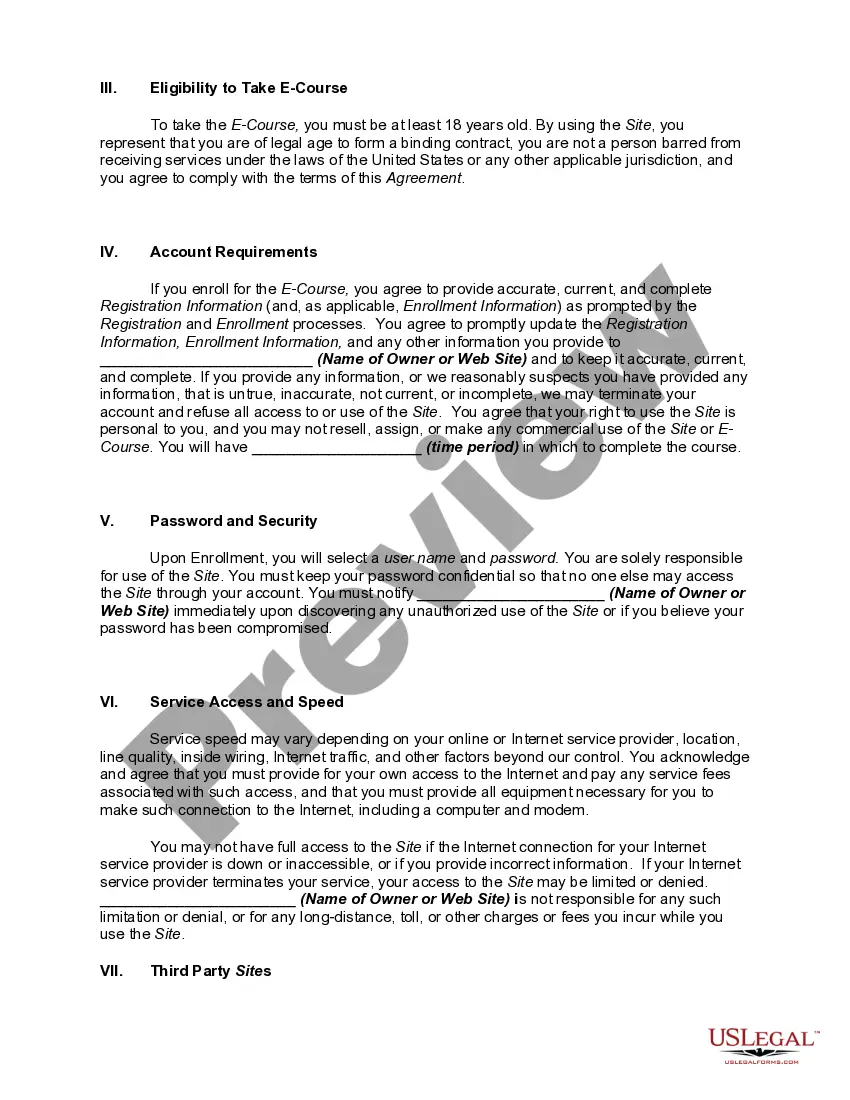
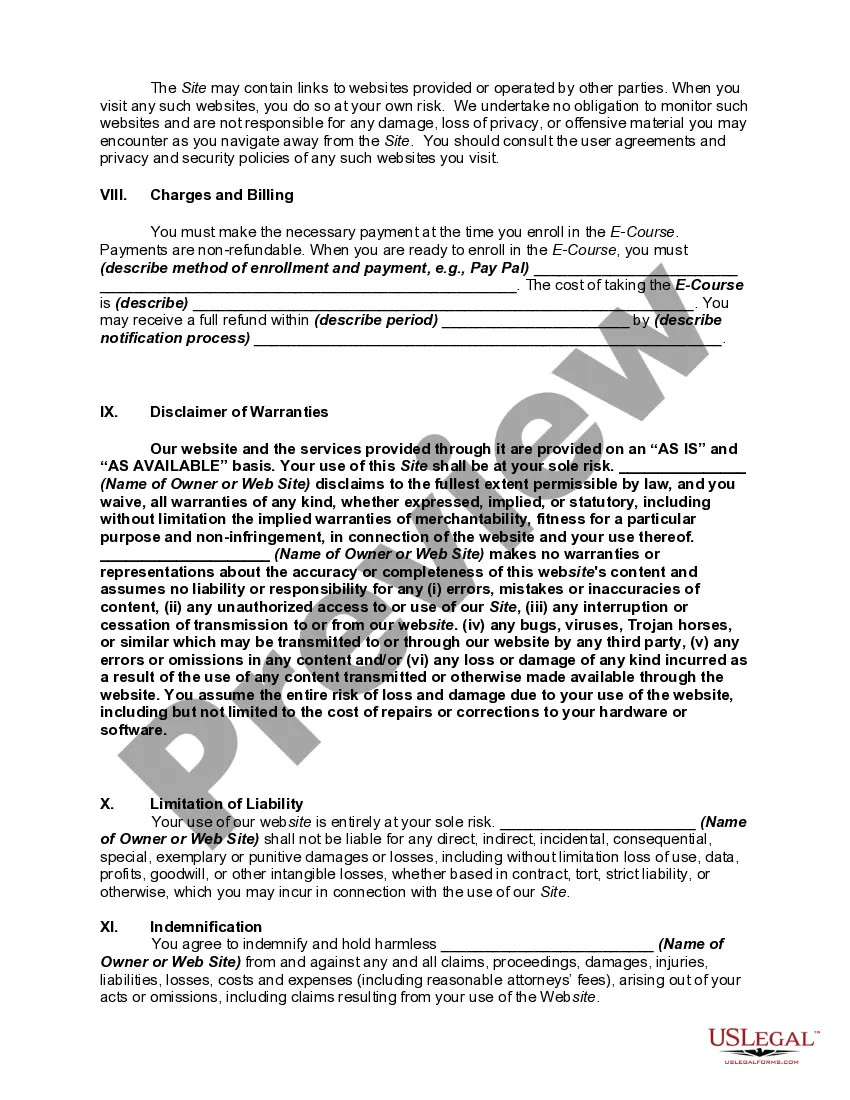
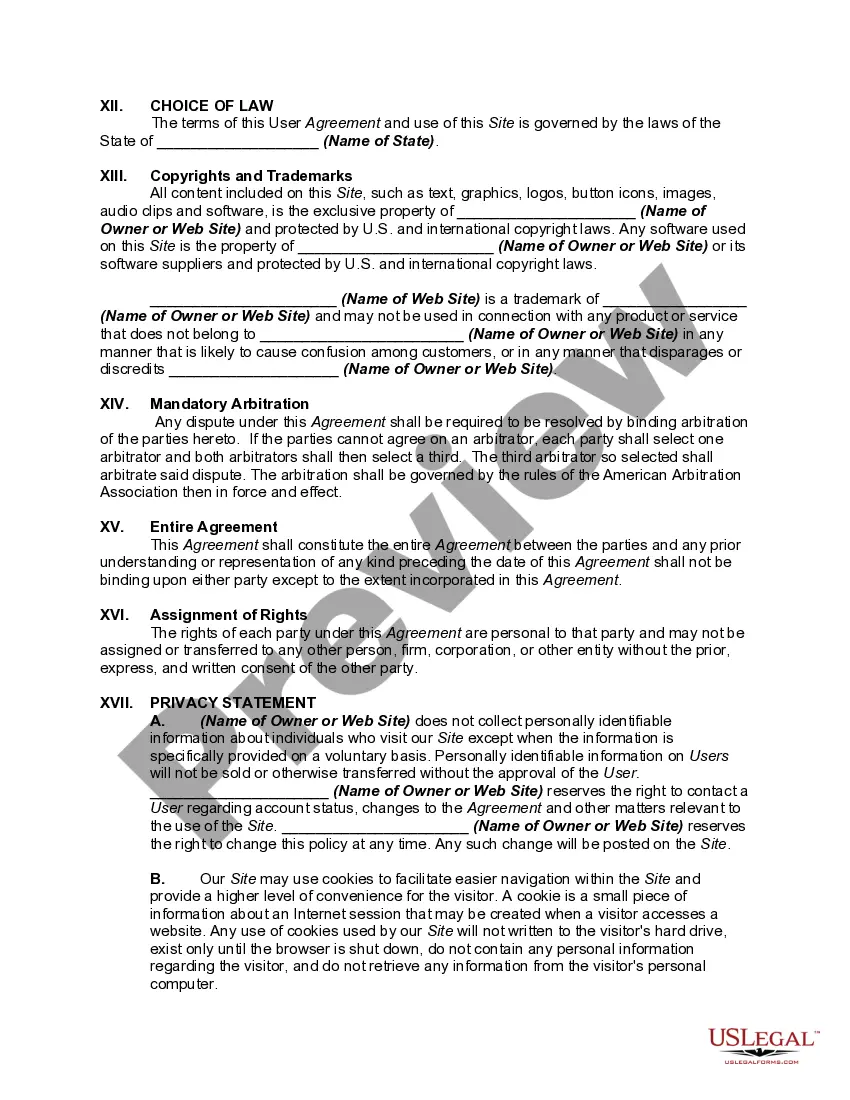
Get your form ready online
Our built-in tools help you complete, sign, share, and store your documents in one place.
Make edits, fill in missing information, and update formatting in US Legal Forms—just like you would in MS Word.
Download a copy, print it, send it by email, or mail it via USPS—whatever works best for your next step.
Sign and collect signatures with our SignNow integration. Send to multiple recipients, set reminders, and more. Go Premium to unlock E-Sign.
If this form requires notarization, complete it online through a secure video call—no need to meet a notary in person or wait for an appointment.
We protect your documents and personal data by following strict security and privacy standards.

Make edits, fill in missing information, and update formatting in US Legal Forms—just like you would in MS Word.

Download a copy, print it, send it by email, or mail it via USPS—whatever works best for your next step.

Sign and collect signatures with our SignNow integration. Send to multiple recipients, set reminders, and more. Go Premium to unlock E-Sign.

If this form requires notarization, complete it online through a secure video call—no need to meet a notary in person or wait for an appointment.

We protect your documents and personal data by following strict security and privacy standards.
Looking for another form?










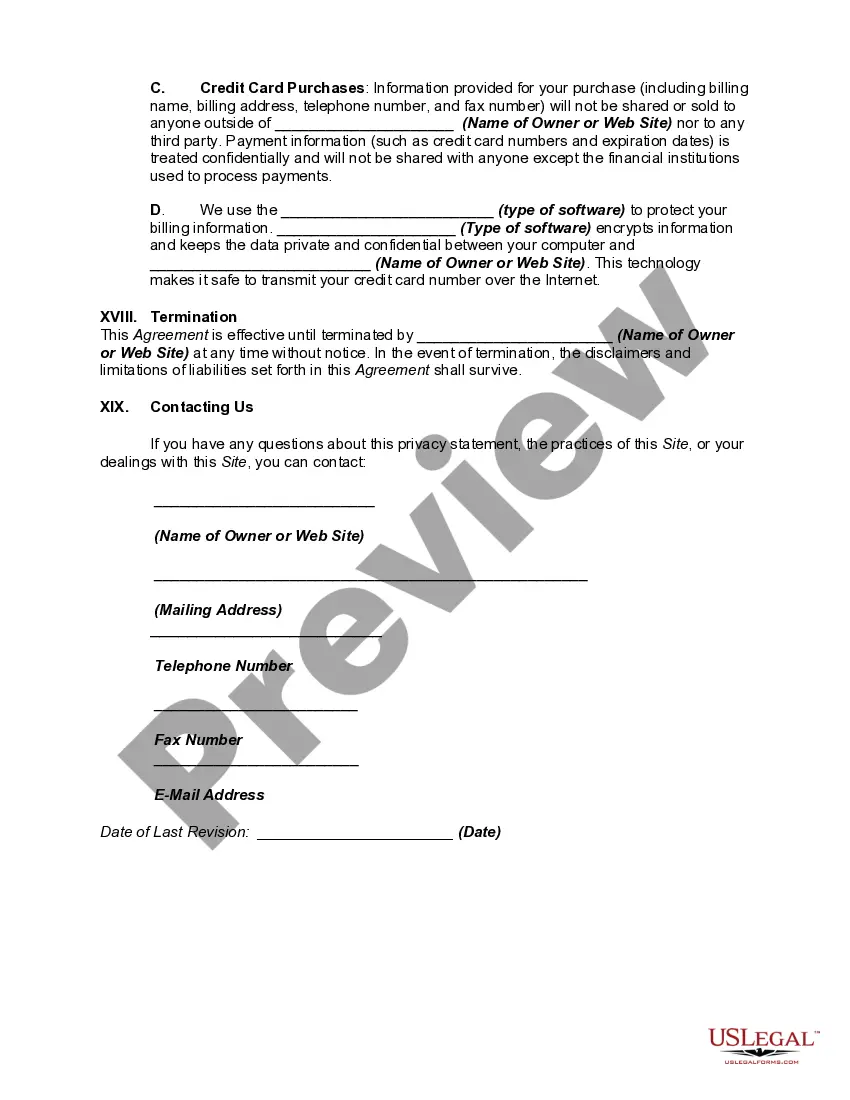
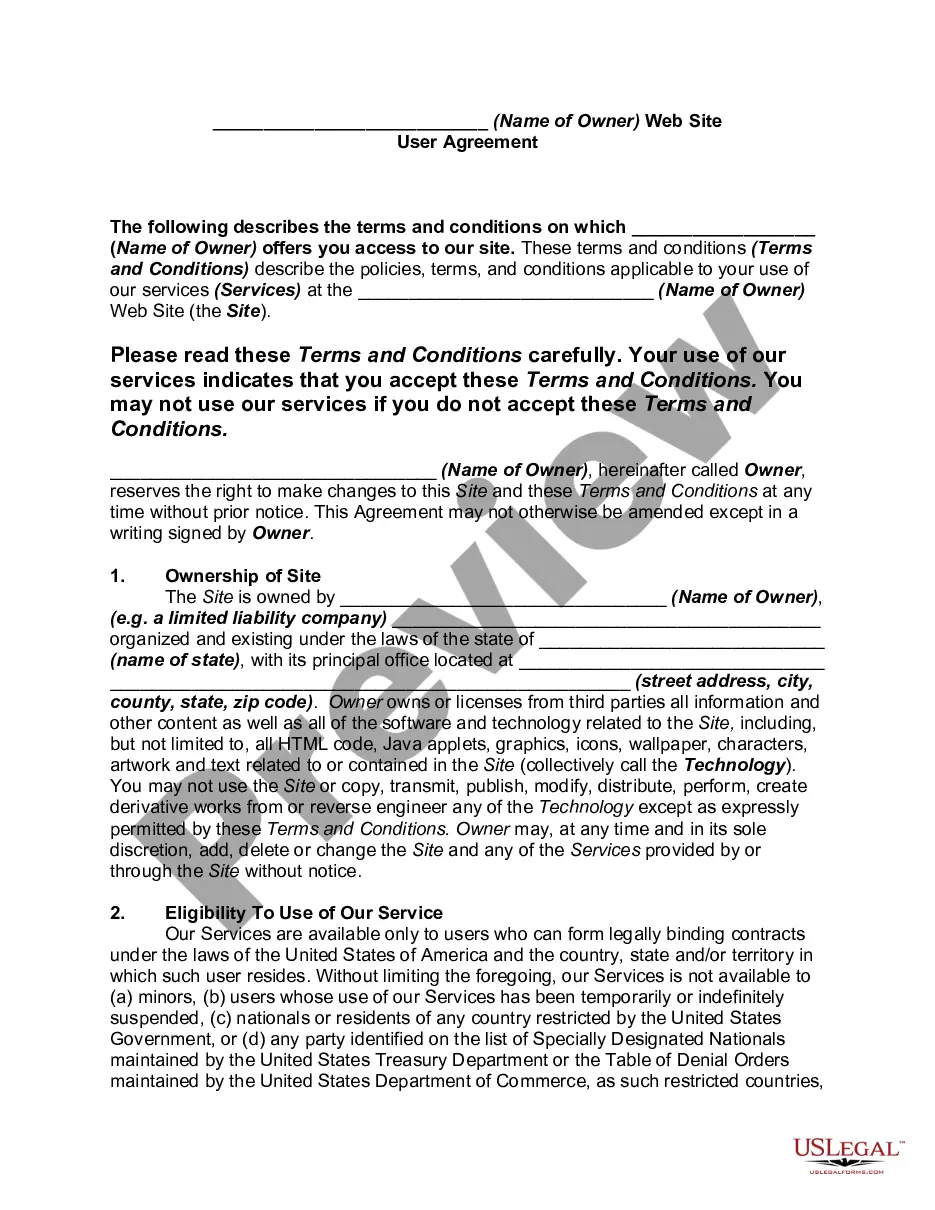
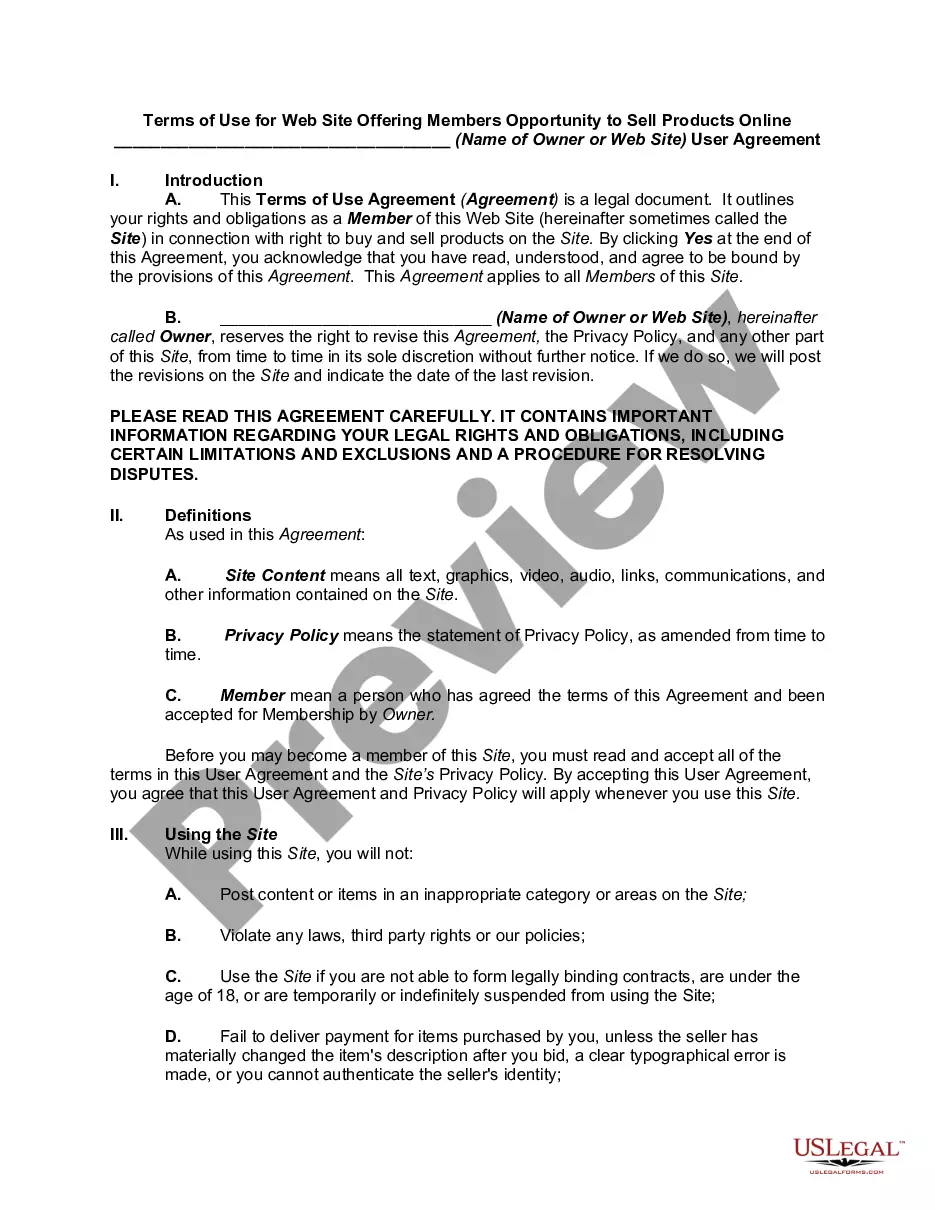
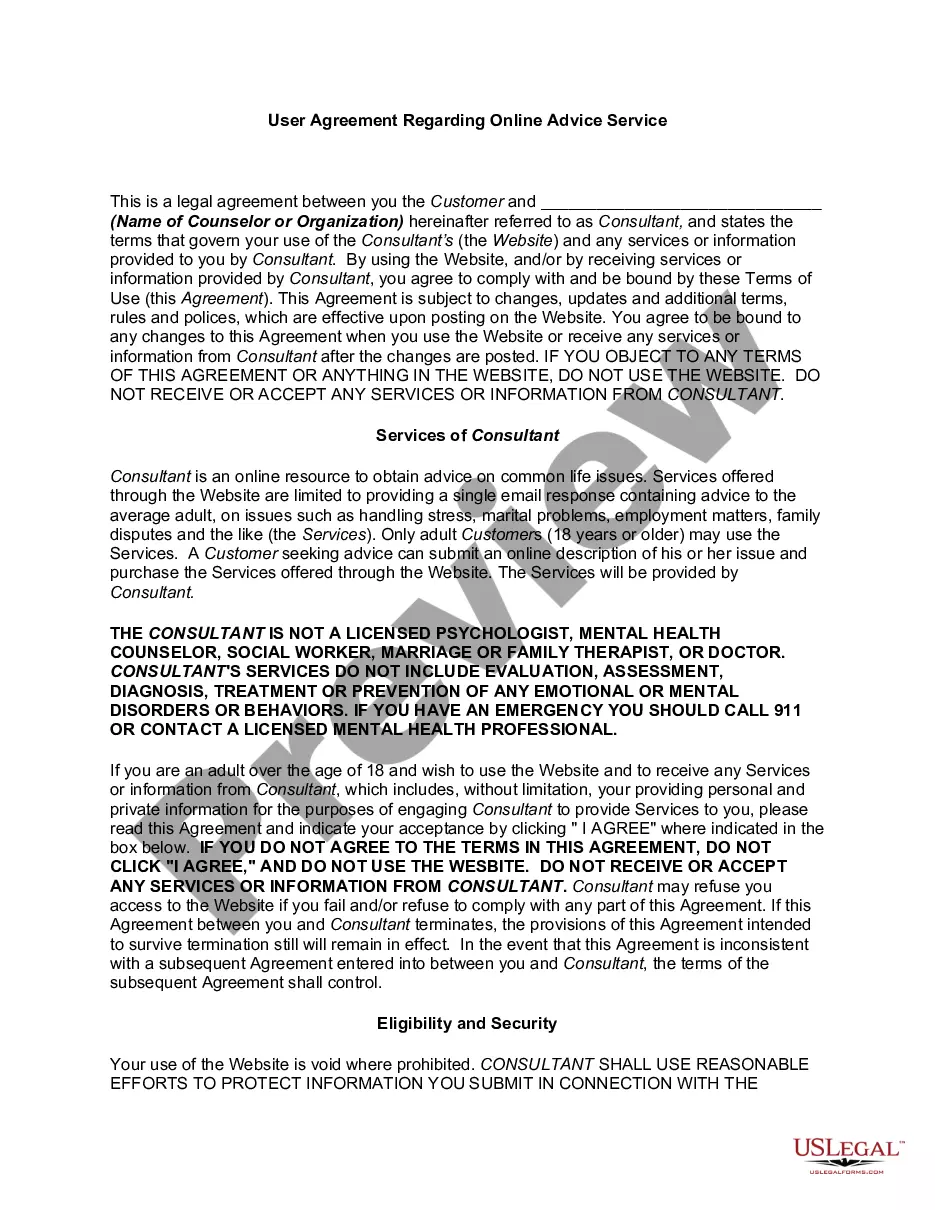
How to fill out Website Subscription User Agreement - Terms Of Use For Website Selling Online E-Course Privacy Policy?
It’s obvious that you can’t become a law professional overnight, nor can you grasp how to quickly draft Website User Agreement With Canada without having a specialized set of skills. Putting together legal forms is a long venture requiring a specific education and skills. So why not leave the preparation of the Website User Agreement With Canada to the pros?
With US Legal Forms, one of the most extensive legal document libraries, you can access anything from court paperwork to templates for internal corporate communication. We understand how important compliance and adherence to federal and local laws and regulations are. That’s why, on our platform, all templates are location specific and up to date.
Here’s start off with our website and obtain the document you need in mere minutes:
- Discover the document you need by using the search bar at the top of the page.
- Preview it (if this option available) and read the supporting description to figure out whether Website User Agreement With Canada is what you’re searching for.
- Begin your search over if you need a different form.
- Set up a free account and choose a subscription option to purchase the form.
- Choose Buy now. As soon as the payment is through, you can download the Website User Agreement With Canada, complete it, print it, and send or send it by post to the designated people or entities.
You can re-access your forms from the My Forms tab at any time. If you’re an existing customer, you can simply log in, and find and download the template from the same tab.
No matter the purpose of your paperwork-whether it’s financial and legal, or personal-our website has you covered. Try US Legal Forms now!
Form popularity
FAQ
Generally, a contract is binding when the following is true: the parties intend to make a contract. there is an offer and an acceptance. the parties receive something in return for their promises.
A user agreement is a legally binding contract between a website user and the site's owner, operator, or provider. Sometimes referred to as an end-user license agreement, terms of service, privacy policy, or terms and conditions, a user agreement spells out the rights and responsibilities of all involved parties.
How to Write Terms and Conditions in 6 Easy Steps Step One: Determine what laws apply to your business. Step Two: Make an outline. Step Three: Pick all clauses relevant to your business. Step Four: Start writing using clear, straightforward language. Step Five: Link to other necessary legal and website policies.
These agreements are basically a notice informing the users about terms and conditions they are subject to. For example, a website may state something like ?by continuing to use this website you agree to the terms of use of this website.? Sometimes, a hyperlink may be provided to take the user to the terms of use.
No. The law does not require websites to have a Terms and Conditions page. However, legally, including a Terms and Conditions page is a smart choice. If you sell goods and services on your website, consumer protection law requires that you disclose certain information to consumers before they make a purchase.