Privacy Terms For Website
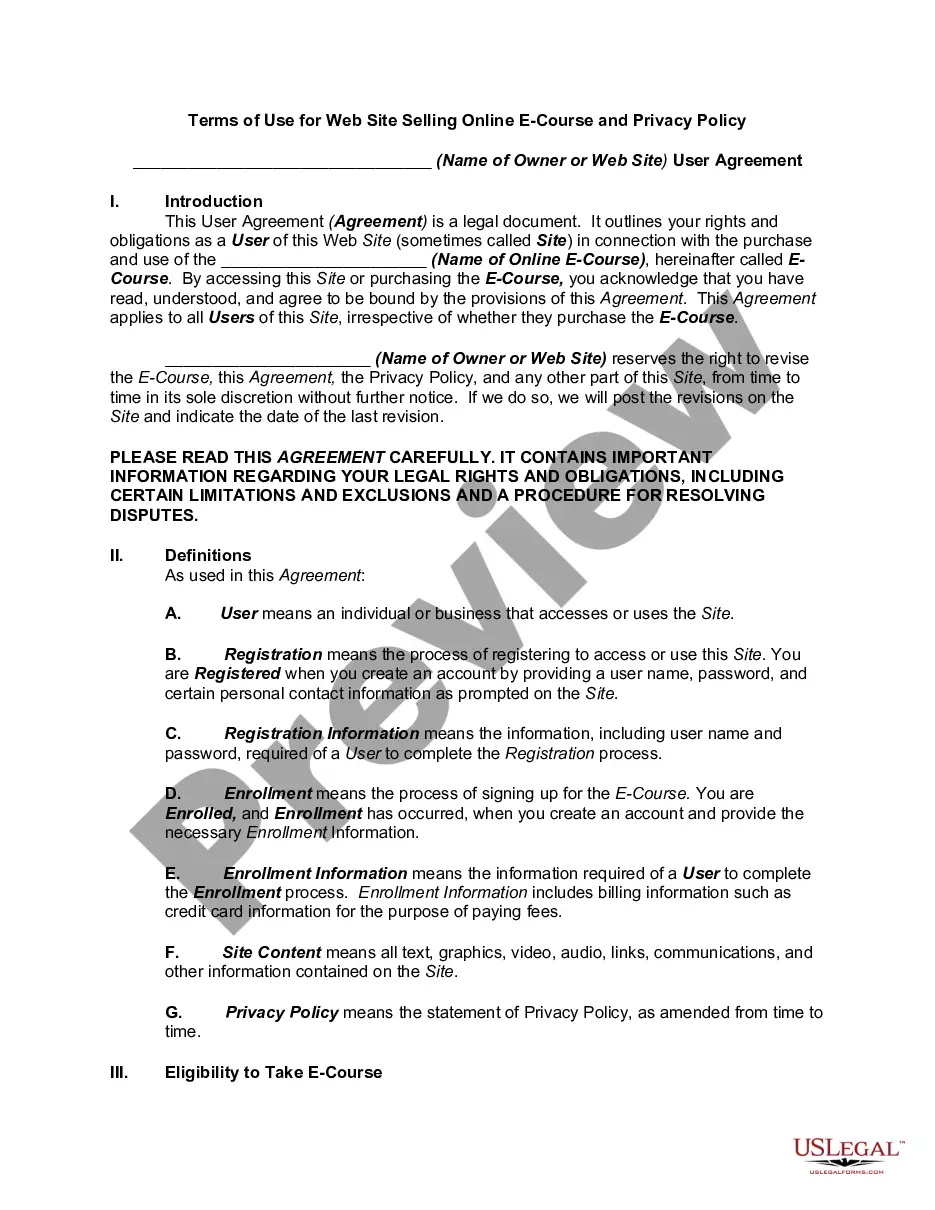
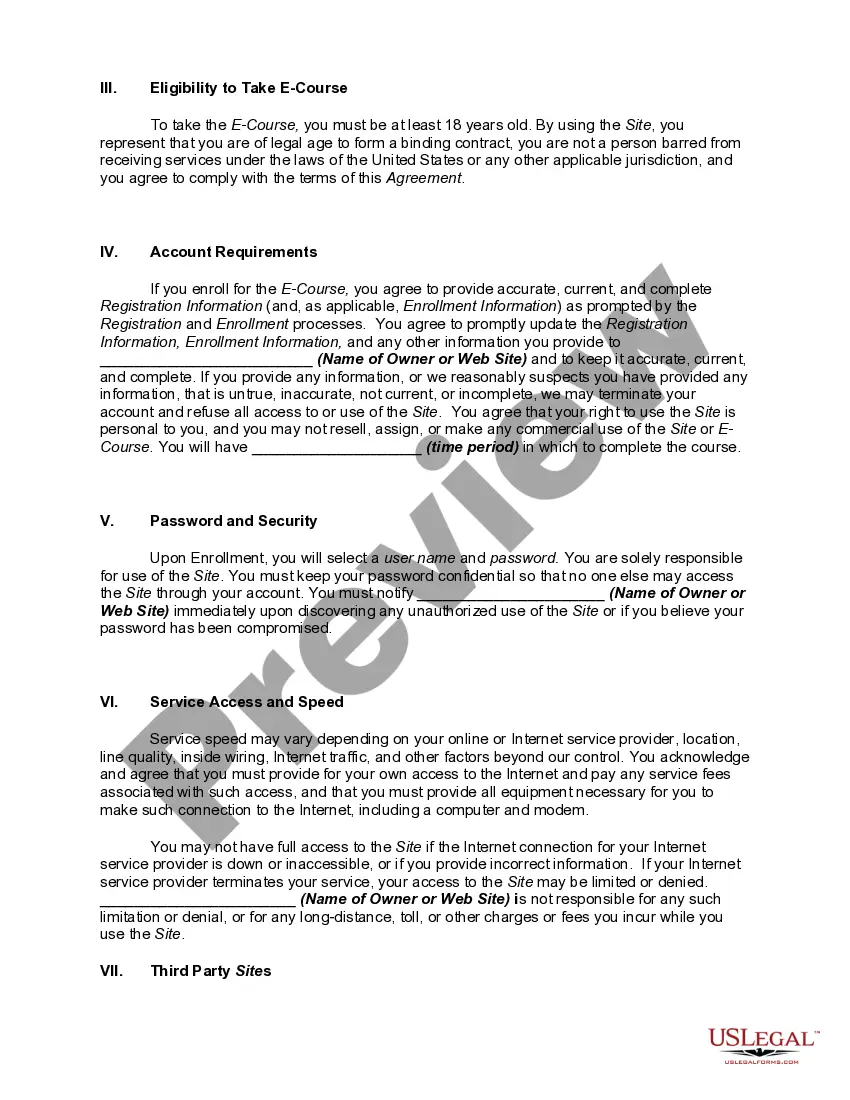
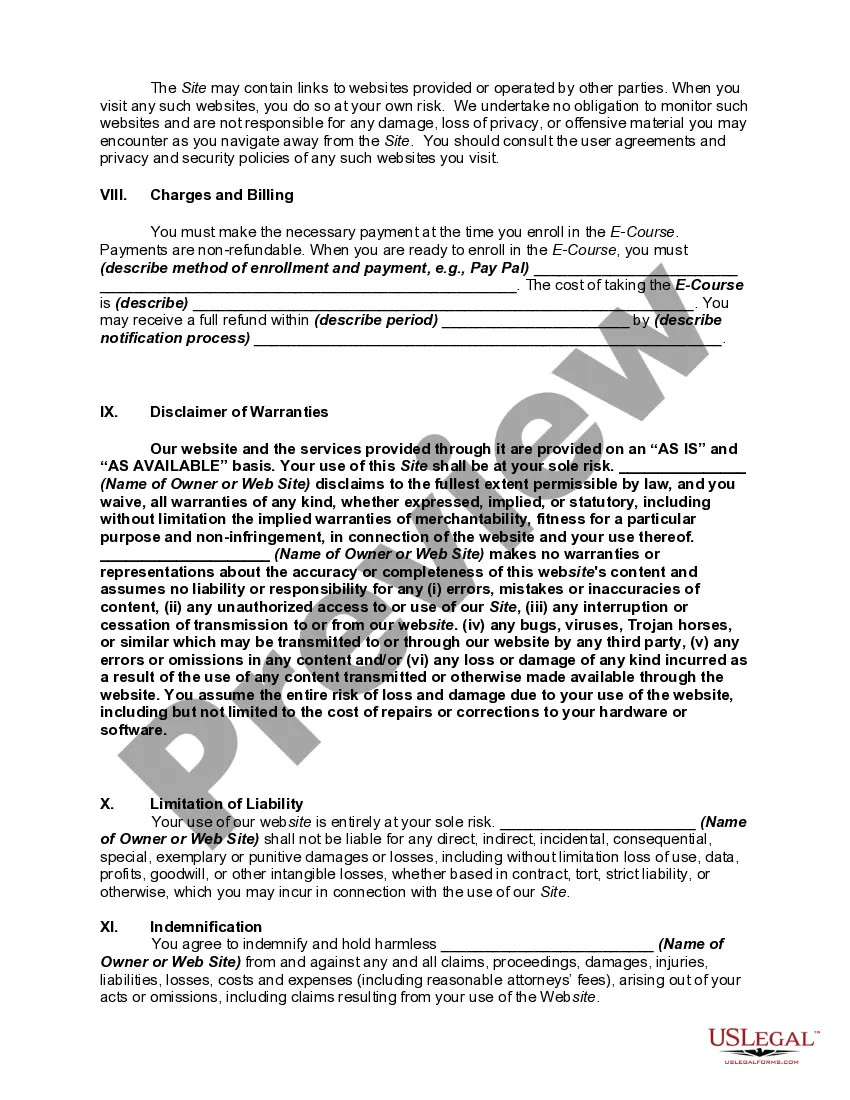
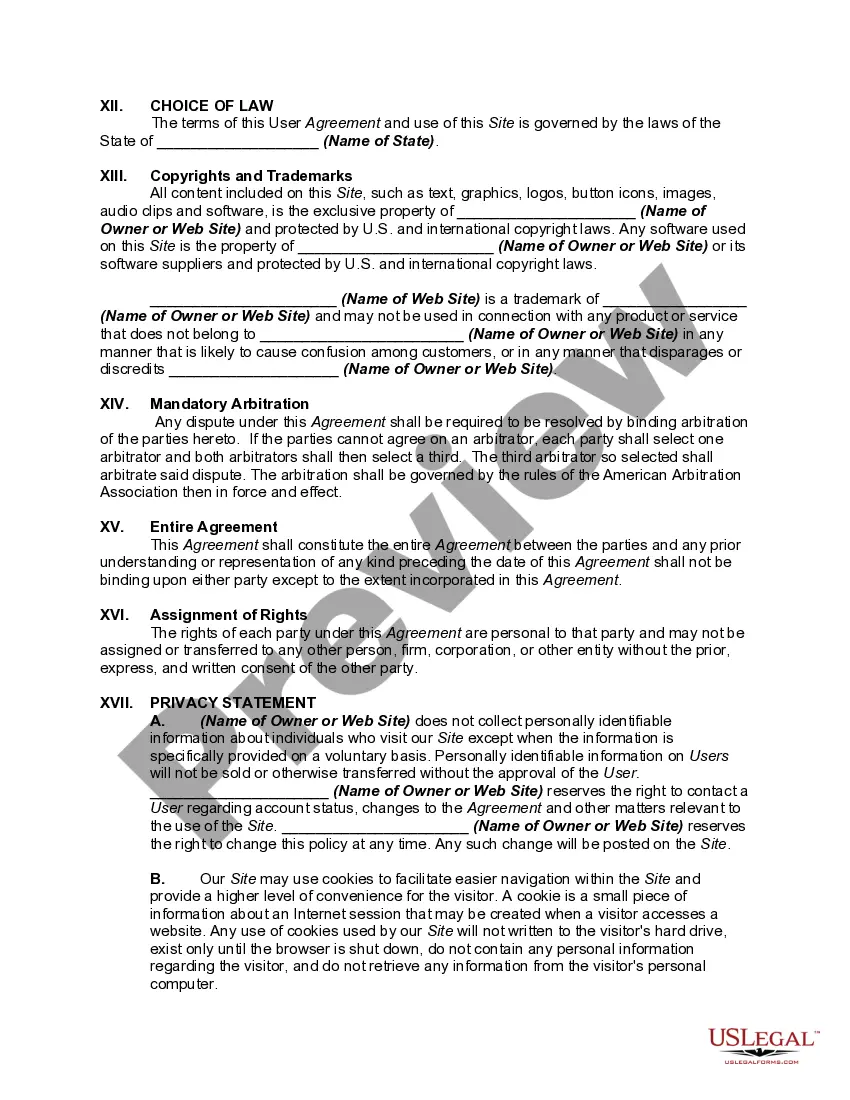
Description
Get your form ready online
Our built-in tools help you complete, sign, share, and store your documents in one place.
Make edits, fill in missing information, and update formatting in US Legal Forms—just like you would in MS Word.
Download a copy, print it, send it by email, or mail it via USPS—whatever works best for your next step.
Sign and collect signatures with our SignNow integration. Send to multiple recipients, set reminders, and more. Go Premium to unlock E-Sign.
If this form requires notarization, complete it online through a secure video call—no need to meet a notary in person or wait for an appointment.
We protect your documents and personal data by following strict security and privacy standards.

Make edits, fill in missing information, and update formatting in US Legal Forms—just like you would in MS Word.

Download a copy, print it, send it by email, or mail it via USPS—whatever works best for your next step.

Sign and collect signatures with our SignNow integration. Send to multiple recipients, set reminders, and more. Go Premium to unlock E-Sign.

If this form requires notarization, complete it online through a secure video call—no need to meet a notary in person or wait for an appointment.

We protect your documents and personal data by following strict security and privacy standards.
Looking for another form?




How to fill out Website Subscription User Agreement - Terms Of Use For Website Selling Online E-Course Privacy Policy?
It’s clear that you cannot become a legal expert instantly, nor can you comprehend how to swiftly draft Privacy Terms For Website without possessing a particular set of expertise.
Formulating legal documents is a lengthy endeavor that necessitates specialized training and abilities.
So why not entrust the formulation of the Privacy Terms For Website to the professionals.
You can regain access to your documents from the My documents section at any moment. If you’re an existing customer, you can simply Log In, and locate and download the template from the same section.
Regardless of the intent behind your documentation—whether it’s financial, legal, or personal—our platform has you supported. Try US Legal Forms today!
- Locate the document you require using the search function at the top of the page.
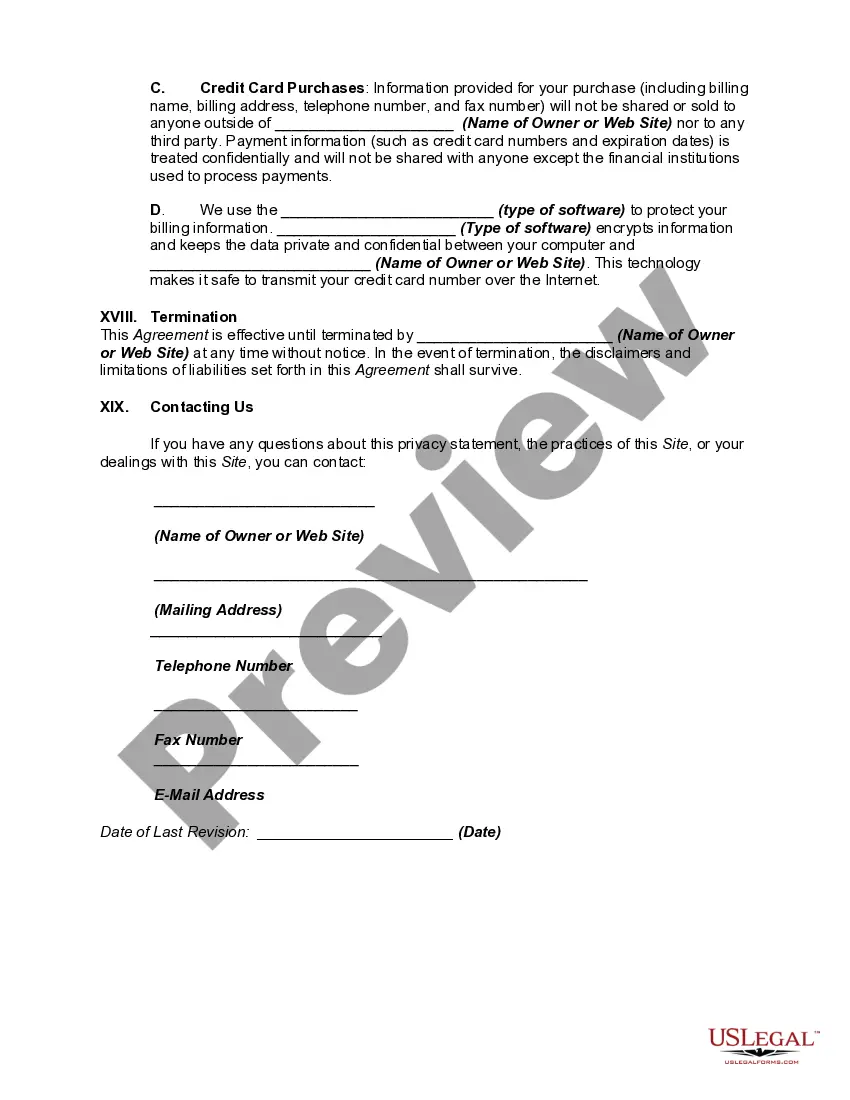
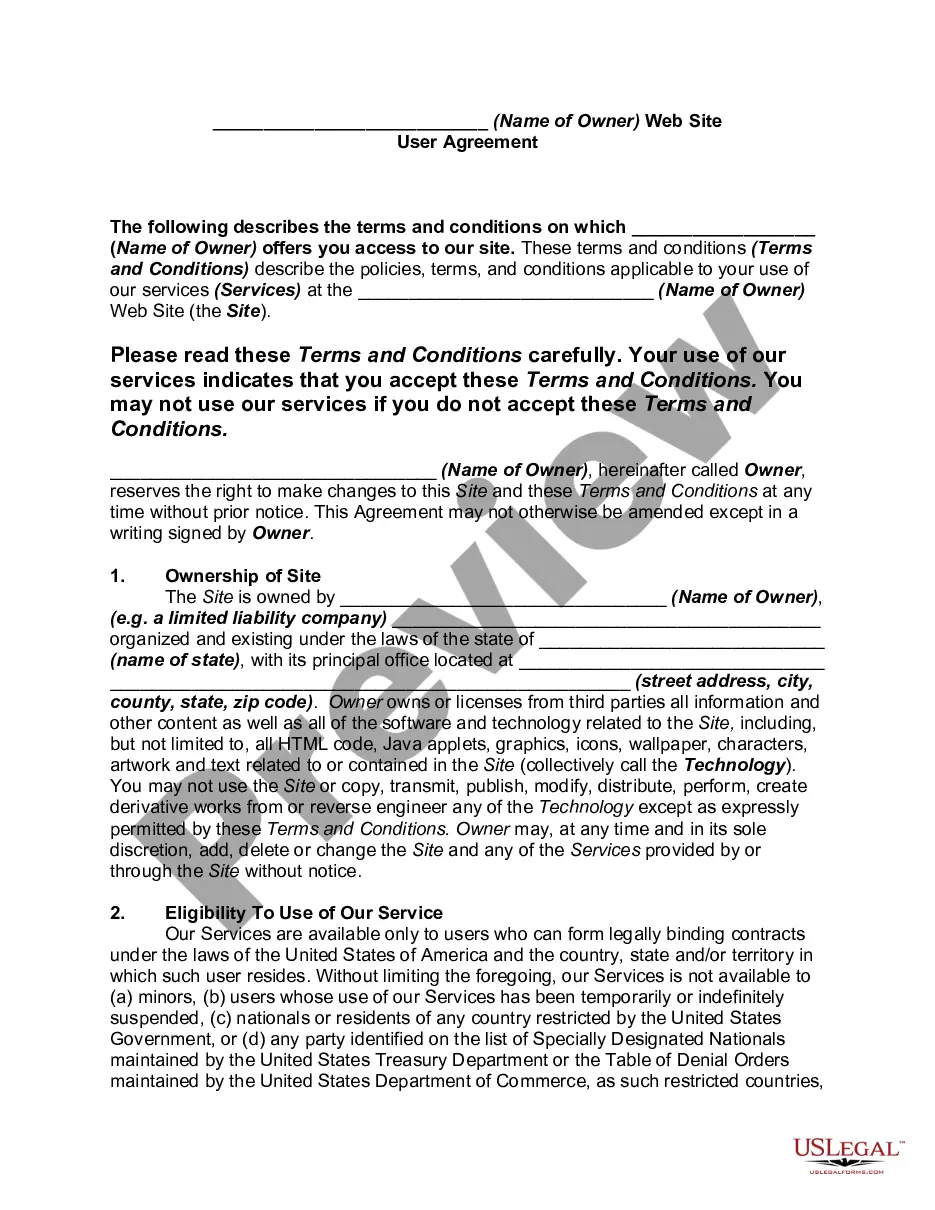
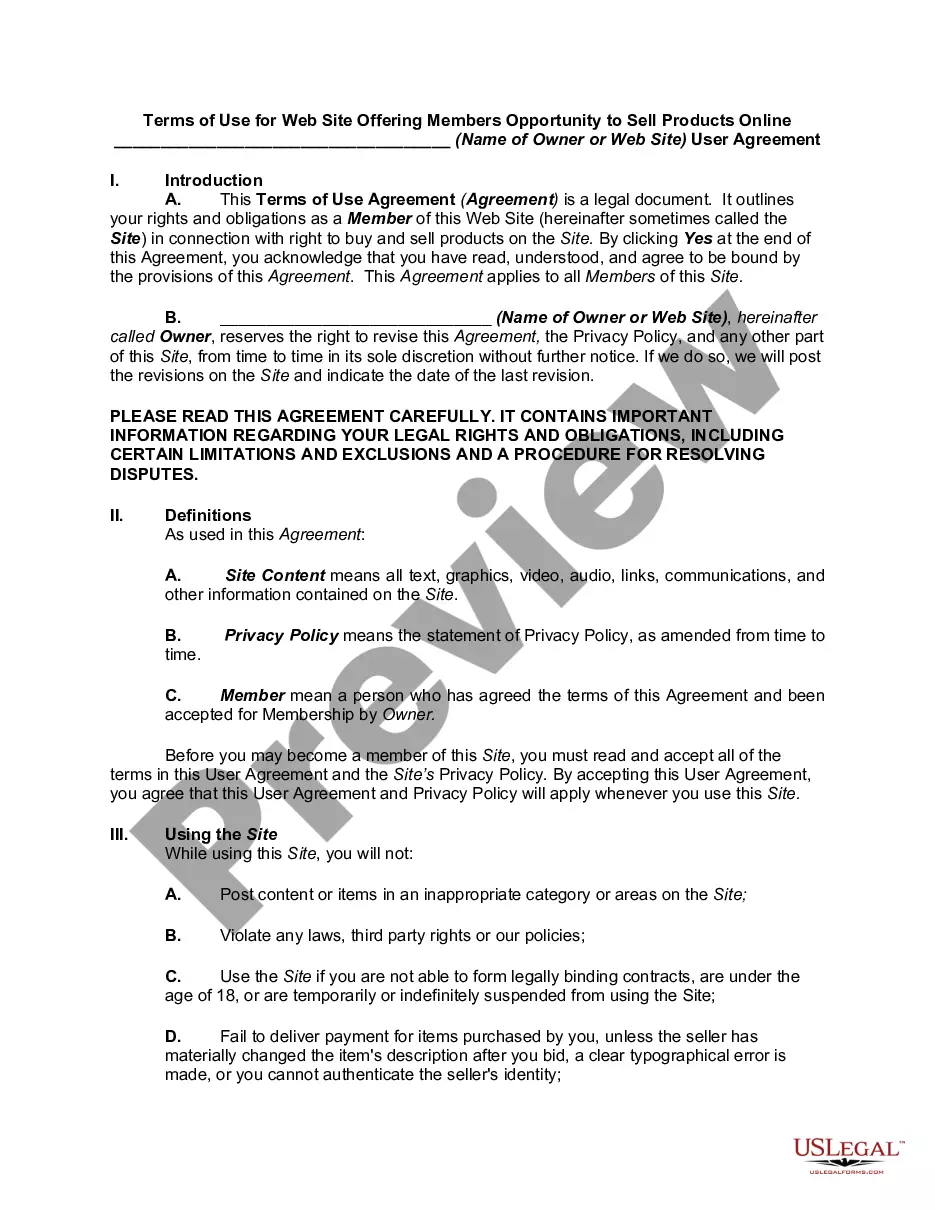
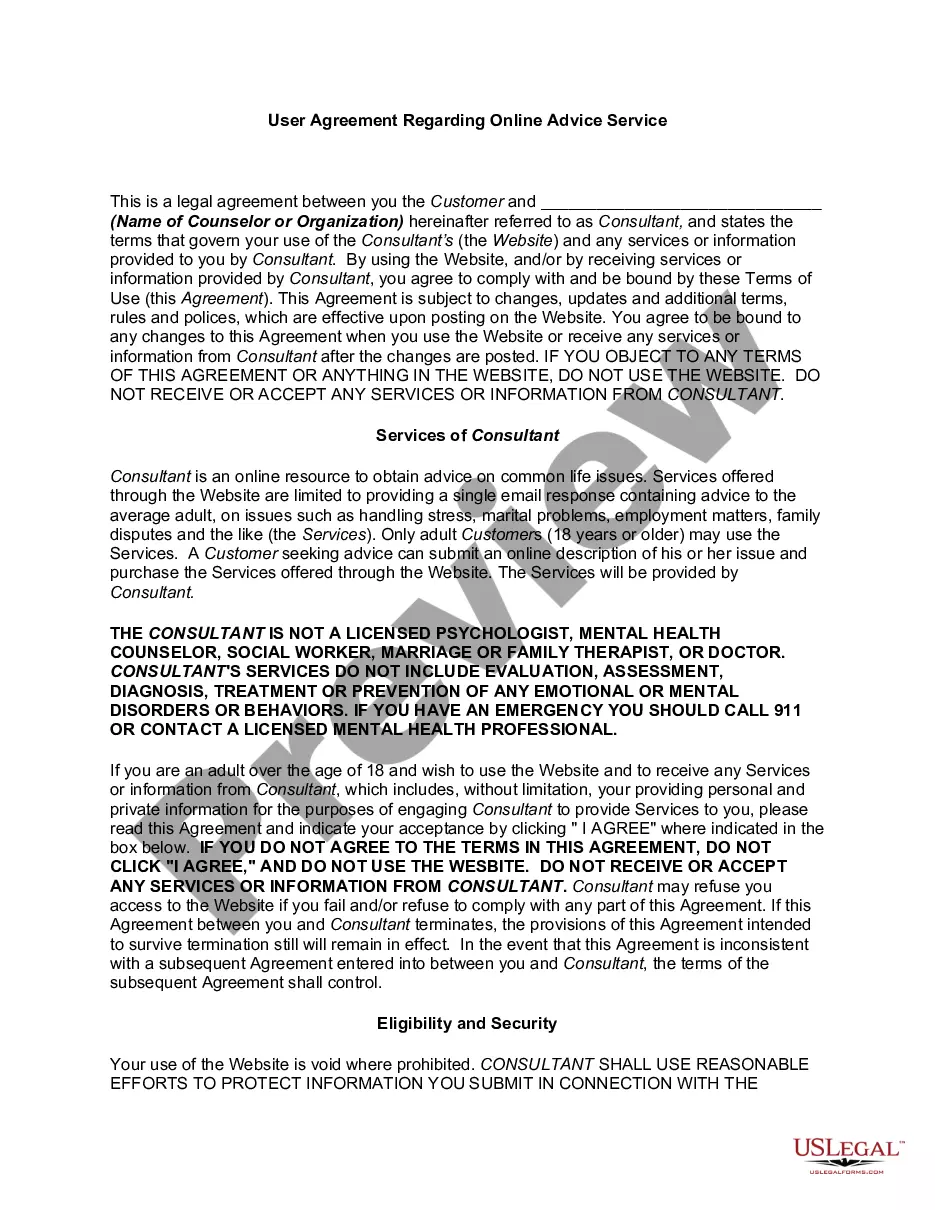
- Preview it (if this option is available) and review the accompanying description to confirm whether Privacy Terms For Website is what you are looking for.
- Initiate your search again if you require a different document.
- Create a free account and choose a subscription plan to purchase the document.
- Select Buy now. Once the transaction is complete, you can download the Privacy Terms For Website, complete it, print it, and send or mail it to the relevant parties or organizations.
Form popularity
FAQ
In the context of US state privacy, this typically includes the categories of information being collected, the purpose for which they are being collected, categories of third parties whom personal information will be made available to, and information relating to how consumers can exercise their rights.
Your privacy statement must accurately reflect your site's data collection and use. Your privacy statement should be clear, direct, and easy to understand. Keep technical jargon and legal terminology to a minimum. If you decide to modify how you use personal information, you must inform your users.
DATA COLLECTION Describe what types of data your organization collects and why. Do you maintain membership, donor, or purchase lists (for how long)? Describe what is meant by Personal Information. Describe how consent from individuals will be obtained (express or implied).
A privacy policy is a statement that describes how a website collects, uses, and manages the personal data of consumers. This type of policy must often include many explanations, including detailed descriptions of the who, what, where, when, and why of your data collection processes.
Step-by-Step Guide To Writing Your Privacy Policy Step 1: Data Privacy Laws. ... Step 2: Privacy audit. ... Step 3: Categories of personal information. ... Step 4: Why you collect personal data. ... Step 5: How you collect the data. ... Step 6: How you use the personal data. ... Step 7: Safety and security practices.