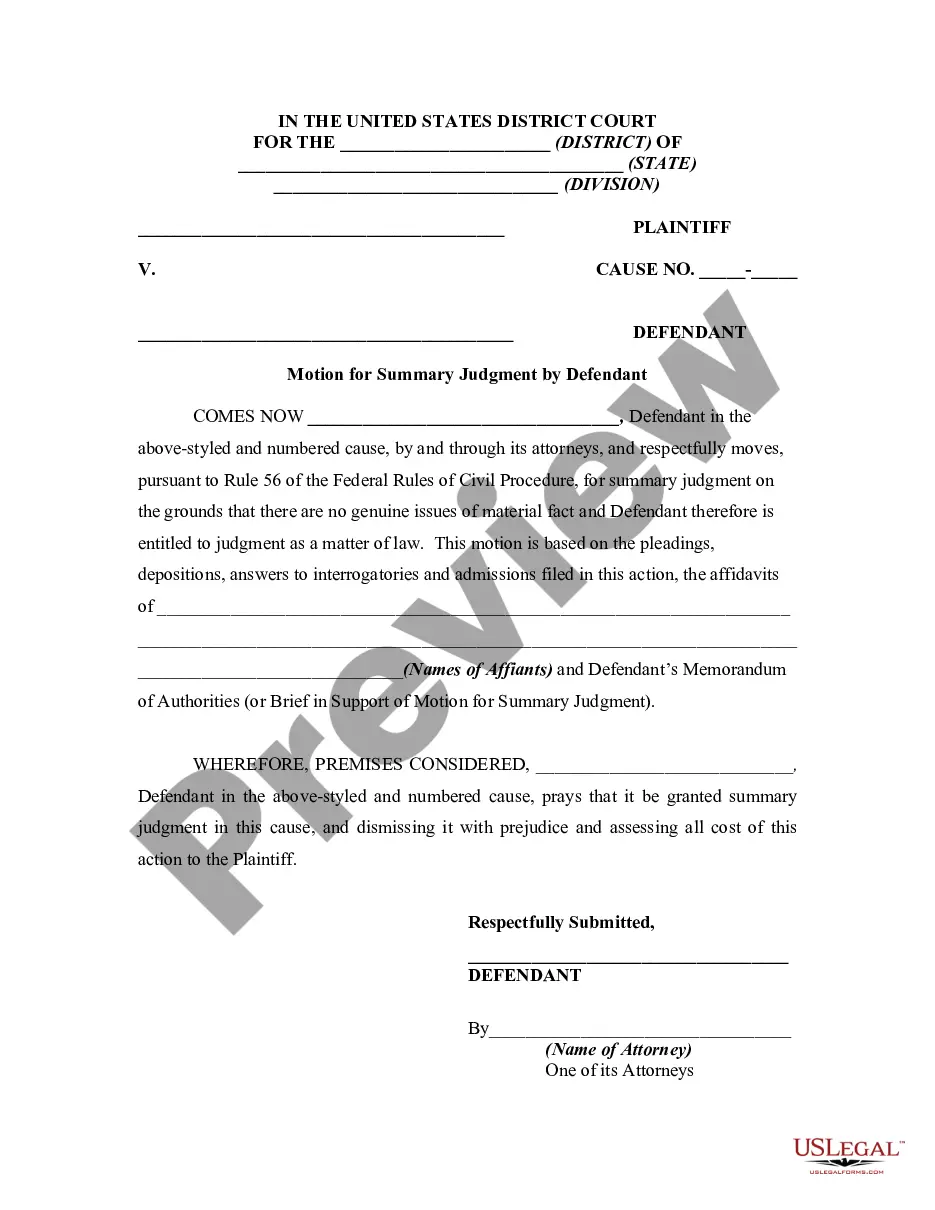
Summary Judgment Dismissal With Prejudice
Description
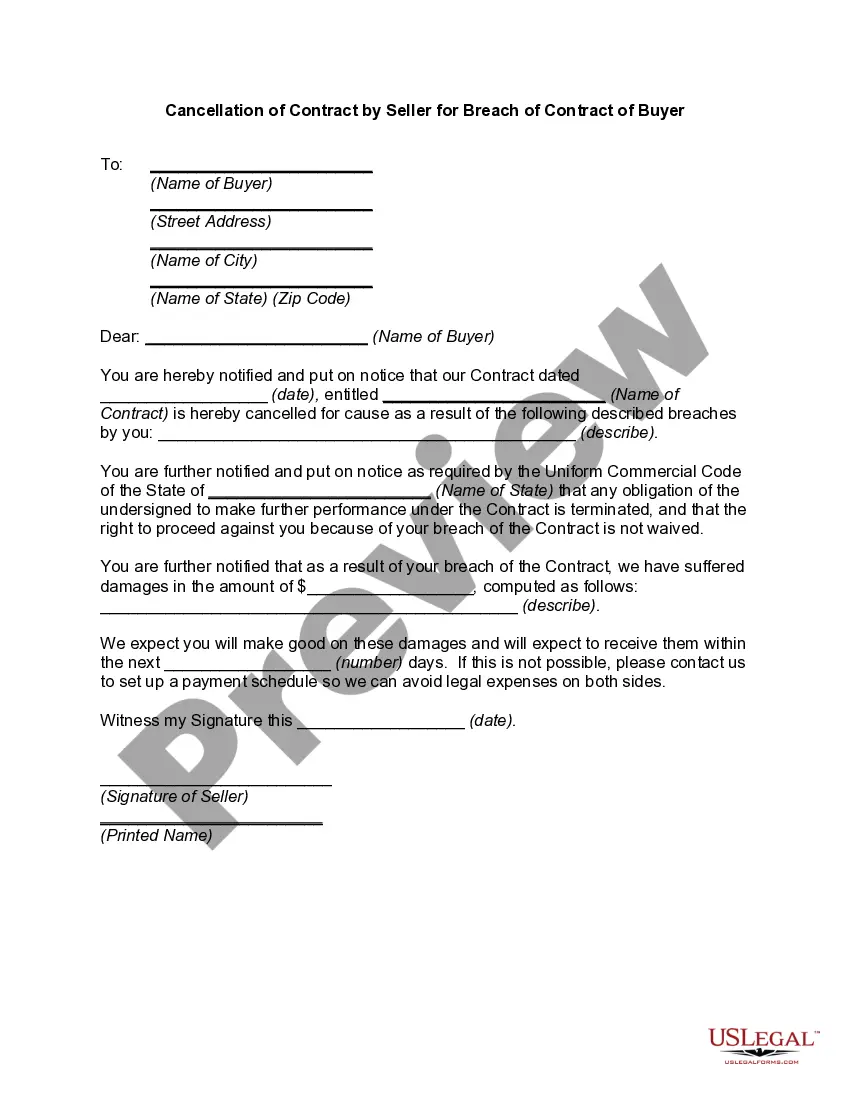
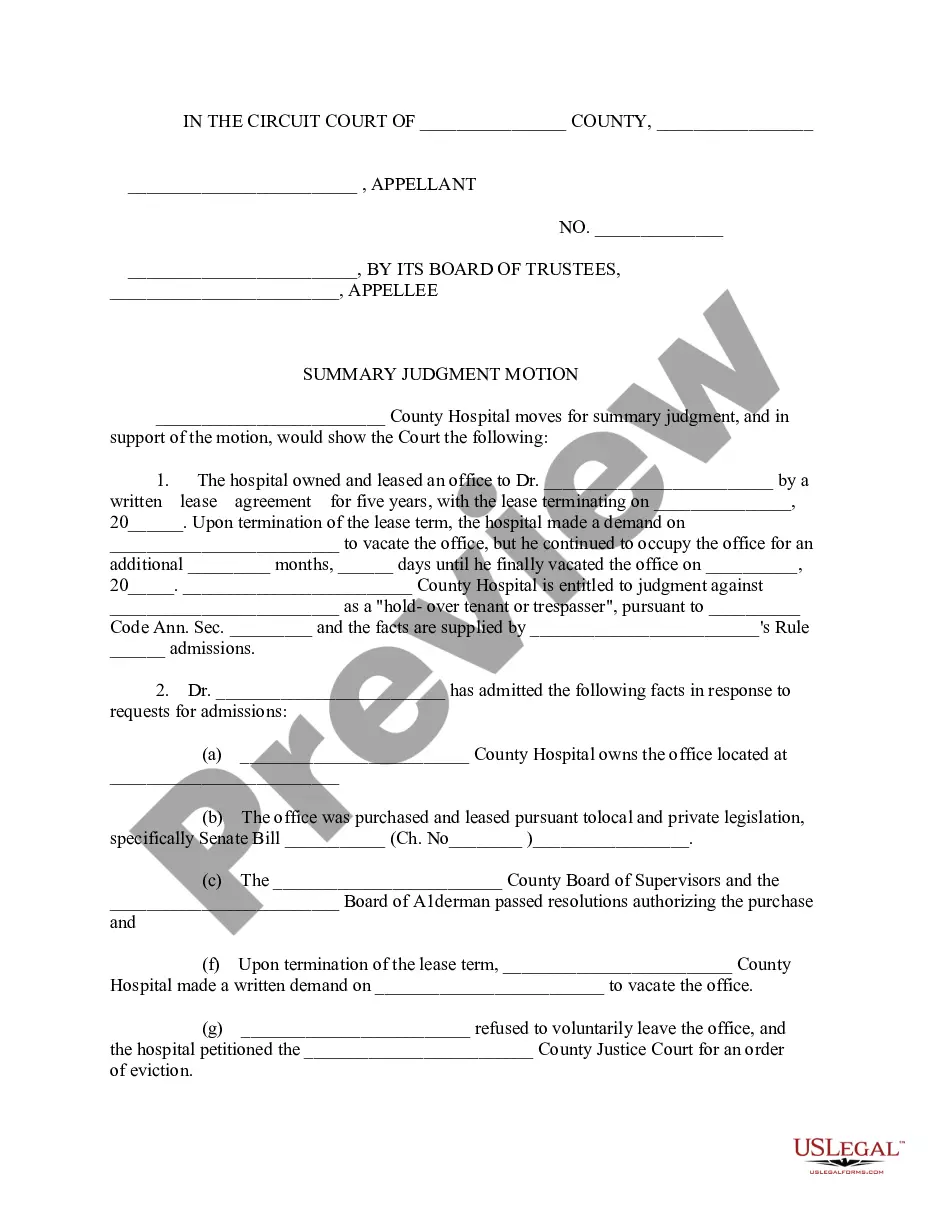
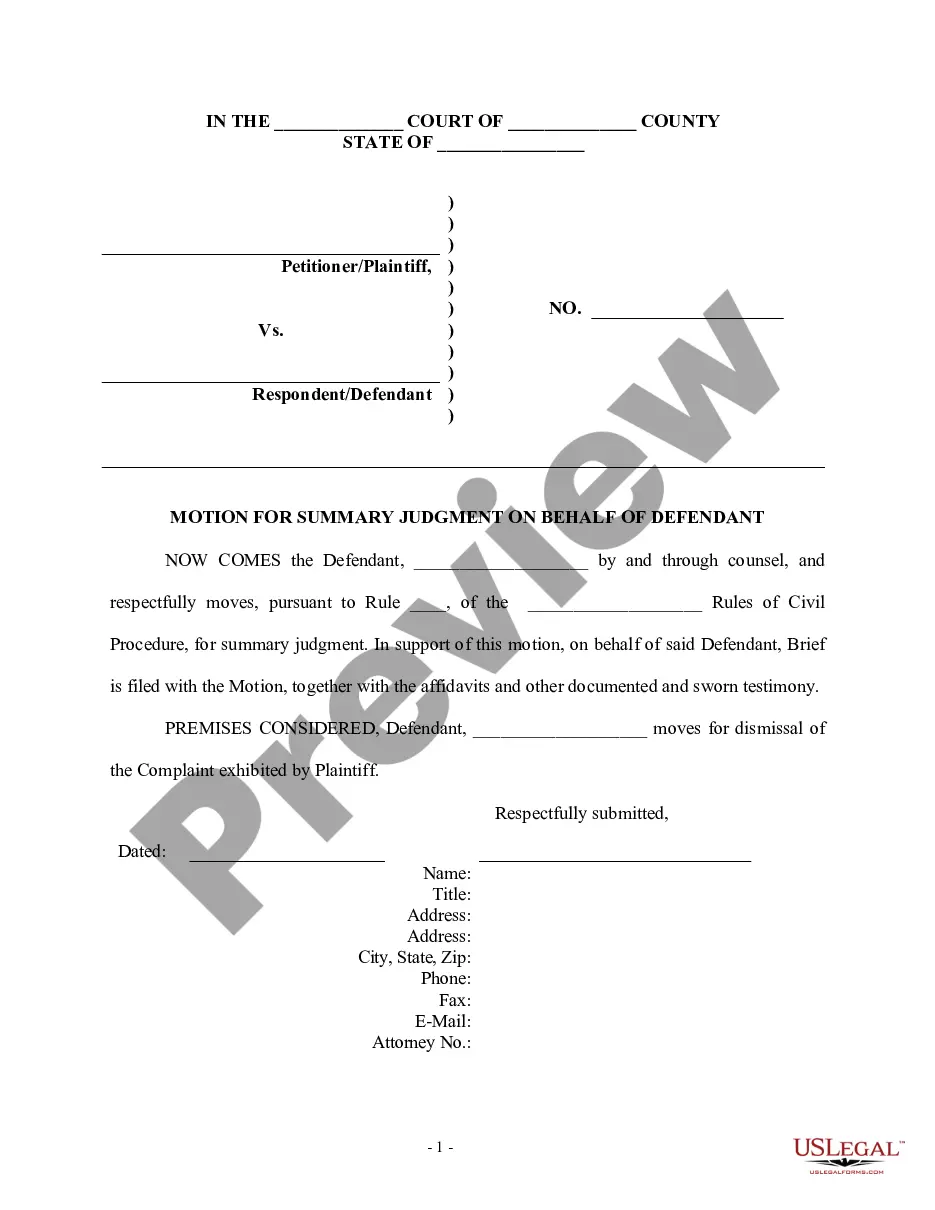
Get your form ready online
Our built-in tools help you complete, sign, share, and store your documents in one place.
Make edits, fill in missing information, and update formatting in US Legal Forms—just like you would in MS Word.
Download a copy, print it, send it by email, or mail it via USPS—whatever works best for your next step.
Sign and collect signatures with our SignNow integration. Send to multiple recipients, set reminders, and more. Go Premium to unlock E-Sign.
If this form requires notarization, complete it online through a secure video call—no need to meet a notary in person or wait for an appointment.
We protect your documents and personal data by following strict security and privacy standards.

Make edits, fill in missing information, and update formatting in US Legal Forms—just like you would in MS Word.

Download a copy, print it, send it by email, or mail it via USPS—whatever works best for your next step.

Sign and collect signatures with our SignNow integration. Send to multiple recipients, set reminders, and more. Go Premium to unlock E-Sign.

If this form requires notarization, complete it online through a secure video call—no need to meet a notary in person or wait for an appointment.

We protect your documents and personal data by following strict security and privacy standards.
Looking for another form?



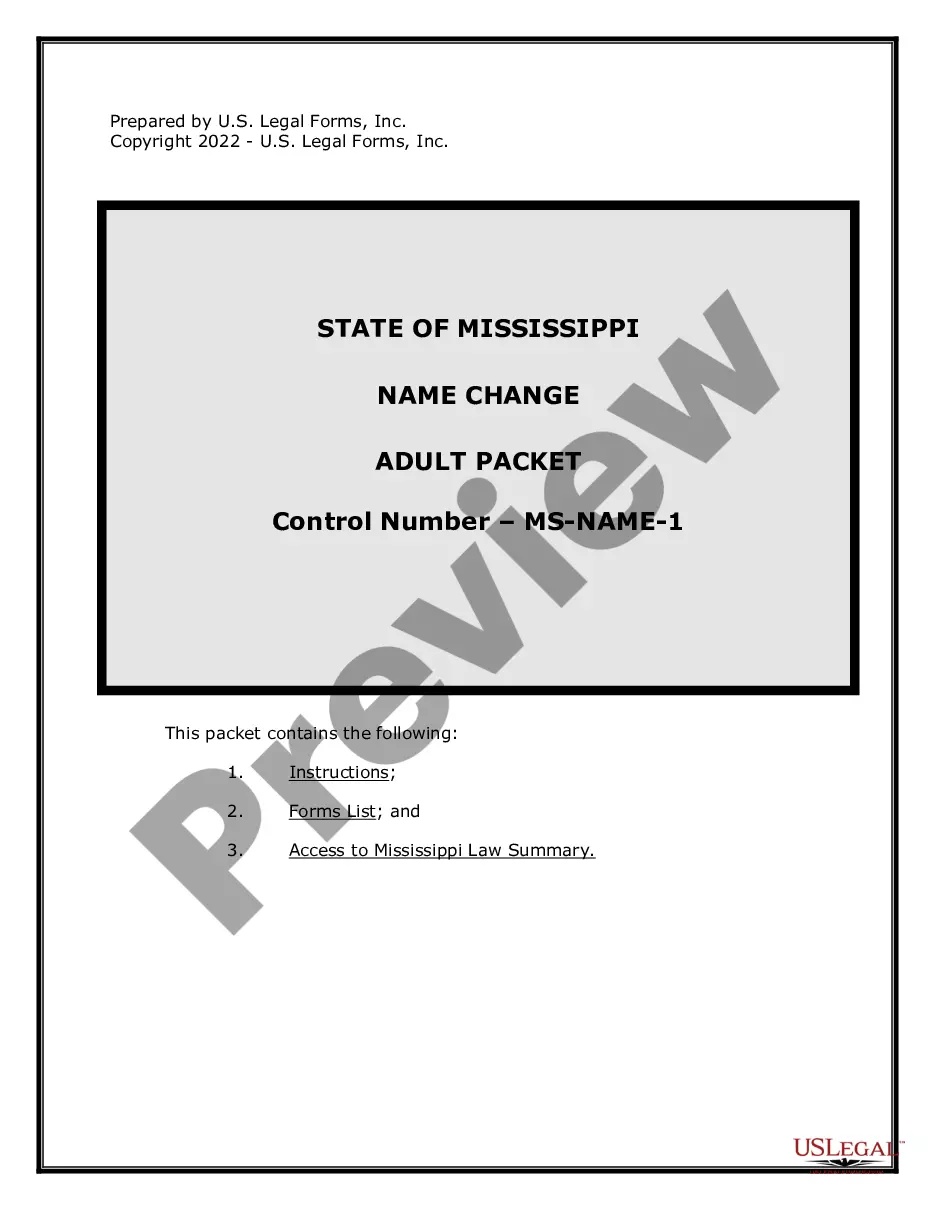




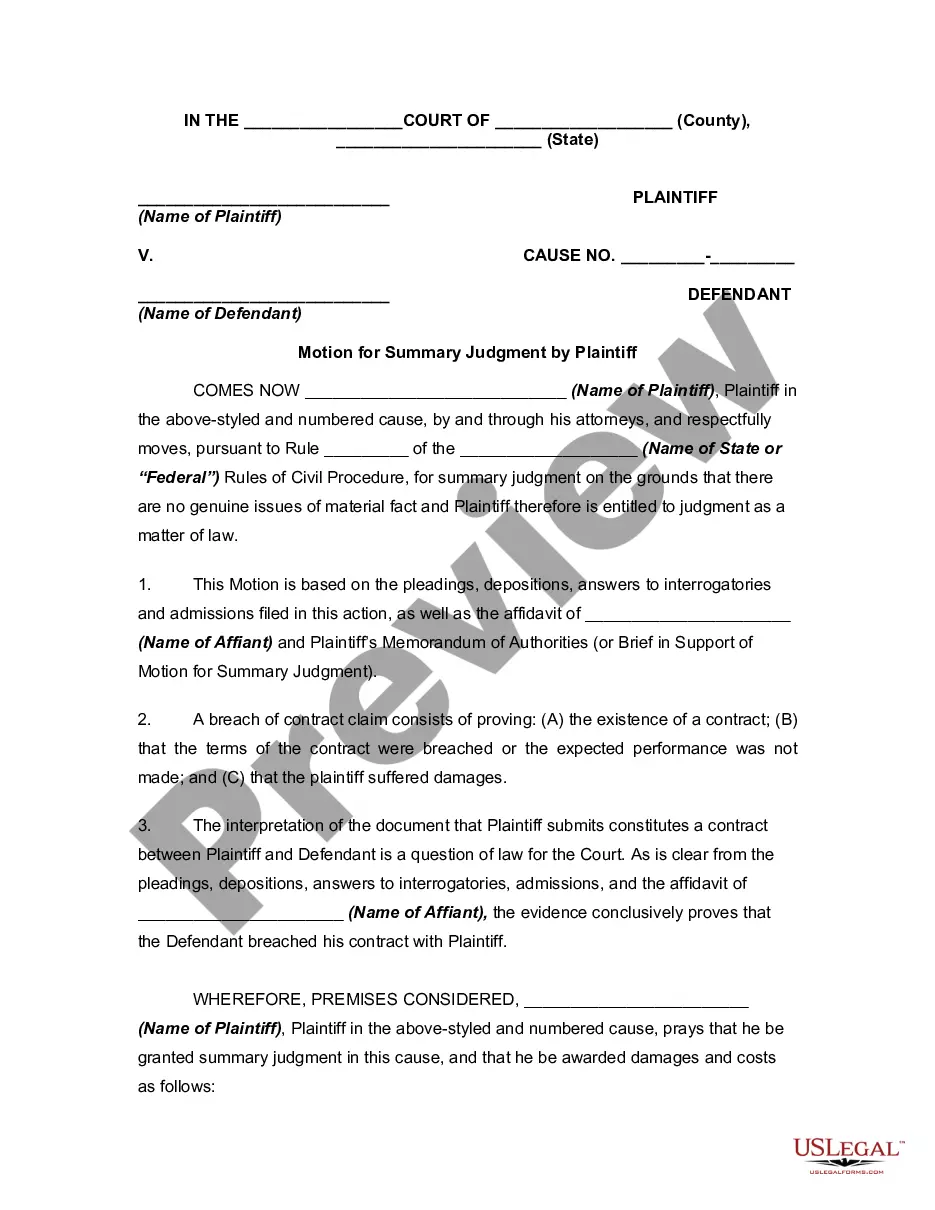
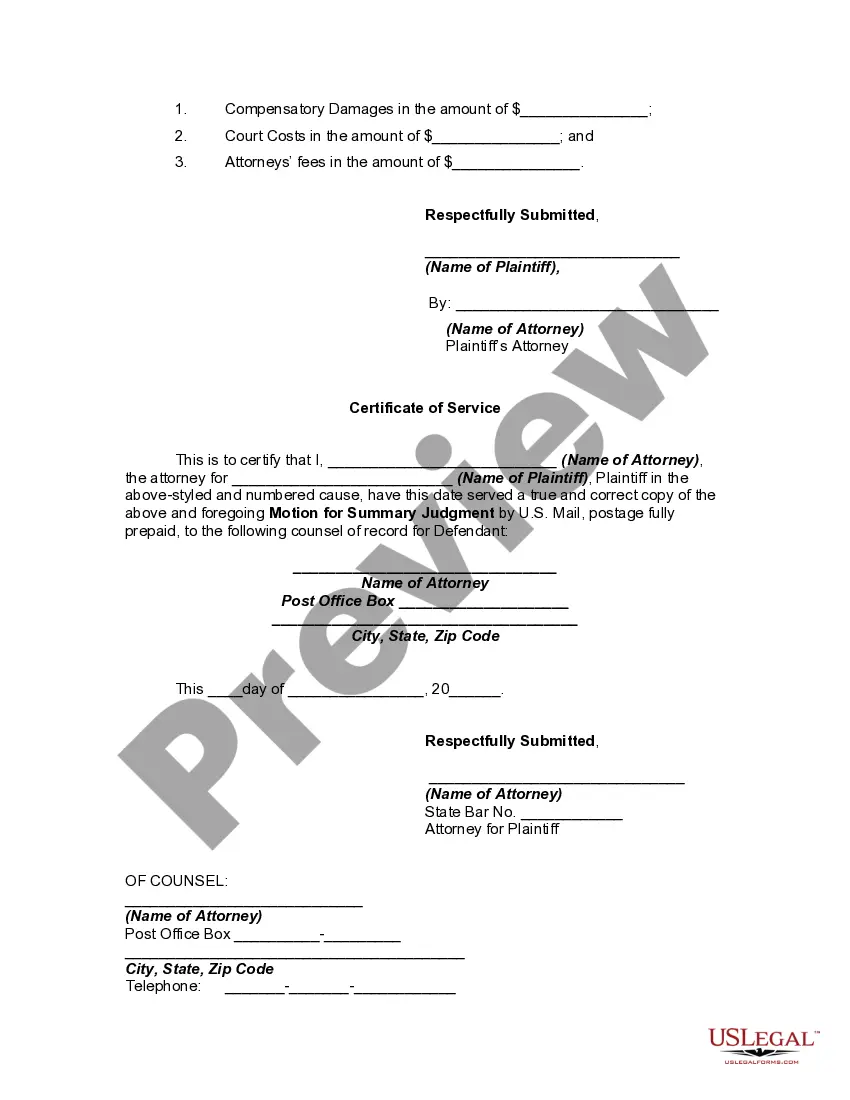
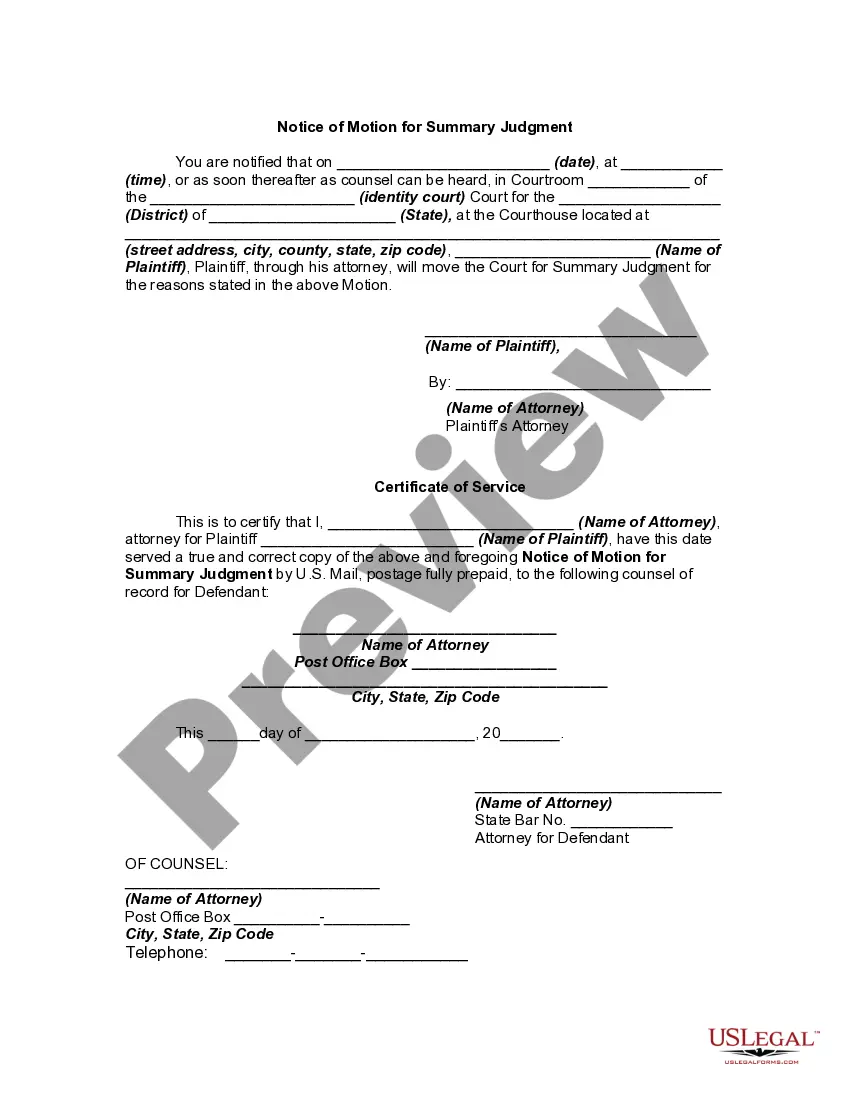
How to fill out Motion For Summary Judgment By Plaintiff For Breach Of Contract?
- If you are a returning user, log in to your account and download the necessary form template by clicking the Download button. Confirm that your subscription remains active; if needed, renew it as per your payment plan.
- For first-time users, begin by checking the Preview mode and reading the form description. Verify that you've selected the correct template that fits your needs and adheres to local jurisdictional statutes.
- If inconsistencies arise, utilize the Search tab at the top to find the appropriate template. Once you identify a suitable option, proceed to the next step.
- Purchase the document. Click the Buy Now button and opt for the subscription plan that best aligns with your requirements. You will need to create an account to access the vast library of forms.
- Complete the payment process. Enter your credit card information or use your PayPal account for the subscription, ensuring a seamless transaction.
- Download and save your template. You can access it any time in the My documents section of your profile for future use.
Concluding your legal document preparation with US Legal Forms ensures that you are equipped with reliable, professionally crafted documents. With over 85,000 legal forms available, you can streamline your legal processes effortlessly.
Start your journey towards hassle-free legal documentation today!
Form popularity
FAQ
There are several reasons a case may be dismissed with prejudice, including a lack of evidence, failure to comply with court rules, or the settlement of a case. These dismissals serve to uphold the integrity of the judicial process by preventing claims that lack basis. It’s beneficial to understand these reasons to evaluate your legal standing. Consider resources like uslegalforms to guide you through the complex legal landscape.
The designation of a dismissal with prejudice can have both positive and negative implications depending on one's perspective. For the defendant, it offers protection against further legal action on the same issue. However, for the plaintiff, it signifies a final loss and an inability to readdress the claim in court. Recognizing these facets is crucial for anyone involved in litigation.
When a judgment is dismissed with prejudice, it means the court has made a final decision on the case, preventing any future litigation on the same matter. This type of dismissal indicates that the court believes the case lacks sufficient merit to proceed. Understanding what this judgment entails is vital for parties looking to either pursue or defend against similar claims in the future.
A case may be dismissed with prejudice as part of a settlement agreement between the parties. This type of dismissal prevents the plaintiff from refiling the case, providing closure and certainty for both sides. In many instances, such settlements come after careful negotiation, ensuring that both parties agree on the outcome. Navigating these agreements is easier with platforms like uslegalforms, which provide essential resources.
Dismissal plays a critical role in the legal process as it can conclude a case without the need for a trial. This saves time and resources for both the court and the parties involved. When a summary judgment dismissal with prejudice occurs, it significantly impacts the ability to pursue the case or similar claims in the future. Therefore, understanding dismissal is crucial for anyone involved in a legal dispute.
Yes, a summary judgment does result in the dismissal of a case. However, it is important to note that this dismissal can be either with or without prejudice. In the case of a summary judgment dismissal with prejudice, the decision is final, and the case cannot be brought back to court. Understanding the implications of a summary judgment can help you navigate your legal options effectively.
A dismissal with prejudice occurs when a court permanently closes a case, preventing the plaintiff from bringing the same claim again. For example, if a plaintiff fails to respond to a motion to dismiss and the court grants the motion, the case may be dismissed with prejudice. This means that the legal issue is resolved, and the plaintiff cannot refile the same lawsuit in the future. Understanding dismissal with prejudice is essential for navigating your rights and options in litigation.
To write a strong motion for summary judgment, begin by clearly stating the facts of your case. Organize your argument logically, focusing on how the evidence supports your claim for summary judgment. Ensure that your motion references applicable laws and precedents that reinforce your position. Remember, a well-crafted motion can lead to a favorable summary judgment dismissal with prejudice, effectively resolving the matter without a trial.
To obtain a case dismissal with prejudice, a party must file a motion that demonstrates the lack of validity in the claims made against them. This often involves presenting strong evidence and legal arguments that support the request. For those seeking assistance, platforms like USLegalForms can provide resources and templates to help navigate this process effectively.
When a case is dismissed with prejudice, the court's decision is final, and the plaintiff cannot bring the same issue again. This outcome signifies that the case has been thoroughly evaluated and determined to be without merit. As such, all parties can confidently move on, knowing the matter has been conclusively settled.