Divorce Respondent With With The Law
Description

Get your form ready online
Our built-in tools help you complete, sign, share, and store your documents in one place.
Make edits, fill in missing information, and update formatting in US Legal Forms—just like you would in MS Word.
Download a copy, print it, send it by email, or mail it via USPS—whatever works best for your next step.
Sign and collect signatures with our SignNow integration. Send to multiple recipients, set reminders, and more. Go Premium to unlock E-Sign.
If this form requires notarization, complete it online through a secure video call—no need to meet a notary in person or wait for an appointment.
We protect your documents and personal data by following strict security and privacy standards.

Make edits, fill in missing information, and update formatting in US Legal Forms—just like you would in MS Word.

Download a copy, print it, send it by email, or mail it via USPS—whatever works best for your next step.

Sign and collect signatures with our SignNow integration. Send to multiple recipients, set reminders, and more. Go Premium to unlock E-Sign.

If this form requires notarization, complete it online through a secure video call—no need to meet a notary in person or wait for an appointment.

We protect your documents and personal data by following strict security and privacy standards.
Looking for another form?

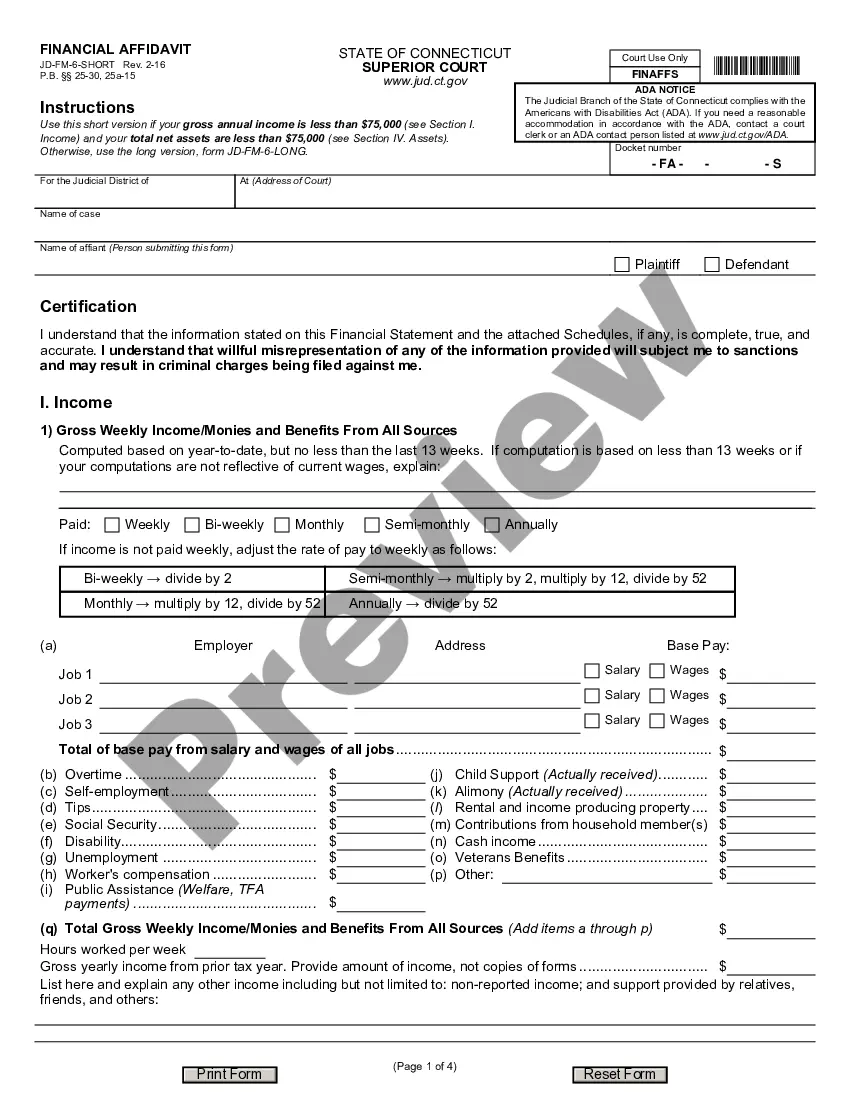



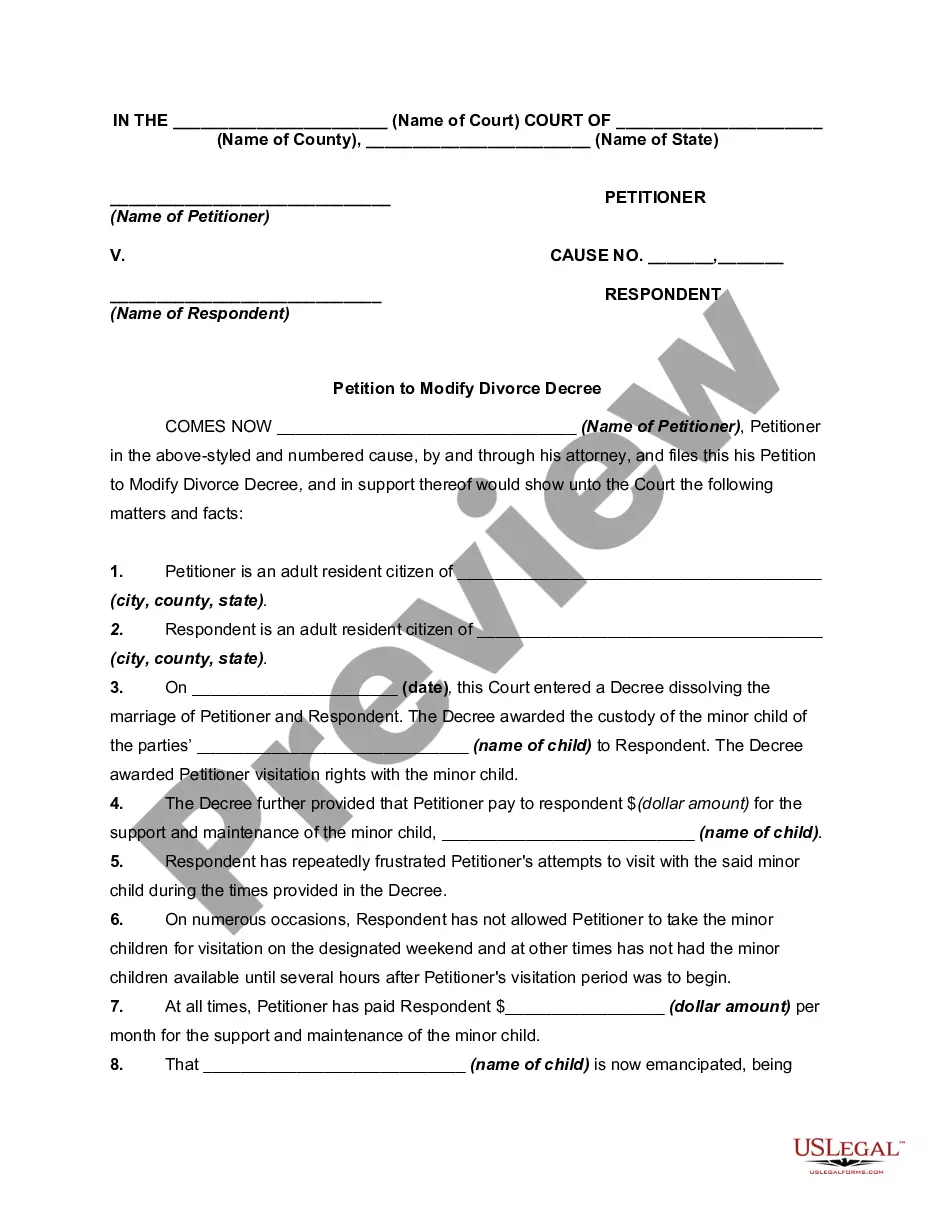
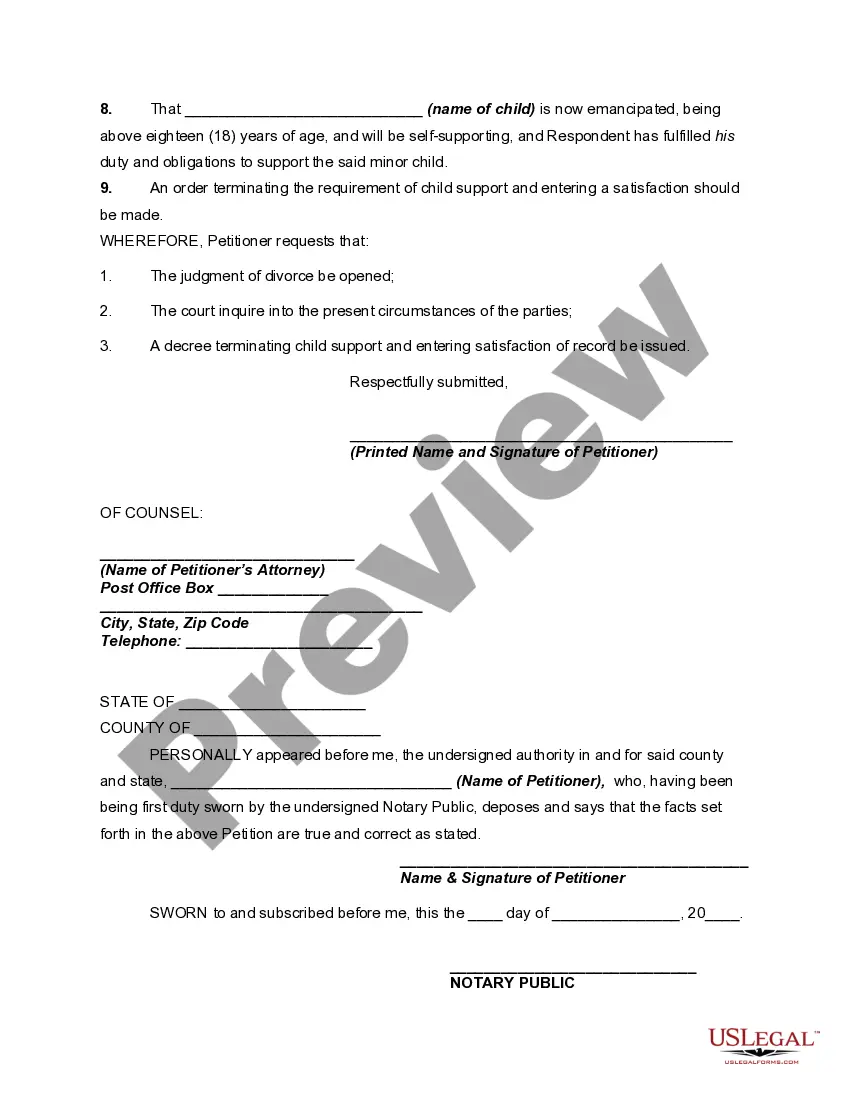
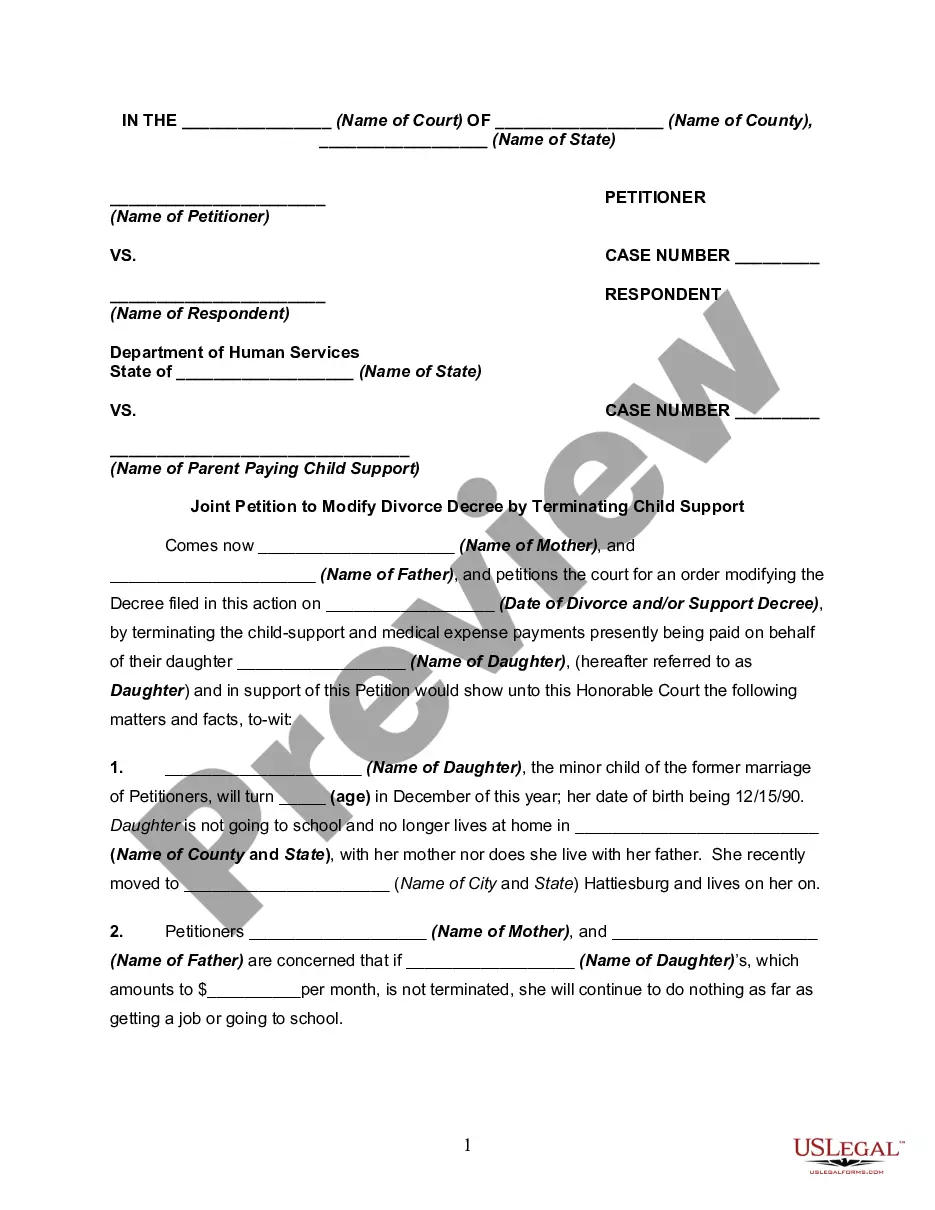
How to fill out Petition To Modify Or Amend Divorce Decree Stopping Child Support On The Grounds That Respondent Interfered With Visitation Rights And Child Is Now An Adult?
- If you're a returning user, log in to your account and simply download the necessary form template by clicking on the Download button. Ensure your subscription is still active; if not, renew it according to your chosen plan.
- For first-time users, start by browsing the form descriptions in Preview mode. Verify that the form you select aligns with your specific requirements and complies with local laws.
- Should you encounter discrepancies or need a different template, utilize the Search tab at the top to locate more suitable forms that fit your needs.
- Once you've identified the correct document, click the Buy Now button to choose a subscription plan. You will need to create an account to access our extensive library.
- Proceed to make your payment, either by entering your credit card details or using PayPal.
- After completing your purchase, download your form to your device. You can also find it later in the My Forms section of your profile.
US Legal Forms empowers individuals and attorneys to streamline their legal processes. With a robust collection of forms and access to premium experts for guidance, users can ensure their documents are completed accurately and are legally sound.
Get started today and experience the ease of managing your legal needs with US Legal Forms. Access the resources you need for divorce proceedings and ensure you are well-prepared.
Form popularity
FAQ
If the petitioner fails to attend court, it can hinder their divorce case's progress. The court may dismiss the case, causing delays or complications for both parties. This situation emphasizes the importance of participation for both the petitioner and the divorce respondent with the law. Understanding the implications of court attendance can lead to better-prepared individuals when navigating divorce proceedings.
Yes, it is typically required for the divorce respondent to appear in court for hearings. This attendance is an opportunity for the respondent to voice their concerns and engage with the legal process actively. Neglecting to appear can result in decisions made without their input, affecting their rights in the divorce. Engaging with the law proactively helps protect the respondent's interests.
If a spouse refuses to accept divorce papers, it can complicate the process. The petitioner may need to explore alternative methods of serving the divorce papers, such as posting them in a public place. This situation highlights the importance of understanding the divorce process and the rights of the divorce respondent with the law. Legal resources, such as those found on the US Legal Forms platform, can offer guidance on how to proceed.
Yes, the respondent typically must attend court in a divorce proceeding. Attendance allows the divorce respondent with the law to participate in the hearings and defend their rights. If the respondent fails to attend, they may lose the opportunity to present their case or negotiate terms with the petitioner. Thus, it is vital for the respondent to understand the significance of being present.
If the divorce respondent does not appear in court, the petitioner may request a default judgment. This judgment can grant the petitioner the divorce and any requested relief without the respondent’s input. It is essential to consider that ignoring court appearances can lead to unintended consequences for the respondent, often resulting in unfavorable terms for them. Consulting with a legal professional can provide clarity for the divorce respondent with the law.
In a divorce case, the respondent, often referred to as the defendant, is generally required to appear in court. This requirement helps ensure that both parties can present their sides of the dispute. If the divorce respondent does not attend, the court may issue a default judgment, which can significantly affect the outcome. Therefore, appearing in court is a crucial step in addressing the issues at hand.
Yes, you can obtain a divorce without going to court, especially if both parties agree on the terms. This process, often called an uncontested divorce, allows you to file through documents without needing to appear in front of a judge. By using US Legal Forms, you can navigate the requirements and create the necessary paperwork. This option helps you resolve issues as a divorce respondent with the law more efficiently, saving time and reducing stress.
It's not uncommon for individuals who initiate divorce to experience feelings of doubt after filing. However, these feelings often stem from the emotional challenges surrounding separation, rather than regret about the decision itself. Understanding the complexities involved as a divorce respondent with the law can help clarify your thoughts. Resources like USLegalForms can provide guidance and support, helping you navigate these emotions and make informed choices.
Yes, there can be benefits to being the one who files for divorce. Generally, the initiator has the opportunity to clarify their terms and objectives. Additionally, as the divorce respondent with the law, you may encounter a smoother negotiation process, as you have already outlined your goals. This proactive step can lead to a more favorable outcome in your case.
Being the one who files for divorce, known as the petitioner, can offer some advantages. It allows you to take control of the process, setting the tone and timeline. As the divorce respondent with the law, you may feel more empowered, knowing you have initiated the change. Remember, careful planning and guidance can help you navigate this critical phase.