Parental Consent In Tagalog
Description
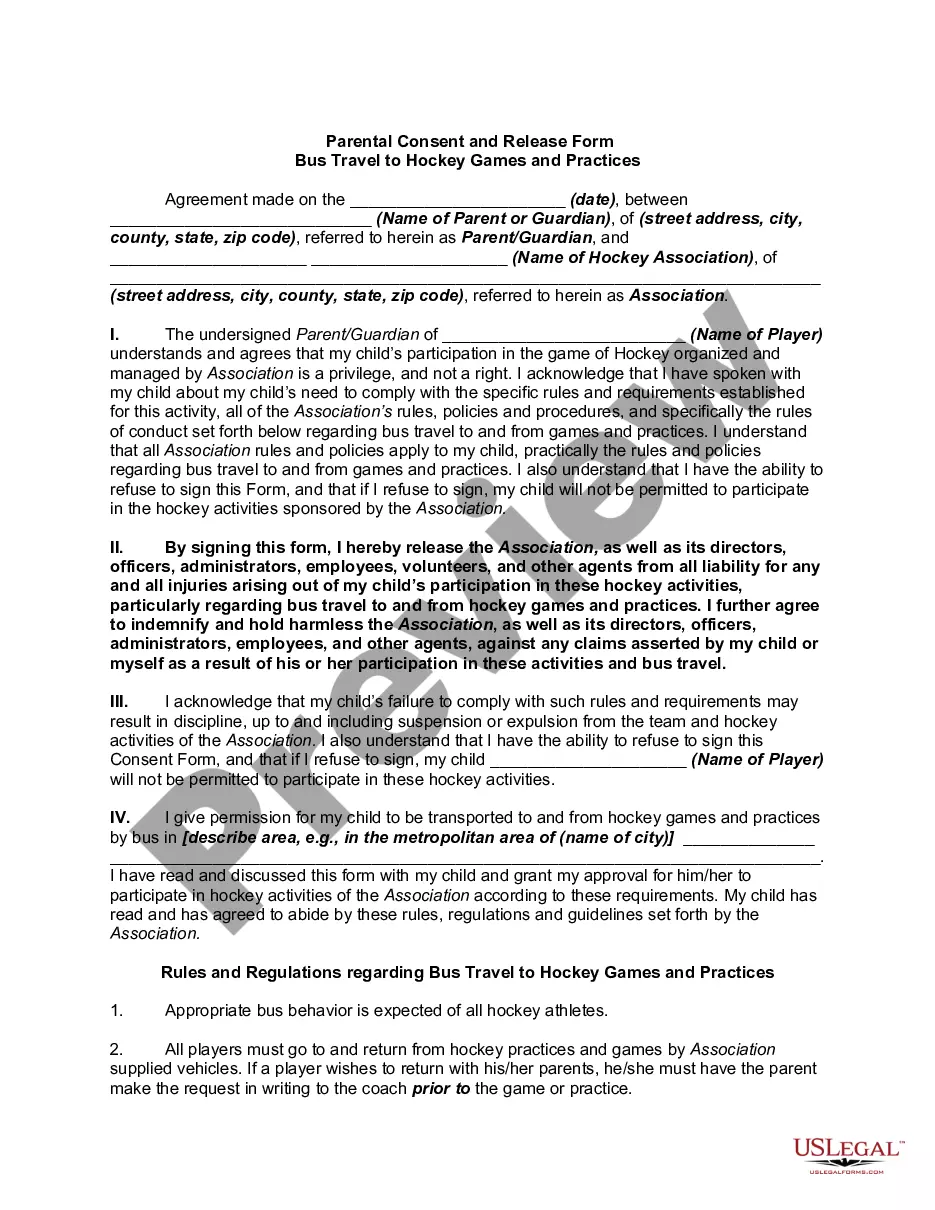
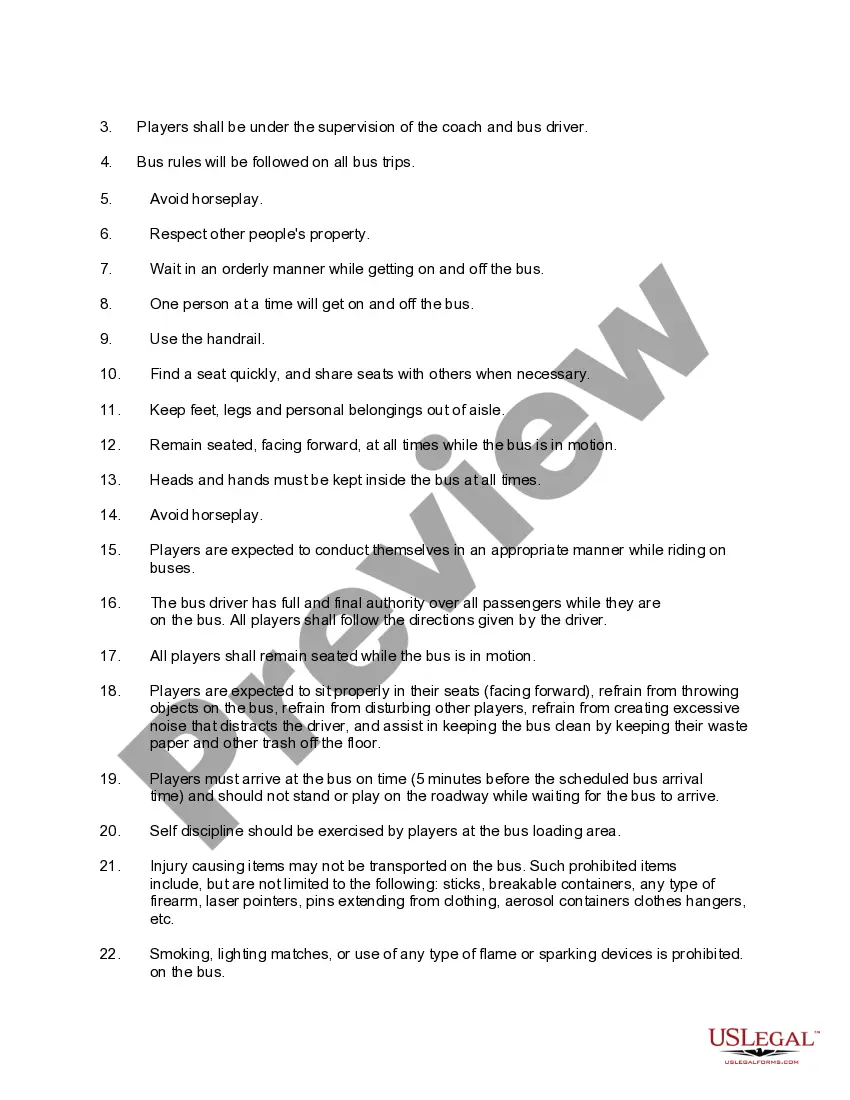
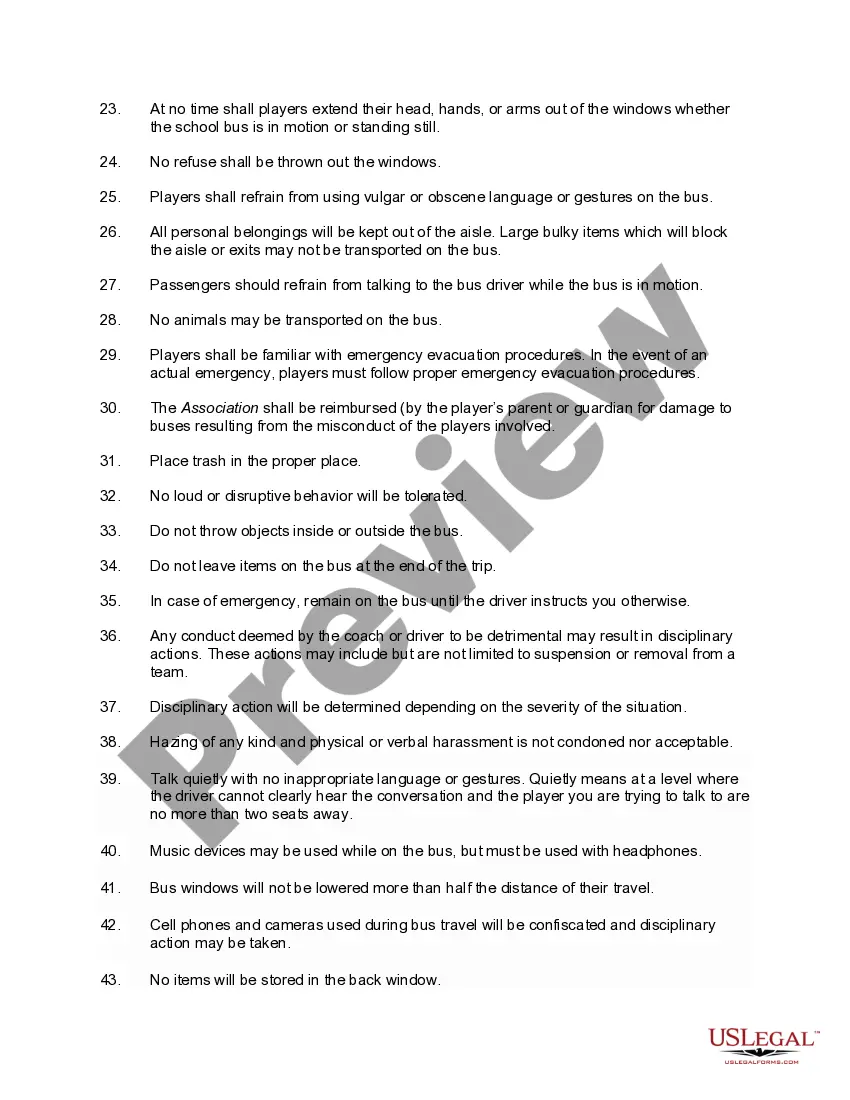
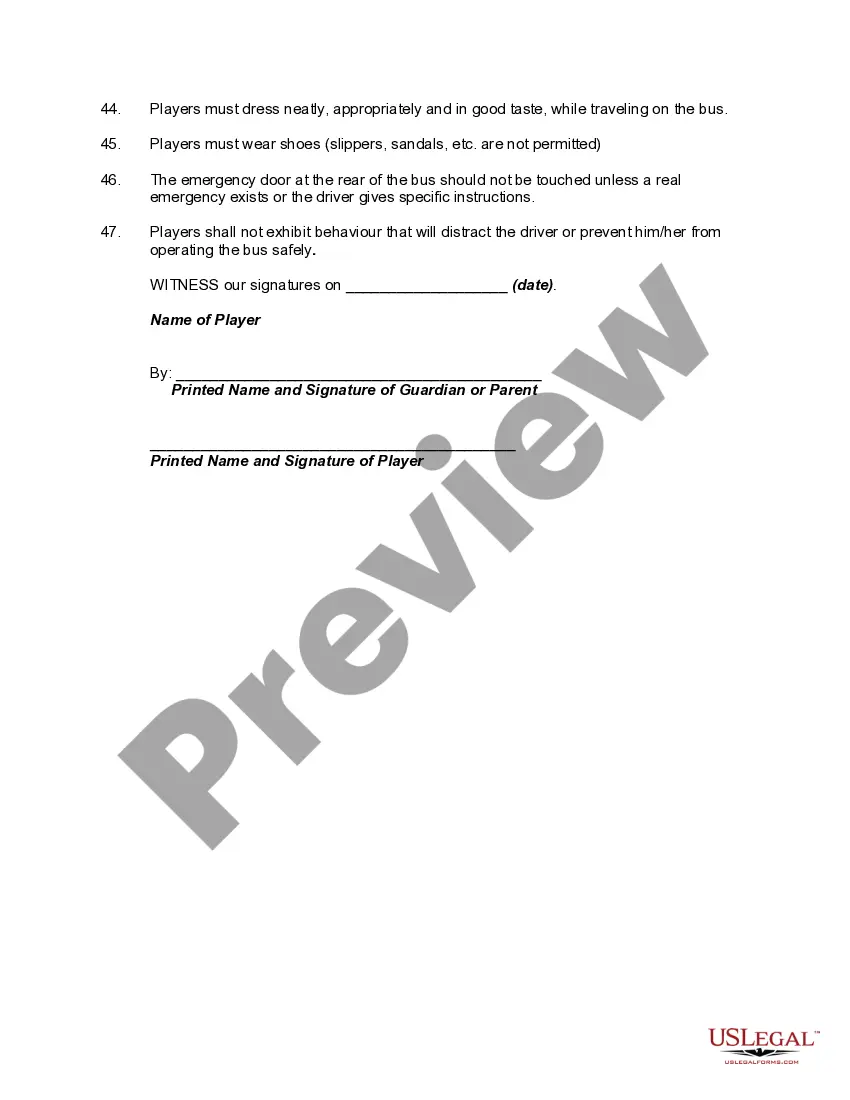
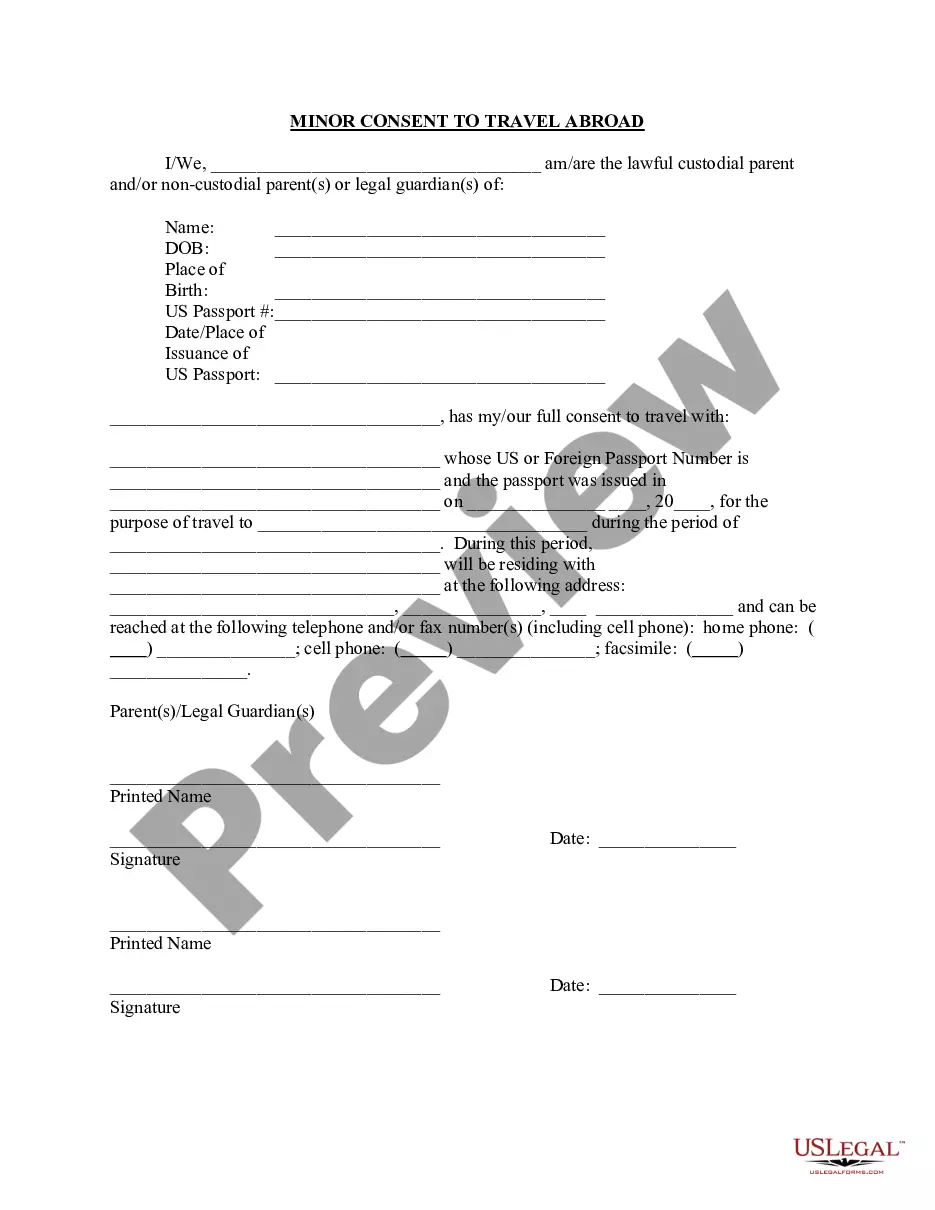
Get your form ready online
Our built-in tools help you complete, sign, share, and store your documents in one place.
Make edits, fill in missing information, and update formatting in US Legal Forms—just like you would in MS Word.
Download a copy, print it, send it by email, or mail it via USPS—whatever works best for your next step.
Sign and collect signatures with our SignNow integration. Send to multiple recipients, set reminders, and more. Go Premium to unlock E-Sign.
If this form requires notarization, complete it online through a secure video call—no need to meet a notary in person or wait for an appointment.
We protect your documents and personal data by following strict security and privacy standards.

Make edits, fill in missing information, and update formatting in US Legal Forms—just like you would in MS Word.

Download a copy, print it, send it by email, or mail it via USPS—whatever works best for your next step.

Sign and collect signatures with our SignNow integration. Send to multiple recipients, set reminders, and more. Go Premium to unlock E-Sign.

If this form requires notarization, complete it online through a secure video call—no need to meet a notary in person or wait for an appointment.

We protect your documents and personal data by following strict security and privacy standards.
Looking for another form?
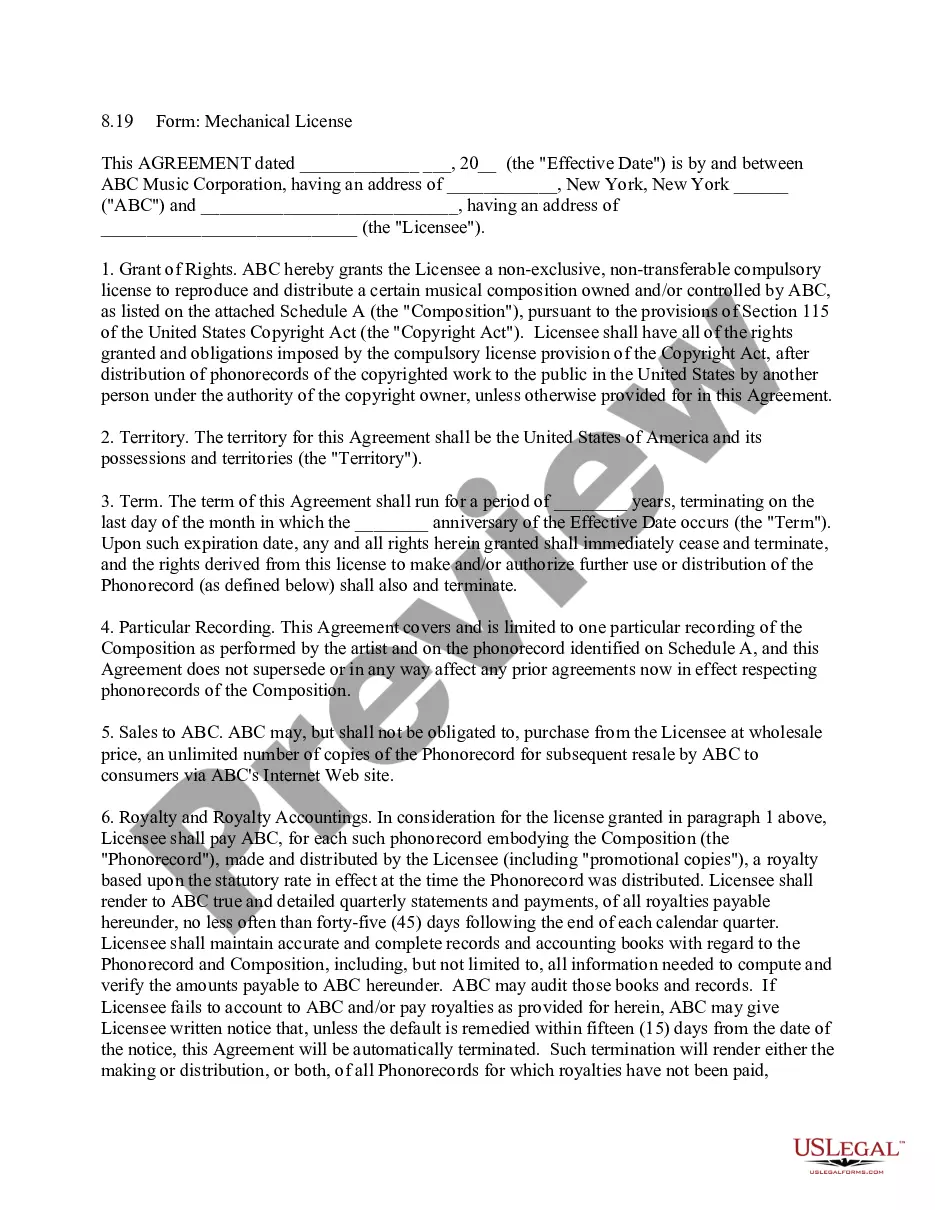






Form popularity
FAQ
Creating a parental consent form involves defining the purpose clearly, gathering all necessary details, and using a straightforward format. Include sections for signatures and dates to validate the consent. Understanding parental consent in Tagalog can aid in customizing the form for diverse audiences. US Legal Forms offers templates that can help simplify this process and ensure all necessary elements are included.
To write parental consent, begin with the parent's name, the child’s name, and a clear statement of what consent is being granted. Include details such as dates, the context of consent, and signatures to validate the document. It is beneficial to be familiar with parental consent in Tagalog to ensure accurate comprehension and legal compliance. Resources like US Legal Forms can provide templates to assist in crafting appropriate consent documents.
A consent statement clearly outlines what a parent agrees to and can include phrases like, 'I, Parent's Name, give my consent for my child, Child's Name, to attend Event/Activity.' This statement provides essential details and helps make the intent unmistakable. Familiarizing yourself with parental consent in Tagalog can help non-English speakers understand their rights and responsibilities. Clarity in the statement fosters trust and assurance.
Writing consent requires clarity and comprehensiveness. Start by stating the purpose of the consent, followed by details like the names of the individuals involved, the specific action being consented to, and the date. By understanding parental consent in Tagalog, you can ensure that the written document adheres to legal standards and is easily understood by all parties. Using a template can simplify this process, too.
An example of parental consent involves a parent giving permission for their child to participate in a school trip. This permission can be documented in writing, ensuring that all parties are aware of the child's involvement. It is crucial to understand parental consent in Tagalog to effectively communicate its significance in legal contexts. Having clear examples helps in recognizing valid situations where parental consent is necessary.
Parental consent includes any agreement given by a parent or legal guardian granting permission for a minor to participate in activities. This can encompass educational trips, medical decisions, or signing contracts. It's essential to have this consent documented, particularly in the context of parental consent in Tagalog. Utilizing reliable resources, like UsLegalForms, can assist in obtaining the correct documentation.
To fill out a parental consent form, begin by entering the names of the child and the parent or guardian. Next, provide detailed information about the activity, including dates and locations. Ensure that the statement of consent clearly expresses permission. Lastly, have the parent sign and date the form to validate the parental consent in Tagalog for the specified activity.
The parental consent law in the Philippines mandates that parents or legal guardians must provide permission for minors to engage in specific activities. This law encompasses a variety of scenarios, such as medical procedures and travel arrangements. Understanding these laws ensures that you obtain proper parental consent in Tagalog when necessary. Staying informed can help you navigate these legal requirements with ease.
The form of consent in Tagalog is commonly referred to as 'pahayag ng pahintulot.' This document serves as a formal agreement for parents or guardians to grant permission for activities involving minors. It's essential to use clear and straightforward language to ensure that the parental consent in Tagalog is easily understood. Using a well-structured form can significantly enhance clarity.
The legal age of consent in the Philippines is 16 years old. This means that individuals aged 16 and above can legally consent to activities without requiring parental consent. However, it's important to understand that certain situations may still necessitate parental consent in Tagalog, depending on the nature of the activity. Always consult legal guidelines to ensure compliance.
