Letter Of Good Behavior Examples
Description
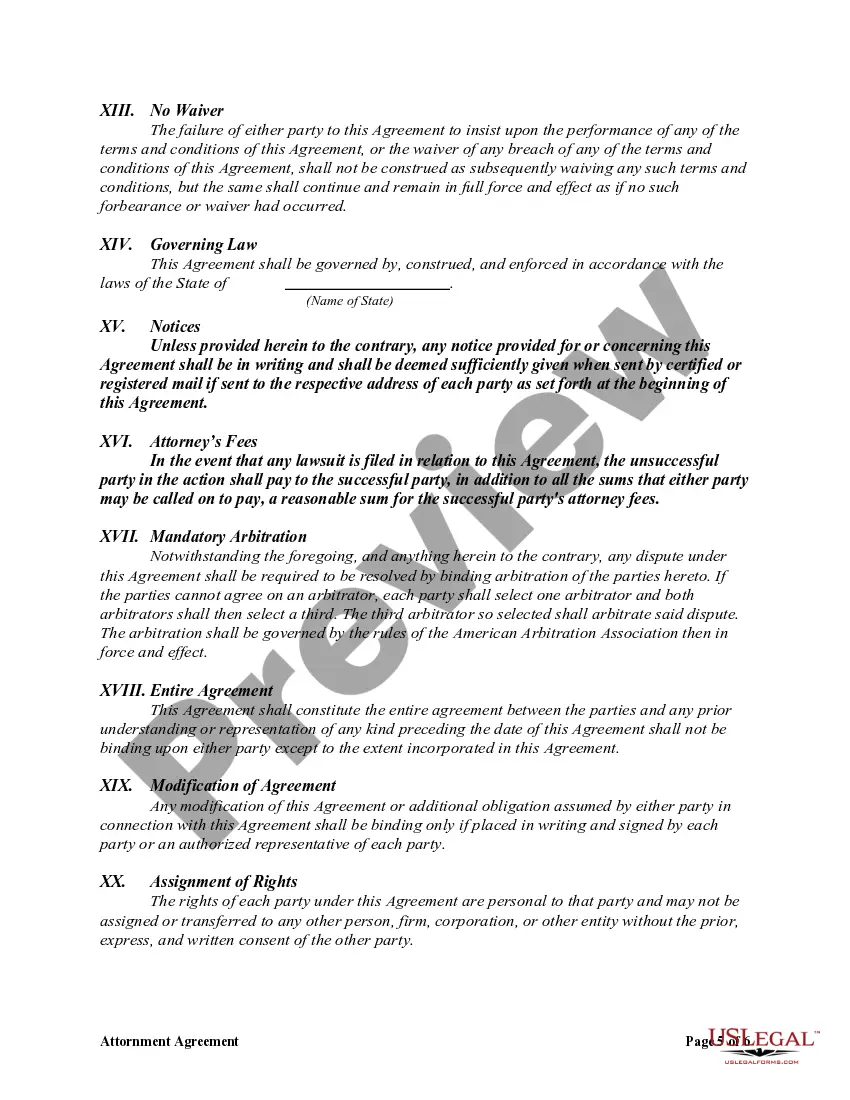
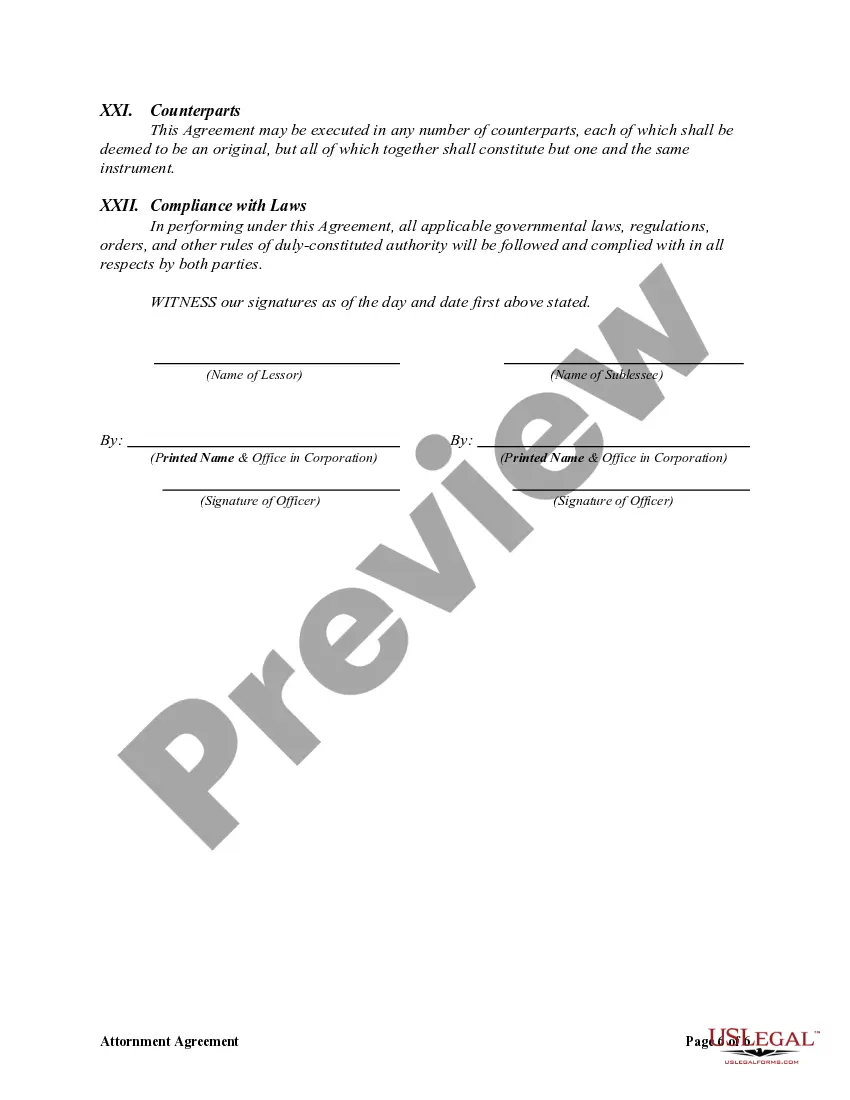
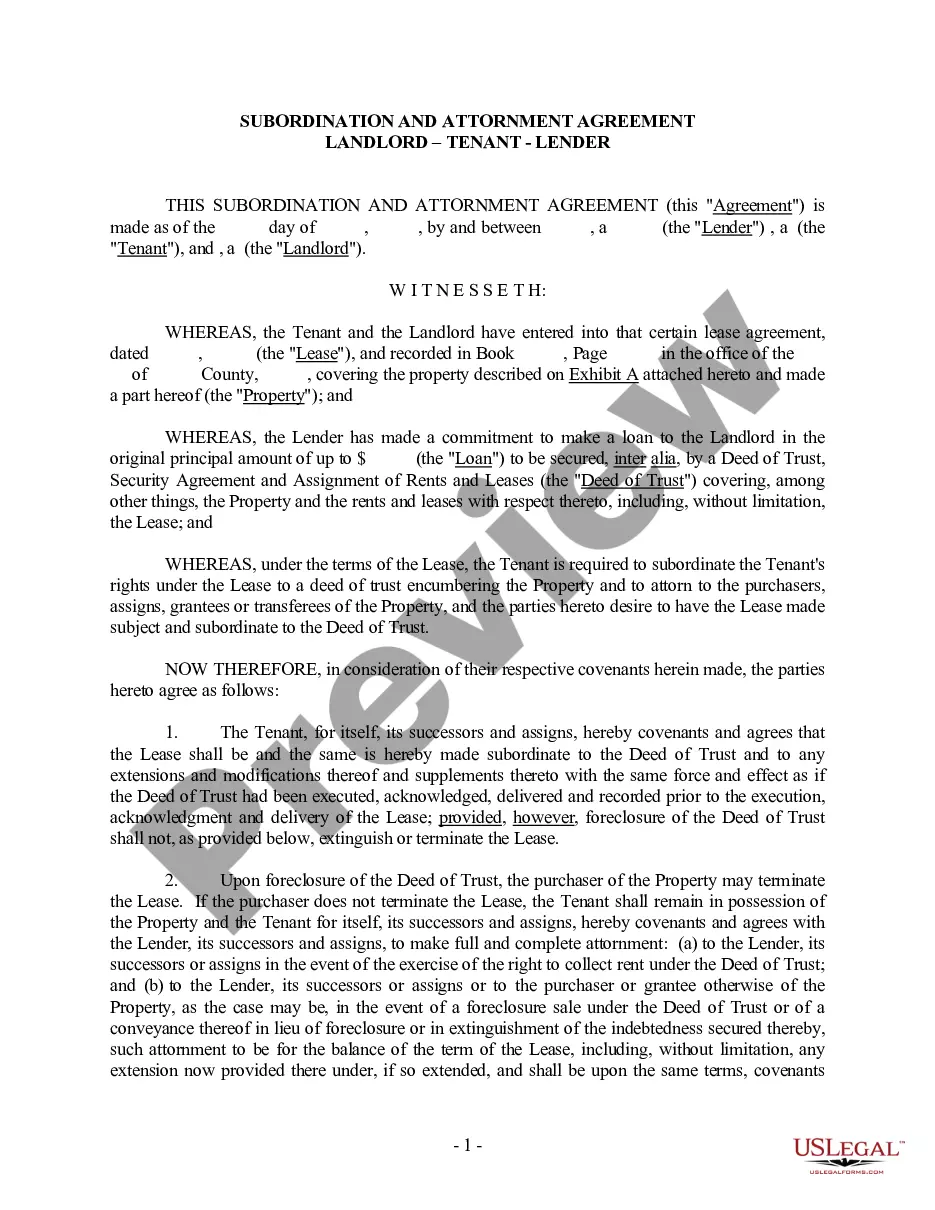
Get your form ready online
Our built-in tools help you complete, sign, share, and store your documents in one place.
Make edits, fill in missing information, and update formatting in US Legal Forms—just like you would in MS Word.
Download a copy, print it, send it by email, or mail it via USPS—whatever works best for your next step.
Sign and collect signatures with our SignNow integration. Send to multiple recipients, set reminders, and more. Go Premium to unlock E-Sign.
If this form requires notarization, complete it online through a secure video call—no need to meet a notary in person or wait for an appointment.
We protect your documents and personal data by following strict security and privacy standards.
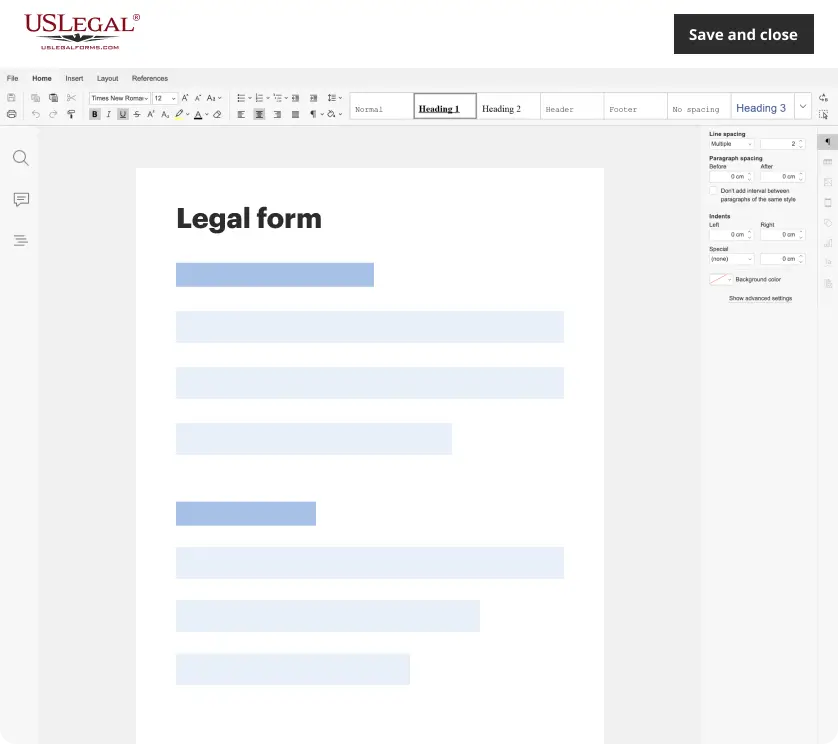
Make edits, fill in missing information, and update formatting in US Legal Forms—just like you would in MS Word.
Download a copy, print it, send it by email, or mail it via USPS—whatever works best for your next step.
Sign and collect signatures with our SignNow integration. Send to multiple recipients, set reminders, and more. Go Premium to unlock E-Sign.

If this form requires notarization, complete it online through a secure video call—no need to meet a notary in person or wait for an appointment.
We protect your documents and personal data by following strict security and privacy standards.
Looking for another form?
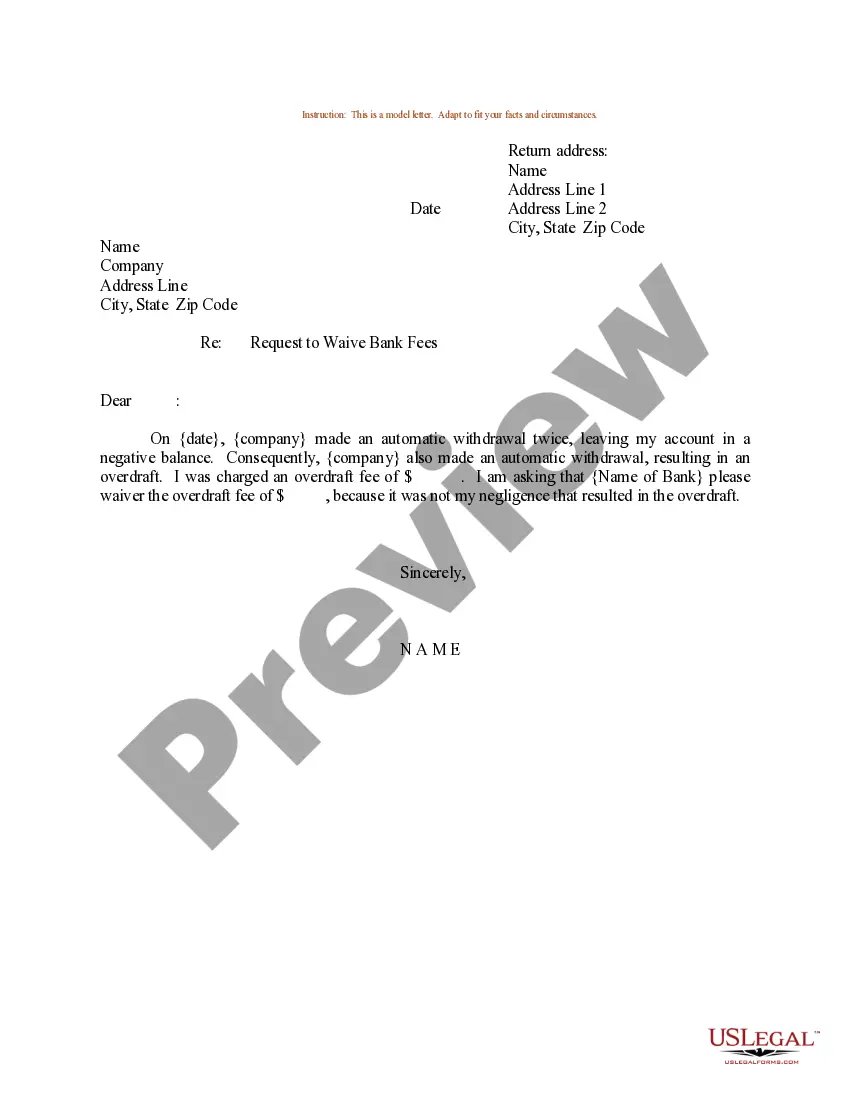
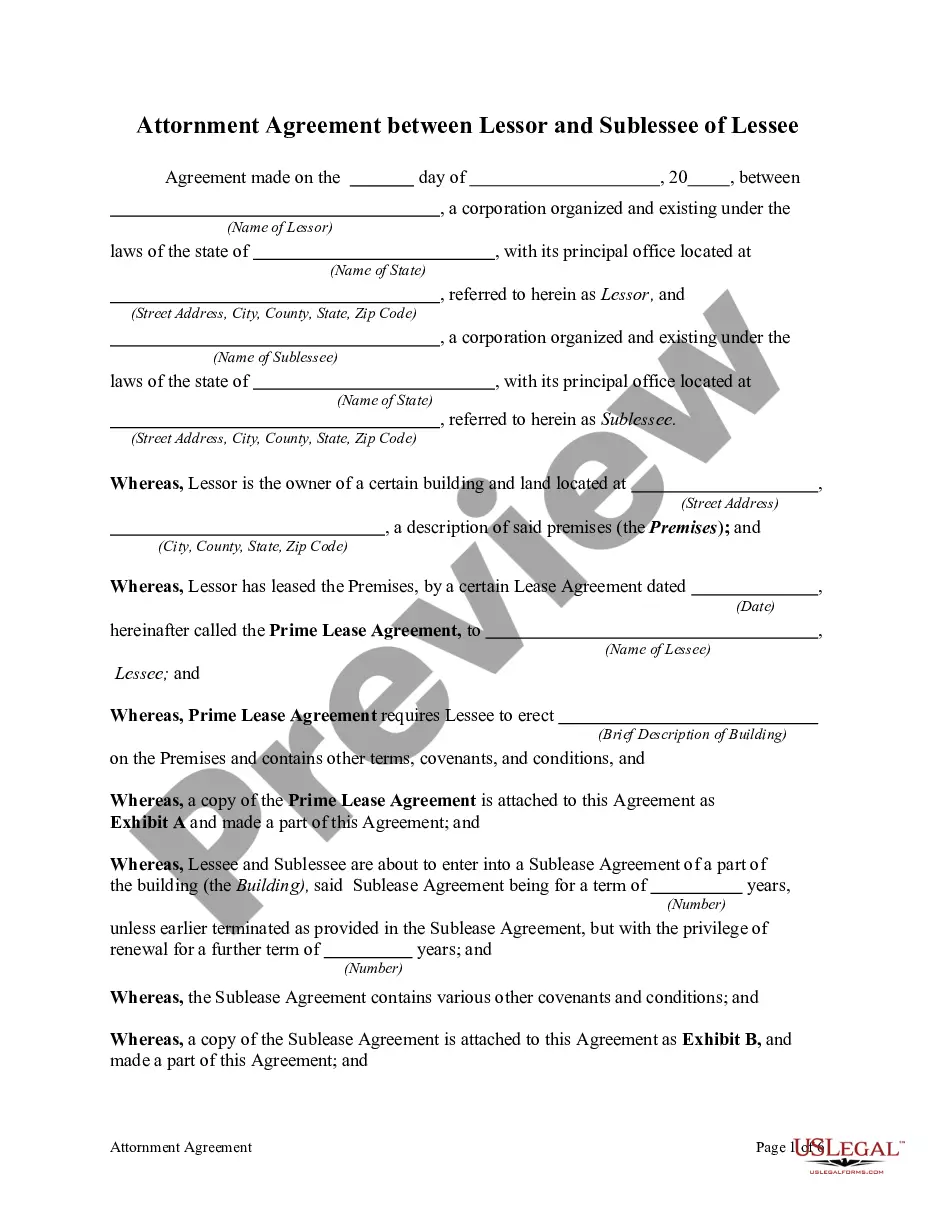
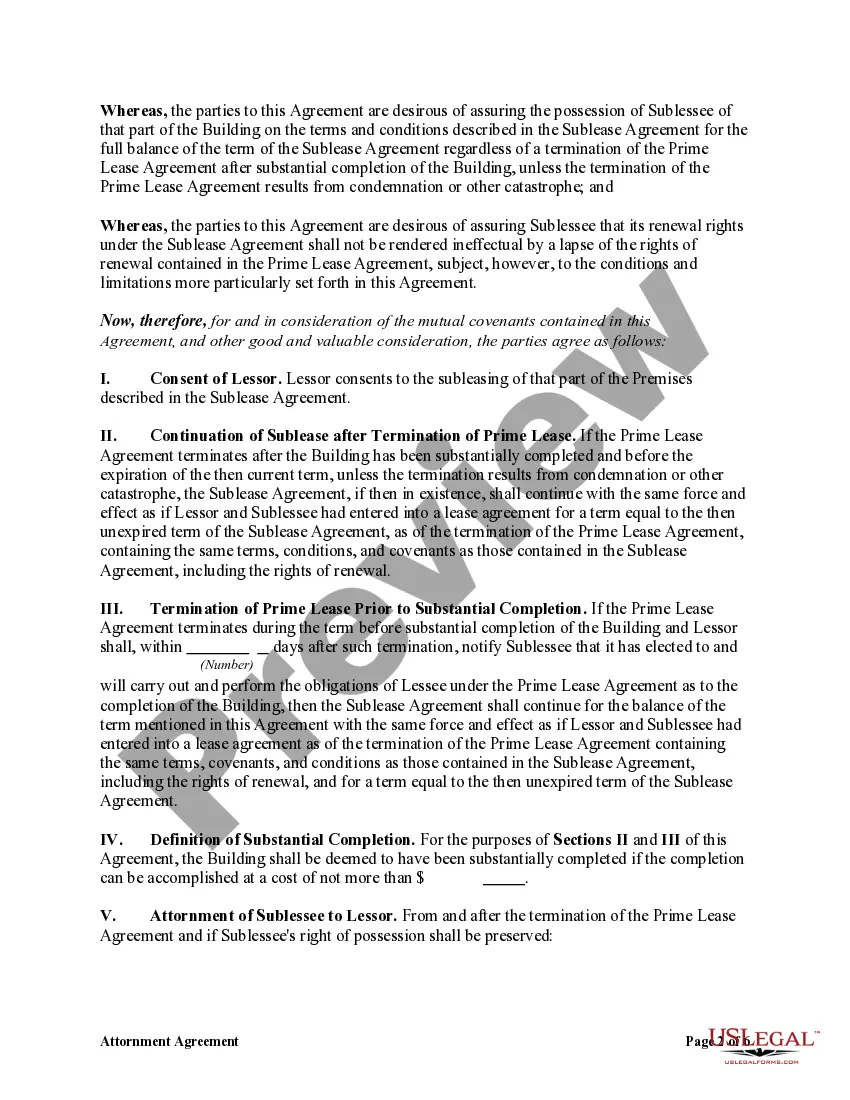
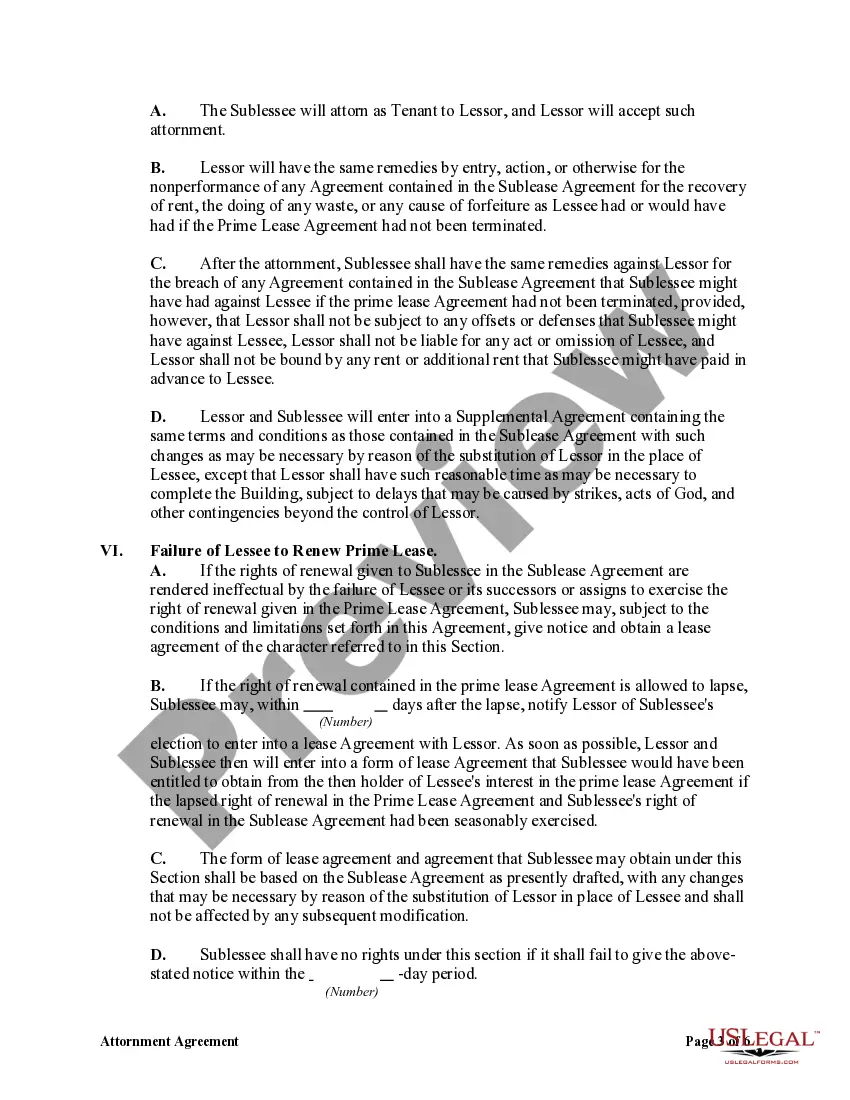
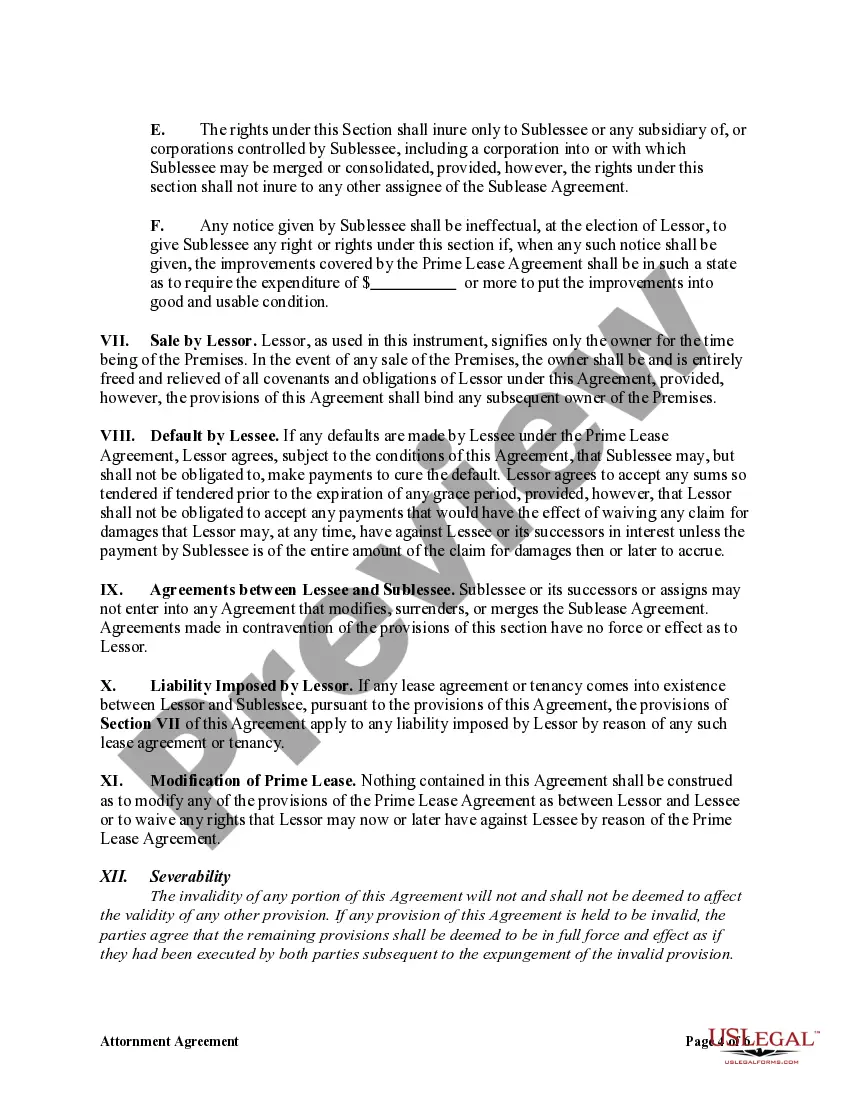
How to fill out Attornment Agreement Between Lessor And Sublessee Of Lessee?
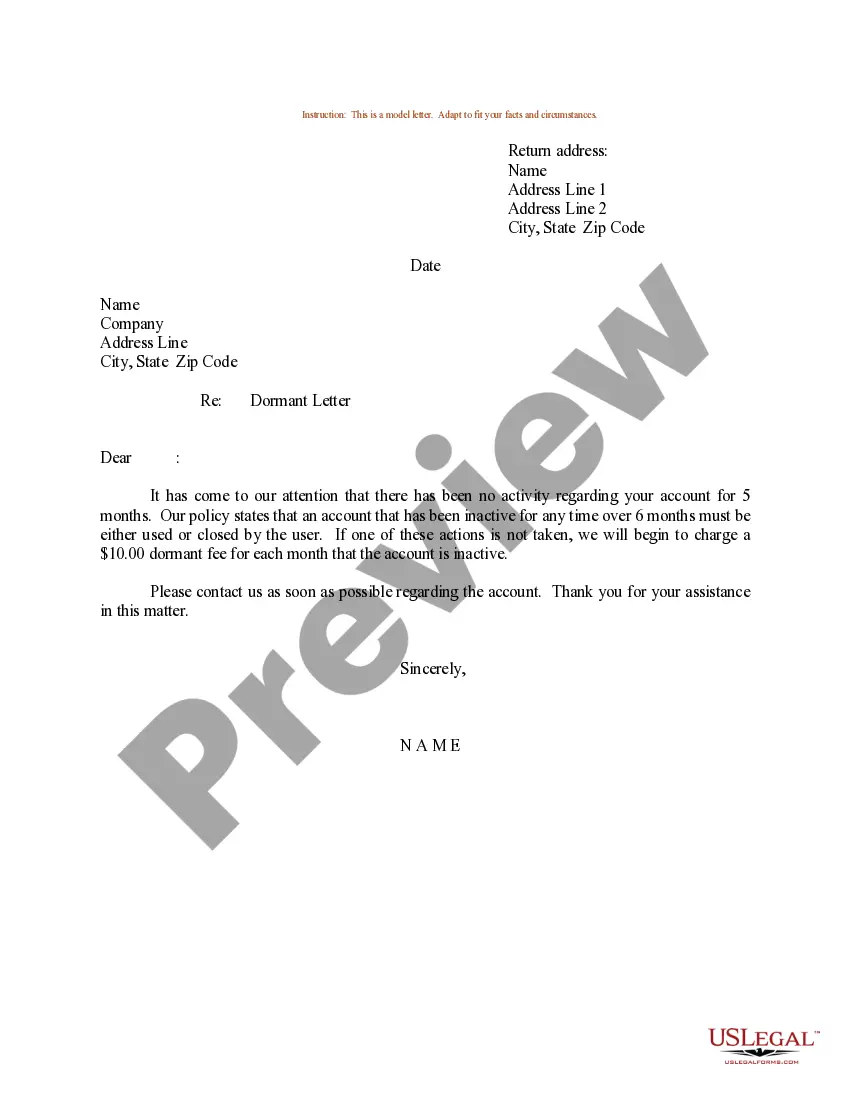
The Good Conduct Letter Samples you observe on this site is a reusable legal format created by expert attorneys in compliance with national and state regulations.
For over 25 years, US Legal Forms has supplied individuals, businesses, and legal practitioners with more than 85,000 validated, state-specific documents for any commercial or personal event. It’s the quickest, easiest, and most reliable method to acquire the paperwork you require, as the service ensures bank-level data protection and anti-virus security.
Join US Legal Forms to have verified legal templates for all of life’s circumstances ready for you.
- Search for the document you require and examine it.
- Browse the example you looked for and view it or check the form description to guarantee it fits your needs. If it doesn’t, utilize the search function to find the correct one. Click Buy Now once you have found the template you want.
- Register and Log In.
- Choose the pricing plan that works best for you and create an account. Use PayPal or a credit card to make a swift payment. If you already possess an account, Log In and review your subscription to continue.
- Obtain the editable template.
- Select the format you prefer for your Good Conduct Letter Samples (PDF, Word, RTF) and download the document to your device.
- Complete and sign the paper.
- Print the template to fill it out by hand. Alternatively, make use of an online versatile PDF editor to quickly and accurately complete and sign your form with an authentic signature.
- Download your documents once again.
- Re-use the same document whenever necessary. Access the My documents tab in your profile to redownload any previously purchased forms.
Form popularity
FAQ
To make a living trust in Maine, you: Choose whether to make an individual or shared trust. Decide what property to include in the trust. Choose a successor trustee. Decide who will be the trust's beneficiaries?that is, who will get the trust property. Create the trust document.
A revocable trust and living trust are separate terms that describe the same thing: a trust in which the terms can be changed at any time. An irrevocable trust describes a trust that cannot be modified after it is created without the beneficiaries' consent.
A last will and testament takes effect upon death and must go through probate; a living trust takes effect when a person is alive and does not go through probate. A last will and testament is an important estate planning document that most people will need to designate where their assets will go upon their death.
Less than 2 percent of the U.S. population receives a trust fund, usually as a means of inheriting large sums of money from wealthy parents, ing to the Survey of Consumer Finances. The median amount is about $285,000 (the average was $4,062,918) ? enough to make a major, lasting impact.
To make a living trust in Maine, you: Choose whether to make an individual or shared trust. Decide what property to include in the trust. Choose a successor trustee. Decide who will be the trust's beneficiaries?that is, who will get the trust property. Create the trust document.
When you create a living trust in Maine you are able to maintain control over your assets during life and also after you die. While you are alive, you can use, manage, spend, and give away the trust assets any way you wish. You can move assets into and out of the trust at any time.
One big advantage of a trust document over a will in Maine, Klebe says, ?is that a trust is a private document, where a will is a public document. So, when you die, your will gets admitted to probate, and it becomes a part of the public record. And in Maine, at least, it's searchable online.?
The price of making a living trust depends on the method you use to actually put it together. One way is to use an online program and create the trust document yourself. This will cost you a few hundred dollars or so. Another viable option is to go through a lawyer, for which you'll probably pay $1,000 or more.