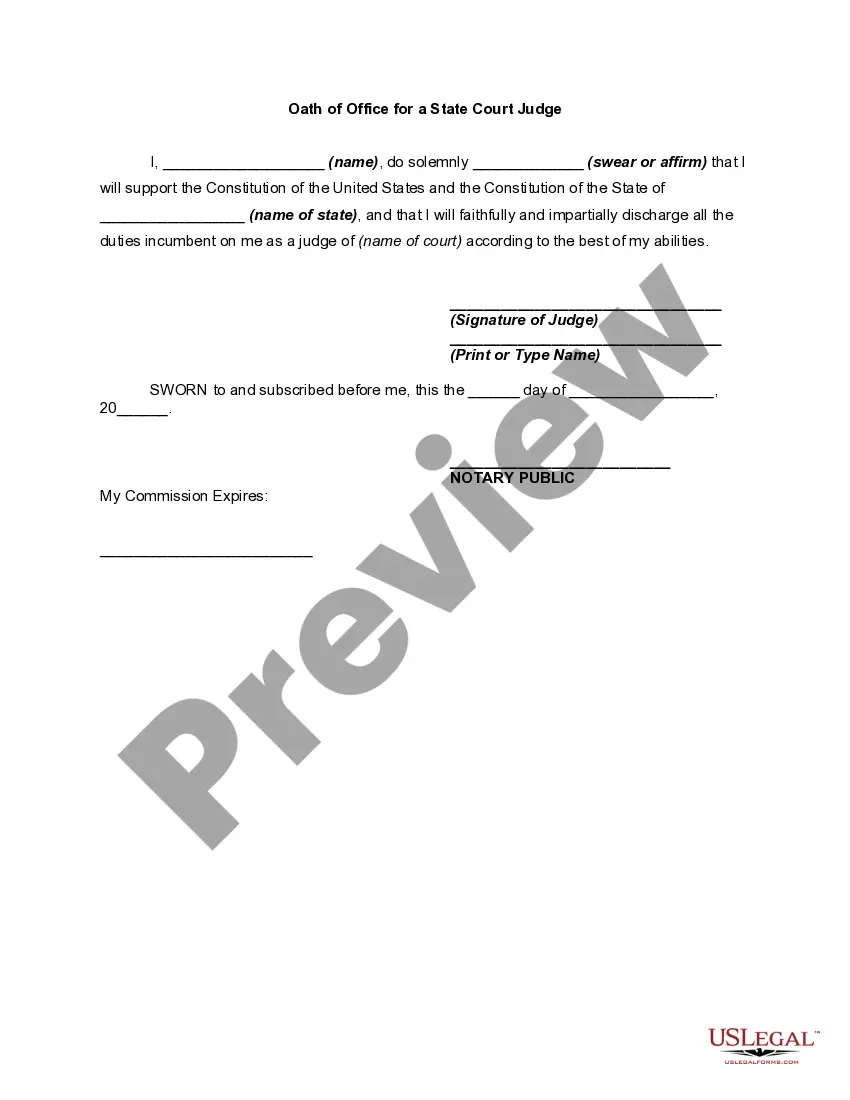
State Judge Forces
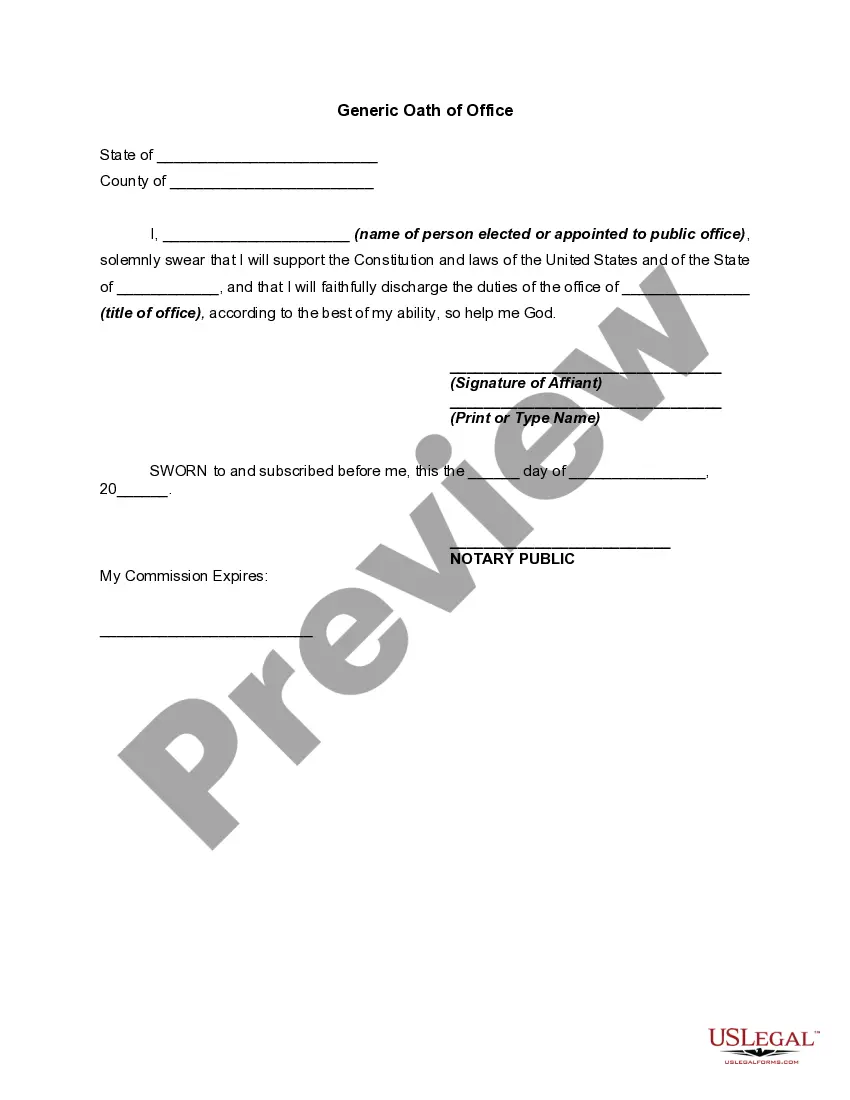
Description
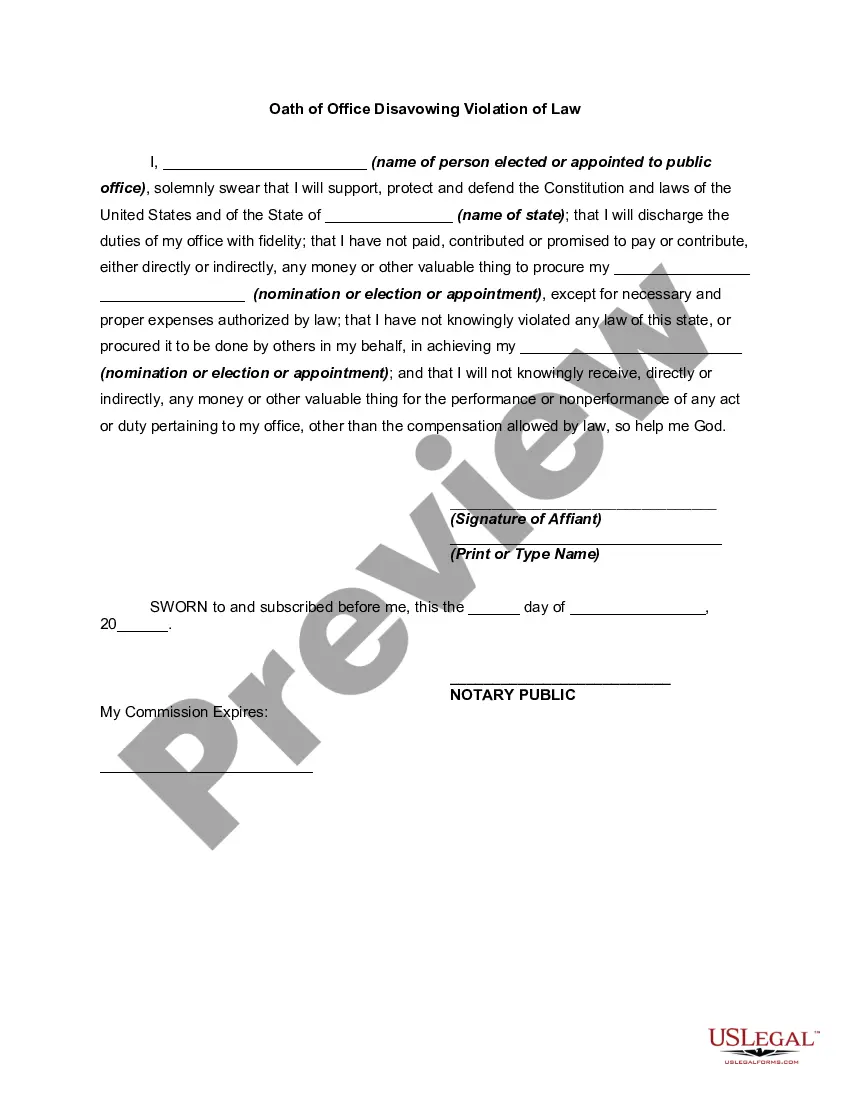
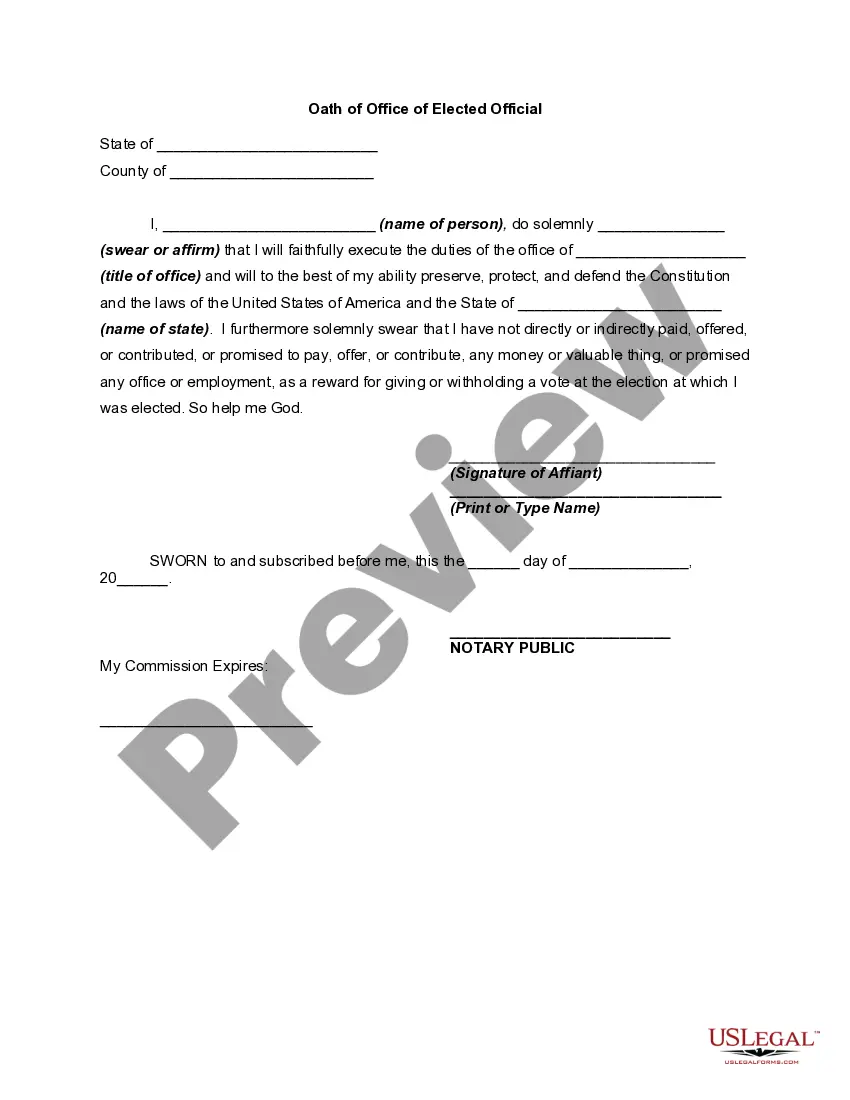
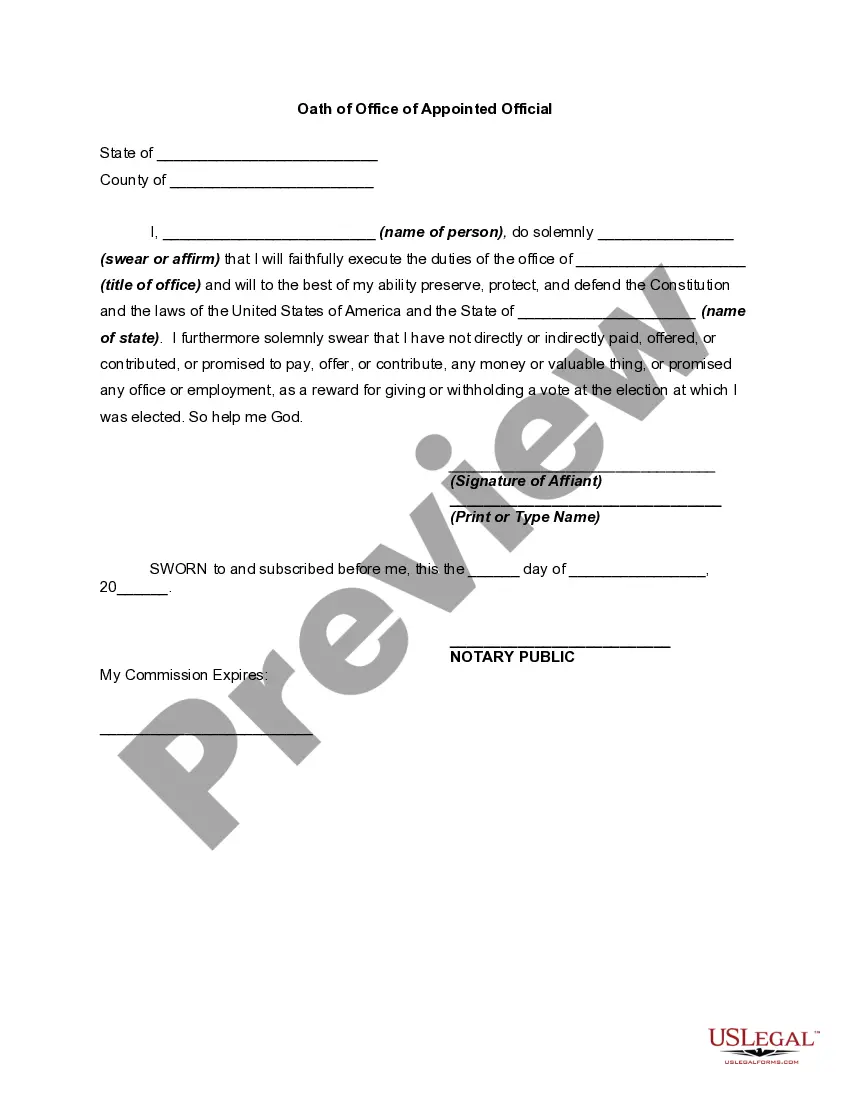
Get your form ready online
Our built-in tools help you complete, sign, share, and store your documents in one place.
Make edits, fill in missing information, and update formatting in US Legal Forms—just like you would in MS Word.
Download a copy, print it, send it by email, or mail it via USPS—whatever works best for your next step.
Sign and collect signatures with our SignNow integration. Send to multiple recipients, set reminders, and more. Go Premium to unlock E-Sign.
If this form requires notarization, complete it online through a secure video call—no need to meet a notary in person or wait for an appointment.
We protect your documents and personal data by following strict security and privacy standards.

Make edits, fill in missing information, and update formatting in US Legal Forms—just like you would in MS Word.

Download a copy, print it, send it by email, or mail it via USPS—whatever works best for your next step.

Sign and collect signatures with our SignNow integration. Send to multiple recipients, set reminders, and more. Go Premium to unlock E-Sign.

If this form requires notarization, complete it online through a secure video call—no need to meet a notary in person or wait for an appointment.

We protect your documents and personal data by following strict security and privacy standards.
Looking for another form?







How to fill out Oath Of Office For A State Court Judge?
Managing legal documentation and tasks can be a lengthy addition to your daily routine. State Judge Forces and similar forms typically necessitate that you search for them and comprehend how to fill them out accurately.
Consequently, whether you are addressing financial, legal, or personal issues, having a comprehensive and user-friendly online repository of forms readily available will greatly assist you.
US Legal Forms is the leading online platform for legal documents, boasting over 85,000 state-specific forms and a variety of resources to help you complete your documentation swiftly.
Browse the collection of relevant documents available to you with a single click.
Then, follow the steps below to complete your form: Ensure you have located the correct form using the Review option and examining the form description. Select Buy Now when you are ready and choose the subscription plan that suits you. Click Download then fill out, sign, and print the form. US Legal Forms has 25 years of experience assisting users with their legal documentation. Obtain the form you require today and enhance any process without unnecessary effort.
- US Legal Forms provides state- and county-specific forms accessible at any time for download.
- Safeguard your document management processes with a premium service that allows you to generate any form within minutes without any extra or hidden fees.
- Simply Log In to your account, locate State Judge Forces, and download it directly from the My documents section.
- You can also access previously downloaded forms.
- Is this your initial time using US Legal Forms? Sign up and create a free account in a few moments, and you will access the form collection and State Judge Forces.
Form popularity
FAQ
While both judges and lawyers face unique challenges, becoming a judge often requires additional qualifications and experience. Lawyers typically start their careers by practicing law and developing their expertise, while judges must navigate a more competitive selection process. Each path has its difficulties, but state judge forces prioritize those with proven legal skills and a commitment to justice.
Being a state judge requires a deep understanding of the law, strong analytical skills, and the ability to make impartial decisions. Judges often handle complex cases that demand attention to detail and a commitment to fairness. The role also involves managing court proceedings and interacting with various parties, which can be demanding. Thus, state judge forces require individuals who can balance these responsibilities with integrity.
If you believe a judge is biased, you can file a motion for recusal, asking the judge to step down from your case. It's important to provide clear evidence of bias to support your request. Additionally, you may seek a new judge through the court's administrative office, ensuring you follow the correct legal procedures. Understanding how state judge forces operate can help you navigate this process more effectively.
Becoming a state judge involves a rigorous process that varies by state. Generally, candidates must have legal experience, pass bar exams, and often undergo a selection process that may include appointments or elections. While the path is challenging, those dedicated to public service and justice can succeed. State judge forces look for qualified individuals who can uphold the law effectively.
When appearing before a judge, avoid using disrespectful language or making personal attacks. It is crucial to remain respectful and professional, even if you disagree with the judge's decisions. Furthermore, do not interrupt the judge or other parties during proceedings. These actions can negatively influence how state judge forces view your case.
Writing a letter to the judge can be beneficial, but it must be done appropriately. Ensure the letter is respectful, concise, and relevant to your case. Keep in mind that state judge forces may only consider it during specific proceedings, so consult legal resources, like uslegalforms, to ensure your communication aligns with court protocols.
The hardest cases to win often involve complex issues, such as criminal cases with substantial evidence against the defendant or civil disputes with high stakes. Additionally, cases lacking sufficient documentation or credible witnesses can challenge state judge forces in reaching a fair decision. Thorough preparation and expert legal advice can improve your chances of success.
To impress a judge, arrive prepared with a well-organized case and demonstrate respect for the court's procedures. Use clear, concise language and support your arguments with solid evidence. Building a positive rapport with court staff can also positively influence state judge forces, enhancing your overall presentation.
When addressing a judge, avoid making personal attacks, disrespectful comments, or emotional outbursts. Such remarks can undermine your case and irritate state judge forces. It's crucial to remain composed and stick to the facts, presenting your arguments respectfully and clearly.
Securing a judgeship can be quite challenging. It typically requires a strong legal background, often with years of practice and experience in the courtroom. Additionally, candidates must navigate the political landscape, as state judge forces can influence appointment decisions. However, determination and a solid reputation can improve your chances.