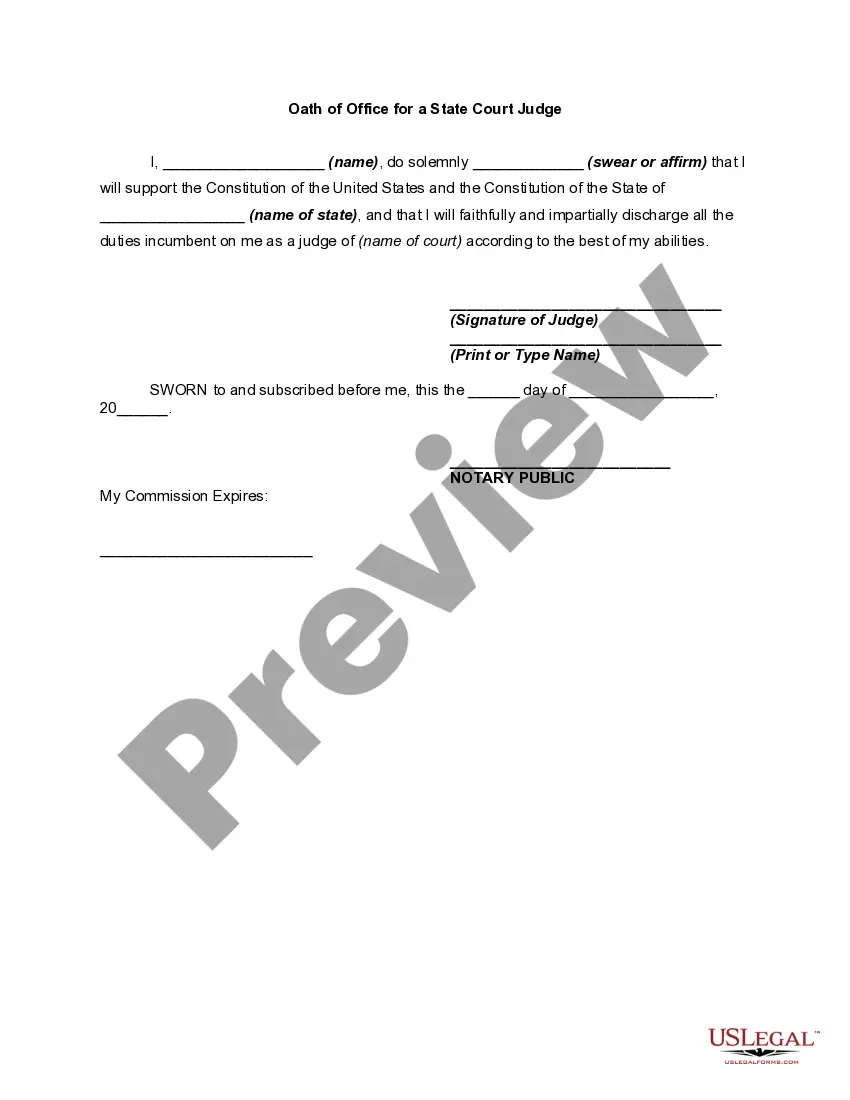
State Court Oath For Witnesses
Description
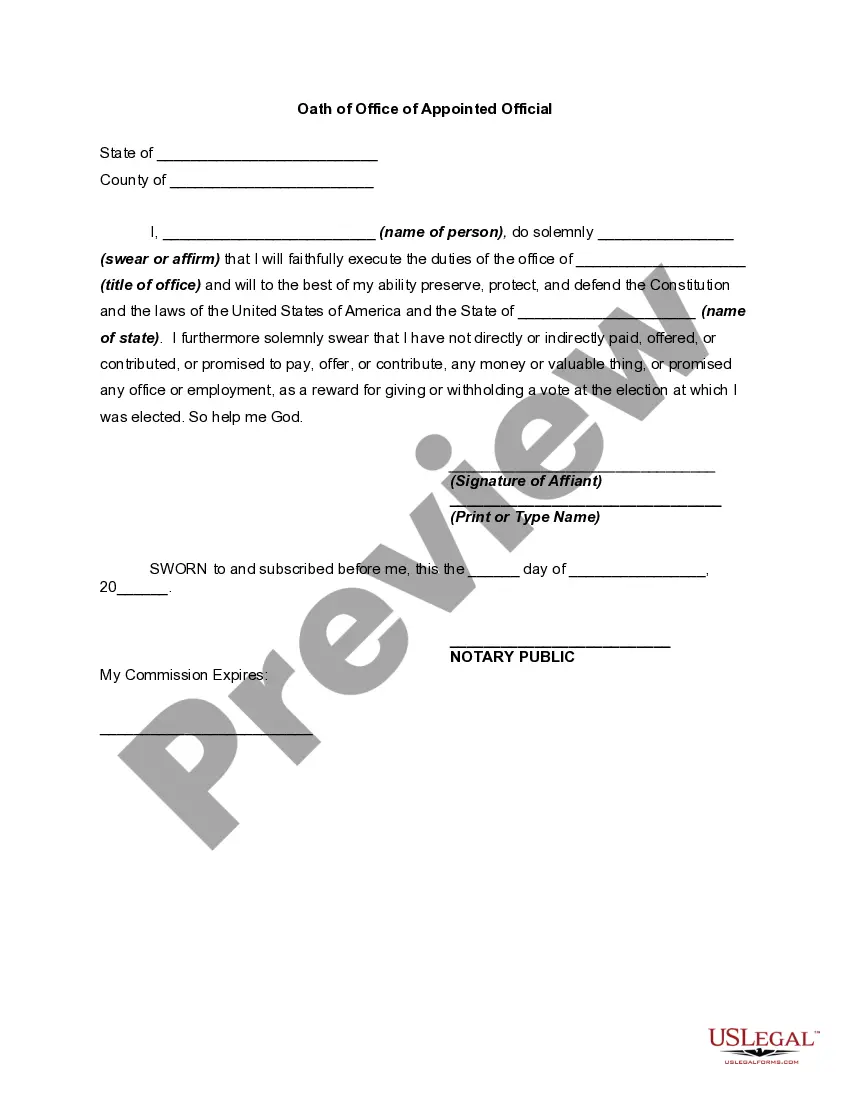
Get your form ready online
Our built-in tools help you complete, sign, share, and store your documents in one place.
Make edits, fill in missing information, and update formatting in US Legal Forms—just like you would in MS Word.
Download a copy, print it, send it by email, or mail it via USPS—whatever works best for your next step.
Sign and collect signatures with our SignNow integration. Send to multiple recipients, set reminders, and more. Go Premium to unlock E-Sign.
If this form requires notarization, complete it online through a secure video call—no need to meet a notary in person or wait for an appointment.
We protect your documents and personal data by following strict security and privacy standards.

Make edits, fill in missing information, and update formatting in US Legal Forms—just like you would in MS Word.

Download a copy, print it, send it by email, or mail it via USPS—whatever works best for your next step.

Sign and collect signatures with our SignNow integration. Send to multiple recipients, set reminders, and more. Go Premium to unlock E-Sign.

If this form requires notarization, complete it online through a secure video call—no need to meet a notary in person or wait for an appointment.

We protect your documents and personal data by following strict security and privacy standards.
Looking for another form?

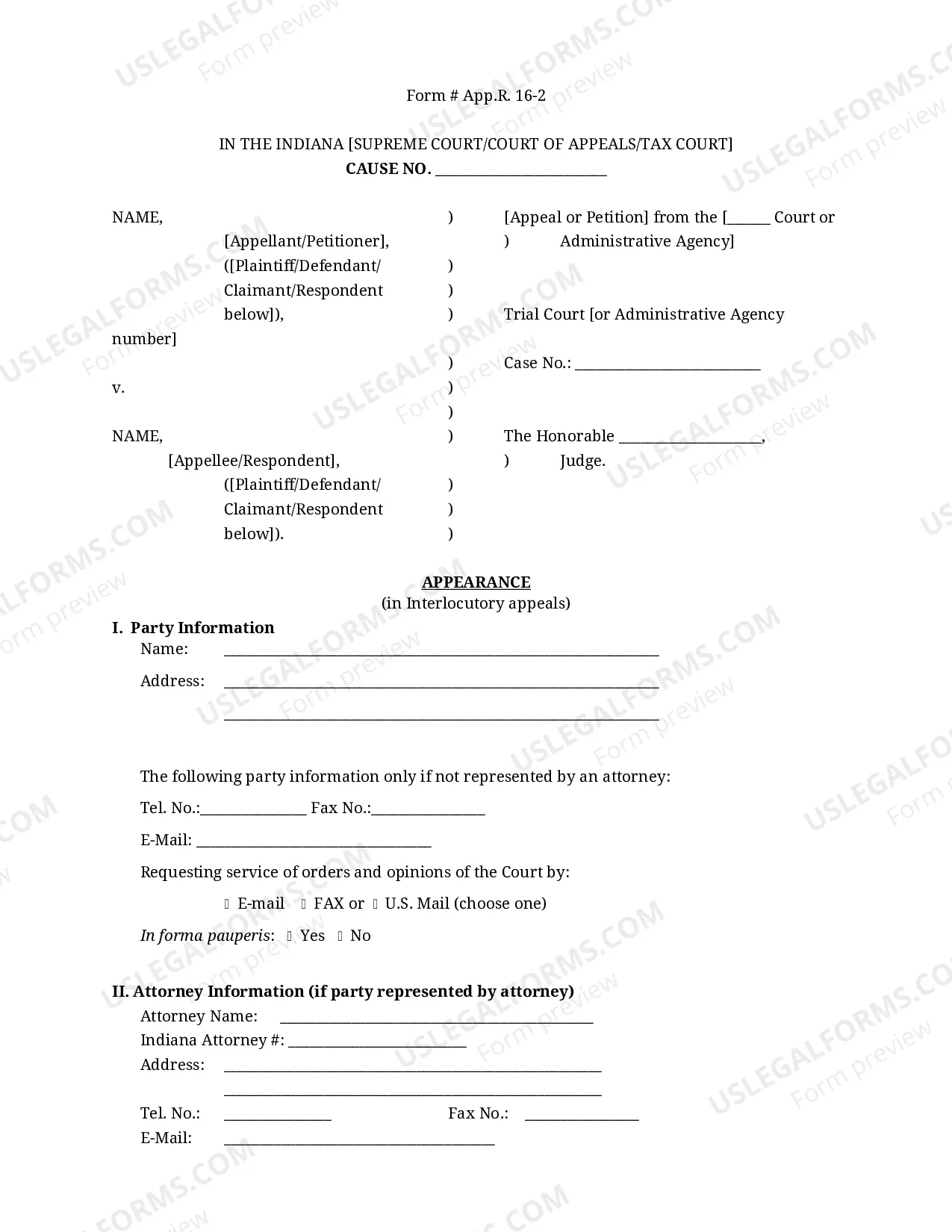
How to fill out Oath Of Office For A State Court Judge?
Managing legal documents and procedures can be a lengthy addition to your schedule.
Documents like the State Court Oath For Witnesses generally require you to search for them and comprehend how to fill them out correctly.
Therefore, if you are dealing with financial, legal, or personal issues, utilizing a detailed and user-friendly online database of forms will significantly help.
US Legal Forms is the leading online platform for legal templates, offering over 85,000 state-specific forms and various resources to assist you in completing your documents effortlessly.
Is this your first experience with US Legal Forms? Sign up and create a free account in just a few minutes to gain access to the form library and the State Court Oath For Witnesses. Then, follow the steps below to complete your document.
- Discover the repository of relevant documents available to you with a single click.
- US Legal Forms provides state- and county-specific forms available for download at any time.
- Protect your document management processes using a superior service that allows you to prepare any form within minutes without additional or secret fees.
- Simply Log In to your account, find the State Court Oath For Witnesses, and obtain it immediately from the My documents section.
- You can also access previously saved forms.
Form popularity
FAQ
Oaths serve as a crucial element in the legal process, particularly the state court oath for witnesses. Common examples include the oath taken by witnesses before giving testimony, which emphasizes their duty to tell the truth. Another example is the oath administered to public officials, ensuring their commitment to serve with integrity. These oaths reinforce the seriousness of the legal system and maintain its trustworthiness.
When swearing in a witness, a judge typically asks them to promise to tell the truth, often using a standard phrasing like, 'Do you swear to tell the truth, the whole truth, and nothing but the truth?' This verbal agreement, part of the state court oath for witnesses, signifies the beginning of the witness's responsibility to provide truthful testimony during the trial.
The witness oath in court is a critical component of ensuring justice in legal proceedings. It is a binding promise that the witness will provide honest and complete testimony. This state court oath for witnesses reinforces the integrity of the judicial system and helps uphold the rule of law.
The witness statement oath is a formal declaration in which a witness promises that their testimony or written statement will be truthful. This oath is crucial in legal settings, as it legally binds the witness to provide accurate information. Failing to adhere to the state court oath for witnesses can result in serious legal repercussions, including charges of perjury.
Witnesses get sworn in by appearing before the judge or an authorized officer who administers the oath. This process usually involves the witness raising their right hand and repeating the oath, committing to speak the truth. Understanding the state court oath for witnesses helps prepare individuals for this important moment in the legal system.
The oath of a witness in court is a solemn promise to tell the truth during legal proceedings. This oath ensures that all testimony is credible and reliable, making it a vital part of the judicial process. Typically, the state court oath for witnesses requires witnesses to affirm they will speak truthfully and fully, aware of the legal consequences of perjury.
Making an oath in court involves verbally affirming your intention to tell the truth. The judge will guide you through the process, typically using a state court oath for witnesses. You will usually raise your right hand and repeat the oath while acknowledging the legal implications of your promise. Understanding this process is essential, and resources from US Legal Forms can help clarify any uncertainties.
Witnesses are sworn in by taking an oath, usually administered in the courtroom. The judge or a court officer will read the state court oath for witnesses, requiring the witness to promise to tell the truth. After the witness affirms or swears to this oath, they are legally bound to provide truthful testimony. This step is vital in maintaining the accountability of witnesses.
Typically, a judge or designated court officer is responsible for swearing in witnesses during court proceedings. This individual administers the state court oath for witnesses to ensure that testimony is given truthfully. It's crucial to understand that this process reinforces the integrity of the judicial system. If you have questions about this procedure, US Legal Forms can provide guidance.
To submit a witness statement, start by gathering all relevant information regarding the case. You can use the US Legal Forms platform to find the correct forms and templates. Once completed, ensure the statement is signed and dated, then file it with the court. Remember, a state court oath for witnesses may be necessary to validate your statement.