Real Estate Form For Taxes
Description
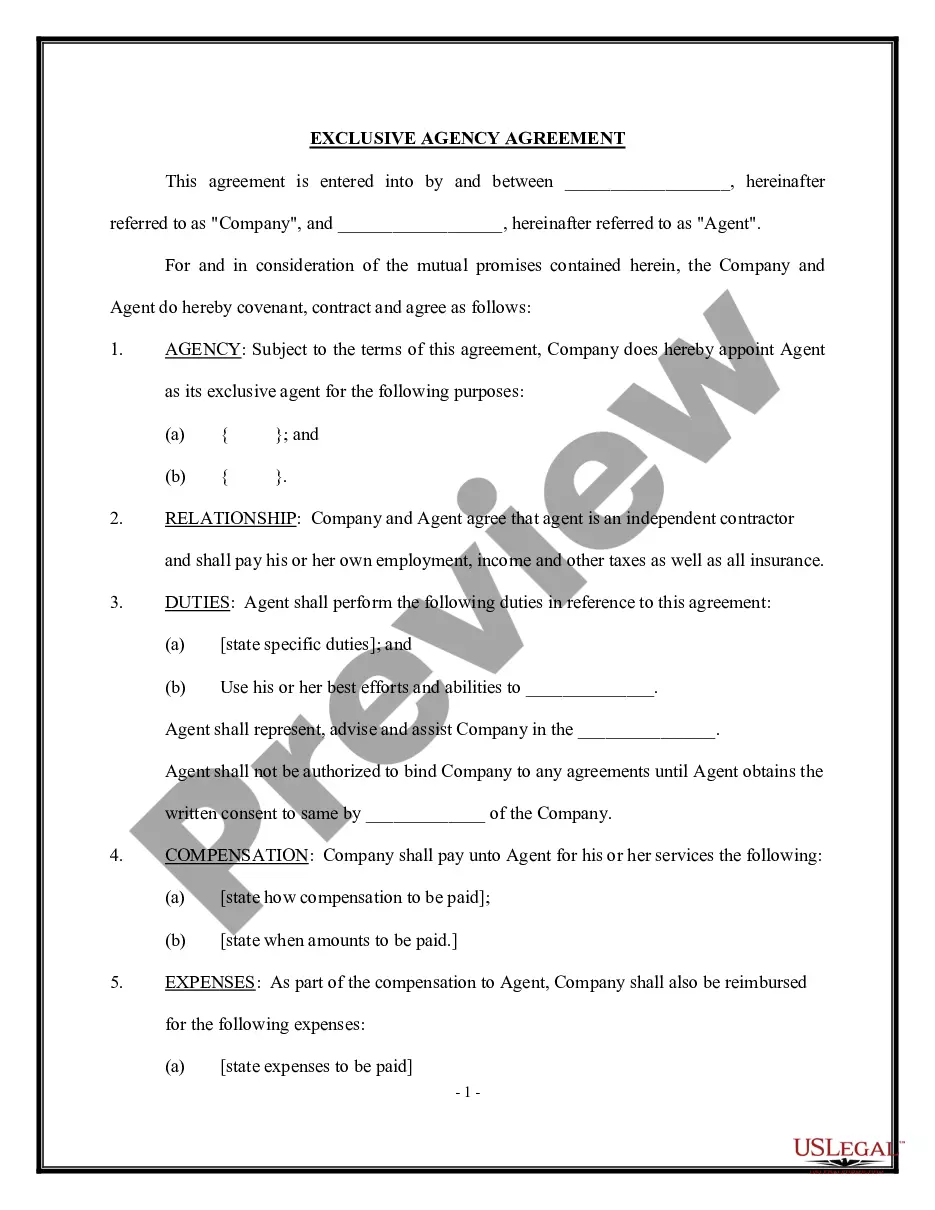
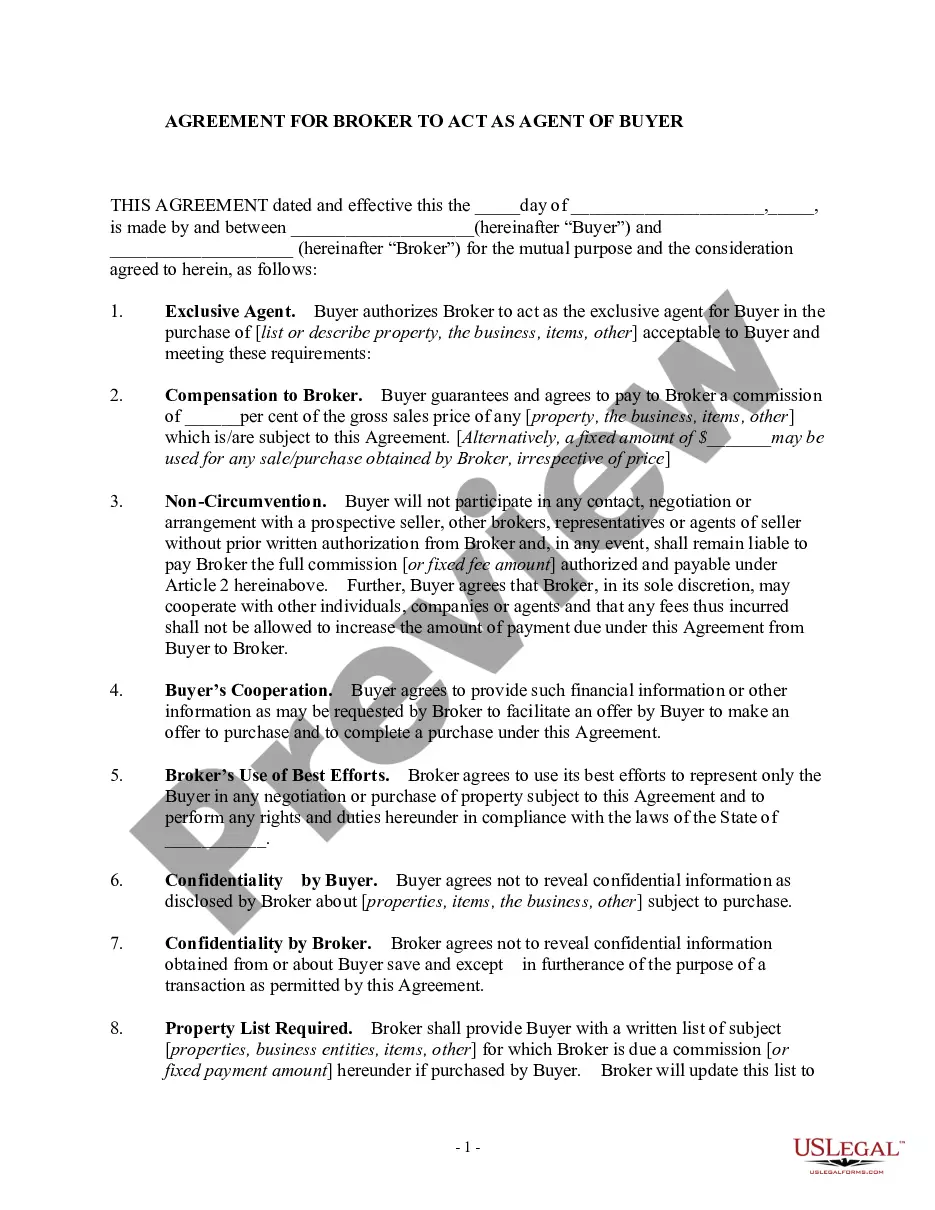
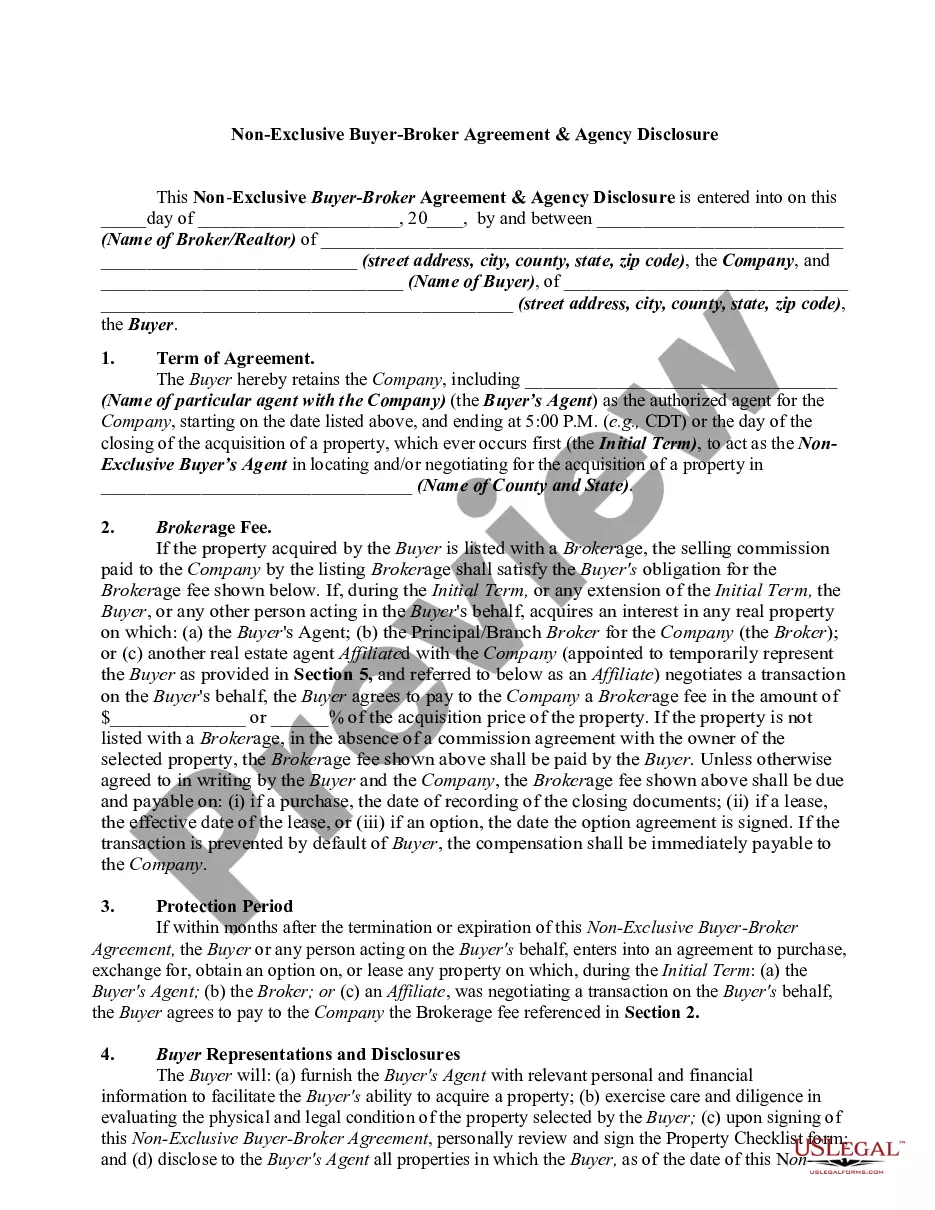
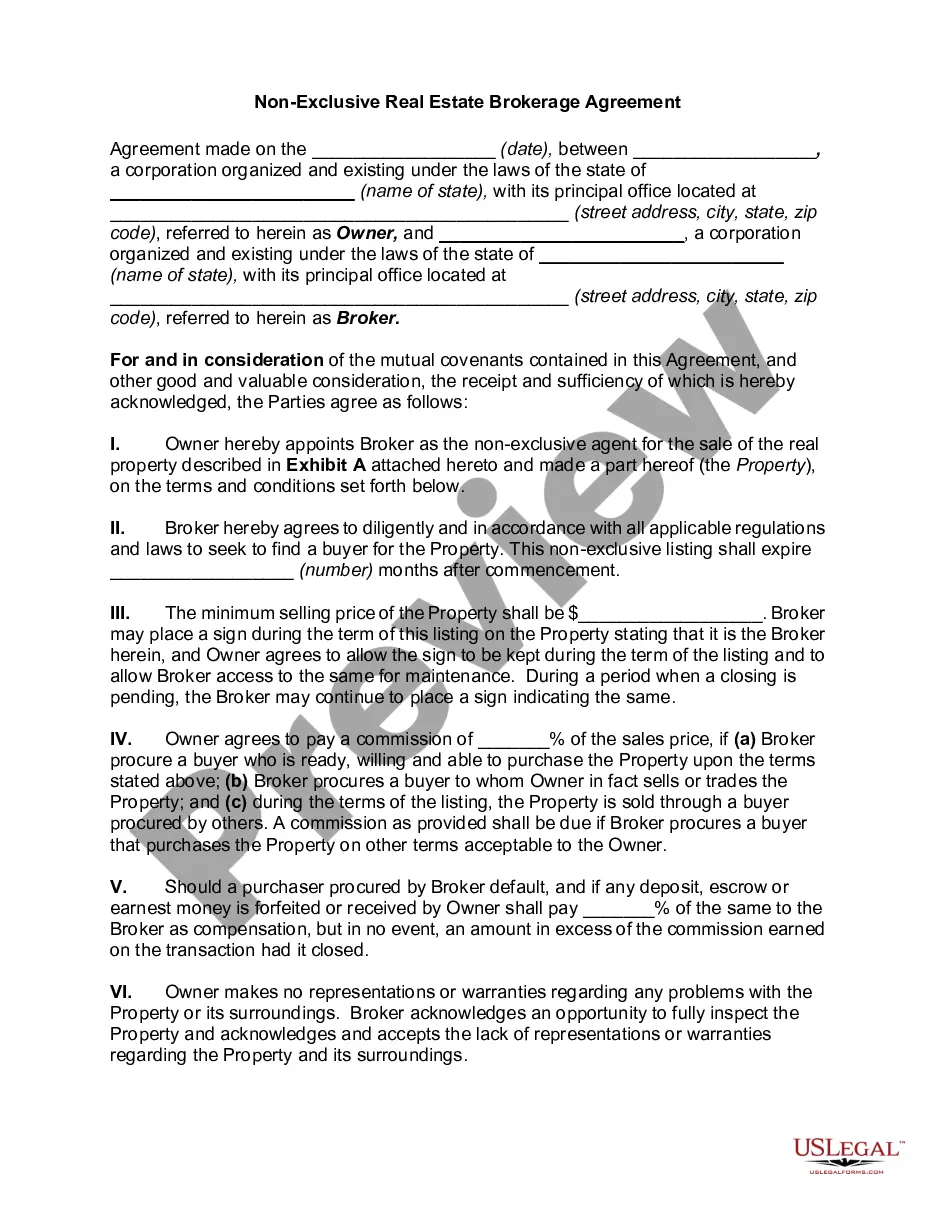
Get your form ready online
Our built-in tools help you complete, sign, share, and store your documents in one place.
Make edits, fill in missing information, and update formatting in US Legal Forms—just like you would in MS Word.
Download a copy, print it, send it by email, or mail it via USPS—whatever works best for your next step.
Sign and collect signatures with our SignNow integration. Send to multiple recipients, set reminders, and more. Go Premium to unlock E-Sign.
If this form requires notarization, complete it online through a secure video call—no need to meet a notary in person or wait for an appointment.
We protect your documents and personal data by following strict security and privacy standards.

Make edits, fill in missing information, and update formatting in US Legal Forms—just like you would in MS Word.

Download a copy, print it, send it by email, or mail it via USPS—whatever works best for your next step.

Sign and collect signatures with our SignNow integration. Send to multiple recipients, set reminders, and more. Go Premium to unlock E-Sign.

If this form requires notarization, complete it online through a secure video call—no need to meet a notary in person or wait for an appointment.

We protect your documents and personal data by following strict security and privacy standards.
Looking for another form?







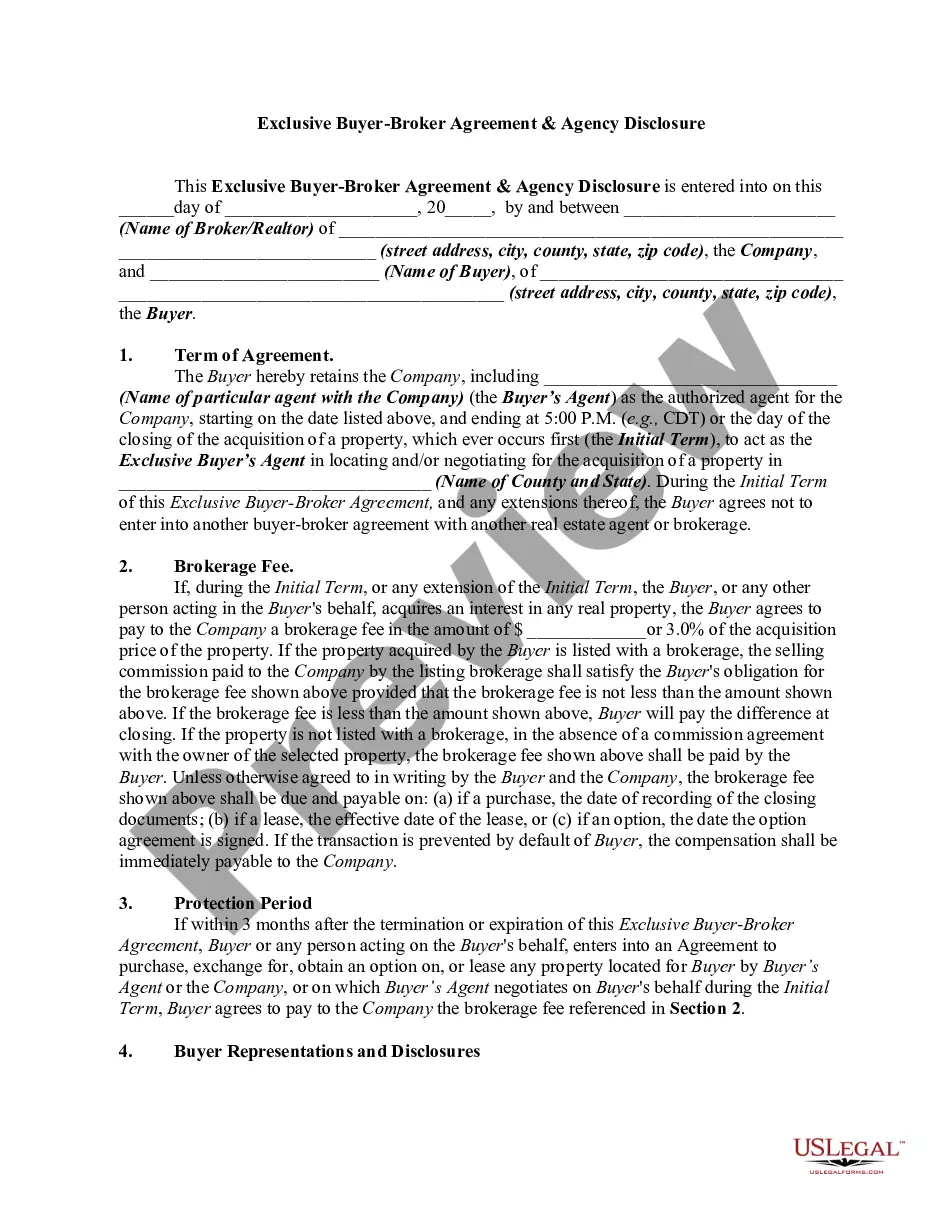
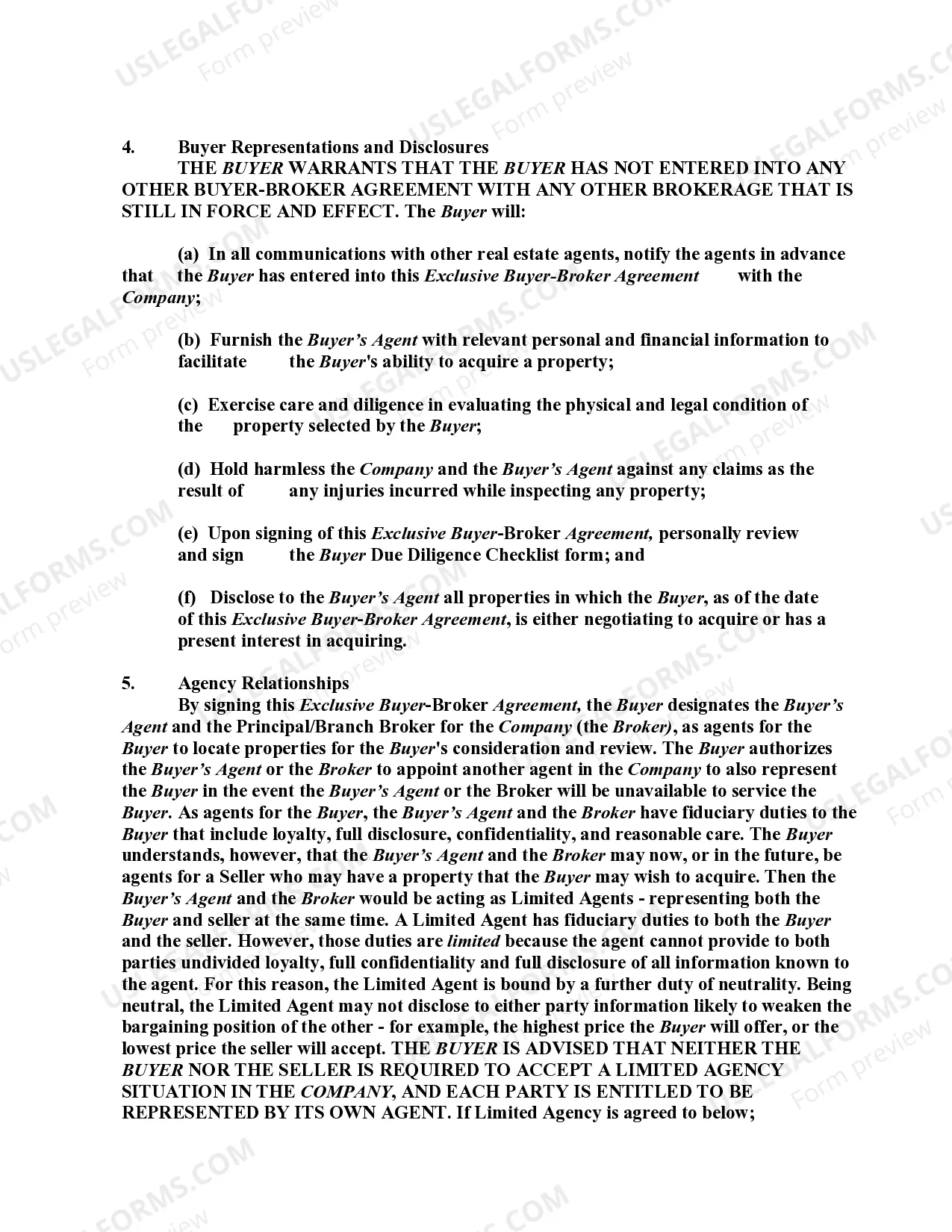
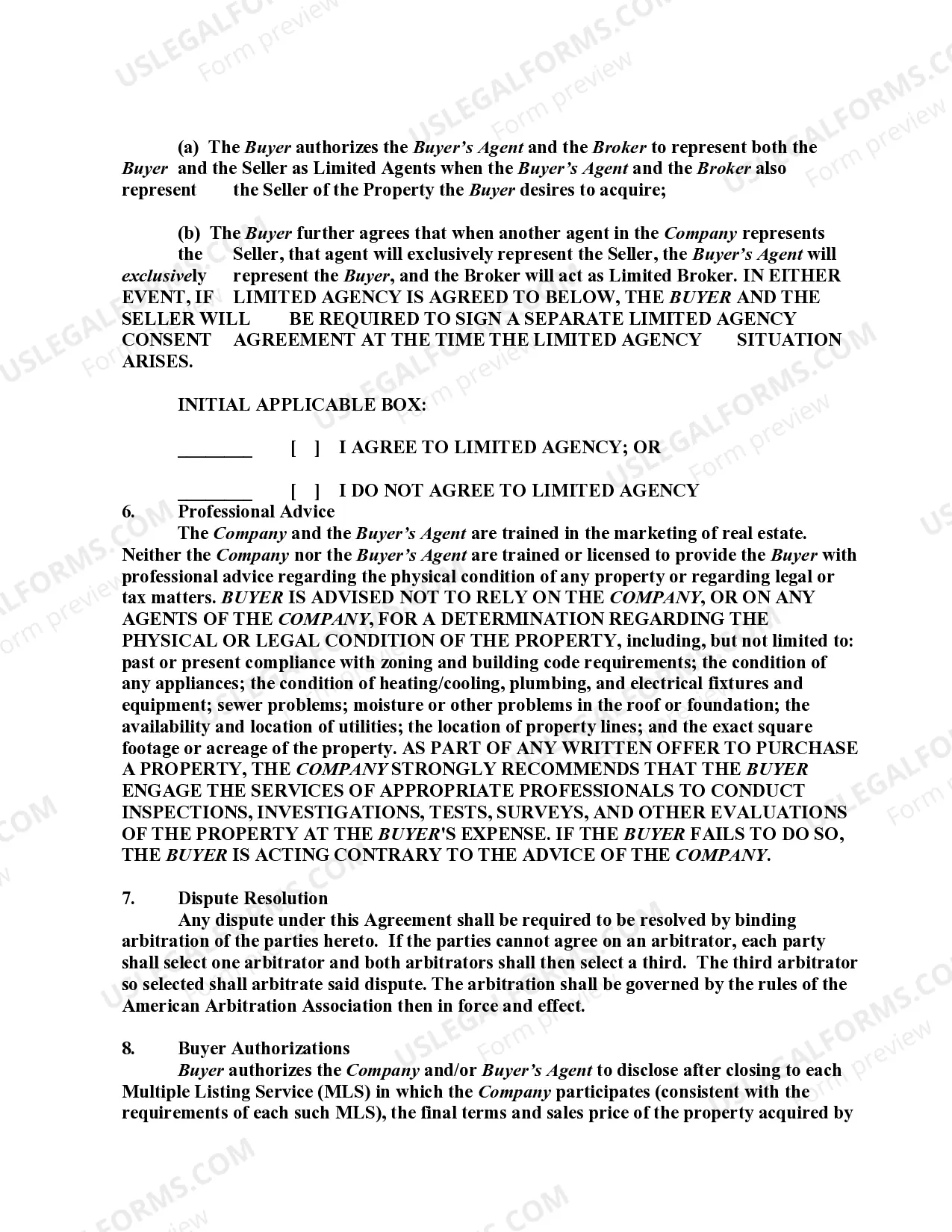
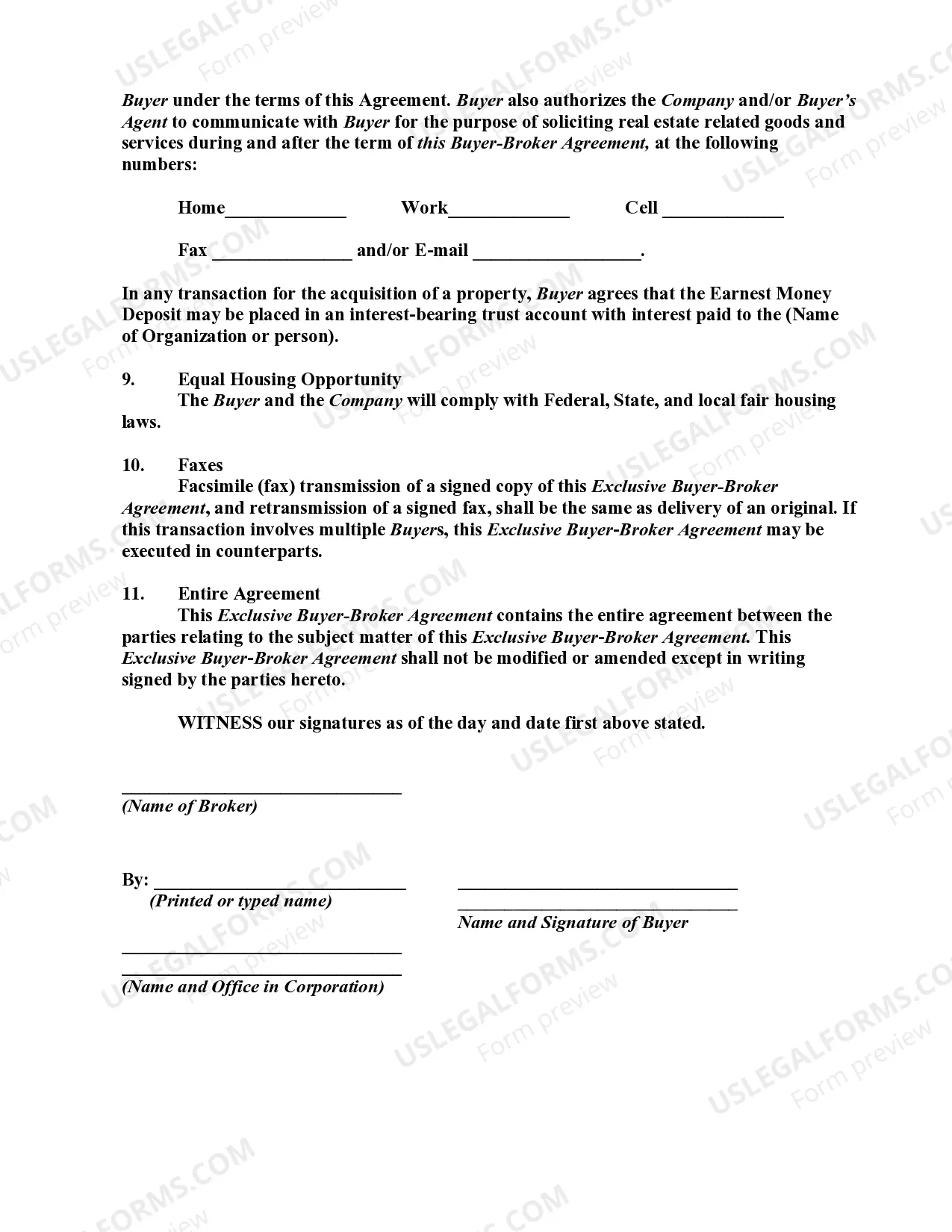
How to fill out Exclusive Buyer-Broker Agreement And Agency Disclosure?
- Log in to your US Legal Forms account if you're a returning user. Make sure your subscription is active; renew it if necessary.
- Explore the Preview mode and read the form description carefully. Confirm that it meets your requirements and aligns with your local laws.
- If the form isn’t quite right, use the Search feature to find additional options. Make sure you select the most appropriate document.
- Purchase the document by clicking the Buy Now button. Select a subscription plan that works best for you and create an account to access the library.
- Complete your purchase by entering your payment details using a credit card or PayPal.
- Download your selected form to your device. You can access it anytime through the My Forms section of your account.
US Legal Forms empowers individuals and attorneys with an expansive array of over 85,000 legal forms. This ensures that obtaining the right document is not only quick but also cost-effective, providing more options than many competitors.
With access to premium experts for form assistance, you can be confident that your documents are accurate and legally compliant. Start simplifying your tax document needs today with US Legal Forms!
Form popularity
FAQ
Filing real estate taxes generally involves reporting the property’s assessed value to your local tax authority and ensuring timely payments. You may receive property tax statements through your local government that detail what you owe. A real estate form for taxes can assist you in keeping track of deductions related to property ownership, making the filing process smoother.
Real estate agents typically receive a 1099-MISC or 1099-NEC form from their brokerage, documenting their earnings from commissions. This form details the gross income but does not deduct business expenses. Completing a real estate form for taxes can help agents accurately report this income while maximizing potential deductions.
Filing a federal tax return for an estate can be complex, as it normally requires IRS Form 1041. You will report income generated by the estate and distribute any taxable income to beneficiaries. Using a comprehensive real estate form for taxes can guide you through this process and ensure compliance with tax laws.
Realtors usually receive a 1099 form instead of a W2 form because they are generally considered independent contractors. This means that their income is reported differently, and they have more responsibilities regarding tax payments. A real estate form for taxes helps them understand their obligations and to accurately report their earnings.
Realtors typically file their taxes using IRS Form 1040, along with Schedules C and SE. They report their income from sales and any related expenses such as marketing costs and licensing fees. Utilizing a real estate form for taxes simplifies this process by ensuring all necessary deductions are accounted for, which can maximize your refund.
To report realtor income, include it on Schedule C of your Form 1040, which allows you to identify your earnings and expenses. This form highlights your net profit or loss from your real estate activities, which impacts your overall tax liability. Properly documenting your income ensures compliance with IRS regulations, helping you avoid potential penalties. Consider accessing real estate forms for taxes on platforms like UsLegalForms to make this process easier and more efficient.
As a realtor, you should file your taxes using Form 1040 and include Schedule C for reporting business income. This approach allows you to deduct your business expenses, which often include advertising, office supplies, or vehicle expenses. It's crucial to keep accurate records and receipts throughout the year to support your filings. Utilizing a comprehensive real estate form for taxes can help streamline this process.
For real estate taxes, you generally utilize Form 1040 alongside Schedule A if you itemize deductions. However, specific forms may apply depending on your situation, such as Form 4562 for depreciating property or Form 8889 for health savings accounts related to real estate. To navigate these forms easily, consider using a reliable platform for real estate forms for taxes, like UsLegalForms. This way, you can ensure accuracy and compliance when filing.
Realtors typically receive 1099 forms instead of W-2s, depending on their employment structure. Independent contractors usually fall under 1099 reporting, which gives them more flexibility and tax deductions. This distinction affects how realtors file their taxes, so understanding this is vital. Using the correct real estate form for taxes simplifies the filing process, ensuring you capture all necessary details.
9 form is essential in real estate as it helps property owners gather the necessary information from vendors or contractors. This form provides the taxpayer identification number, which is critical for reporting income to the IRS. When you fill out a W9, you ensure compliance with tax regulations concerning your real estate transactions. Using a real estate form for taxes like the W9 reduces the risk of errors in tax reporting.