Real Estate Follow Up
Description
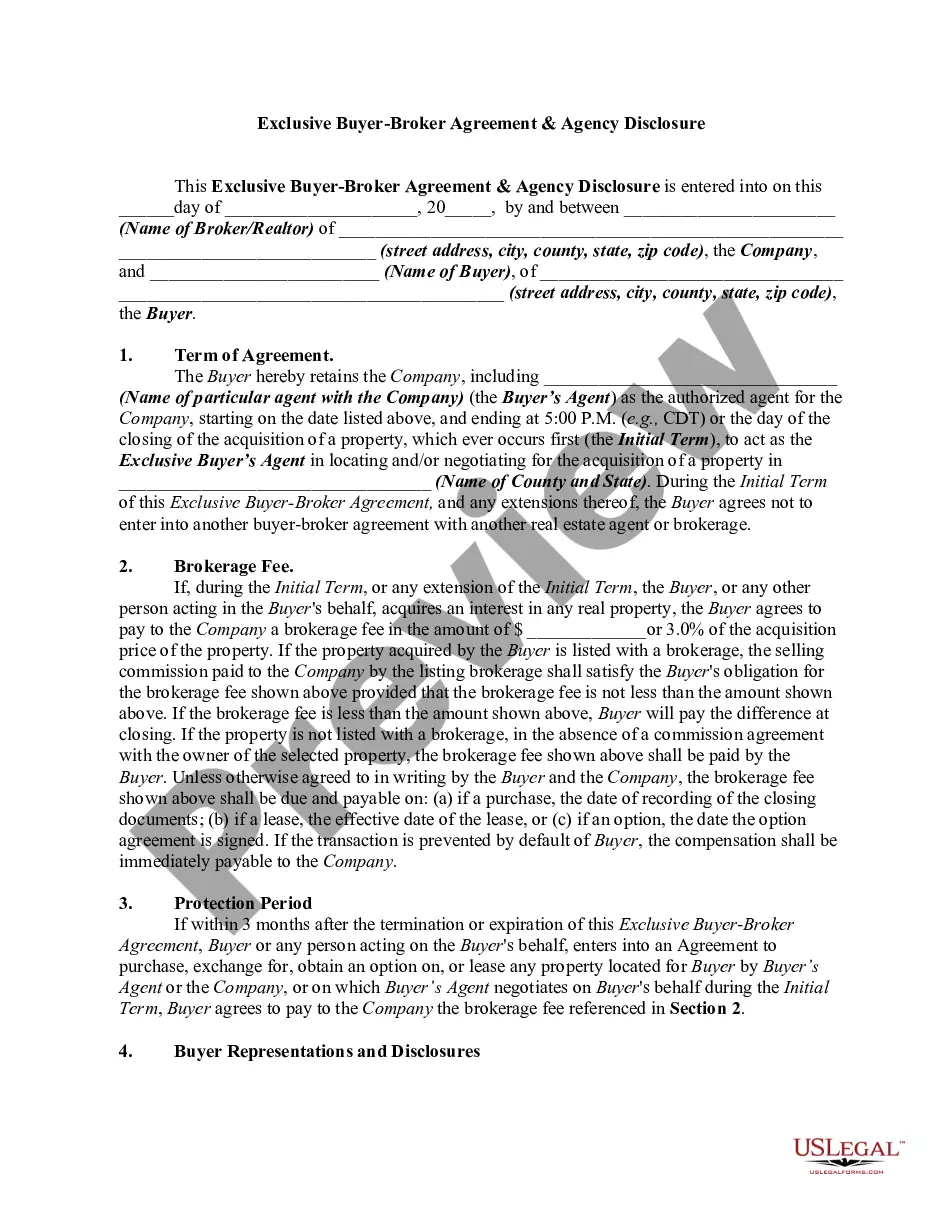
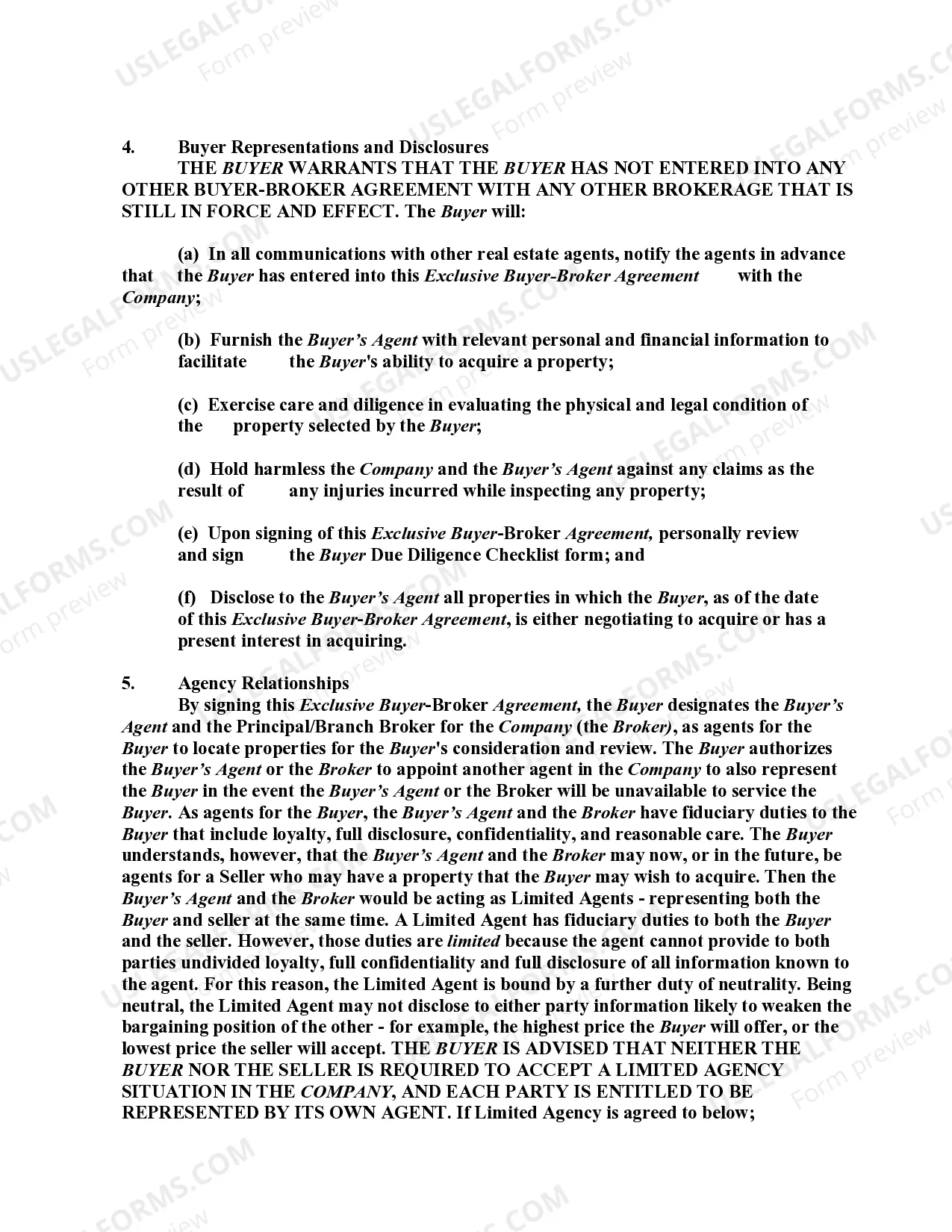
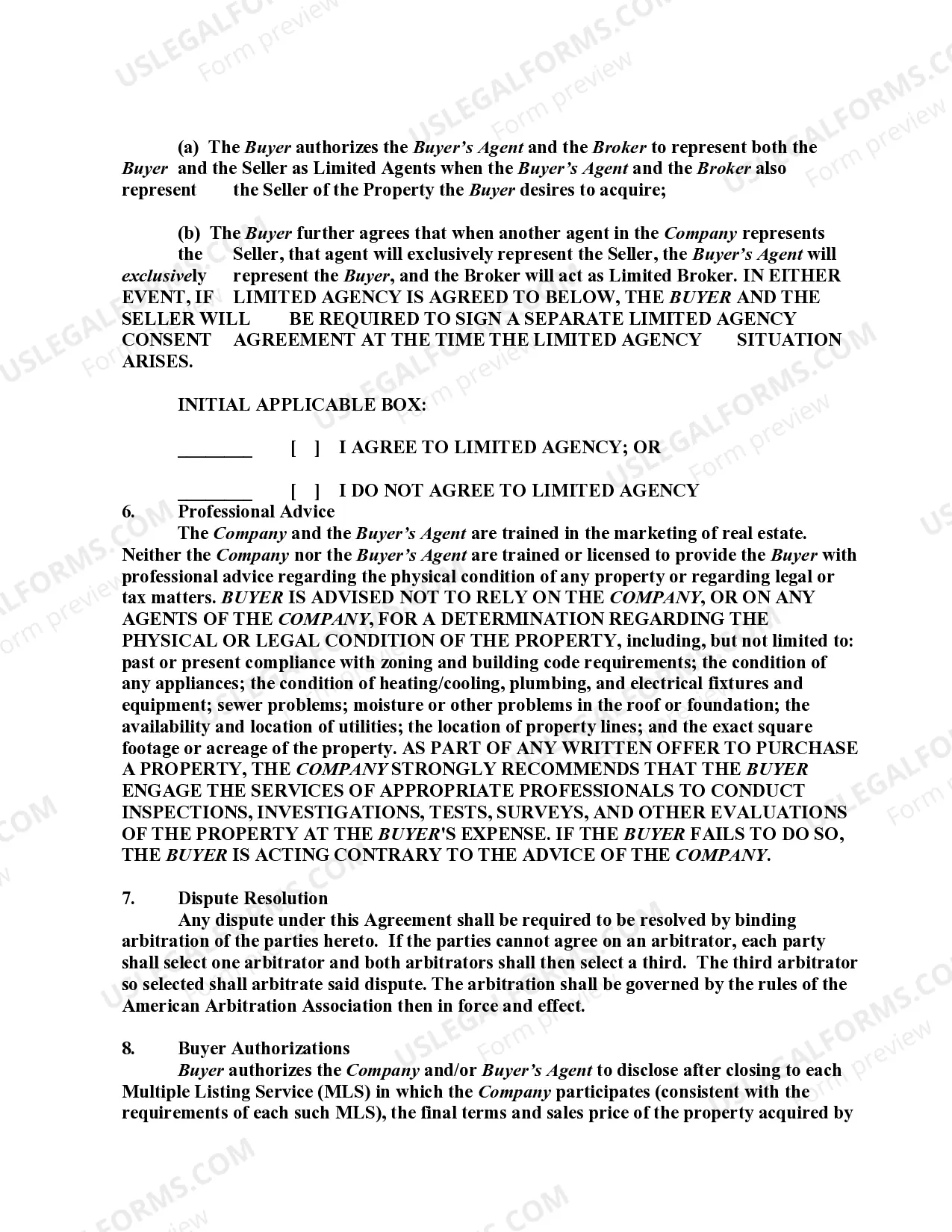
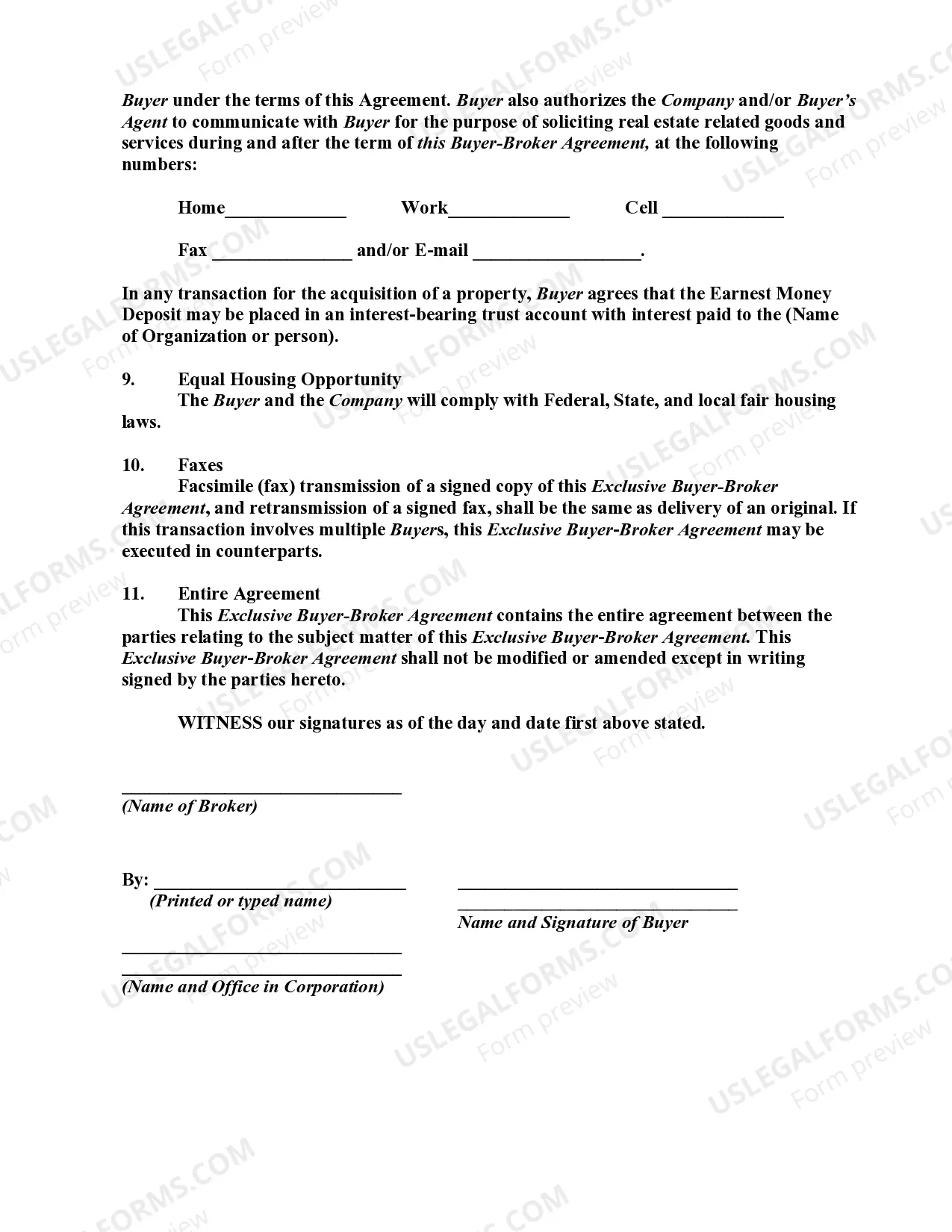
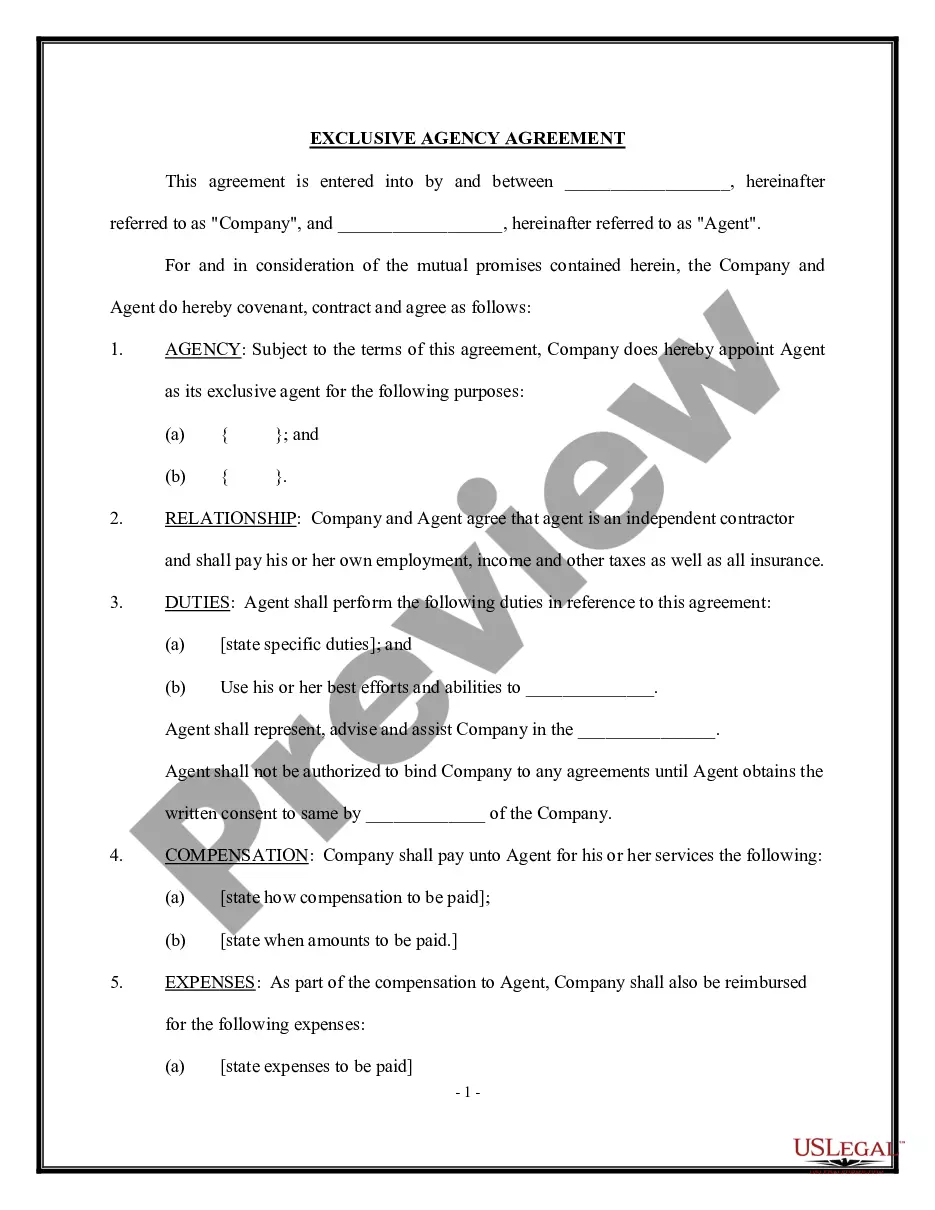
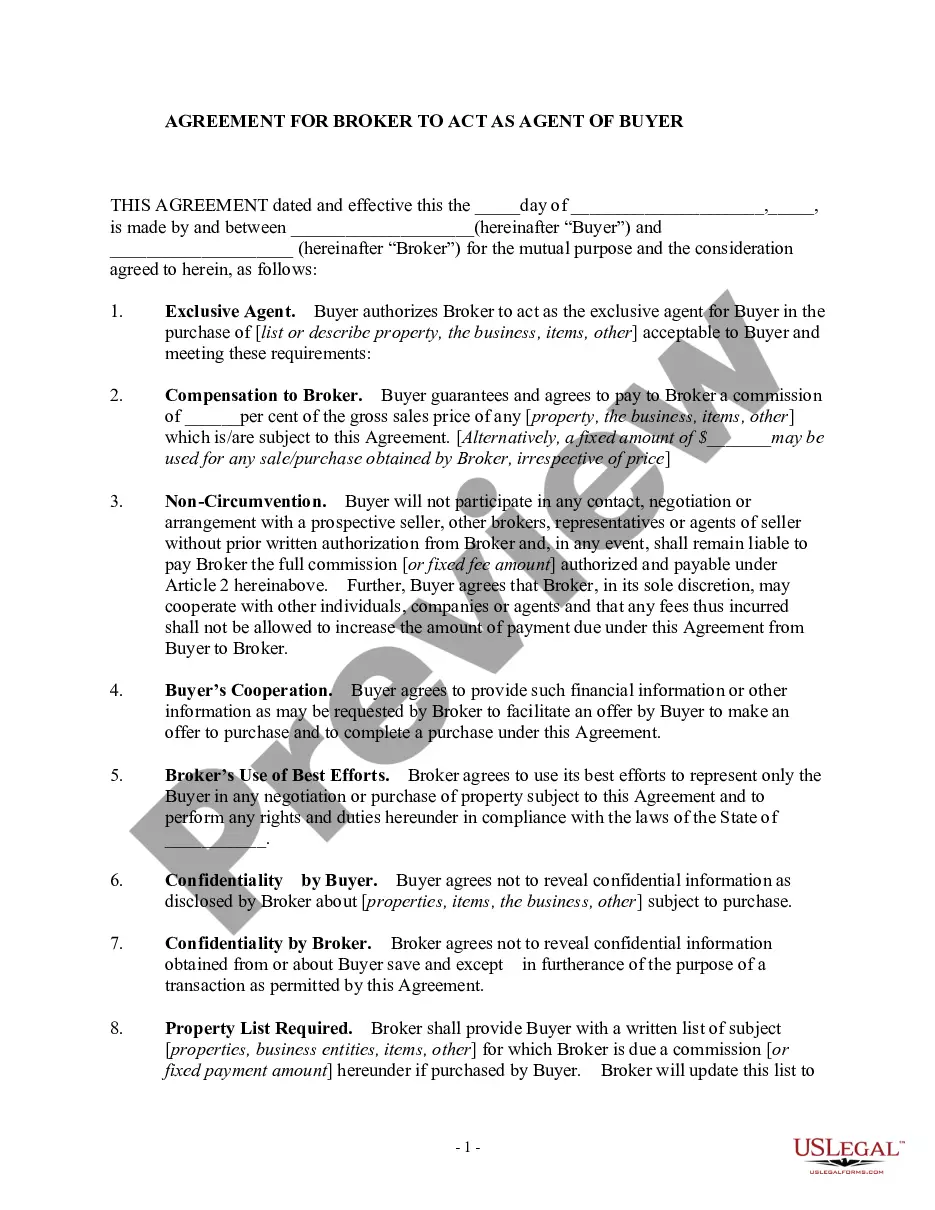
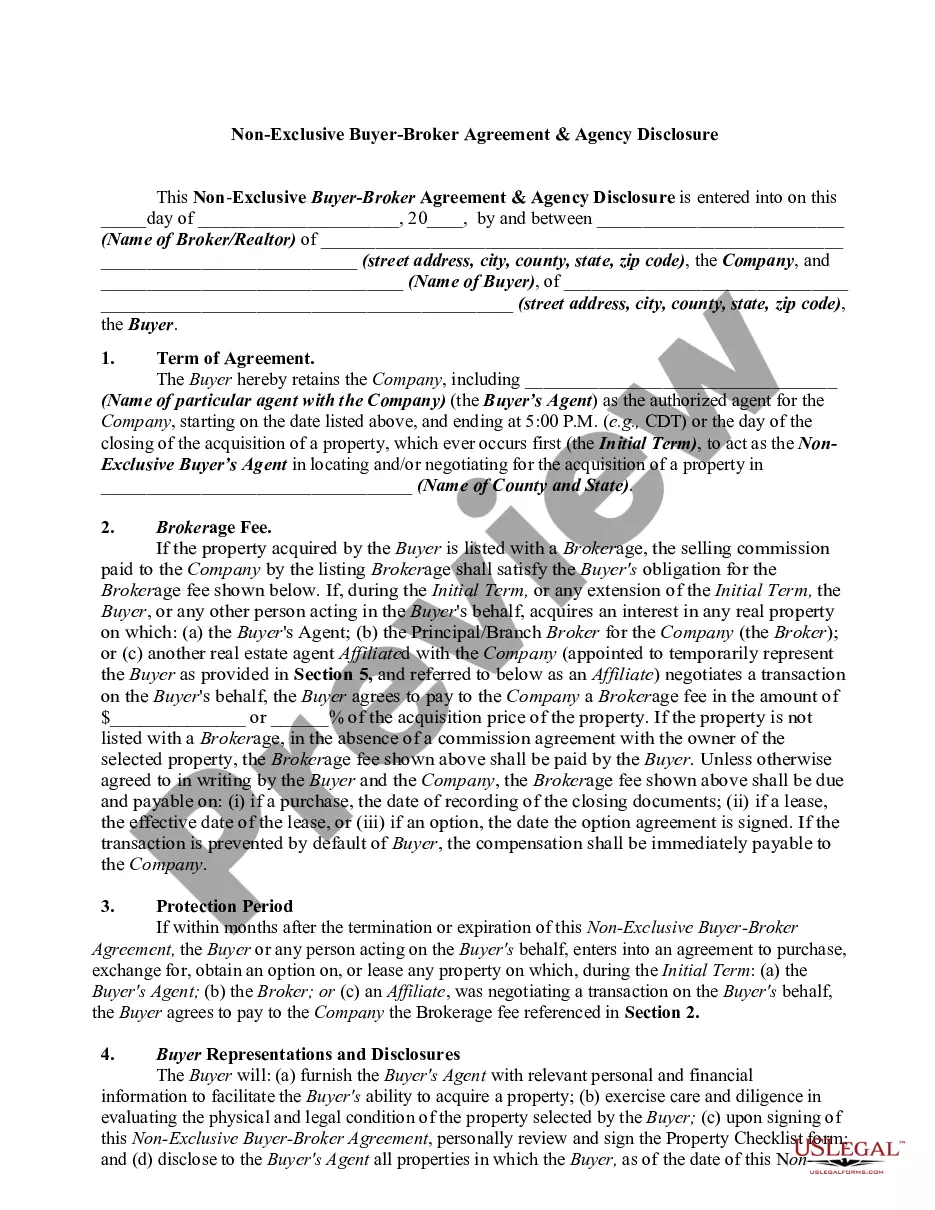
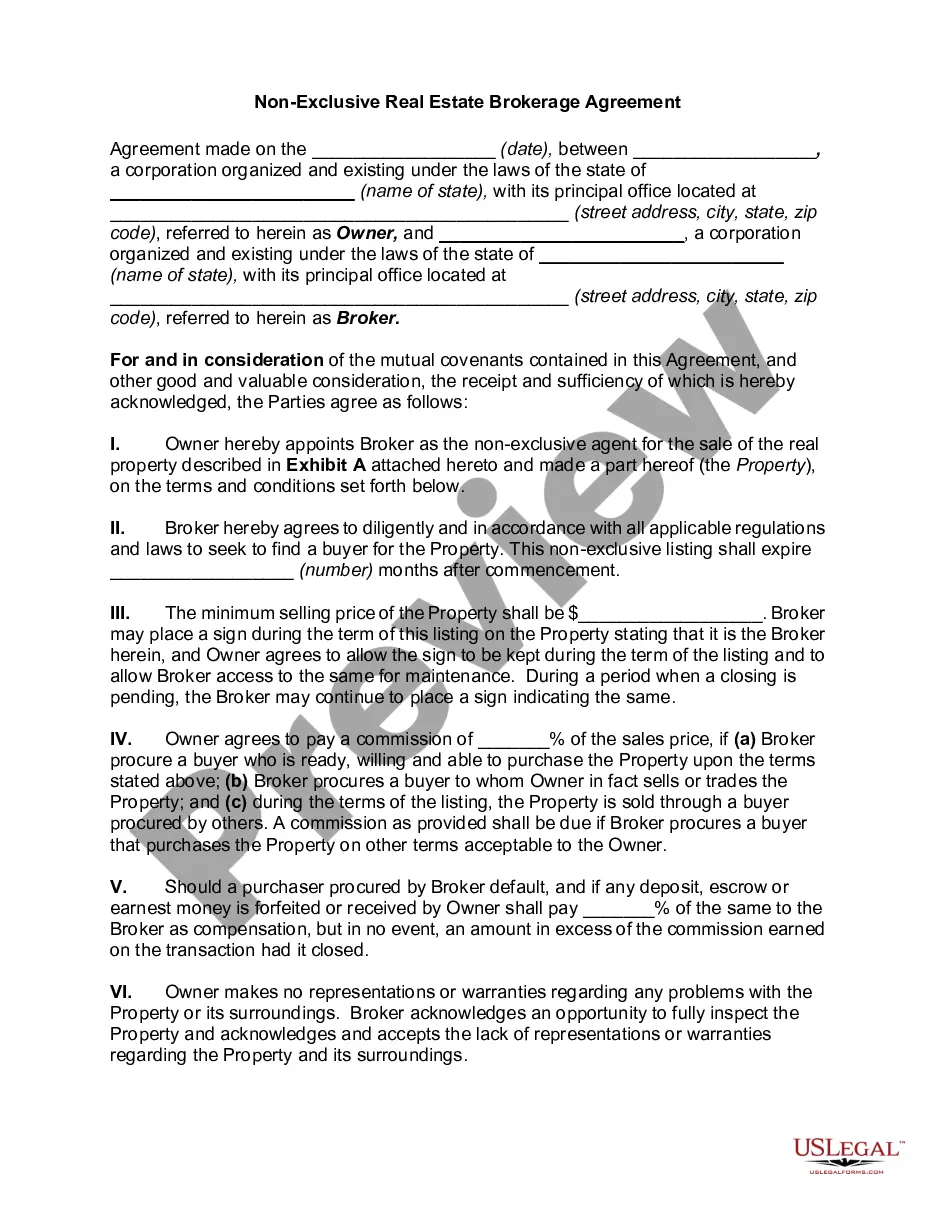
Get your form ready online
Our built-in tools help you complete, sign, share, and store your documents in one place.
Make edits, fill in missing information, and update formatting in US Legal Forms—just like you would in MS Word.
Download a copy, print it, send it by email, or mail it via USPS—whatever works best for your next step.
Sign and collect signatures with our SignNow integration. Send to multiple recipients, set reminders, and more. Go Premium to unlock E-Sign.
If this form requires notarization, complete it online through a secure video call—no need to meet a notary in person or wait for an appointment.
We protect your documents and personal data by following strict security and privacy standards.

Make edits, fill in missing information, and update formatting in US Legal Forms—just like you would in MS Word.

Download a copy, print it, send it by email, or mail it via USPS—whatever works best for your next step.

Sign and collect signatures with our SignNow integration. Send to multiple recipients, set reminders, and more. Go Premium to unlock E-Sign.

If this form requires notarization, complete it online through a secure video call—no need to meet a notary in person or wait for an appointment.

We protect your documents and personal data by following strict security and privacy standards.
Looking for another form?

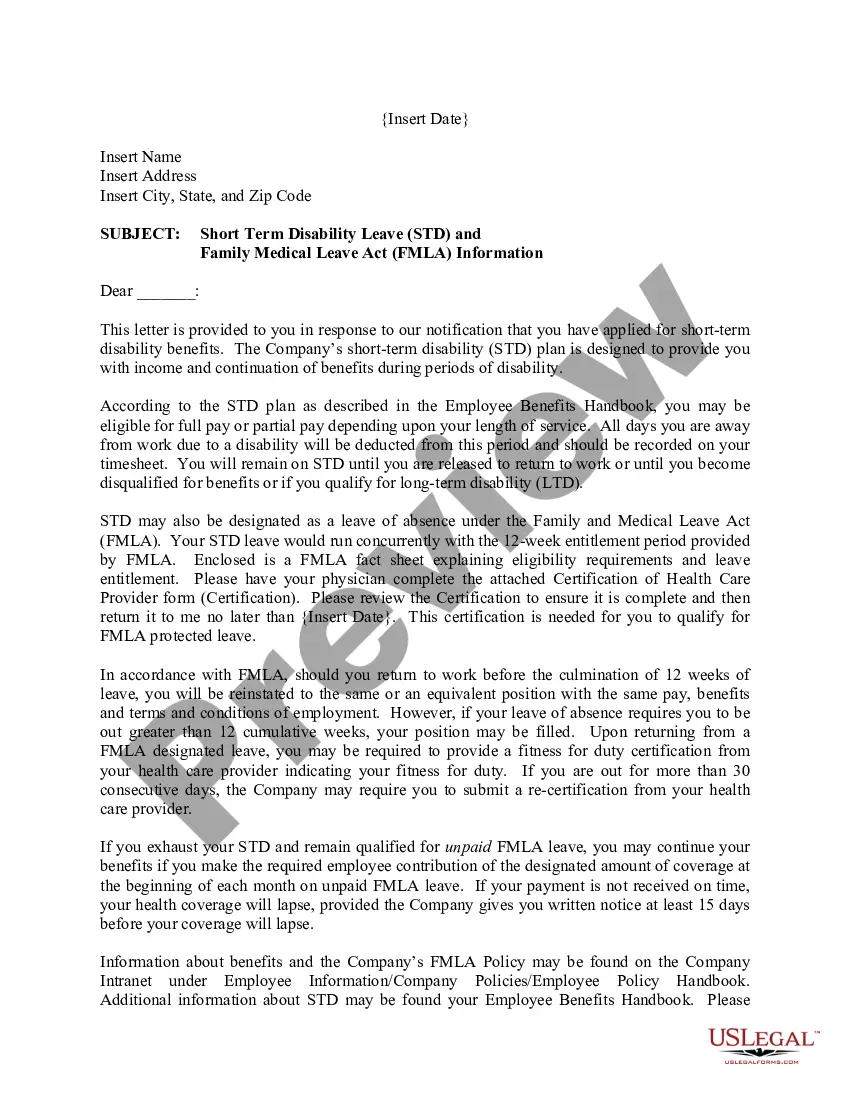

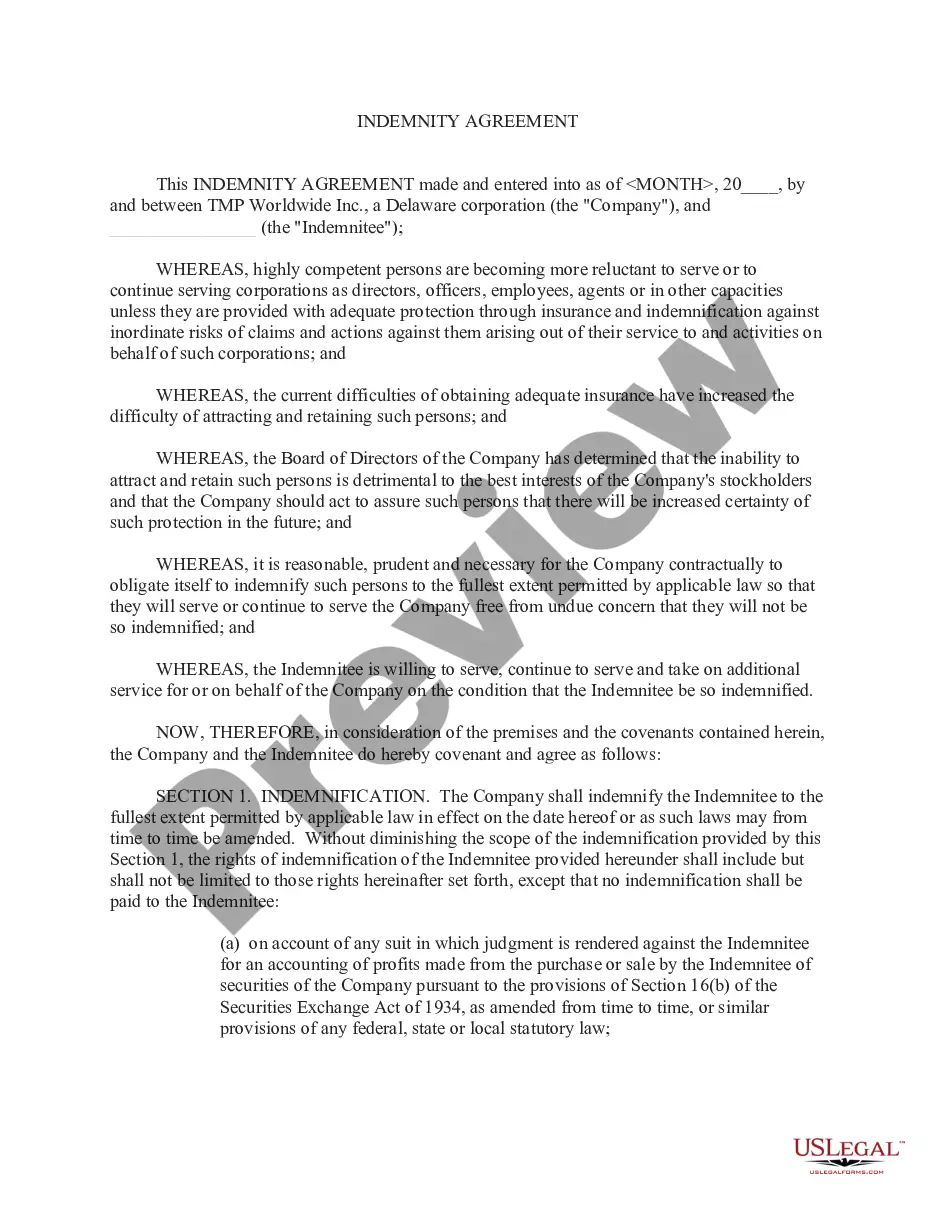
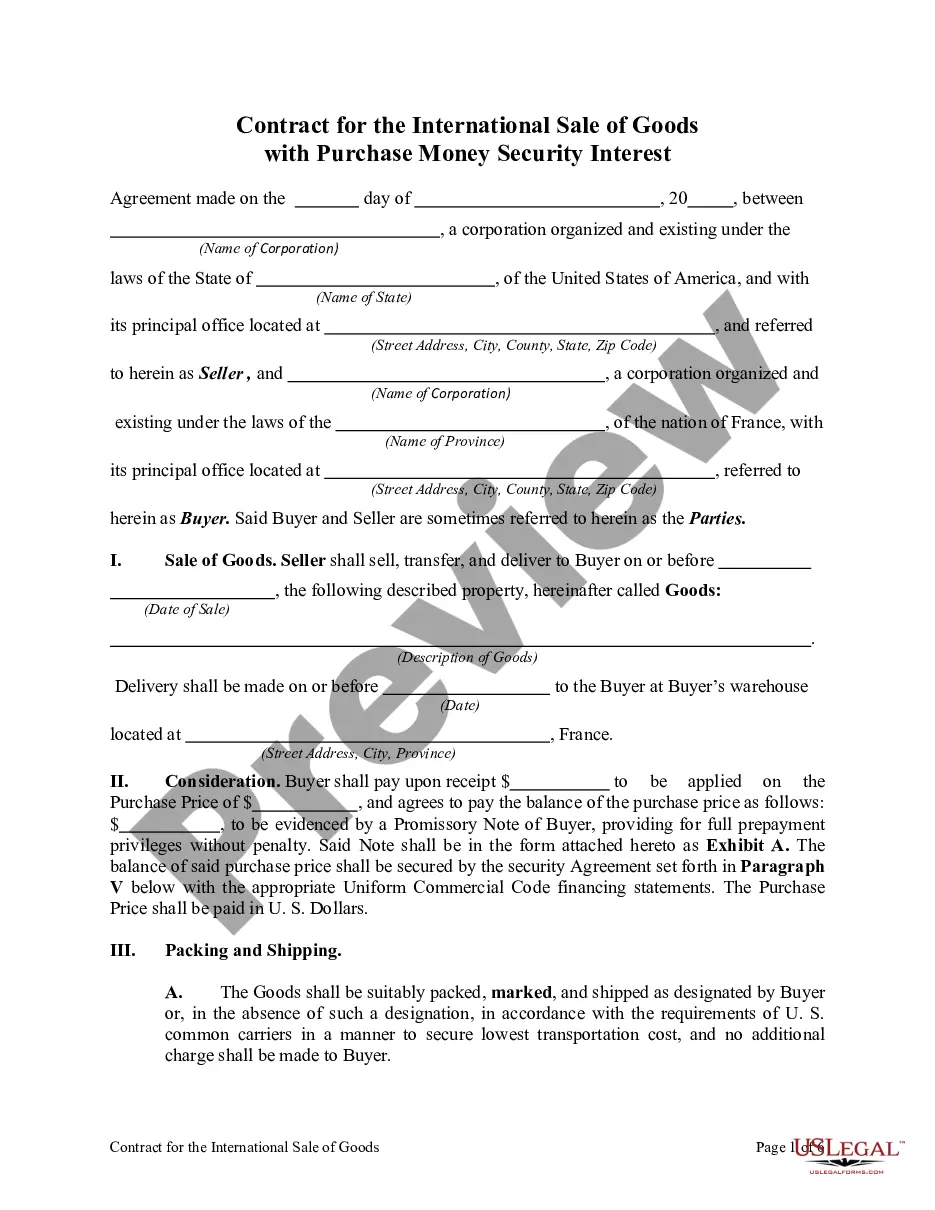




How to fill out Exclusive Buyer-Broker Agreement And Agency Disclosure?
- If you are a returning user, log in to your account and locate the desired form template. Make sure your subscription is up to date, or renew it based on your payment plan.
- For first-time users, start by previewing form descriptions to choose the appropriate document that aligns with your local jurisdiction requirements.
- If the form does not meet your needs, utilize the Search feature above to find an alternative template.
- Once you’ve selected a suitable document, proceed to purchase by clicking the Buy Now button and select your preferred subscription plan. Registration will be required to access our extensive library.
- Complete your purchase by providing your payment information, either via credit card or PayPal.
- After purchasing, download the document and save it on your device. You can access it later through the My Forms section of your profile.
In conclusion, US Legal Forms offers a user-friendly platform that empowers both individuals and attorneys to effectively manage their legal documentation. With a diverse range of forms and expert assistance available, you can ensure that your real estate transactions are executed smoothly and legally.
Start using US Legal Forms today to simplify your real estate follow up process!
Form popularity
FAQ
To write a polite follow-up email, begin with a courteous greeting and express gratitude for their time. Clearly state the purpose of your email without being pushy. Make your message friendly and concise, ending with an open invitation for further conversation, which reflects your professionalism in the real estate follow up process.
To follow up with leads in real estate, use a blend of emails, phone calls, and texts to reach out. Personalize each interaction based on their preferences and interests, ensuring the follow-ups add value. Your follow up should provide useful information, like market updates or listings that match their needs.
A good example of a follow-up email could start with a friendly greeting, such as, 'Hi Name, I hope you are doing well.' Then, refer to your last conversation and express your willingness to assist with their real estate needs. Finally, include a simple call to action like, 'Let me know if you have any questions or if you'd like to discuss further.'
A realtor should ideally follow up with leads every few days to maintain engagement, especially after an open house or initial inquiry. However, ensuring your frequency does not overwhelm leads is crucial. Tailor your follow-up schedule to the individual needs of each client, striking a balance that keeps the communication warm.
In real estate, a follow up refers to the process of reaching out to potential clients after an initial meeting or showing. This communication helps to keep your name in their minds and reinforces your commitment. Regular follow ups demonstrate your dedication and can enhance your chances of closing a deal.
To write an effective follow-up email sales in the real estate sector, start by personalizing your message. Address the recipient by name and reference previous conversations or interactions. Mention how you can assist them in their real estate journey. A clear call to action encourages them to respond, making your approach engaging.
up in real estate refers to any communication made after an initial interaction with potential buyers or sellers. This process is critical for building rapport and ensuring clients feel supported throughout their real estate journey. Effective follow ups can address client concerns, provide updates, and encourage engagement. Utilizing platforms like uslegalforms can streamline documentation, enhancing your follow up capabilities.
Unethical realtor behavior can include practices such as misrepresentation, failing to disclose material facts, and conflict of interest. These actions undermine the trust essential in real estate transactions. Realtors can avoid unethical behavior by adhering to industry standards, maintaining transparency, and committing to a responsible real estate follow up strategy that prioritizes client interests.
The most common real estate law complaint often involves issues related to undisclosed defects or misrepresentation of property features. Buyers may feel misled about critical aspects of a property, leading to disputes. Agents can minimize these risks through detailed disclosures and thorough communication during the real estate follow up process, ensuring clients are fully informed.
The 80/20 rule for realtors suggests that 80% of your sales come from 20% of your clients or leads. This principle emphasizes the importance of identifying and nurturing key relationships that drive your success. Focus your follow up efforts on this vital group, ensuring you provide personalized service and attention, which can enhance your effectiveness in real estate.