Disclosure E
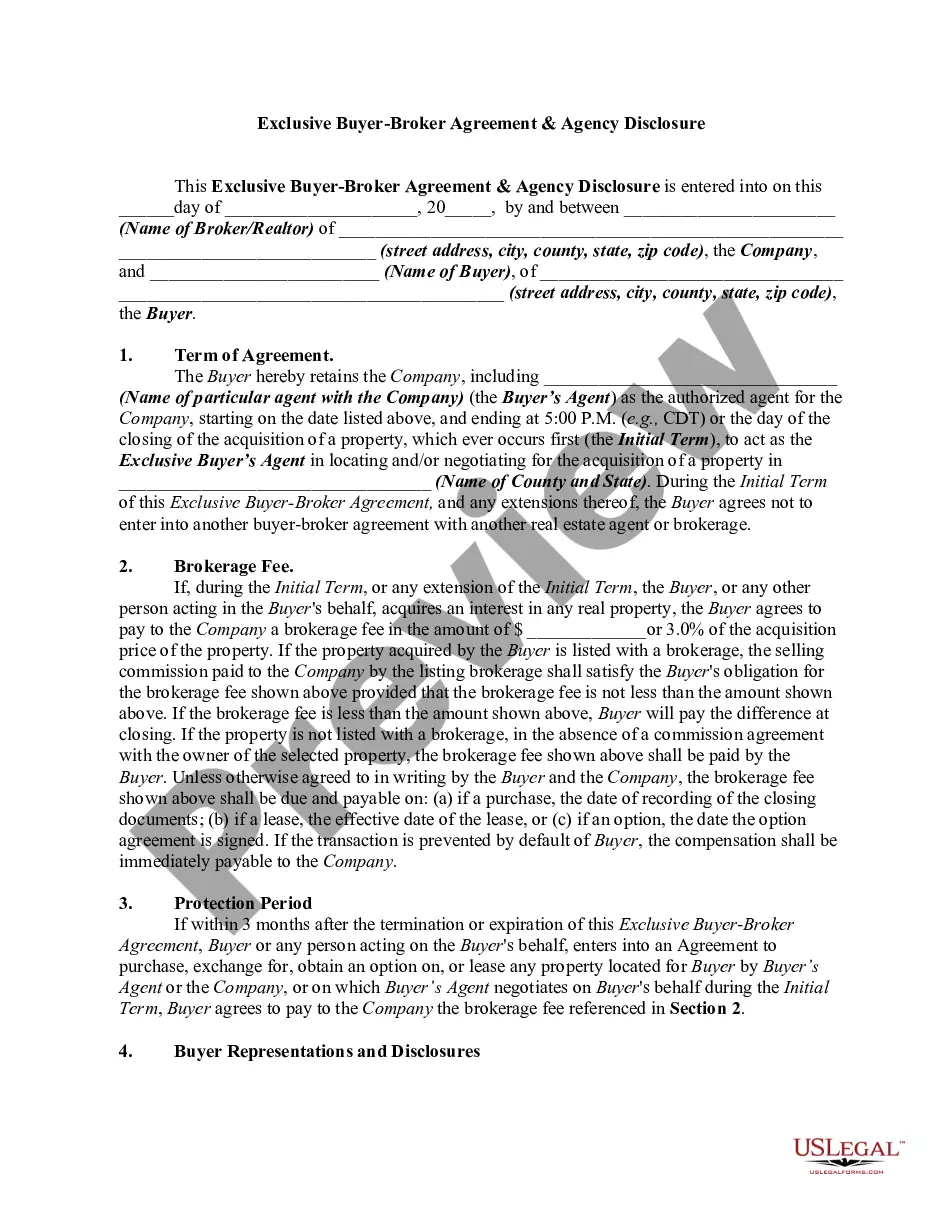
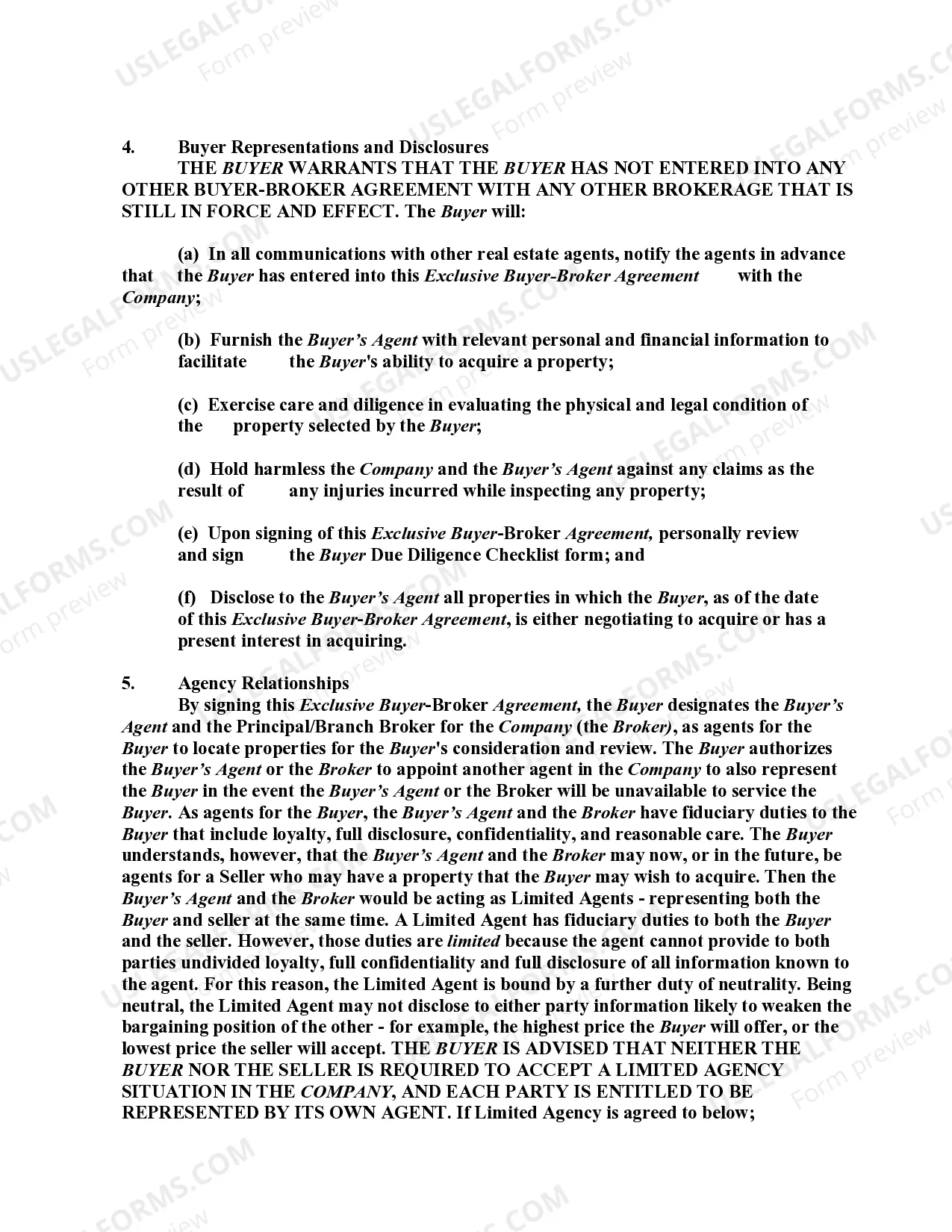
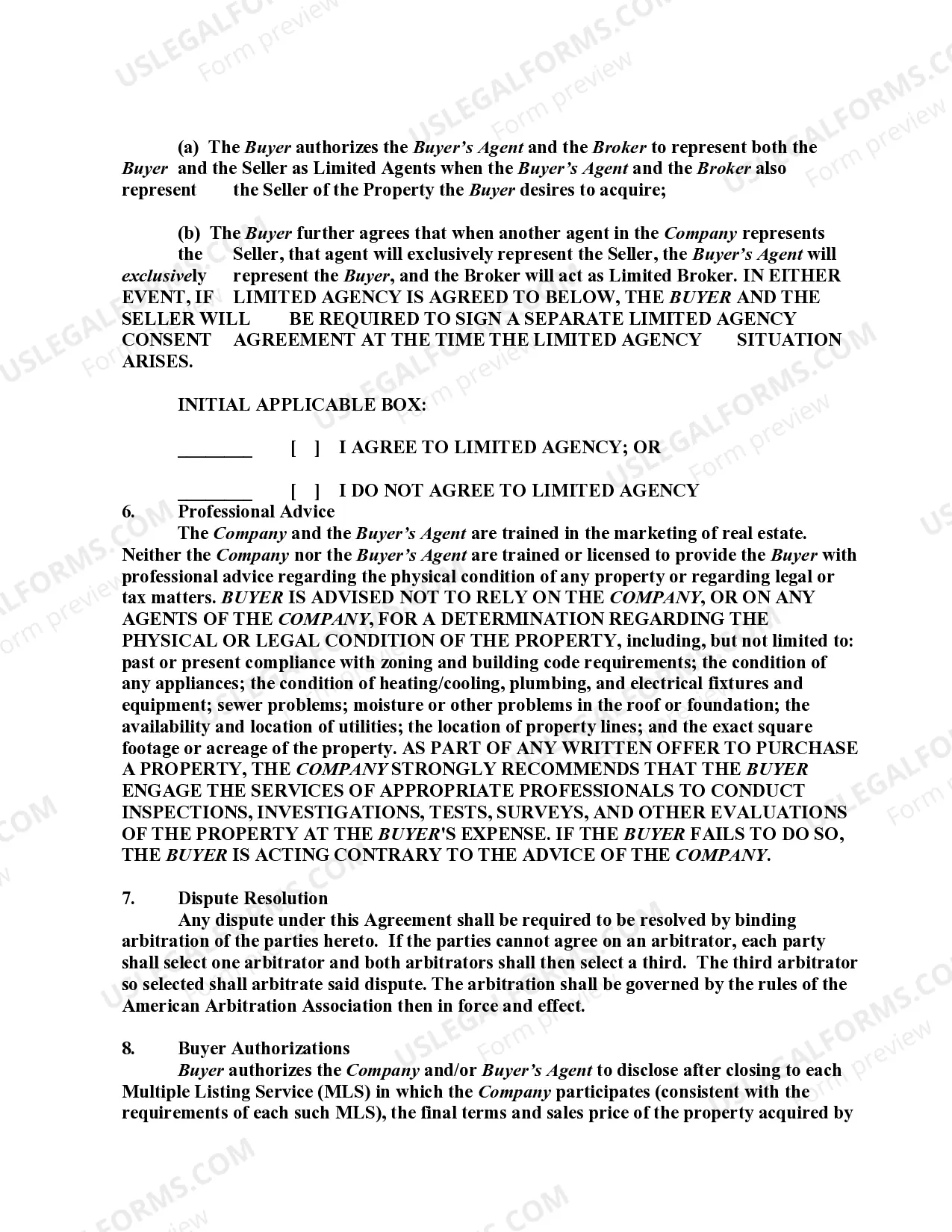
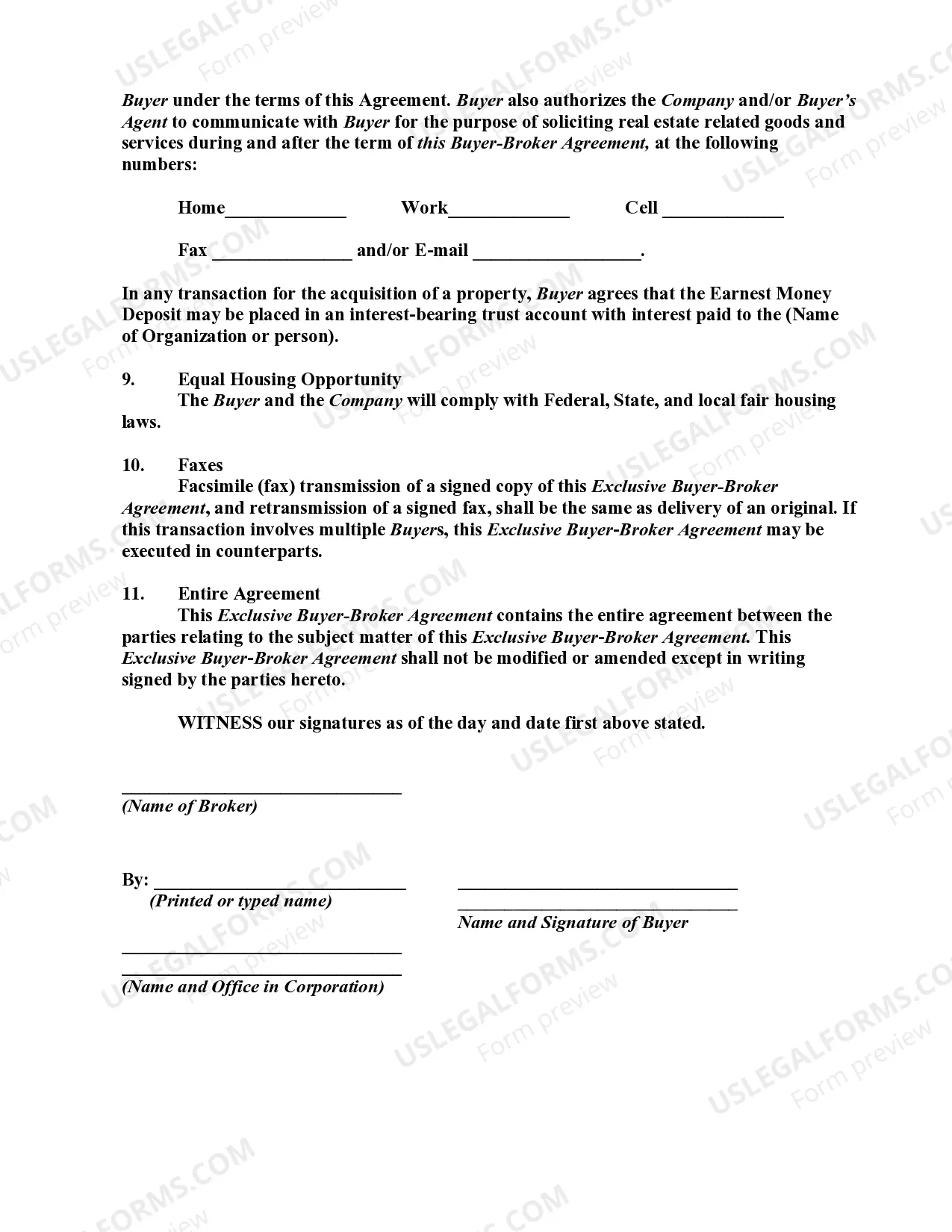
Description
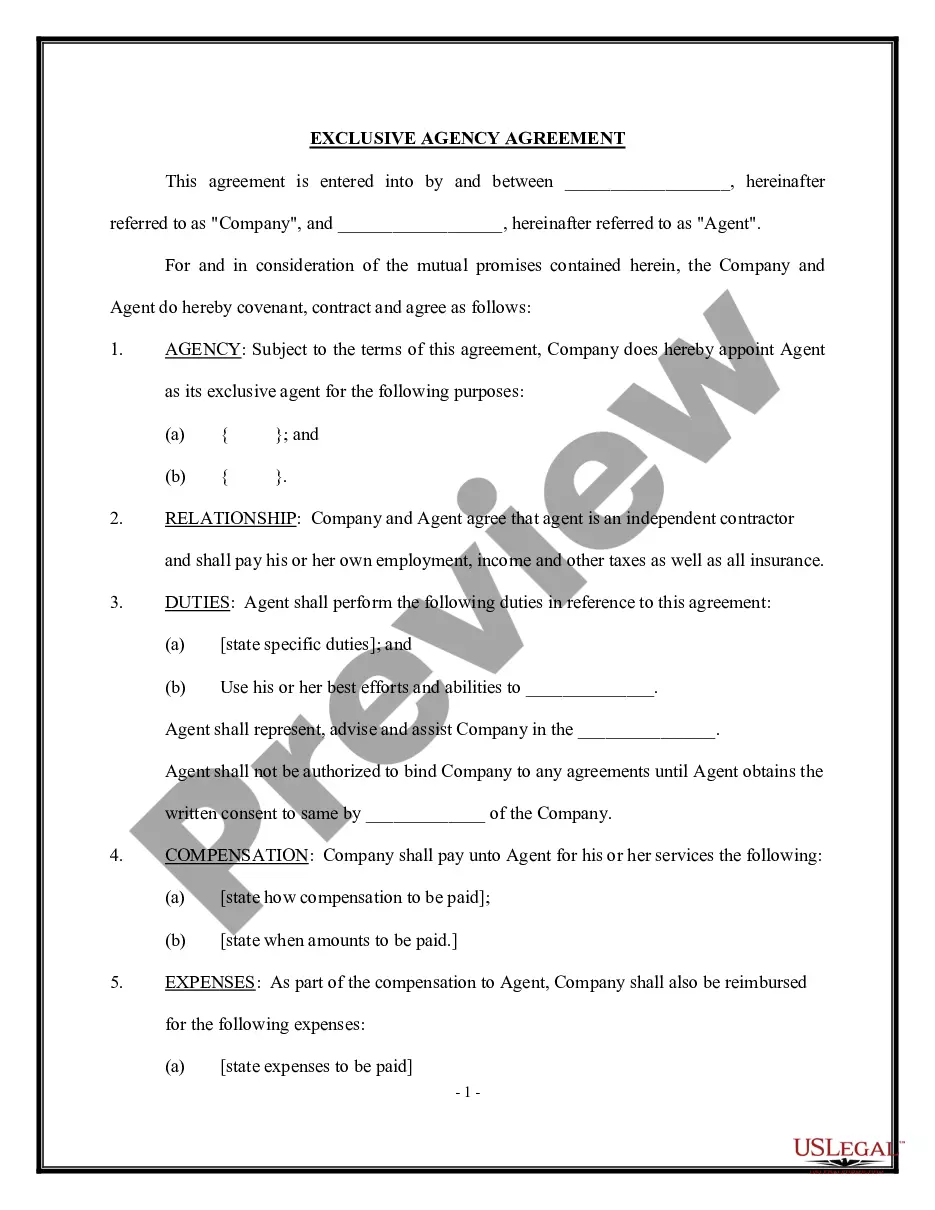
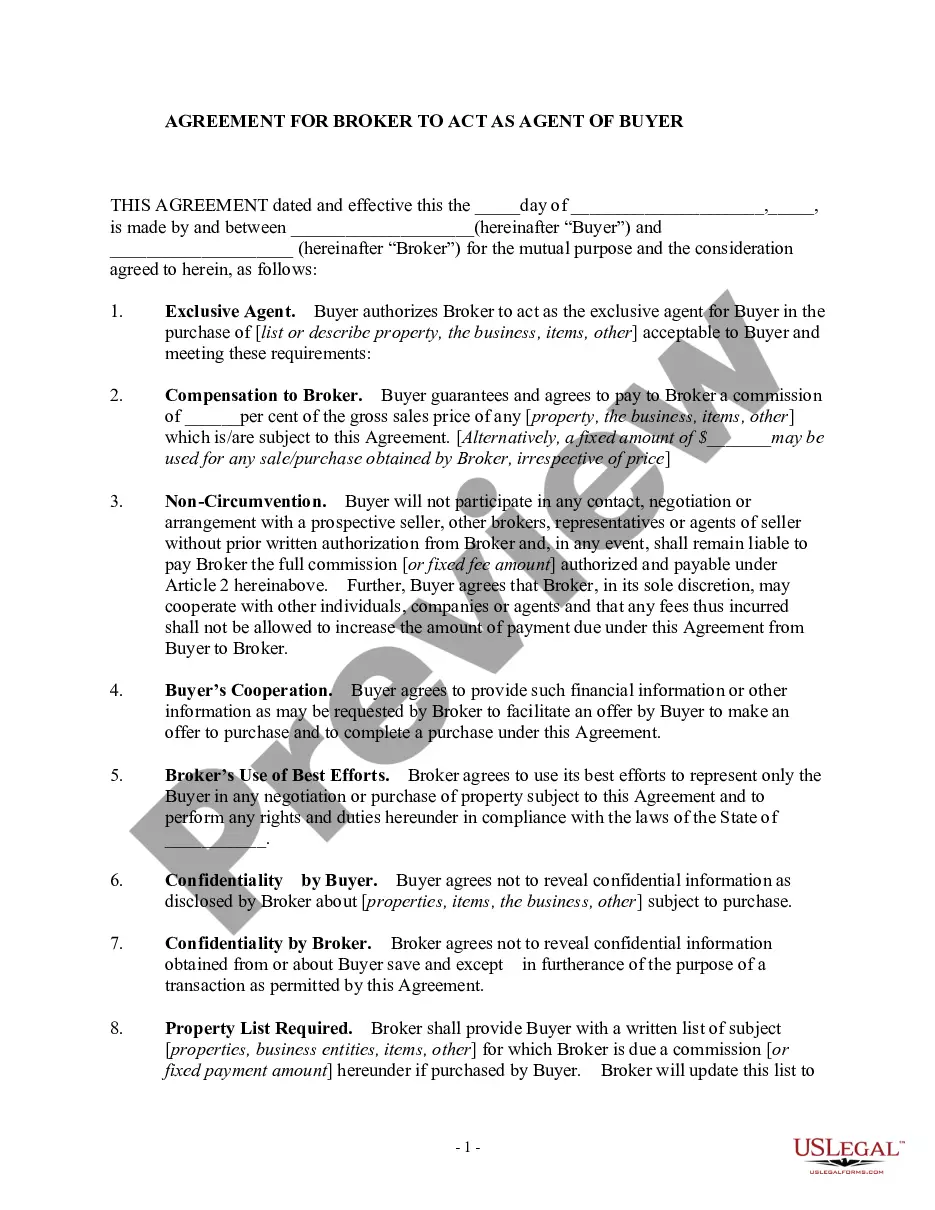
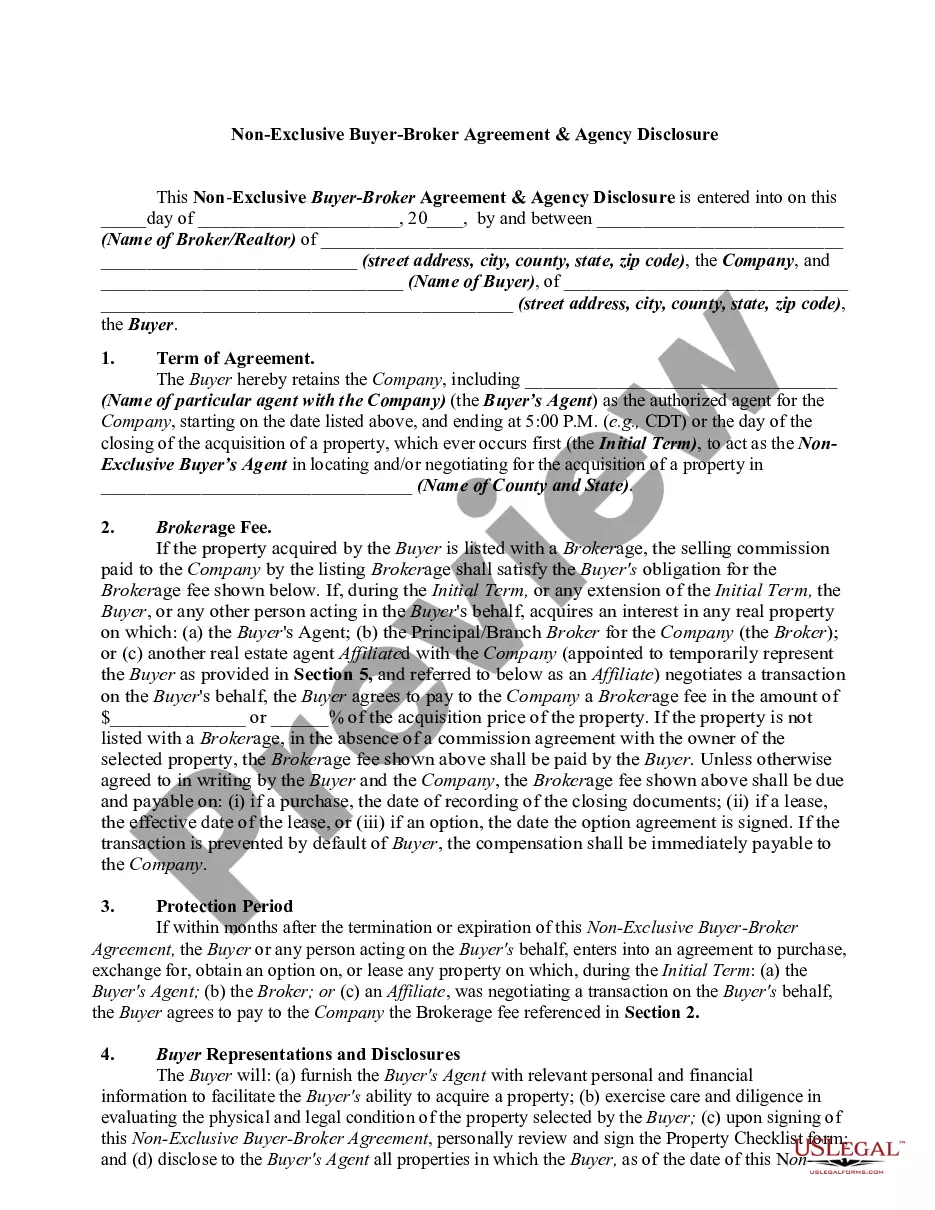
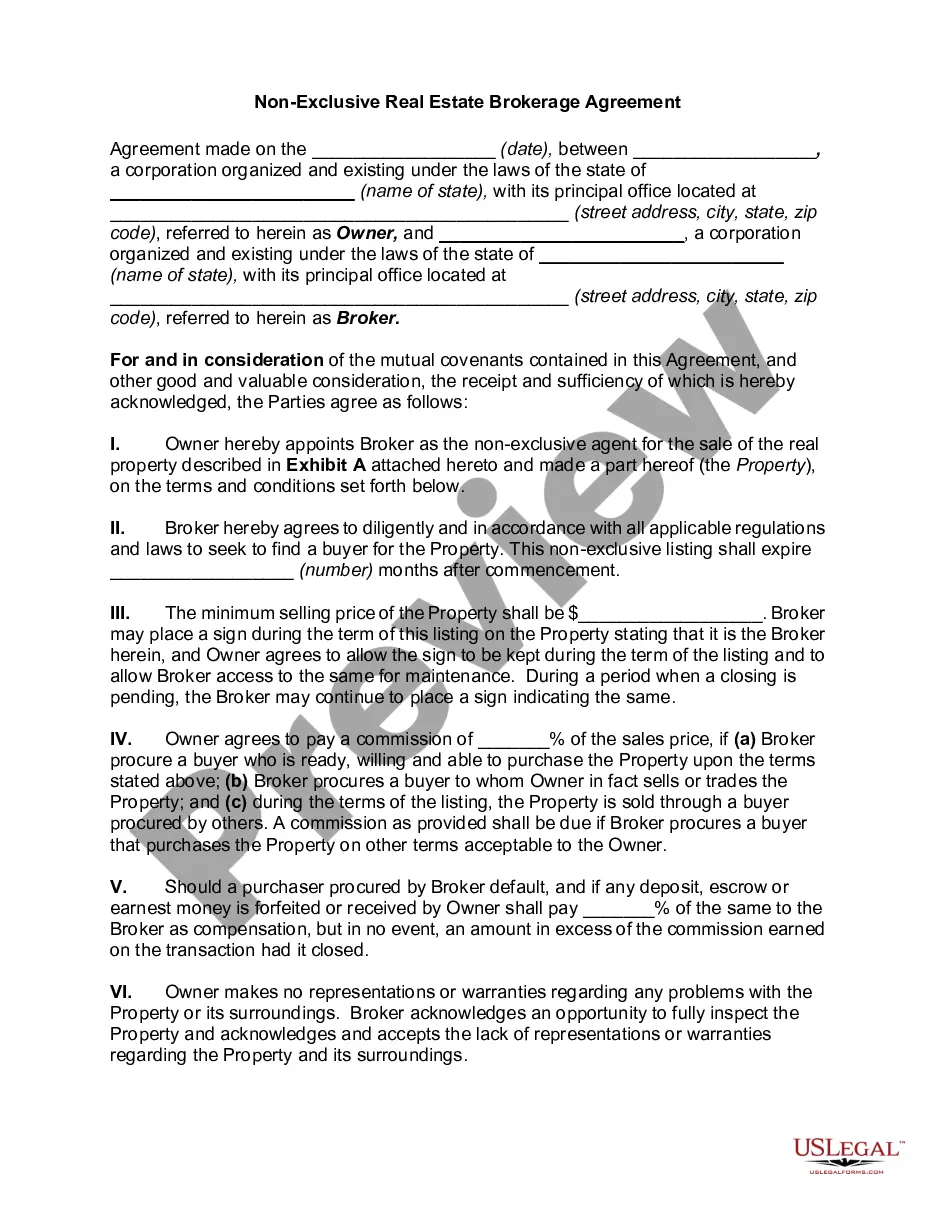
Get your form ready online
Our built-in tools help you complete, sign, share, and store your documents in one place.
Make edits, fill in missing information, and update formatting in US Legal Forms—just like you would in MS Word.
Download a copy, print it, send it by email, or mail it via USPS—whatever works best for your next step.
Sign and collect signatures with our SignNow integration. Send to multiple recipients, set reminders, and more. Go Premium to unlock E-Sign.
If this form requires notarization, complete it online through a secure video call—no need to meet a notary in person or wait for an appointment.
We protect your documents and personal data by following strict security and privacy standards.

Make edits, fill in missing information, and update formatting in US Legal Forms—just like you would in MS Word.

Download a copy, print it, send it by email, or mail it via USPS—whatever works best for your next step.

Sign and collect signatures with our SignNow integration. Send to multiple recipients, set reminders, and more. Go Premium to unlock E-Sign.

If this form requires notarization, complete it online through a secure video call—no need to meet a notary in person or wait for an appointment.

We protect your documents and personal data by following strict security and privacy standards.
Looking for another form?



How to fill out Exclusive Buyer-Broker Agreement And Agency Disclosure?
- Log in to your account if you're a returning user and verify your subscription status before accessing forms. If not yet registered, proceed to create an account.
- Preview the form description of the legal document you need. Make sure it aligns with your requirements by carefully reviewing the details before moving forward.
- Utilize the Search tab to find alternative templates if the first option does not meet your needs. Ensure that the selected form satisfies local legal standards.
- Choose the 'Buy Now' option to select your preferred subscription plan and gain full access to the comprehensive library.
- Complete your purchase by entering your payment information, either through a credit card or PayPal, to finalize your subscription.
- Download your chosen form onto your device and save it for easy access. You can also revisit the form anytime in the 'My Forms' section of your account.
Once you follow these straightforward steps, you'll have your legal forms ready to use in no time. With US Legal Forms, you can rely on their extensive resources and expert assistance to ensure your documentation is accurate and compliant.
Don't hesitate; start your journey towards seamless legal documentation today with US Legal Forms!
Form popularity
FAQ
The four levels of disclosure are superficial, factual, personal, and intimate disclosure. Superficial disclosure involves basic information, while factual disclosure provides specific details. Personal disclosure shares experiences, and intimate disclosure reveals deep thoughts and feelings. Recognizing these levels can enhance your interactions, allowing for deeper connections and greater understanding.
The four guidelines for self-disclosure include being honest, timing your disclosures appropriately, considering the context, and respecting boundaries. Honesty fosters trust, while timing ensures that the information is relevant and received well. Additionally, understanding the context helps avoid inappropriate disclosures. Following these guidelines can enhance communication and strengthen relationships.
The true meaning of disclosure revolves around the act of revealing or making information known, particularly in legal and financial contexts. Disclosure aims to foster transparency, trust, and informed decision-making. It is critical for ensuring compliance with laws and regulations, protecting stakeholders. Mastering the principles of disclosure e can significantly benefit your communication strategy.
The four types of self-disclosure are factual disclosure, personal disclosure, emotional disclosure, and ethical disclosure. Factual disclosure involves sharing specific information, while personal disclosure includes sharing personal experiences. Emotional disclosure reveals one's feelings, and ethical disclosure addresses moral values and beliefs. Understanding these types can enhance personal relationships and foster trust.
The four types of disclosure are mandatory disclosure, voluntary disclosure, incidental disclosure, and strategic disclosure. Mandatory disclosure occurs due to legal requirements, while voluntary disclosure is made at the discretion of the disclosing party. Incidental disclosure often happens unintentionally, while strategic disclosure is carefully planned to manage perceptions. Leveraging the right type of disclosure is crucial for effective communication and relationship management.
The four main categories for disclosure include financial disclosure, legal disclosure, regulatory disclosure, and personal disclosure. Each category serves a specific purpose, ensuring transparency and accountability. By understanding these categories, individuals and businesses can navigate their legal obligations better. The Disclosure e guidelines can help you classify your disclosures accurately.
When selling a house in Texas, you must provide a seller's disclosure notice that details the condition of the property. This includes information on structural issues, pest problems, and any known hazards, such as lead paint. Honesty in your disclosures can help prevent legal issues down the line. Uslegalforms offers templates and resources that can simplify the process of creating your disclosure e.
Writing a full disclosure requires a comprehensive approach to detail all relevant aspects of the transaction or situation. Be honest and forthright about any information that could affect the understanding of the deal. This includes financial, relational, and legal factors that may arise. For further assistance, consider utilizing tools from uslegalforms that help you draft a complete and precise disclosure e.
To write a disclosure statement, first identify the key information that needs to be shared. Focus on being thorough but concise, ensuring you include all necessary facts and potential risks. It's vital to maintain transparency throughout the document. If you need help formatting your statement, look for templates on uslegalforms tailored for creating effective disclosures.
When writing a disclosure form, start with a clear title that reflects the nature of the disclosure e. Provide sections for all essential details, such as the involved parties, the purpose of the disclosure, and relevant data. Use straightforward language to avoid confusion and ensure that all information is complete and accurate. Resources available on uslegalforms can assist you in structuring your form properly.