Charges File On Someone
Description


Get your form ready online
Our built-in tools help you complete, sign, share, and store your documents in one place.
Make edits, fill in missing information, and update formatting in US Legal Forms—just like you would in MS Word.
Download a copy, print it, send it by email, or mail it via USPS—whatever works best for your next step.
Sign and collect signatures with our SignNow integration. Send to multiple recipients, set reminders, and more. Go Premium to unlock E-Sign.
If this form requires notarization, complete it online through a secure video call—no need to meet a notary in person or wait for an appointment.
We protect your documents and personal data by following strict security and privacy standards.

Make edits, fill in missing information, and update formatting in US Legal Forms—just like you would in MS Word.

Download a copy, print it, send it by email, or mail it via USPS—whatever works best for your next step.

Sign and collect signatures with our SignNow integration. Send to multiple recipients, set reminders, and more. Go Premium to unlock E-Sign.

If this form requires notarization, complete it online through a secure video call—no need to meet a notary in person or wait for an appointment.

We protect your documents and personal data by following strict security and privacy standards.
Looking for another form?
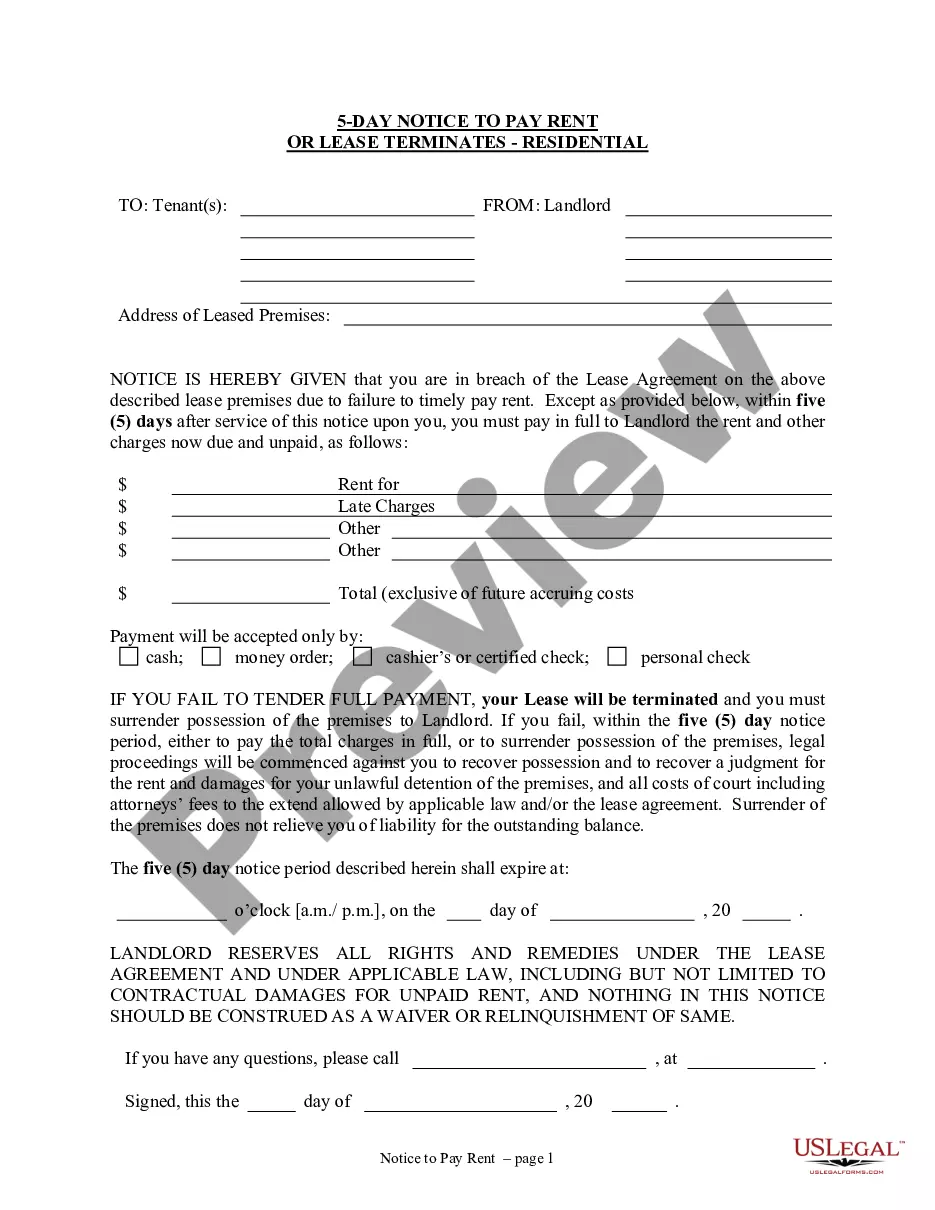


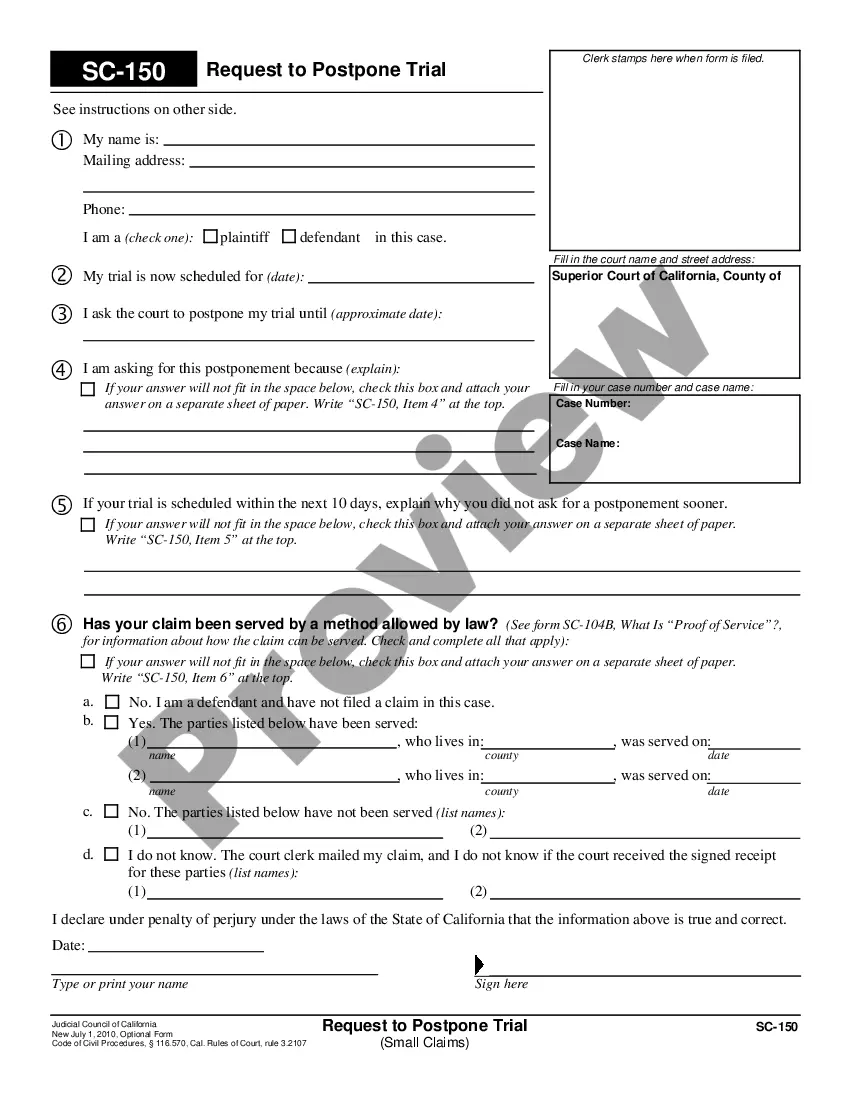
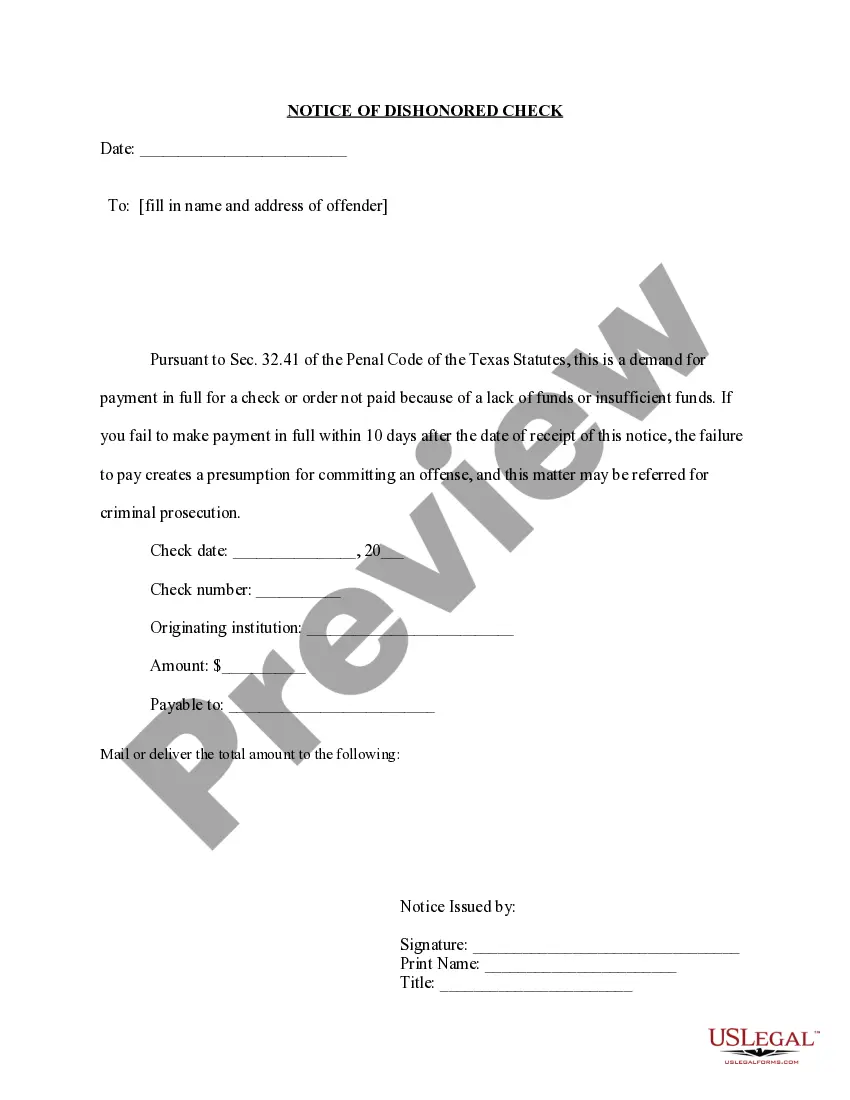

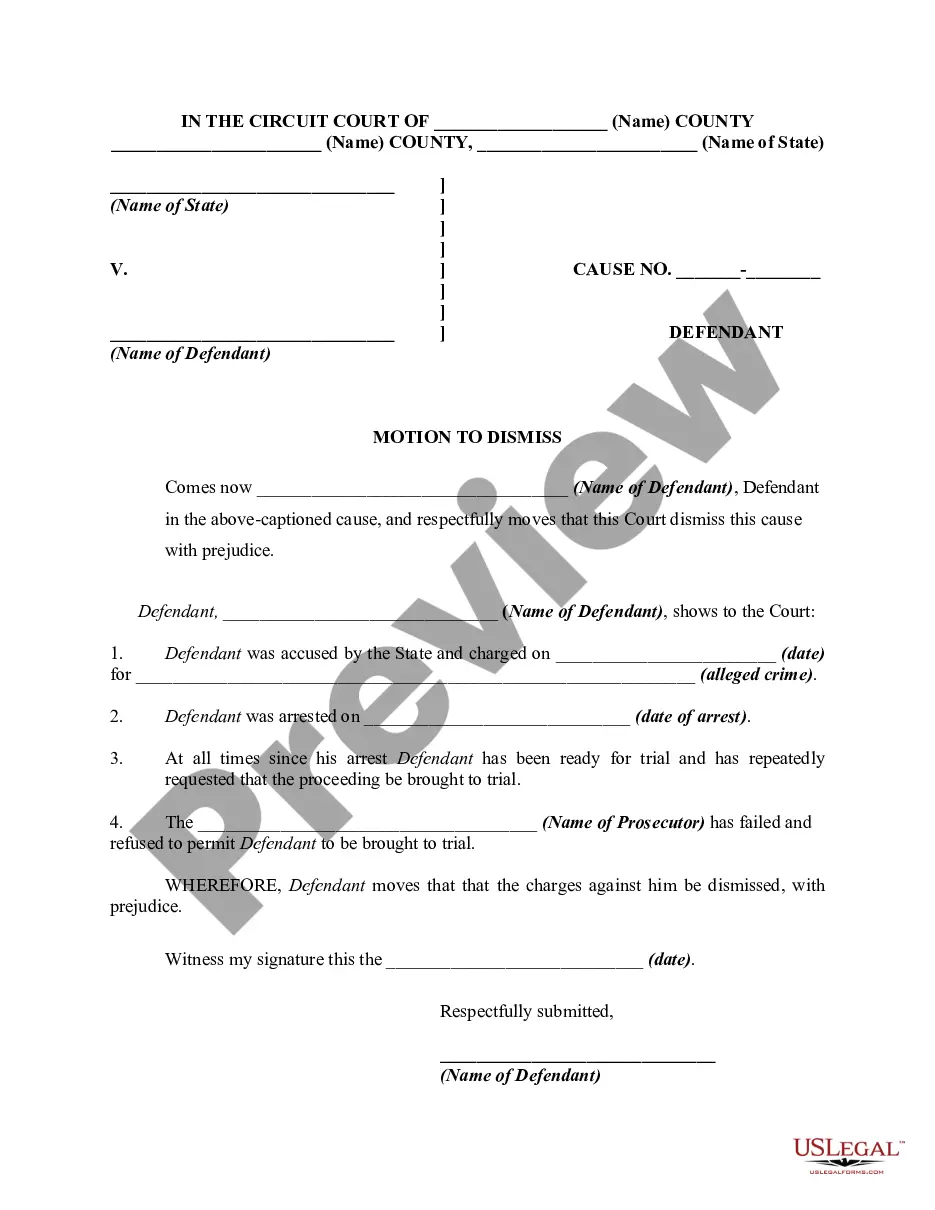
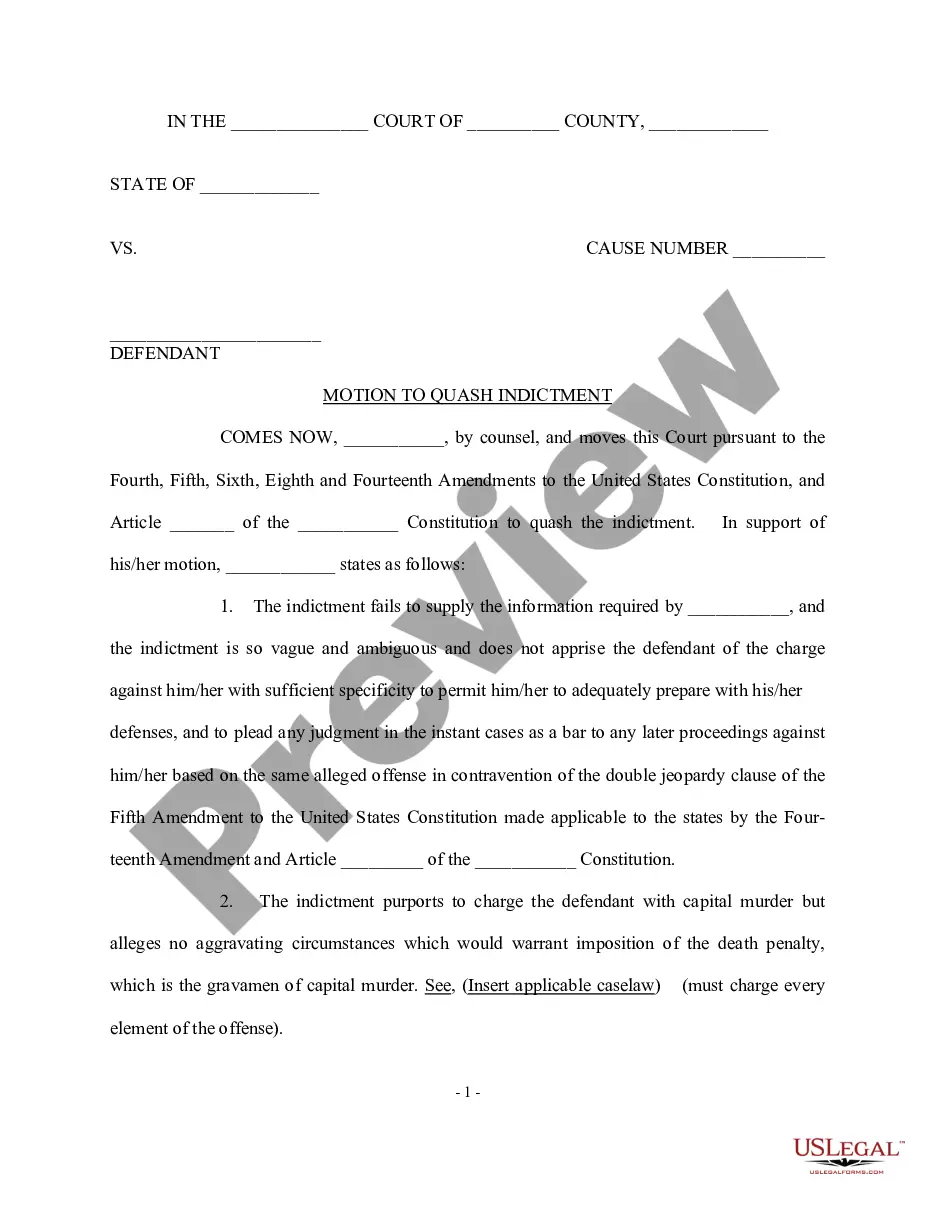
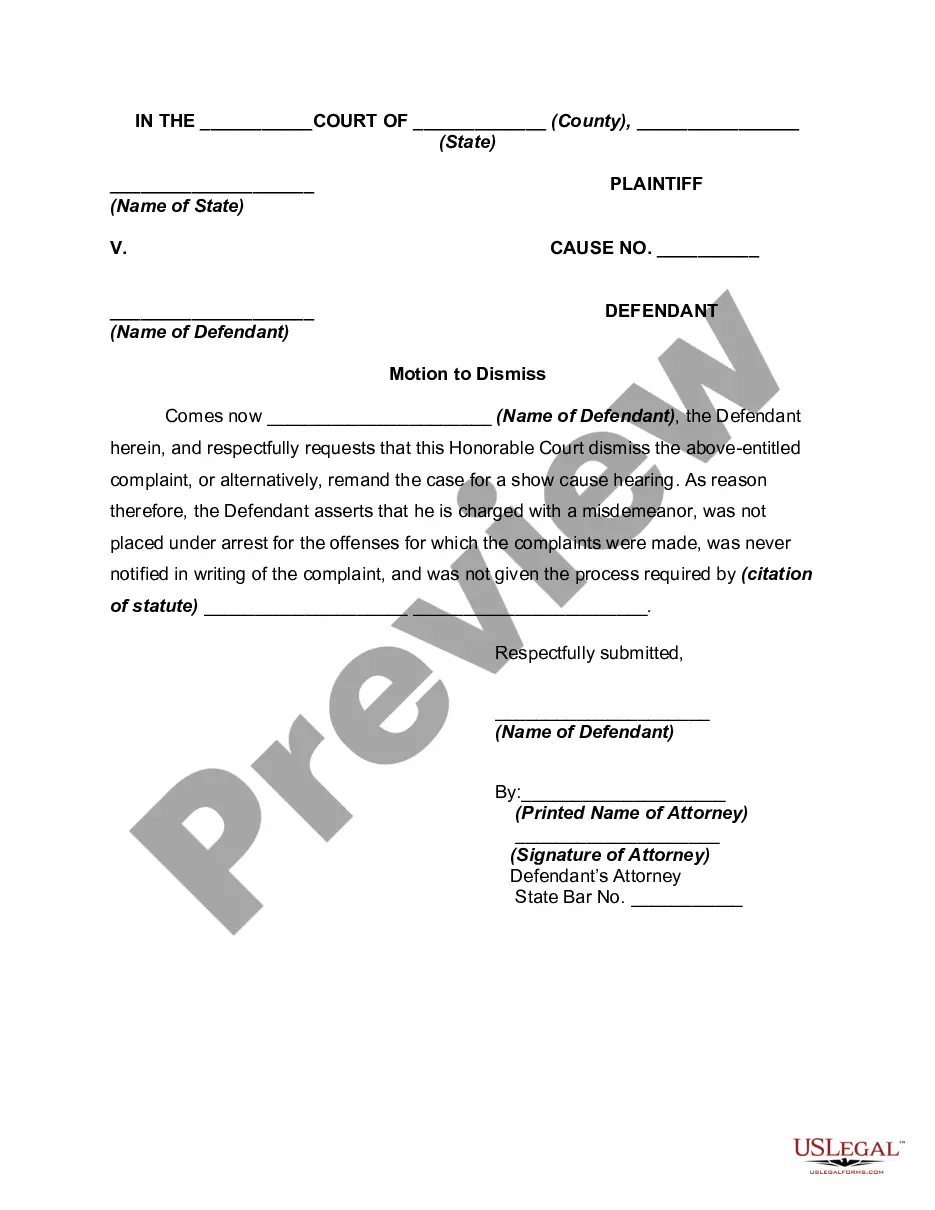
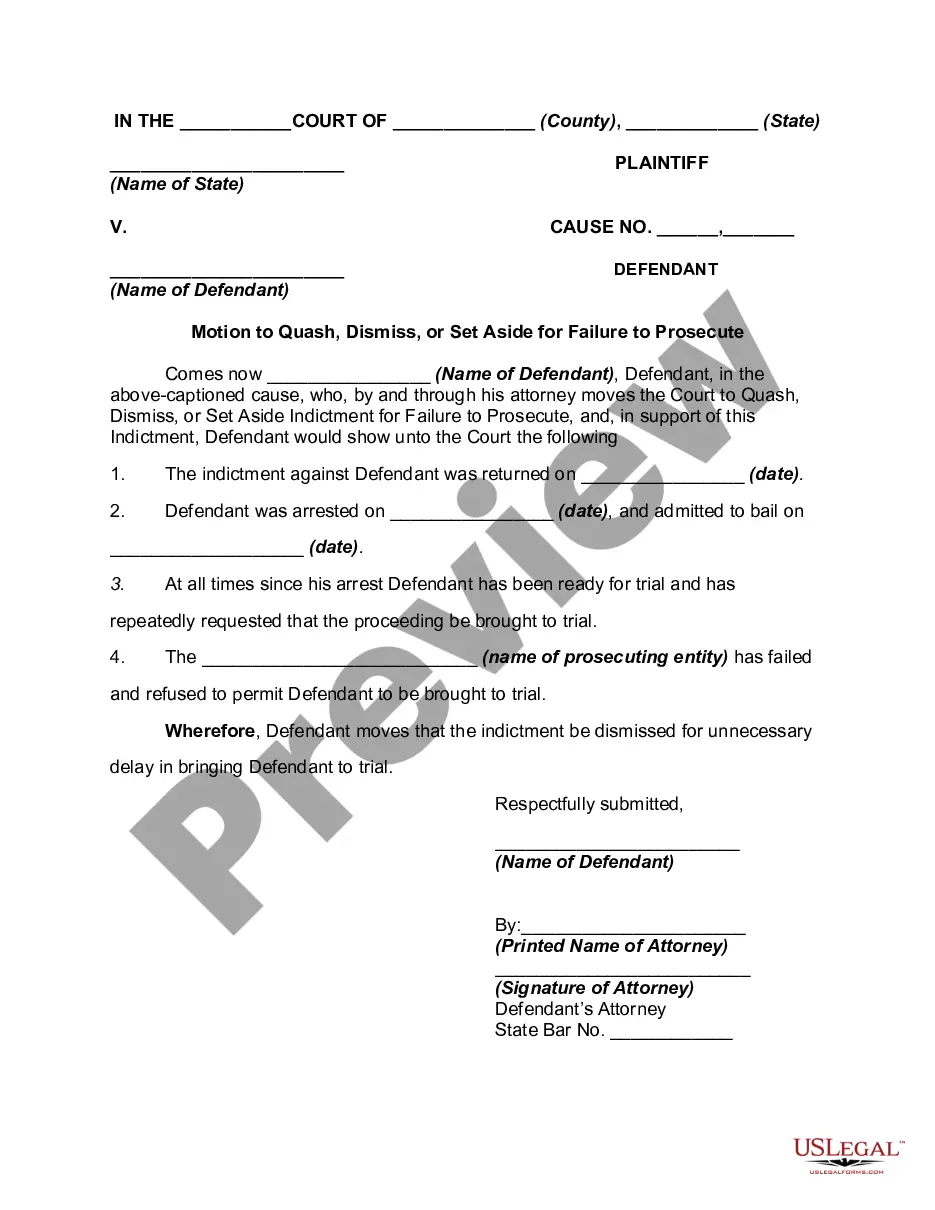
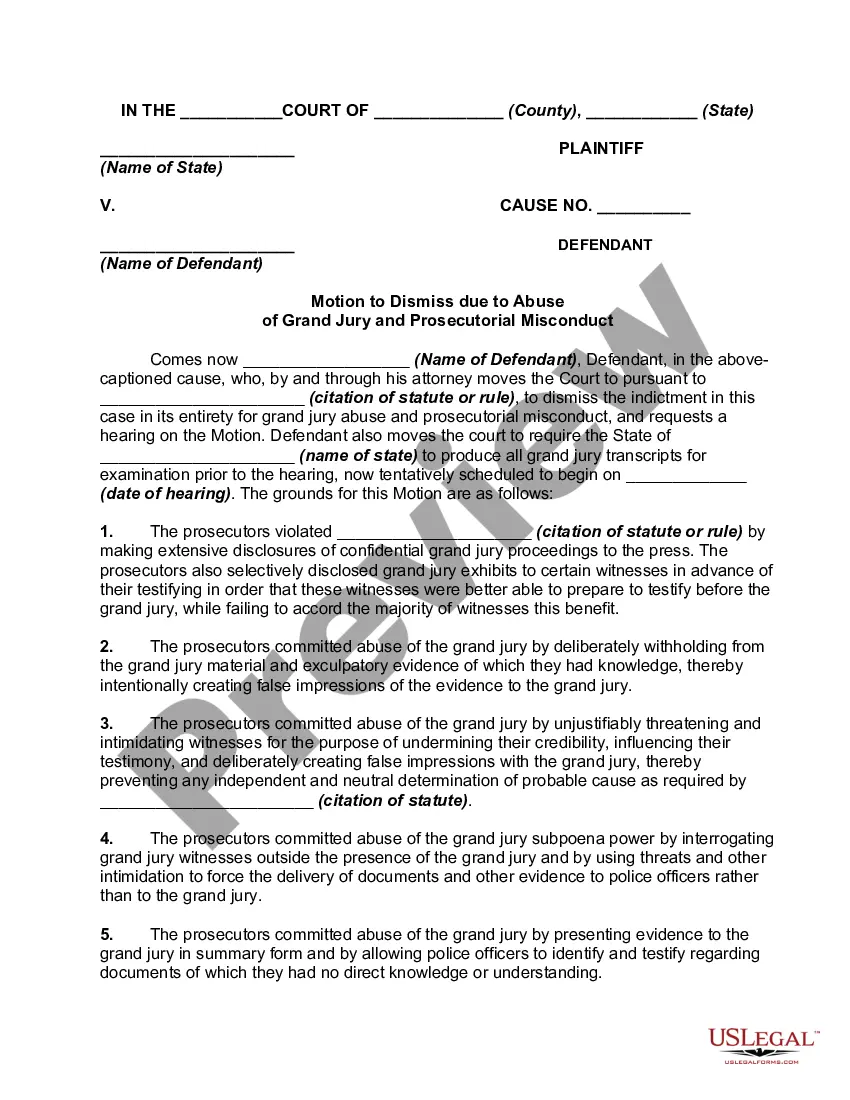
How to fill out Motion To Quash, Dismiss, Or Set Aside Criminal Charges For Failure To Prosecute?
Regardless of whether for commercial reasons or personal matters, everyone must confront legal issues at some stage in their life.
Completing legal paperwork requires meticulous care, starting with choosing the right template example.
With an extensive US Legal Forms library available, you no longer need to waste time searching for the suitable template online. Use the library’s user-friendly navigation to locate the correct template for any circumstance.
- For instance, if you select an incorrect version of the Charges Document Against Someone, it will be declined upon submission.
- Thus, it is vital to obtain a reliable source of legal documents like US Legal Forms.
- If you wish to secure a Charges Document Against Someone template, follow these simple guidelines.
- Acquire the template you require using the search bar or catalog browsing.
- Review the form’s details to confirm it aligns with your circumstances, state, and county.
- Click on the form’s preview to view it.
- If it is the wrong document, return to the search feature to find the Charges Document Against Someone template you need.
- Obtain the template when it fulfills your requirements.
- If you already possess a US Legal Forms account, simply click Log in to access previously stored templates in My documents.
- If you do not have an account yet, you can acquire the form by clicking Buy now.
- Select the appropriate pricing option.
- Complete the account registration form.
- Choose your payment option: use a credit card or PayPal account.
- Select the document format you prefer and download the Charges Document Against Someone.
- Once downloaded, you can fill out the form by utilizing editing software or print it and complete it manually.
Form popularity
FAQ
How do I file charges against someone? Criminal charges generally begin with an investigation by a police agency. If you have been the victim of a crime, please call your local police department. For a list of local police departments please go to the Prosecutor's Office home page.
Please contact your local law enforcement agency (Sheriff, Police,) to file charges. Your local County or District Attorney has the jurisdiction to prosecute criminal charges.
The process begins when a victim, or one having knowledge of a crime, files a sworn statement with the proper authority known as a complaint. Once a complaint has been investigated, and the complaint is found to have probable cause, a crime can be charged either by information or indictment.
How do I file charges against someone? Criminal charges generally begin with an investigation by a police agency. If you have been the victim of a crime, please call your local police department. For a list of local police departments please go to the Prosecutor's Office home page.
A criminal case usually gets started with a police arrest report. The prosecutor then decides what criminal charges to file, if any. Some cases go to a preliminary hearing, where a judge decides if there is enough evidence to proceed. Cases can also start when a grand jury issues a criminal indictment.