Liability Insurance For Tenant
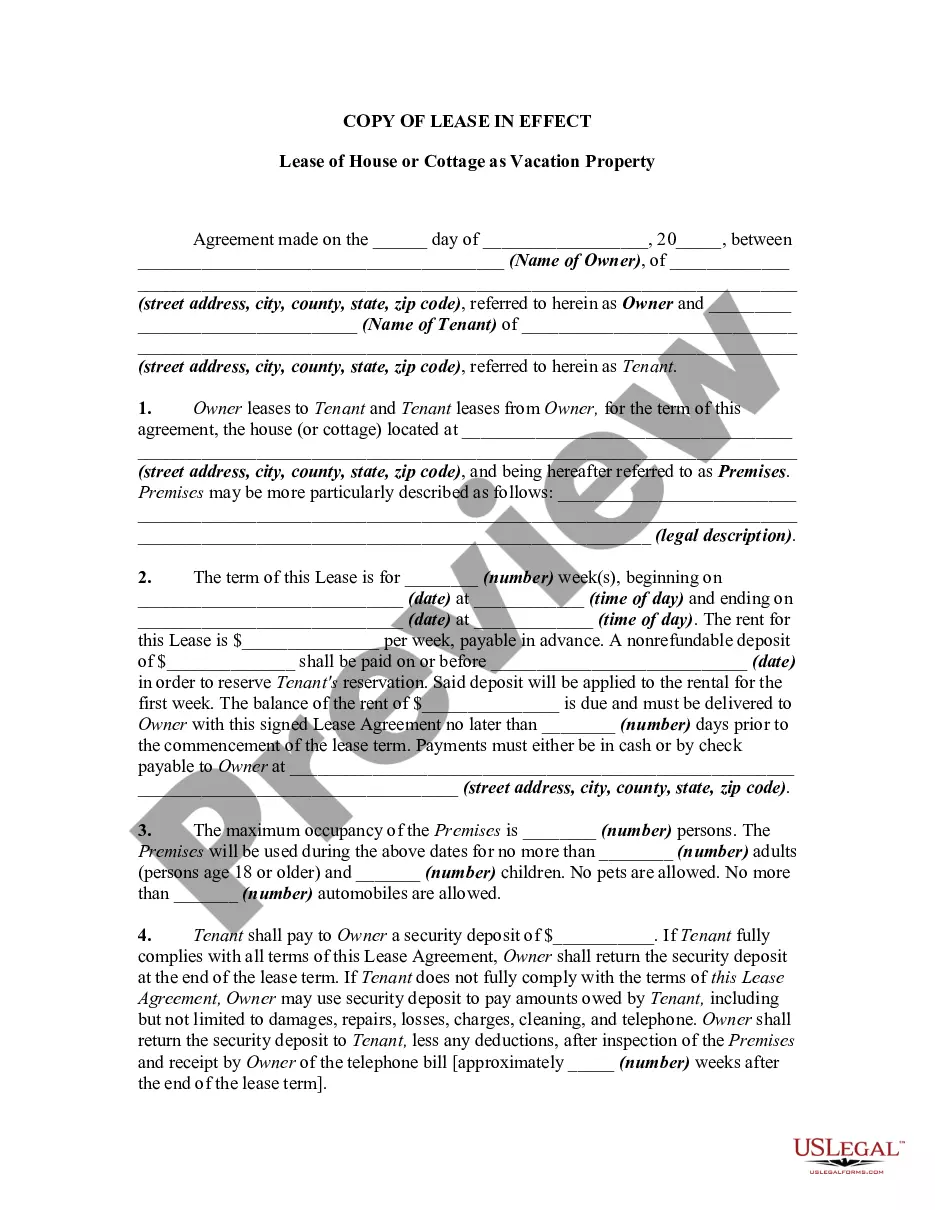
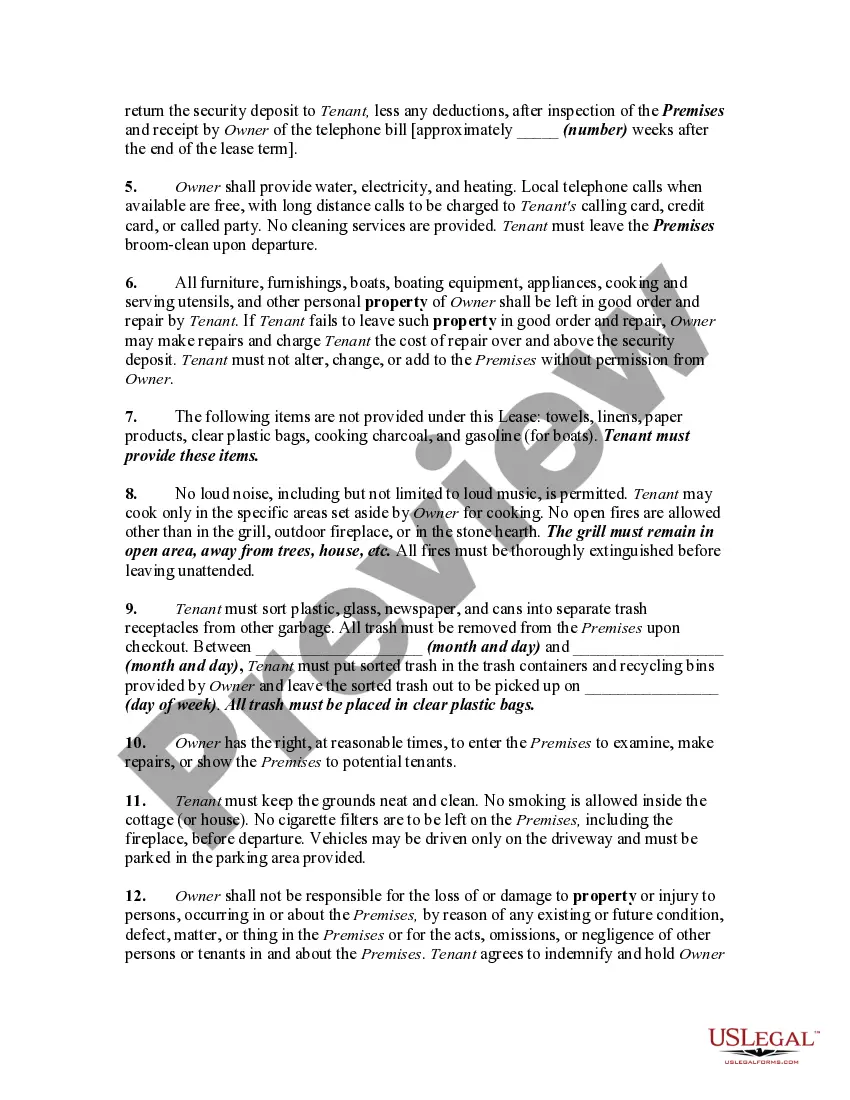
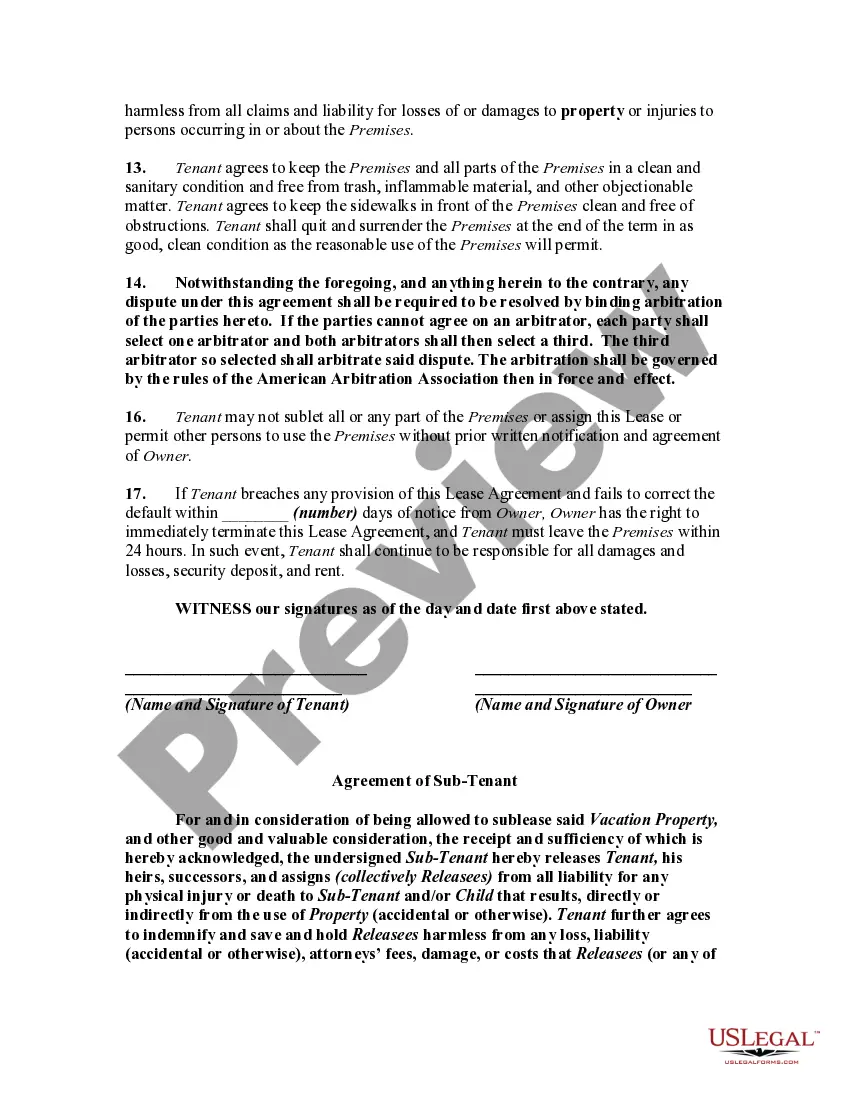
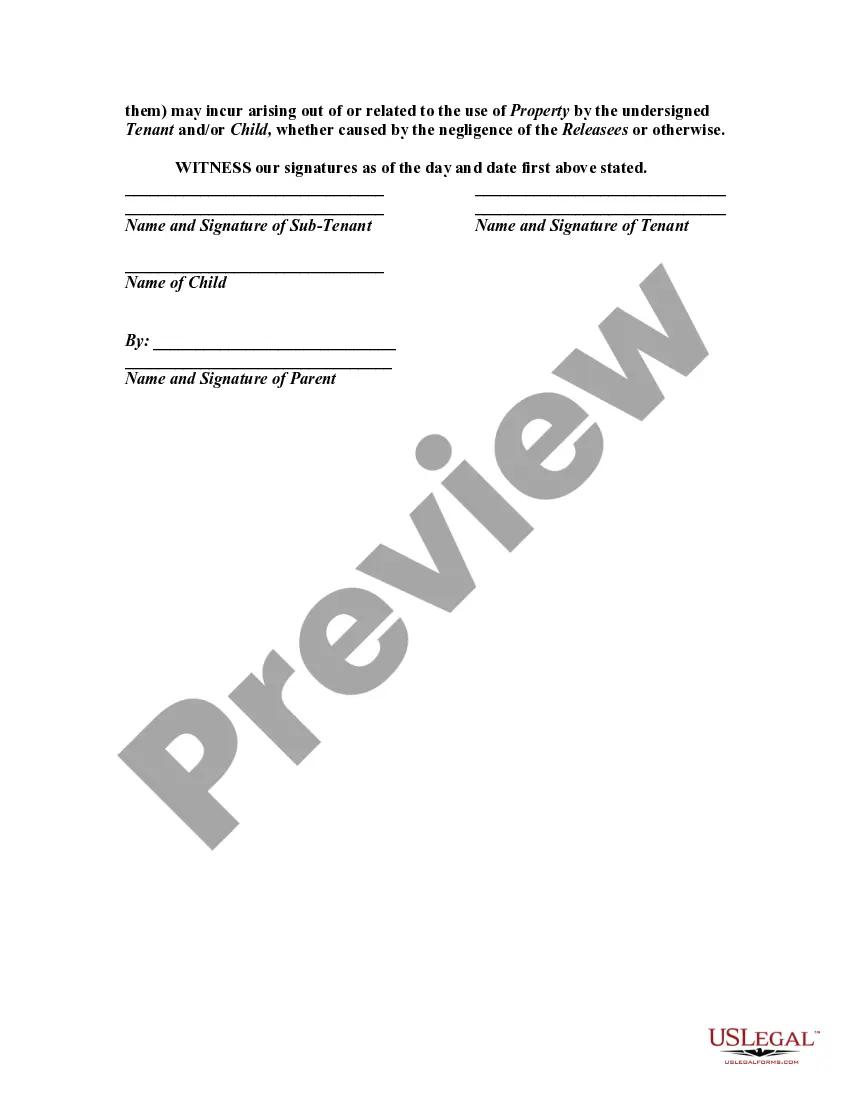
Description
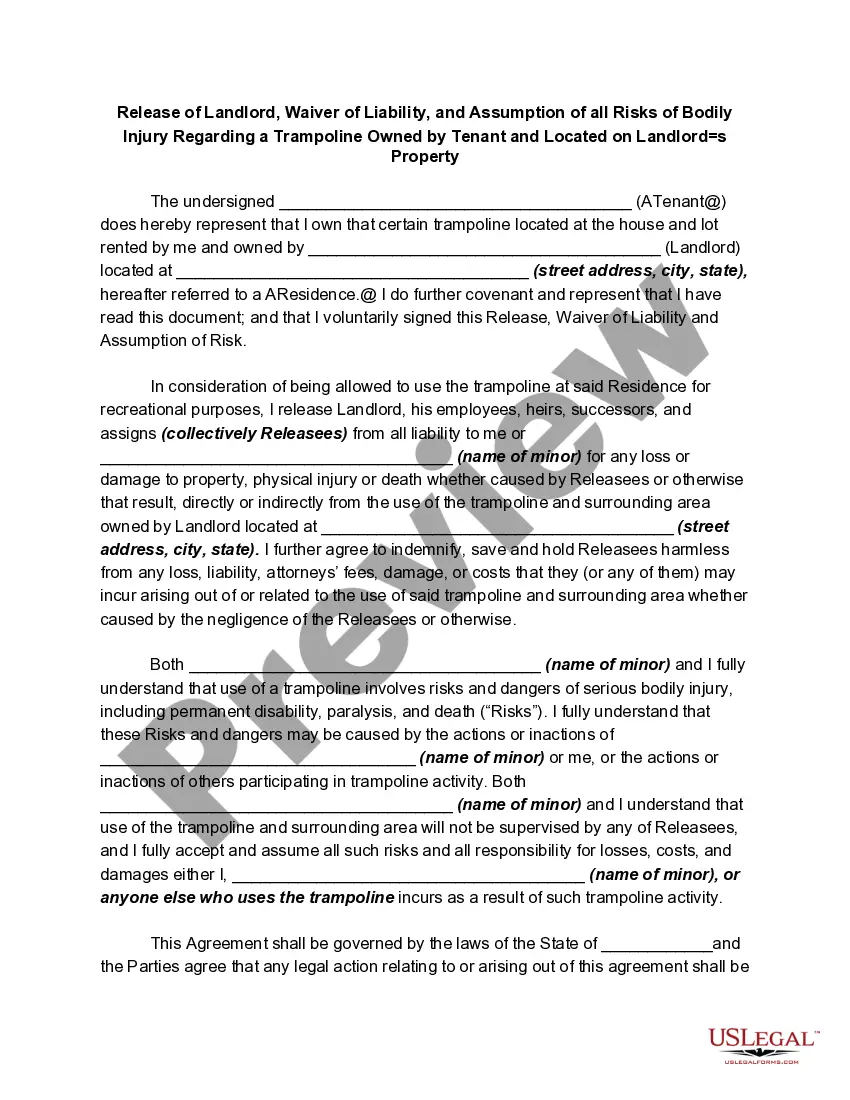
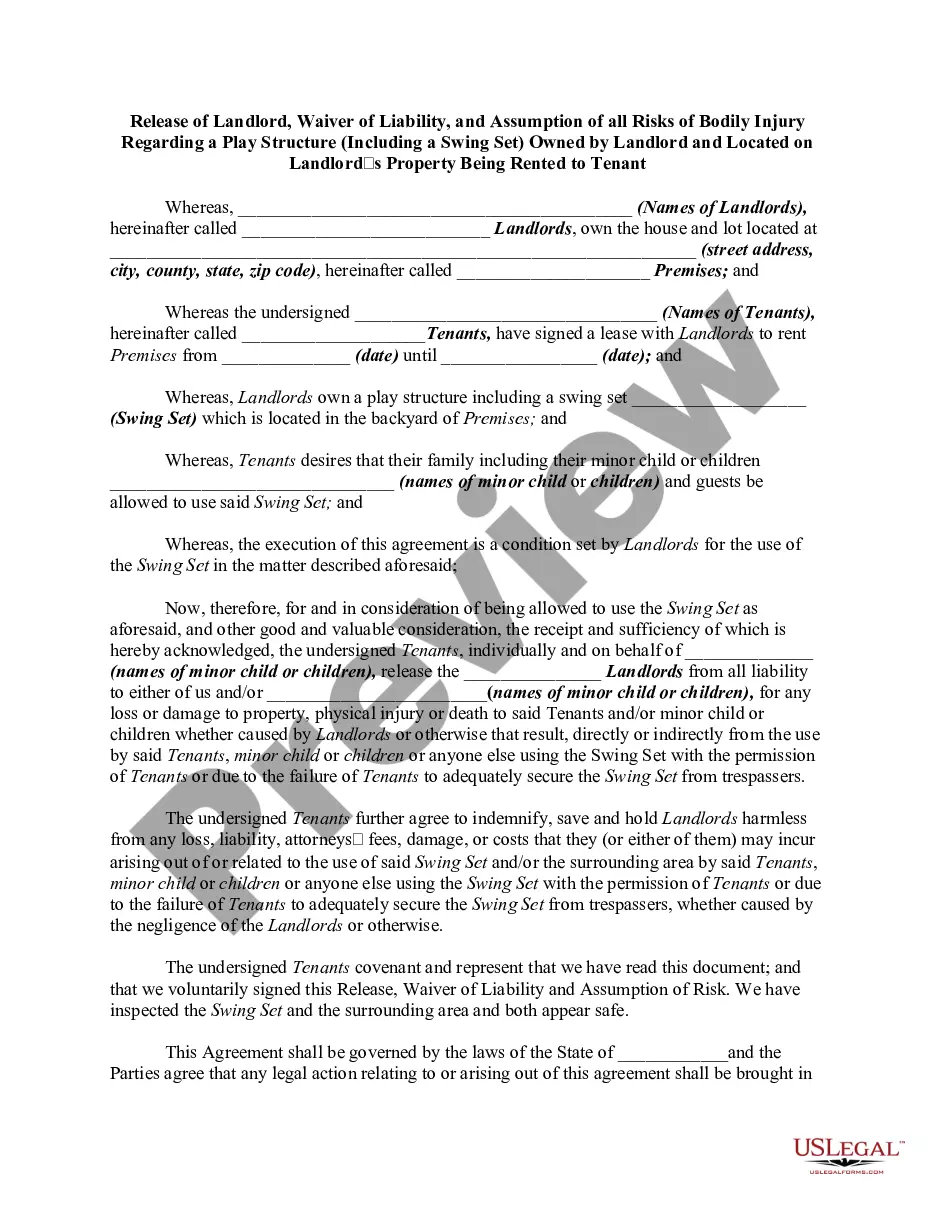
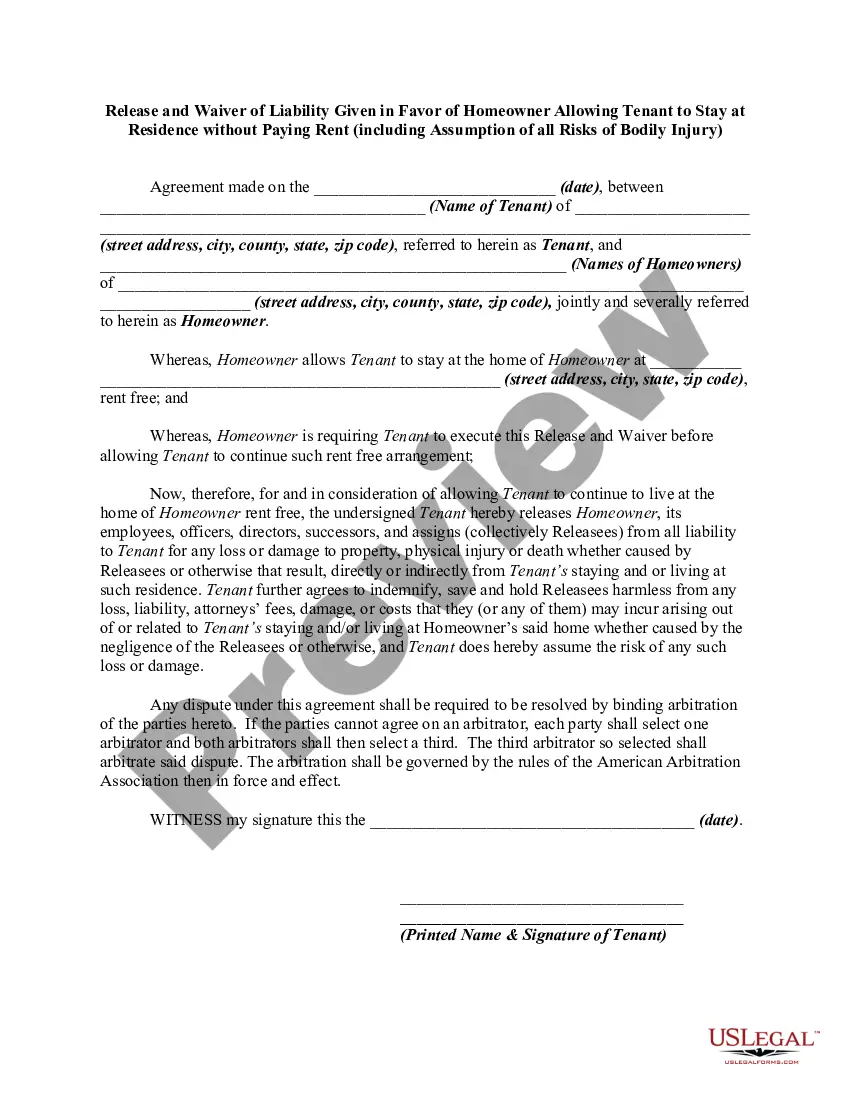
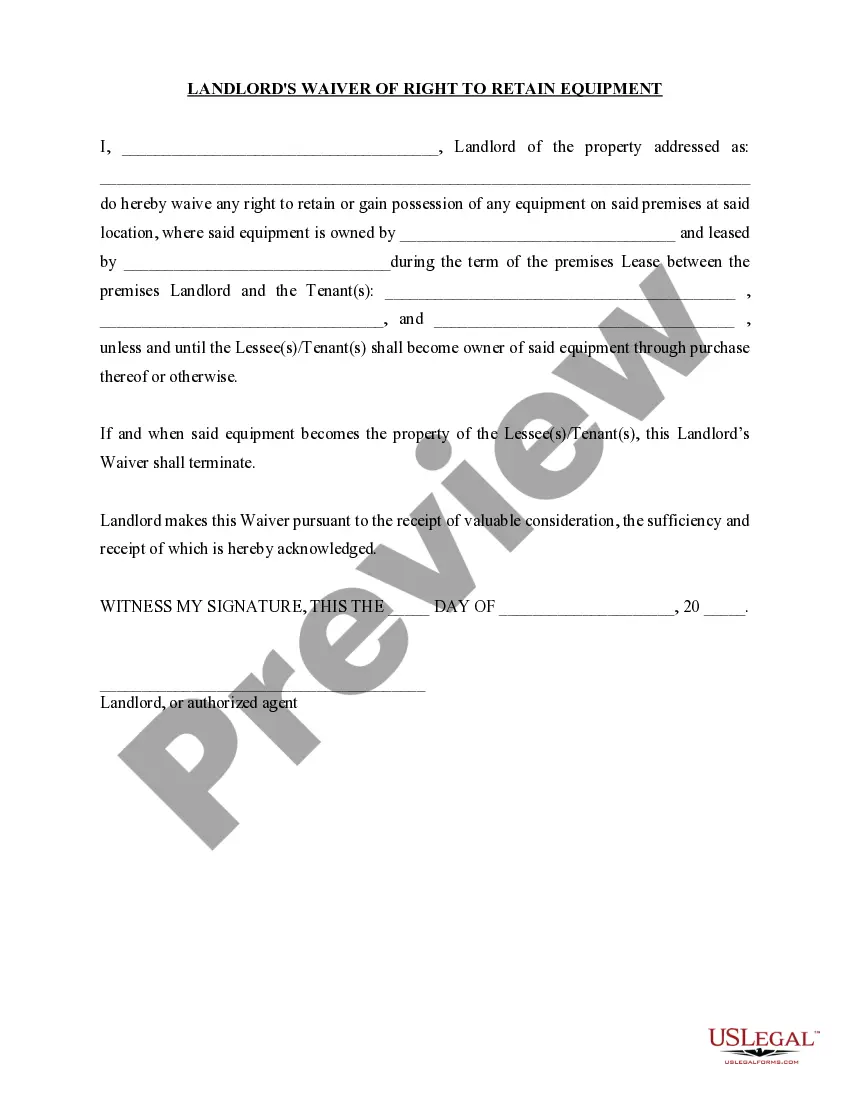
Get your form ready online
Our built-in tools help you complete, sign, share, and store your documents in one place.
Make edits, fill in missing information, and update formatting in US Legal Forms—just like you would in MS Word.
Download a copy, print it, send it by email, or mail it via USPS—whatever works best for your next step.
Sign and collect signatures with our SignNow integration. Send to multiple recipients, set reminders, and more. Go Premium to unlock E-Sign.
If this form requires notarization, complete it online through a secure video call—no need to meet a notary in person or wait for an appointment.
We protect your documents and personal data by following strict security and privacy standards.

Make edits, fill in missing information, and update formatting in US Legal Forms—just like you would in MS Word.

Download a copy, print it, send it by email, or mail it via USPS—whatever works best for your next step.

Sign and collect signatures with our SignNow integration. Send to multiple recipients, set reminders, and more. Go Premium to unlock E-Sign.

If this form requires notarization, complete it online through a secure video call—no need to meet a notary in person or wait for an appointment.

We protect your documents and personal data by following strict security and privacy standards.
Looking for another form?

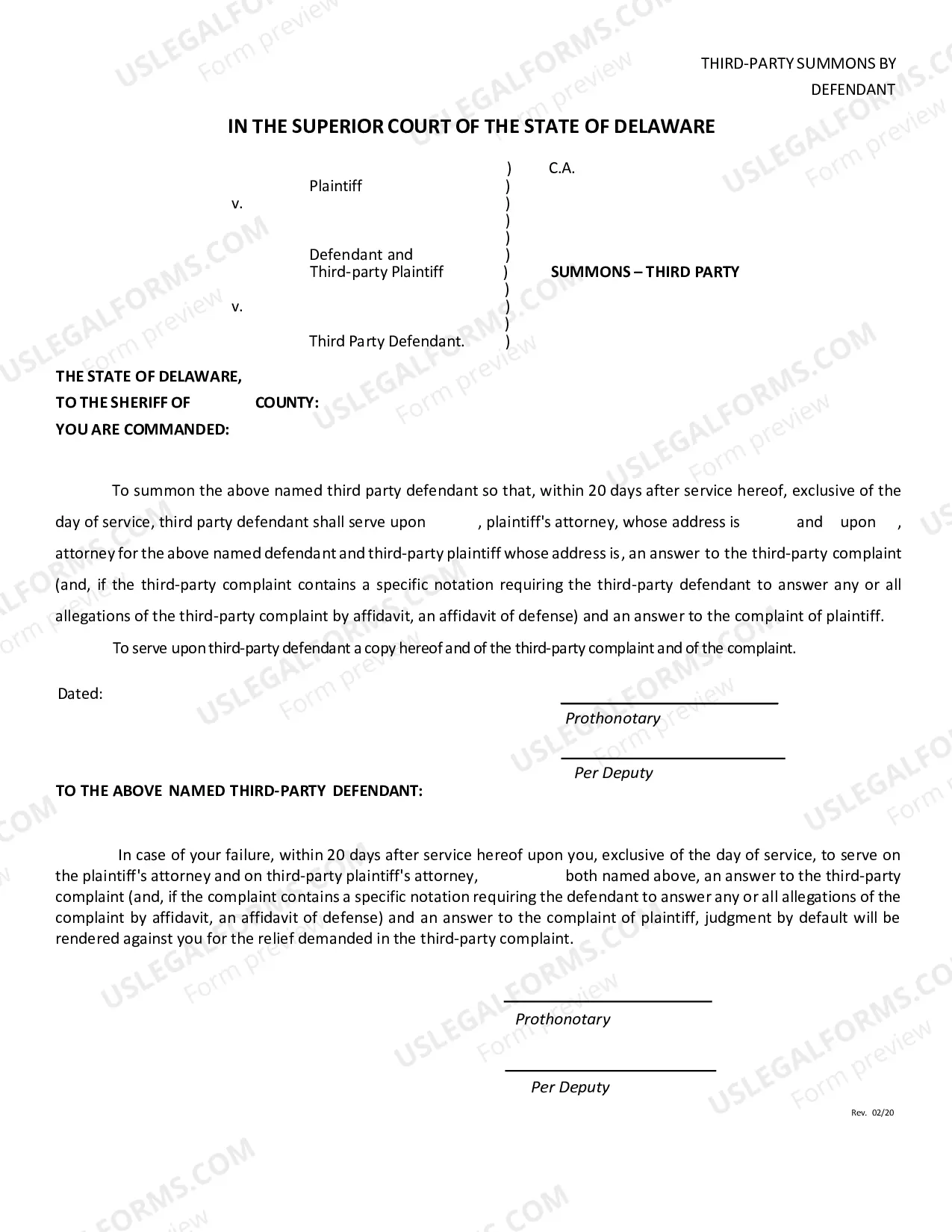






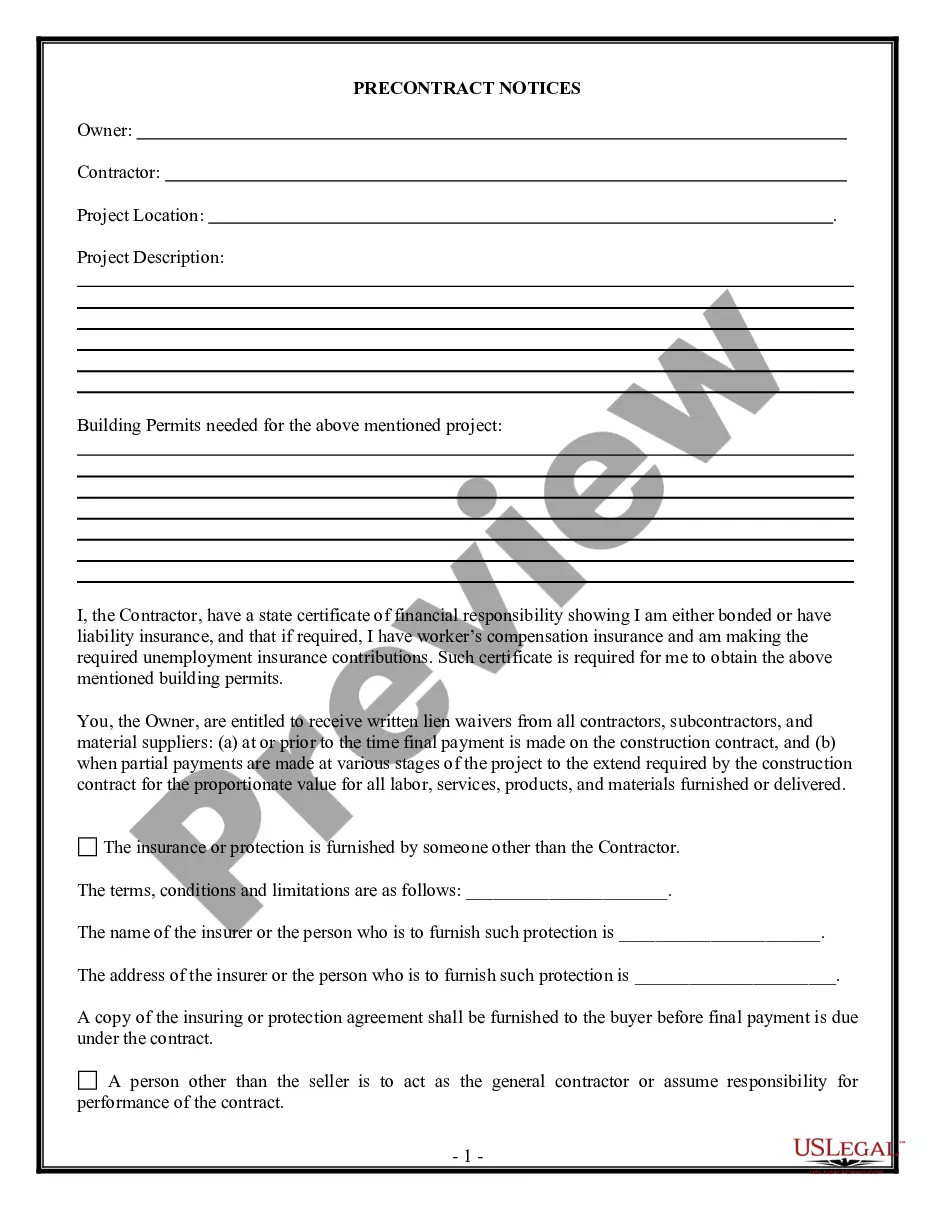
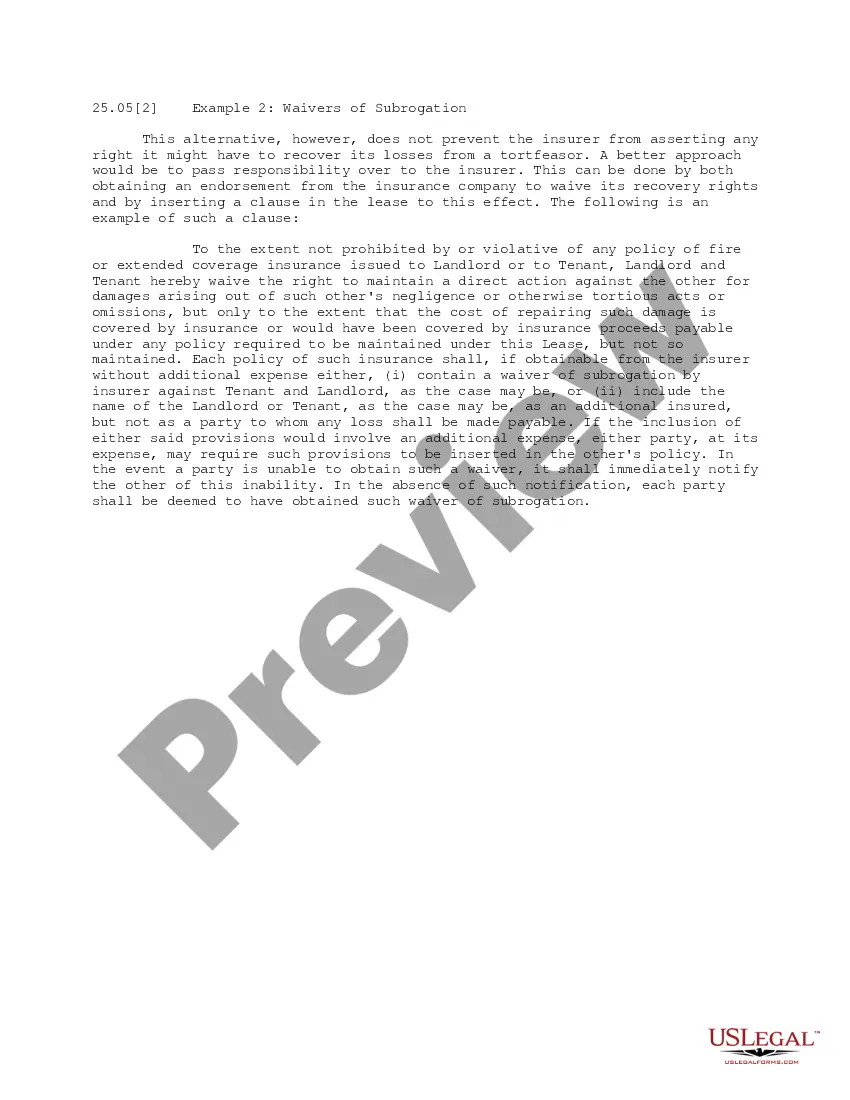
How to fill out Agreement Of Sub-Tenant And Waiver Of Liability In Favor Of Tenant?
Whether for commercial purposes or personal matters, everyone eventually encounters legal circumstances at some point in their life.
Filling out legal documents demands meticulous focus, starting with selecting the right form example.
With a vast catalog from US Legal Forms available, there’s no need to waste time scouring the internet for the appropriate template. Utilize the library’s straightforward navigation to find the right template for any circumstance.
- Locate the template you require using the search bar or catalog browsing.
- Review the form’s details to guarantee it aligns with your situation, state, and area.
- Click on the form’s preview to review it.
- If it's the incorrect form, return to the search tool to find the Liability Insurance For Tenant template you seek.
- Acquire the template if it satisfies your requirements.
- If you already possess a US Legal Forms account, simply click Log in to access your previously saved documents at My documents.
- If you don’t have an account yet, you can download the form by clicking Buy now.
- Select the relevant pricing option.
- Complete the account registration form.
- Choose your payment method: utilize a credit card or PayPal.
- Select the desired file format and download the Liability Insurance For Tenant.
- Once saved, you can fill out the form using editing software or print it to complete manually.
Form popularity
FAQ
An example of a tenant liability could be if a guest slips and falls in your apartment due to a wet floor without proper warning signs. In this case, your liability insurance for tenant would help cover the medical costs associated with the injury and any potential legal fees if the injured party decides to sue. Another instance could involve damaging a neighbor's property while moving furniture through shared spaces. The liability coverage would assist in addressing the financial implications of such accidents.
Yes, personal liability insurance and tenant liability insurance refer to similar concepts. Both are essential components of liability insurance for tenant coverage, providing protection against claims arising from incidents in your rented home. However, tenant liability specifically caters to individuals who are renting, while personal liability can apply more broadly to any individual. Understanding this distinction can help you ensure you have the proper coverage in place.
The liability coverage for renters insurance generally protects you against various claims made by others due to accidents or injuries. With liability insurance for tenant, you can typically expect coverage ranging from $100,000 to $500,000, depending on your policy. This insurance helps cover legal costs, medical expenses, and damages if someone else holds you responsible for their injuries or property damage. Therefore, it serves as a crucial financial safeguard while you rent.
Liability insurance for tenant typically covers damages to other people's property and injuries to others that occur while you are renting. This means if someone is hurt in your rented home due to a slip or fall, your liability insurance can help cover medical expenses. Additionally, it may cover legal fees if you are sued due to these incidents. Essentially, it protects you from financial burdens related to accidents that happen in your rented space.
The ideal amount of liability insurance for a tenant usually depends on your personal financial situation, assets, and lifestyle. Generally, $100,000 in liability coverage is recommended as a starting point for most renters. However, if you have significant assets or live in an area with higher risk, you might want to consider increasing your coverage limit for better protection.
The average personal liability coverage within renters insurance typically starts at $100,000. Many renters choose to go for higher coverage, often up to $300,000, depending on their financial situation and personal needs. This additional coverage can provide better protection, so it’s wise to assess your circumstances and decide what amount of liability insurance for tenant coverage suits you best.
A liability policy for a rental property protects the property owner against legal claims arising from injuries or damages that occur on their property. For tenants, having liability insurance is crucial as it helps cover such incidents where you are deemed responsible. It essentially provides peace of mind knowing you are less likely to face financial burdens due to unforeseen accidents, making liability insurance for tenant coverage an important consideration.
Liability only insurance for tenants primarily covers damages you may cause to someone else's property or injuries resulting from your negligence. This means if someone is injured in your rented space or if you accidentally damage a neighbor’s property, your liability coverage can help cover those costs. It's essential to understand that this type of policy does not cover your personal belongings; for that, you would need renter's insurance that includes personal property coverage.
If you rent a property, renters liability insurance is highly beneficial. This coverage protects you against claims of negligence that could arise from accidents or damages. While it may not be legally required, it provides essential financial security for tenants. Platforms like US Legal Forms can help you easily access the right options for your needs.
Liability insurance for tenant typically covers damages you might cause to others' property or injuries that occur within your rented space. This means if a guest is injured at your location, your policy can help cover medical bills and legal fees. It also provides a layer of financial security, ensuring that unforeseen events do not derail your finances. Understanding the specifics can help you make well-informed decisions.