Agreement Sub Tenant With The Owner
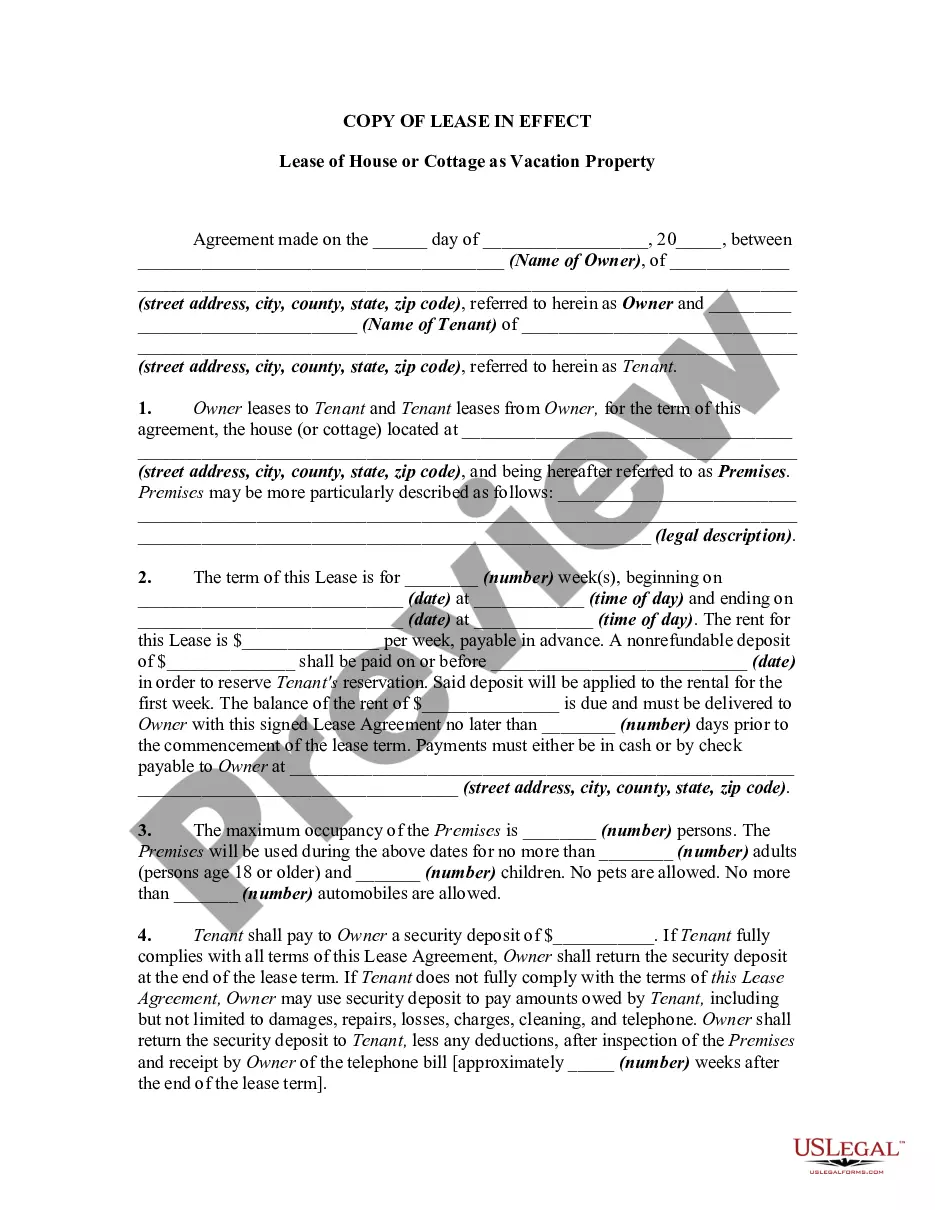
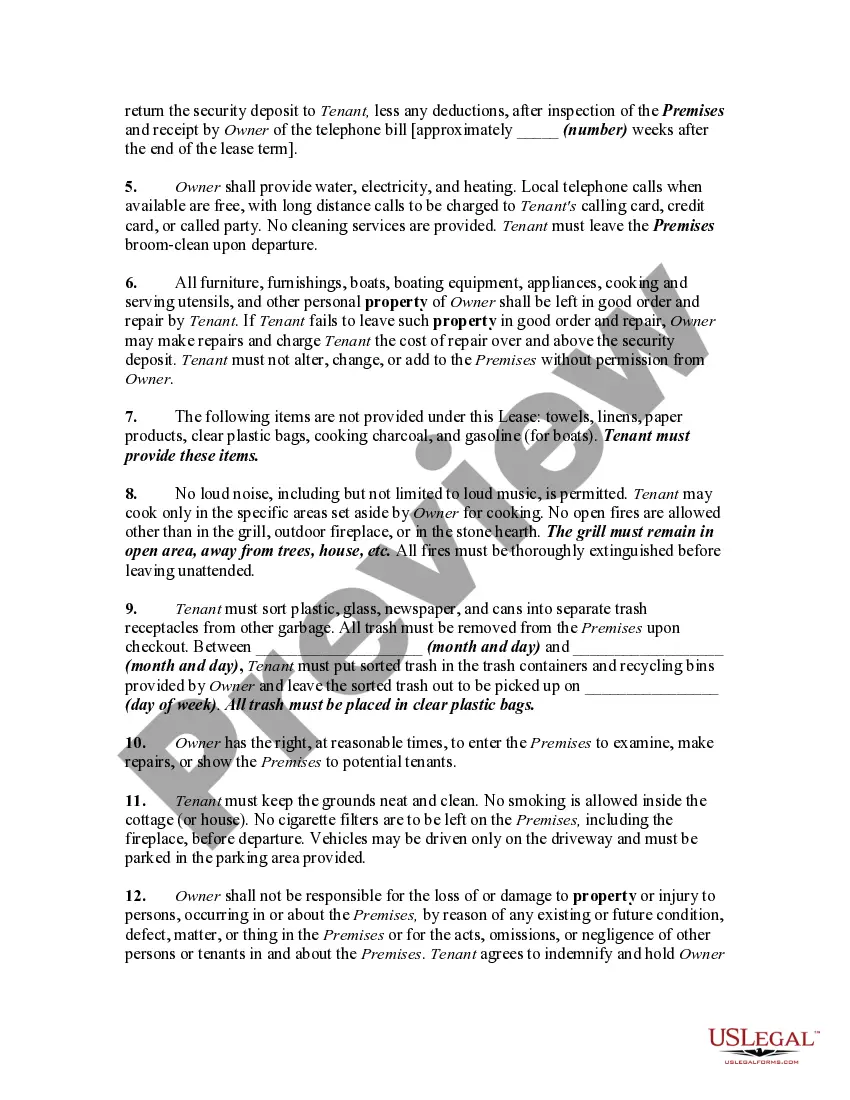
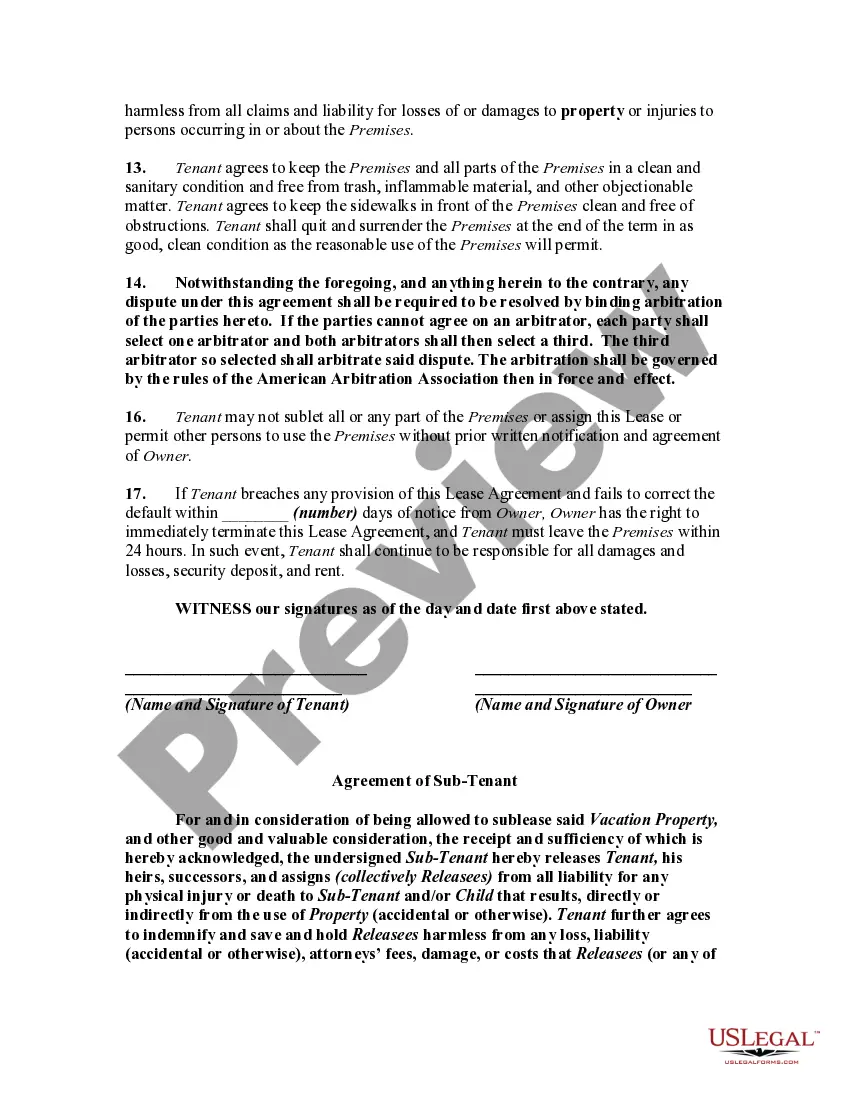
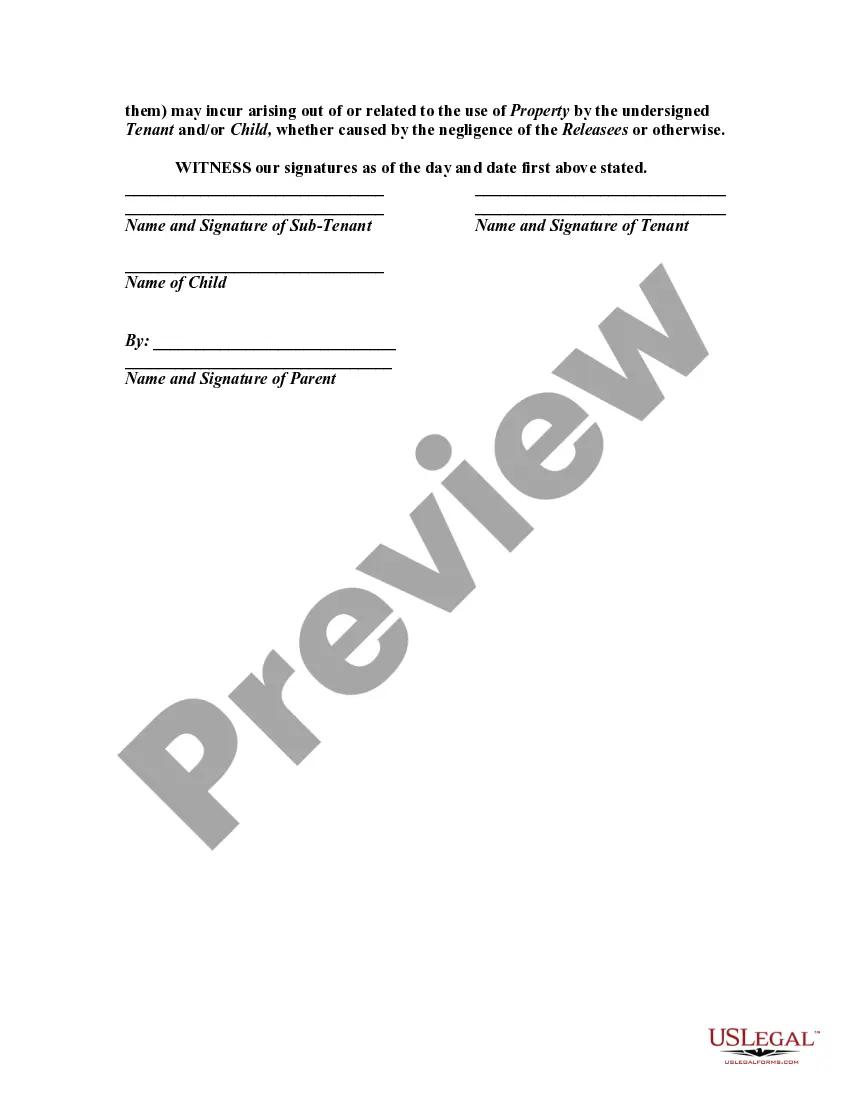
Description
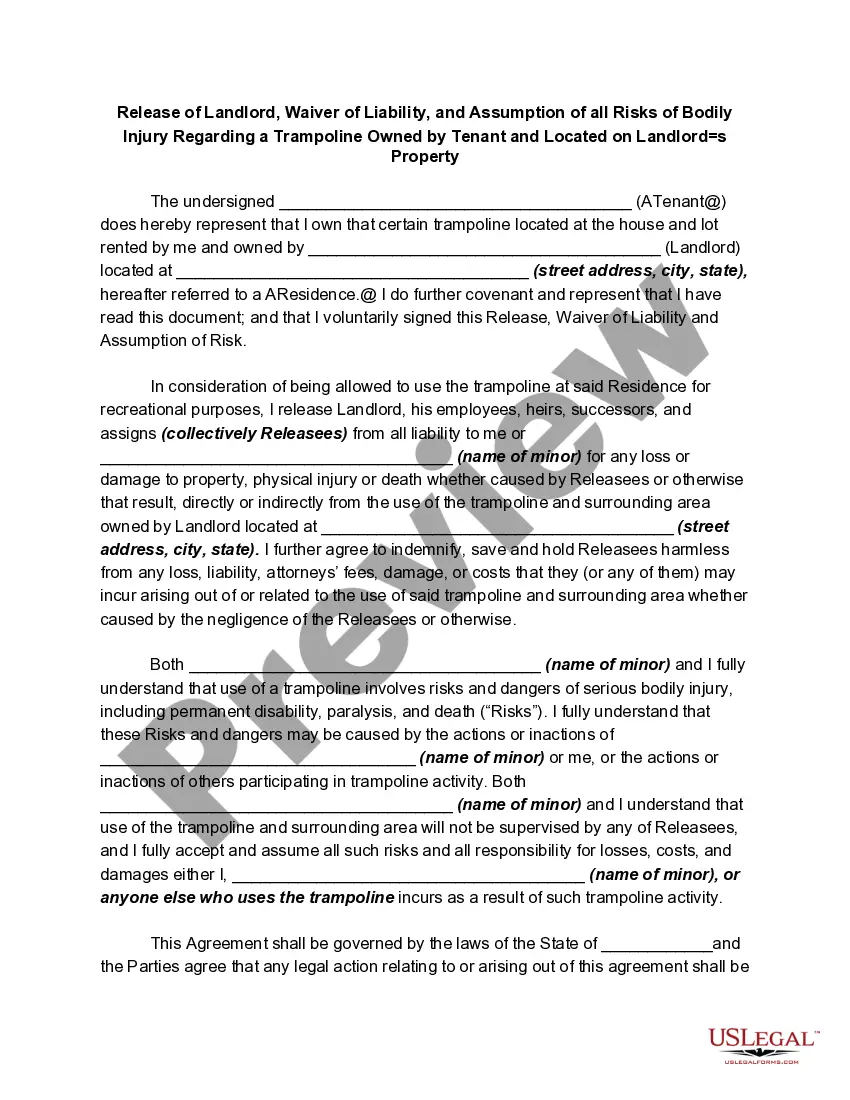
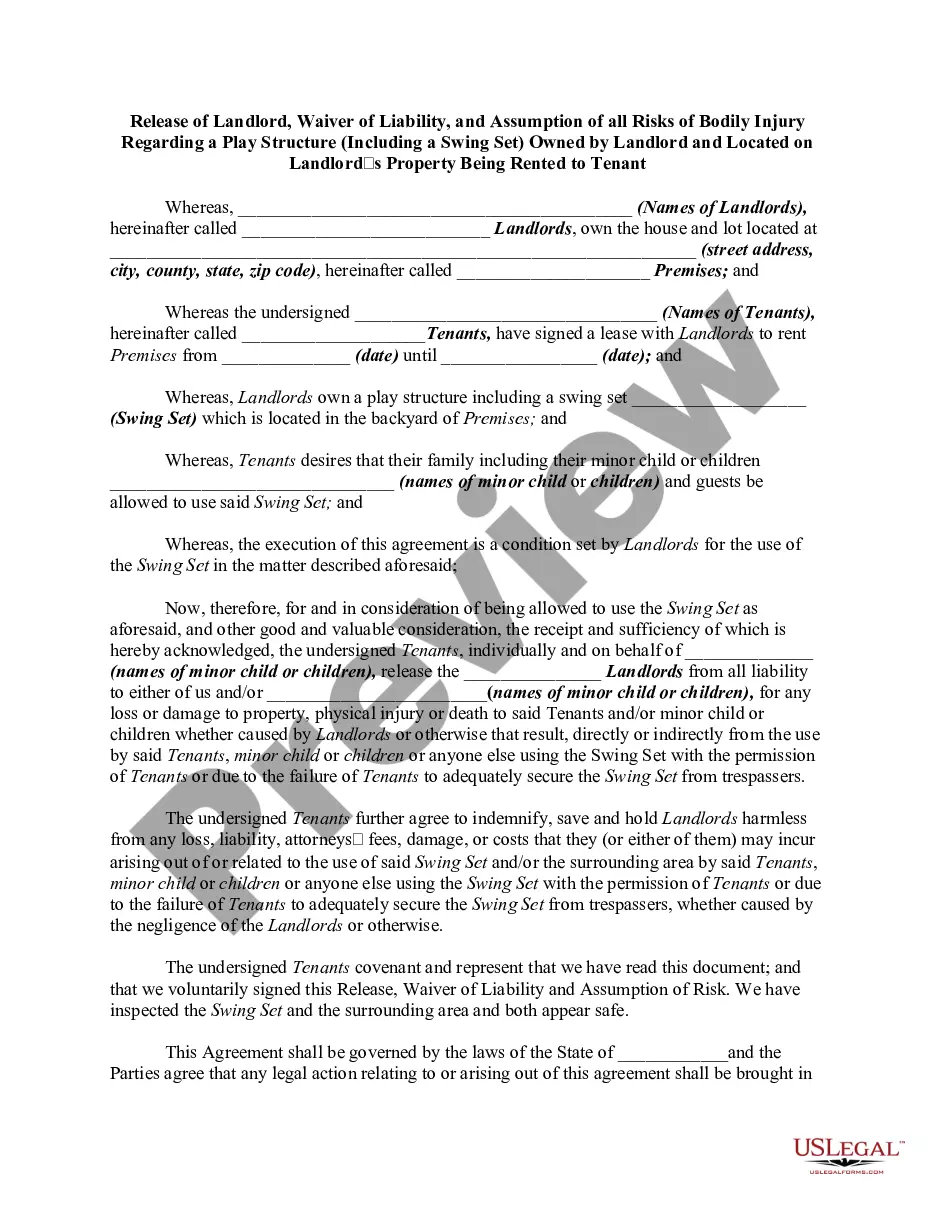
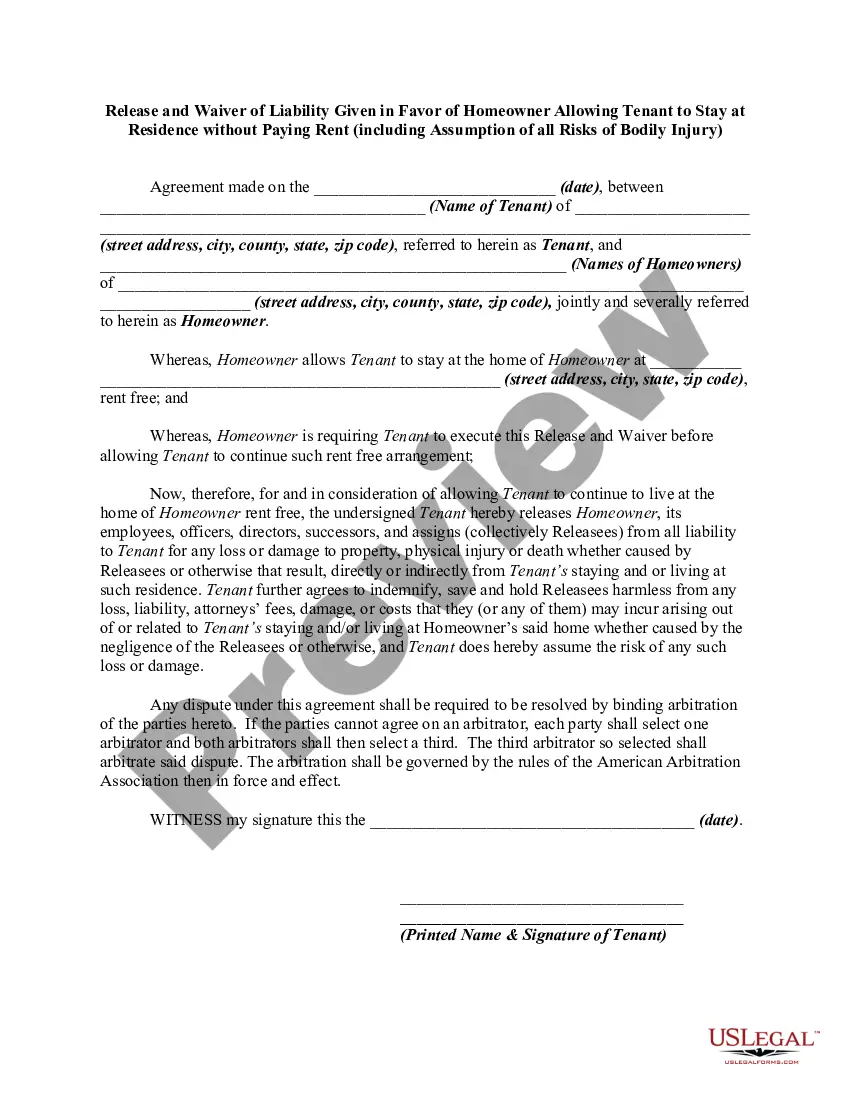
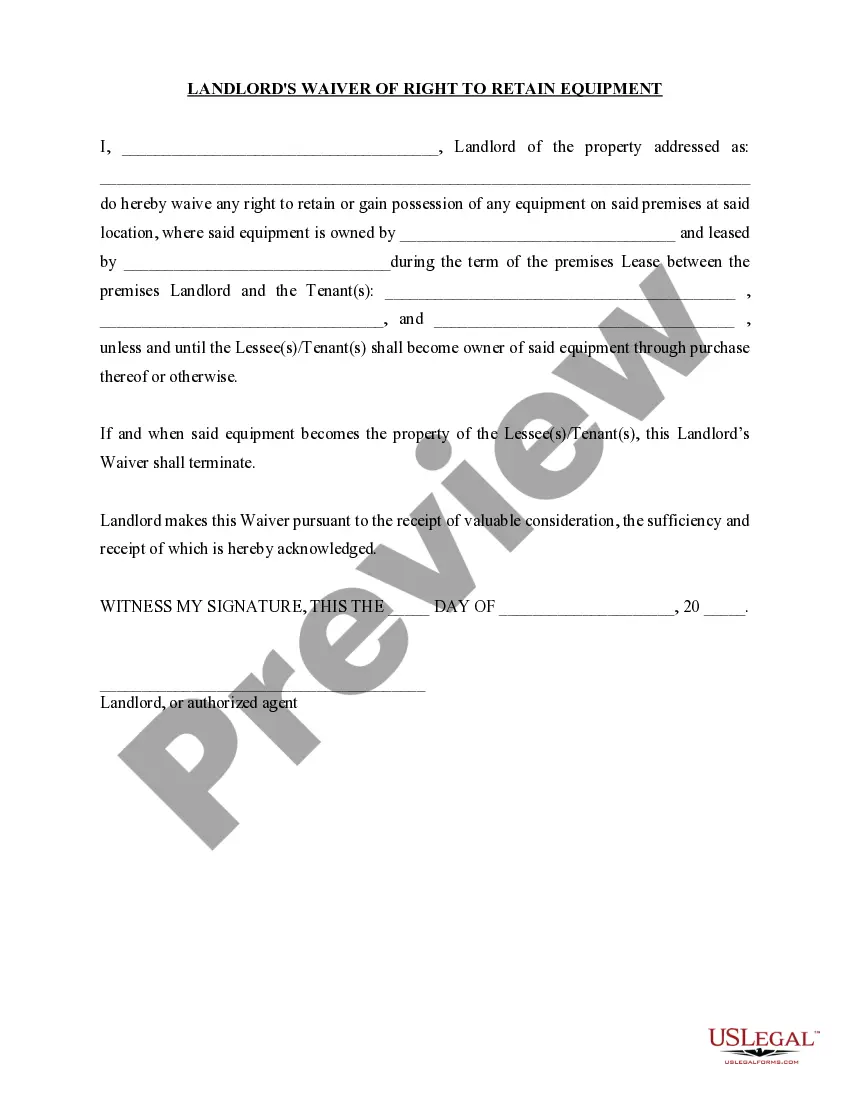
Get your form ready online
Our built-in tools help you complete, sign, share, and store your documents in one place.
Make edits, fill in missing information, and update formatting in US Legal Forms—just like you would in MS Word.
Download a copy, print it, send it by email, or mail it via USPS—whatever works best for your next step.
Sign and collect signatures with our SignNow integration. Send to multiple recipients, set reminders, and more. Go Premium to unlock E-Sign.
If this form requires notarization, complete it online through a secure video call—no need to meet a notary in person or wait for an appointment.
We protect your documents and personal data by following strict security and privacy standards.

Make edits, fill in missing information, and update formatting in US Legal Forms—just like you would in MS Word.

Download a copy, print it, send it by email, or mail it via USPS—whatever works best for your next step.

Sign and collect signatures with our SignNow integration. Send to multiple recipients, set reminders, and more. Go Premium to unlock E-Sign.

If this form requires notarization, complete it online through a secure video call—no need to meet a notary in person or wait for an appointment.

We protect your documents and personal data by following strict security and privacy standards.
Looking for another form?









How to fill out Agreement Of Sub-Tenant And Waiver Of Liability In Favor Of Tenant?
- If you're a returning user, simply log in to your account, ensure your subscription is active, and download your desired form by clicking the Download button.
- For first-time users, start by reviewing the legal document preview and description. Ensure it matches your specific requirements and complies with your local jurisdiction.
- If you find discrepancies or need a different template, utilize the Search tab above to locate the appropriate document.
- Once you’ve confirmed it meets your needs, click the Buy Now button to select your preferred subscription plan, followed by creating an account to access their extensive form library.
- Proceed to checkout by entering your payment information via credit card or PayPal to finalize your subscription.
- Finally, download the form and save it to your device, allowing you easy access for completion at any time from the My Forms section of your profile.
Once you have downloaded your 'Agreement sub tenant with the owner,' you can tailor it to fit your specific situation. US Legal Forms not only equips you with the necessary documents but also connects you to legal experts for further assistance if needed.
Take control of your rental agreements today with US Legal Forms. Start your journey towards legally sound documentation now!
Form popularity
FAQ
Yes, you typically must inform your landlord if you plan to sublet your apartment. Keeping them in the loop is crucial to maintaining a good relationship and adhering to the lease requirements. An agreement sub tenant with the owner makes the process smoother and helps prevent any misunderstandings or legal issues. Transparency builds trust and can facilitate your subletting experience.
Subleasing and subletting are often used interchangeably, but they can have subtle differences. Subleasing generally refers to an agreement sub tenant with the owner, where the original tenant remains responsible for the lease. Subletting can imply transferring the lease entirely to another party. Always confirm definitions with your landlord to avoid any confusion.
No, subleasing is not illegal in Ohio, provided your lease permits it. You must have a clear agreement sub tenant with the owner to ensure you're following all rules. Violating your lease terms can lead to legal consequences, so ensure that any arrangements are documented and approved. Speak to your landlord to facilitate this process.
Subleasing is not illegal in Ohio, but it is subject to the terms outlined in your lease. If your lease allows for an agreement sub tenant with the owner, then you're on the right track. However, without explicit permission from your landlord, you may face legal difficulties. Always review your lease and consider consulting with legal forms for clarity.
You generally cannot sublet without permission from your landlord. Most lease agreements require tenants to obtain consent before entering into an agreement sub tenant with the owner. Failing to do so can lead to eviction or other legal actions. Always check your lease terms to avoid complications.
Subletting can come with several downfalls, such as responsibilities toward the subtenant and potential disputes with the landlord. If the subtenant fails to meet lease obligations, the original tenant may remain held accountable. Additionally, a poorly managed sublease can strain relationships with landlords. It is advisable to use an Agreement sub tenant with the owner to ensure that all parties understand their rights and responsibilities.
Yes, a landlord can decline a sublease request if the terms do not align with their property policies or if they have concerns about the subtenant's qualifications. It is essential for tenants to understand these policies outlined in their original lease agreement. Clear communication between the tenant and landlord is vital in these situations, as it can lead to better understanding and potential alternatives. Utilizing a well-drafted Agreement sub tenant with the owner can help illustrate a tenant's commitment to following the rules.
An example of consent to a sublease involves the owner providing written approval to the tenant for a prospective subtenant. This agreement outlines the terms of the sublease, ensuring that both parties understand their responsibilities. It is crucial to document this consent to protect the interests of both the subtenant and the owner. Using a formal Agreement sub tenant with the owner can help clarify these terms effectively.
The rules around subletting vary by state and are often dictated by the original lease agreement. Typically, tenants must seek permission from their landlords to sublease. An agreement sub tenant with the owner should explicitly detail the duration, payment terms, and any other conditions relevant to the sublease. Understanding these rules is critical to ensure compliance and protect your rights as a tenant.
Creating a contract for subletting involves outlining the relationship between the subtenant and the original tenant. Begin with the basic terms, such as rent amount, duration of the lease, and maintenance responsibilities. Ensure that you include the necessary details that reflect the original lease agreement with the owner. Using tools available on platforms like uslegalforms can help you draft a comprehensive and legally sound subletting contract.