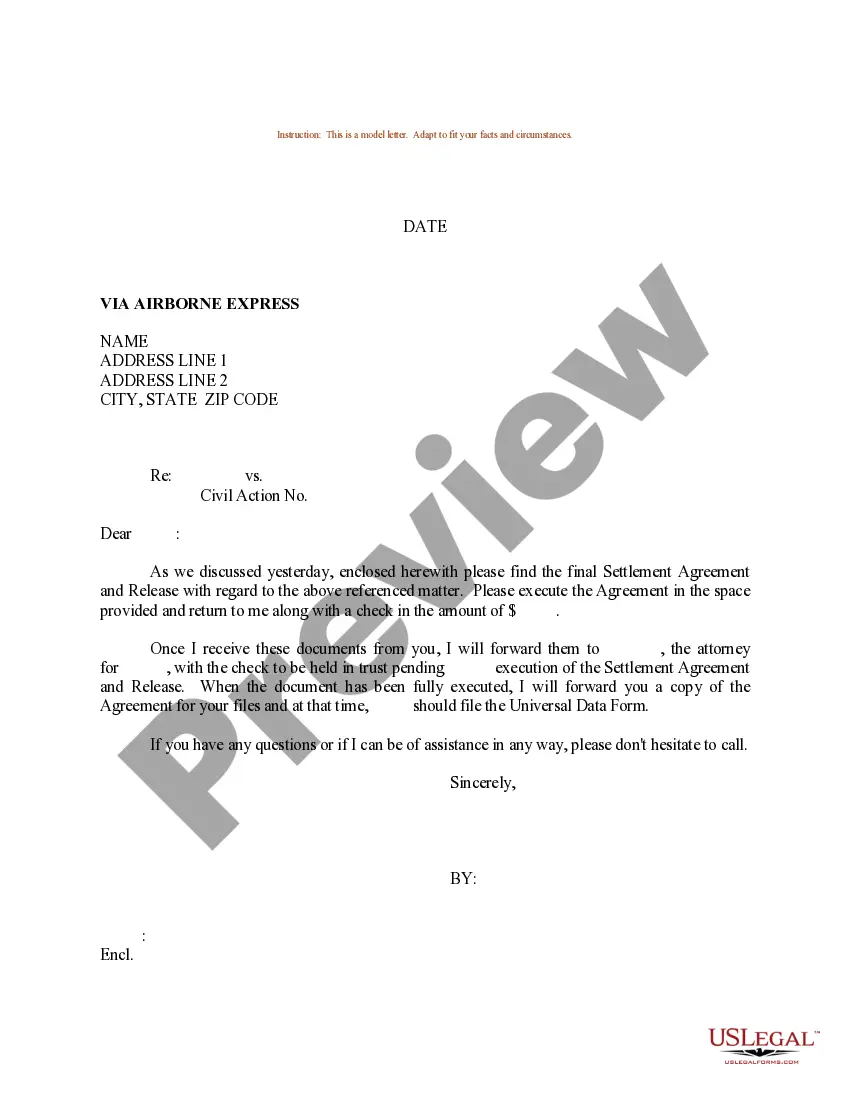
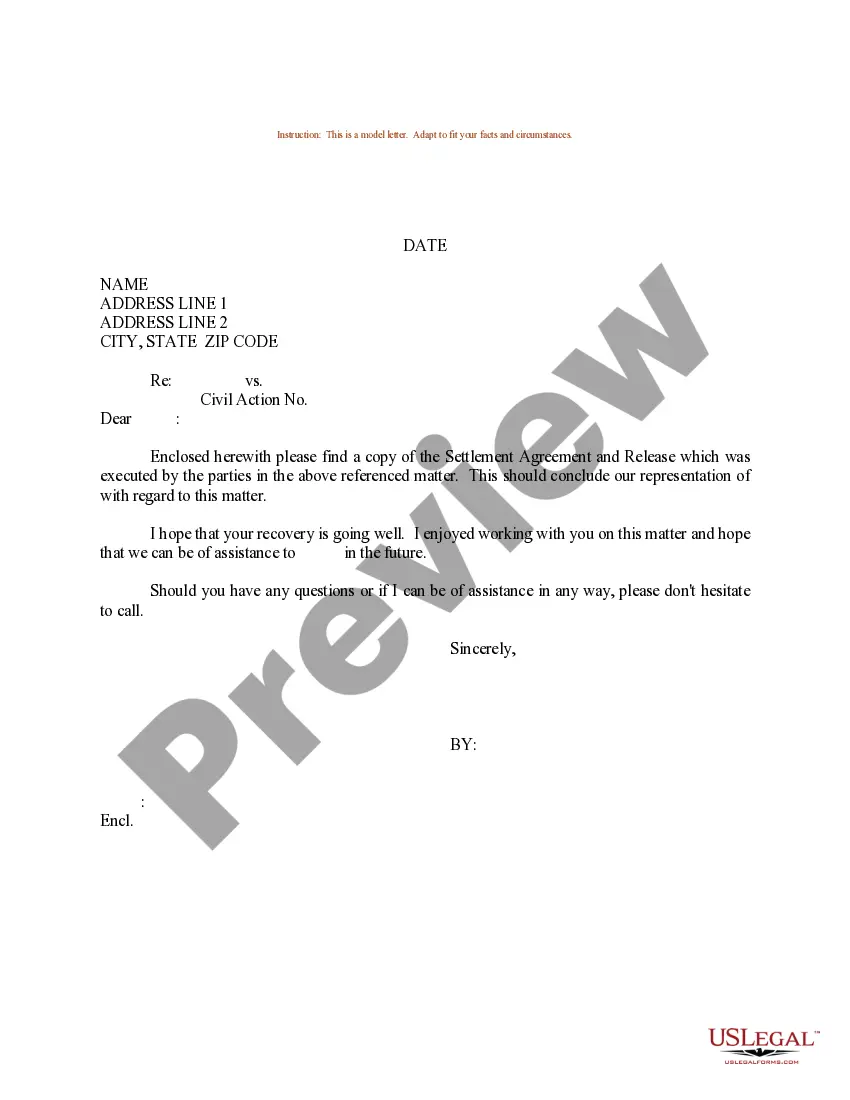
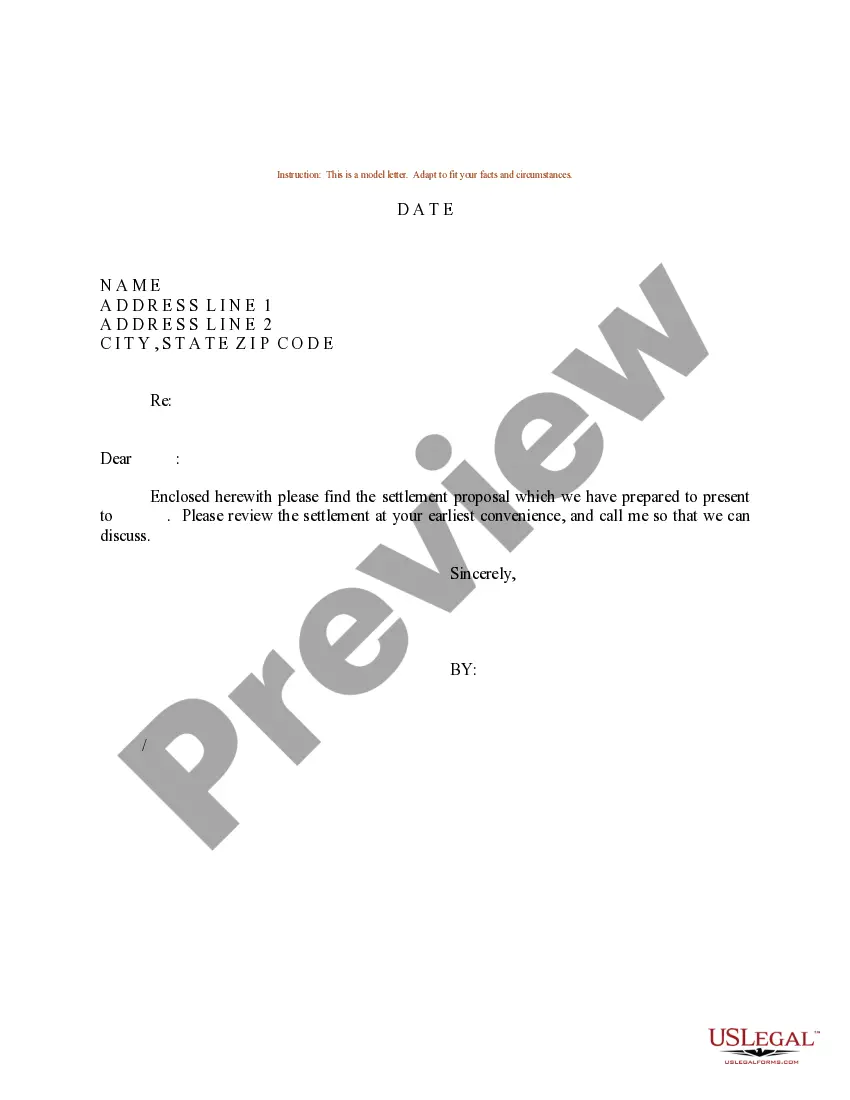
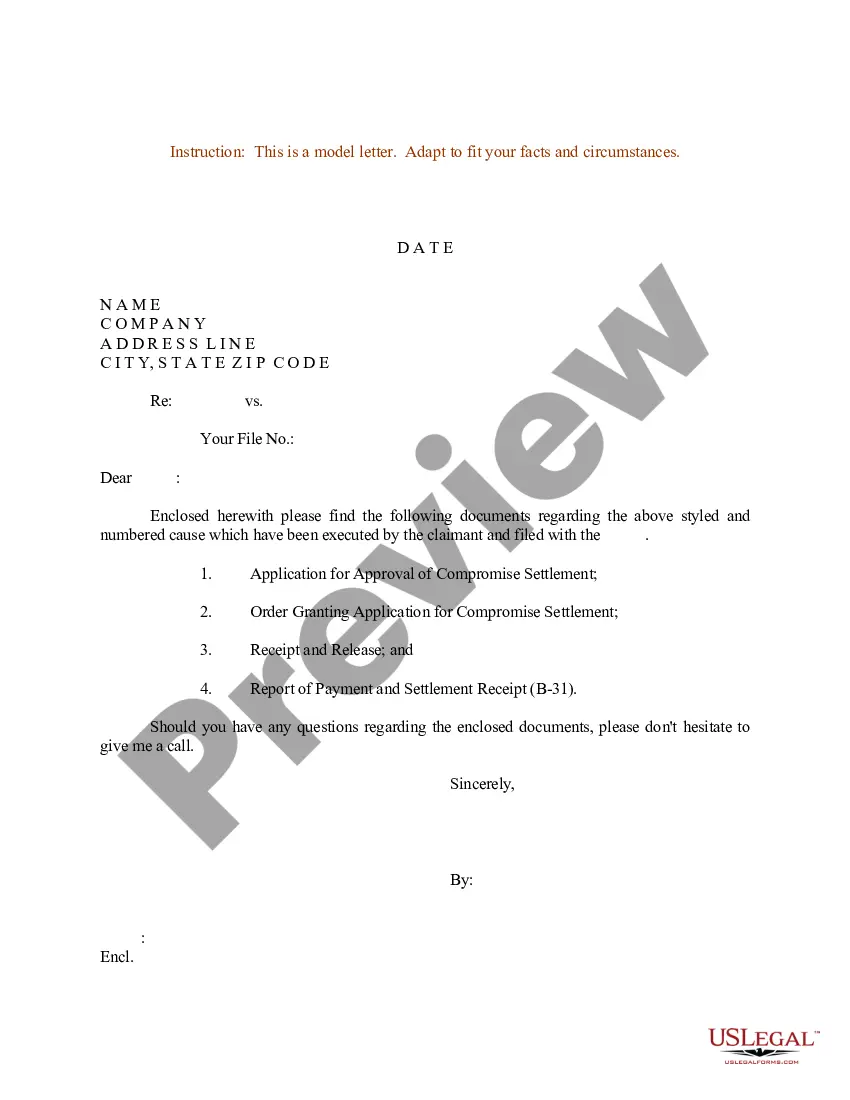
Letter Full And Final Settlement With Employee
Description
Get your form ready online
Our built-in tools help you complete, sign, share, and store your documents in one place.
Make edits, fill in missing information, and update formatting in US Legal Forms—just like you would in MS Word.
Download a copy, print it, send it by email, or mail it via USPS—whatever works best for your next step.
Sign and collect signatures with our SignNow integration. Send to multiple recipients, set reminders, and more. Go Premium to unlock E-Sign.
If this form requires notarization, complete it online through a secure video call—no need to meet a notary in person or wait for an appointment.
We protect your documents and personal data by following strict security and privacy standards.

Make edits, fill in missing information, and update formatting in US Legal Forms—just like you would in MS Word.

Download a copy, print it, send it by email, or mail it via USPS—whatever works best for your next step.

Sign and collect signatures with our SignNow integration. Send to multiple recipients, set reminders, and more. Go Premium to unlock E-Sign.

If this form requires notarization, complete it online through a secure video call—no need to meet a notary in person or wait for an appointment.

We protect your documents and personal data by following strict security and privacy standards.
Looking for another form?







Form popularity
FAQ
To write a full and final settlement letter to an employer, clearly state your intention to accept the final settlement. Include relevant details such as your last date of employment, the amount being settled, and any conditions attached to the settlement. Make sure to use a formal tone and mention that this Letter full and final settlement with employee serves as a release of any further claims. This clarity benefits both you and your employer.
To write a full and final settlement letter to an employee, include key details like the employee's name, designation, and the date of leaving. Make sure to outline the payment details and mention any deductions clearly. You can utilize platforms like USLegalForms to correctly format and structure your full and final settlement with employee to ensure all necessary elements are included.
To politely ask for a full and final settlement, initiate a conversation with your HR department or manager. Clearly express your request and inquire about the timelines and required documents. Maintaining professionalism and providing necessary information can facilitate a smoother process for your full and final settlement with employee.
A full and final settlement letter after resignation is a document that outlines the financial closure between you and your employer. It details any outstanding payments, deductions, and confirms the completion of your employment obligations. This letter is crucial for record-keeping and can help streamline future job applications, specifically noting your full and final settlement with employee.
The maximum time for a full and final settlement can vary based on company policy and local regulations. Typically, it should be completed within 30 to 45 days after your last working day. It is wise to understand your company's process and ensure you receive your full and final settlement with employee without undue delays.
A full and final settlement letter does not typically serve as a relieving letter. While it confirms the completion of financial and procedural aspects between you and the employer, it does not state your release from duties. However, you can request that your full and final settlement with employee includes a relieving letter to fulfill all necessary obligations.
A relieving letter and an experience letter serve different purposes. The relieving letter confirms your resignation and that you have been released from your duties, while the experience letter verifies your employment duration and roles. Both letters may be essential when you look for new opportunities, especially when you need documentation for a full and final settlement with employee.
Responding to HR about a full and final settlement requires clear and polite communication. Start by confirming your understanding of the terms, and state whether you agree to the conditions listed. Always reference the letter full and final settlement with employee and express appreciation for their assistance in the settlement process.
When writing an email for a full and final settlement, start by addressing the recipient respectfully. Clearly state your acceptance of the settlement terms, and include any necessary documentation as an attachment. Close the email by thanking them for their cooperation and mentioning the letter full and final settlement with employee as a key reference.
Acknowledging a full and final settlement involves formally accepting the terms presented in the settlement letter. You should sign the document and return it to your employer or HR. This step is essential to declare that you understand and agree to the terms outlined in the letter full and final settlement with employee.