Pago Deuda Withholding
Description
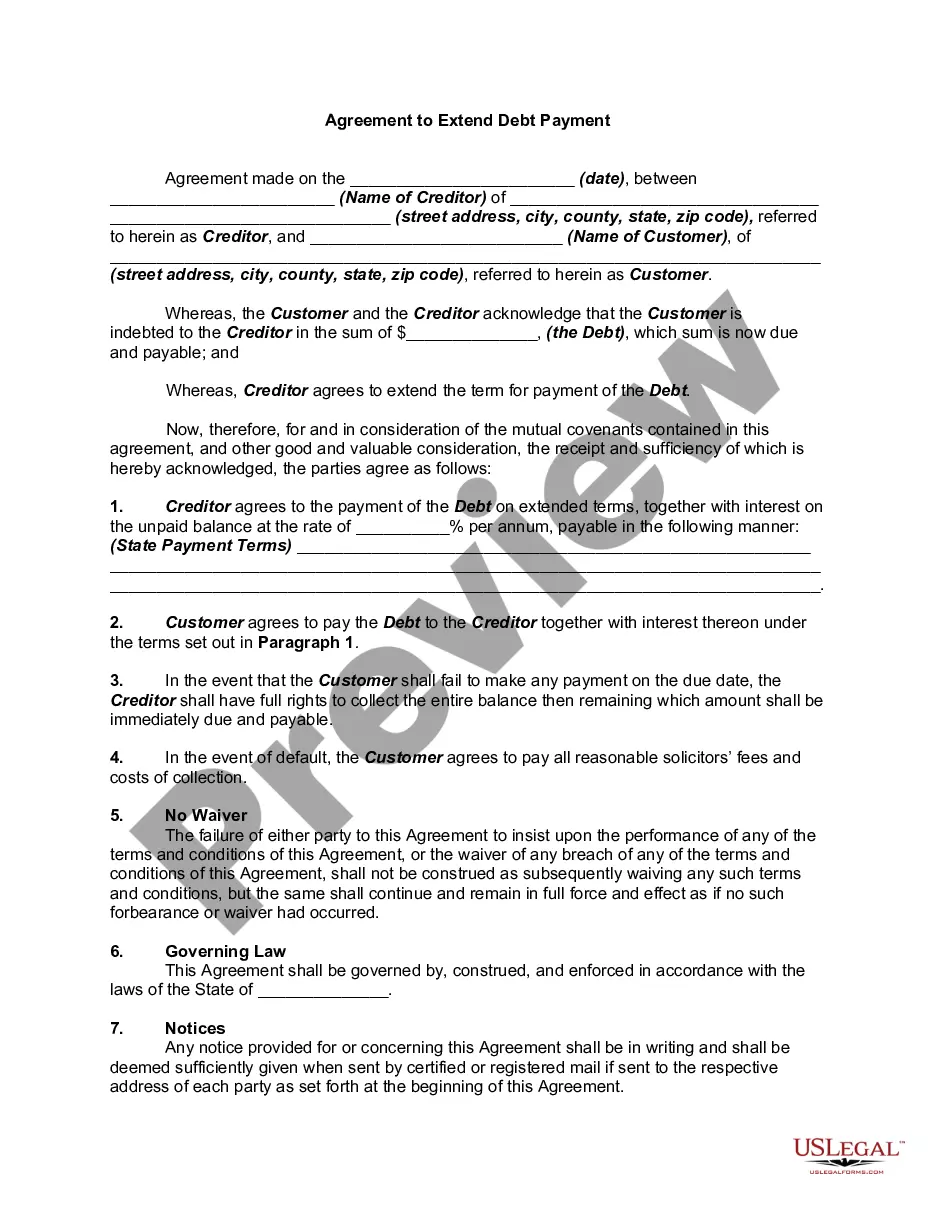
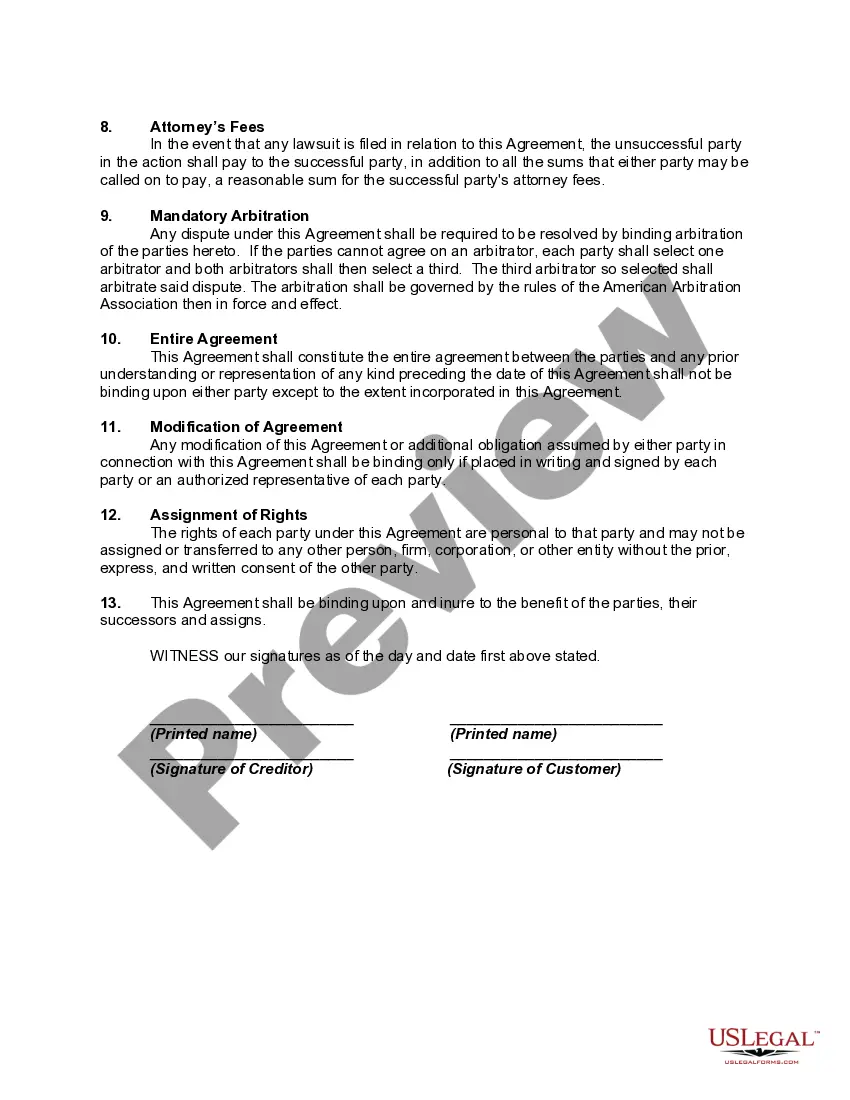
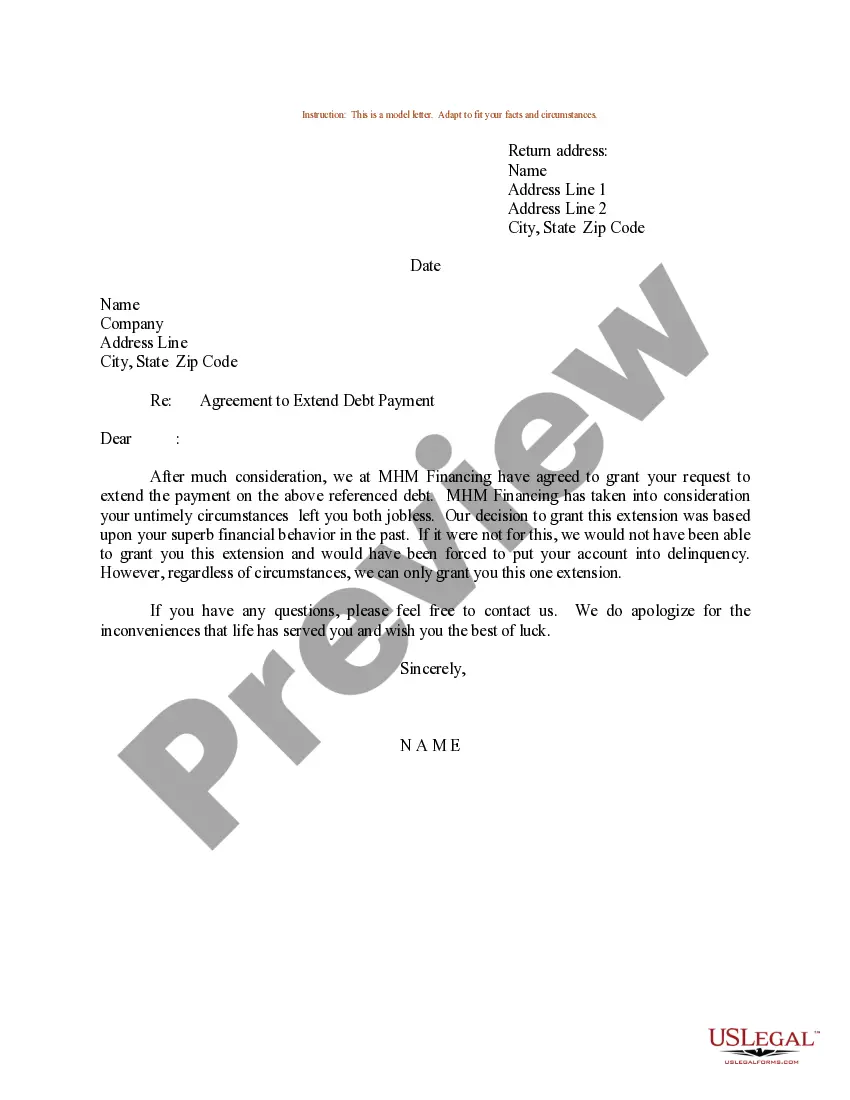
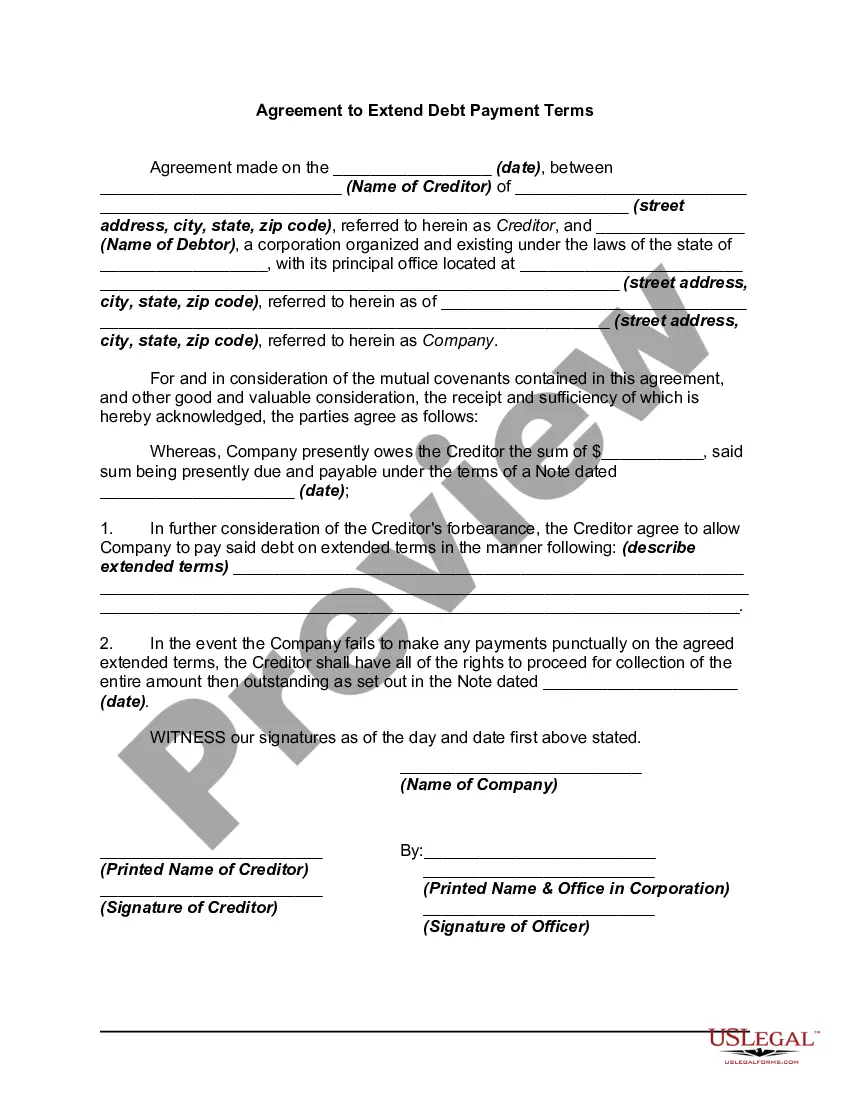


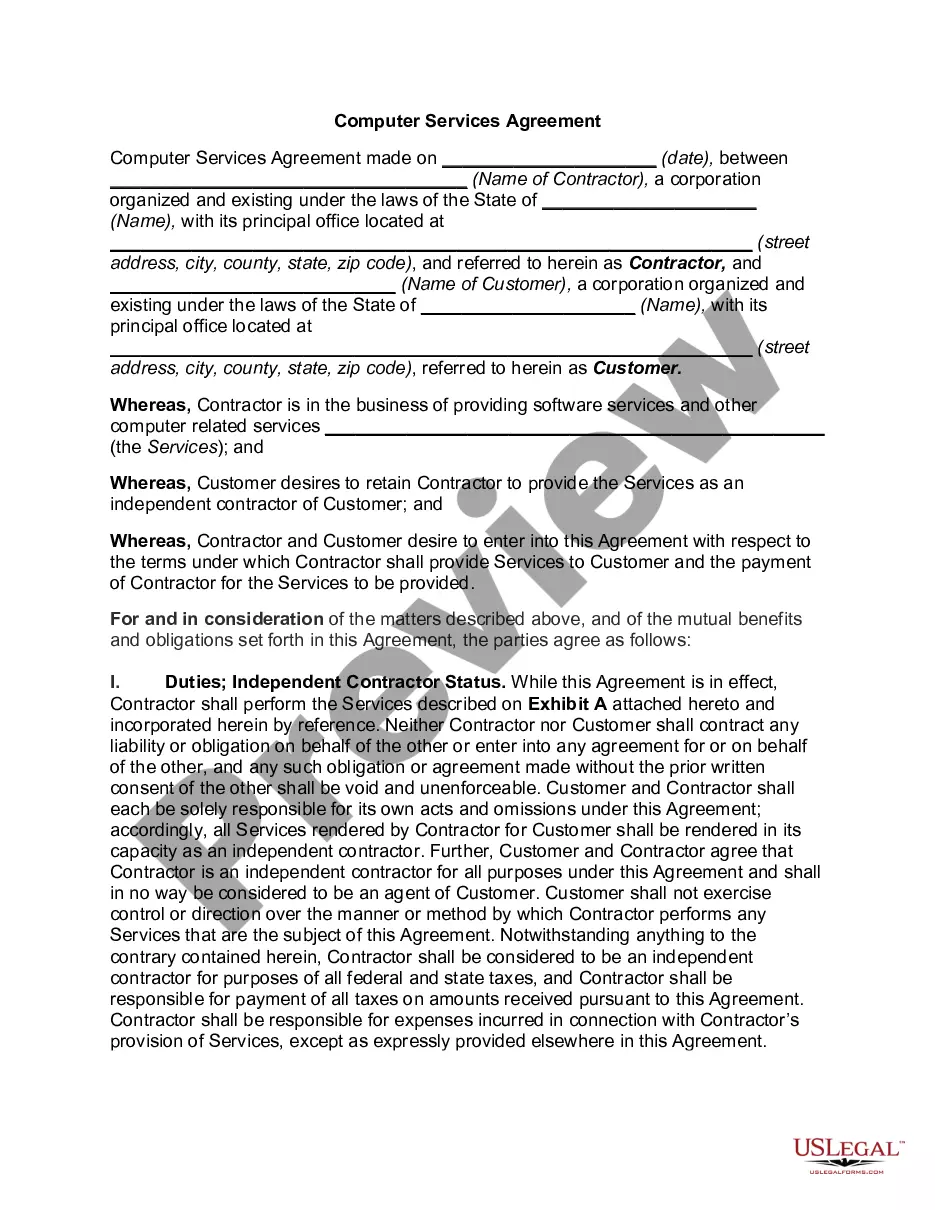
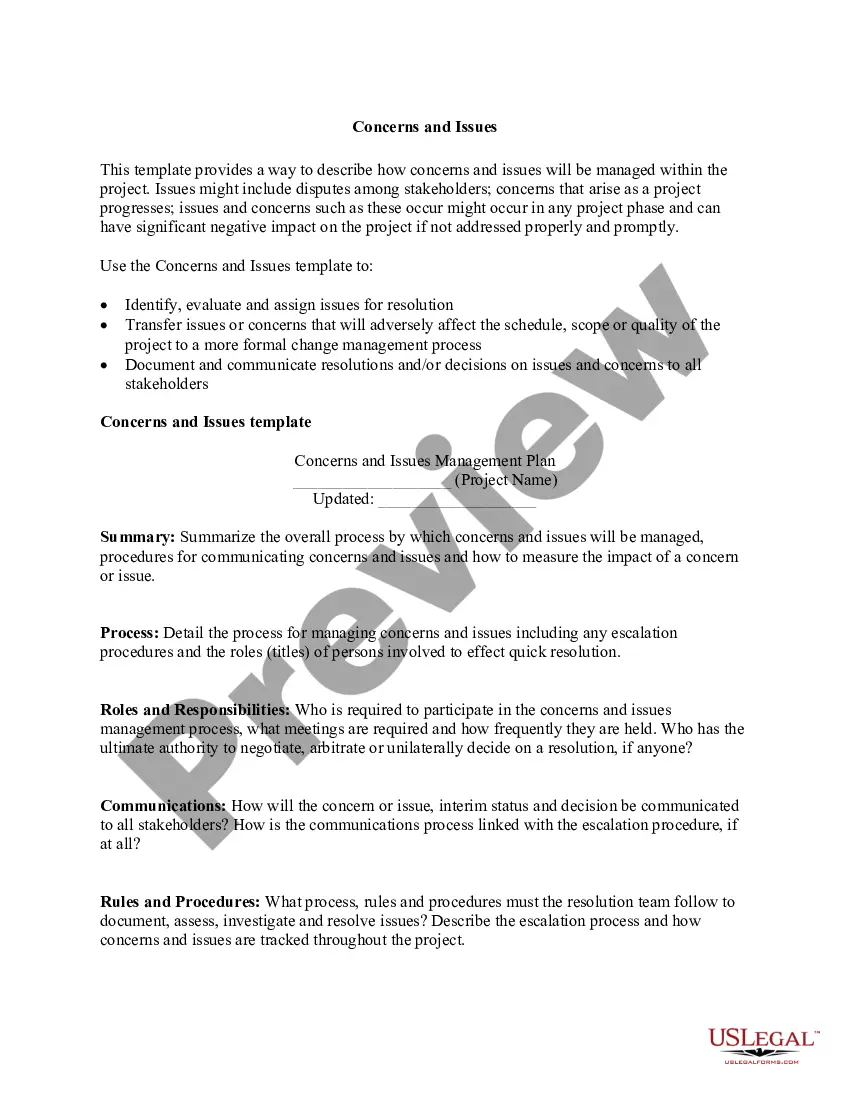


How to fill out Agreement To Extend Debt Payment?
The Pago Deuda Withholding visible on this site is a reusable legal document crafted by expert attorneys in accordance with federal and state legislation and guidelines.
For over 25 years, US Legal Forms has supplied individuals, organizations, and legal practitioners with more than 85,000 validated, state-specific templates for any business and personal event. It’s the quickest, easiest, and most reliable way to access the paperwork you require, as the service ensures bank-level data protection and anti-malware safeguards.
Register for US Legal Forms to have verified legal templates for all of life’s circumstances readily available.
- Search for the document you require and examine it.
- Review the file you searched and preview it or view the form description to confirm it meets your needs. If not, utilize the search feature to find the appropriate one. Click Buy Now once you have found the template you seek.
- Choose and Log In.
- Select the subscription plan that works for you and create an account. Use PayPal or a credit card for a swift payment. If you already possess an account, Log In and verify your subscription to continue.
- Obtain the editable template.
- Choose the format you desire for your Pago Deuda Withholding (PDF, Word, RTF) and store the sample on your device.
- Fill out and sign the documents.
- Print the template to complete it manually. Alternatively, employ an online multi-functional PDF editor to rapidly and accurately fill in and sign your form with a legally-binding electronic signature.
- Re-download your documents as needed.
- Use the same document again whenever required. Access the My documents tab in your profile to retrieve any previously downloaded forms.
Form popularity
FAQ
The two most common advance directives for health care are the living will and the durable power of attorney for health care.
Illinois has these advance directives: (1) health care power of attorney, (2) living will, and (3) mental health treatment preference declaration. If you make an advance directive, tell your doctor and other health care providers and provide them with a copy.
LIVING WILL DECLARATION FORM. Illinois recognizes ?the right of a person to make a written declaration instructing his or her physician to withhold or withdraw death delaying procedures in the event of a terminal condition.? See 755 ILCS 35/1.
Advance directives are legally binding, so doctors have to follow them. False. Advance directives are legally recognized documents and doctors must respect your known wishes, but doctors can always refuse to comply with your wishes if they have an objection of conscience or consider your wishes medically inappropriate.
Illinois law allows you to make four types of advance directives: a health care power of attorney; a living will; a mental health treatment preference declaration, and a Practitioner Orders For Life-Sustaining Treatment (POLST).
The most common types of advance directives are the living will and the durable power of attorney for health care (sometimes known as the medical power of attorney). There are many advance directive formats.
-In addition, patient's have a right to have advance directives, such as a living will and durable power of attorney for health care.
Illinois's Mental Health Treatment Preferences Declaration Act allows you to designate a patient advocate that will make mental health decisions for you if you are unable to do so. PADs documents must be signed by you, your advocate, and two witnesses in order for it to be legally recognized.