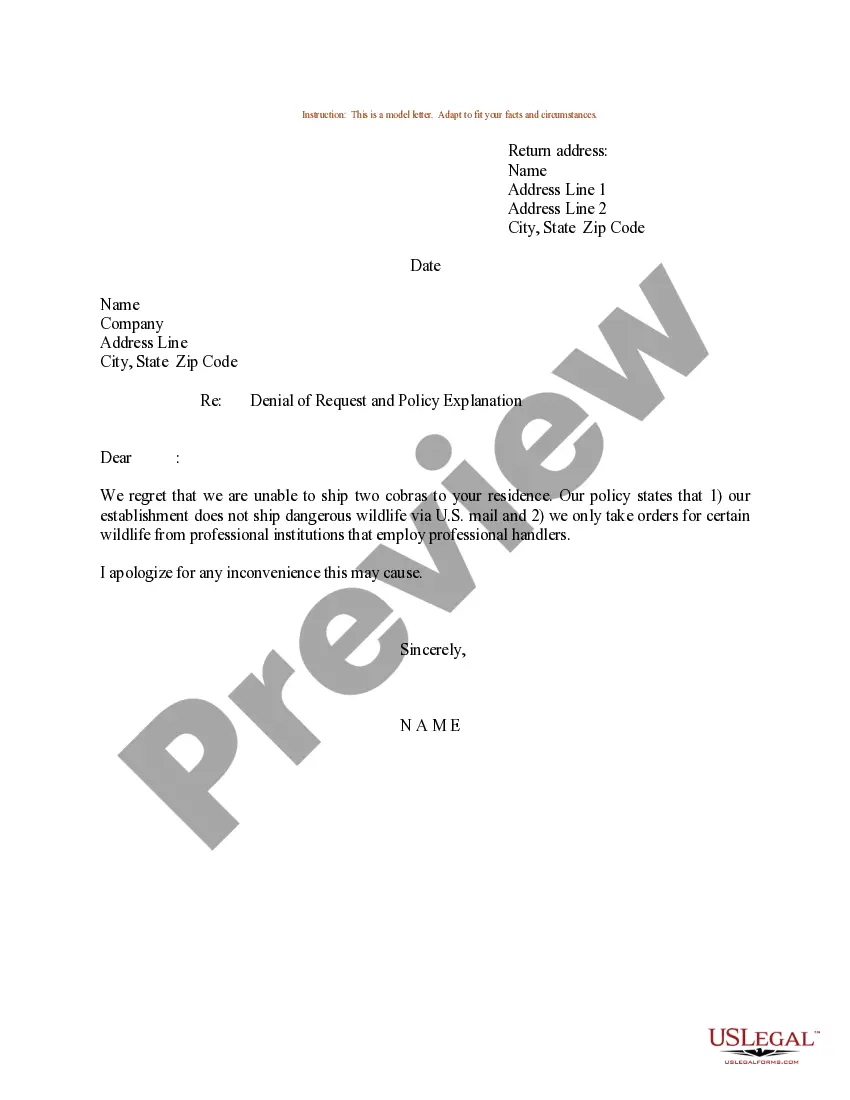
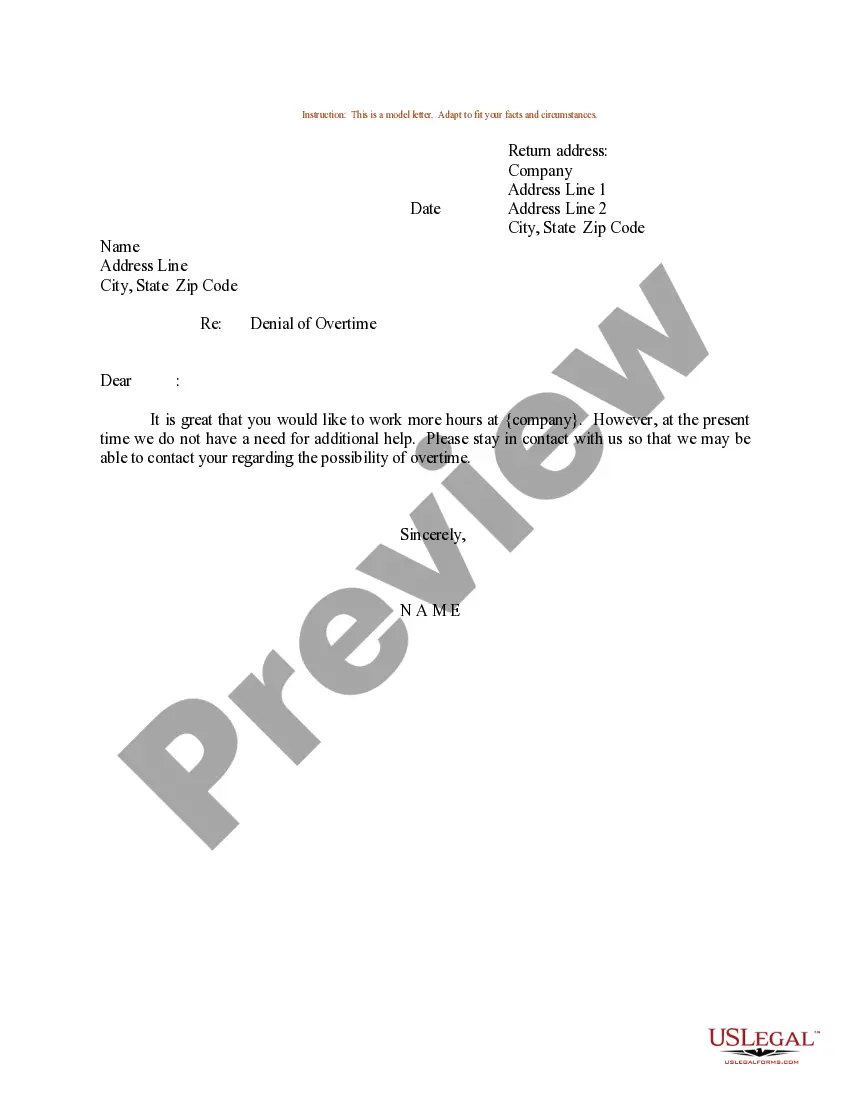
Letter Of Denial For Financial Assistance
Description
Get your form ready online
Our built-in tools help you complete, sign, share, and store your documents in one place.
Make edits, fill in missing information, and update formatting in US Legal Forms—just like you would in MS Word.
Download a copy, print it, send it by email, or mail it via USPS—whatever works best for your next step.
Sign and collect signatures with our SignNow integration. Send to multiple recipients, set reminders, and more. Go Premium to unlock E-Sign.
If this form requires notarization, complete it online through a secure video call—no need to meet a notary in person or wait for an appointment.
We protect your documents and personal data by following strict security and privacy standards.

Make edits, fill in missing information, and update formatting in US Legal Forms—just like you would in MS Word.

Download a copy, print it, send it by email, or mail it via USPS—whatever works best for your next step.

Sign and collect signatures with our SignNow integration. Send to multiple recipients, set reminders, and more. Go Premium to unlock E-Sign.

If this form requires notarization, complete it online through a secure video call—no need to meet a notary in person or wait for an appointment.

We protect your documents and personal data by following strict security and privacy standards.
Looking for another form?
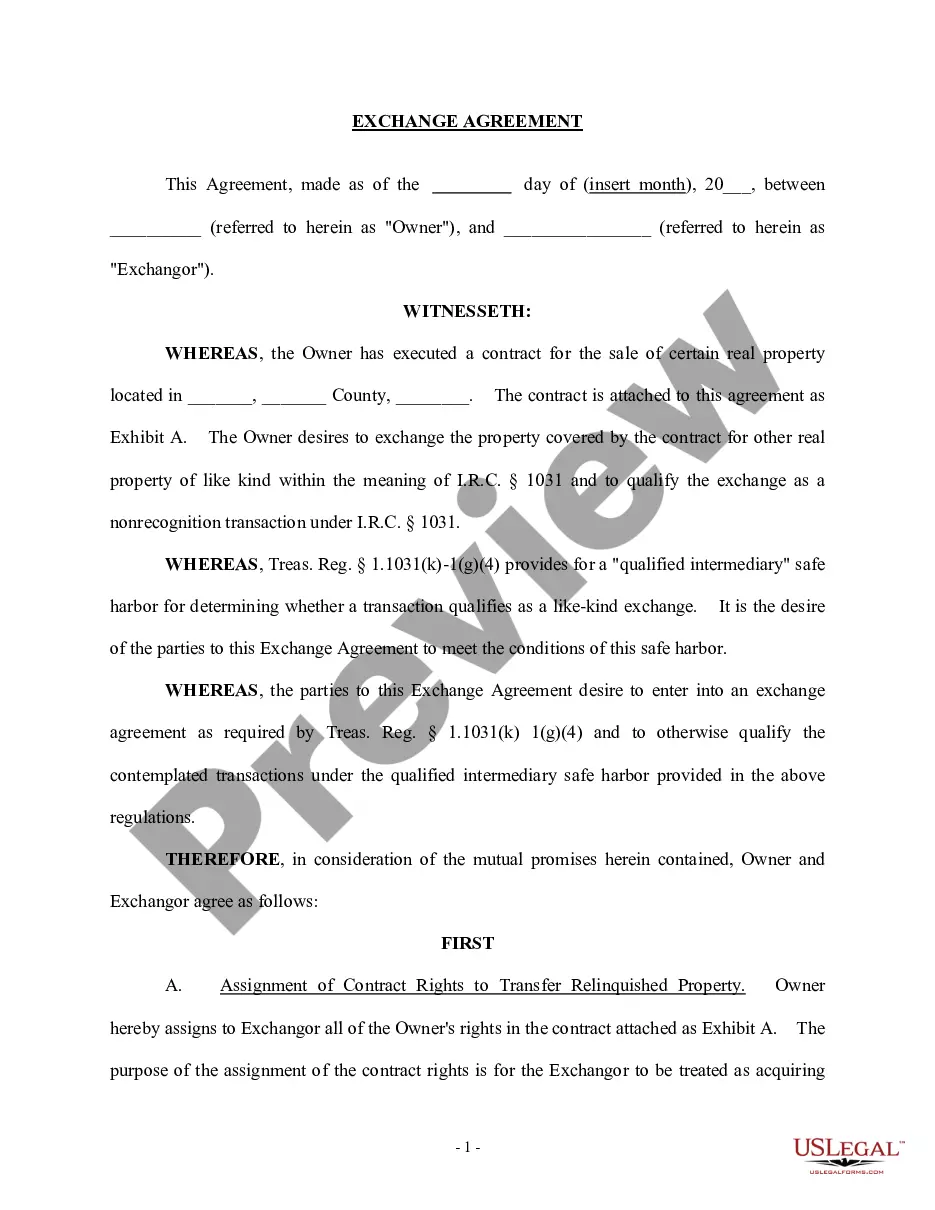
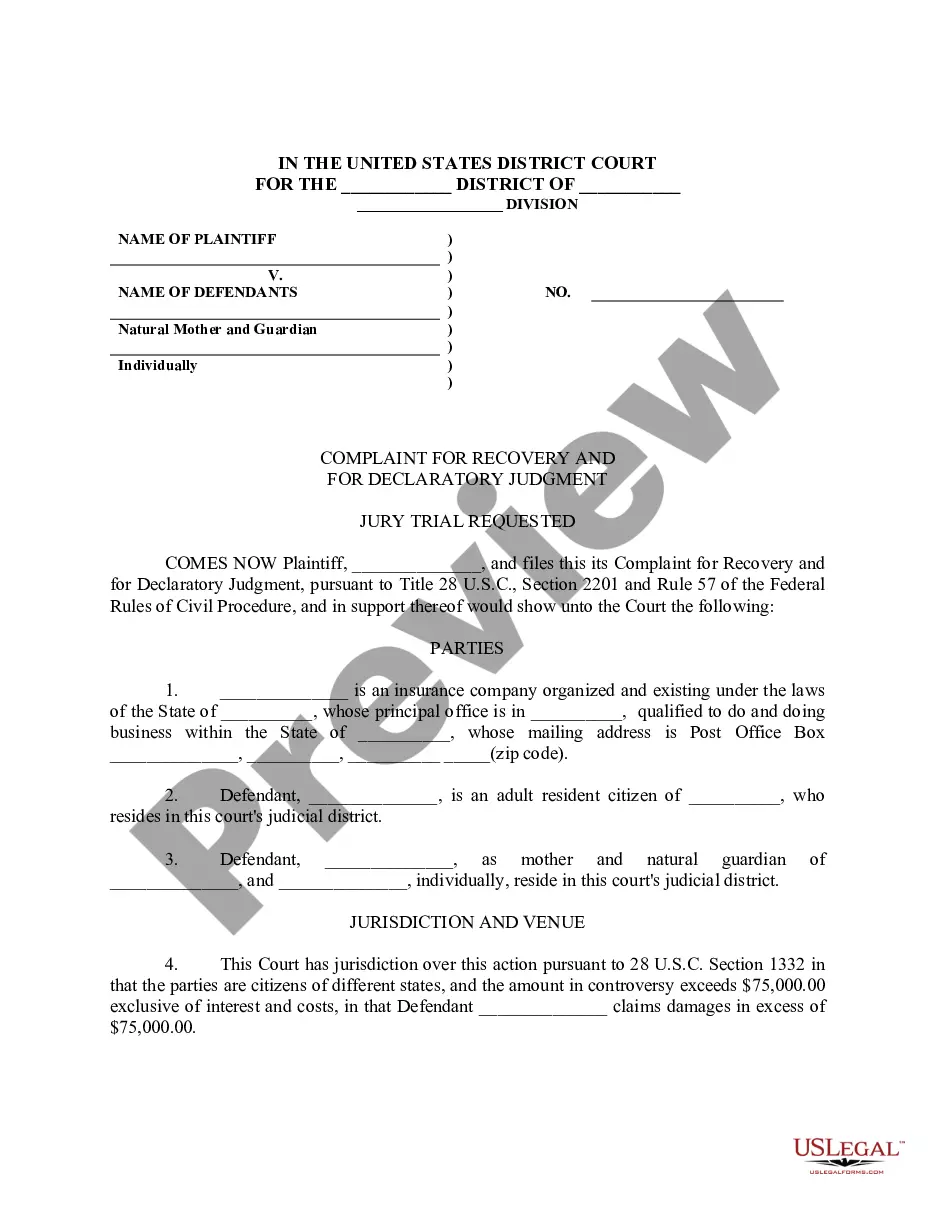

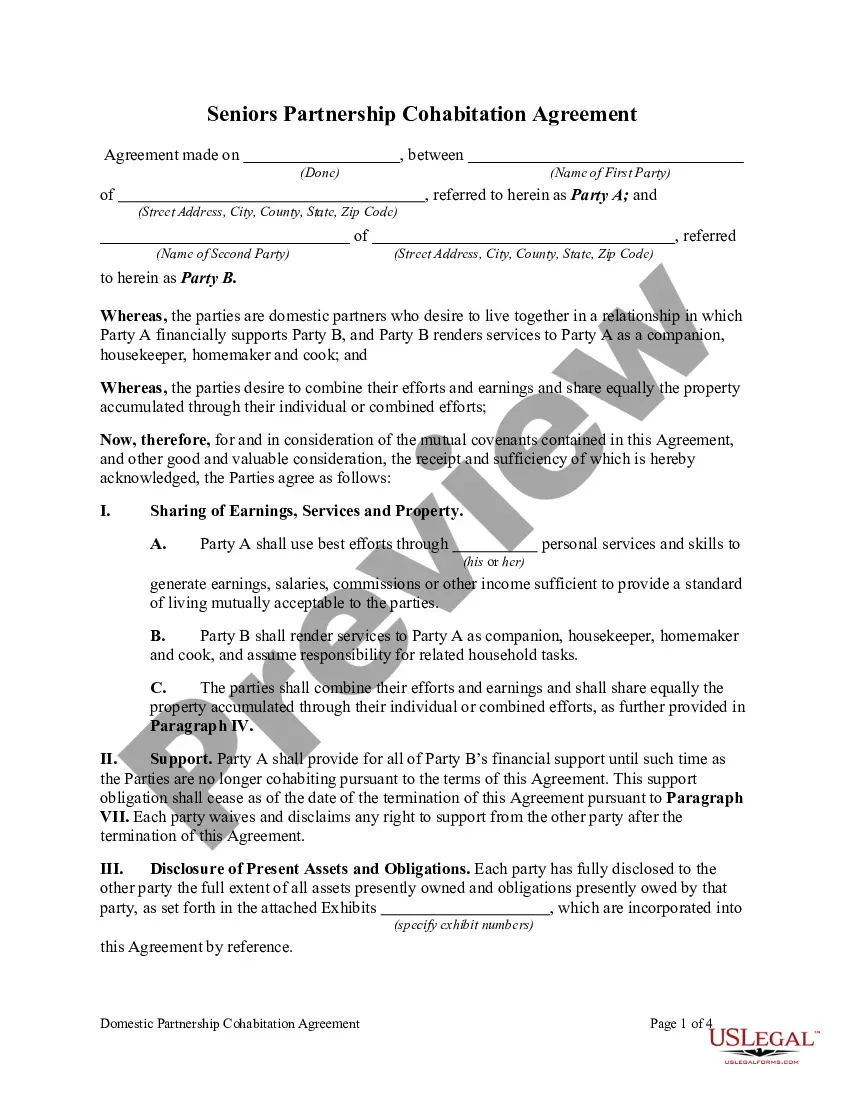
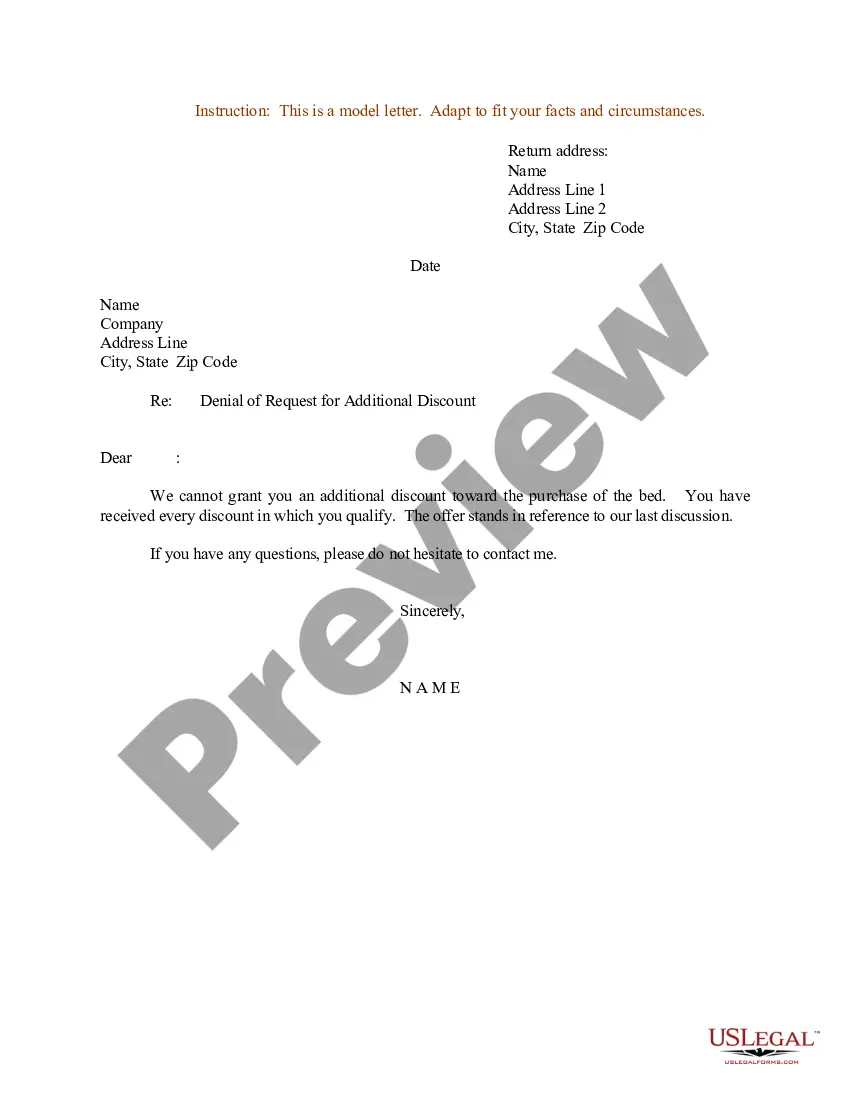
How to fill out Sample Letter For Denial Of Request And Policy Explanation?
Handling legal documents can be daunting, even for skilled professionals.
If you're seeking a Letter Of Denial For Financial Assistance and lack the time for an exhaustive search for the correct and current version, the process can become anxiety-inducing.
US Legal Forms caters to any requirements you may have, from personal to corporate paperwork, all in a single platform.
Utilize innovative features to fill out and manage your Letter Of Denial For Financial Assistance.
Here’s what you should do after obtaining the form you require: Verify it is the correct document by previewing it and reviewing its details.
- Access a valuable resource library filled with articles, guides, and materials pertinent to your situation and necessities.
- Conserve time and effort when searching for the necessary documents, employing US Legal Forms' sophisticated search and Preview tool to find and download your Letter Of Denial For Financial Assistance.
- If you are a member, Log In to your US Legal Forms account, locate the form, and download it.
- Check the My documents tab to view previously saved documents and organize your folders as preferred.
- If you're new to US Legal Forms, create an account for unlimited access to all platform perks.
- A robust online form directory could significantly enhance the management of these issues.
- US Legal Forms stands as a frontrunner in online legal forms, boasting over 85,000 state-specific legal templates available at any moment.
- With US Legal Forms, you gain access to tailored state or county-specific legal and business documents.
Form popularity
FAQ
When writing a letter requesting financial assistance, it is important to be clear and direct about your needs. Include your personal information, the reason for your request, and a reference to the denial you received, such as a letter of denial for financial assistance. Present your case logically, and express gratitude for any consideration you receive. This personalized approach can positively impact the outcome.
If you are a custodial parent, you cannot deny visitation rights to the non-custodial parent if there is a custody agreement or custody order in place. You must comply with the court order or agreement regardless of whether you want to do so or not.
Technically, ing to Utah Law, the ?desires of a child 14 years of age or older shall be given added weight but is not the single controlling factor.? Again, 14 and above, the court may consider the preference of children and what they have to say, but even that will be the exception and not the normal case.
There is established a mandatory domestic mediation program to help reduce the time and tensions associated with obtaining a divorce. If, after the filing of an answer to a complaint of divorce, there are any remaining contested issues, the parties shall participate in good faith in at least one session of mediation.
Can a Parent Legally Keep a Child from the Other Parent in Utah? Generally, the answer would be no so long as there is a custody order or agreement in place. If there is no custody order or if your child is under your control and custody, then you can keep the child from the other parent.
In Utah, the court will usually not consider a child's preference unless they are 14. However, the child's preferences are not the only factor the court finds. The judge may place more weight on the child's wishes if they are 16 or older.
The court will consider the child's wishes to the extent that the child is sufficiently mature to express reasoned and independent preferences as to the parenting time schedule. Usually the court will not consider child's preference unless the child is at least 14 years old.
Mediation is required in most civil cases in district court if a "responsive pleading" ? such as an answer or counterclaim to a complaint or petition ? is filed. The judge can also refer parties to mediation to try to resolve specific issues in a case.
Please note mediators charge various fees ranging from $30.00-300.00 per hour. Fees are usually based on experience and background. Most mediation sessions typically run 3-4 hours but may be more or less depending on the issues involved. The fees are usually split among the parties unless ordered or arranged otherwise.