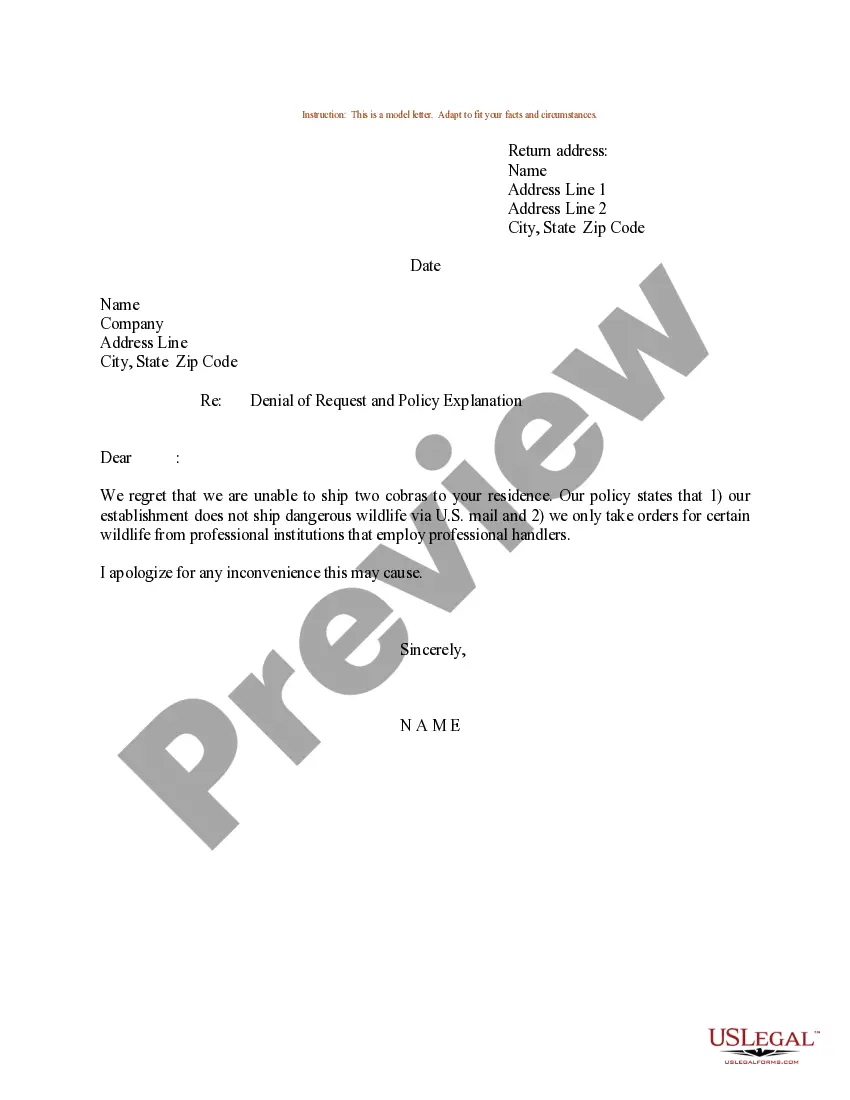
Denial Letter For Mortgage Loan
Description
Get your form ready online
Our built-in tools help you complete, sign, share, and store your documents in one place.
Make edits, fill in missing information, and update formatting in US Legal Forms—just like you would in MS Word.
Download a copy, print it, send it by email, or mail it via USPS—whatever works best for your next step.
Sign and collect signatures with our SignNow integration. Send to multiple recipients, set reminders, and more. Go Premium to unlock E-Sign.
If this form requires notarization, complete it online through a secure video call—no need to meet a notary in person or wait for an appointment.
We protect your documents and personal data by following strict security and privacy standards.
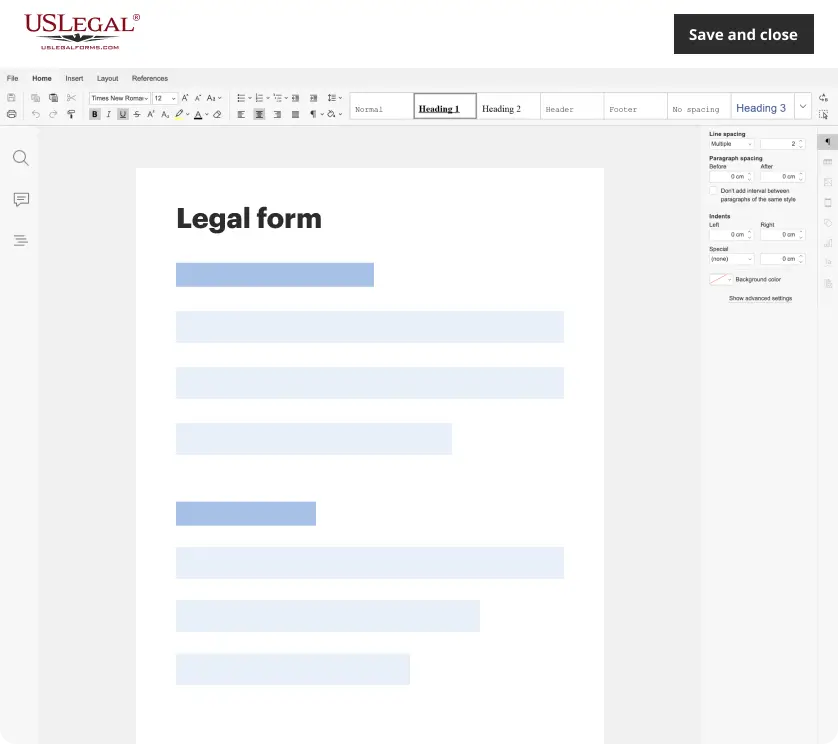
Make edits, fill in missing information, and update formatting in US Legal Forms—just like you would in MS Word.
Download a copy, print it, send it by email, or mail it via USPS—whatever works best for your next step.
Sign and collect signatures with our SignNow integration. Send to multiple recipients, set reminders, and more. Go Premium to unlock E-Sign.

If this form requires notarization, complete it online through a secure video call—no need to meet a notary in person or wait for an appointment.
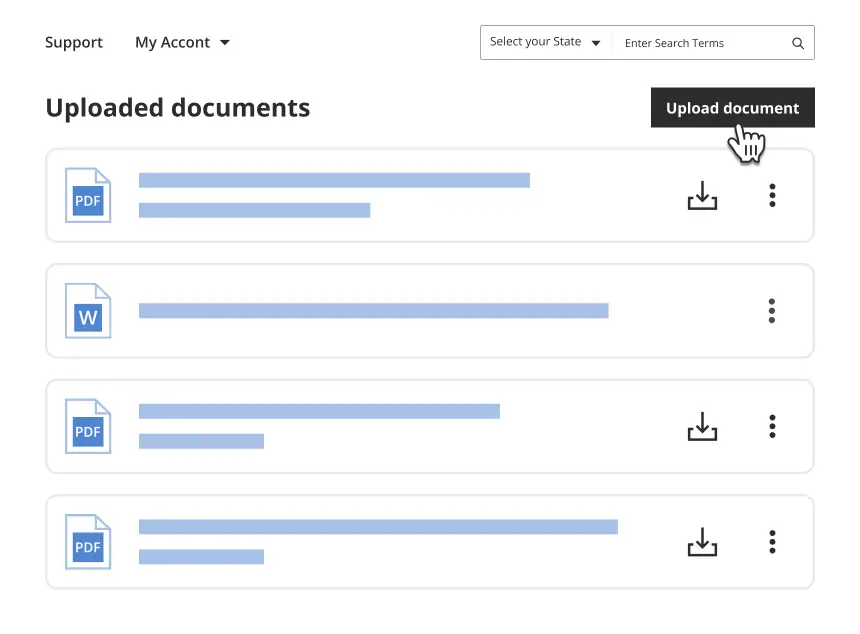
We protect your documents and personal data by following strict security and privacy standards.
Looking for another form?
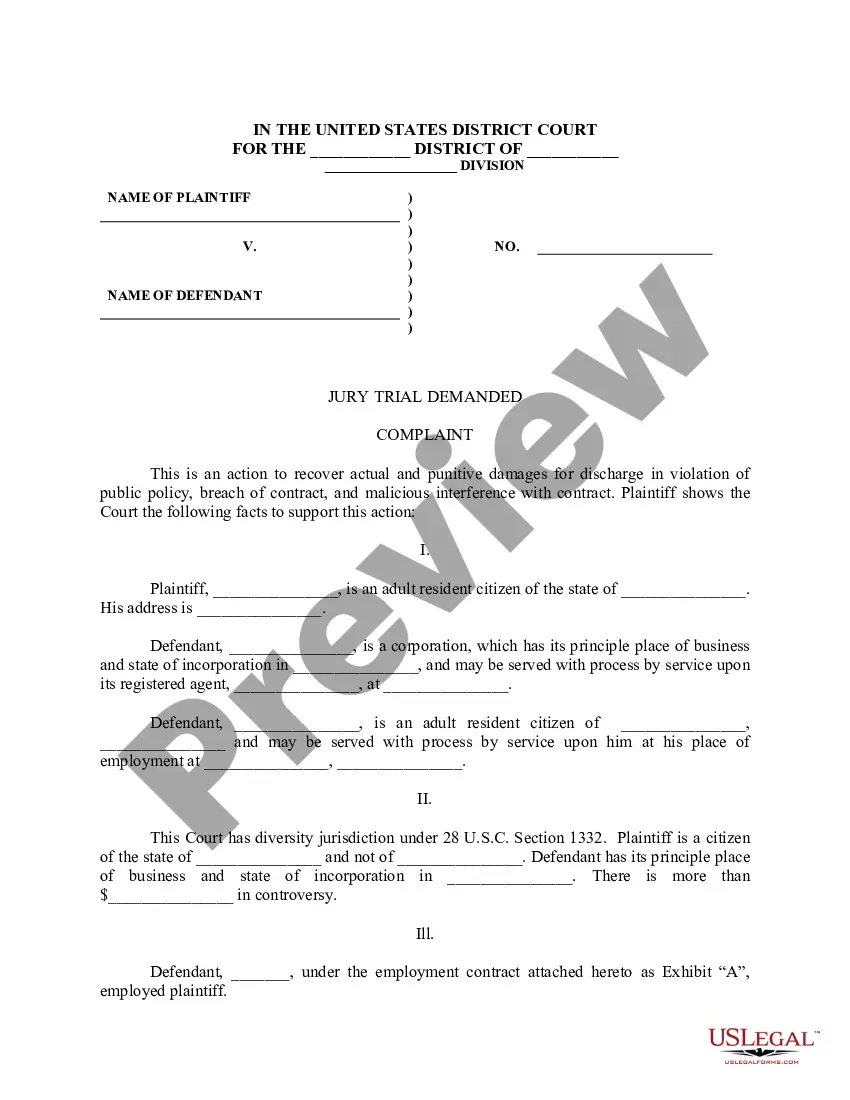
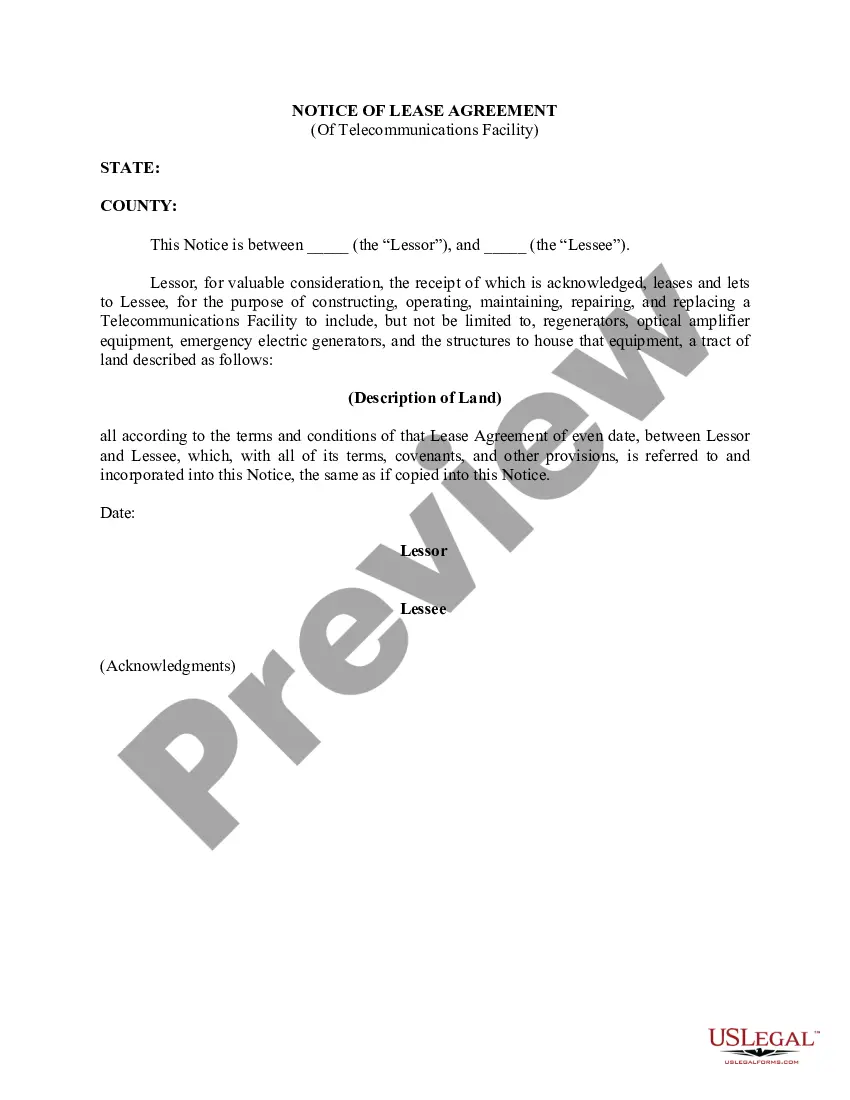
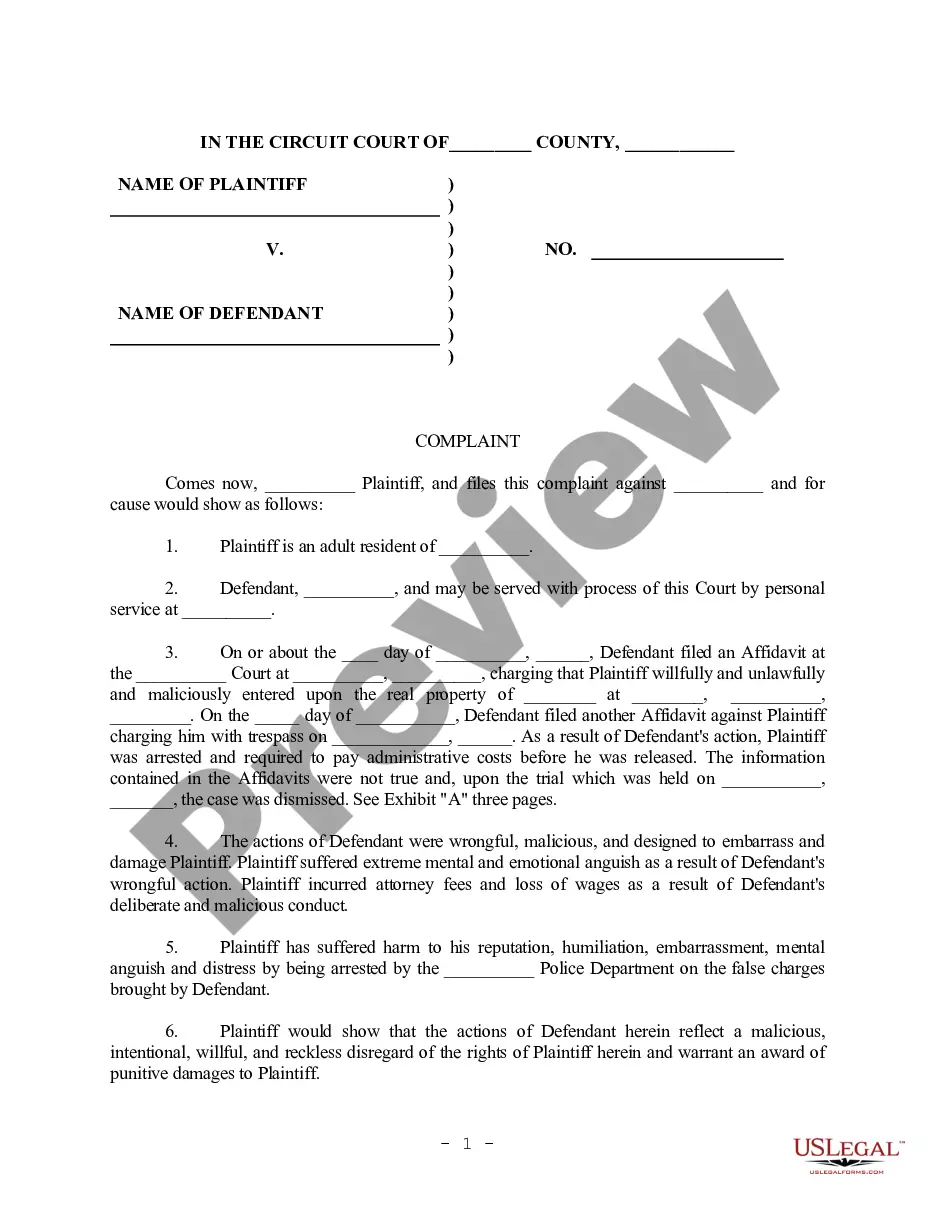
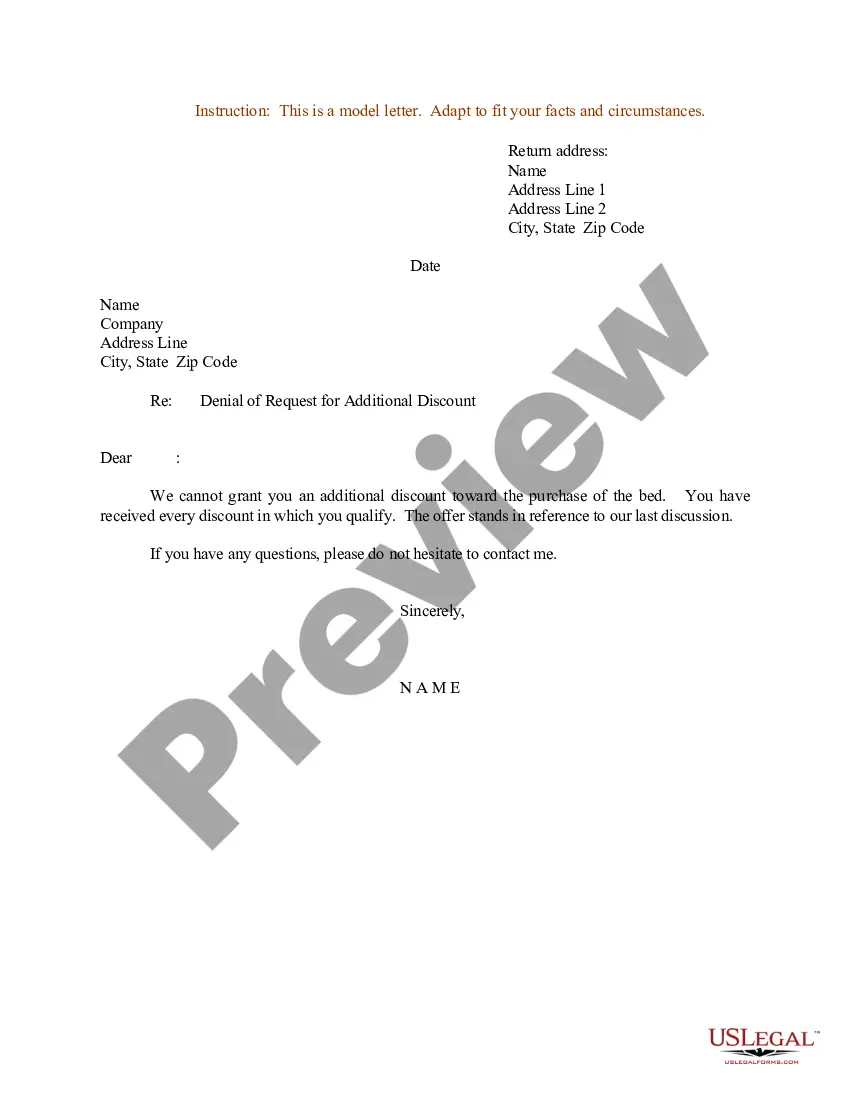
How to fill out Sample Letter For Denial Of Request And Policy Explanation?
Regardless of whether it is for commercial use or personal affairs, everyone must handle legal matters at some point in their lives.
Completing legal documents requires meticulous focus, starting from selecting the appropriate form template.
Once it is downloaded, you can fill out the form using editing software or print it out and complete it manually. With a vast US Legal Forms catalog available, you don't have to waste time searching for the right template online. Utilize the library's easy navigation to find the suitable template for any circumstance.
- Locate the template you need by using the search bar or browsing the catalog.
- Review the description of the form to ensure it aligns with your needs, state, and region.
- Click on the form's preview to view it.
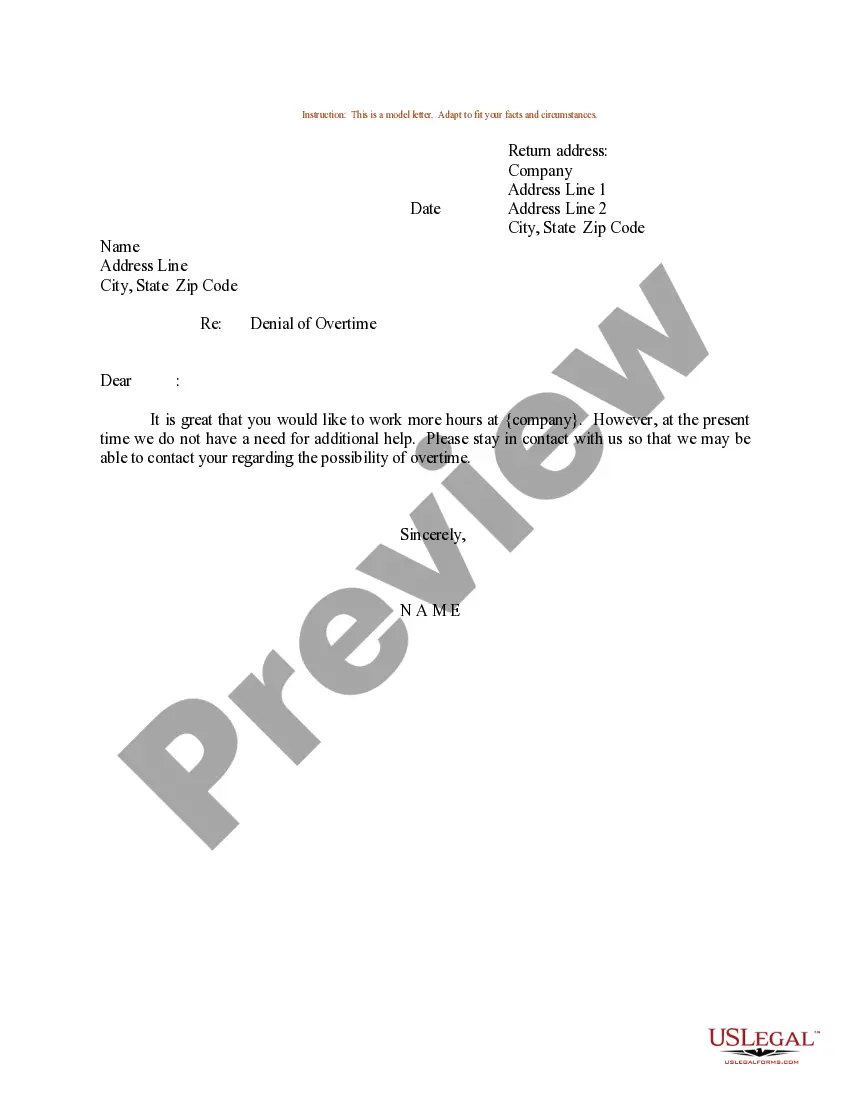
- If it is not the correct document, return to the search function to find the Denial Letter For Mortgage Loan sample you need.
- Obtain the template if it satisfies your requirements.
- If you have a US Legal Forms account, simply click Log in to access previously saved templates in My documents.
- If you do not possess an account yet, you may acquire the form by clicking Buy now.
- Select the appropriate pricing option.
- Complete the profile registration form.
- Choose your payment method: utilize a credit card or PayPal account.
- Select the desired file format and download the Denial Letter For Mortgage Loan.
Form popularity
FAQ
A creditor is generally required to notify an applicant of denial within 30 days after the application is submitted. This notice must include the reasons for the denial, which can aid you in addressing any concerns that may affect your creditworthiness. Understanding the timeline helps you manage your expectations and plan your next steps. If you need assistance drafting or understanding denial letters, consider using US Legal Forms for clarity.
Lenders typically have to send a denial letter for mortgage loans within 30 days of receiving your application. This timeline is essential because it ensures you are informed about the decision promptly. Receiving a denial letter allows you to understand the reasons behind the decision, and you can take steps to address any issues before reapplying. Utilizing resources like US Legal Forms can help you navigate the process efficiently.
A mortgage denial letter is a formal document issued by lenders when they decline a mortgage application. This letter typically includes the reasons for the denial, giving you insight into why your application was not approved. Understanding the content of this letter helps you pinpoint issues and take corrective action.
A warranty deed by definition is a deed which conveys the title to property whereby the seller guarantees the title to be good and unencumbered except as stated and agrees to defend and protect the purchaser against any loss that may arise in the future from any defect in the title at the time of conveyance.
Form PT-61 describes the parties to the deed, the transferred property, and the transfer tax owed (or exemption). Form PT-61 must be completed online using the webpage provided by the Georgia Superior Court Clerks' Cooperative Authority (GSCCCA).
Here are the steps to completing a deed transfer in Georgia: Names the Current Owner and New Owner. Contains a Description of the Property. Signed by Current Owner. Two Witnesses: Unofficial Witness & Notary Public. Complete a PT-61, Transfer Tax Form. Record Deed in County Real Estate Records.
EFiling Information. PT-61 eFiling It is an excise tax on transactions involving the sale of real property where title to the property is transferred from the seller to the buyer.
Although Georgia is a Title Theory state, mortgage type instruments are not subject to transfer tax. These include: Deed to Secure Debt / Security Deed. Georgia law contains many exemptions to the State Transfer Tax, including transactions involving the following: Agent to Principal.
The real estate transfer tax is based upon the property's sale price at the rate of $1 for the first $1,000 or fractional part of $1,000 and at the rate of 10 cents for each additional $100 or fractional part of $100.
Warranty Deeds require a PT-61 and payment of transfer tax at the time of recording unless exempt; O.C.G.A. §48-6-1; §48-6-2. PT-61's are available online. Forms must be completed online, printed and submitted with deed at the time of recording.