Assignment On Order Of Reaction
Description
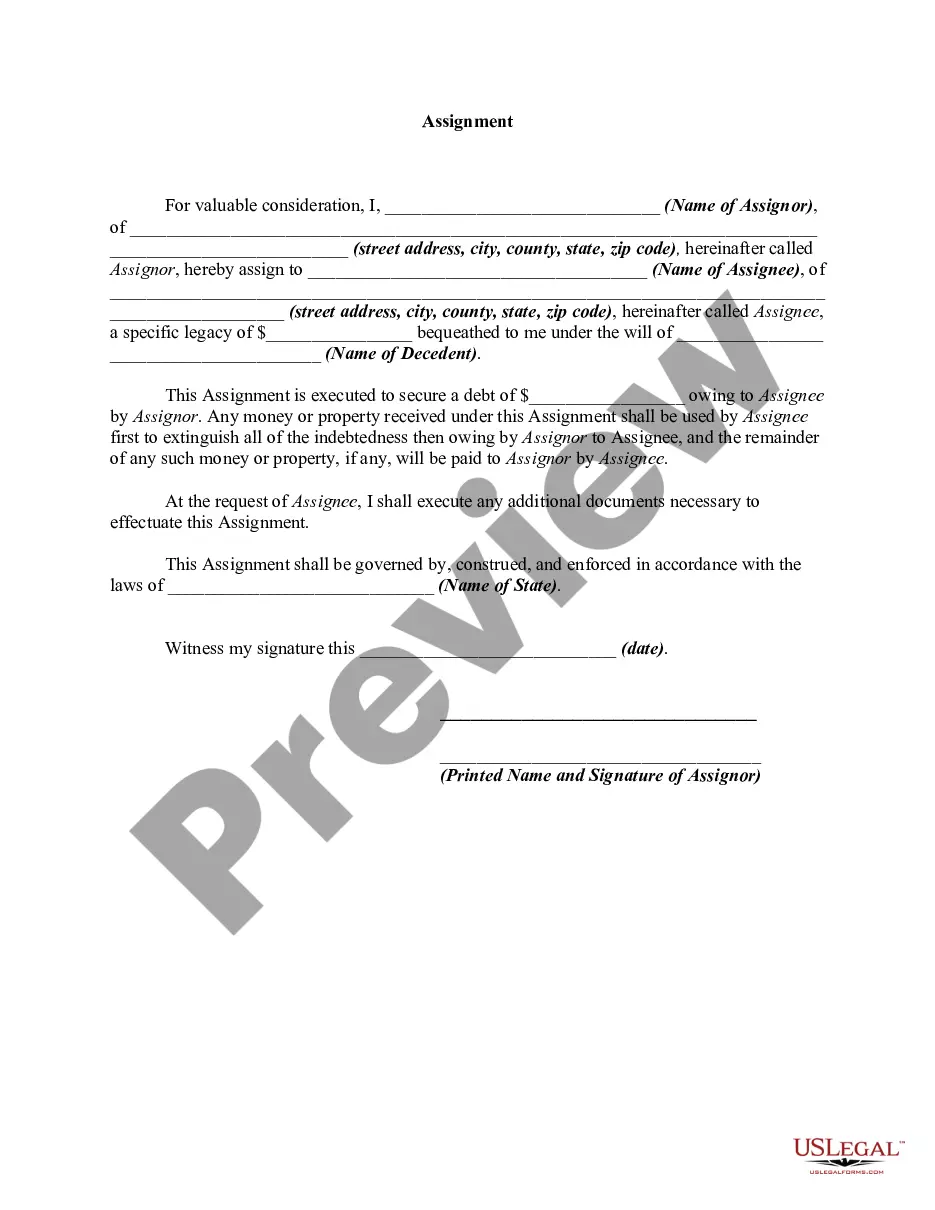
Get your form ready online
Our built-in tools help you complete, sign, share, and store your documents in one place.
Make edits, fill in missing information, and update formatting in US Legal Forms—just like you would in MS Word.
Download a copy, print it, send it by email, or mail it via USPS—whatever works best for your next step.
Sign and collect signatures with our SignNow integration. Send to multiple recipients, set reminders, and more. Go Premium to unlock E-Sign.
If this form requires notarization, complete it online through a secure video call—no need to meet a notary in person or wait for an appointment.
We protect your documents and personal data by following strict security and privacy standards.

Make edits, fill in missing information, and update formatting in US Legal Forms—just like you would in MS Word.

Download a copy, print it, send it by email, or mail it via USPS—whatever works best for your next step.

Sign and collect signatures with our SignNow integration. Send to multiple recipients, set reminders, and more. Go Premium to unlock E-Sign.

If this form requires notarization, complete it online through a secure video call—no need to meet a notary in person or wait for an appointment.

We protect your documents and personal data by following strict security and privacy standards.
Looking for another form?

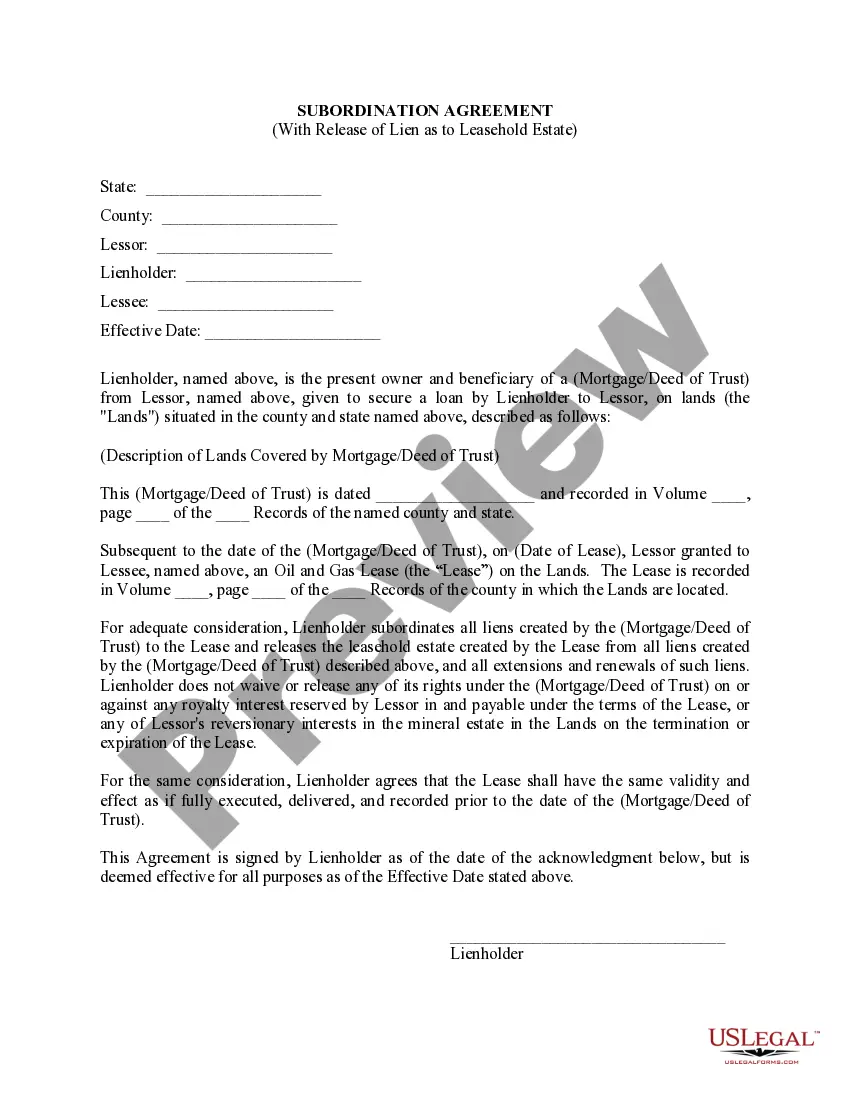




How to fill out Assignment Of Legacy In Order To Pay Indebtedness?
Creating legal documents from the ground up can occasionally feel a bit daunting.
Some situations may require extensive research and significant financial investment.
If you’re looking for a simpler and more cost-effective method of generating Assignment On Order Of Reaction or any other documents without unnecessary complications, US Legal Forms is always available to assist you.
Our online collection of over 85,000 current legal documents covers nearly all aspects of your financial, legal, and personal affairs.
However, before jumping straight to downloading Assignment On Order Of Reaction, keep these tips in mind: Review the document preview and descriptions to confirm that you have located the document you need. Verify that the form you select complies with the laws and regulations of your state and county. Choose the appropriate subscription plan to acquire the Assignment On Order Of Reaction. Download the form, then complete it, sign it, and print it out. US Legal Forms boasts an impeccable reputation and over 25 years of expertise. Join us today and make document completion a straightforward and efficient process!
- With just a few clicks, you can swiftly obtain state- and county-compliant templates carefully assembled for you by our legal experts.
- Utilize our platform whenever you require dependable and trustworthy services through which you can effortlessly find and download the Assignment On Order Of Reaction.
- If you’re already familiar with our website and have set up an account with us before, simply Log In to your account, select the form, and download it easily or re-download it anytime in the My documents section.
- If you don’t have an account, no worries. Registering takes just a few minutes and allows you to browse the catalog.
Form popularity
FAQ
The overall order of the reaction is the sum of the exponents to which the concentration terms in the rate law are raised. For example, consider the reaction aA+bB? products. The order of the reaction with respect to the reactants A and B is a and b respectively. The overall order of the reaction is a+b.
Application of Order of reaction If, order of reaction is known we can predict rate of reaction if concentration of reactant is changed. Also if order is known one can predict the mechanism of the reaction.
order reaction can be defined as a chemical reaction in which the reaction rate is linearly dependent on the concentration of only one reactant. In other words, a firstorder reaction is a chemical reaction in which the rate varies based on the changes in the concentration of only one of the reactants.
Definition. The Order of Reaction refers to the power dependence of the rate on the concentration of each reactant. Thus, for a first-order reaction, the rate is dependent on the concentration of a single species.
Reaction order represents the number of species whose concentration directly affects the rate of reaction. It can be obtained by adding all the exponents of the concentration terms in the rate expression.