Estate Order Pay For
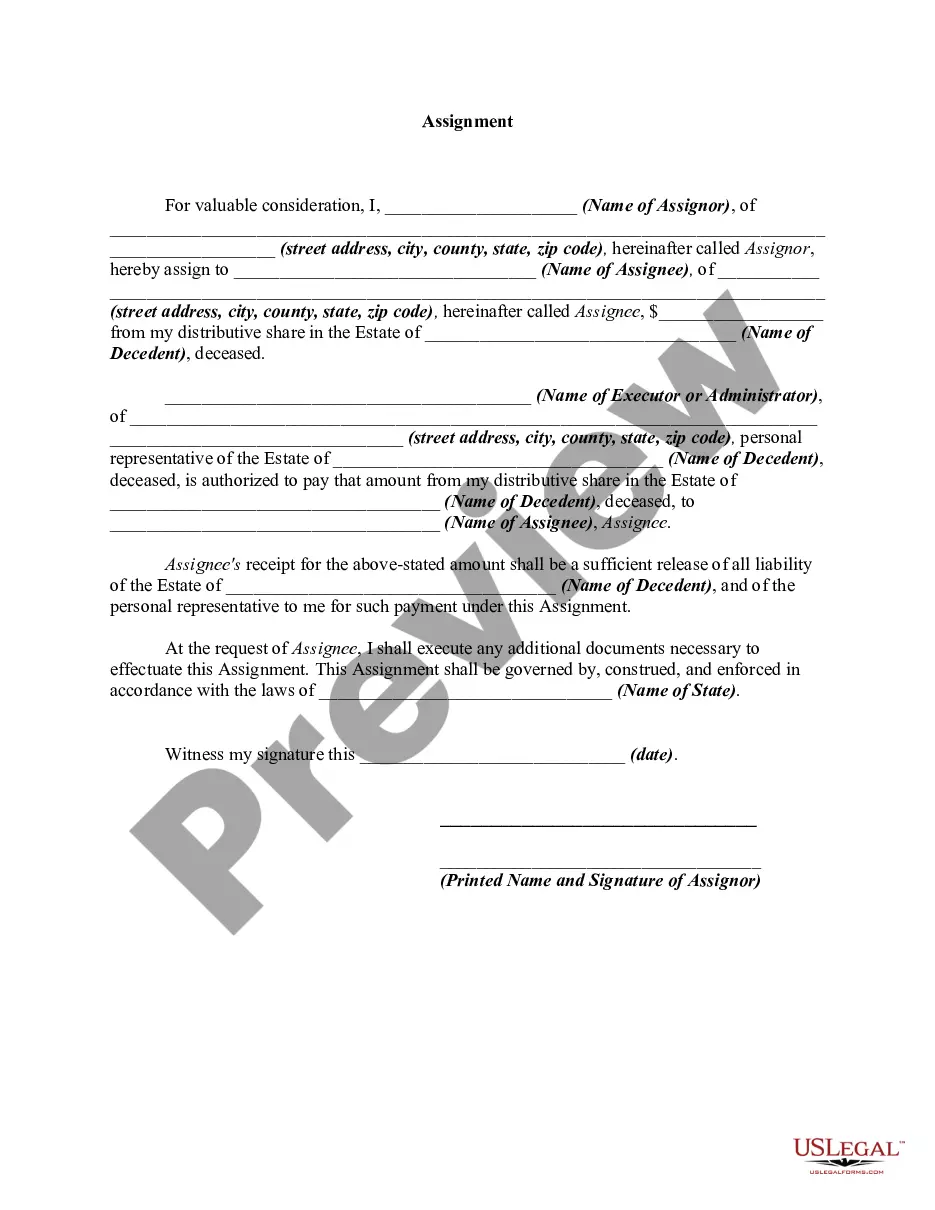
Description
Get your form ready online
Our built-in tools help you complete, sign, share, and store your documents in one place.
Make edits, fill in missing information, and update formatting in US Legal Forms—just like you would in MS Word.
Download a copy, print it, send it by email, or mail it via USPS—whatever works best for your next step.
Sign and collect signatures with our SignNow integration. Send to multiple recipients, set reminders, and more. Go Premium to unlock E-Sign.
If this form requires notarization, complete it online through a secure video call—no need to meet a notary in person or wait for an appointment.
We protect your documents and personal data by following strict security and privacy standards.

Make edits, fill in missing information, and update formatting in US Legal Forms—just like you would in MS Word.

Download a copy, print it, send it by email, or mail it via USPS—whatever works best for your next step.

Sign and collect signatures with our SignNow integration. Send to multiple recipients, set reminders, and more. Go Premium to unlock E-Sign.

If this form requires notarization, complete it online through a secure video call—no need to meet a notary in person or wait for an appointment.

We protect your documents and personal data by following strict security and privacy standards.
Looking for another form?




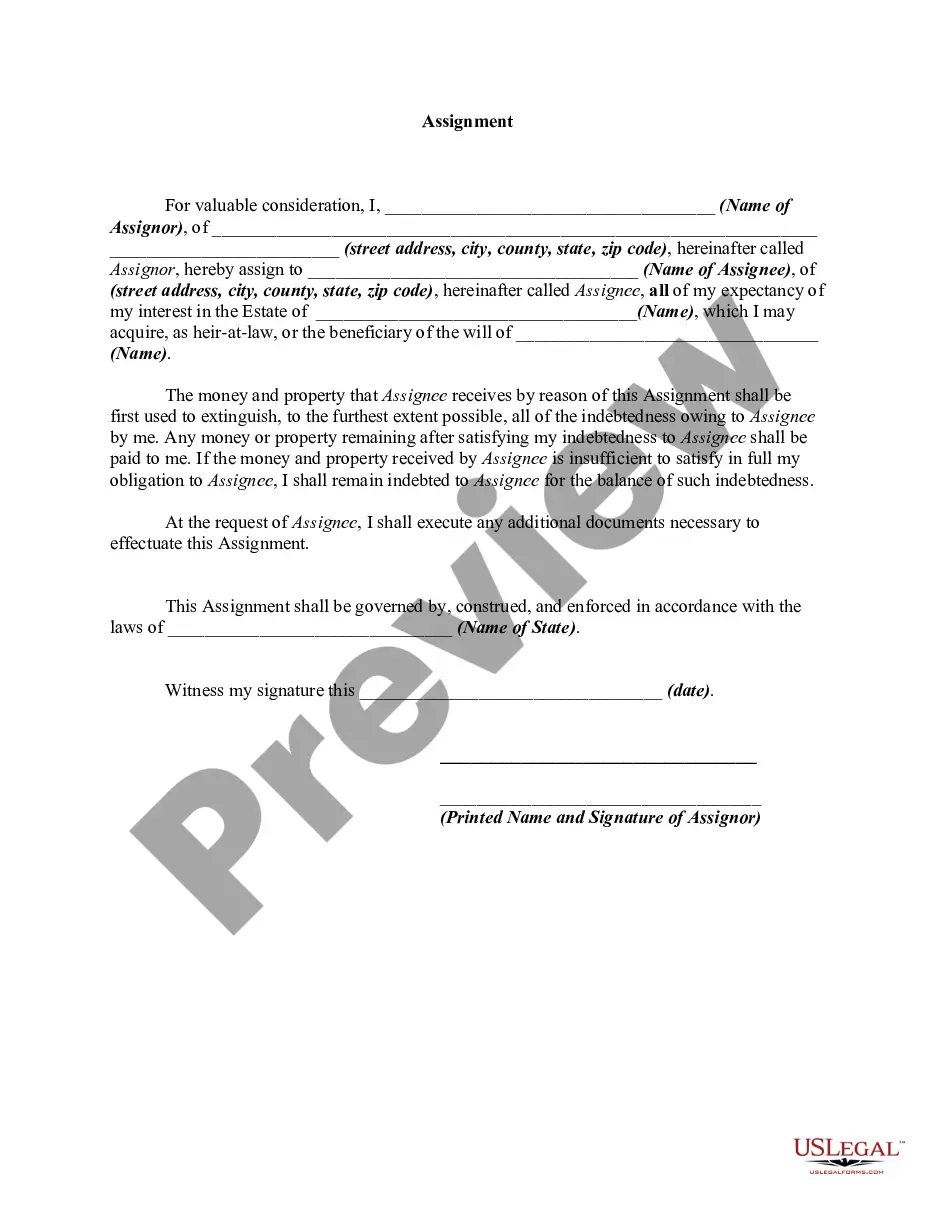
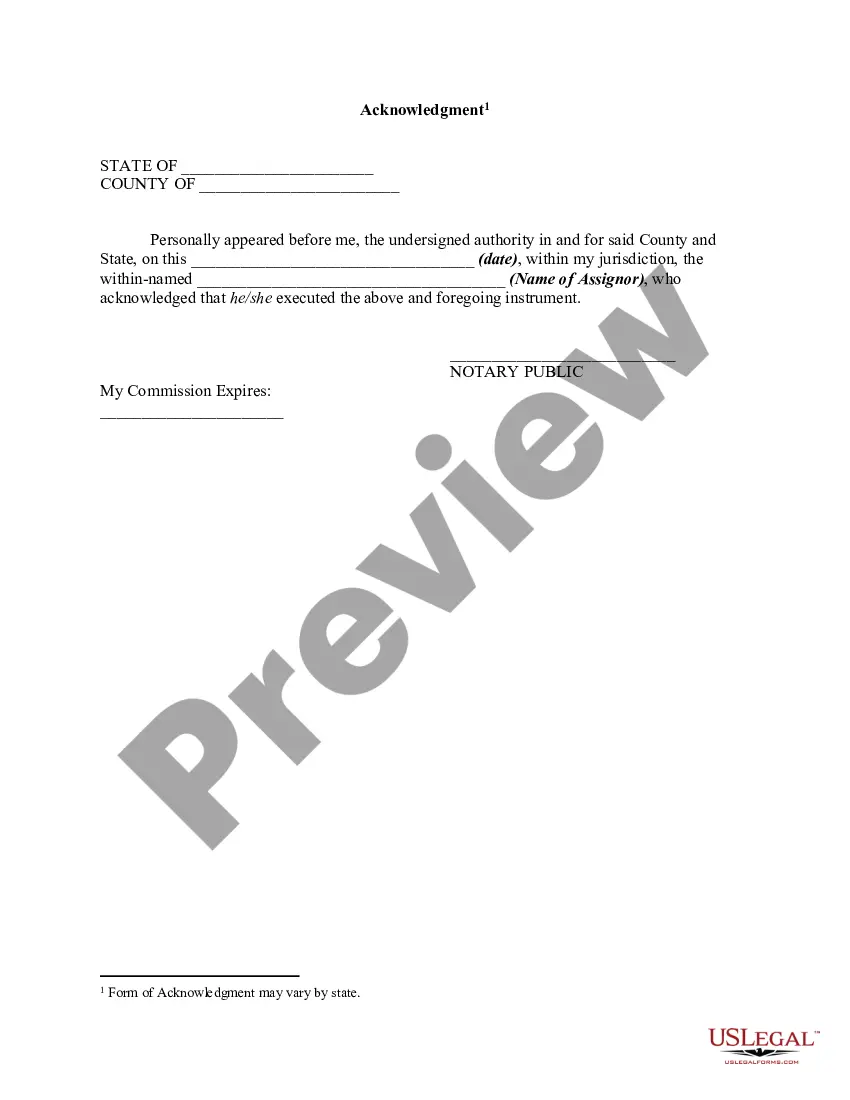
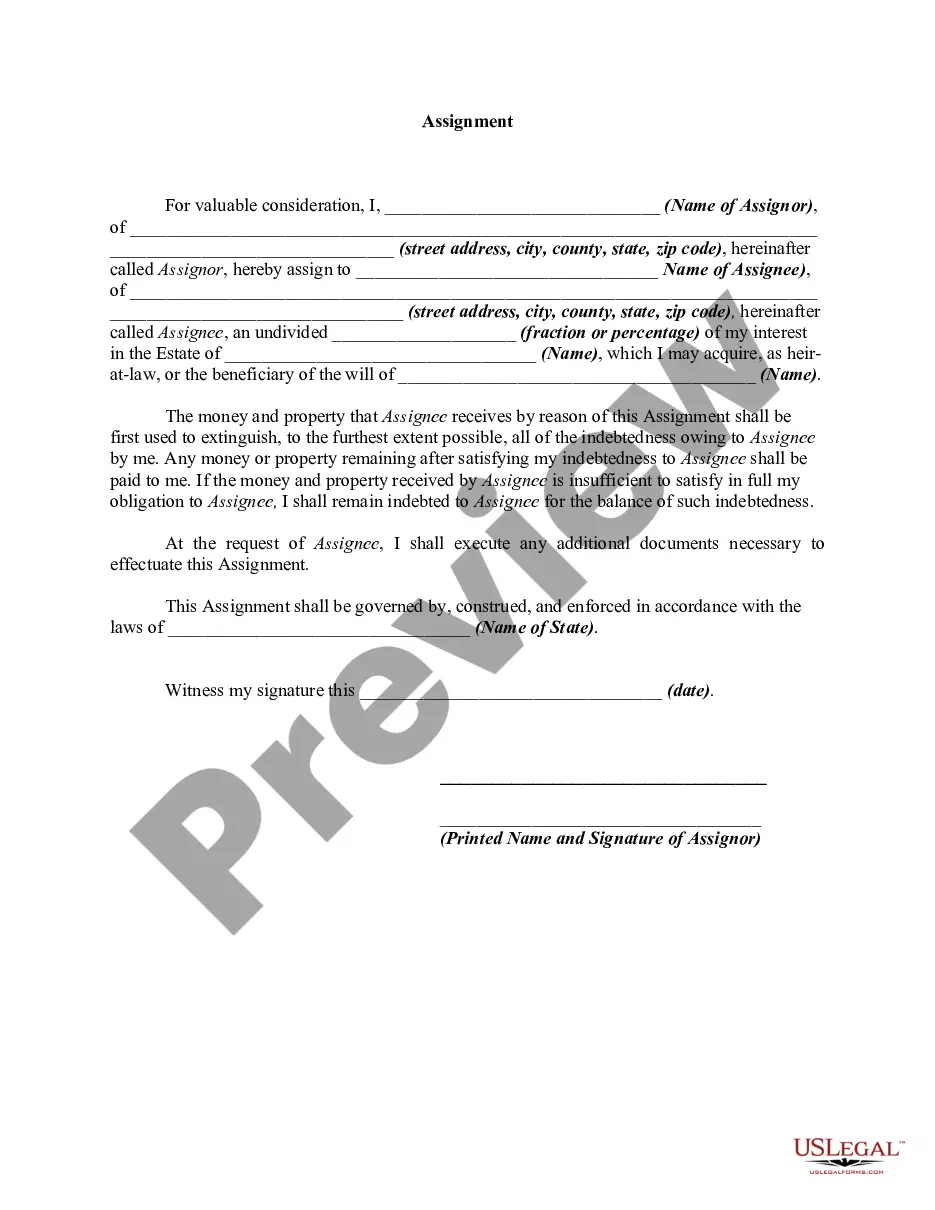
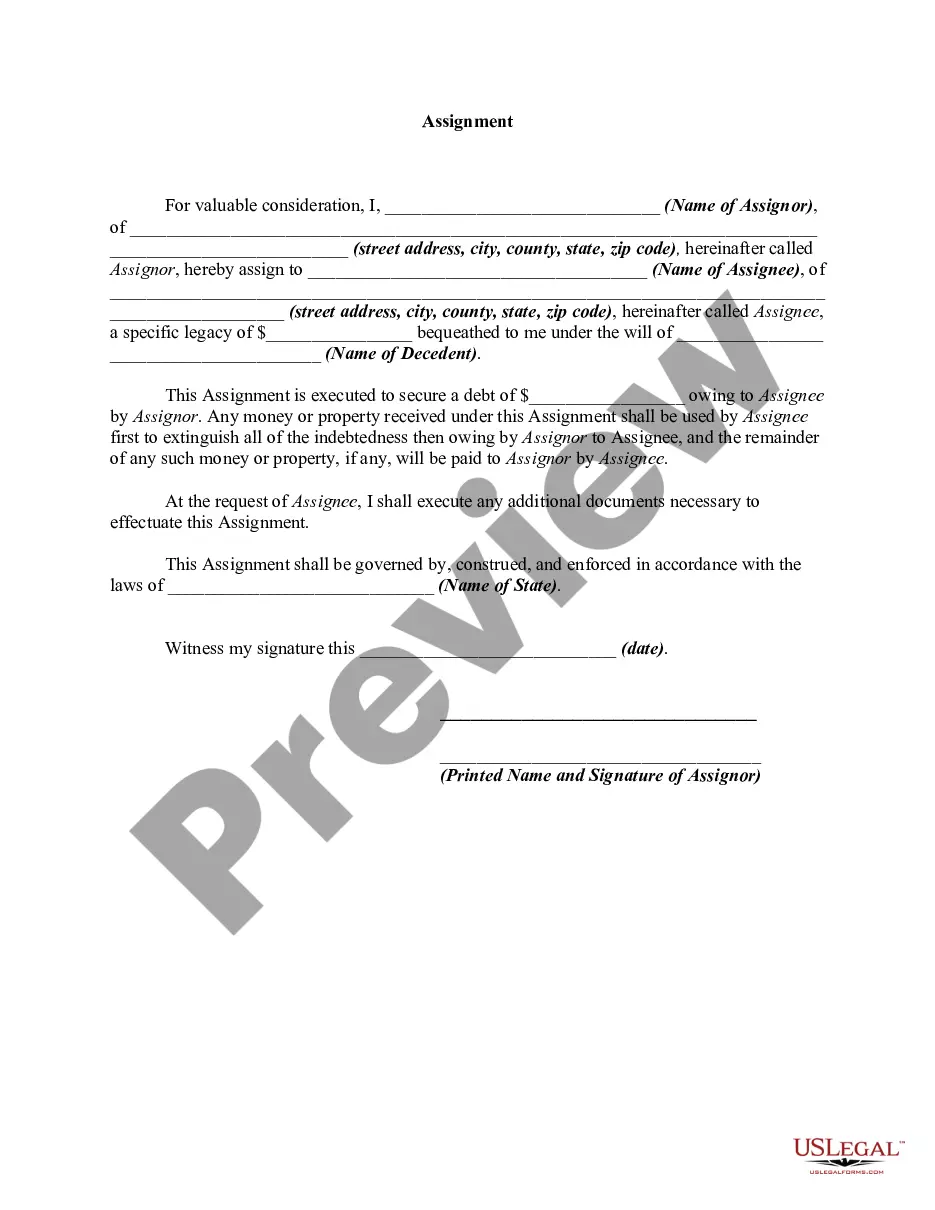
How to fill out Assignment Of All Of Expected Interest In Estate In Order To Pay Indebtedness?
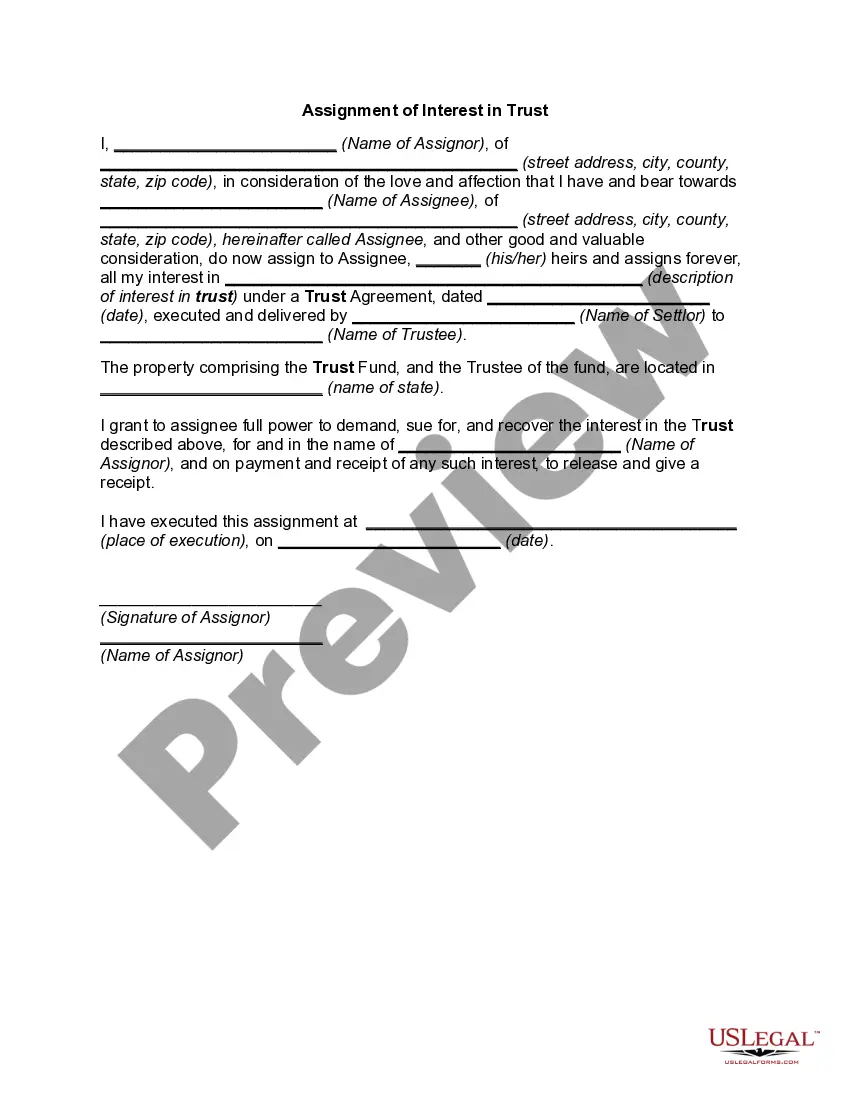
The Estate Order Pay For you observe on this page is a reusable formal template created by professional attorneys in accordance with federal and state regulations.
For over 25 years, US Legal Forms has supplied individuals, organizations, and legal practitioners with more than 85,000 verified, state-specific documents for any business and personal occasion.
Choose the format you prefer for your Estate Order Pay For (PDF, Word, RTF) and download the sample onto your device.
- Look for the document you require and verify it.
- Examine the sample you searched and preview it or review the form description to confirm it meets your needs. If it doesn’t, utilize the search option to locate the correct one. Click Buy Now when you have identified the template you require.
- Subscribe and Log In.
- Choose the pricing plan that best fits you and register for an account. Use PayPal or a credit card to complete a swift payment. If you already possess an account, Log In and check your subscription to continue.
- Obtain the fillable template.
Form popularity
FAQ
Some of the most important expenses paid by the estate include: Outstanding debts, such as credit cards, medical bills or liens. Repairs or maintenance costs for estate property. Appraisals that are necessary to determine the value of estate assets. Closing costs associated with the sale of a home.
If the personal administrator decides to pay creditors from an insolvent estate, they must do so in the following order. Secured creditors. Reasonable funeral, administration and testamentary expenses. Testamentary expenses can include things like probate fees and solicitor fees.
Typically, you need to make it known that you are the executor of the estate and are not taking responsibility for the transaction yourself. You can do this by simply signing your name and putting your title of executor of the estate afterward.
Every state sets the priority ing to which claims must be paid. The estate's beneficiaries only get paid once all the creditor claims have been satisfied. Usually, estate administration fees, funeral expenses, support payments, and taxes have priority over other claims.
Executors and administrators of a decedent's estate can only access their bank accounts if the decedent had not designated a beneficiary for the account. The documents an executor/administrator generally will be required to present to the bank include: A valid government-issued ID.