Leasing Office Space
Description
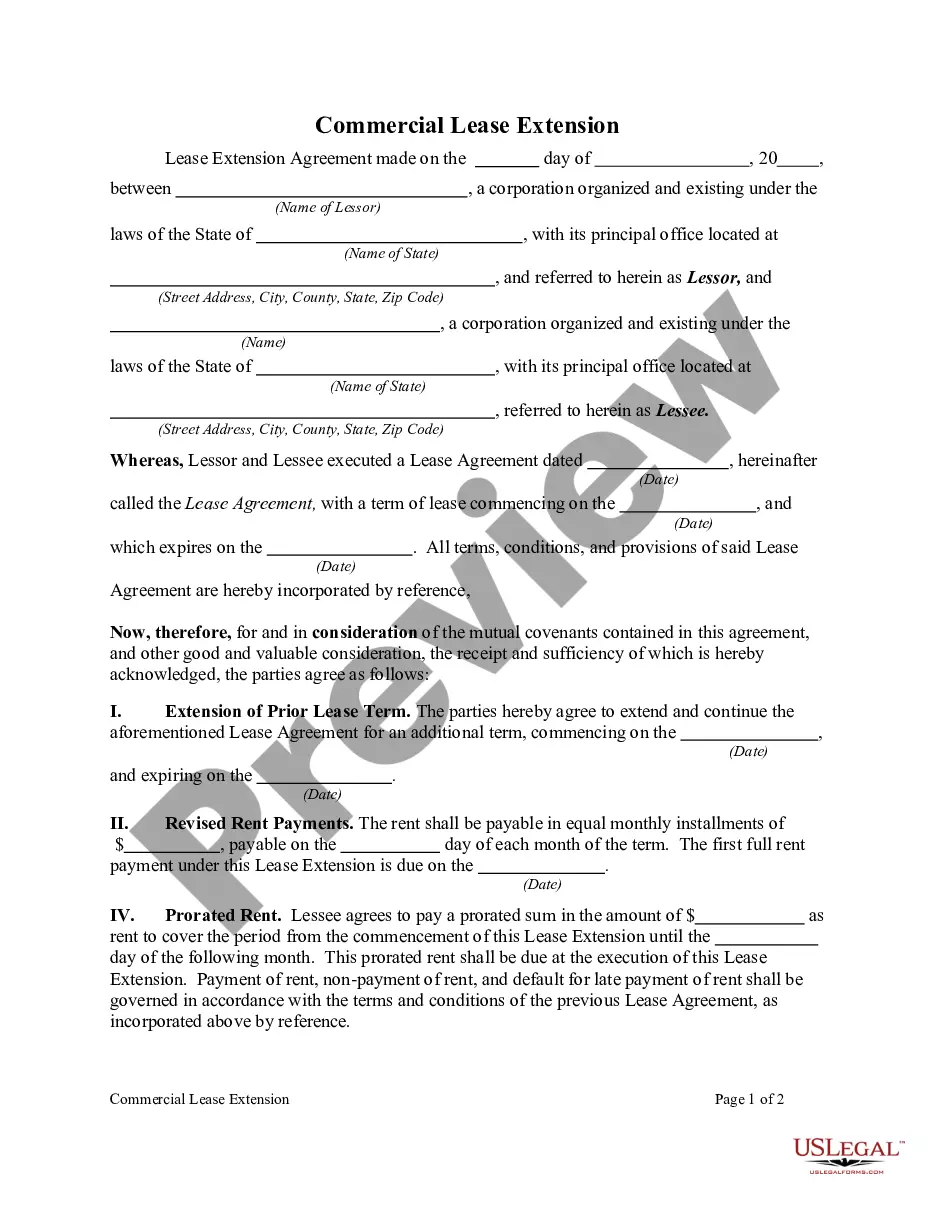
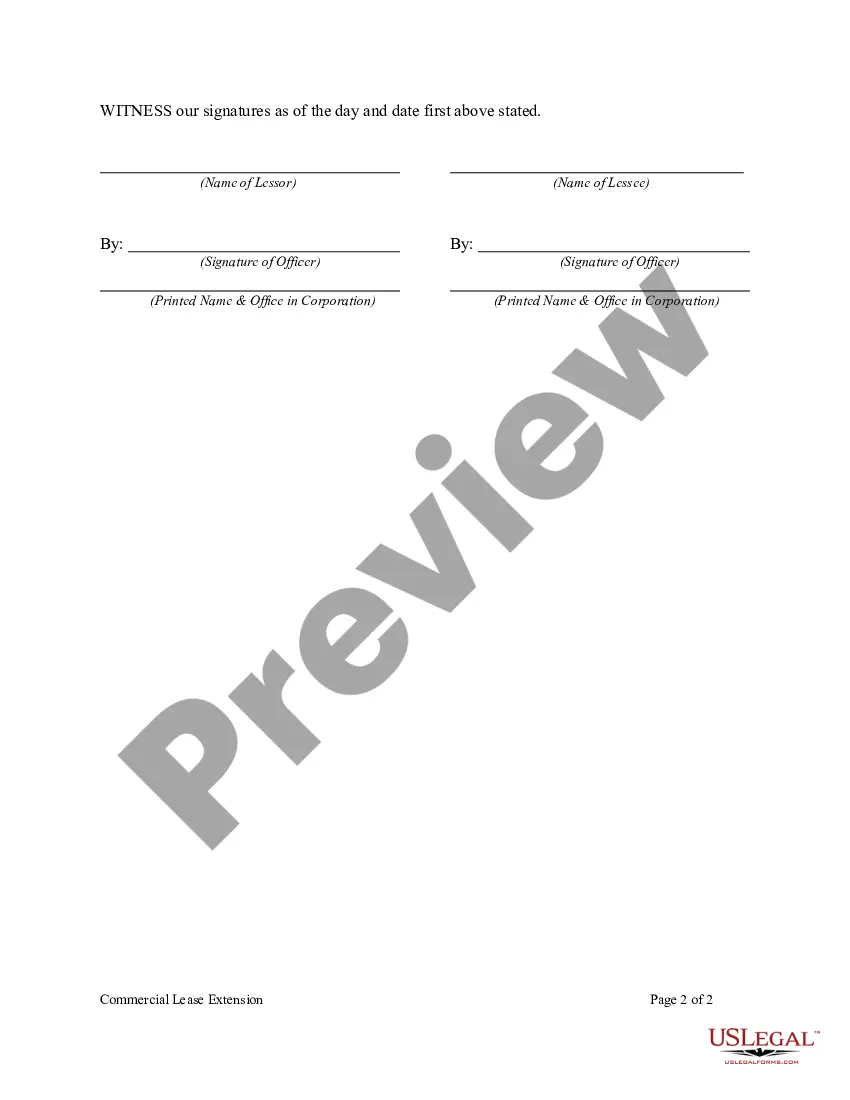
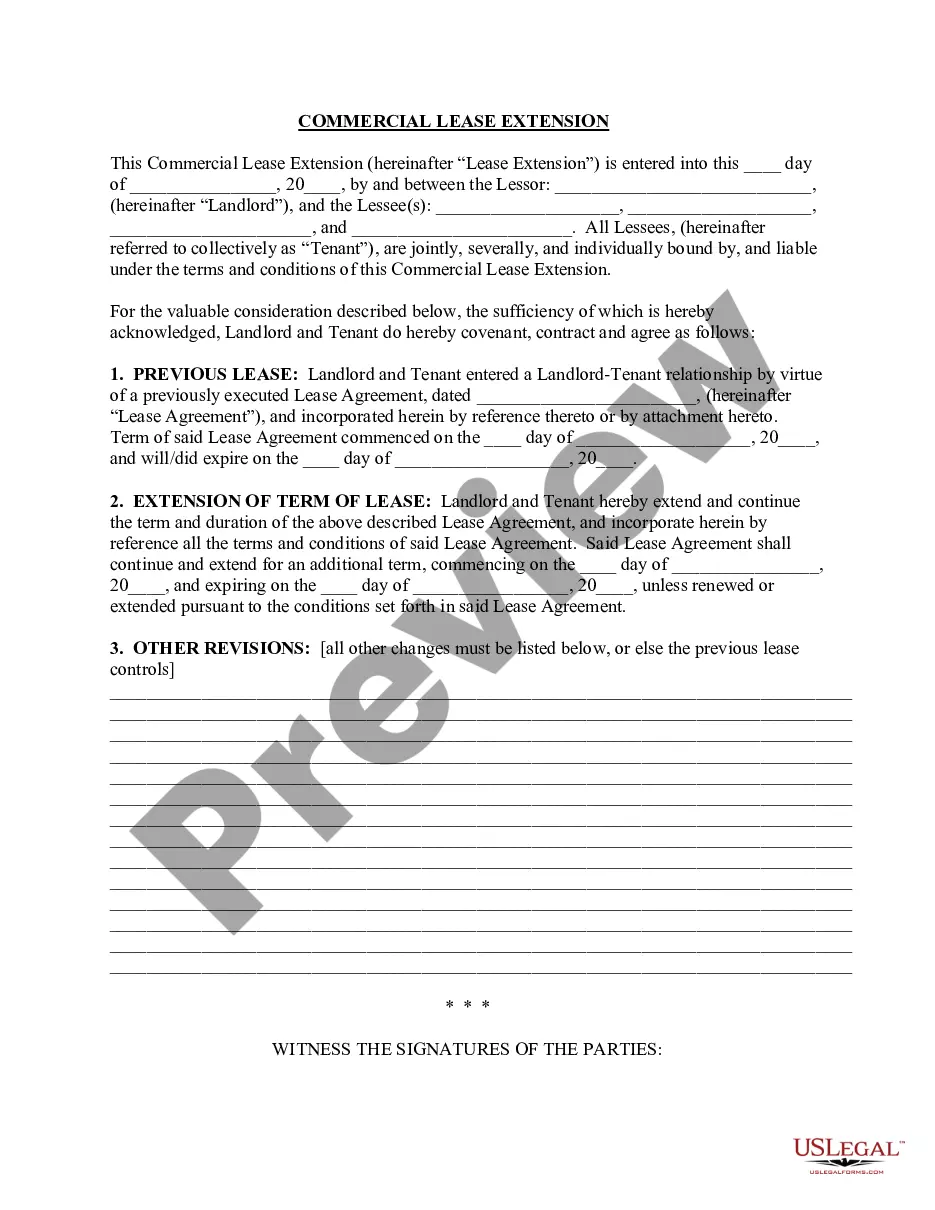
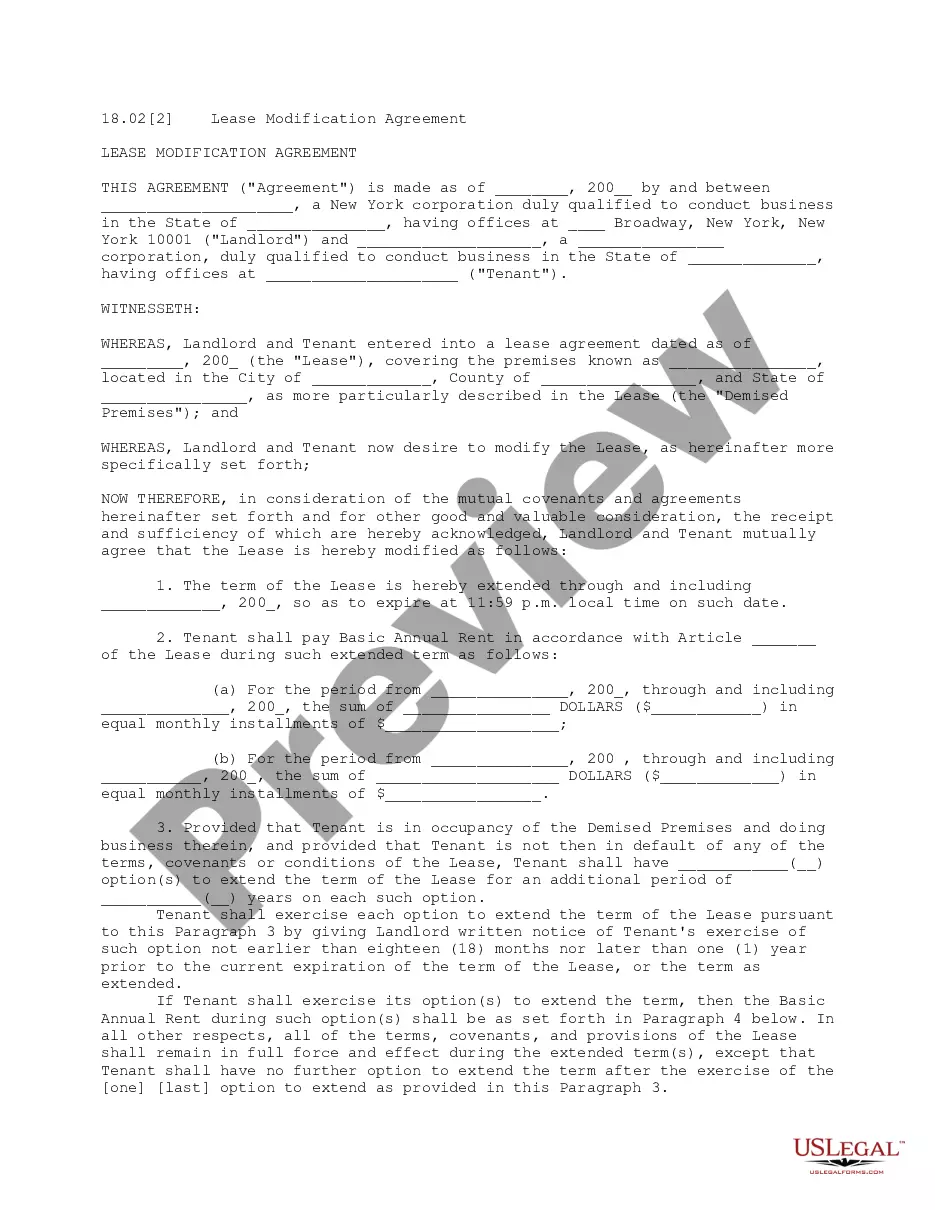
Get your form ready online
Our built-in tools help you complete, sign, share, and store your documents in one place.
Make edits, fill in missing information, and update formatting in US Legal Forms—just like you would in MS Word.
Download a copy, print it, send it by email, or mail it via USPS—whatever works best for your next step.
Sign and collect signatures with our SignNow integration. Send to multiple recipients, set reminders, and more. Go Premium to unlock E-Sign.
If this form requires notarization, complete it online through a secure video call—no need to meet a notary in person or wait for an appointment.
We protect your documents and personal data by following strict security and privacy standards.

Make edits, fill in missing information, and update formatting in US Legal Forms—just like you would in MS Word.

Download a copy, print it, send it by email, or mail it via USPS—whatever works best for your next step.

Sign and collect signatures with our SignNow integration. Send to multiple recipients, set reminders, and more. Go Premium to unlock E-Sign.

If this form requires notarization, complete it online through a secure video call—no need to meet a notary in person or wait for an appointment.

We protect your documents and personal data by following strict security and privacy standards.
Looking for another form?








How to fill out Commercial Lease Extension?
- If you're a returning user, log in to access your account and download the necessary form by clicking the Download button. Ensure your subscription is active, and renew if required.
- For first-time users, start by previewing form descriptions to select the correct template that aligns with your specific requirements and local jurisdiction.
- If needed, utilize the Search feature to find alternative templates if the current one appears inconsistent.
- To proceed, click on the Buy Now button and choose a suitable subscription plan. Remember, account registration is necessary to access the extensive library.
- Complete your purchase by entering your credit card details or using your PayPal account for secure payment.
- Finally, download your form and save it on your device. You can access it anytime through the My Forms menu in your profile.
With over 85,000 editable legal forms and the ability to consult with premium experts, US Legal Forms ensures that you can confidently navigate the leasing office space process.
Get started today and take advantage of the resources available to simplify your legal document needs!
Form popularity
FAQ
To lease office space, you typically need to provide business and financial documentation, such as tax returns and bank statements. Additionally, prepare a security deposit and first month's rent. It's also essential to review the lease agreement carefully before signing. Utilizing platforms like US Legal Forms can assist in finding the right lease template for your needs when leasing office space.
Marketing office space effectively involves showcasing its features and benefits through various channels. Start by listing the space on popular real estate websites, and use social media to reach a broader audience. High-quality photos and engaging descriptions can capture potential tenants' interest. Consider using US Legal Forms to draft effective marketing materials and lease agreements while leasing office space.
To lease office space for your company, you typically need documents such as your business license, financial statements, and a credit report. Additionally, you may need a letter of intent and a lease application. These documents help landlords assess your company’s credibility and ensure a smooth leasing process. By preparing these materials in advance, you simplify the process of leasing office space.
When leasing office space, a credit score of 650 or higher is generally preferred by landlords. A better score can increase your chances of securing a favorable lease term and lower security deposits. Keep in mind that landlords may also consider your business's financial history and stability. Thus, maintaining a good credit score benefits your opportunity for leasing office space.
To sublease your office space, start by reviewing your original lease agreement to understand any restrictions on subleasing. Next, market the space by highlighting its key features and benefits to attract potential subtenants. Once you find a suitable candidate, execute a sublease agreement that includes terms for rent, duration, and responsibilities. Platforms like US Legal Forms provide templates to ensure your sublease complies with leasing office space requirements.
To start the process of leasing office space, you'll need to prepare specific documentation, including financial statements, business plans, and references. Landlords typically look for reliable tenants, so presenting a strong case is crucial. Additionally, understanding the lease terms and having a solid negotiation strategy can make a significant difference in securing favorable conditions.
When accounting for an office lease, you'll record both a right-of-use asset and a lease liability in your financial statements. This dual-entry reflects the economic reality of the lease agreement and ensures you track your obligations accurately. Maintaining these records is vital for transparency and compliance with accounting standards.
The proper accounting treatment for leasing office space depends on whether you categorize it as an operating or finance lease. For finance leases, you recognize both the asset and liability. In contrast, with operating leases, only lease payments are recorded as expenses over the lease term. Understanding these classifications helps in managing your financial reports effectively.
To record a lease in accounting, start by recognizing the right-of-use asset and lease liability simultaneously when you initiate the lease. Each month, you will need to record monthly lease expenses and adjust the balance of the right-of-use asset and lease liability accordingly. This systematic approach to recording leasing office space ensures your accounts reflect your financial obligations accurately.
In accounting for leasing office space, the journal entry typically involves recording the lease obligation and the right-of-use asset. When the lease begins, you would debit the right-of-use asset and credit the lease liability on your balance sheet. This entry ensures transparency in your financial records and aligns with accounting standards.