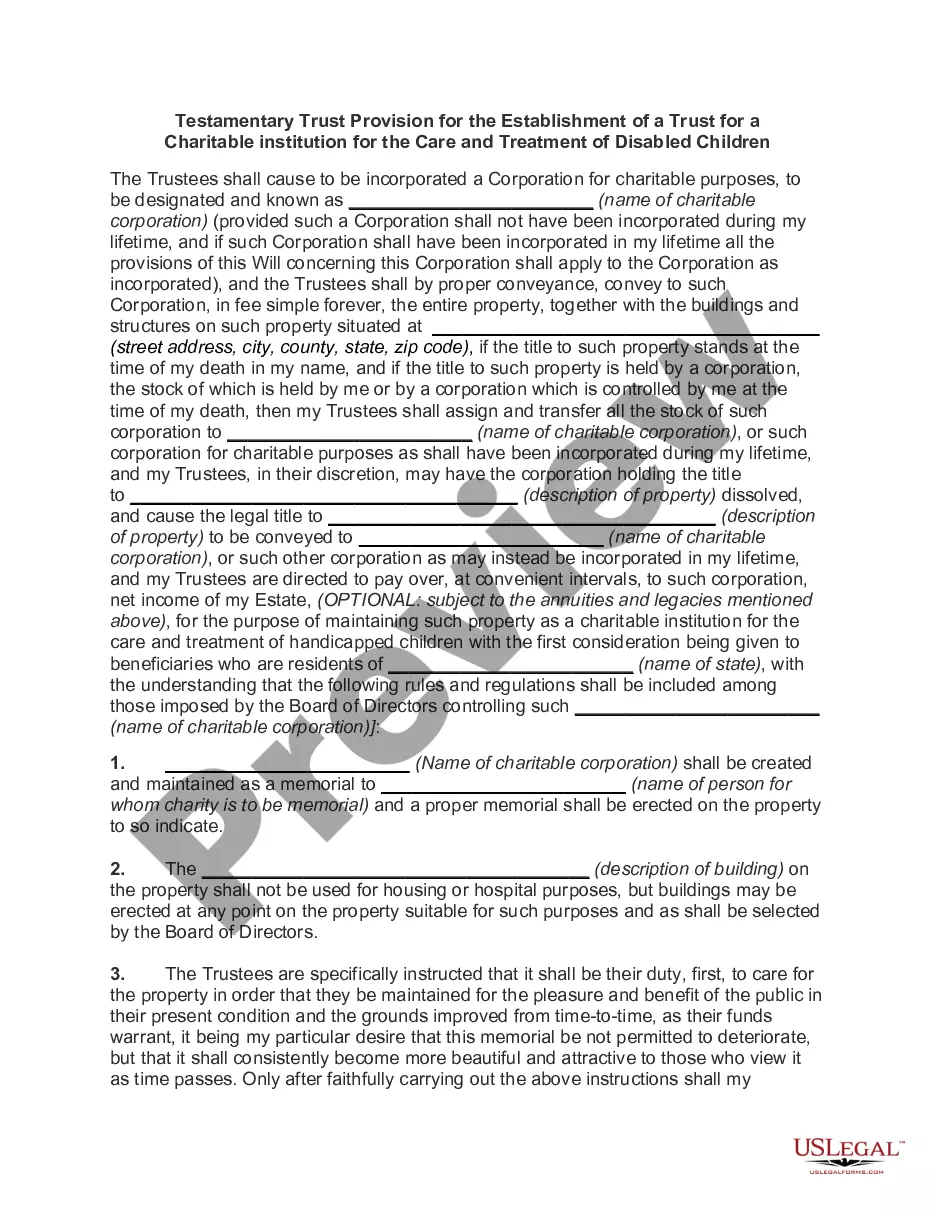
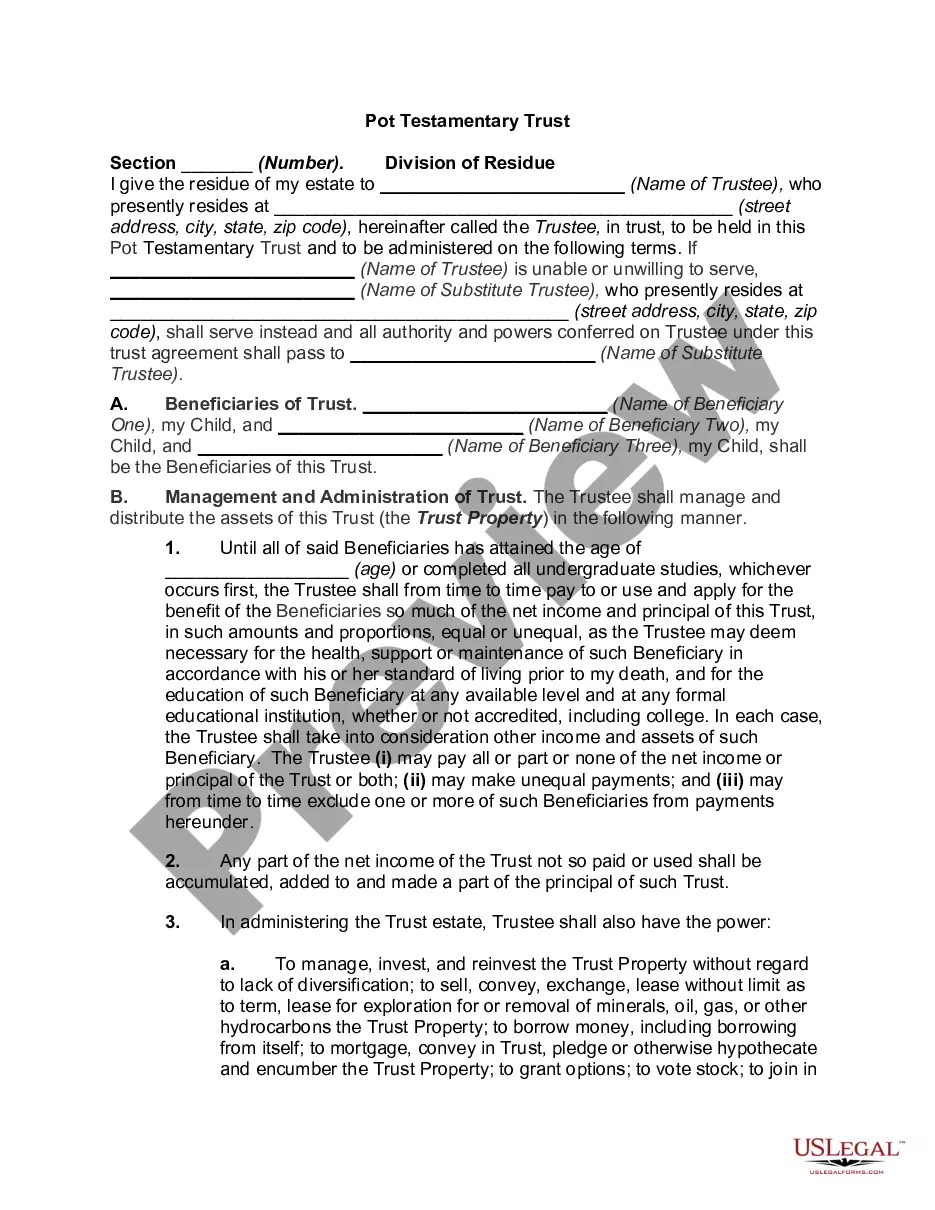
Testamentary Trust Provision For Foreigners
Description
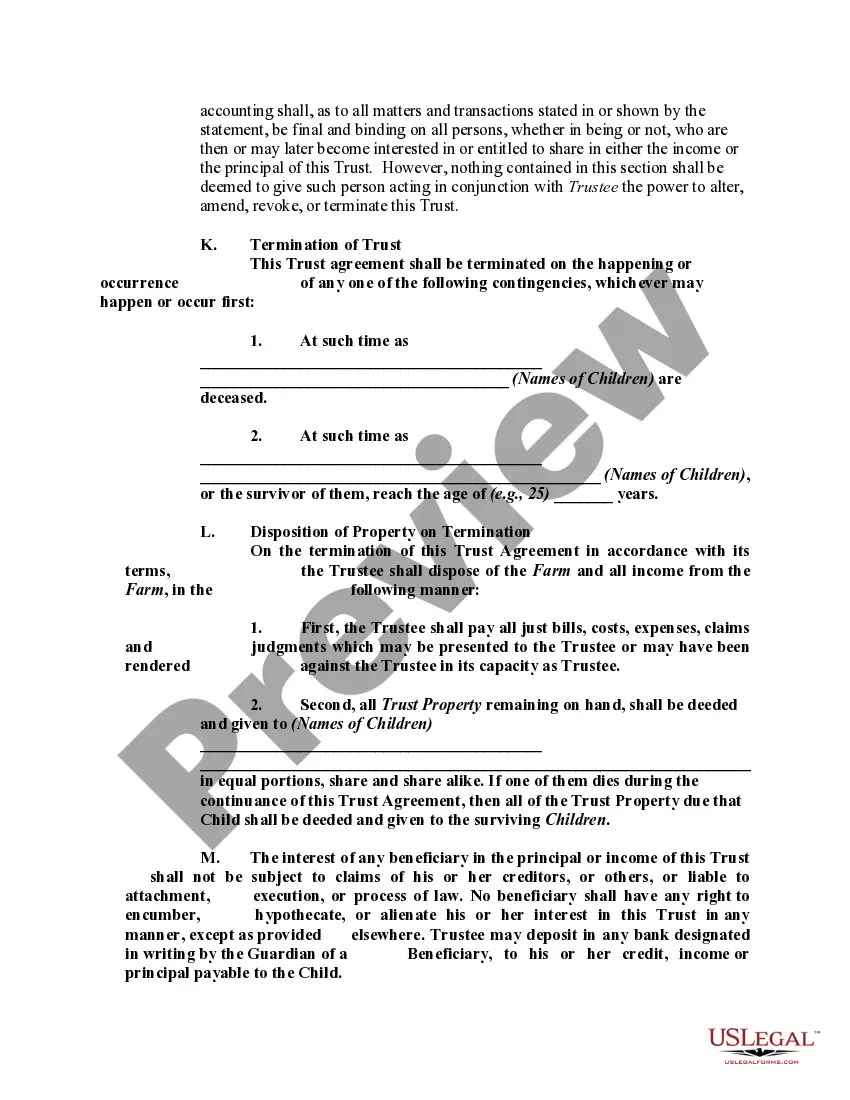
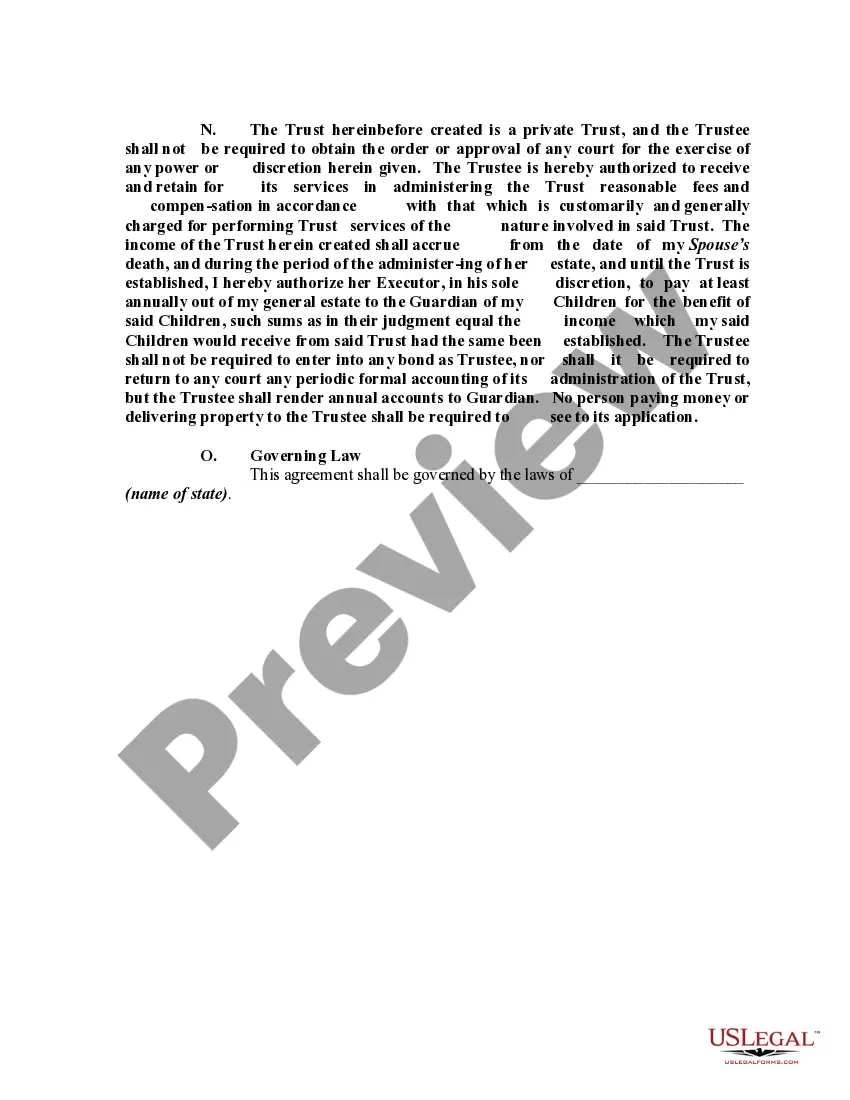
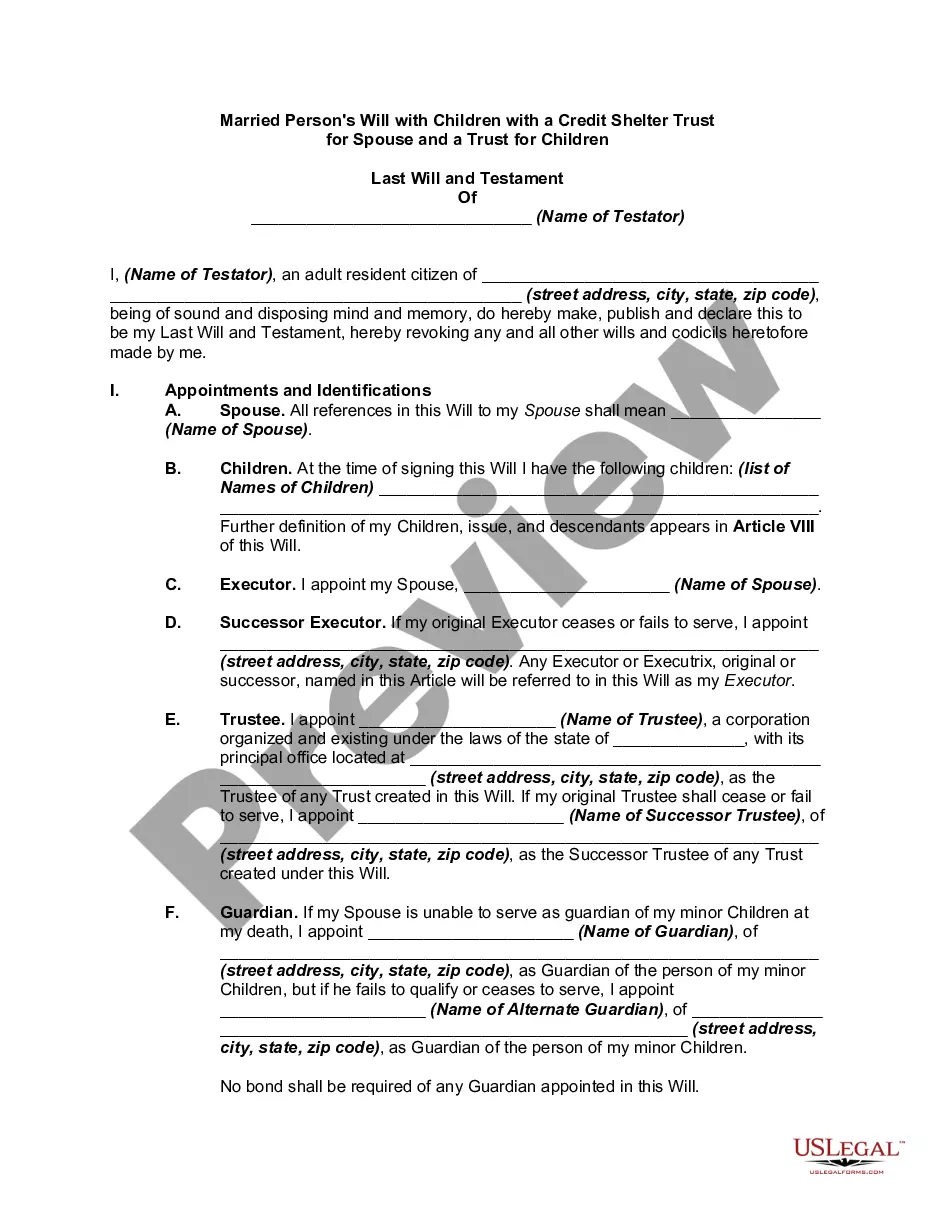
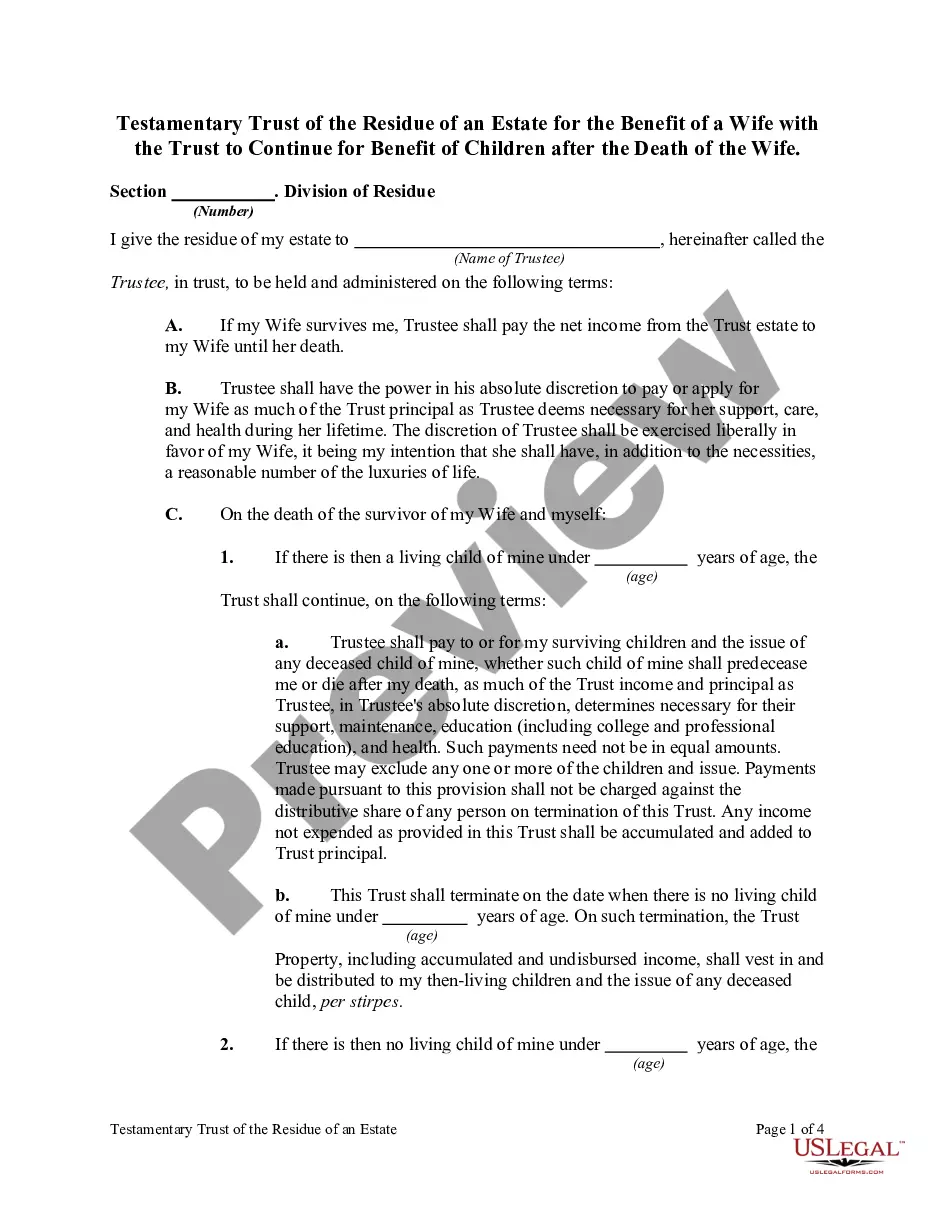
Get your form ready online
Our built-in tools help you complete, sign, share, and store your documents in one place.
Make edits, fill in missing information, and update formatting in US Legal Forms—just like you would in MS Word.
Download a copy, print it, send it by email, or mail it via USPS—whatever works best for your next step.
Sign and collect signatures with our SignNow integration. Send to multiple recipients, set reminders, and more. Go Premium to unlock E-Sign.
If this form requires notarization, complete it online through a secure video call—no need to meet a notary in person or wait for an appointment.
We protect your documents and personal data by following strict security and privacy standards.

Make edits, fill in missing information, and update formatting in US Legal Forms—just like you would in MS Word.

Download a copy, print it, send it by email, or mail it via USPS—whatever works best for your next step.

Sign and collect signatures with our SignNow integration. Send to multiple recipients, set reminders, and more. Go Premium to unlock E-Sign.

If this form requires notarization, complete it online through a secure video call—no need to meet a notary in person or wait for an appointment.

We protect your documents and personal data by following strict security and privacy standards.
Looking for another form?









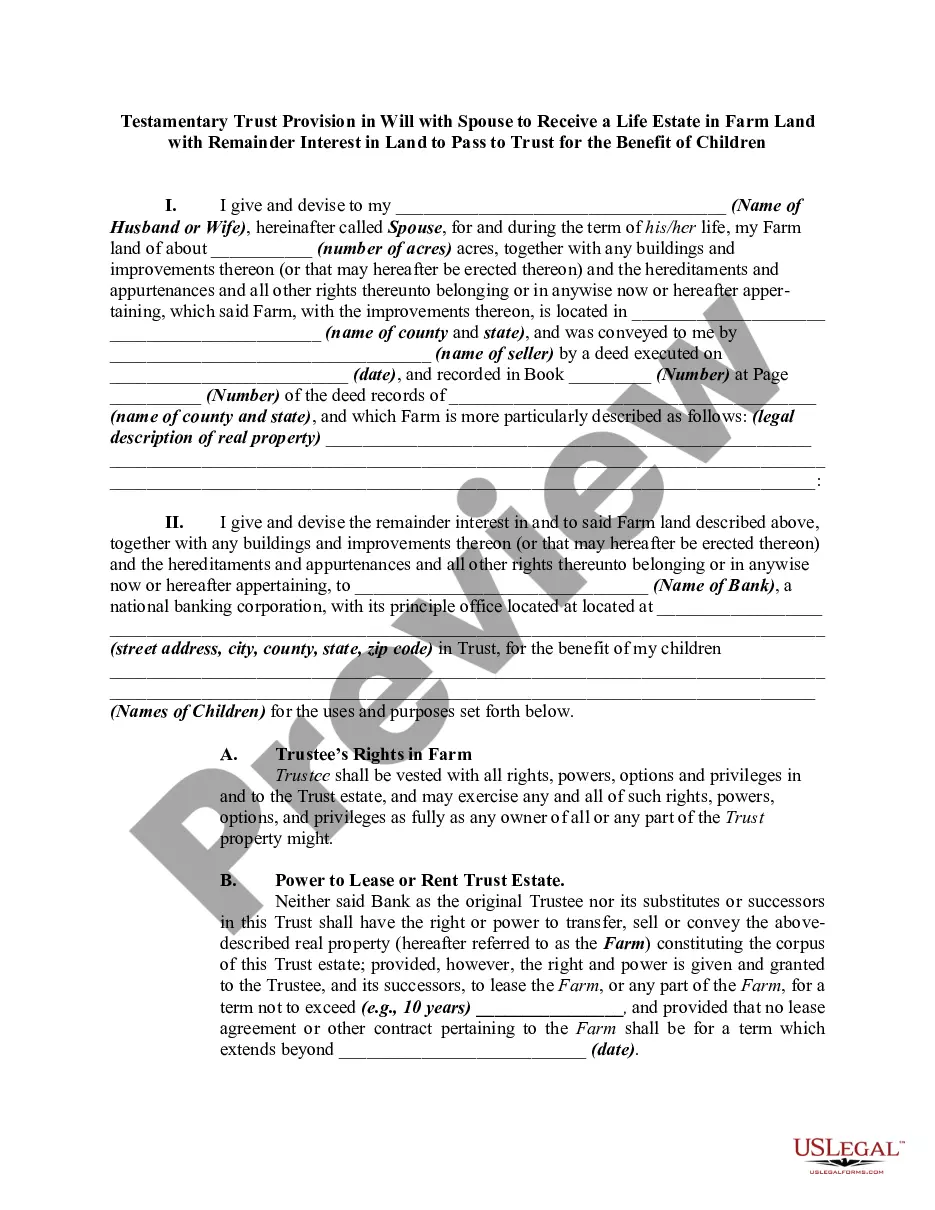
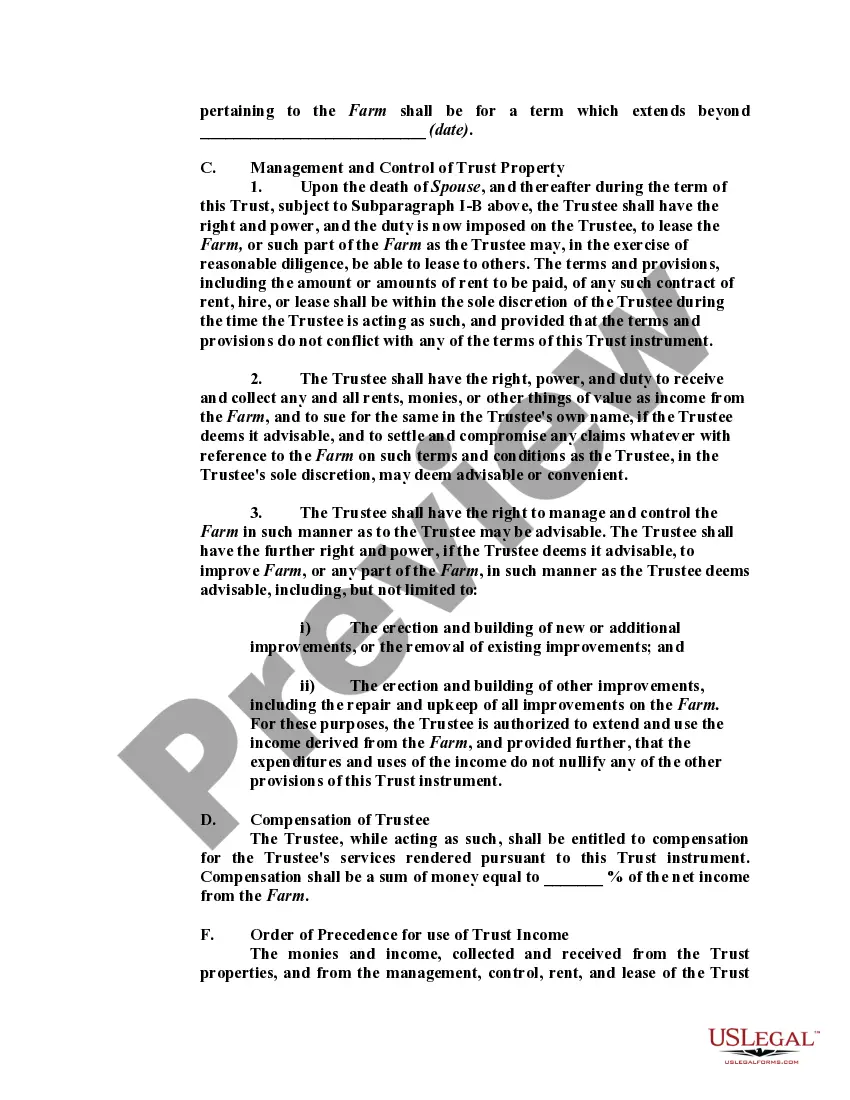
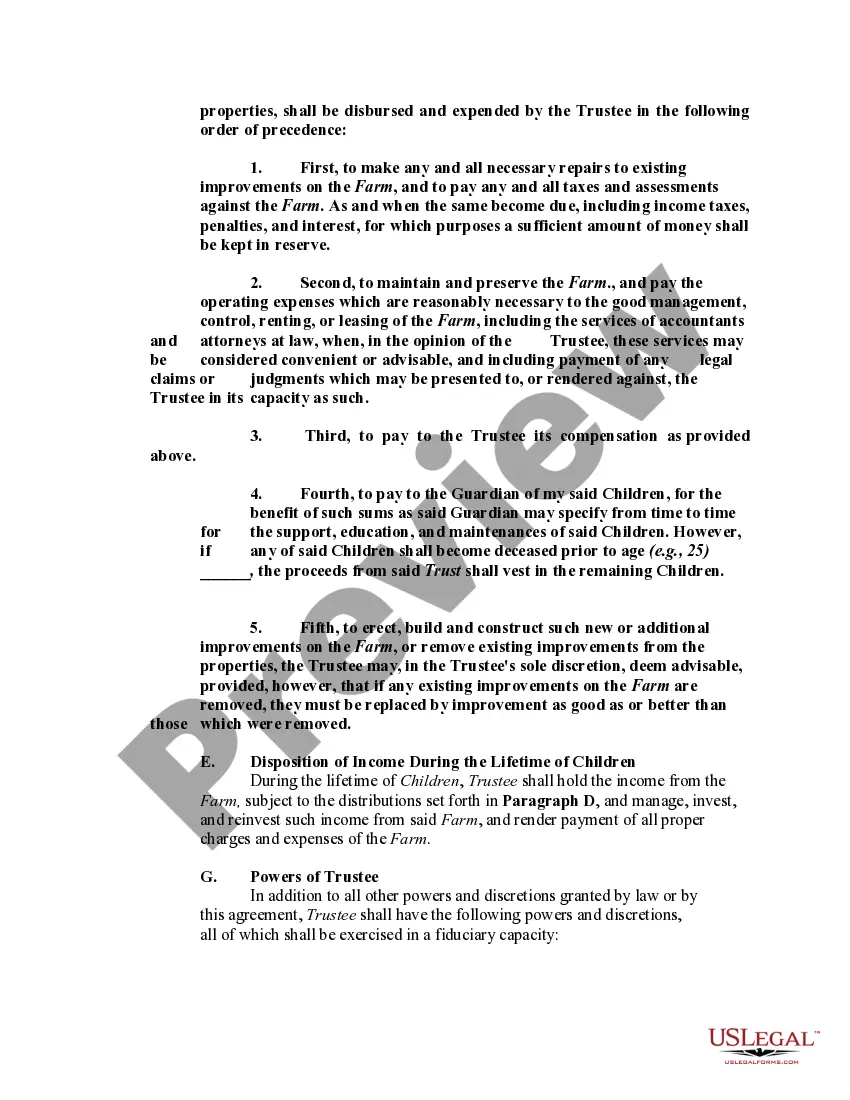
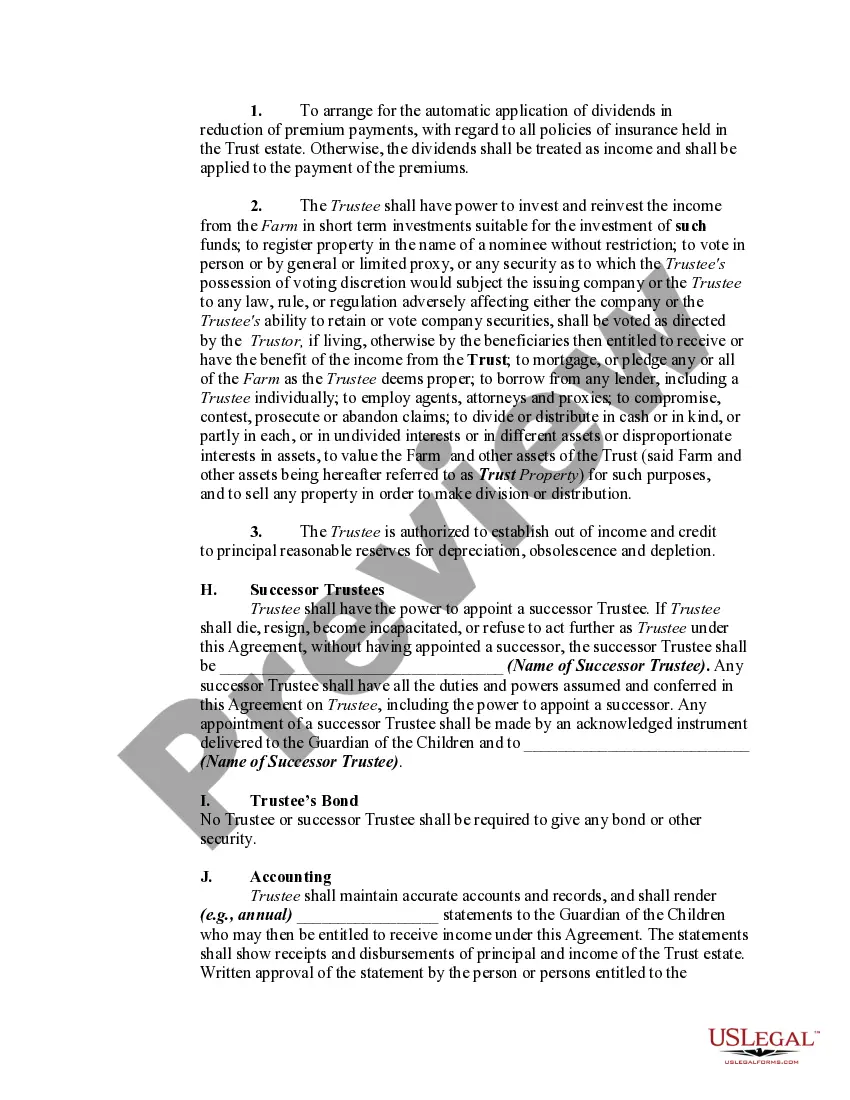
How to fill out Testamentary Trust Provision In Will With Spouse To Receive A Life Estate In Farm Land With Remainder Interest In Land To Pass To Trust For The Benefit Of Children?
- Log in to your US Legal Forms account if you're already a member. Ensure your subscription is active to avoid any disruptions.
- Preview the form details to confirm it fits your specific needs and corresponds with local jurisdiction requirements. This step is crucial for accuracy.
- Use the Search tab to explore other templates if the initial result doesn’t meet your criteria. Find the most suitable document before proceeding.
- Select your desired document by clicking on the Buy Now button and choose your preferred subscription plan. Create an account if it's your first visit.
- Complete your purchase by entering your payment details through credit card or PayPal, ensuring your access to the legal library.
- Download your completed form directly to your device for immediate use and find it easily in the My Forms section of your profile whenever needed.
By following these steps, you can confidently obtain a testamentary trust provision that aligns with your needs. US Legal Forms not only provides a vast library of over 85,000 legal forms but also connects users with premium experts for added assistance.
Start navigating your legal responsibilities today. Visit US Legal Forms to explore your options and ensure the creation of precise and legally sound documents.
Form popularity
FAQ
No, your beneficiary does not have to be a U.S. citizen. You can choose anyone, regardless of nationality, as long as they are legally capable of receiving benefits. Including testamentary trust provisions for foreigners allows you to provide for your non-citizen beneficiaries effectively and legally, ensuring your wishes are honored.
Yes, you can name a non-U.S. citizen as a beneficiary in a testamentary trust. Doing so can ensure that your overseas relatives or friends receive their intended inheritance without complications. By including testamentary trust provisions for foreigners, you make your estate planning more inclusive and mindful of your global connections.
Beneficiaries of a testamentary trust can include individuals, charities, or organizations specified in the will. The provisions can outline specific terms for different beneficiaries, allowing for tailored distributions based on the creator's intentions. Testamentary trust provisions for foreigners make it possible for non-U.S. citizens to also be included, broadening the scope of who can receive benefits from your estate.
Yes, a non-U.S. citizen can be a beneficiary of a trust, including a testamentary trust. This allows individuals from overseas to receive assets managed by the trust while complying with legal requirements. Additionally, testamentary trust provisions for foreigners provide clarity on distributing assets specifically to non-citizens, ensuring a smooth process for everyone involved.
A testamentary trust provision is a clause in a will that creates a trust after the individual's death. This trust manages and distributes assets to beneficiaries according to the deceased's wishes. It provides a structured way to ensure that assets are handled responsibly, especially when beneficiaries may be minors or are not financially savvy. Testamentary trust provisions for foreigners ensure that non-U.S. citizens can also benefit from this financial tool.
Creating a testamentary trust requires drafting a will that specifies the trust's terms and appointing a trustee. You must also comply with state laws governing trusts and estates. Leveraging a testamentary trust provision for foreigners ensures adherence to all necessary formalities, leading to smooth asset management after passing.
Yes, a non-U.S. citizen can set up a trust in the U.S. Establishing the right type of trust is essential to meet legal requirements. A testamentary trust provision for foreigners can simplify managing assets legally and effectively, providing peace of mind.
To avoid inheritance tax with a trust in the U.S., consider using tax-efficient structures and strategies. Education on the integration of testamentary trust provisions for foreigners can provide insights on exemptions and deductions. Consulting financial and legal professionals ensures optimal arrangements for your specific situation.
A U.S. trust can have foreign beneficiaries, allowing the distribution of assets to individuals outside the U.S. However, there are tax implications and reporting requirements. Utilizing a testamentary trust provision for foreigners can effectively plan for these challenges, ensuring the beneficiaries receive their intended benefits.
Yes, foreigners can establish a trust in the U.S. However, they should comply with both U.S. laws and their country’s regulations. By integrating a testamentary trust provision for foreigners, you enable better management of your U.S. assets while adhering to tax laws.