Testamentary Trust Provision Example
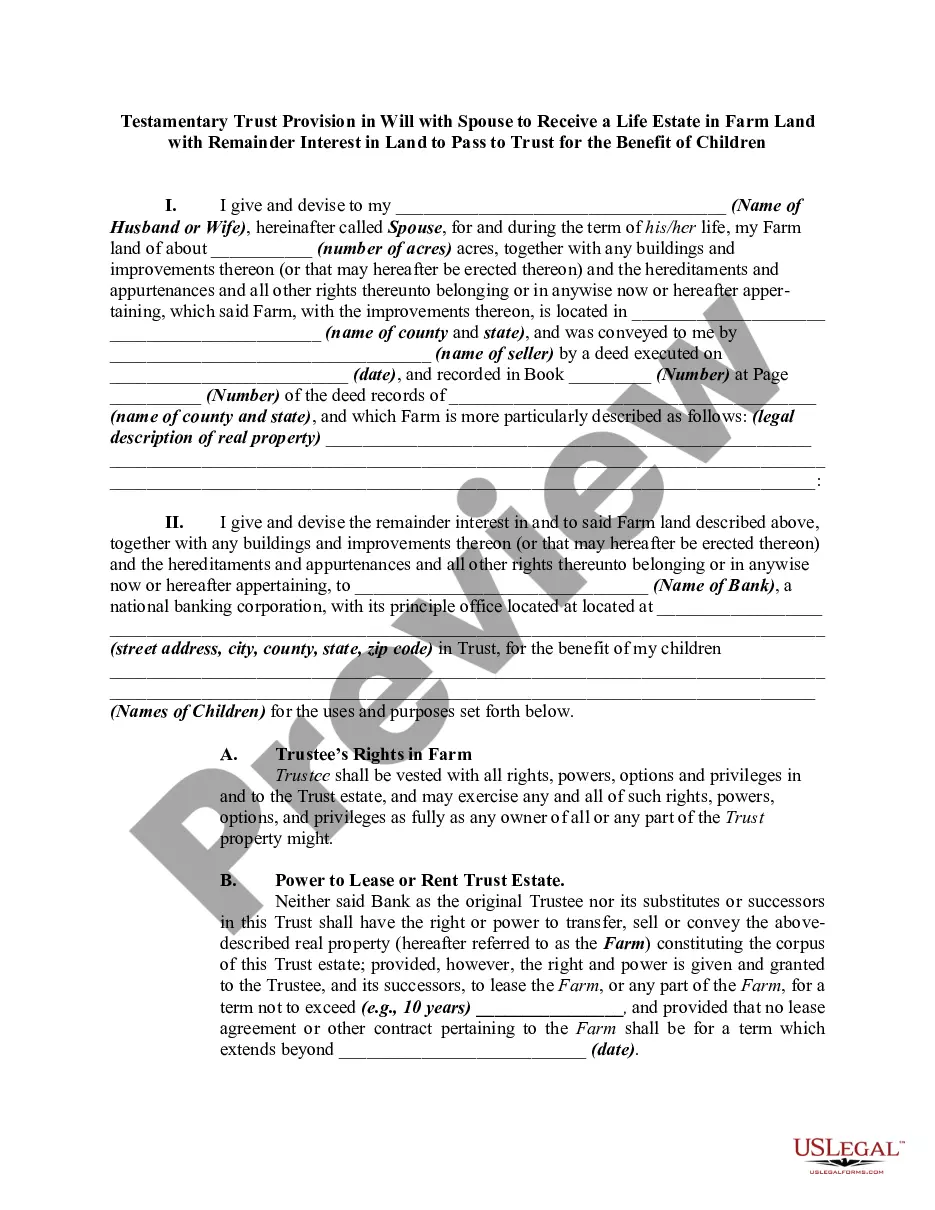
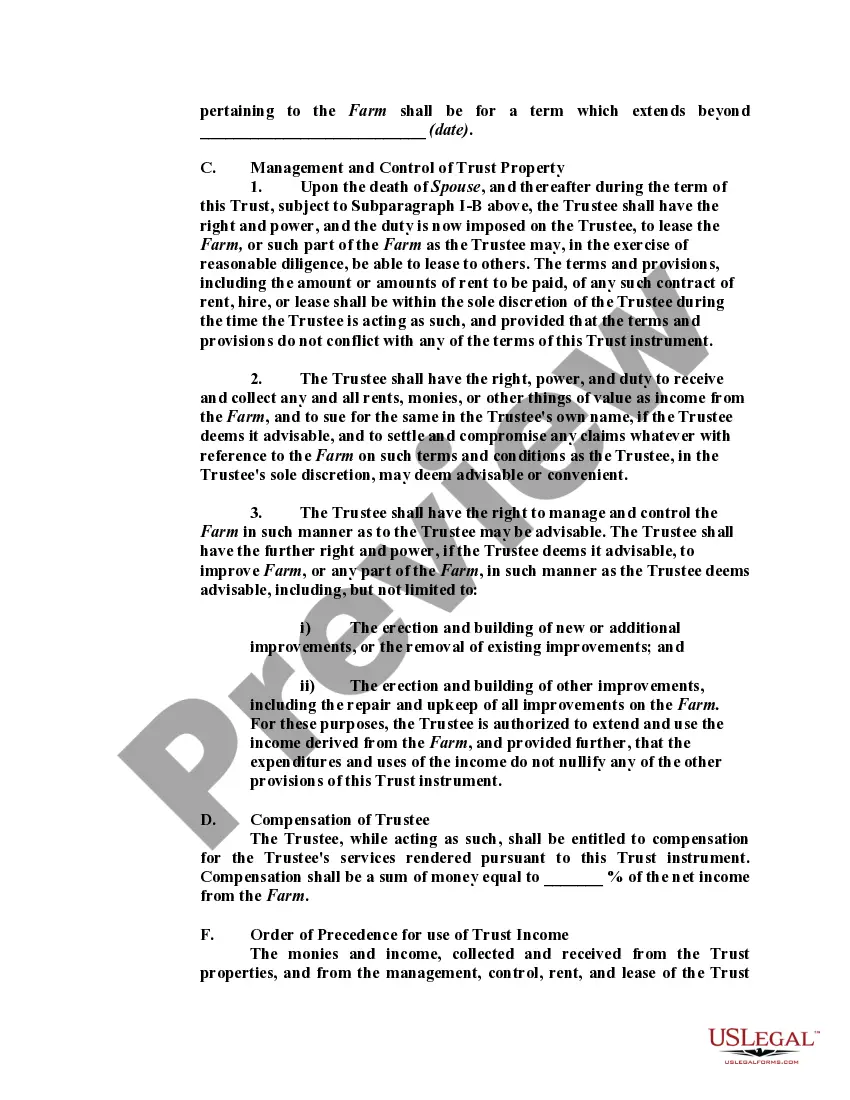
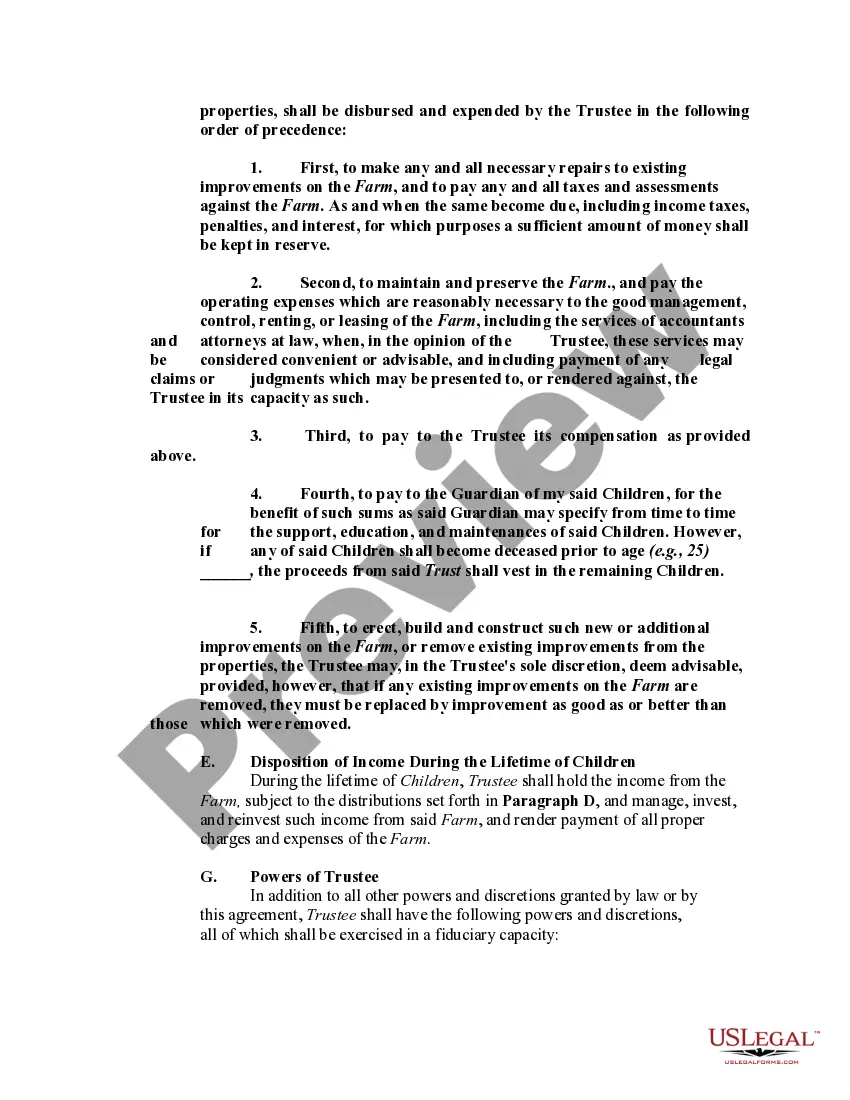
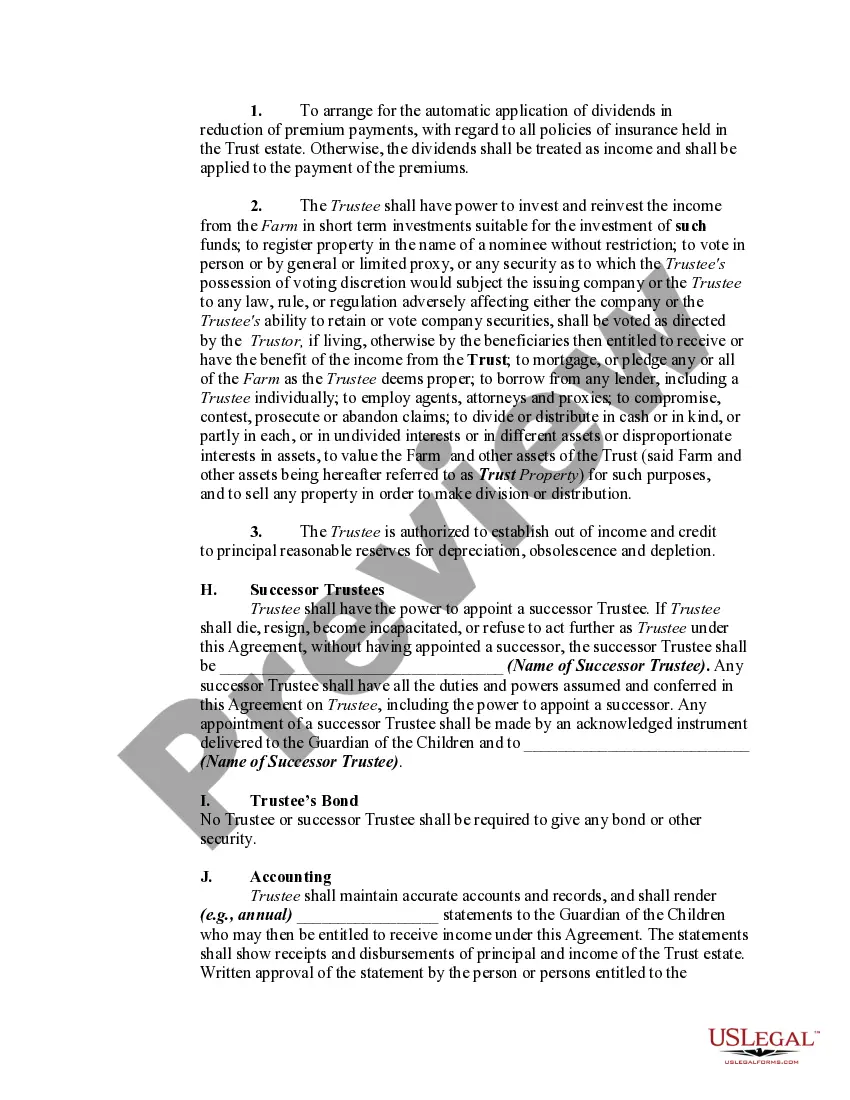
Description
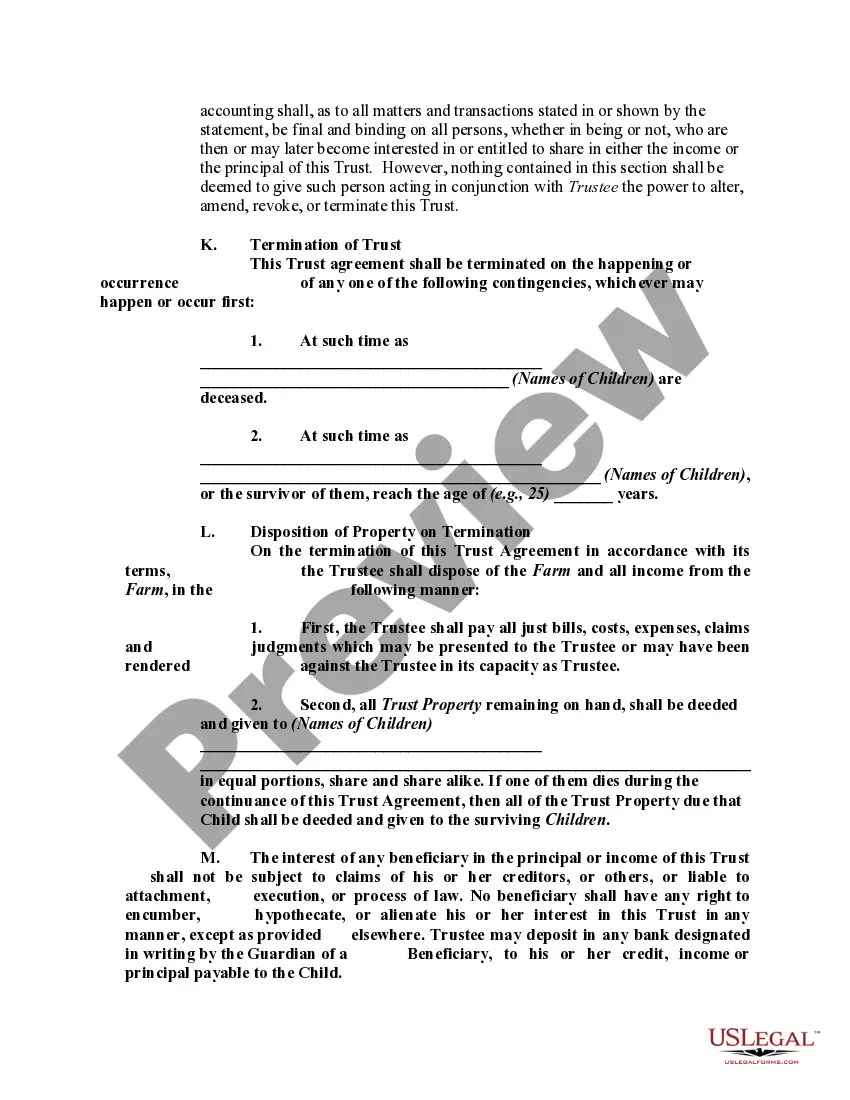
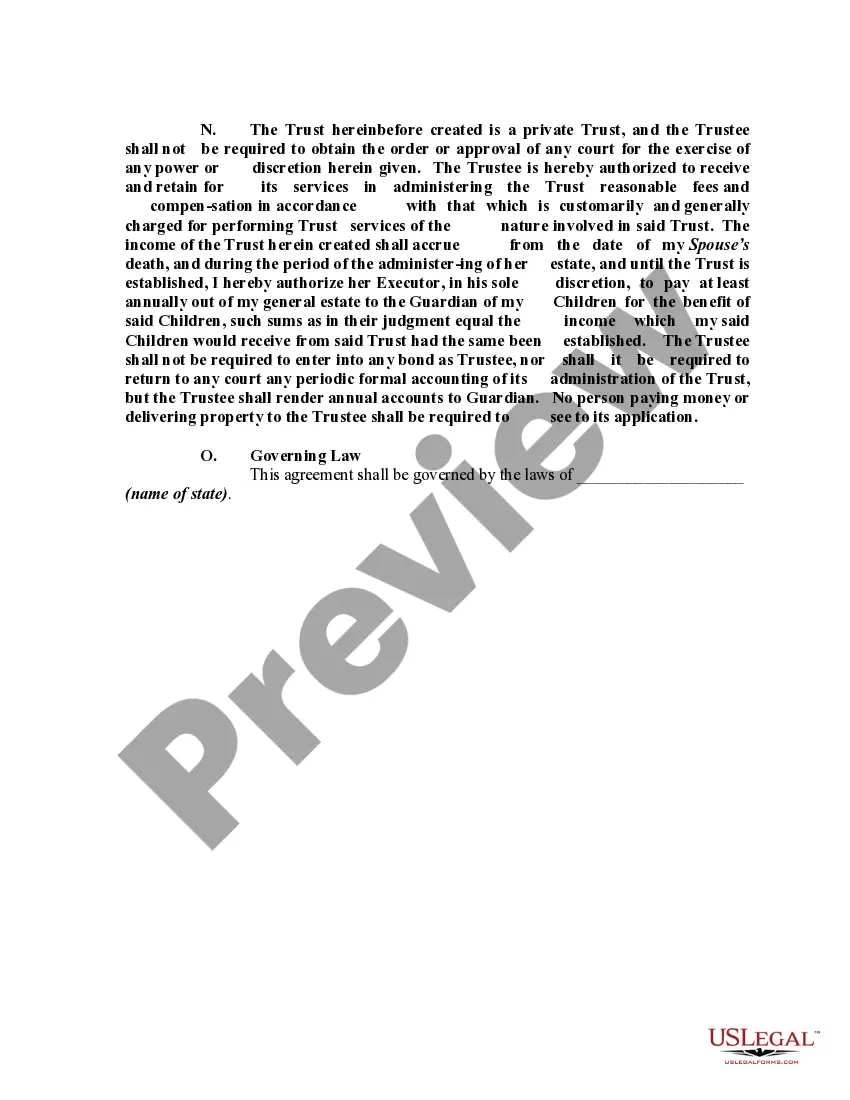
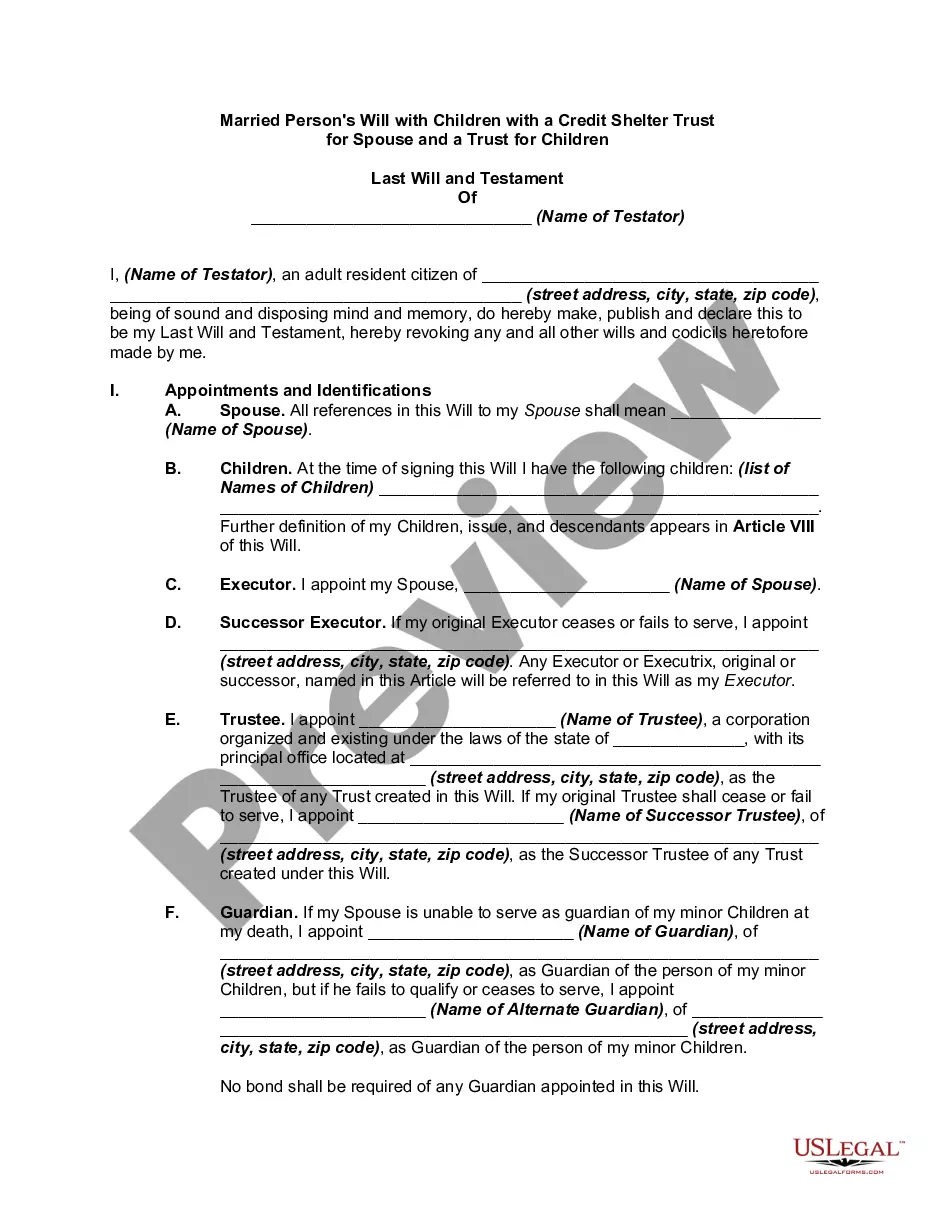
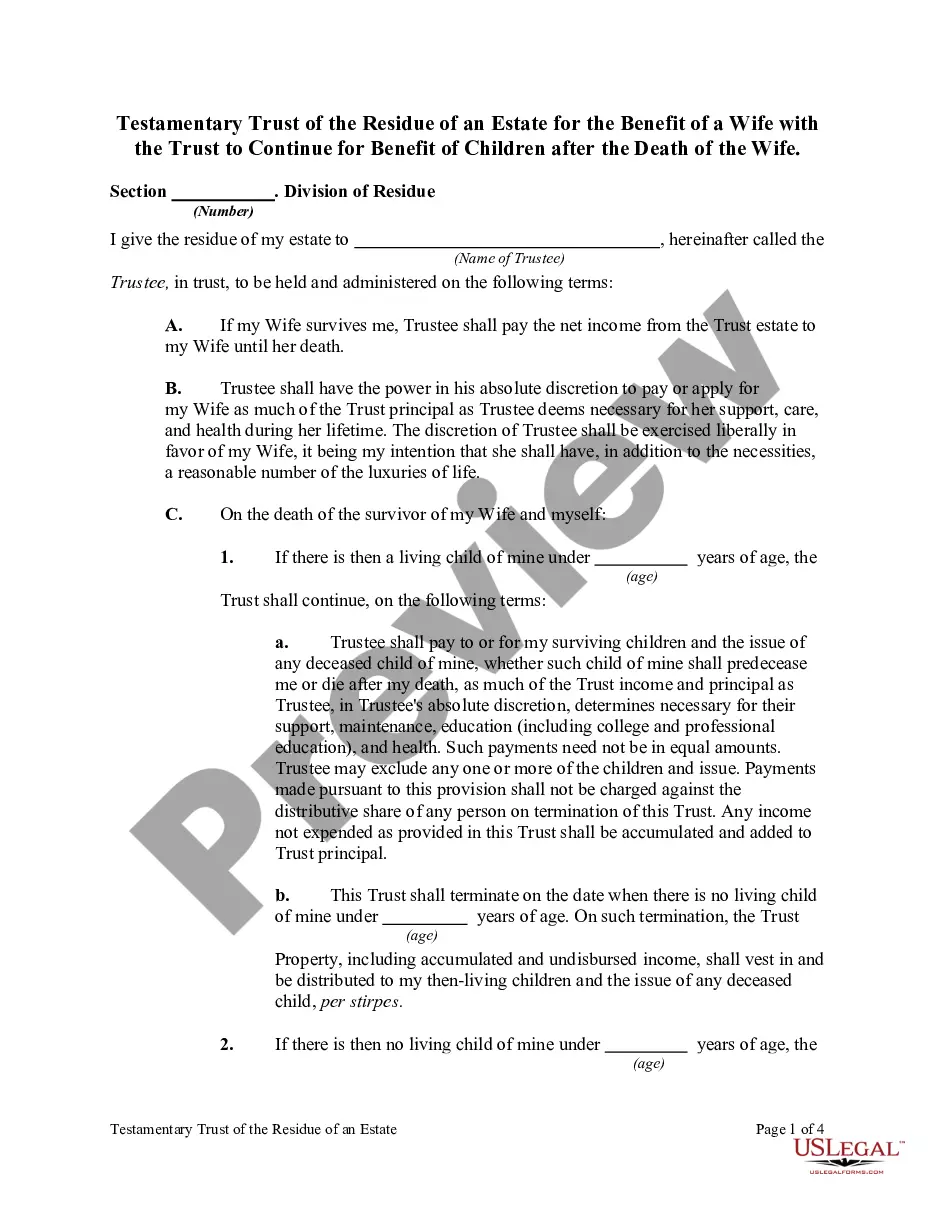
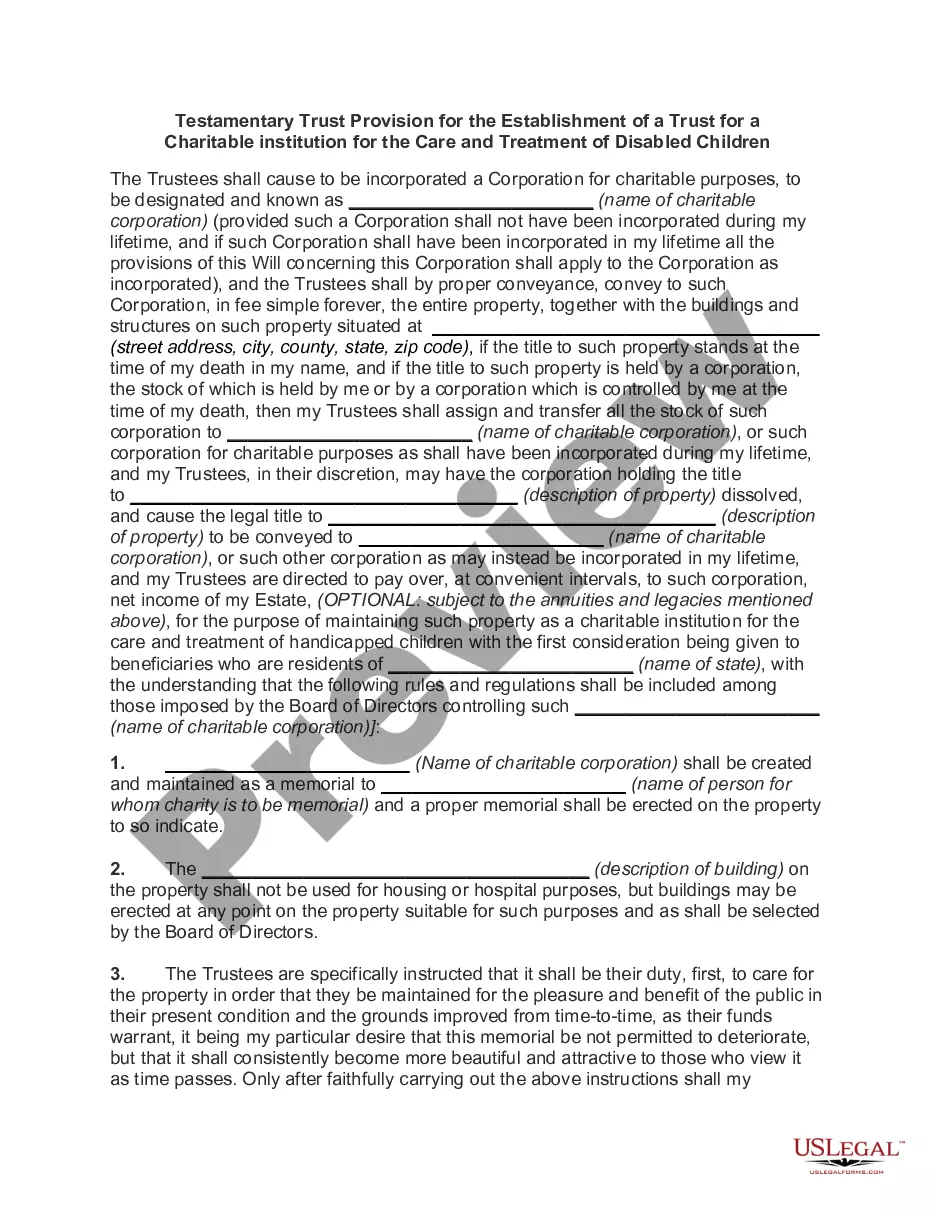

Get your form ready online
Our built-in tools help you complete, sign, share, and store your documents in one place.
Make edits, fill in missing information, and update formatting in US Legal Forms—just like you would in MS Word.
Download a copy, print it, send it by email, or mail it via USPS—whatever works best for your next step.
Sign and collect signatures with our SignNow integration. Send to multiple recipients, set reminders, and more. Go Premium to unlock E-Sign.
If this form requires notarization, complete it online through a secure video call—no need to meet a notary in person or wait for an appointment.
We protect your documents and personal data by following strict security and privacy standards.

Make edits, fill in missing information, and update formatting in US Legal Forms—just like you would in MS Word.

Download a copy, print it, send it by email, or mail it via USPS—whatever works best for your next step.

Sign and collect signatures with our SignNow integration. Send to multiple recipients, set reminders, and more. Go Premium to unlock E-Sign.

If this form requires notarization, complete it online through a secure video call—no need to meet a notary in person or wait for an appointment.

We protect your documents and personal data by following strict security and privacy standards.
Looking for another form?

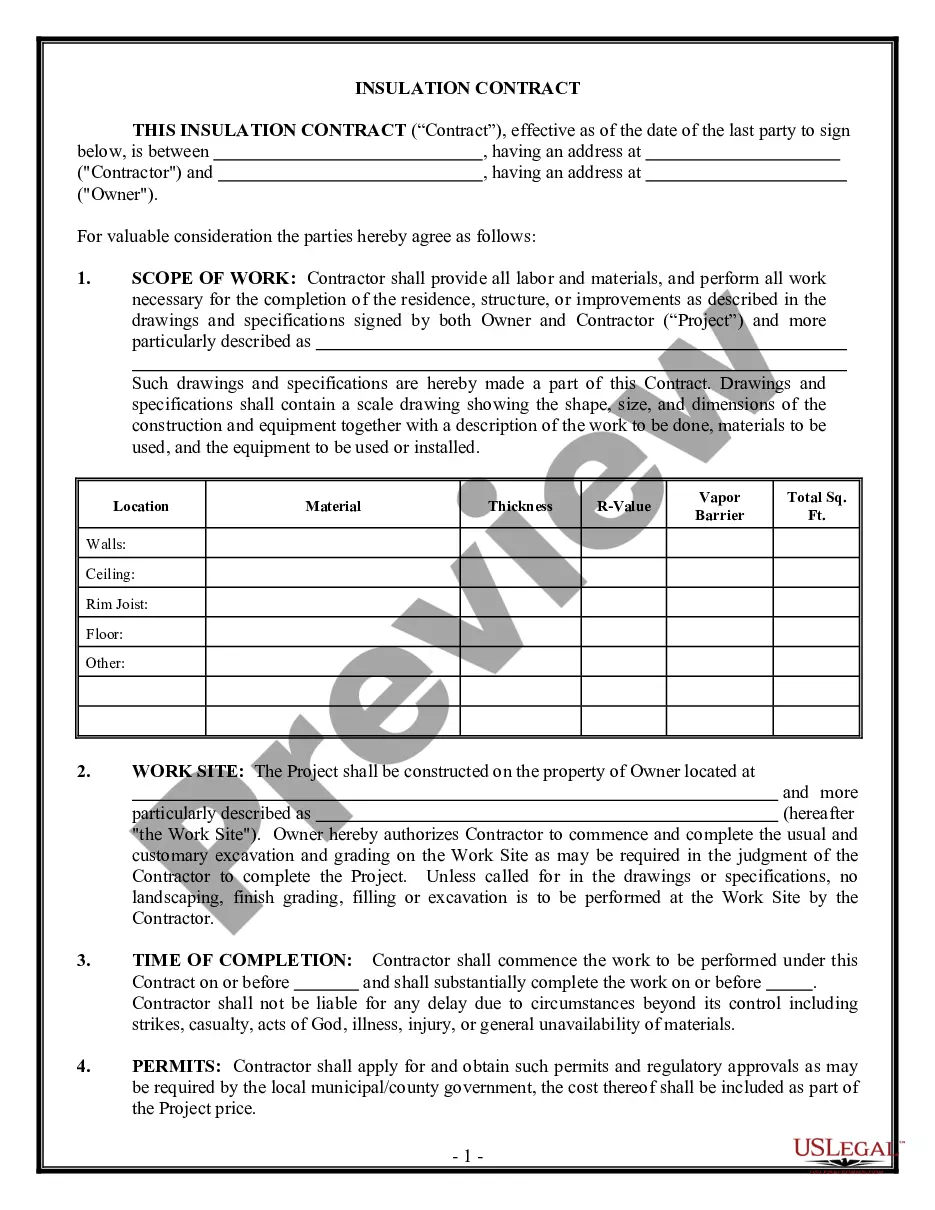
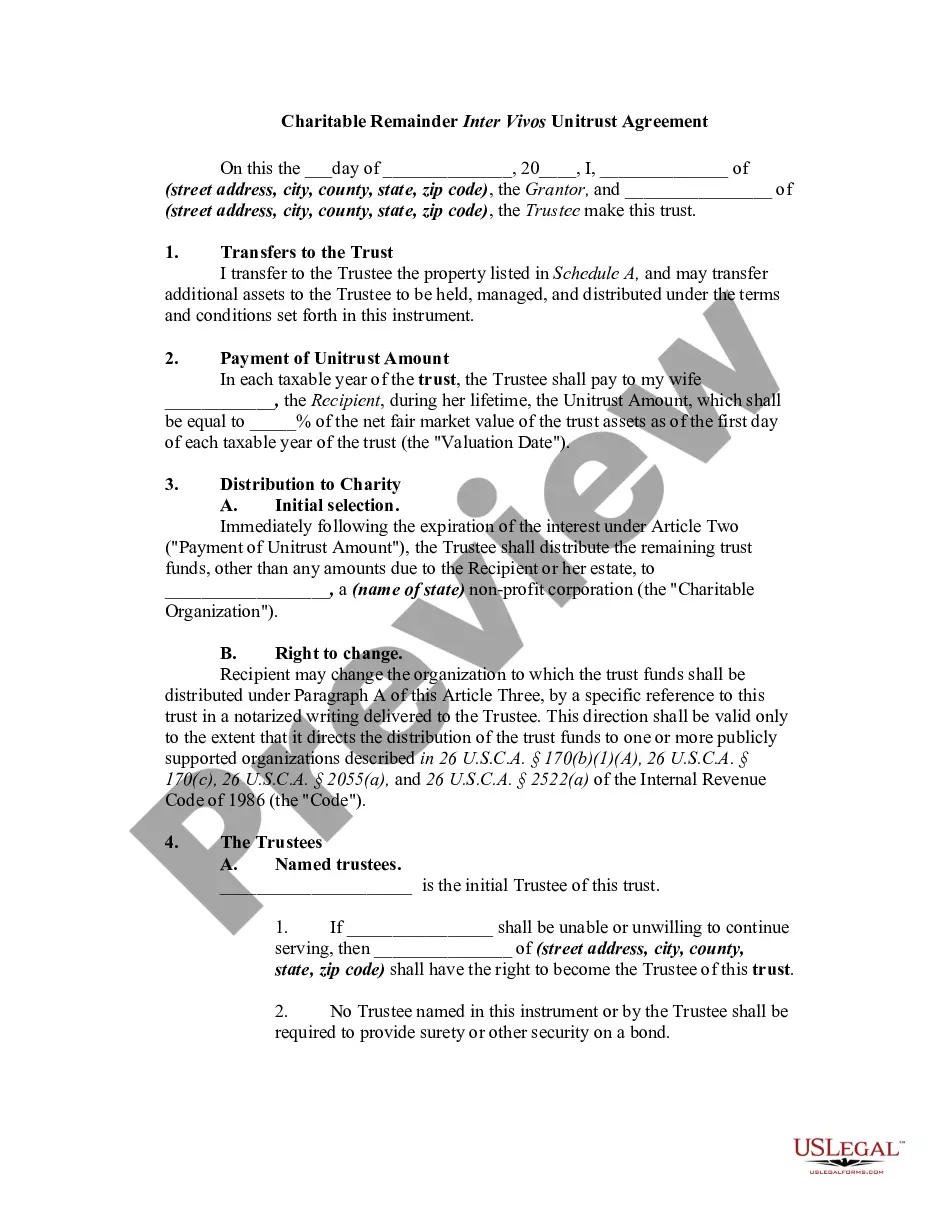

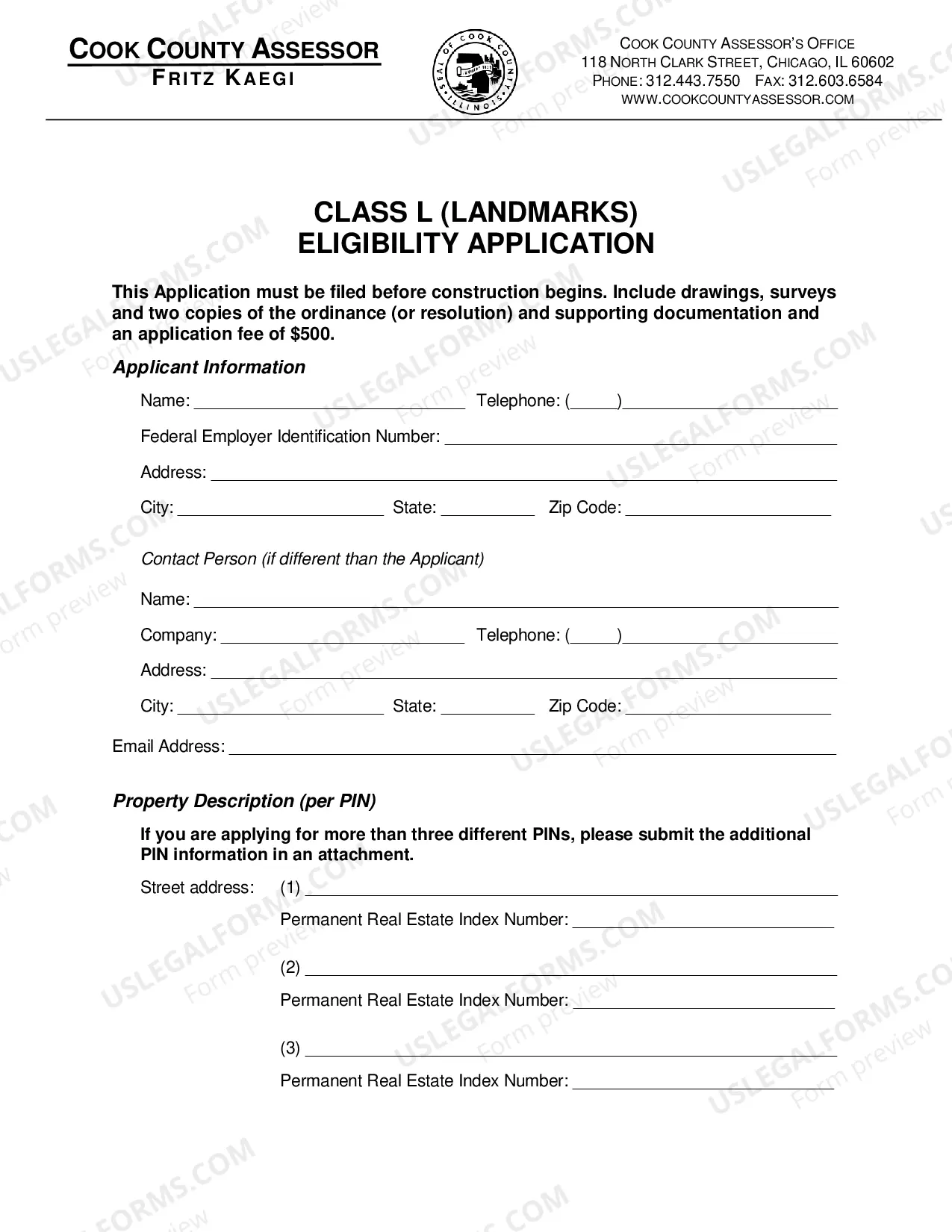


How to fill out Testamentary Trust Provision In Will With Spouse To Receive A Life Estate In Farm Land With Remainder Interest In Land To Pass To Trust For The Benefit Of Children?
- Log in to your US Legal Forms account if you're a returning user, and ensure your subscription is active before downloading your desired document.
- For first-time users, begin by exploring the extensive library of forms available. Use the Preview mode and descriptions to find the correct testamentary trust provision that aligns with your requirements.
- If necessary, utilize the Search tab to locate alternative templates that better match your needs.
- Once you've selected a suitable form, click the Buy Now button and choose a subscription plan that works for you, registering your account for access.
- Complete your purchase by entering your payment information, whether through credit card or PayPal.
- After purchasing, download your document to your device. You can also access it anytime via the My Forms section in your profile.
In conclusion, US Legal Forms empowers users by providing an extensive library of legal forms, ensuring that individuals and attorneys can quickly and confidently create accurate legal documents. With over 85,000 templates available, you'll find exactly what you need.
Start your estate planning today by visiting US Legal Forms to discover the right testamentary trust provision for your needs!
Form popularity
FAQ
A trust provision is a specific clause within a trust document that outlines how the trust's assets should be managed and distributed. By setting a testamentary trust provision example, individuals can dictate terms for asset distribution upon their passing. This ensures that beneficiaries receive assets according to the grantor's wishes. Consider using uslegalforms to create a precise and tailored trust document that includes your ideal trust provision.
An example of a testamentary trust provision in a will might state, 'Upon my death, I establish a testamentary trust for my minor children, which will be managed by my brother for their education and living expenses until they reach the age of 25.' This clarity helps to ensure that your wishes are honored and provides a financial safety net for your loved ones. By including such provisions, you demonstrate a commitment to their future. Using a testamentary trust provision example can help you draft similar language effectively.
One significant disadvantage of a testamentary trust is that it only takes effect after your death, meaning your beneficiaries may not have immediate access to funds. This delay can be problematic if they need immediate financial assistance. Additionally, a testamentary trust may be subject to probate, which can slow down the distribution process and incur legal fees. Understanding these issues, a testamentary trust provision example can help you plan more effectively.
A testamentary trust generally includes several key elements, such as the names of the trustee and beneficiaries, the purpose of the trust, and the assets that will fund it. Additionally, it outlines how and when the assets will be distributed, ensuring that your beneficiaries' needs are met over time. By including these elements, you create a structured plan for asset management after your death. A testamentary trust provision example can illustrate how to effectively structure these crucial details.
Writing a testamentary trust involves specific steps to ensure your intentions are clearly outlined. Start by drafting your will, incorporating a clause that establishes the testamentary trust and naming the trustee. Specify the terms of the trust, including who the beneficiaries will be and how the assets will be managed and distributed. A testamentary trust provision example can guide you in detailing all necessary components in your will.
Yes, you can name a testamentary trust as a beneficiary in your estate planning documents. This allows the assets to be transferred directly to the trust upon your passing, ensuring that your loved ones are taken care of according to your wishes. By doing this, you secure a clear distribution process, which helps to avoid potential disputes. A testamentary trust provision example ensures that your assets will be managed according to your specific instructions.
To order a testamentary letter, you will first need to file a petition for probate in your local court. This includes submitting the will and any required supporting documents. After the court reviews these materials and approves them, you can request the letters. Using platforms like US Legal Forms can assist you in this process, offering templates and guidance on creating a testamentary trust provision example.
The time it takes to obtain a letter of testimony, also known as letters of testamentary, can vary depending on the complexity of the estate and the court's schedule. Generally, it may take several weeks to a few months after the initial filing. Engaging with a service like US Legal Forms can streamline the process and help you prepare the required documentation efficiently.
You receive a letter of testamentary by being appointed as the executor of an estate by the probate court. After filing the petition and necessary documents, the court will hold a hearing to validate the will. Once approved, the court issues the letter, granting you legal authority to manage the deceased's estate, including any testamentary trust provision example entailed in the will.
Writing a testamentary trust involves outlining the terms under which assets will be distributed after your death. First, you should detail the beneficiaries and the assets included in the trust. It is essential to define the trustee's responsibilities and any conditions under which the assets will be distributed. For a clear testamentary trust provision example, consulting with a legal professional can provide key insights.