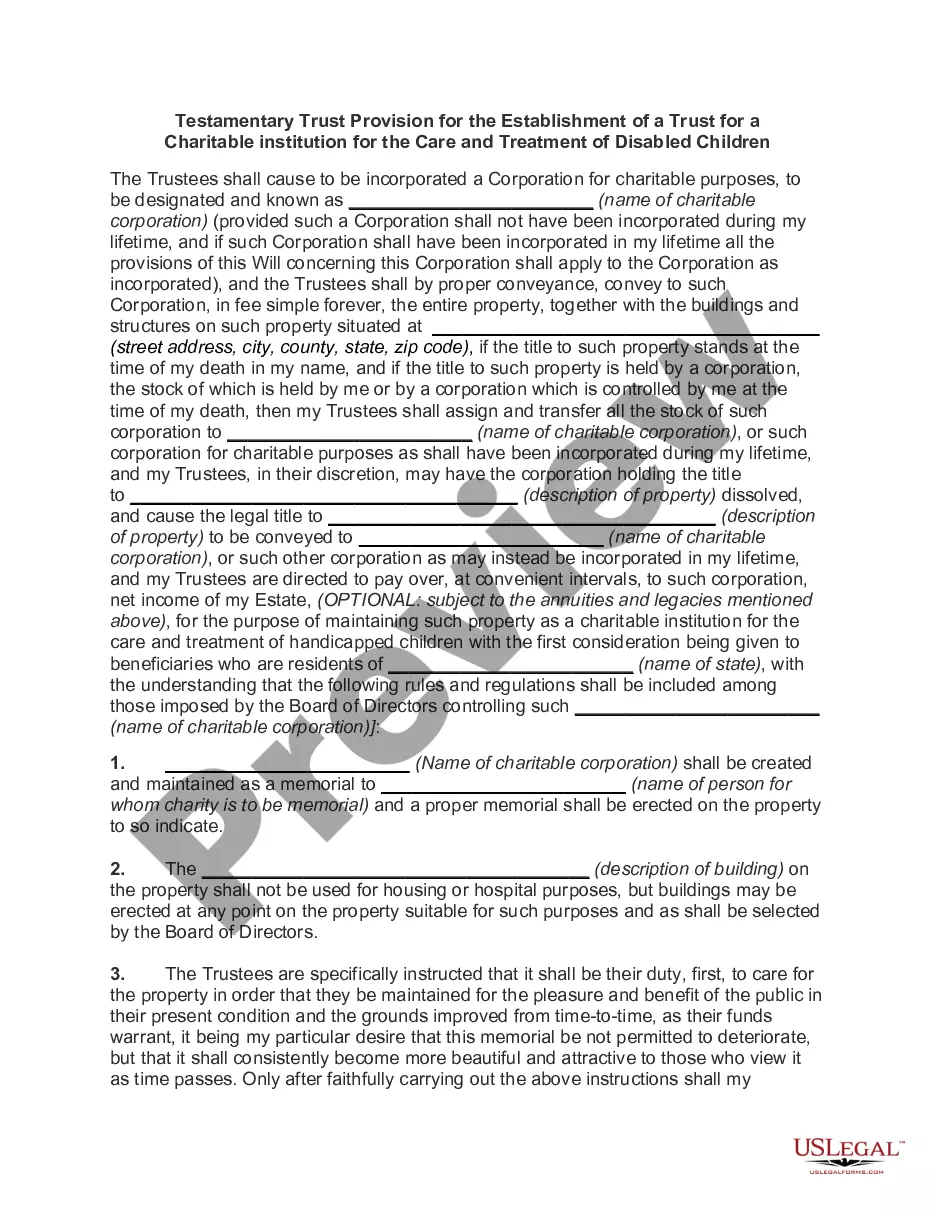
Testamentary Trust In Chinese
Description

Get your form ready online
Our built-in tools help you complete, sign, share, and store your documents in one place.
Make edits, fill in missing information, and update formatting in US Legal Forms—just like you would in MS Word.
Download a copy, print it, send it by email, or mail it via USPS—whatever works best for your next step.
Sign and collect signatures with our SignNow integration. Send to multiple recipients, set reminders, and more. Go Premium to unlock E-Sign.
If this form requires notarization, complete it online through a secure video call—no need to meet a notary in person or wait for an appointment.
We protect your documents and personal data by following strict security and privacy standards.

Make edits, fill in missing information, and update formatting in US Legal Forms—just like you would in MS Word.

Download a copy, print it, send it by email, or mail it via USPS—whatever works best for your next step.

Sign and collect signatures with our SignNow integration. Send to multiple recipients, set reminders, and more. Go Premium to unlock E-Sign.

If this form requires notarization, complete it online through a secure video call—no need to meet a notary in person or wait for an appointment.

We protect your documents and personal data by following strict security and privacy standards.
Looking for another form?









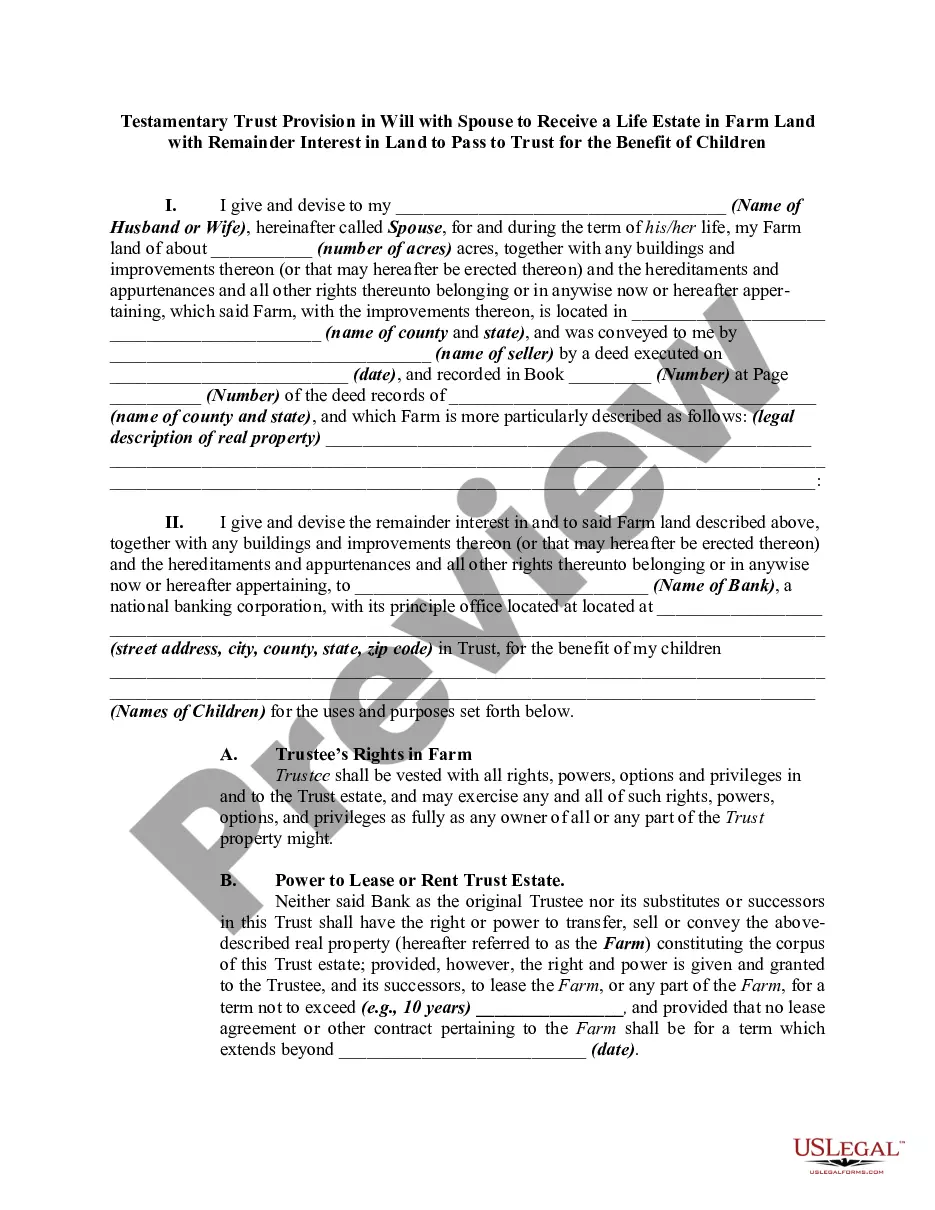
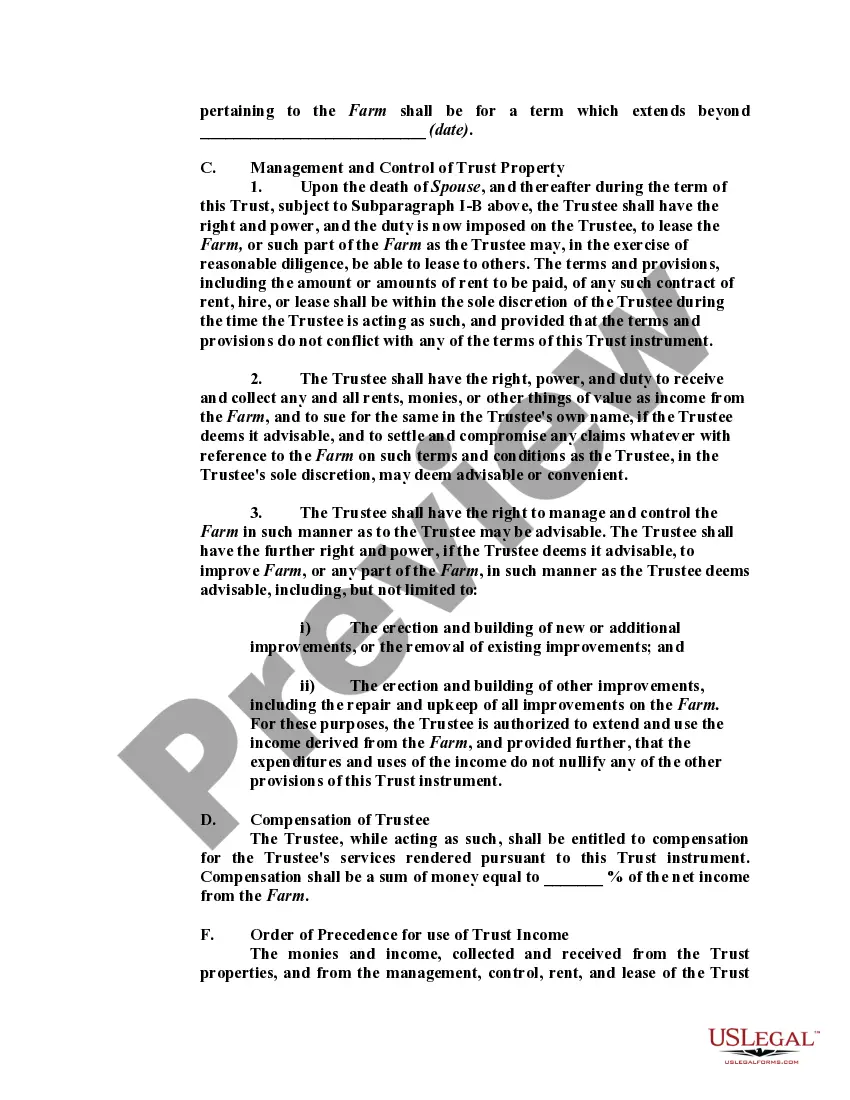
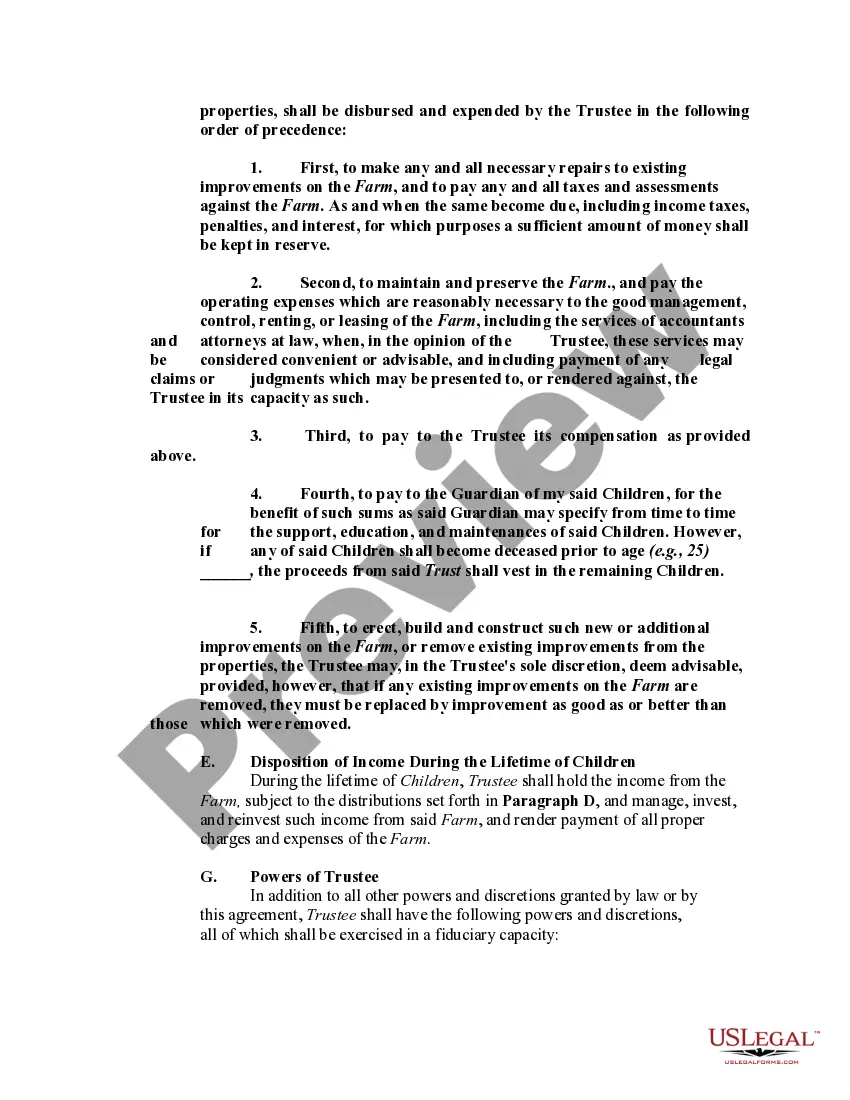
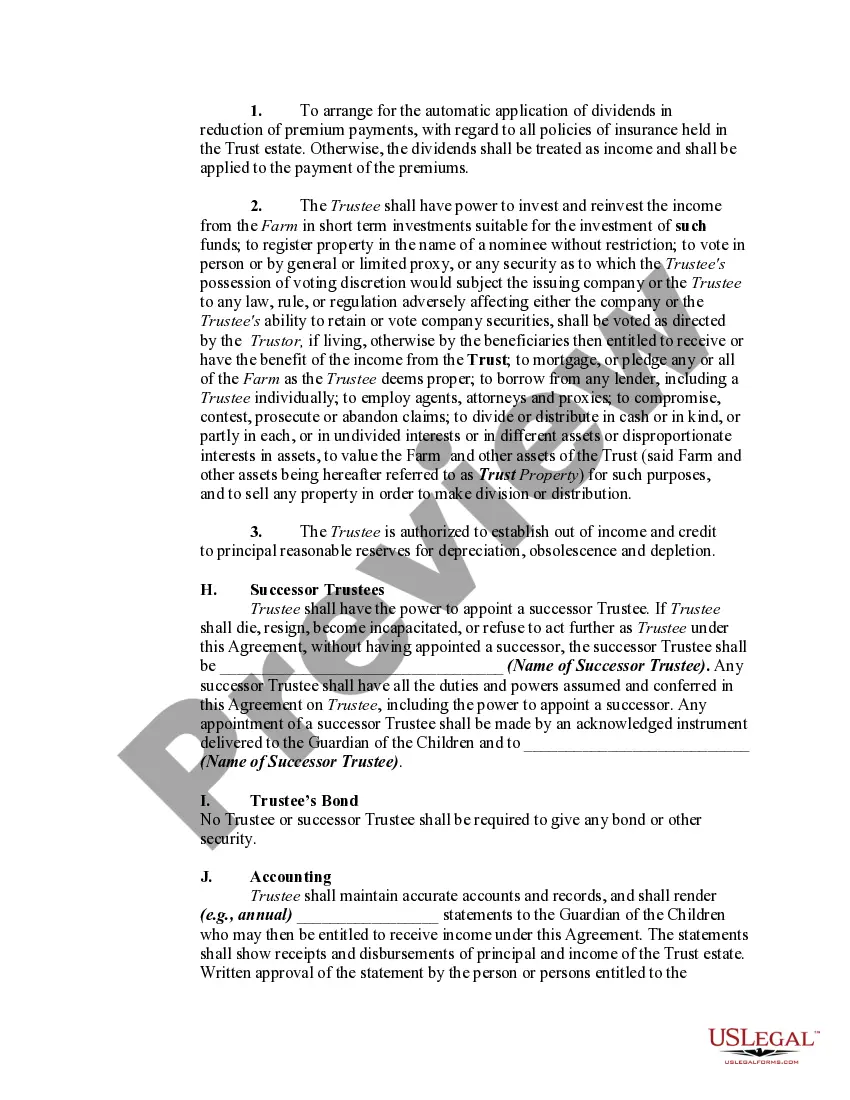
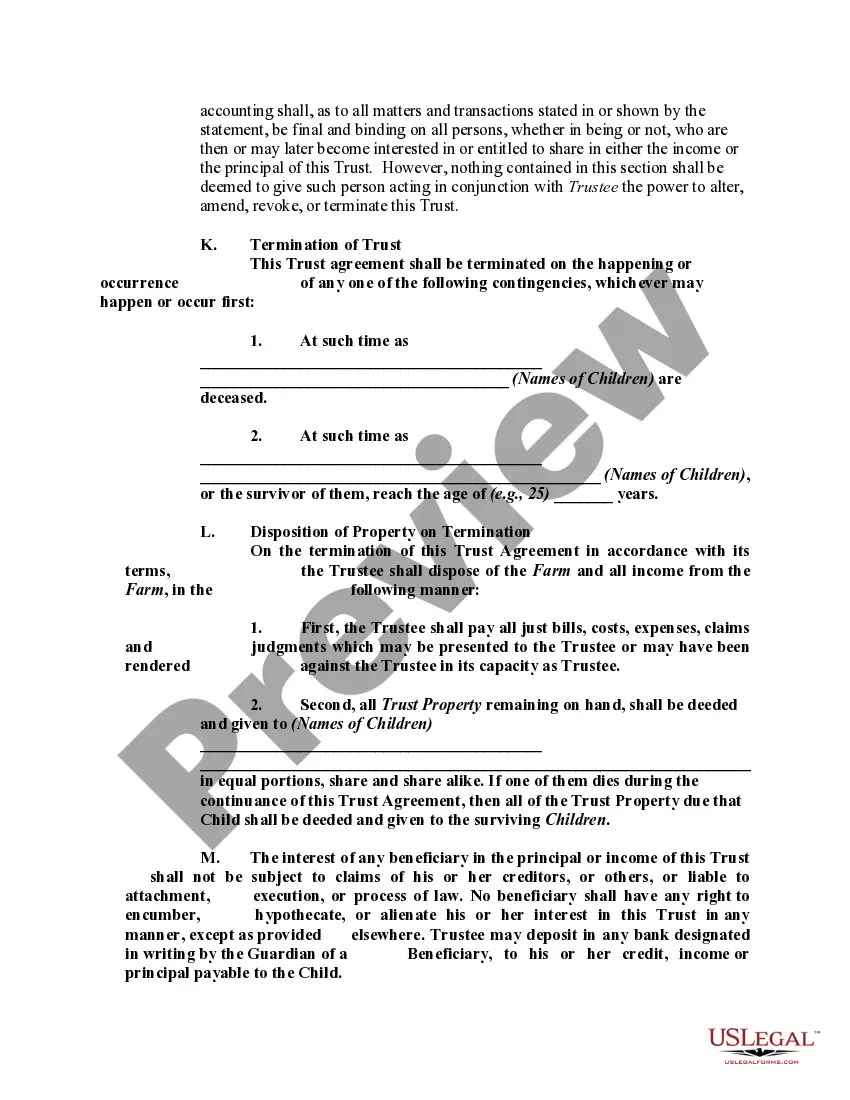
How to fill out Testamentary Trust Provision In Will With Spouse To Receive A Life Estate In Farm Land With Remainder Interest In Land To Pass To Trust For The Benefit Of Children?
Creating legal documents from the ground up can frequently feel a bit daunting.
Certain instances may require extensive research and significant financial investment.
If you are searching for a simpler and more economical method of preparing Testamentary Trust In Chinese or any other paperwork without unnecessary hurdles, US Legal Forms is always available for you.
Our online collection of over 85,000 current legal documents covers nearly every facet of your financial, legal, and personal affairs. With just a few clicks, you can swiftly access state- and county-specific forms meticulously crafted for you by our legal experts.
Ensure the form you choose adheres to the regulations and laws of your state and county. Select the appropriate subscription option to obtain the Testamentary Trust In Chinese. Download the document, then complete, validate, and print it. US Legal Forms has an impeccable reputation and over 25 years of experience. Join us today and make document completion effortless and streamlined!
- Utilize our platform whenever you require a dependable and trustworthy service through which you can quickly find and download the Testamentary Trust In Chinese.
- If you are a returning user and have previously created an account with us, simply Log In to your account, select the form, and download it or re-download it at any later time in the My documents section.
- Don't possess an account? No worries. Setting one up takes minimal time, allowing you to explore the library.
- Prior to hastily downloading Testamentary Trust In Chinese, consider these suggestions.
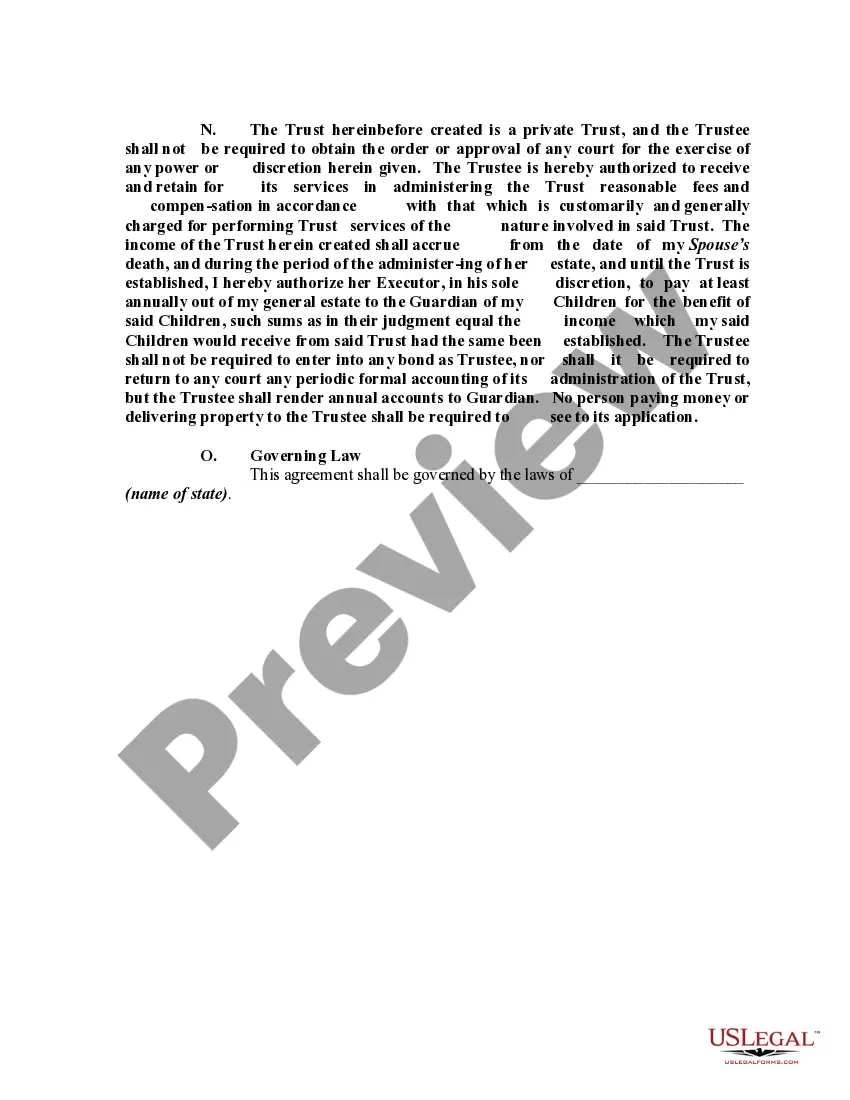
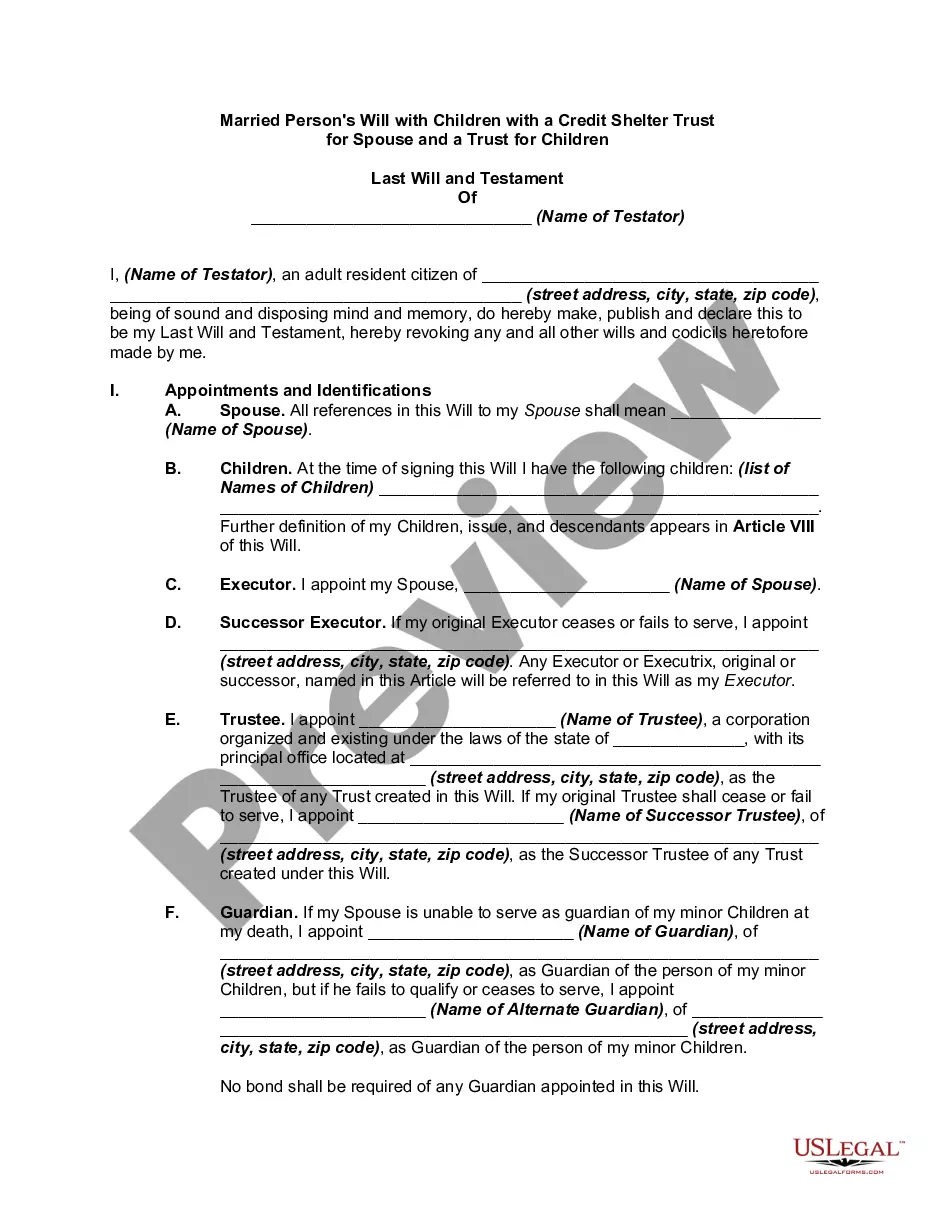
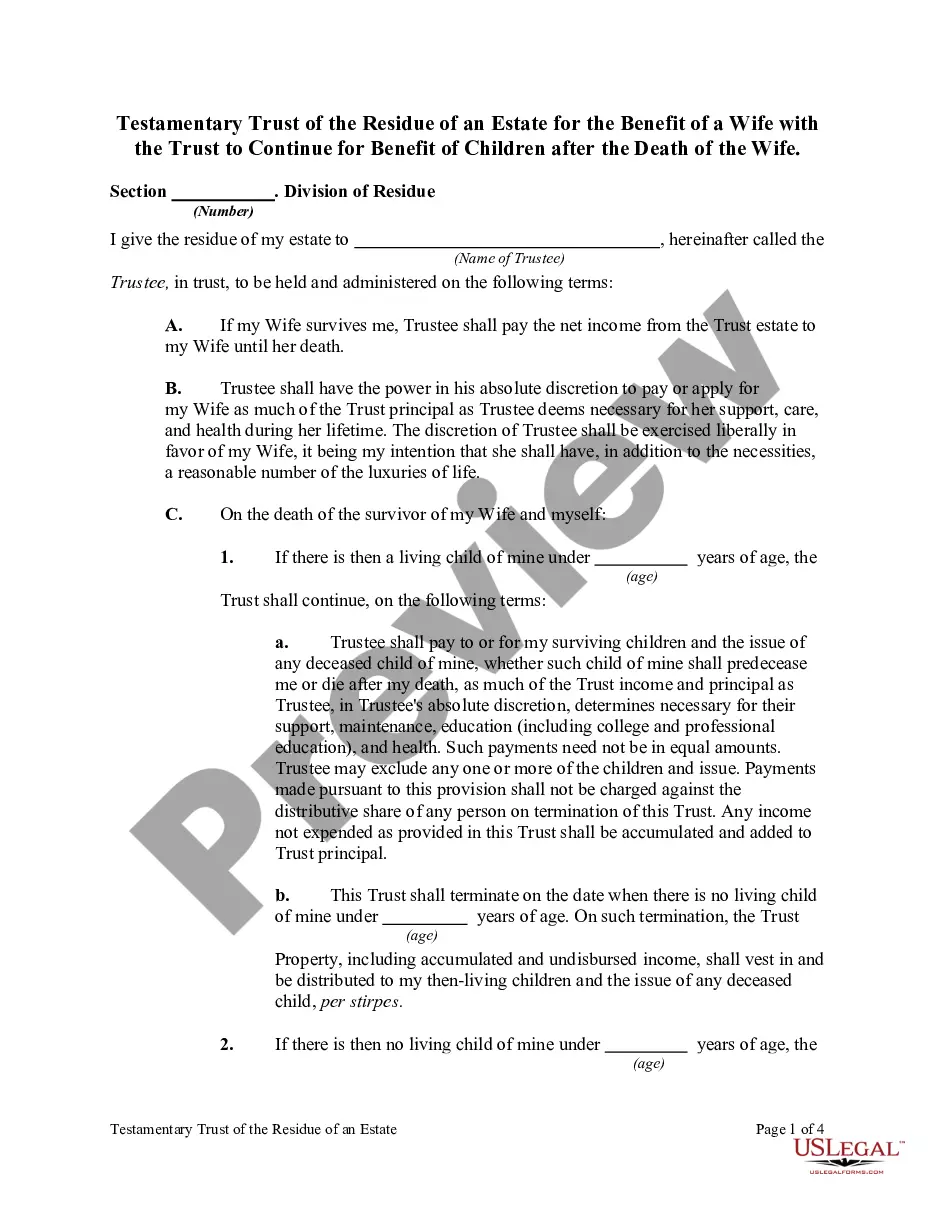
- Review the form preview and descriptions to ensure you are viewing the correct document.
Form popularity
FAQ
The structure of a testamentary trust in Chinese typically includes a trustee, beneficiaries, and the assets intended for distribution. The trustee manages the assets based on your will's directives, ensuring that the trust operates according to your wishes. Understanding this structure can help you create a more effective estate plan and protect your loved ones’ future.
Yes, a testamentary trust in Chinese is required to file a tax return once it reaches a certain income threshold. The income generated from the trust may be taxable to the trust or to the beneficiaries, depending on how you structure it. It's crucial to consult with a tax professional to ensure compliance and optimize tax liabilities related to your testamentary trust.
A testamentary trust is a legal arrangement created through a will, which outlines how your assets will be managed and distributed after your death. For instance, if you want to ensure your children receive their inheritance at a certain age, you can establish a testamentary trust in Chinese that specifies the conditions under which they receive the funds. This type of trust allows you to control your assets even after you’re gone, providing peace of mind for you and your family.
You should consider setting up a testamentary trust during your estate planning phase, especially if you have minor children or dependents. This type of trust also protects assets from creditors and manages distributions according to your wishes. Engaging with professionals who specialize in testamentary trusts in Chinese can provide you with insights into the best timing for your unique circumstances.
The main difference lies in timing and activation. A standard trust can operate during your lifetime and may offer more immediate benefits, whereas a testamentary trust is created through your will and only becomes active once you pass away. Understanding these differences is vital for effective estate planning, especially when you consider the specifics of a testamentary trust in Chinese.
When drafting a testamentary trust, you need to focus on clarity and detail. Specify the assets involved, the trustee's responsibilities, and the beneficiaries' rights. Utilizing templates from platforms like uslegalforms can streamline this process, particularly if you are looking for options tailored for a testamentary trust in Chinese.
You establish a testamentary trust by incorporating it into your will, which takes effect after your passing. During the estate settlement process, the trust is funded with the designated assets. It’s recommended to consult a legal expert who understands testamentary trusts in Chinese to navigate this process effectively.
To set up a testamentary trust, you first need to include the trust's provisions in your will. It's crucial to clearly define the assets that will fund the trust and the beneficiaries who will receive benefits. Collaborating with an estate planning attorney can ensure that your testamentary trust in Chinese is structured correctly to meet your specific needs and preferences.
A testamentary trust protects assets by placing them under the control of a trustee who manages the assets according to the testator's instructions. This arrangement can help shield assets from creditors, prevent mismanagement, and ensure that beneficiaries receive their inheritance at the right time and under the right circumstances. By understanding the benefits of a testamentary trust in Chinese, individuals can better plan for their loved ones' financial security.
A testamentary trust is a legal arrangement created through a person's will, which comes into effect only after their death. Essentially, it allows the individual to specify how their assets will be managed and distributed among beneficiaries. This type of trust ensures that the testator's wishes are respected, providing clarity and direction, which is also applicable in the testamentary trust in Chinese context.