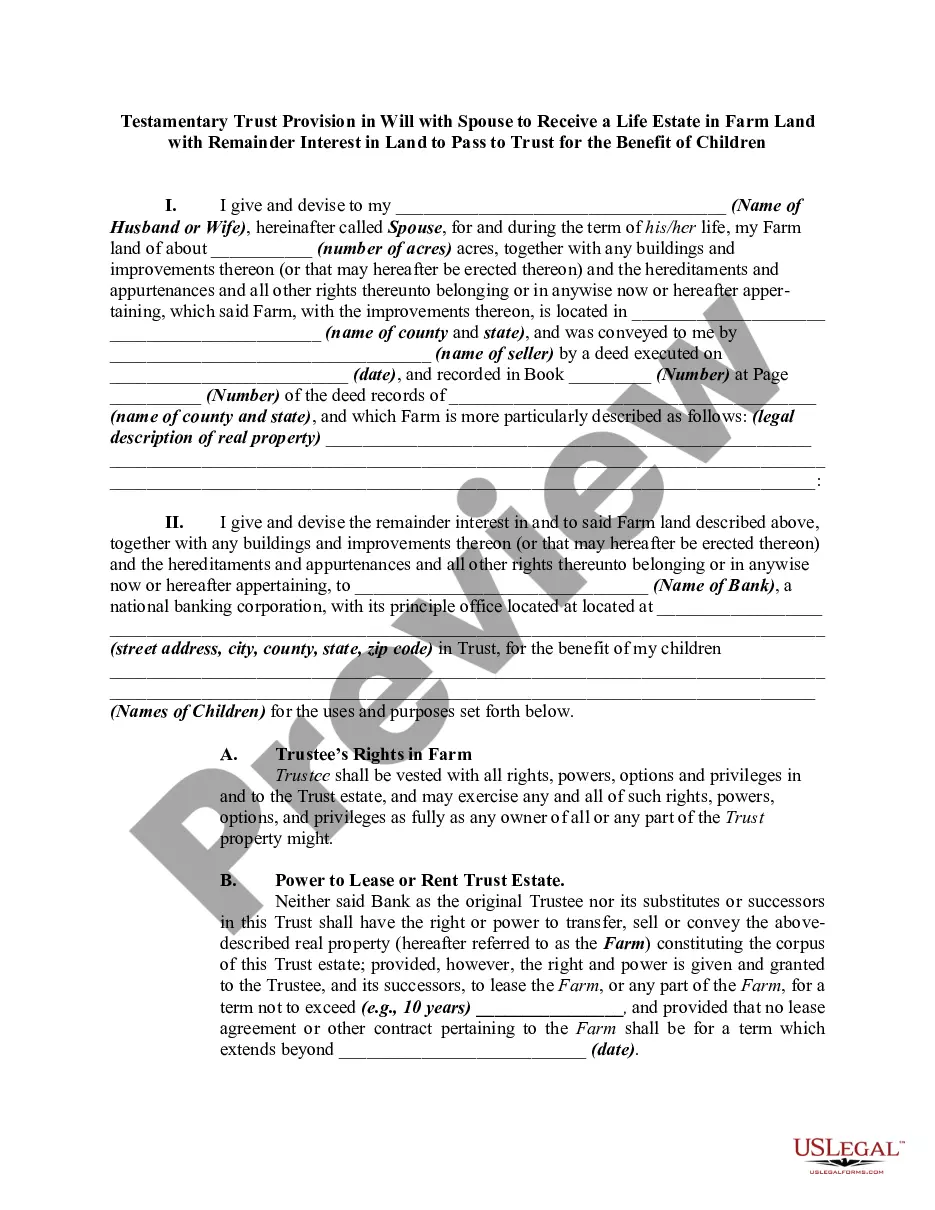
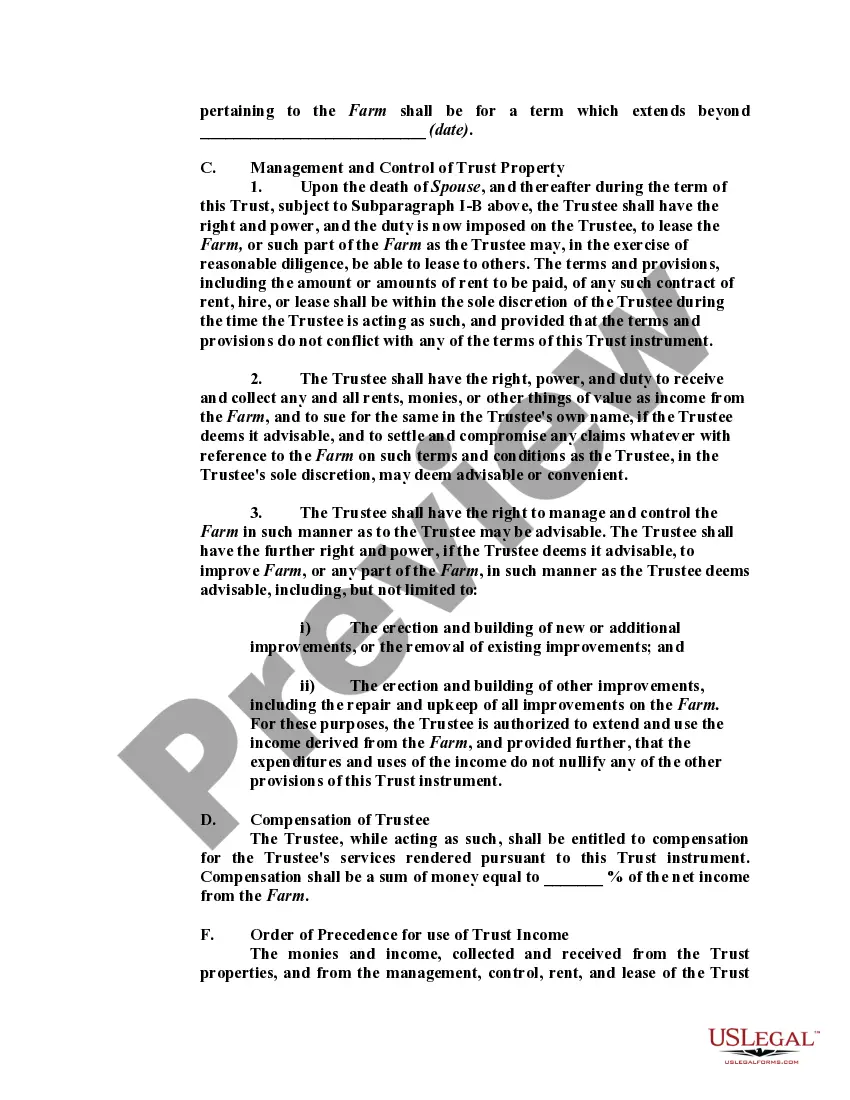
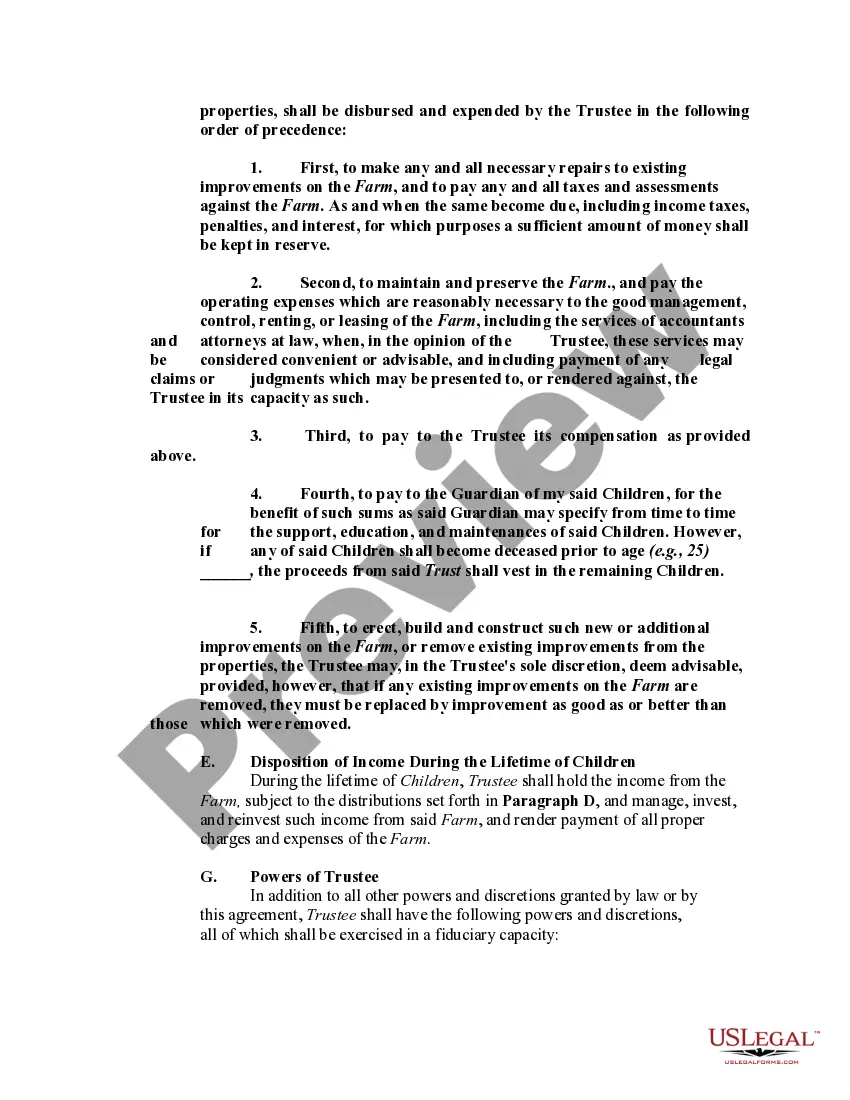
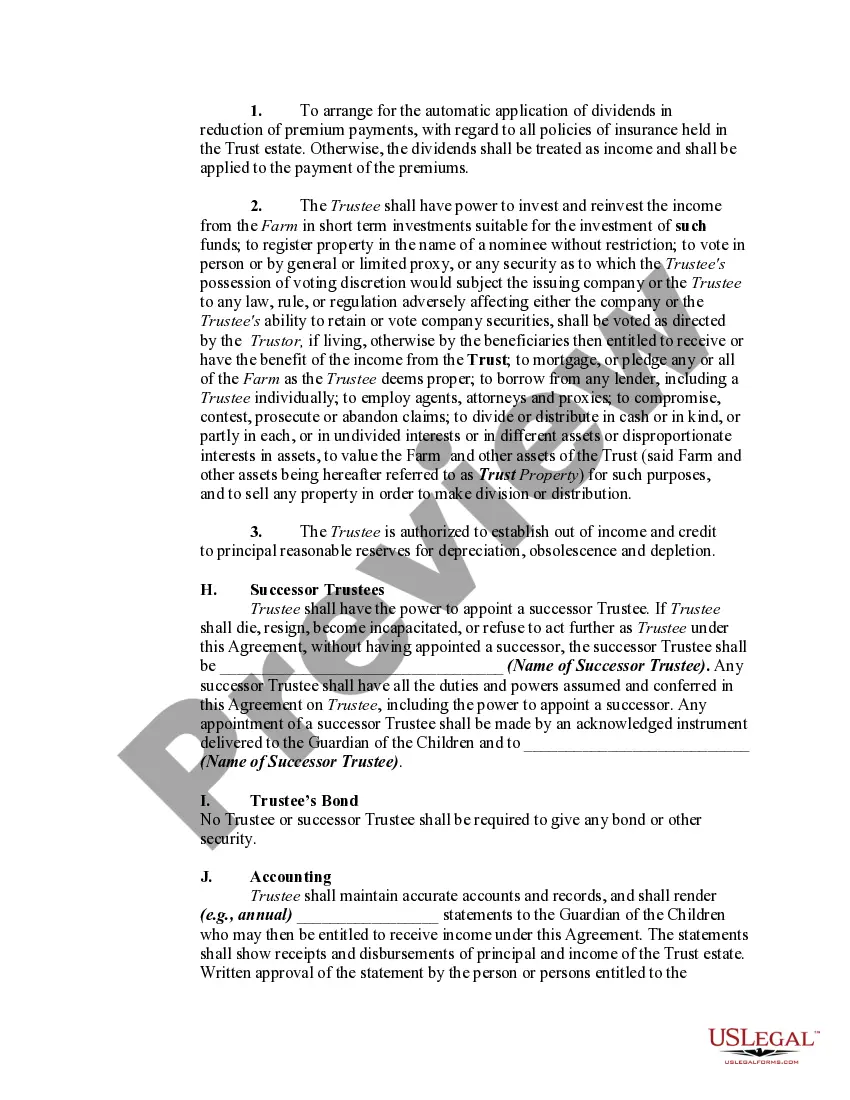
Testamentary Statement Format
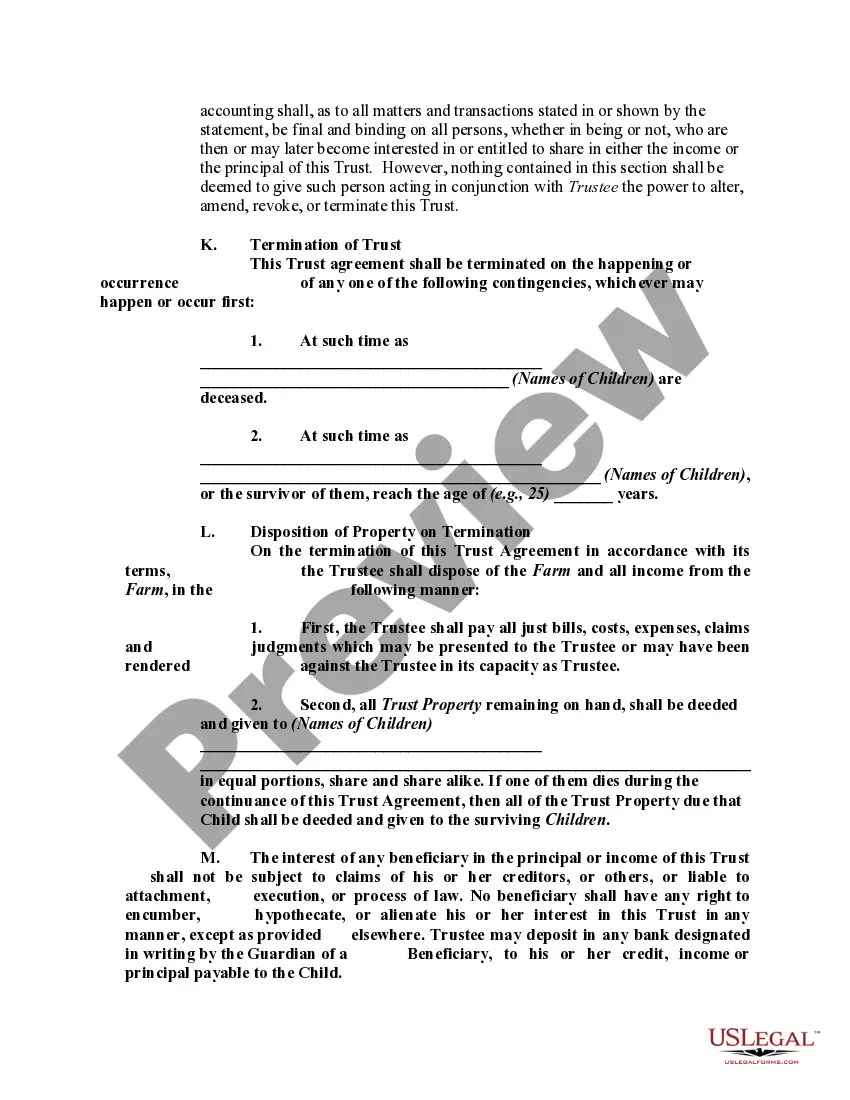
Description
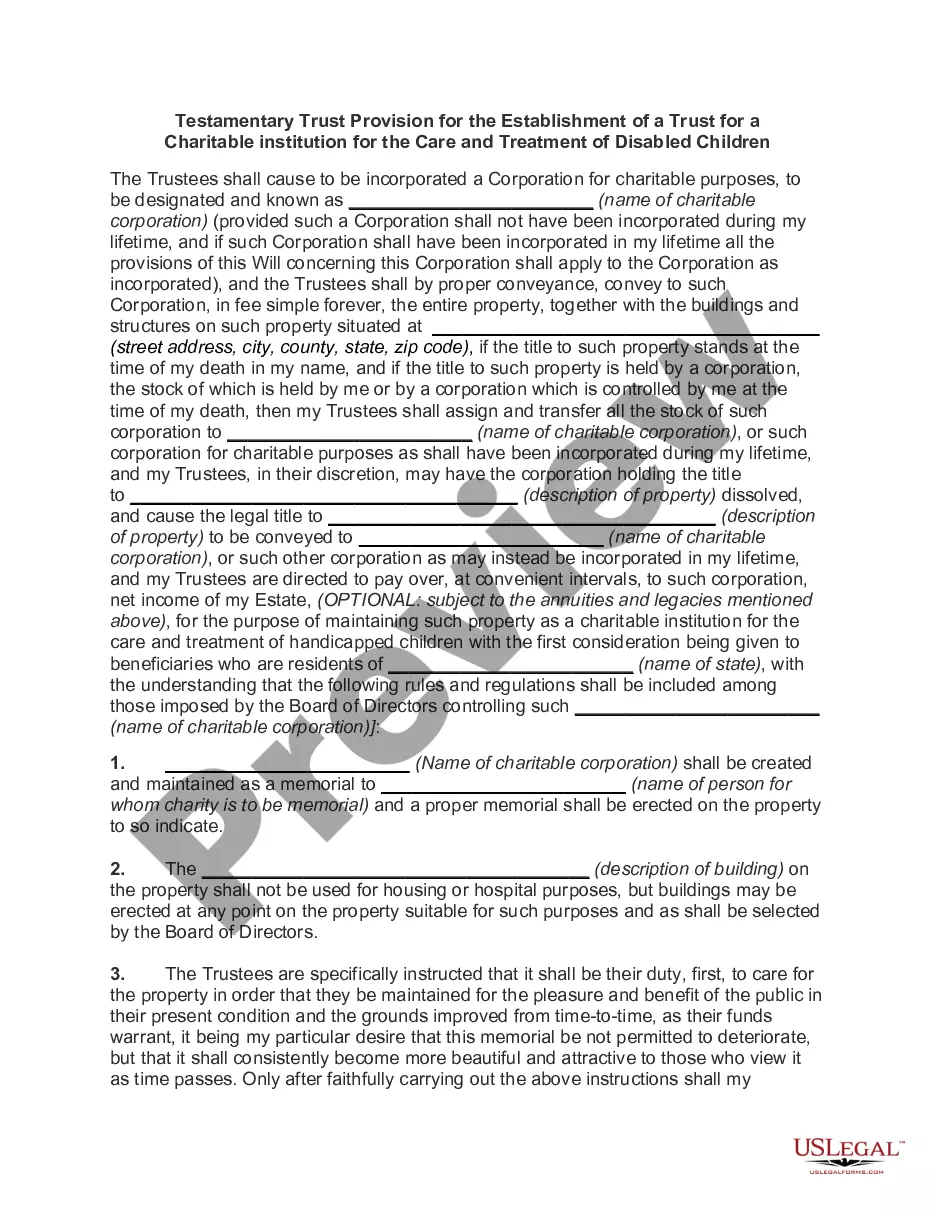
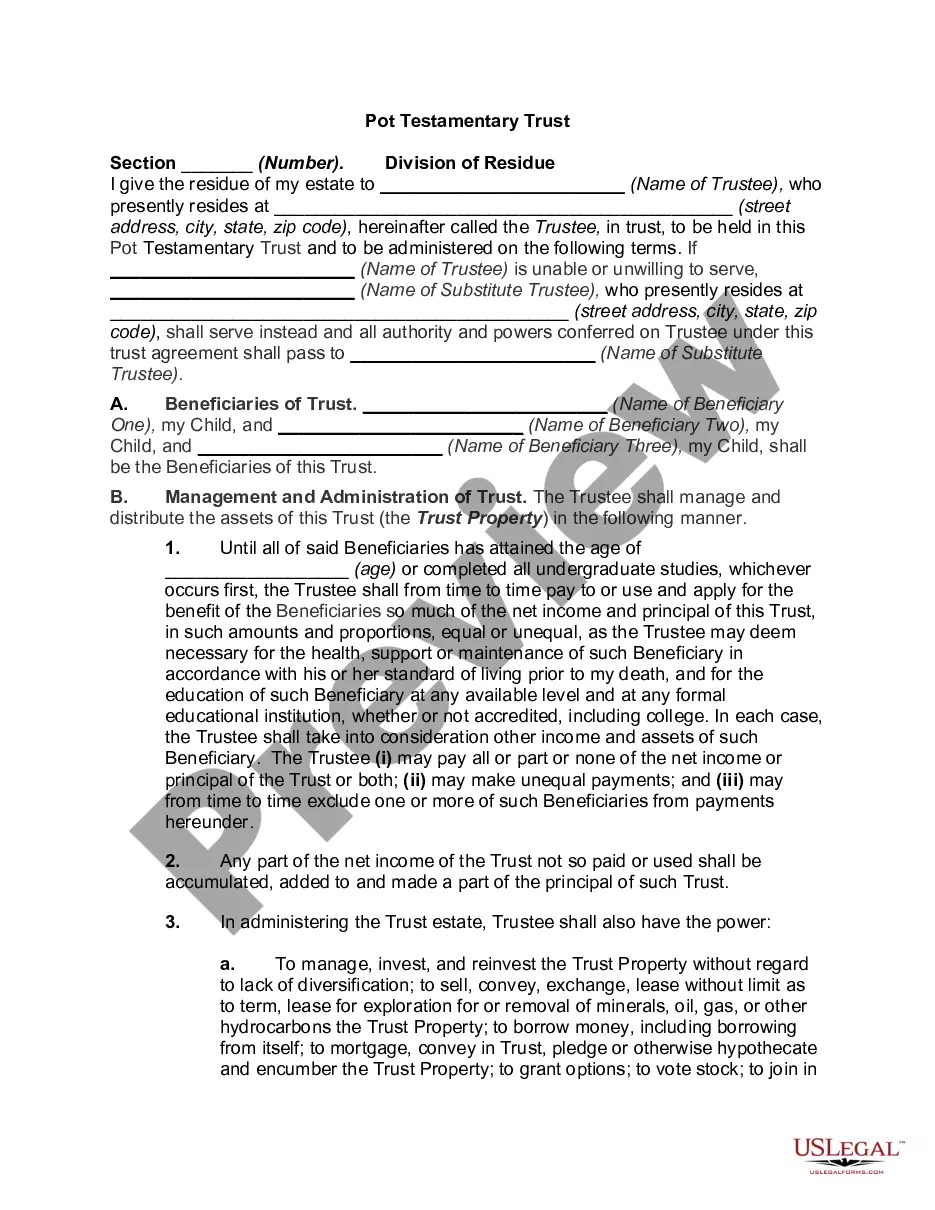
Get your form ready online
Our built-in tools help you complete, sign, share, and store your documents in one place.
Make edits, fill in missing information, and update formatting in US Legal Forms—just like you would in MS Word.
Download a copy, print it, send it by email, or mail it via USPS—whatever works best for your next step.
Sign and collect signatures with our SignNow integration. Send to multiple recipients, set reminders, and more. Go Premium to unlock E-Sign.
If this form requires notarization, complete it online through a secure video call—no need to meet a notary in person or wait for an appointment.
We protect your documents and personal data by following strict security and privacy standards.

Make edits, fill in missing information, and update formatting in US Legal Forms—just like you would in MS Word.

Download a copy, print it, send it by email, or mail it via USPS—whatever works best for your next step.

Sign and collect signatures with our SignNow integration. Send to multiple recipients, set reminders, and more. Go Premium to unlock E-Sign.

If this form requires notarization, complete it online through a secure video call—no need to meet a notary in person or wait for an appointment.

We protect your documents and personal data by following strict security and privacy standards.
Looking for another form?


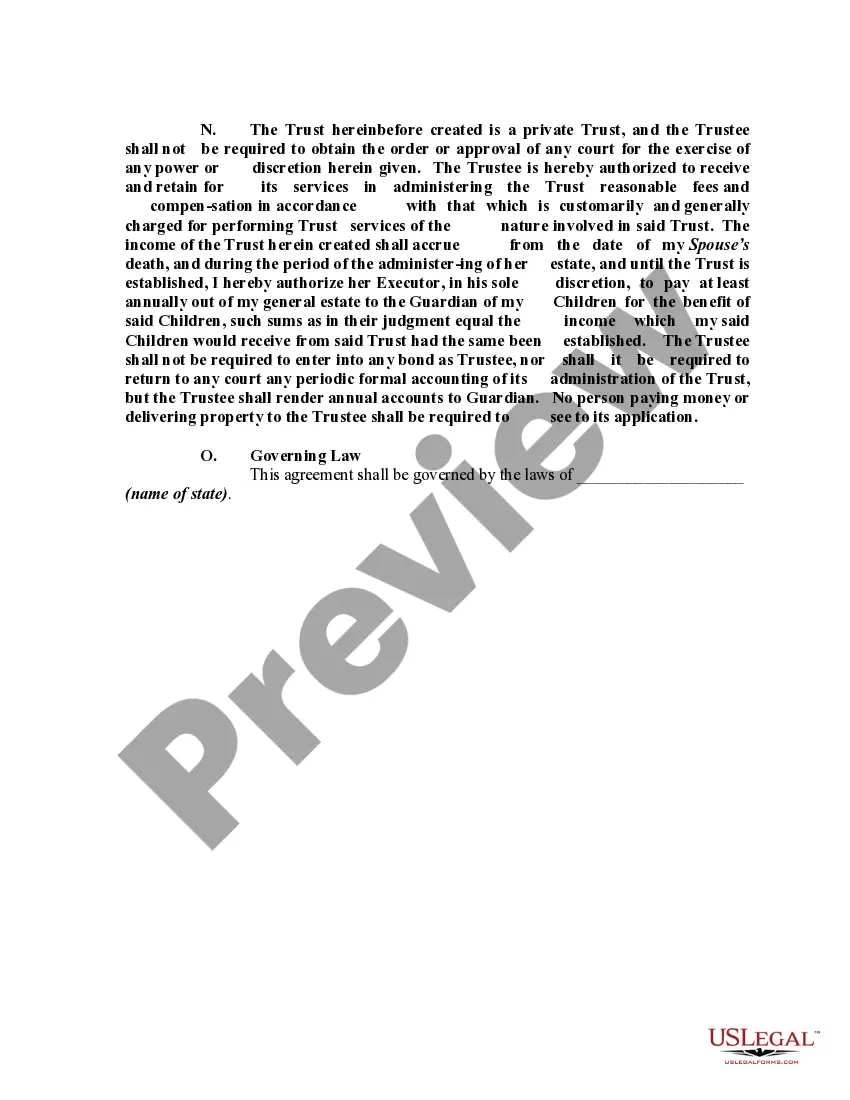
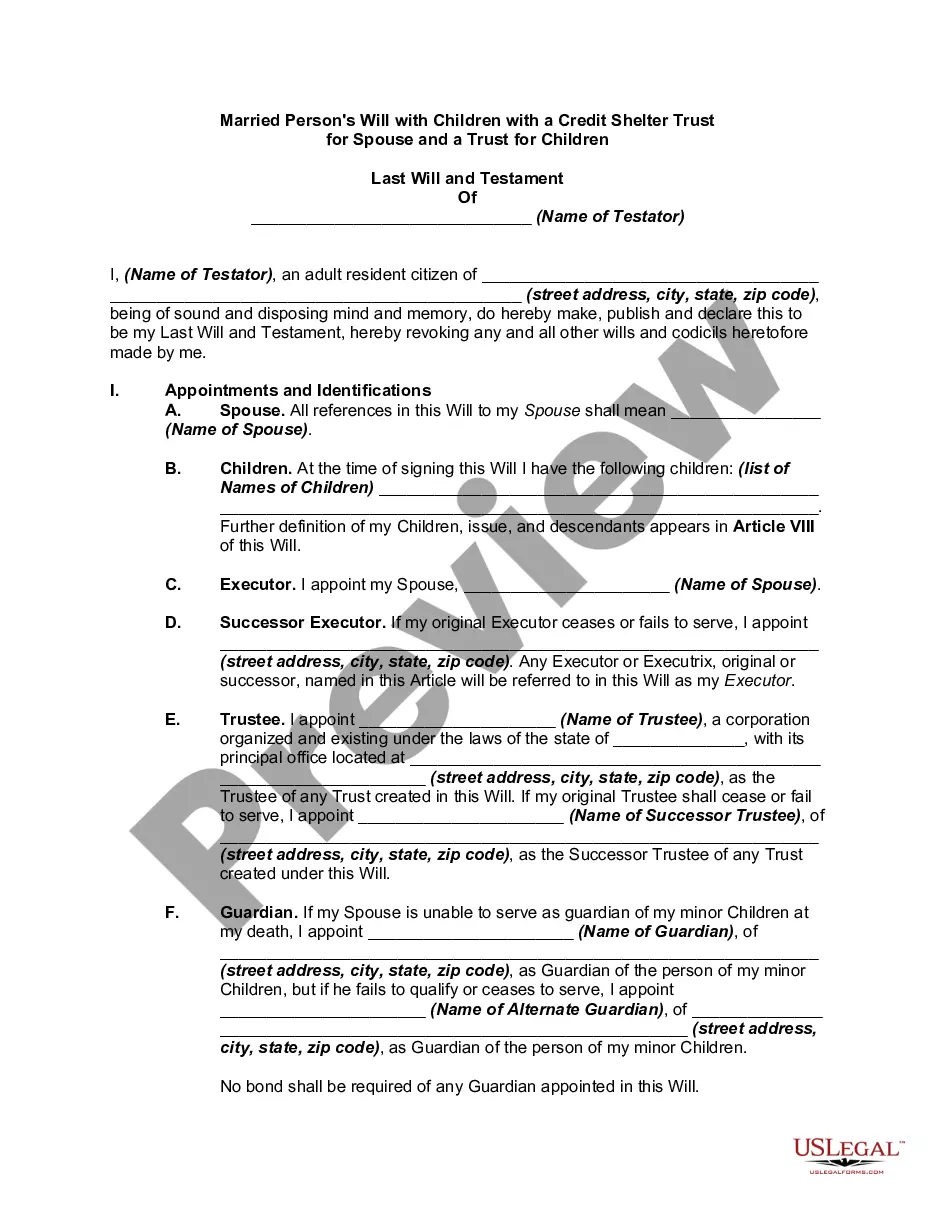
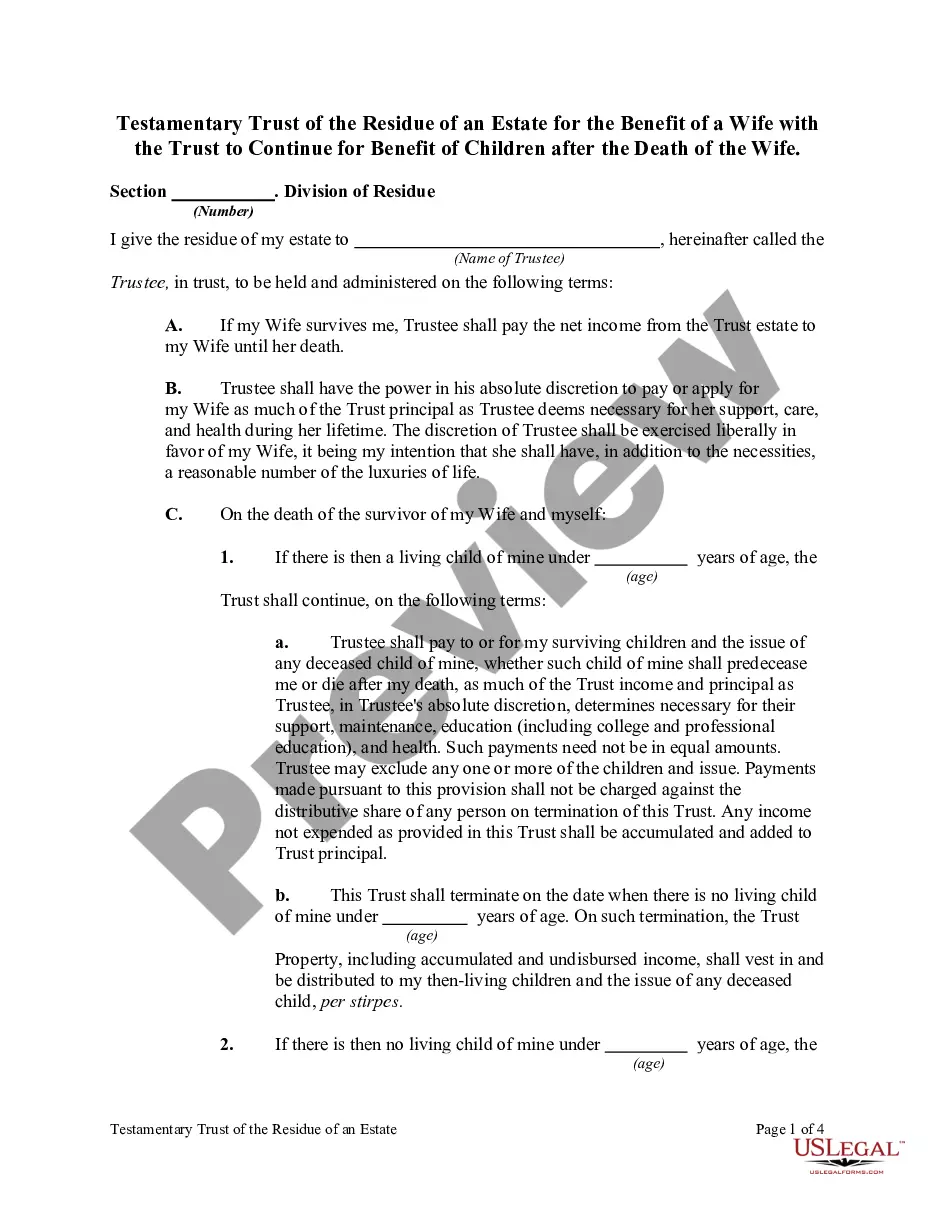
How to fill out Testamentary Trust Provision In Will With Spouse To Receive A Life Estate In Farm Land With Remainder Interest In Land To Pass To Trust For The Benefit Of Children?
Getting a go-to place to take the most recent and appropriate legal templates is half the struggle of dealing with bureaucracy. Finding the right legal files requirements precision and attention to detail, which is the reason it is vital to take samples of Testamentary Statement Format only from reputable sources, like US Legal Forms. An improper template will waste your time and delay the situation you are in. With US Legal Forms, you have very little to be concerned about. You may access and see all the information concerning the document’s use and relevance for the circumstances and in your state or county.
Take the following steps to finish your Testamentary Statement Format:
- Make use of the catalog navigation or search field to locate your template.
- Open the form’s description to ascertain if it matches the requirements of your state and area.
- Open the form preview, if available, to ensure the form is definitely the one you are looking for.
- Resume the search and look for the correct template if the Testamentary Statement Format does not fit your requirements.
- When you are positive about the form’s relevance, download it.
- When you are an authorized user, click Log in to authenticate and gain access to your selected templates in My Forms.
- If you do not have an account yet, click Buy now to obtain the form.
- Choose the pricing plan that suits your requirements.
- Proceed to the registration to finalize your purchase.
- Complete your purchase by picking a payment method (credit card or PayPal).
- Choose the file format for downloading Testamentary Statement Format.
- When you have the form on your device, you can change it with the editor or print it and finish it manually.
Get rid of the hassle that comes with your legal documentation. Explore the comprehensive US Legal Forms collection where you can find legal templates, check their relevance to your circumstances, and download them immediately.
Form popularity
FAQ
A testamentary will, aka a traditional last will and testament, is a legal document used to transfer a person's assets to beneficiaries after death. To be valid, testamentary wills must contain certain language, indicating who is making the will and revoking all previous wills, and must be signed.
This inventory must include all of the decedent's (i) personal estate under your supervision and control, (ii) interest in any multiple party account (which is defined in Part 2) in any financial institution, (iii) real estate over which you have a power of sale, and (iv) other real estate that is an asset of the ...
A last will and testament is a legal document that states how a person wishes to distribute their assets upon their death. Although requirements vary by state, usually your will needs to be in writing, signed by the testator, and witnessed by at least two other people.
Typically, you need to make it known that you are the executor of the estate and are not taking responsibility for the transaction yourself. You can do this by simply signing your name and putting your title of executor of the estate afterward.
Every state sets the priority ing to which claims must be paid. The estate's beneficiaries only get paid once all the creditor claims have been satisfied. Usually, estate administration fees, funeral expenses, support payments, and taxes have priority over other claims.