Writ Of Mandamus For I 130
Description
Get your form ready online
Our built-in tools help you complete, sign, share, and store your documents in one place.
Make edits, fill in missing information, and update formatting in US Legal Forms—just like you would in MS Word.
Download a copy, print it, send it by email, or mail it via USPS—whatever works best for your next step.
Sign and collect signatures with our SignNow integration. Send to multiple recipients, set reminders, and more. Go Premium to unlock E-Sign.
If this form requires notarization, complete it online through a secure video call—no need to meet a notary in person or wait for an appointment.
We protect your documents and personal data by following strict security and privacy standards.

Make edits, fill in missing information, and update formatting in US Legal Forms—just like you would in MS Word.

Download a copy, print it, send it by email, or mail it via USPS—whatever works best for your next step.

Sign and collect signatures with our SignNow integration. Send to multiple recipients, set reminders, and more. Go Premium to unlock E-Sign.

If this form requires notarization, complete it online through a secure video call—no need to meet a notary in person or wait for an appointment.

We protect your documents and personal data by following strict security and privacy standards.
Looking for another form?


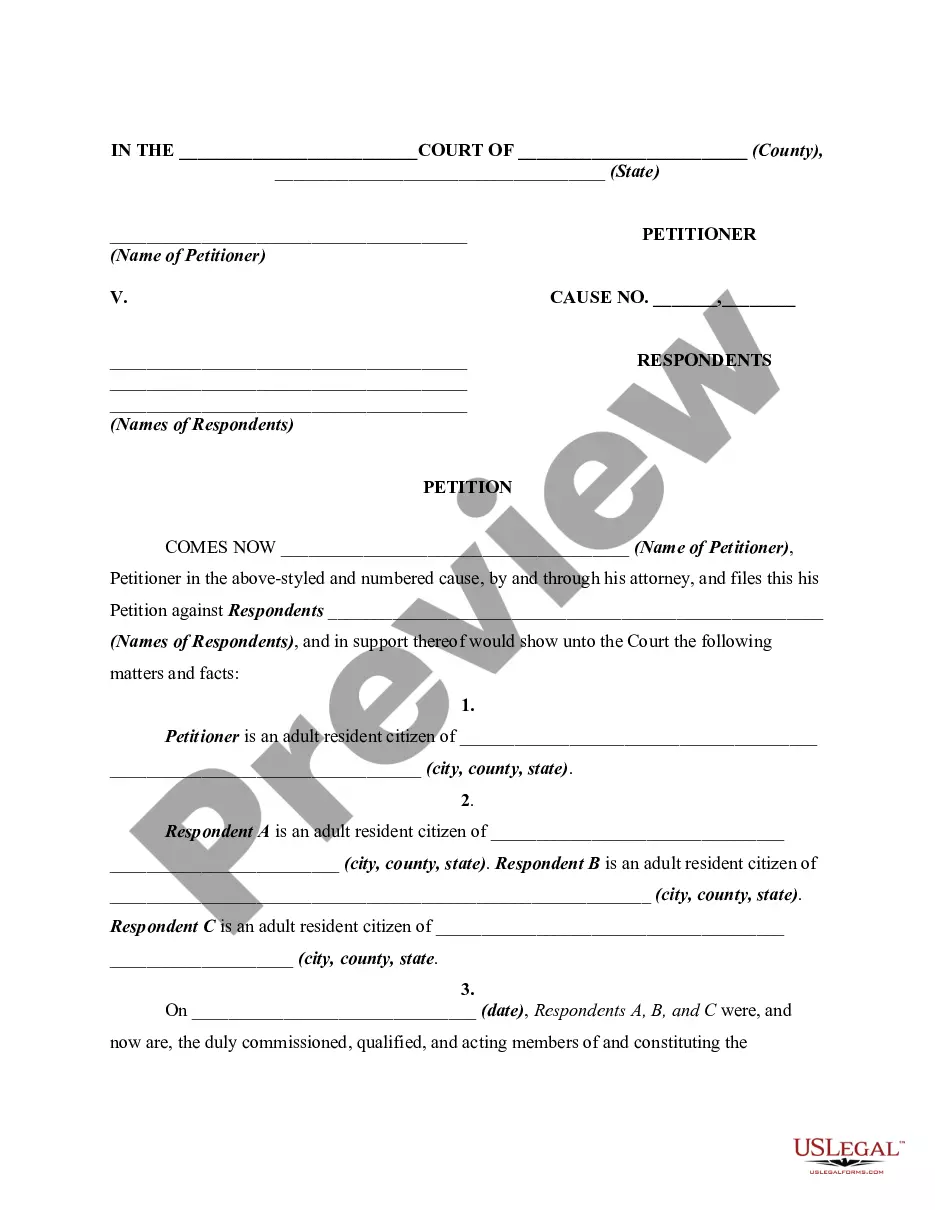
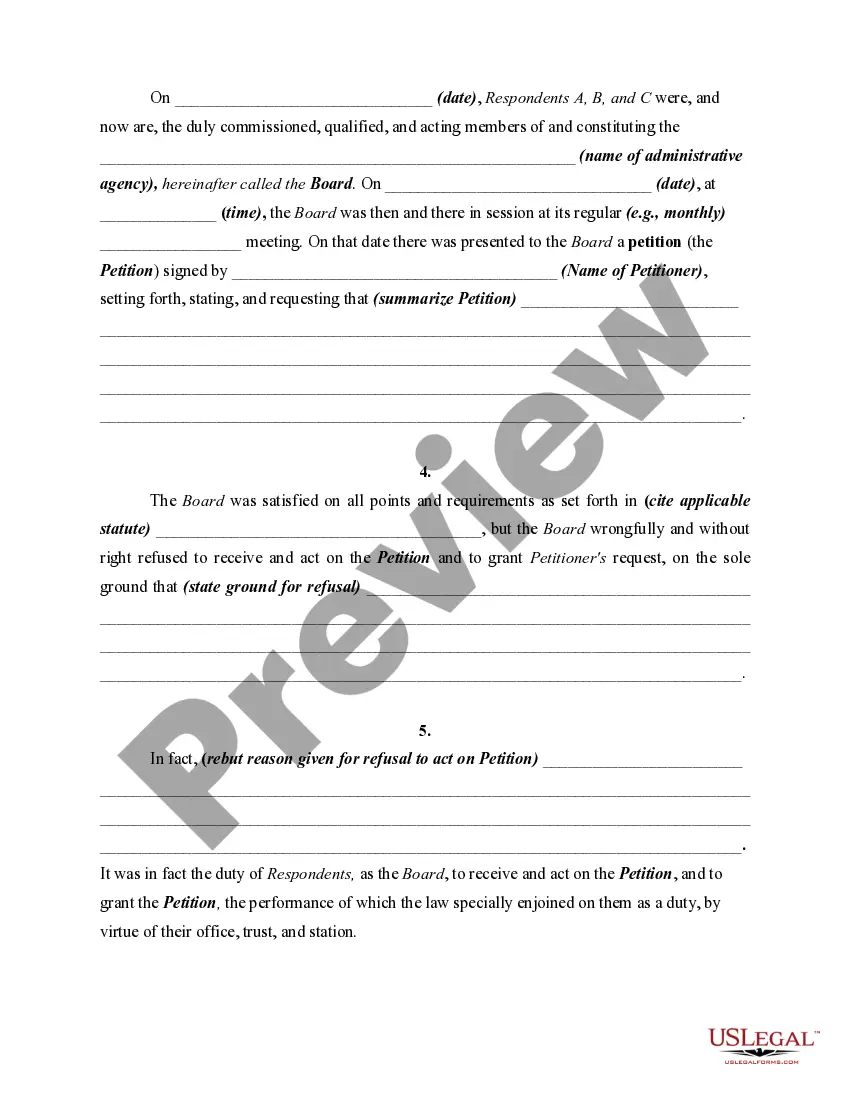
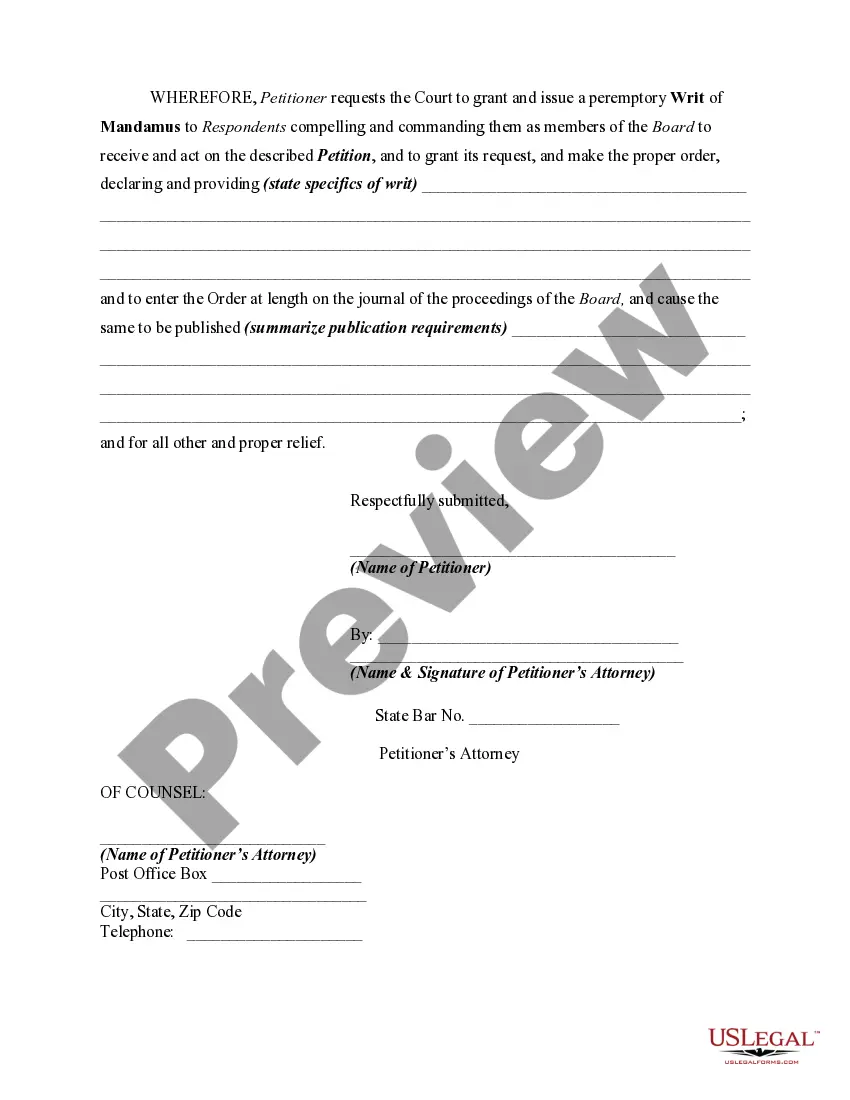
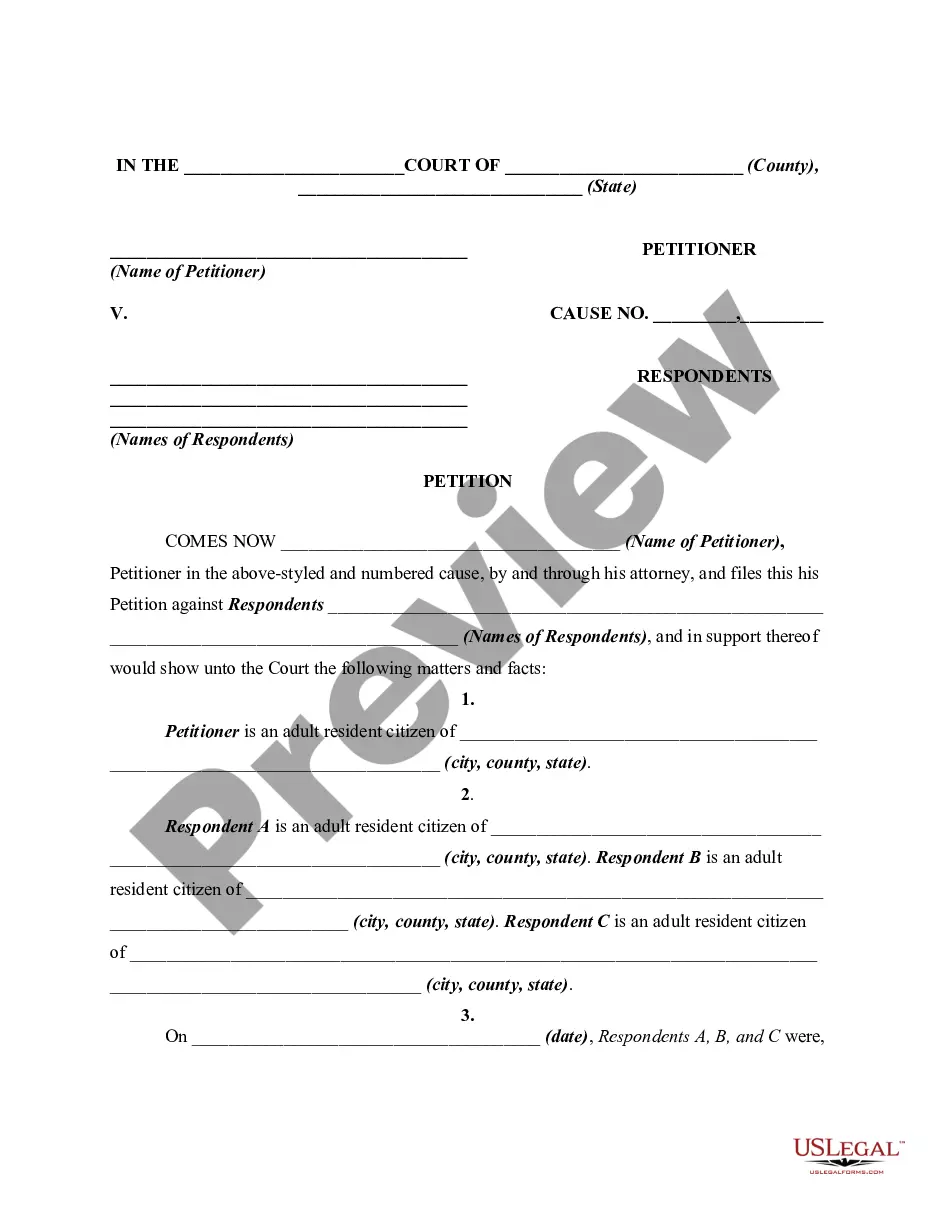
How to fill out Petition Or Application For Writ Of Mandamus Or Mandate For Refusal Of Administrative Agency To Act On Petition?
- Begin by visiting the US Legal Forms website and create an account if you’re a new user.
- If you're an existing user, simply log in to your account and verify your subscription status.
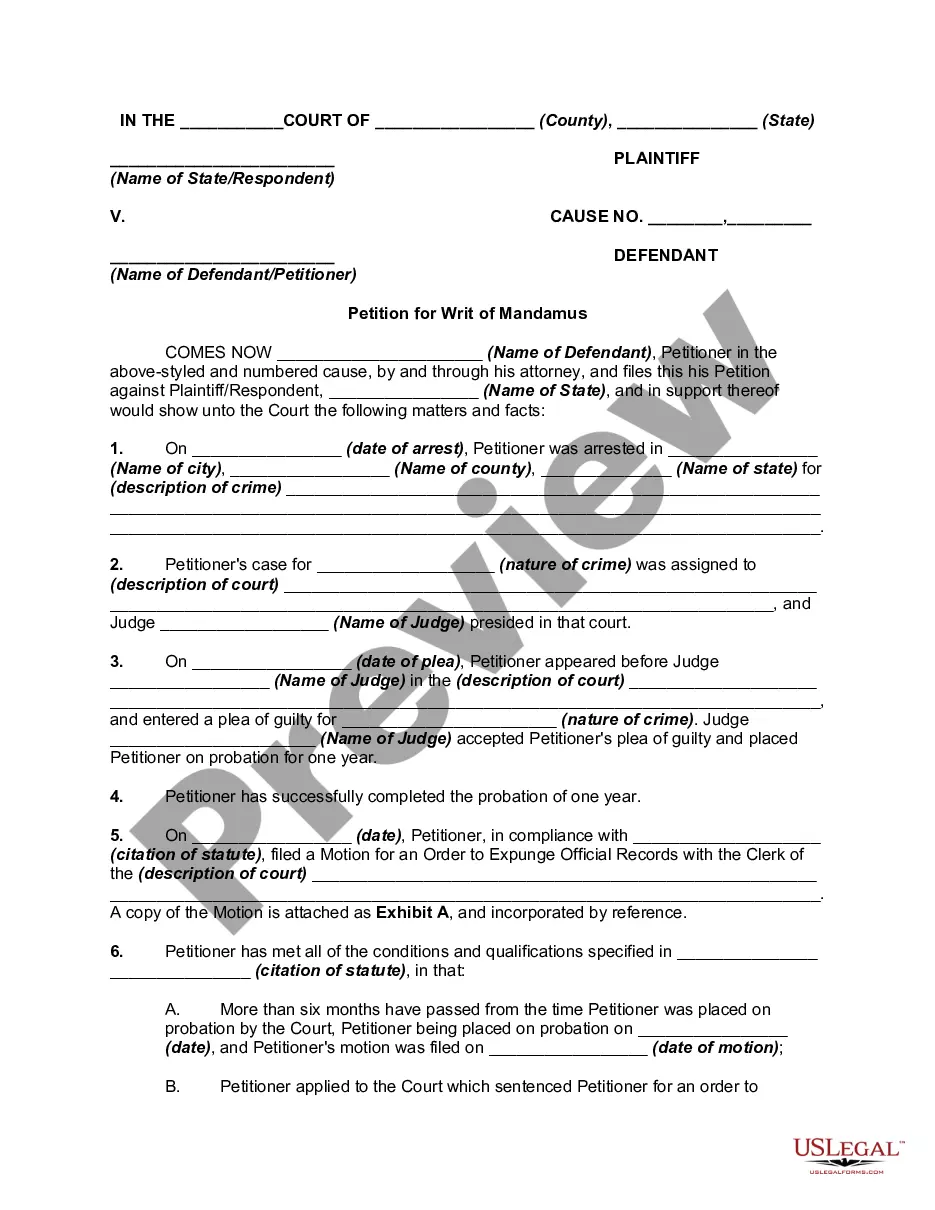
- Search for the 'Writ of Mandamus' form and review its details in preview mode to ensure it matches your needs.
- If necessary, utilize the search functionality to find any alternative forms that may better fit your requirements.
- Select the appropriate document and proceed to purchase by clicking on the 'Buy Now' button.
- Choose your preferred subscription plan and register or log into your account.
- Complete your payment information using a credit card or PayPal to confirm your purchase.
- Download the completed form to your device from the 'My Forms' section, making it readily accessible whenever needed.
Following these steps will allow you to efficiently obtain the necessary documentation with confidence. US Legal Forms not only offers a robust selection of forms but also ensures that users have access to premium support for any questions that may arise during completion.
Start your legal journey today and access thousands of forms by visiting US Legal Forms!
Form popularity
FAQ
Determining if the writ of mandamus for I 130 is worth it depends on your specific situation. If you have experienced unreasonable delays without response, pursuing this legal action can prompt USCIS to take necessary action on your application. It’s essential to weigh the potential benefits against the time and resources required for filing. Resources like USLegalForms can help you navigate the process more efficiently.
The time it takes for a mandamus to resolve with USCIS can differ based on various factors, including the court's schedule and case complexity. Typically, once filed, it may take several months for the court to respond and decide on the petition. However, if approved, USCIS may expedite the processing of your I 130 application following the court's order. Staying informed and prepared during this period is crucial.
The success rate of the writ of mandamus for I 130 can vary, but many petitioners have reported favorable outcomes. Courts generally favor intervention when there is substantial evidence of undue delay by USCIS. It's important to present a compelling case that clearly illustrates the failure to act. Engaging with experienced professionals can enhance your chances of success with this legal remedy.
To request a writ of mandamus for I 130, you must file a formal petition in the appropriate federal court. This process involves demonstrating that the U.S. Citizenship and Immigration Services (USCIS) has failed to act on your I 130 application within a reasonable time. Gathering key evidence and documentation to support your case is crucial. Utilizing platforms like USLegalForms can simplify this process by providing necessary forms and guidance.
The success of a writ of mandamus for i 130 largely depends on the specifics of your case and the reasons for the delay. In many situations, the mere act of filing can prompt the USCIS to respond quicker than they might have otherwise. Statistically, mandamus cases have seen favorable outcomes, with many petitioners receiving decisions shortly after filing. Therefore, it can be a valuable option for those facing long waits.
A writ of mandamus for USCIS is a legal tool used to compel the agency to act on a pending immigration case, like the i 130. This written command essentially asks the court to ensure that USCIS completes its review and makes a decision. It's particularly useful when there are unjustified delays that affect your immigration status. Utilizing a writ of mandamus can bring clarity and hope to your situation.
The timeline for a writ of mandamus for i 130 can vary based on the court's schedule and other factors. Generally, the process may take several months from filing until a decision is rendered. It's important to understand that while mandamus can expedite the process, it still relies on the legal system's timelines. Being prepared for a potential wait can help manage your expectations.
After you file a writ of mandamus for i 130, the court will review your petition and may schedule a hearing. The USCIS will be required to respond to the court regarding the status of your application. Depending on the situation, the court may issue an order requiring USCIS to either make a decision or provide a compelling reason for any ongoing delays. This brings transparency and urgency to your case.
The USCIS process of mandamus allows individuals to compel a government agency to act on a pending application, such as the i 130. When USCIS delays or fails to respond to your I-130 petition, you can file a writ of mandamus in court to prompt a decision. The process typically involves submitting a legal petition outlining the delays and requesting the agency to take action. This can help ensure that your immigration application receives the attention it deserves.
The time it takes to file a writ of mandamus varies based on several factors, including your preparation and the complexity of your case. Generally, it can take several weeks to gather the necessary materials and submit your filing. However, once submitted, the court's response time may vary significantly. Preparing with resources like USLegalForms can speed up your process and increase your clarity.