Home Equity Reverse With Mortgage
Description
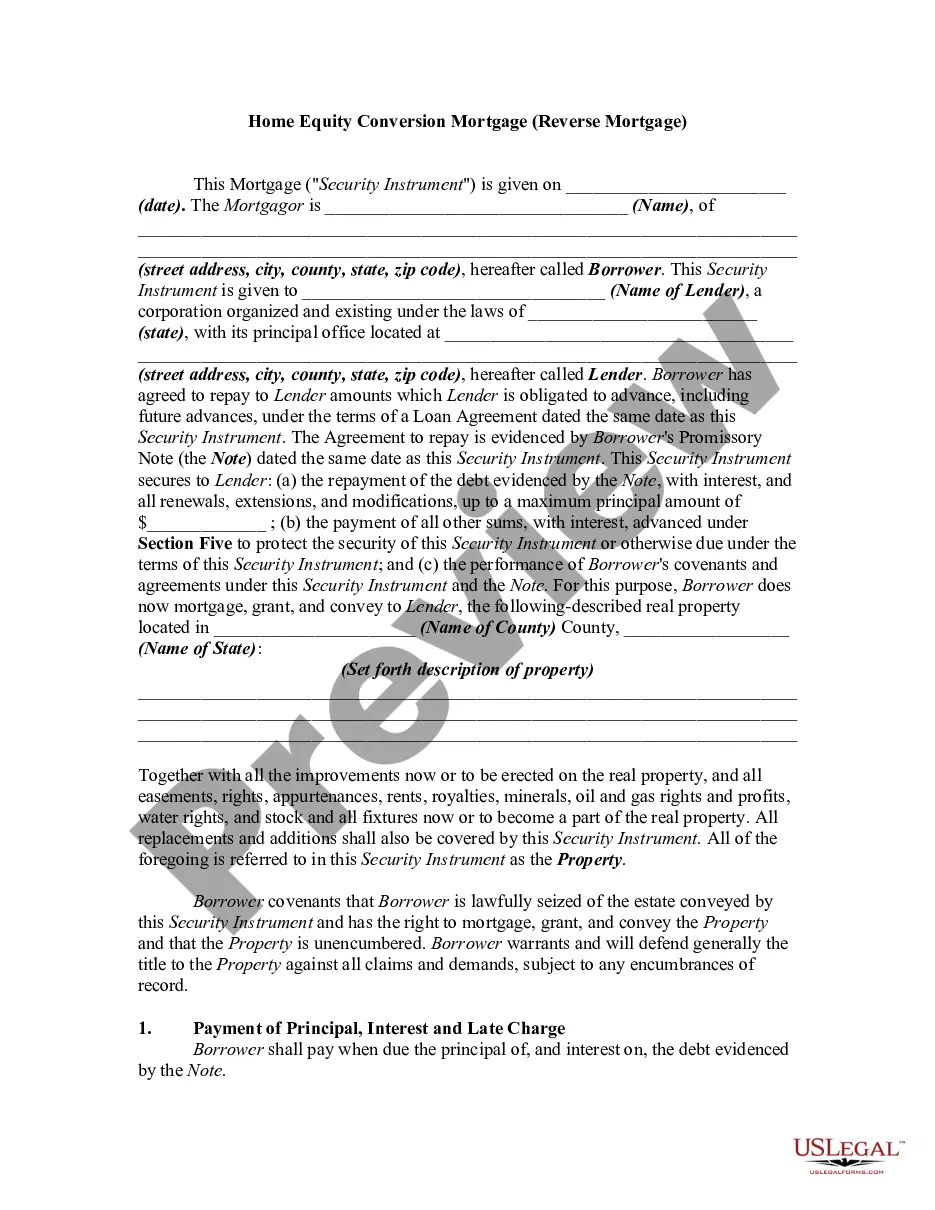
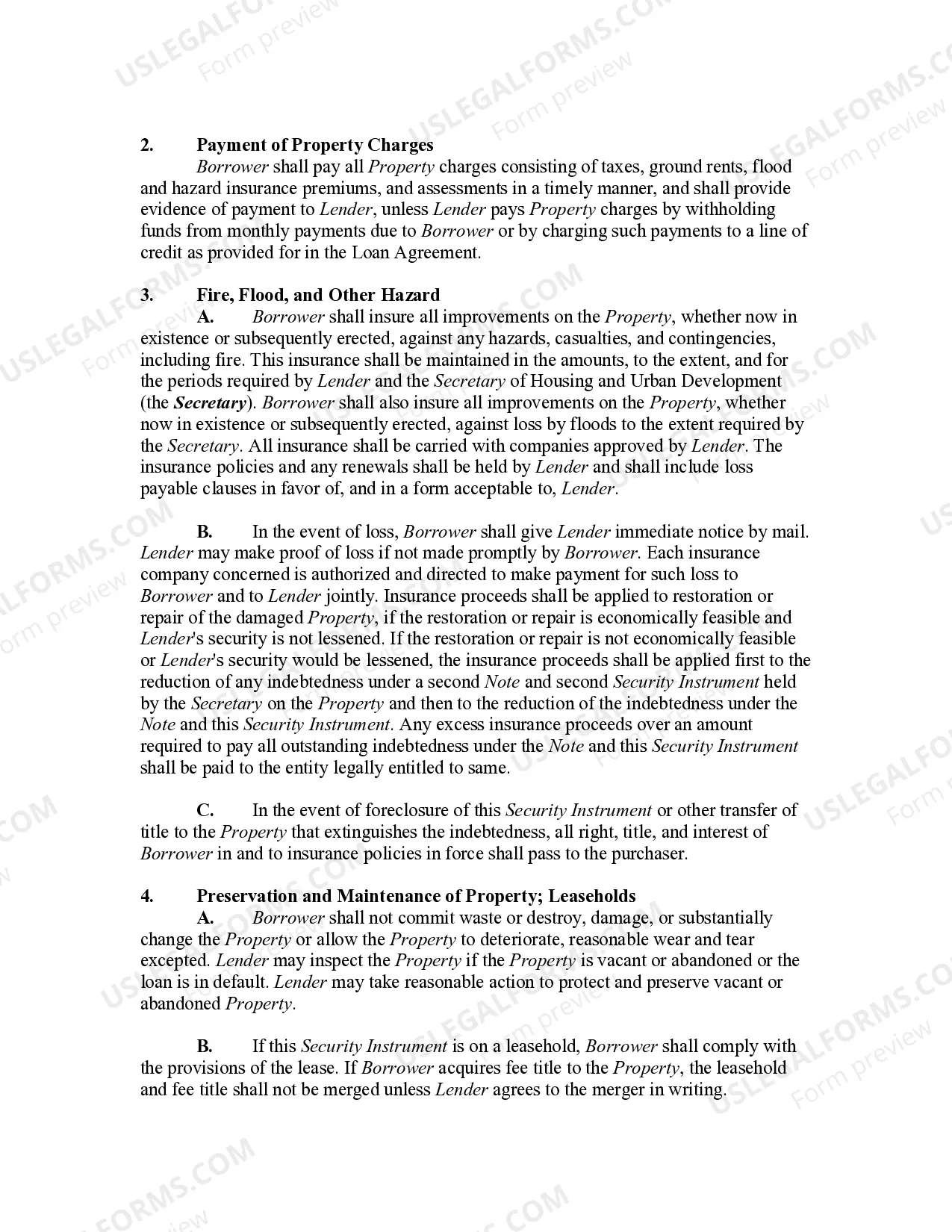
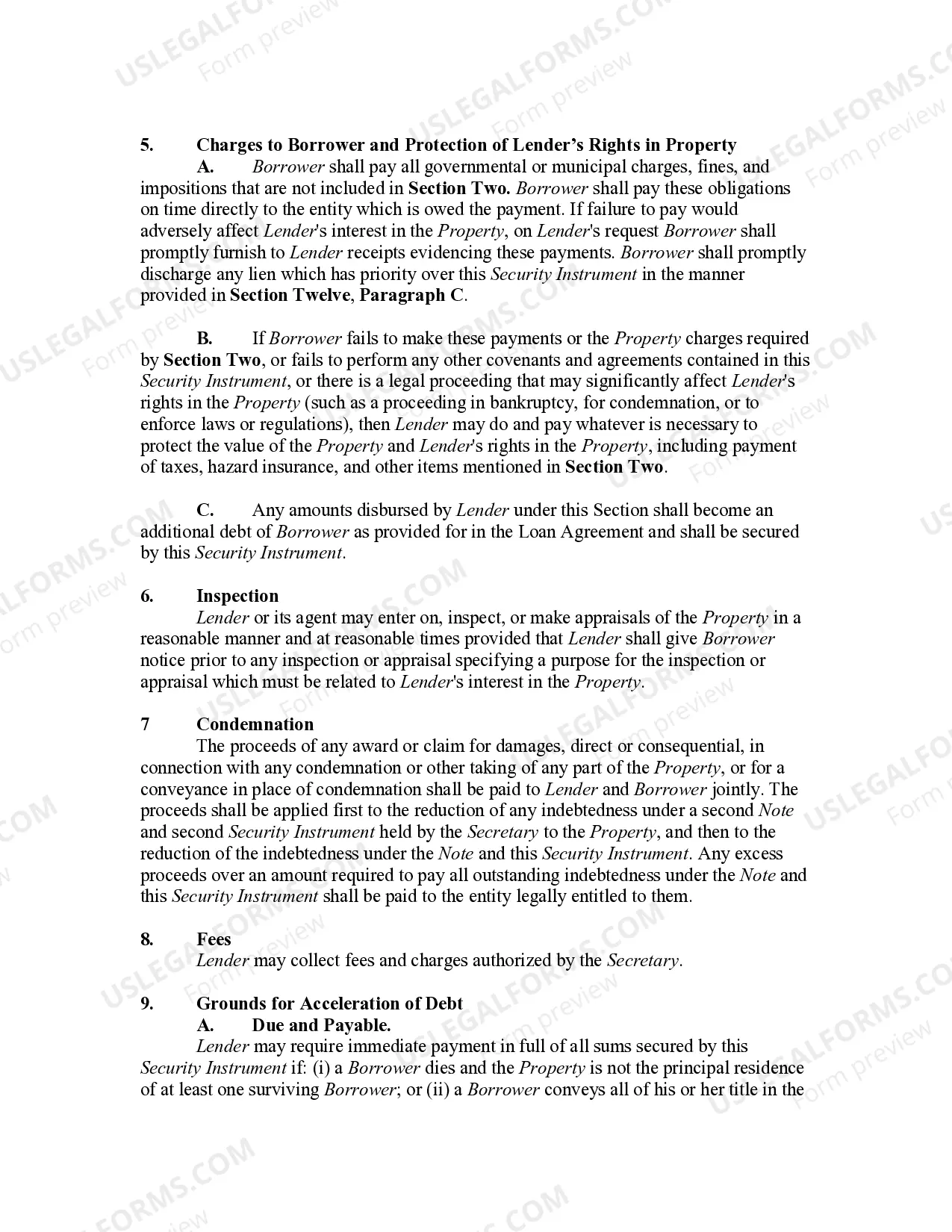
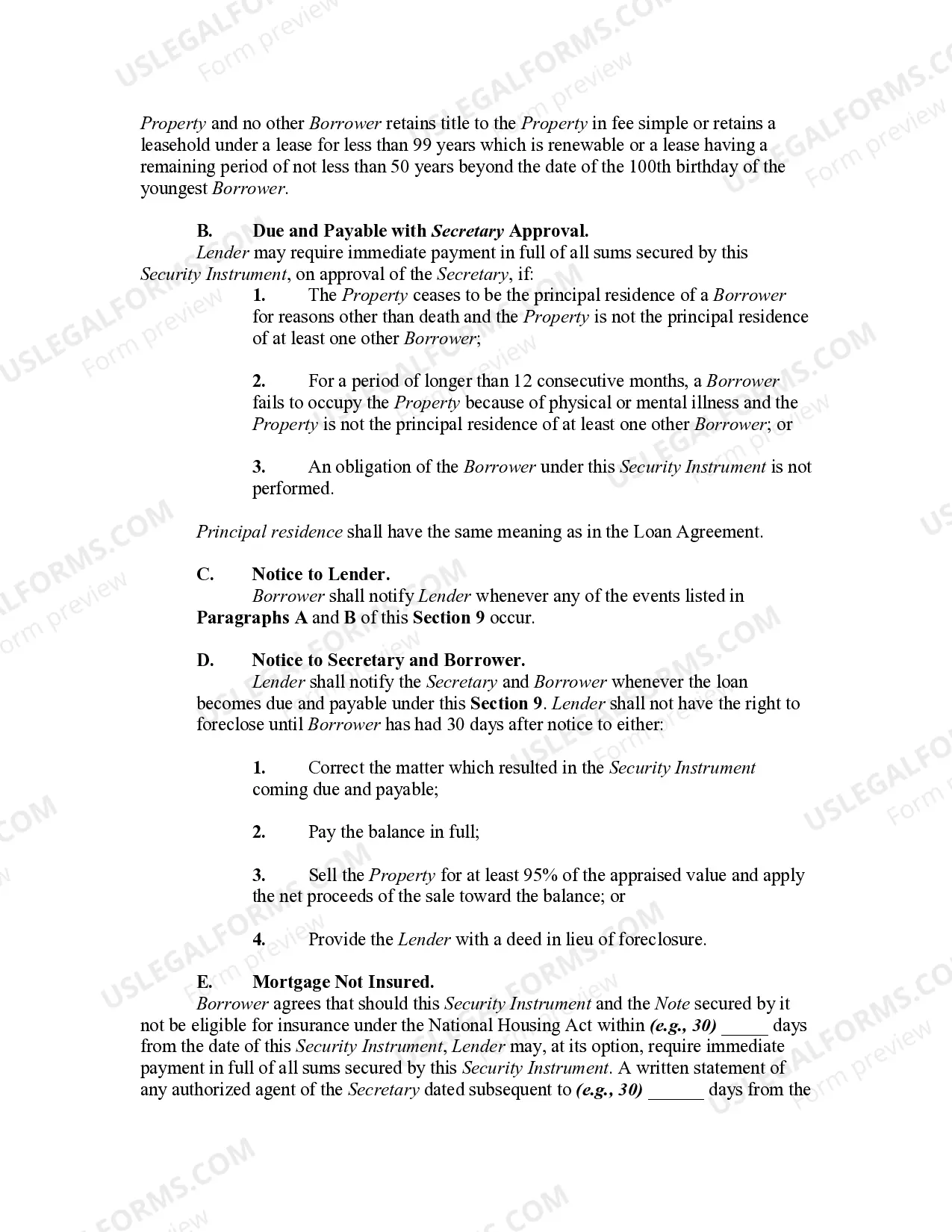
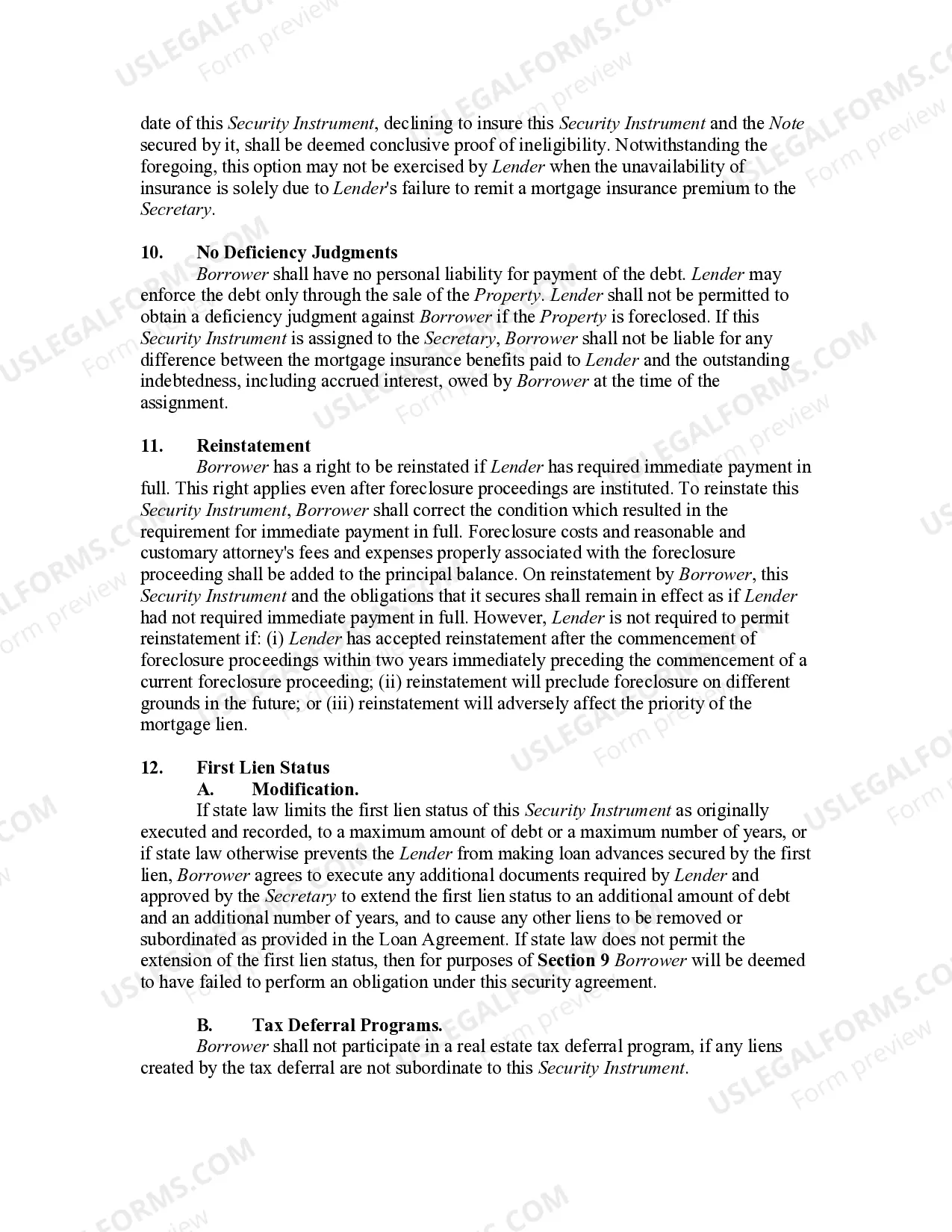
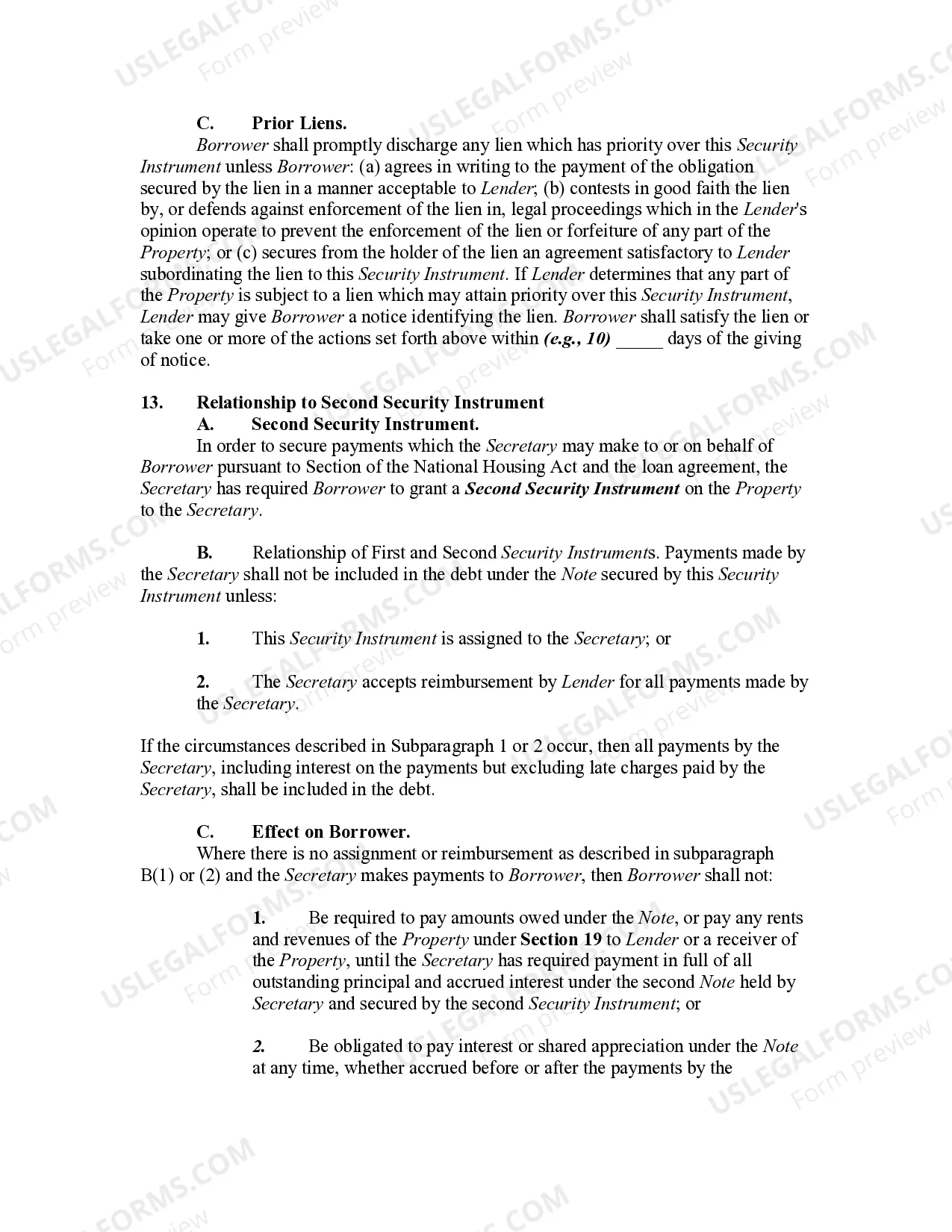
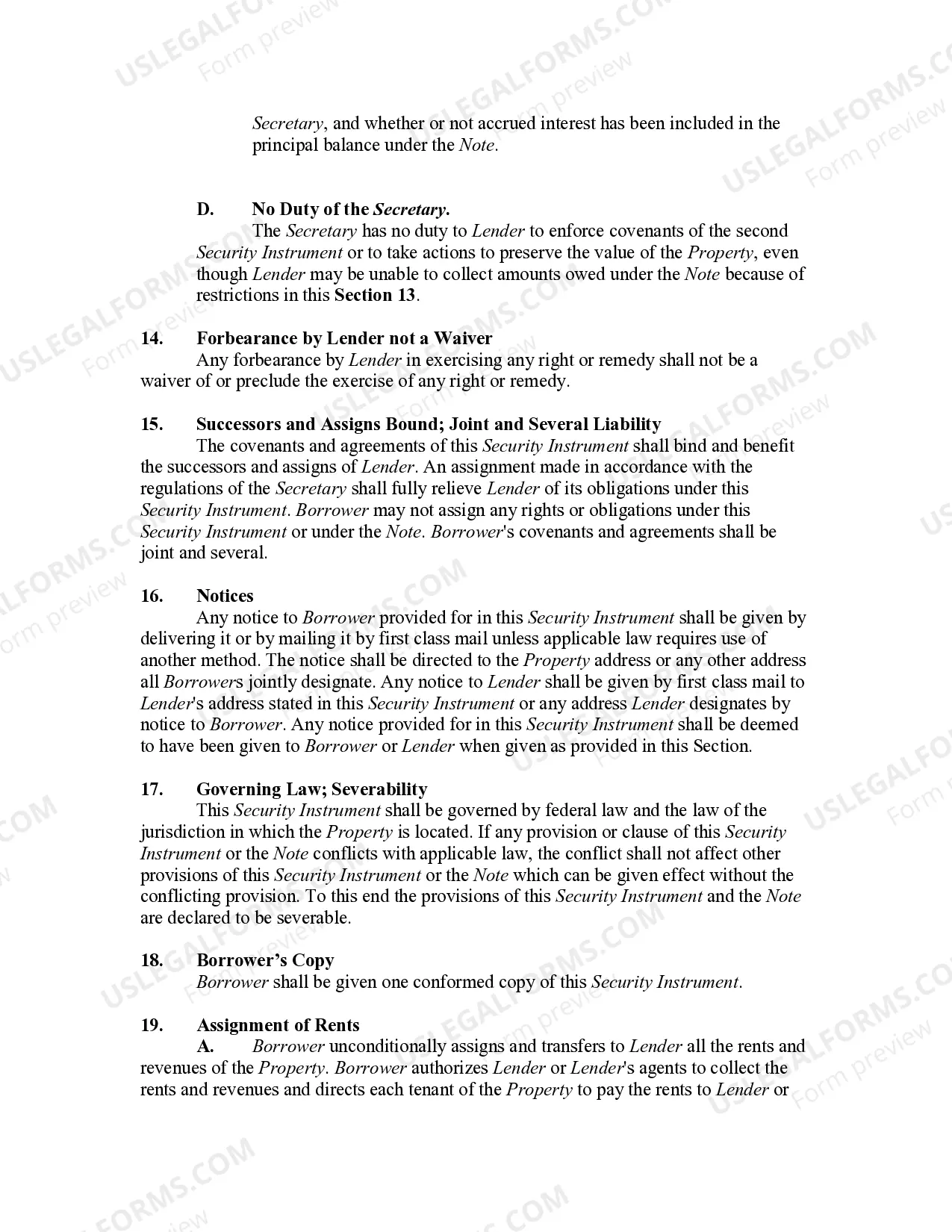
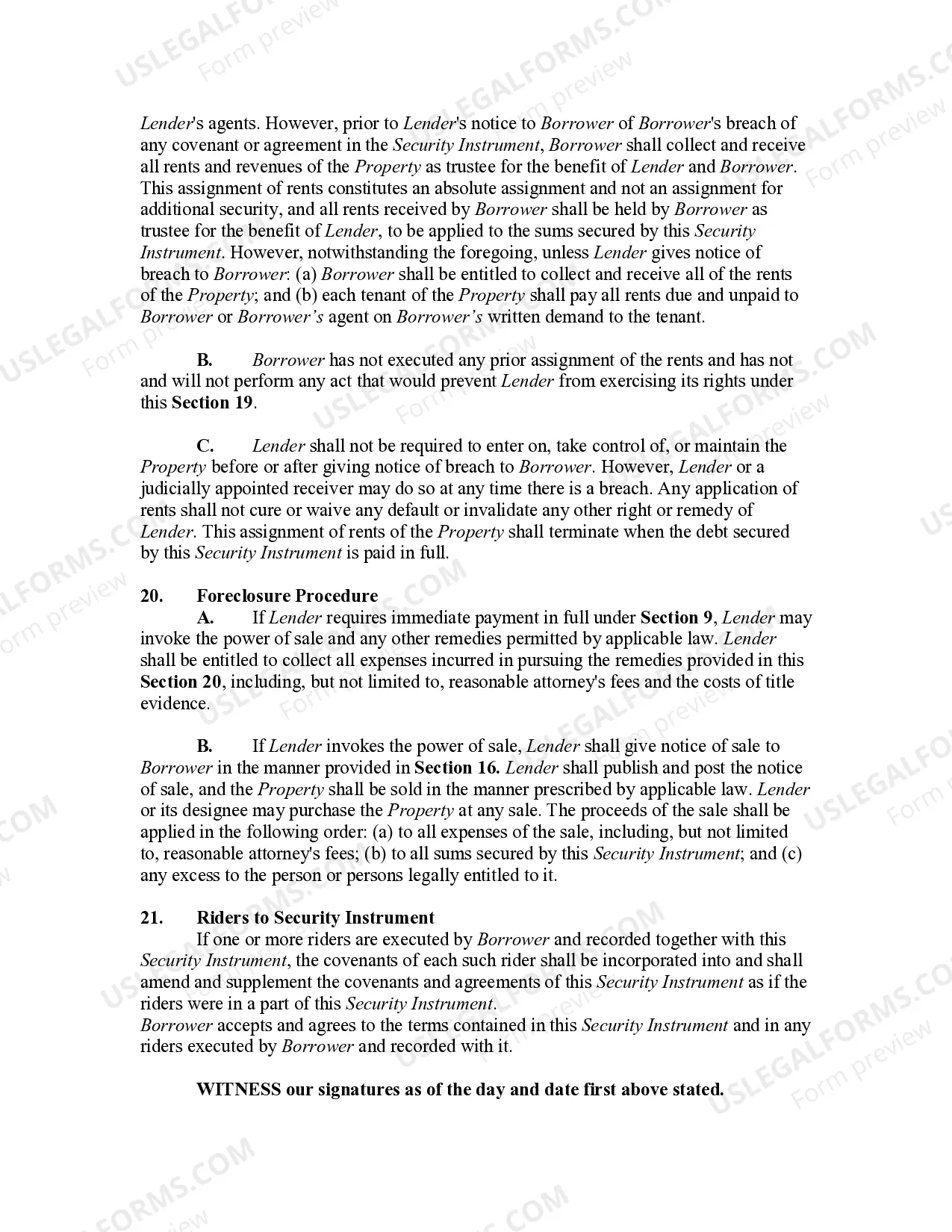
How to fill out Home Equity Conversion Mortgage - Reverse Mortgage?
Regardless of whether for corporate or individual matters, everyone must address legal issues at some time in their lives.
Filling out legal documents demands meticulous care, beginning with choosing the proper form template.
Once it is downloaded, you can complete the form using editing software or print it out and finish it manually. With an extensive catalog from US Legal Forms available, you don’t need to waste time searching for the correct template online. Utilize the library's straightforward navigation to locate the suitable form for any circumstance.
- Acquire the template you require by utilizing the search field or catalog exploration.
- Review the document's details to ensure it suits your situation, jurisdiction, and area.
- Select the form's preview to examine it.
- If it is the incorrect form, return to the search tool to locate the Home Equity Reverse With Mortgage example you need.
- Obtain the template if it aligns with your requirements.
- If you already possess a US Legal Forms account, click Log in to access prior saved templates in My documents.
- If you do not have an account yet, you can acquire the form by clicking Buy now.
- Select the suitable pricing choice.
- Complete the account registration form.
- Choose your payment method: use a credit card or PayPal account.
- Select the file format you prefer and download the Home Equity Reverse With Mortgage.
Form popularity
FAQ
Several factors can disqualify you from a home equity reverse with mortgage, primarily related to your age and financial stability. Generally, you must be at least 62 years old, own the home outright, and have adequate income to cover ongoing home expenses. If you have unresolved debts, such as liens or unpaid property taxes, you might also face disqualification. It’s always best to review your situation with a professional for a clear understanding.
A 70-year-old can typically borrow a substantial amount through a home equity reverse with mortgage, depending on the home's value and current interest rates. Generally, the older you are, the higher the percentage of your home's value you can access. For example, a 70-year-old might access around 40% to 50% of their home's equity. To maximize your benefits, consider consulting with experts or platforms like US Legal Forms to understand your options.
The 60% rule dictates that only 60% of your home's equity can be accessed upfront within the first year of a home equity reverse with mortgage. This rule is designed to help ensure that homeowners do not exhaust their equity too quickly. By limiting the amount available, it promotes long-term financial stability. If you have questions about this aspect, platforms like USLegalForms can provide helpful insights.
The 95% rule states that borrowers can only access 95% of the appraised value of the home for a home equity reverse with mortgage. Therefore, if your home's value increases, you may be limited to that percentage when considering your reverse mortgage options. This rule aims to protect borrowers from borrowing too much against their home. Understanding this can help you plan better for your financial future.
Suze Orman has expressed caution regarding reverse mortgages, indicating they may be suitable for some but not for all. She emphasizes that a home equity reverse with mortgage should only be considered if it aligns with your long-term financial goals. Orman advises homeowners to fully understand the terms and implications, including how it impacts future heirs. Consulting with a trusted advisor can clarify whether a reverse mortgage is a wise choice for your circumstances.
Typically, homeowners need to have a substantial amount of equity in their home to qualify for a reverse mortgage. Generally, you should have at least 50% equity in your home, as this gives lenders confidence in the collateral. The amount you can borrow also depends on your age and the current interest rates. Always check with reliable resources, like uslegalforms, to navigate your options for a home equity reverse with mortgage.
A reverse mortgage may not be a good idea for everyone. It allows homeowners to access home equity, but it can reduce the inheritance left to heirs. Additionally, fees and interest rates can add up, decreasing the overall equity in your home. Before proceeding, consider other options and consult with a financial advisor to understand how a home equity reverse with mortgage might fit your financial situation.