Revocable Trust With Ssn
Description
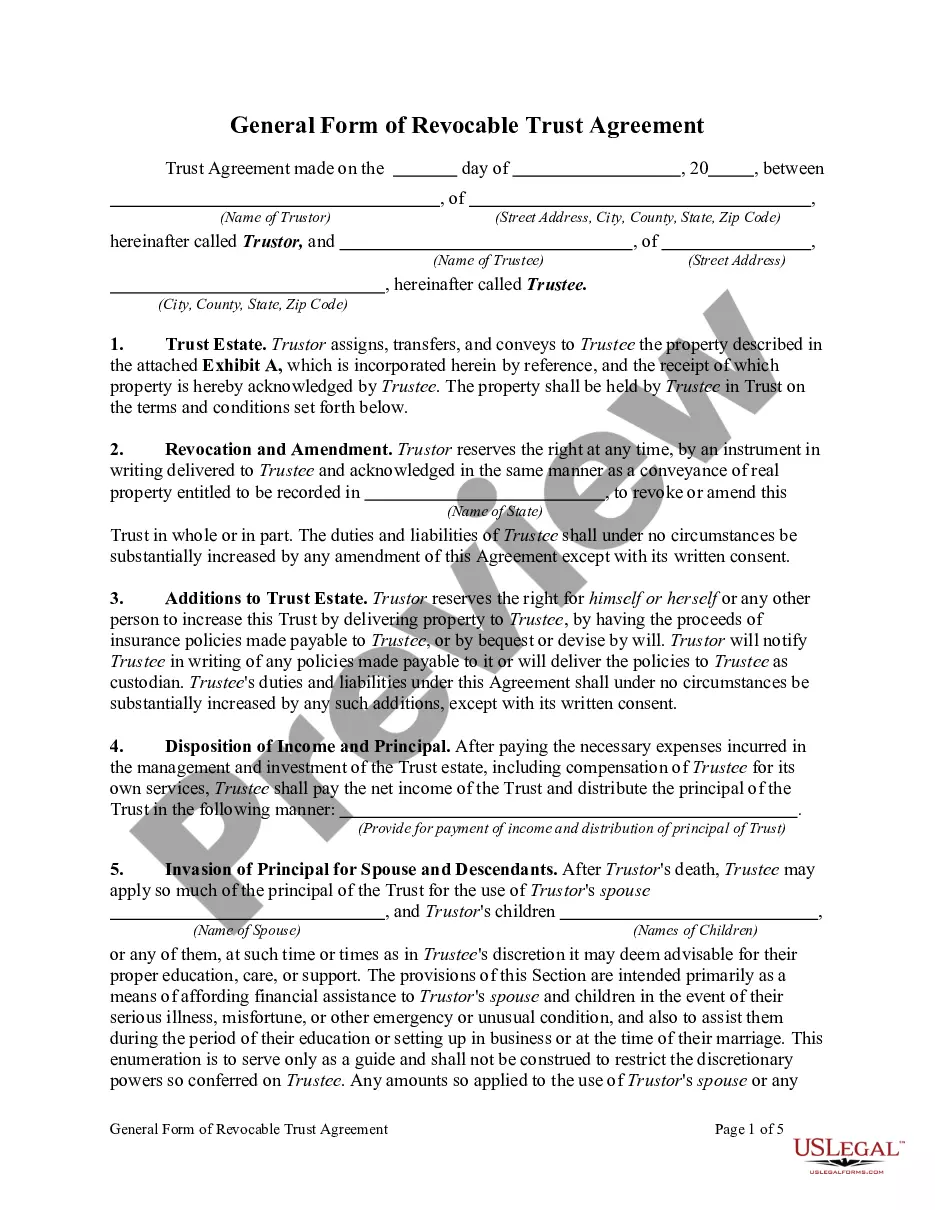
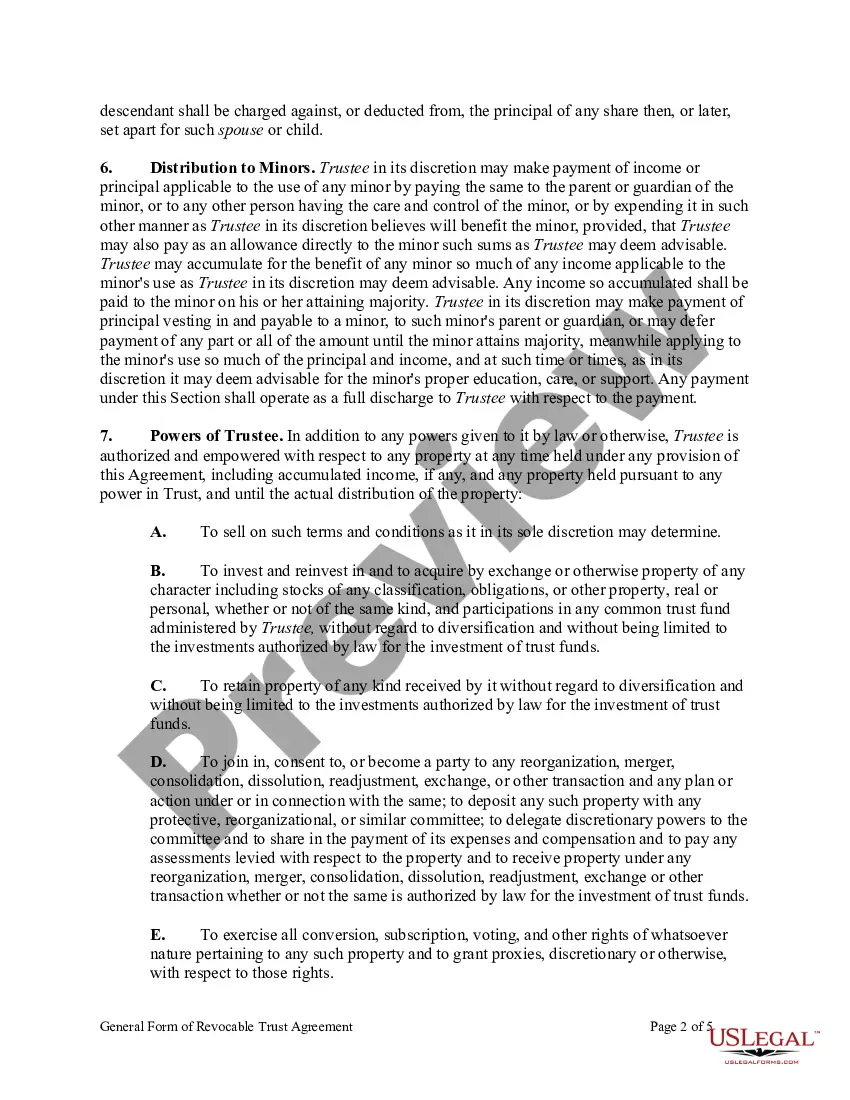
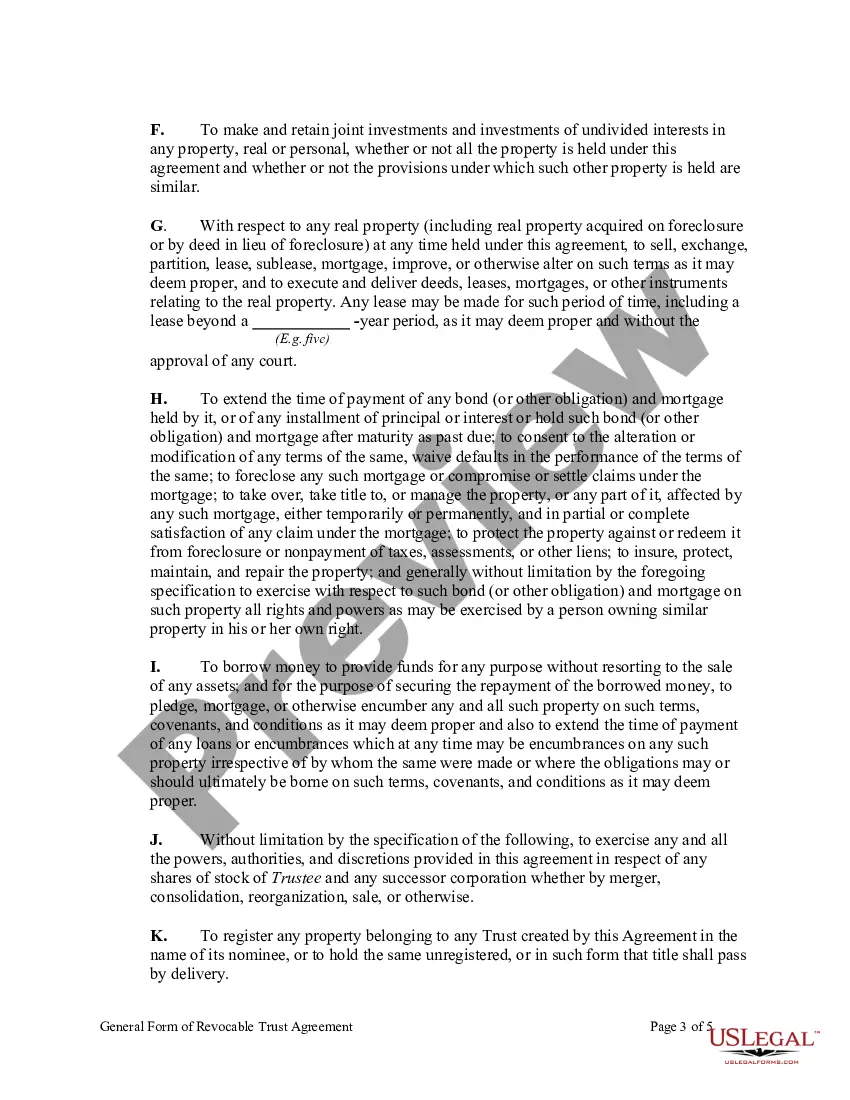
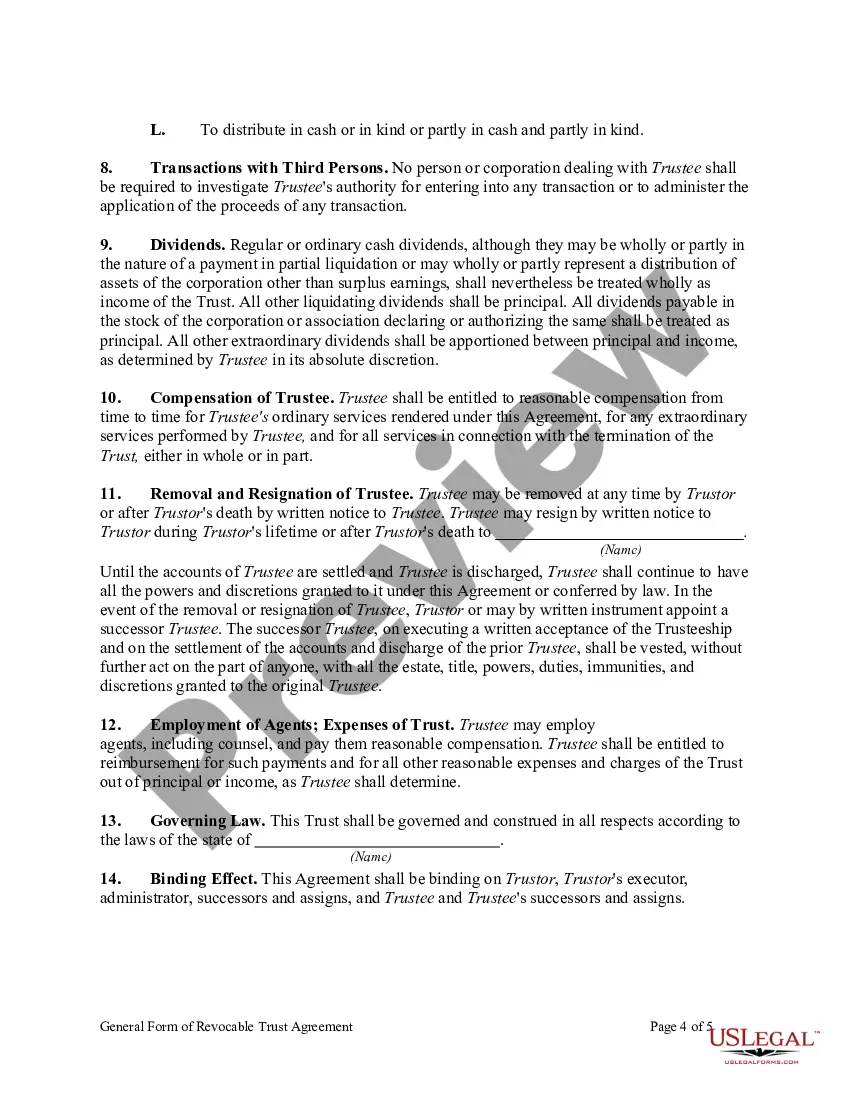
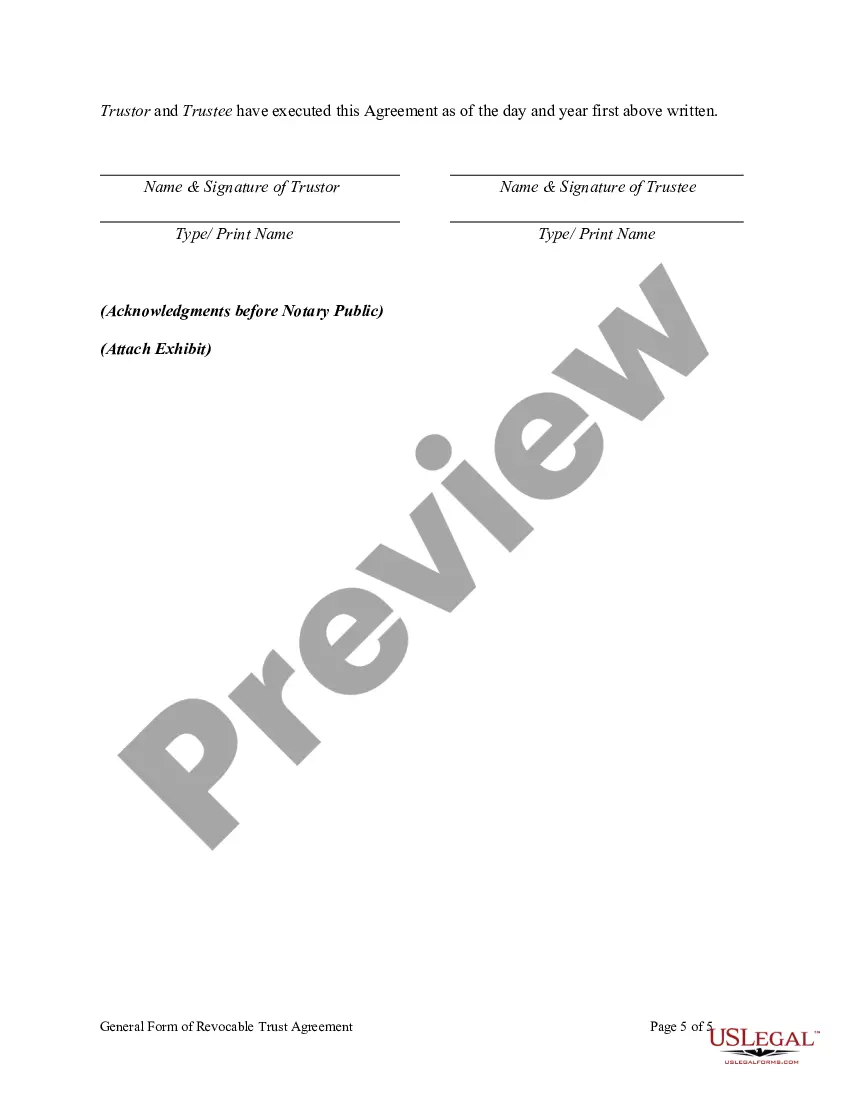
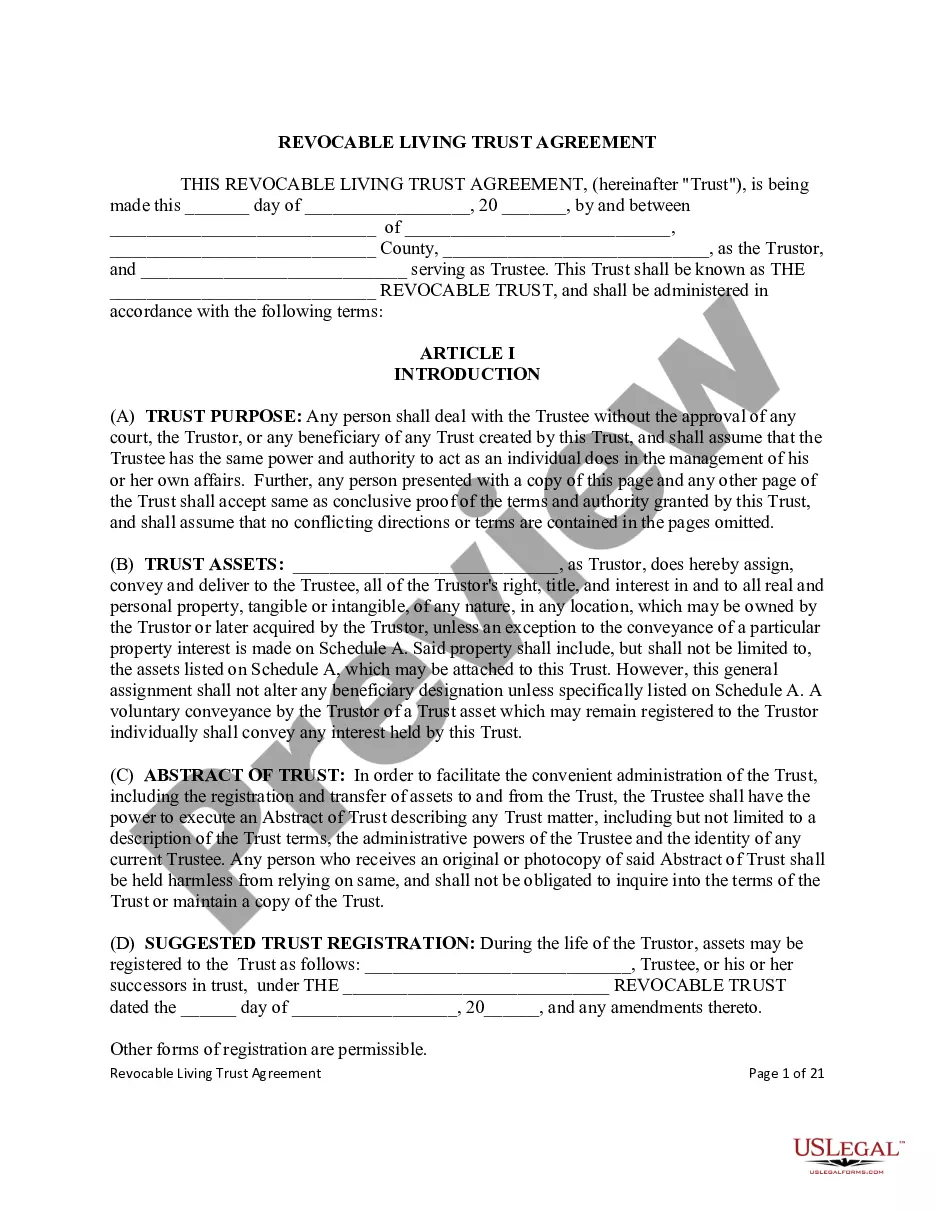
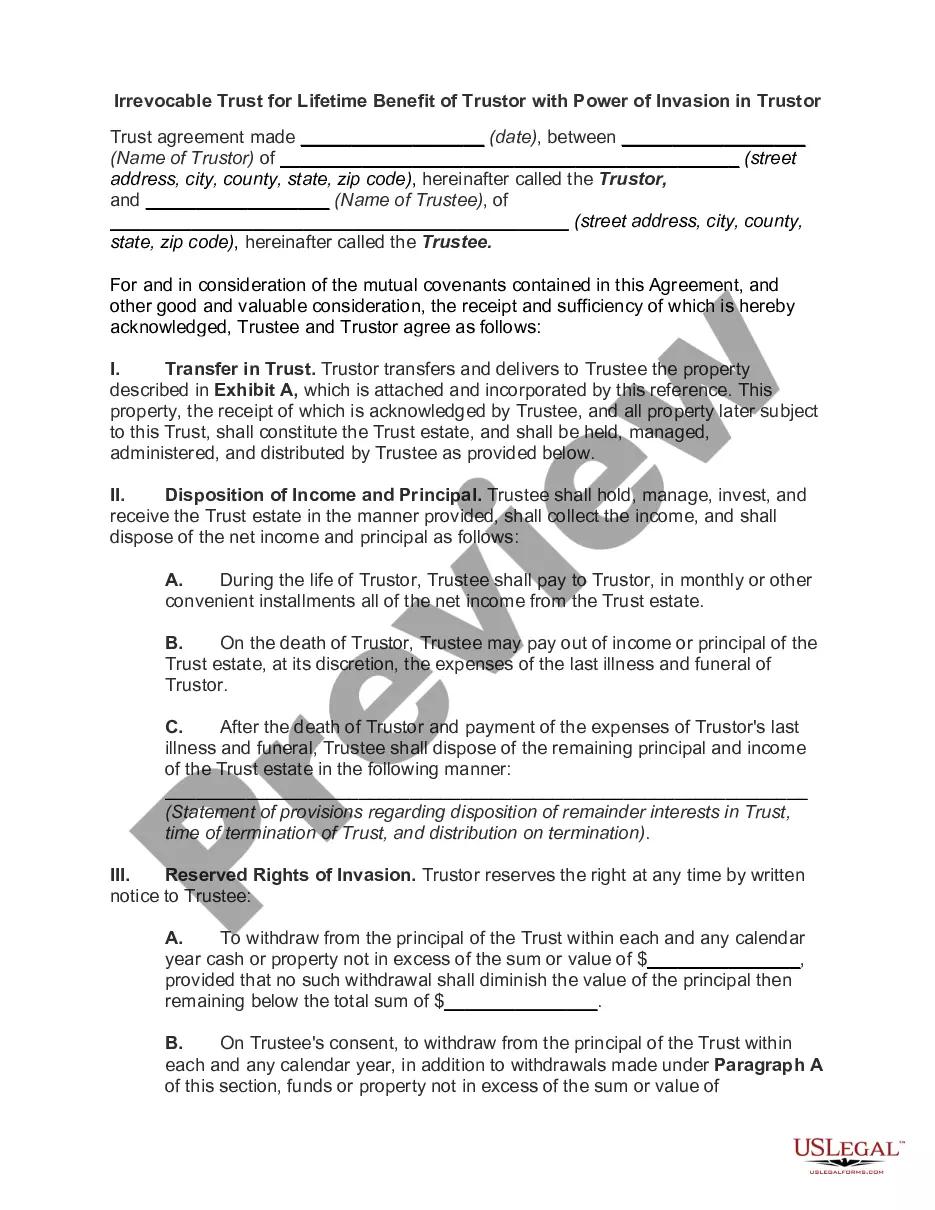
Get your form ready online
Our built-in tools help you complete, sign, share, and store your documents in one place.
Make edits, fill in missing information, and update formatting in US Legal Forms—just like you would in MS Word.
Download a copy, print it, send it by email, or mail it via USPS—whatever works best for your next step.
Sign and collect signatures with our SignNow integration. Send to multiple recipients, set reminders, and more. Go Premium to unlock E-Sign.
If this form requires notarization, complete it online through a secure video call—no need to meet a notary in person or wait for an appointment.
We protect your documents and personal data by following strict security and privacy standards.

Make edits, fill in missing information, and update formatting in US Legal Forms—just like you would in MS Word.

Download a copy, print it, send it by email, or mail it via USPS—whatever works best for your next step.

Sign and collect signatures with our SignNow integration. Send to multiple recipients, set reminders, and more. Go Premium to unlock E-Sign.

If this form requires notarization, complete it online through a secure video call—no need to meet a notary in person or wait for an appointment.

We protect your documents and personal data by following strict security and privacy standards.
Looking for another form?





How to fill out Revocable Trust For Asset Protection?
- Visit the US Legal Forms website and log in to your account if you have one. If not, create an account to begin.
- Explore the extensive library of legal forms to find the 'Revocable Trust with SSN' template that suits your needs.
- Verify the form by checking the Preview mode to ensure it meets your local jurisdiction’s requirements.
- Select your preferred subscription plan to access the document and click the 'Buy Now' button.
- Complete your purchase by providing payment details or using your PayPal account.
- Download the completed template to your device and access it anytime from the 'My Forms' section of your profile.
By following these straightforward steps, you can easily create a revocable trust tailored to your situation. US Legal Forms simplifies the process with its vast collection and expert support.
Don't wait any longer! Start your estate planning today with US Legal Forms and secure your assets effectively.
Form popularity
FAQ
When managing a revocable trust with an SSN, you file taxes similar to how you handle personal income. All income generated by the trust is reported on your personal tax return, as the trust uses your SSN. It’s essential to keep proper records of the income and expenses related to the trust. You can simplify this process by utilizing platforms like US Legal Forms, which can guide you through the necessary paperwork required for tax filing.
A revocable trust with an SSN does not usually require its own tax ID number. Instead, the trust typically uses the grantor's Social Security number for tax purposes. As long as the trust remains revocable, the income generated by the trust will be reported on the grantor's individual tax return. Therefore, you benefit from simplicity in tax filing.
A revocable trust does not need to file a separate tax return while the grantor is alive, as the income is reported on the grantor's personal tax return using their SSN. However, after the grantor's death, the trust becomes irrevocable and will be required to file its own tax returns. Understanding these tax obligations is essential, and using US Legal Forms can simplify the process of managing your revocable trust with SSN.
Yes, after the grantor's death, a revocable trust typically requires an EIN. At that point, the trust becomes irrevocable and distinct for tax purposes. As a result, the new trustee must obtain an EIN to properly report income generated by the trust's assets. Using an EIN helps maintain clear financial records and ensures compliance with IRS requirements.
A marital trust generally requires an Employer Identification Number (EIN) once the trust becomes irrevocable. If the trust is still revocable while the grantor is living, it may not need an EIN as it can use the grantor's SSN for tax purposes. However, after the grantor's death or if it becomes irrevocable for other reasons, obtaining an EIN will become necessary for tax filing and reporting.
A revocable trust typically does not need a separate tax ID number while the grantor is alive. Instead, you would use the grantor's Social Security Number (SSN) for tax reporting. This simplifies the process, as the income generated by the trust is reported on the grantor's personal tax return. When the grantor passes away, the situation may change, requiring a different tax ID approach.
Yes, the IRS can go after a revocable trust. Since the trust is revocable, the grantor typically retains control over its assets and income. This means that the IRS treats the assets in the revocable trust as part of the grantor's estate for tax purposes. Therefore, if there are outstanding taxes owed by the grantor, the IRS can pursue those through the assets held in the revocable trust with SSN.
In general, avoid placing assets that have designated beneficiaries in a revocable trust, like life insurance and retirement accounts. Keeping these assets out will ensure that they pass directly to your chosen beneficiaries without going through the trust process. Moreover, assets subject to liens or debts should also be excluded to prevent future complications. Careful consideration of what to include in a revocable trust with SSN will lead to a smoother estate administration.
When considering assets for your revocable trust, start with real estate, bank accounts, and investment holdings. Additionally, you can include business interests and tangible personal property. It’s crucial to make sure these assets align with your legacy goals and will be easy for your trustee to manage. Using tools from platforms like uslegalforms can significantly streamline the process of transferring these assets into your trust.
Yes, you can use your Social Security number when setting up a revocable trust. The trust primarily uses your SSN for tax purposes while you are alive, simplifying tax filings. This integration provides both convenience and accountability, aligning your trust’s financial activities with your social security information. Just remember, after your passing, the trust will typically require a new tax ID number.