Revocable Trust With Pour Over Will
Description
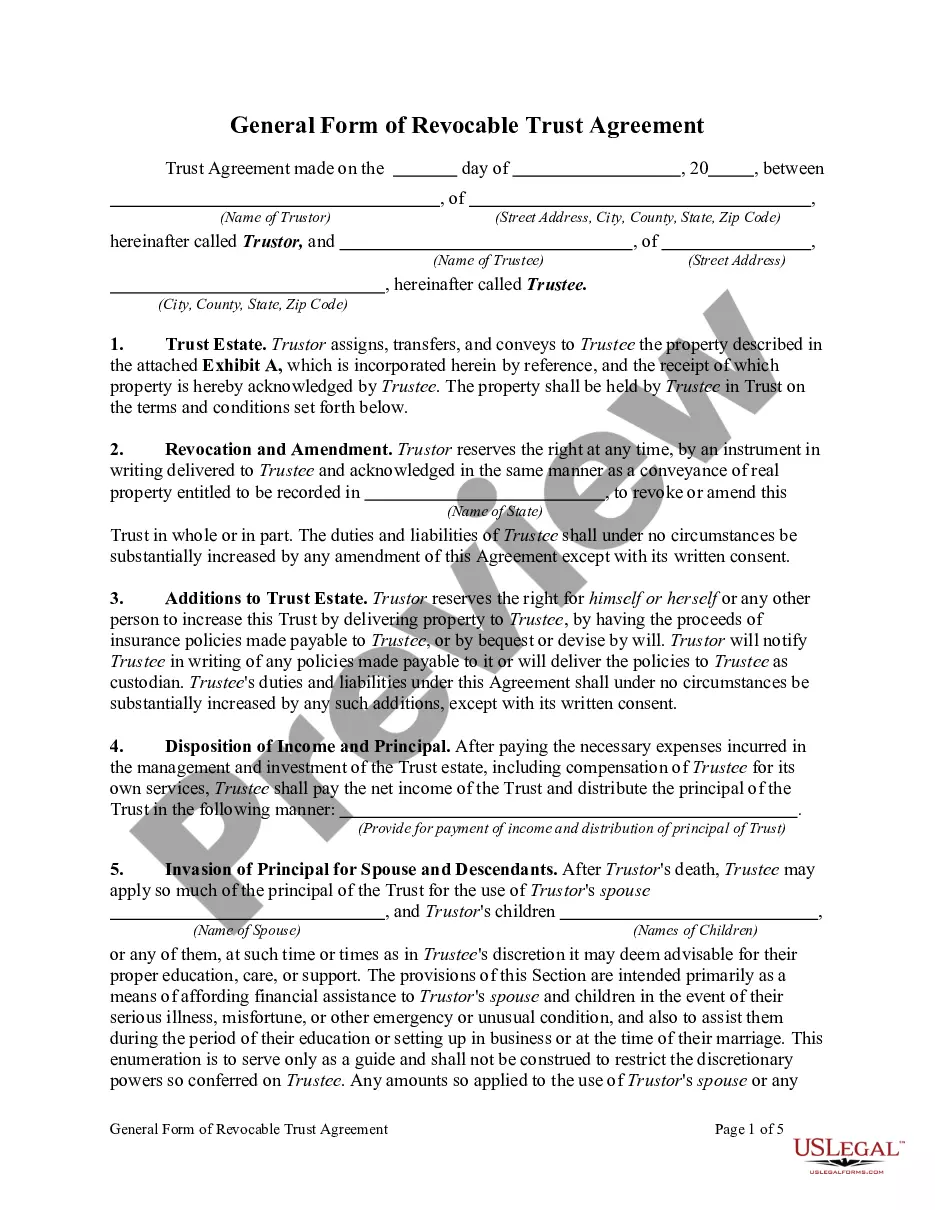
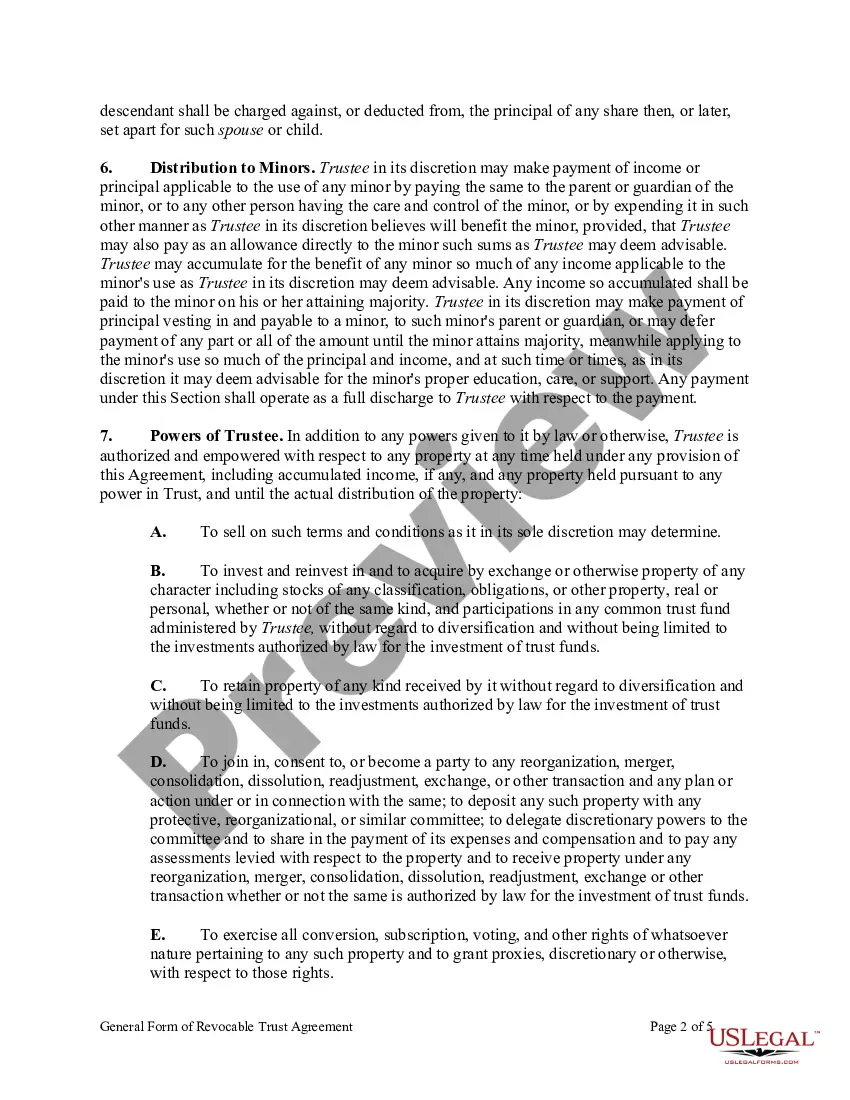
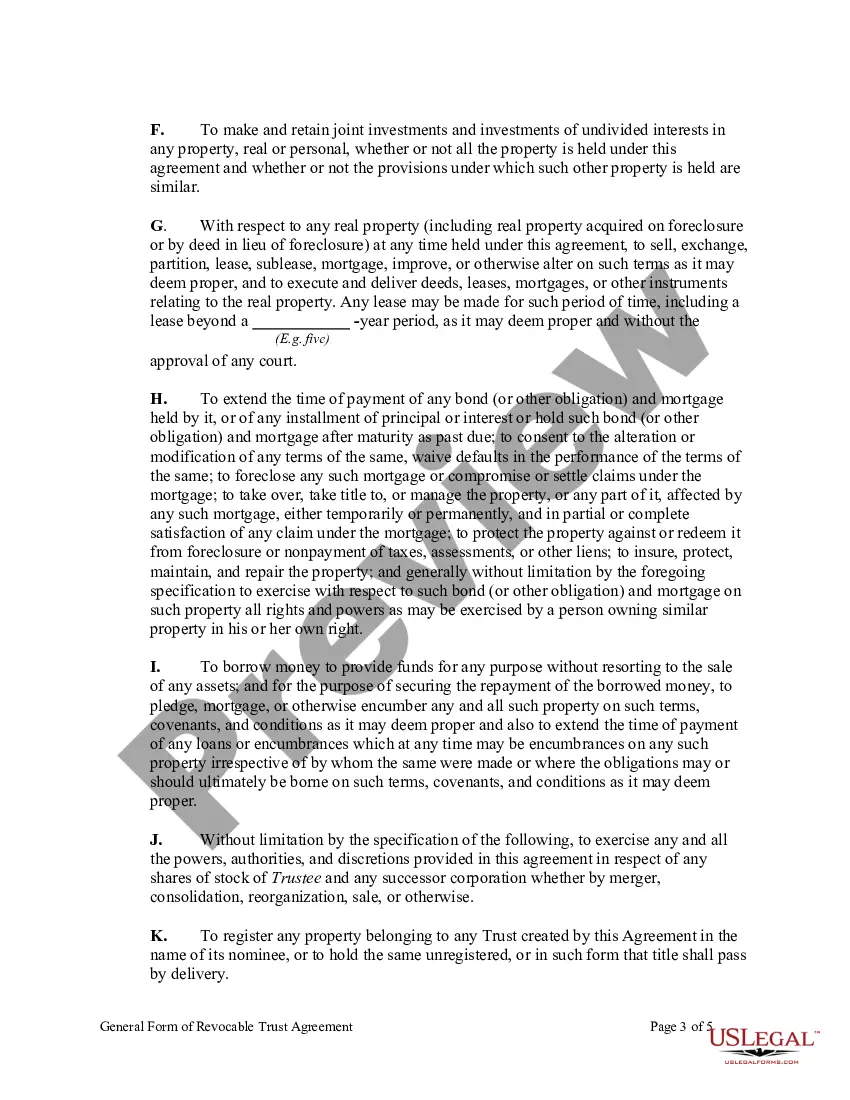
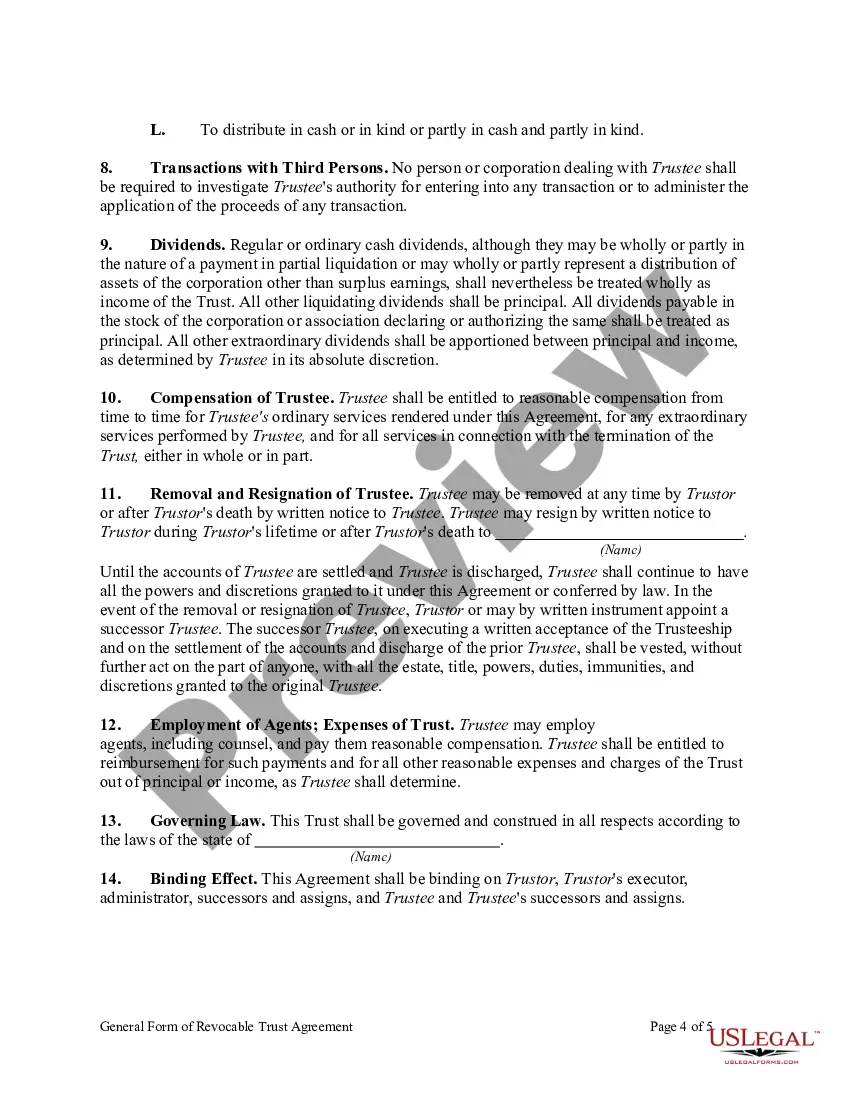
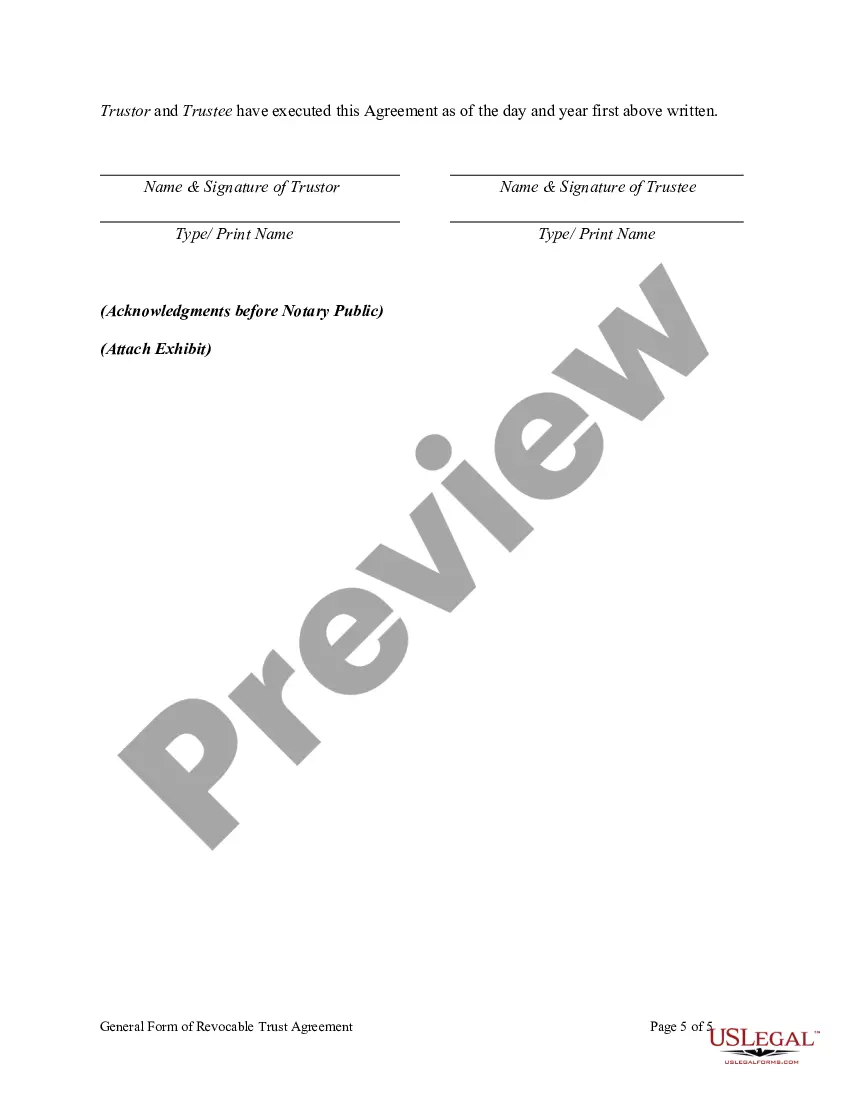
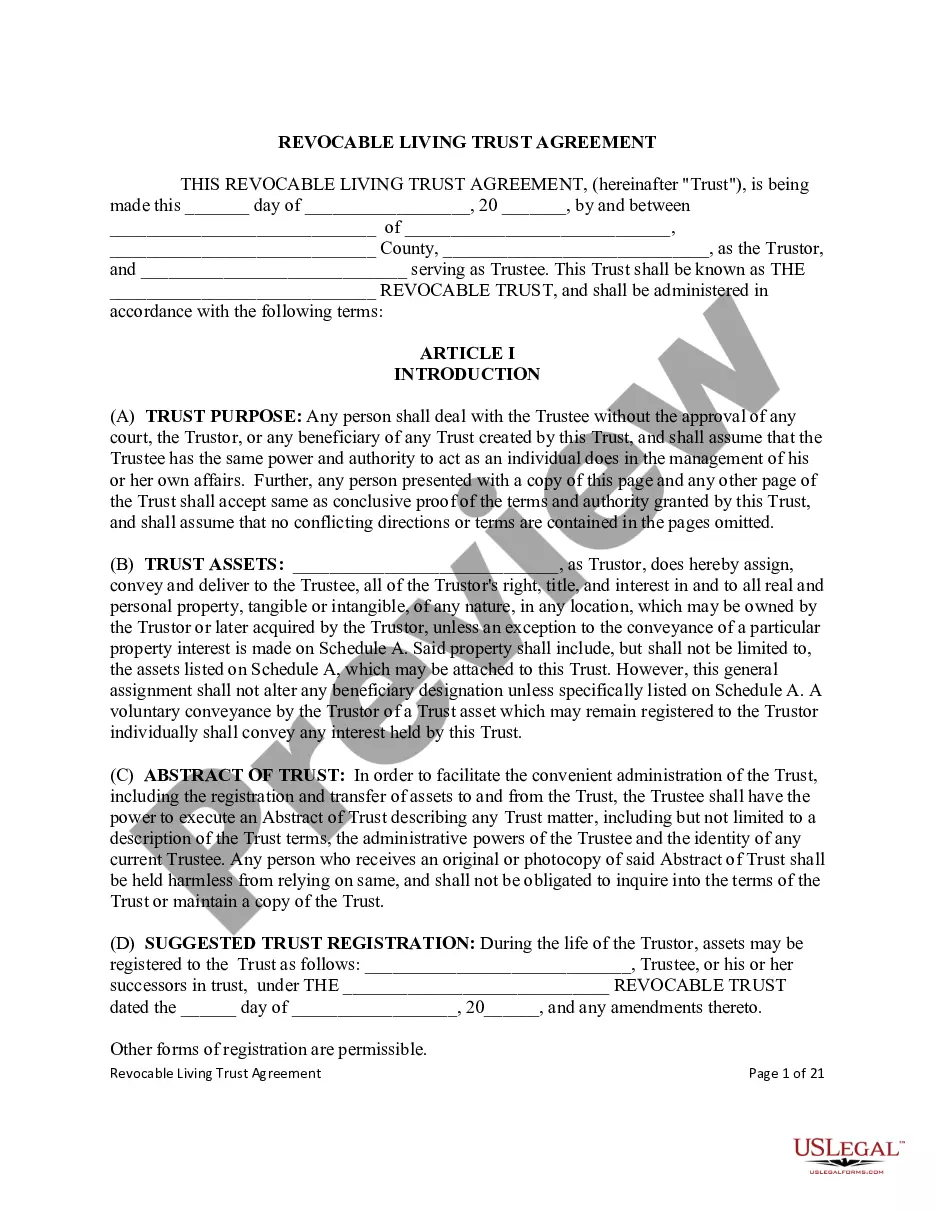
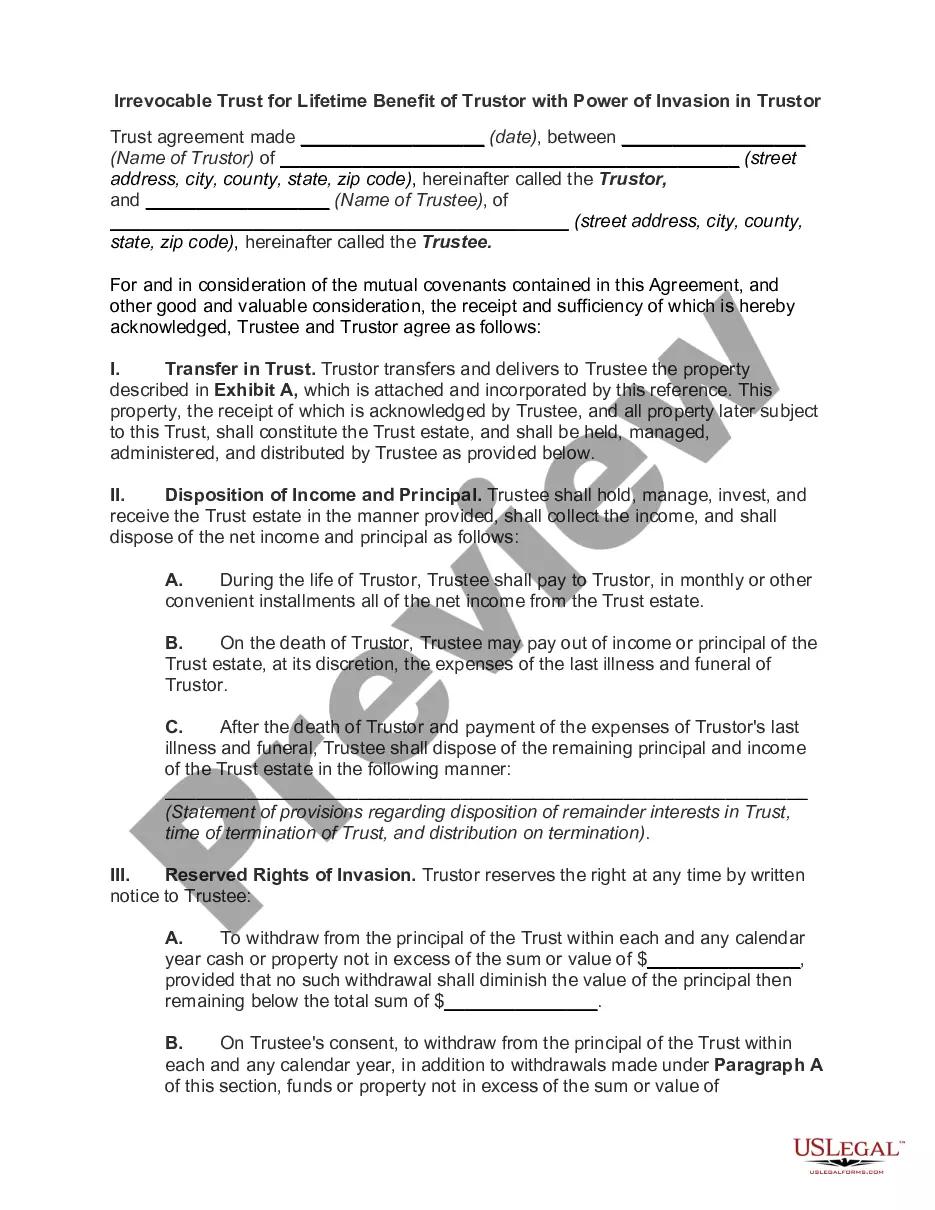
Get your form ready online
Our built-in tools help you complete, sign, share, and store your documents in one place.
Make edits, fill in missing information, and update formatting in US Legal Forms—just like you would in MS Word.
Download a copy, print it, send it by email, or mail it via USPS—whatever works best for your next step.
Sign and collect signatures with our SignNow integration. Send to multiple recipients, set reminders, and more. Go Premium to unlock E-Sign.
If this form requires notarization, complete it online through a secure video call—no need to meet a notary in person or wait for an appointment.
We protect your documents and personal data by following strict security and privacy standards.

Make edits, fill in missing information, and update formatting in US Legal Forms—just like you would in MS Word.

Download a copy, print it, send it by email, or mail it via USPS—whatever works best for your next step.

Sign and collect signatures with our SignNow integration. Send to multiple recipients, set reminders, and more. Go Premium to unlock E-Sign.

If this form requires notarization, complete it online through a secure video call—no need to meet a notary in person or wait for an appointment.

We protect your documents and personal data by following strict security and privacy standards.
Looking for another form?








How to fill out Revocable Trust For Asset Protection?
- If you are an existing user, log into your account to access and download the necessary template. Ensure your subscription is active; if it's not, renew it according to your payment plan.
- For new users, start by reviewing the Preview mode and form descriptions to confirm you have selected the correct document that fits your legal needs and adheres to local requirements.
- If the form doesn’t meet your preferences, use the Search function to find alternatives. Choose the right document to proceed.
- Once you have your desired form, click on the Buy Now button and select your preferred subscription plan. You will need to create an account to access the full library of resources.
- Complete your purchase by entering your payment details or utilizing your PayPal account to secure your subscription.
- After purchasing, download the template to your device. You can also access it anytime from the My Forms section in your profile.
US Legal Forms offers the advantage of a robust collection of over 85,000 editable legal templates, ensuring you find the exact documents you need. Additionally, their platform connects you with premium experts for assistance, guaranteeing your forms are completed accurately and legally compliant.
In conclusion, navigating the process of obtaining a revocable trust with a pour over will is straightforward with US Legal Forms. Start your journey today and leverage their extensive resources to make your legal documentation stress-free!
Form popularity
FAQ
The biggest mistake parents make when setting up a trust fund is overlooking asset inclusion. They might assume all their assets are automatically protected, but often, vital assets are not transferred into the trust. This can lead to confusion and potential legal disputes after passing. With the revocable trust with pour over will, you can ensure a thorough and comprehensive approach, which is where resources like uslegalforms come in handy to help you avoid such common pitfalls.
Absolutely, a revocable trust can have a pour-over will. This combination allows for a seamless transfer of assets into the trust after your passing, ensuring that all your belongings are handled as you desire. In effect, the revocable trust with pour over will creates a clear path for asset distribution while providing peace of mind. You can streamline this process by utilizing uslegalforms for your estate planning needs.
'Pour over' in a trust means that any assets not placed in your revocable trust during your lifetime will be transferred to it upon your death. This ensures that all your assets are consolidated within the trust and managed according to your wishes. The revocable trust with pour over will serves as a safeguard to ensure nothing is left out, protecting your estate plan effectively.
In general, a will does not override a revocable trust; rather, it complements it. The revocable trust with pour over will directs that any assets outside the trust at the time of your death will be transferred into the trust. This means that while both documents work together, the trust takes precedence in managing your assets. Therefore, it is essential to create both carefully.
Yes, you can definitely have a pour-over will alongside a revocable trust. A pour-over will serves as a backup plan, directing any assets not included in your trust to 'pour over' into the trust upon your passing. This strategy ensures that all your assets are ultimately managed according to the terms of your revocable trust with pour over will. Utilizing uslegalforms can simplify the process of setting up both documents.
In general, a revocable trust with pour over will takes precedence over a standard will when it comes to handling assets in the trust. This means that the trust's instructions will govern the distribution of any assets held within it. Furthermore, legal documents such as powers of attorney or beneficiary designations may also override a will. It's essential to ensure your estate planning documents are coordinated to avoid conflicts.
One drawback of a pour-over will is that it only transfers assets into the trust after your death, meaning those assets still go through probate. While this will likely streamline the process of transferring assets to your revocable trust, it does not avoid probate entirely. Additionally, probate can delay final distributions and may incur legal fees. Using tools like US Legal Forms can help you navigate this process more smoothly.
A revocable trust with pour over will is designed to handle your assets efficiently. In most cases, a revocable trust does have supremacy over a will regarding assets included in the trust. This means the assets will be distributed according to the terms of the trust, bypassing the probate process. However, any assets not transferred to the trust will still be distributed according to your will.
The primary downside of placing assets in a revocable trust with pour over will is that it can create a false sense of security. Some individuals mistakenly believe that simply having a trust in place eliminates all estate planning issues. It's crucial to remember that regular review and proper funding of the trust are necessary to ensure effective management and distribution of assets.
While a family trust, such as a revocable trust with pour over will, offers many advantages, there are some disadvantages to consider. For instance, it may require ongoing management and regular updates to reflect changes in assets or family situations. Furthermore, certain assets may not be suitable for inclusion in a trust, which can lead to oversight during estate planning.