Revocable Trust For Asset Protection
Description
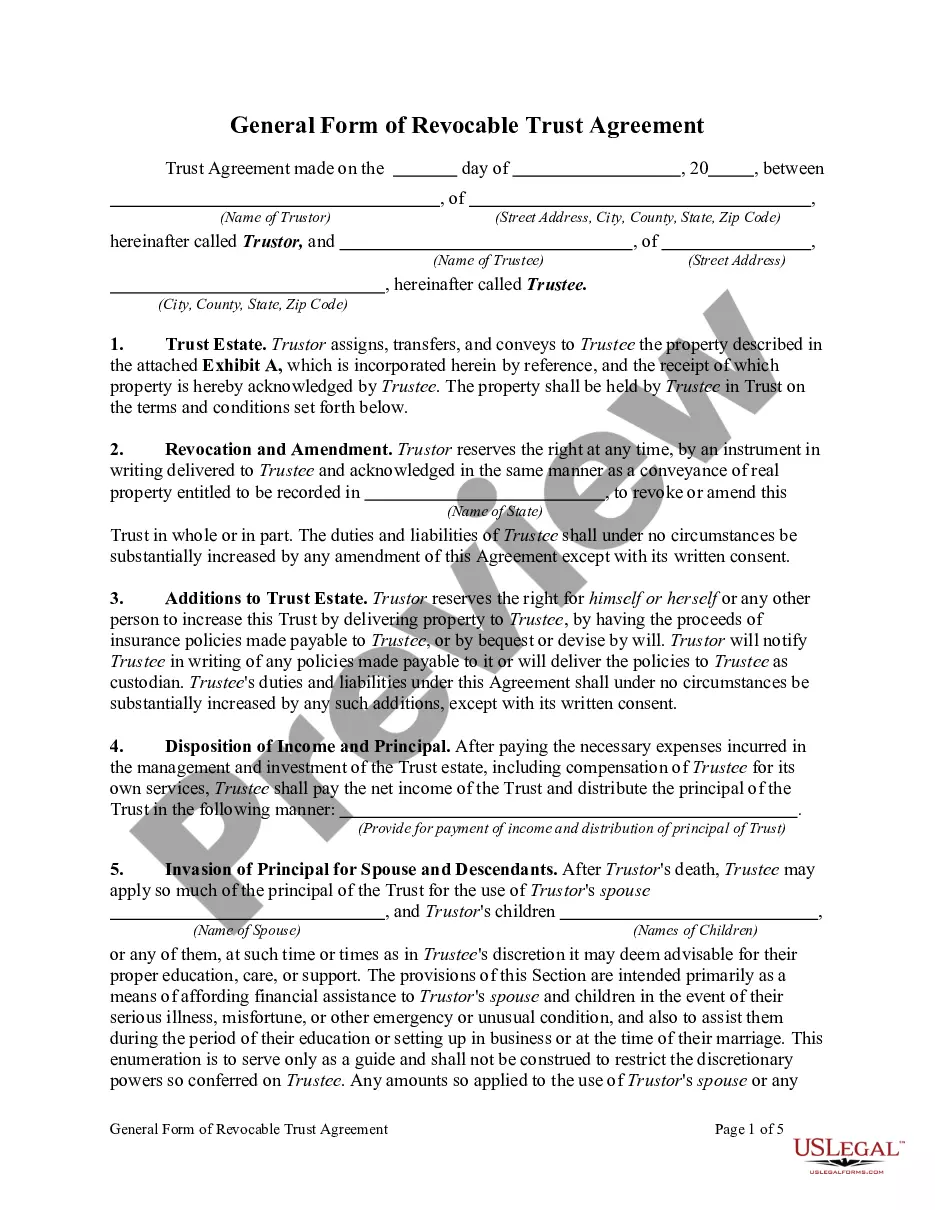
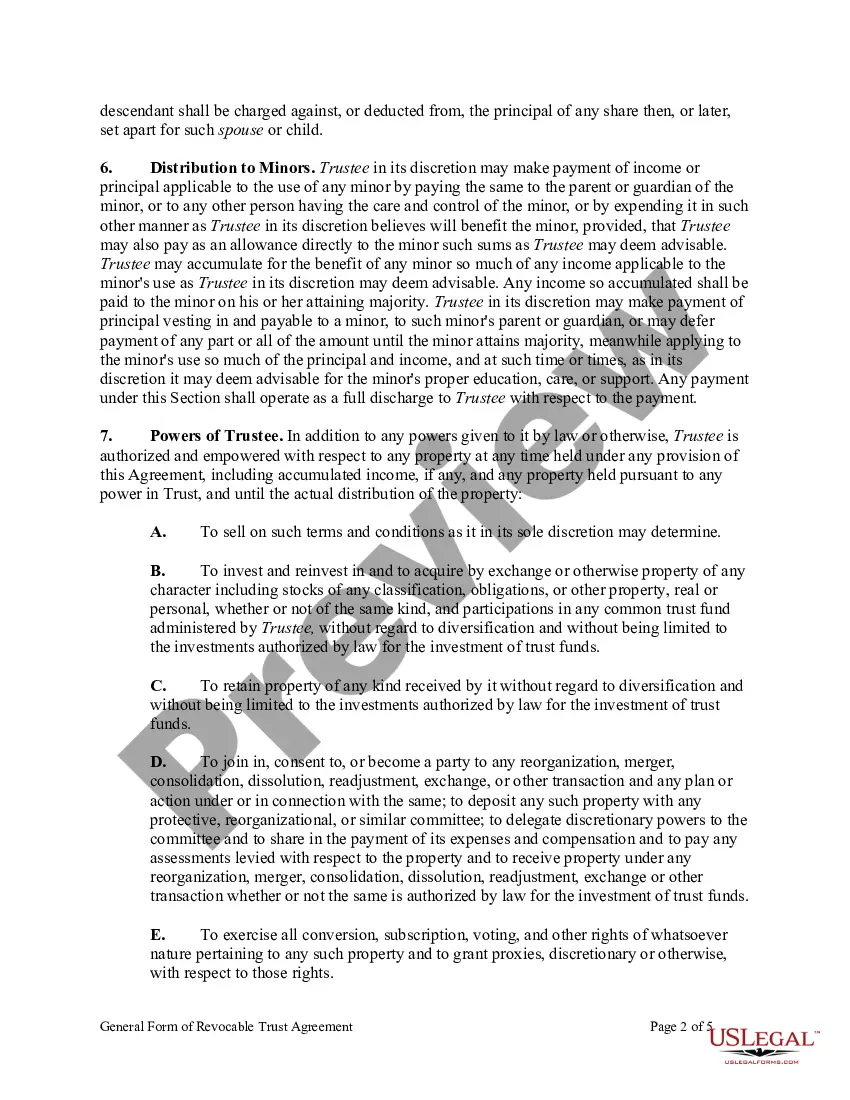
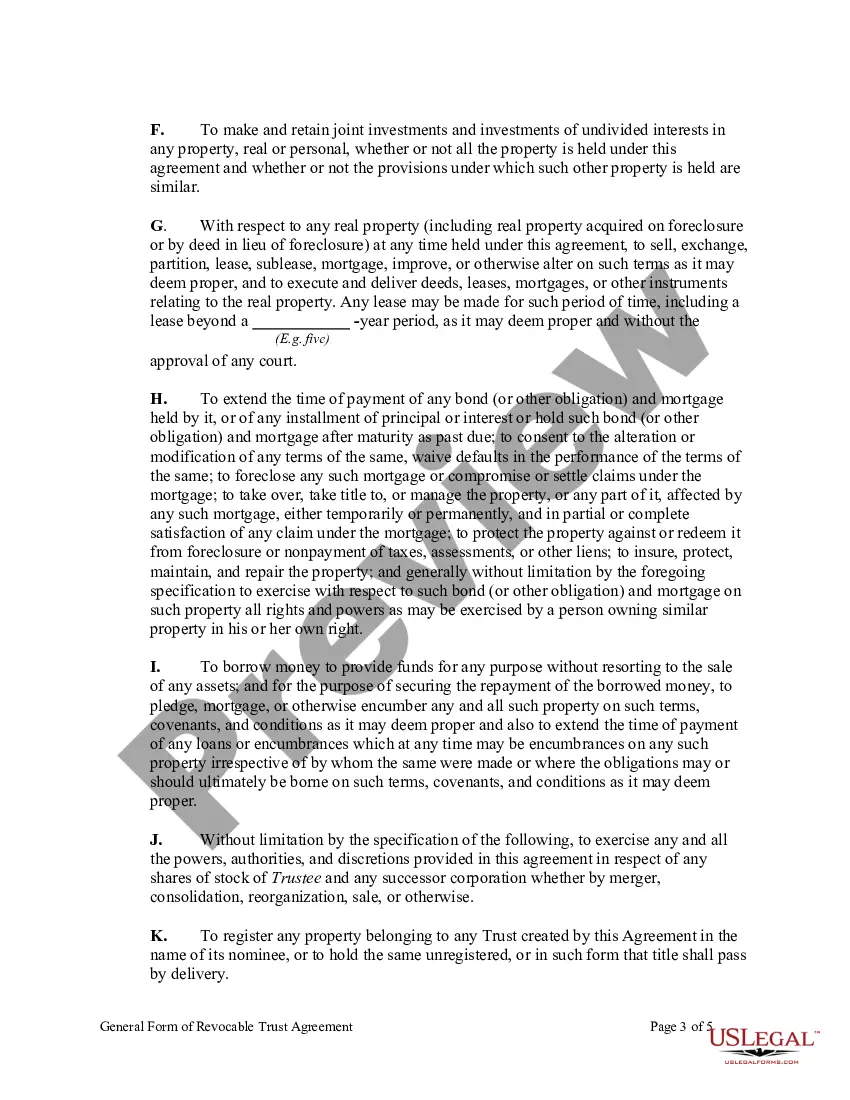
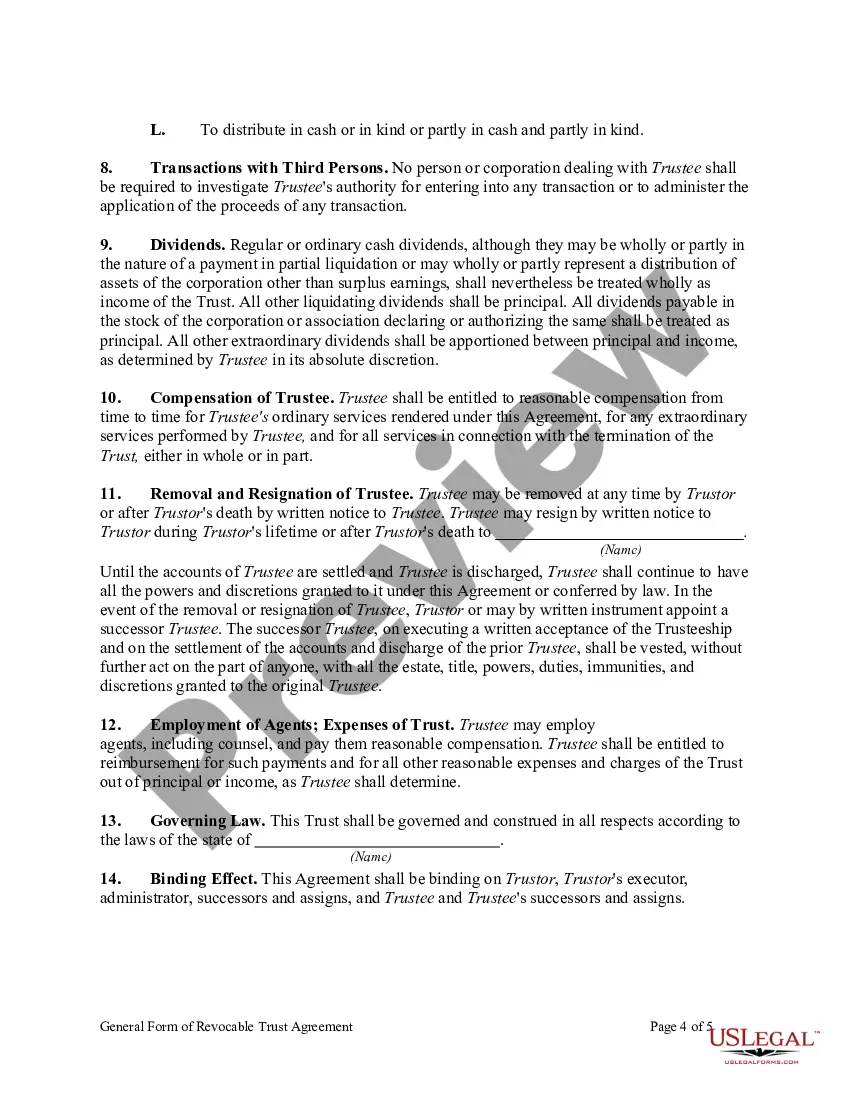
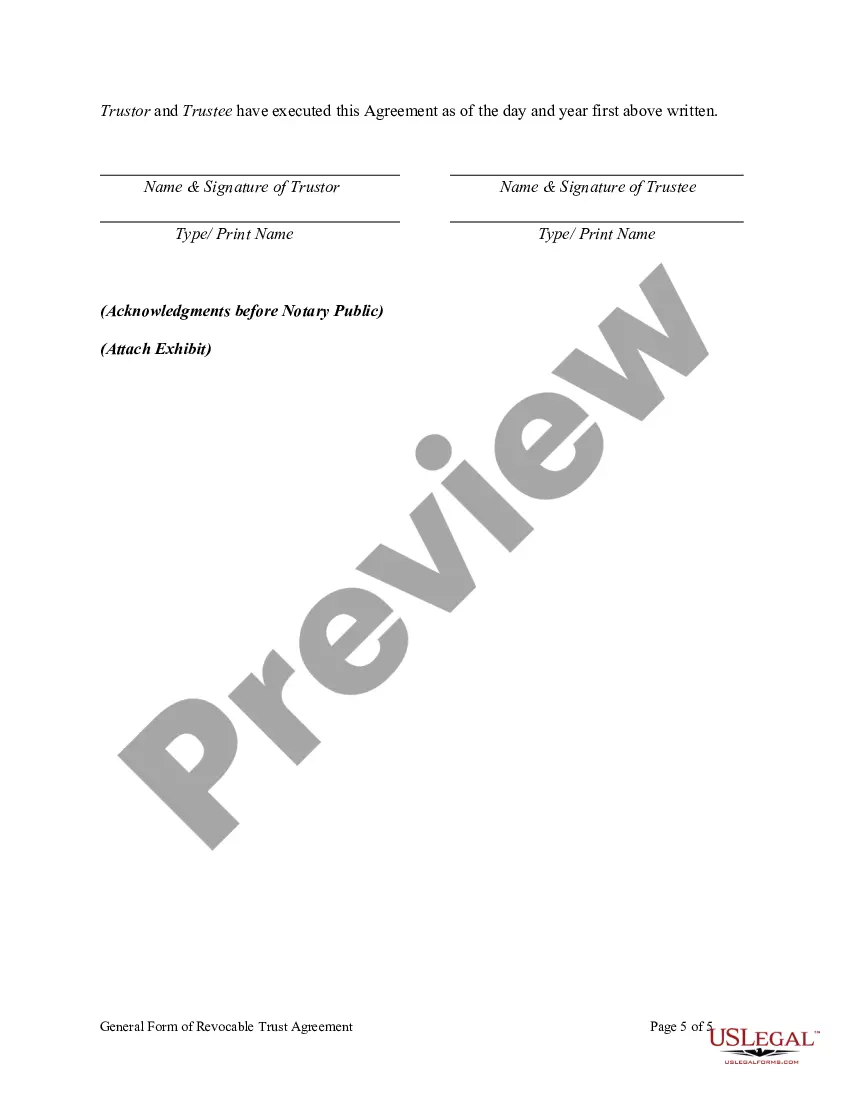
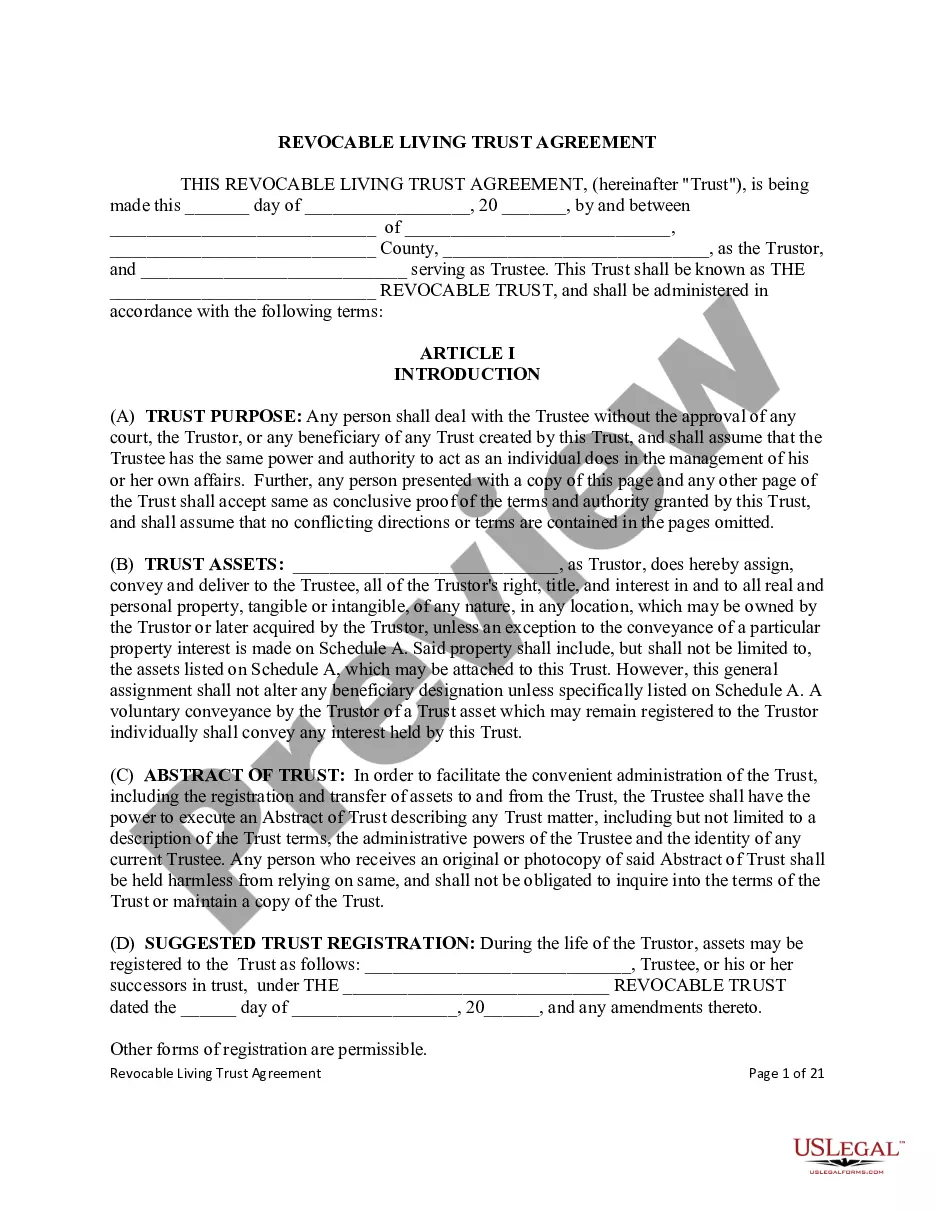
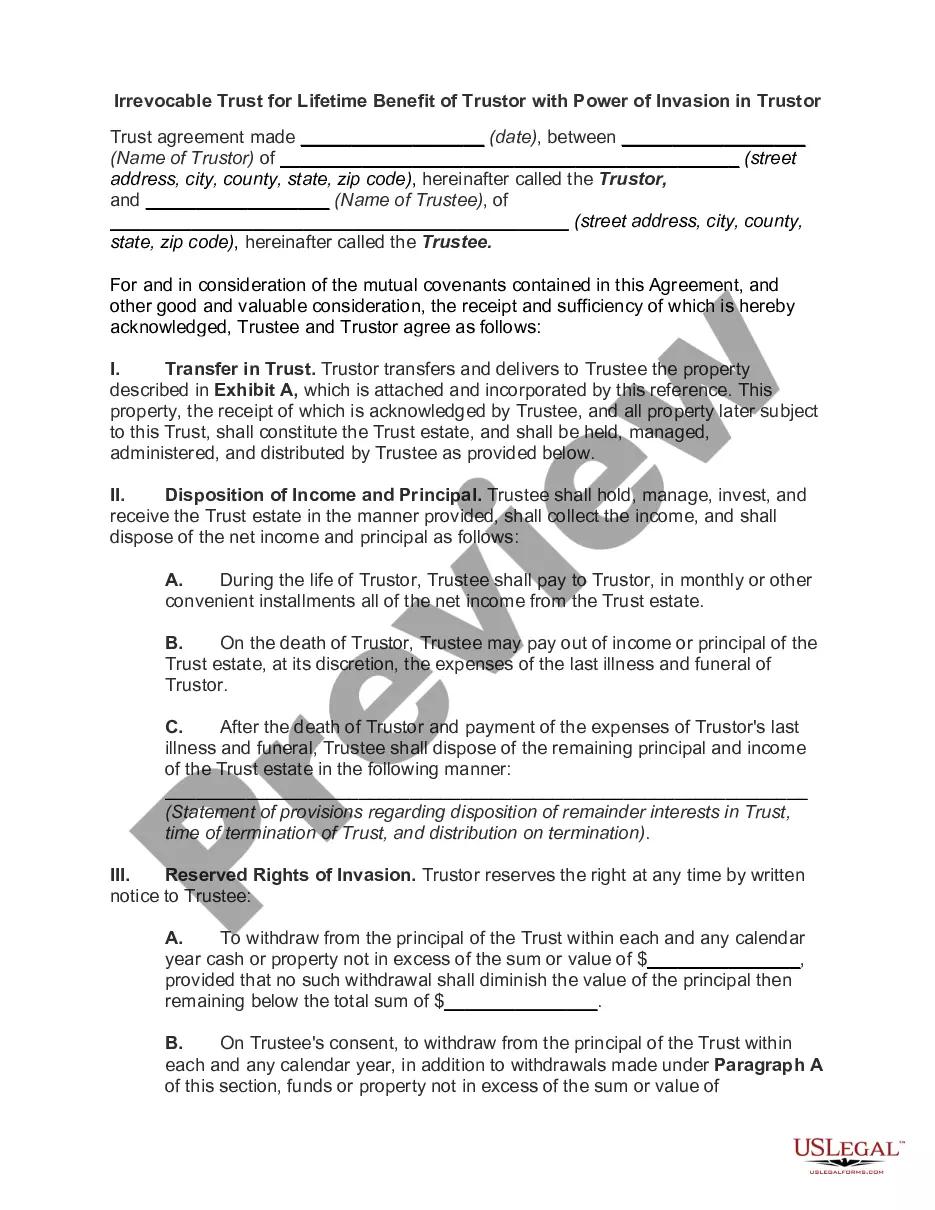
Get your form ready online
Our built-in tools help you complete, sign, share, and store your documents in one place.
Make edits, fill in missing information, and update formatting in US Legal Forms—just like you would in MS Word.
Download a copy, print it, send it by email, or mail it via USPS—whatever works best for your next step.
Sign and collect signatures with our SignNow integration. Send to multiple recipients, set reminders, and more. Go Premium to unlock E-Sign.
If this form requires notarization, complete it online through a secure video call—no need to meet a notary in person or wait for an appointment.
We protect your documents and personal data by following strict security and privacy standards.

Make edits, fill in missing information, and update formatting in US Legal Forms—just like you would in MS Word.

Download a copy, print it, send it by email, or mail it via USPS—whatever works best for your next step.

Sign and collect signatures with our SignNow integration. Send to multiple recipients, set reminders, and more. Go Premium to unlock E-Sign.

If this form requires notarization, complete it online through a secure video call—no need to meet a notary in person or wait for an appointment.

We protect your documents and personal data by following strict security and privacy standards.
Looking for another form?









How to fill out Revocable Trust For Asset Protection?
- Visit the US Legal Forms website and log in to your account if you’re an existing user. Ensure your subscription is active for uninterrupted access.
- For new users, start by exploring the extensive online library. Use the search feature to find the correct revocable trust form that aligns with your jurisdiction.
- Once you identify the right template, proceed to purchase the document. Select the 'Buy Now' button and choose a subscription plan that suits your requirements.
- Complete your transaction by entering your payment details or utilizing your PayPal account for a smooth purchase.
- Finally, download the completed form to your device. Access this document anytime via the 'My Forms' section of your profile.
In conclusion, creating a revocable trust for asset protection is made simple with US Legal Forms. Their robust collection of legal documents and expert assistance ensures that you receive all necessary resources to succeed. Don’t wait any longer—start protecting your assets today!
Visit US Legal Forms now to access thousands of legal forms and secure your future.
Form popularity
FAQ
Requirements for an asset protection trust vary by state, but generally, you need to create a legal trust document and designate assets to the trust. The trust must include terms that define how assets are managed and distributed. A revocable trust for asset protection must adhere to local laws and involve clear documentation, so it's wise to seek guidance from professionals to ensure compliance.
Setting up a protective trust involves several steps. Begin by choosing the assets you wish to place in the trust and selecting a trusted individual or institution as the trustee. After drafting the trust agreement, you will then fund the trust to complete the setup. Using a revocable trust for asset protection can provide the desired flexibility and security for your assets.
To write an asset protection trust, start by defining your goals and identifying the assets you want to protect. Formulate the trust document, specifying the terms, conditions, and beneficiaries, while ensuring it aligns with state laws. Consulting a legal professional is prudent, as they can craft a revocable trust for asset protection that meets your unique needs and circumstances.
A revocable trust for asset protection is often considered the best structure, as it allows you flexibility while managing your assets. This type of trust enables you to maintain control, making it easier to adjust your arrangements as needed. While it offers protection from probate, you should consider additional strategies for full asset protection against creditors or lawsuits.
Setting up an asset protection trust involves a few key steps. First, identify the assets you wish to protect and choose a jurisdiction that offers favorable laws for such trusts. Next, work with a qualified attorney to draft the trust agreement, ensuring it reflects your intent and complies with state regulations. Platforms like US Legal Forms can also help you access resources and templates to get started on creating your revocable trust for asset protection.
Revocable trusts generally do not provide asset protection against creditors. However, they offer other benefits, such as avoiding probate and increasing control over asset distribution. It is important to understand that while a revocable trust for asset protection is beneficial for estate planning, it may not safeguard your assets from legal claims. You might want to consider additional strategies for asset protection alongside establishing a revocable trust.
To start a revocable trust for asset protection, first gather your assets and decide which ones you want to include in the trust. Next, choose a trustee, who will manage the trust on your behalf. After that, you will need to draft the trust document, outlining how your assets will be managed and distributed. Using a platform like US Legal Forms can simplify this process by providing you with the necessary templates and guidance.
When considering trusts for asset protection, an irrevocable trust often provides stronger protection than a revocable trust. An irrevocable trust removes assets from your control, which can safeguard them from creditors and estate taxes. However, for those needing flexibility while still seeking some level of protection, a revocable trust for asset protection may be suitable—especially with additional layers of protection in place.
While a revocable trust for asset protection does help in bypassing probate and managing assets, it does not offer strong legal protection against creditors. Since you can change or revoke the trust, creditors may still reach assets held within it. It's crucial to combine a revocable trust with other strategies, such as insurance or irrevocable trusts, for enhanced protection.
A revocable trust for asset protection provides a means to manage your assets during your lifetime and detail distribution after your passing. It allows you to avoid probate, which can save time and preserve privacy. However, since it is revocable, you retain control over trust assets, and they may still be included in your estate for tax purposes.