Pod Beneficiary Bank Account With Swift Code
Description
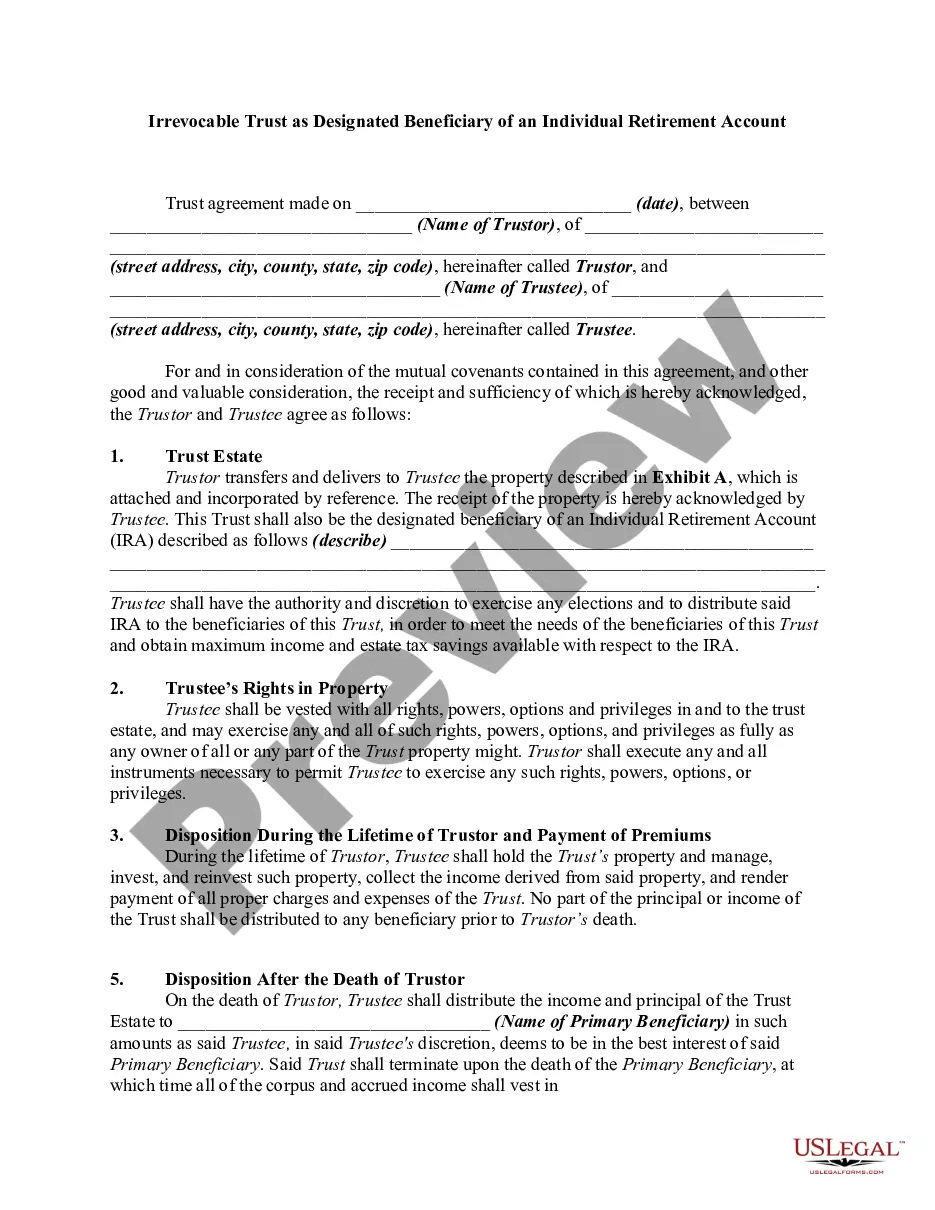
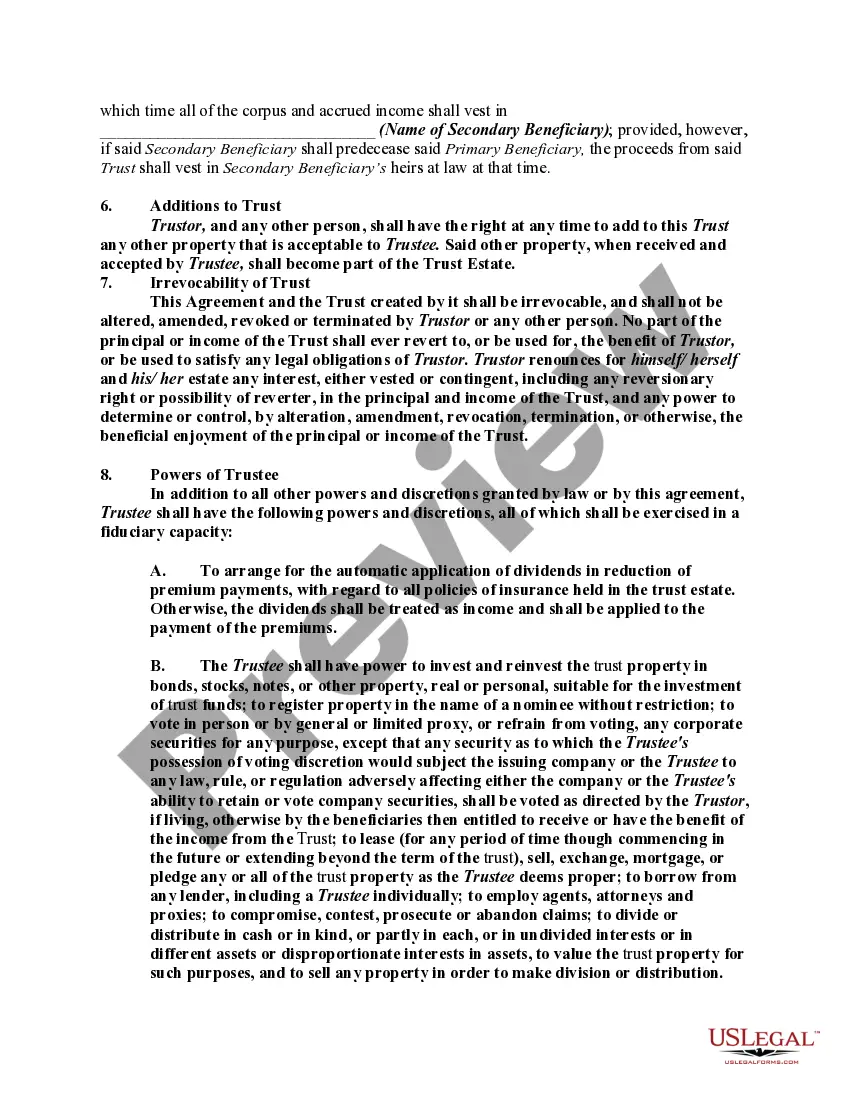



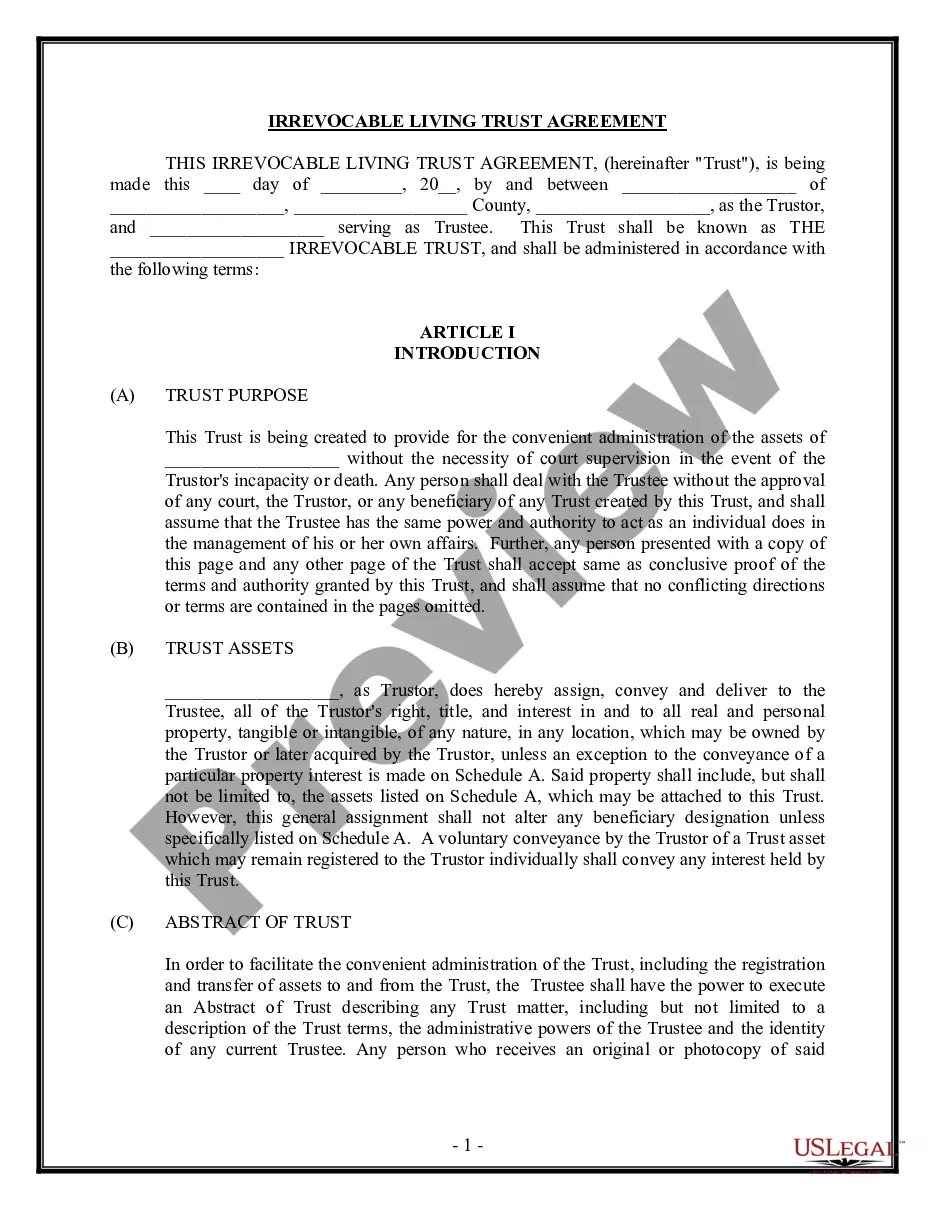

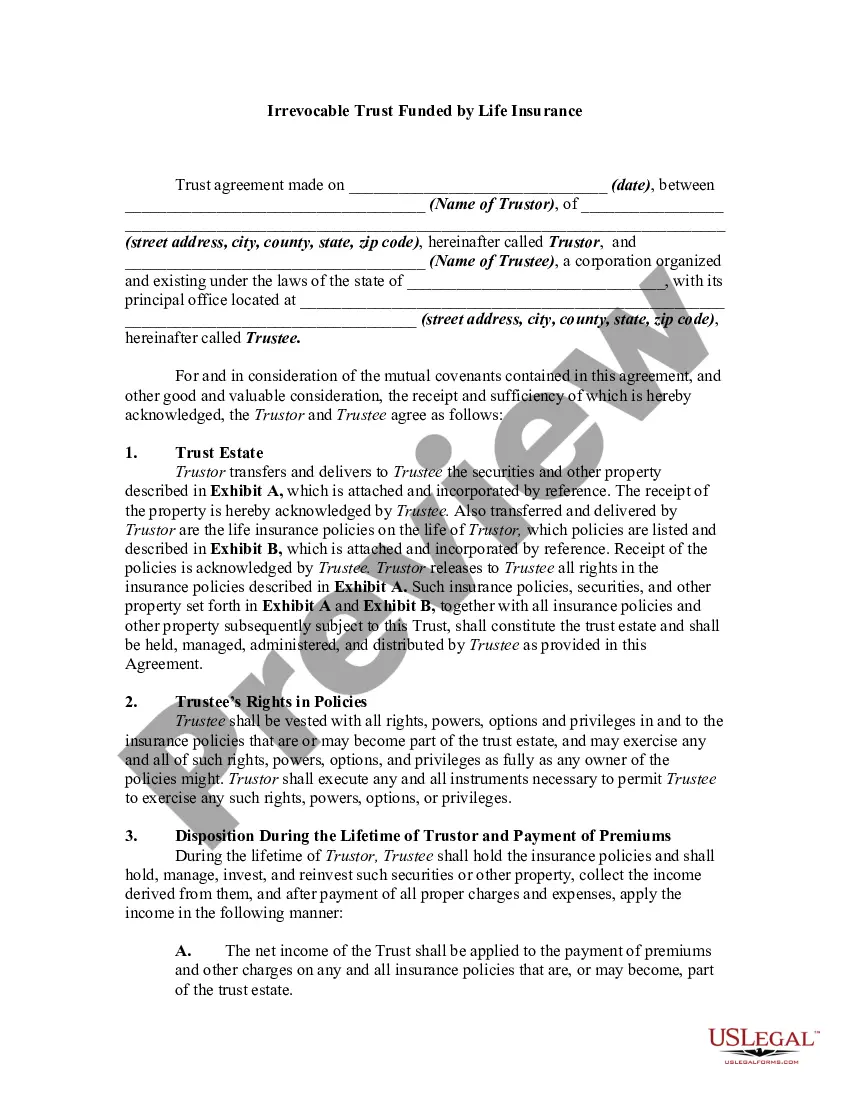
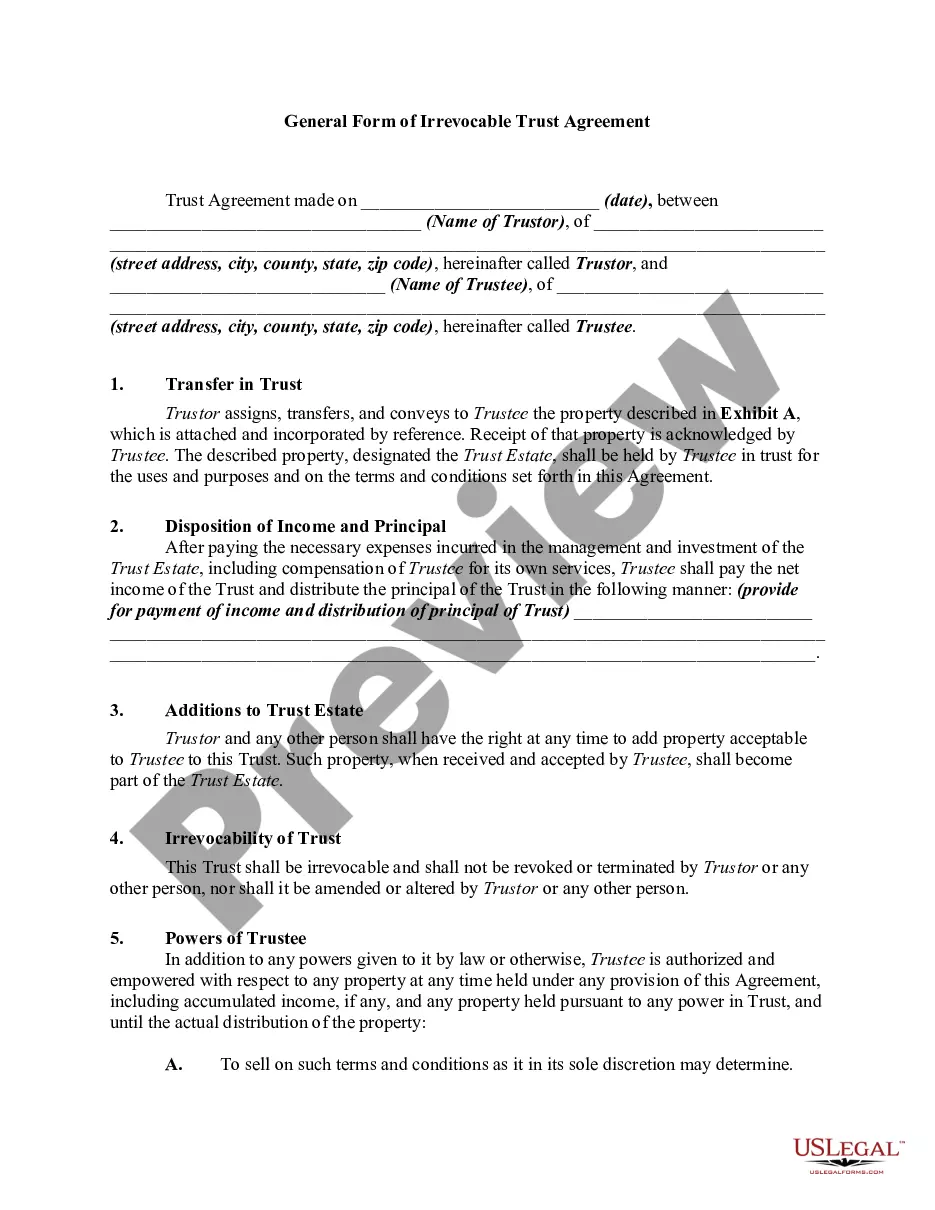
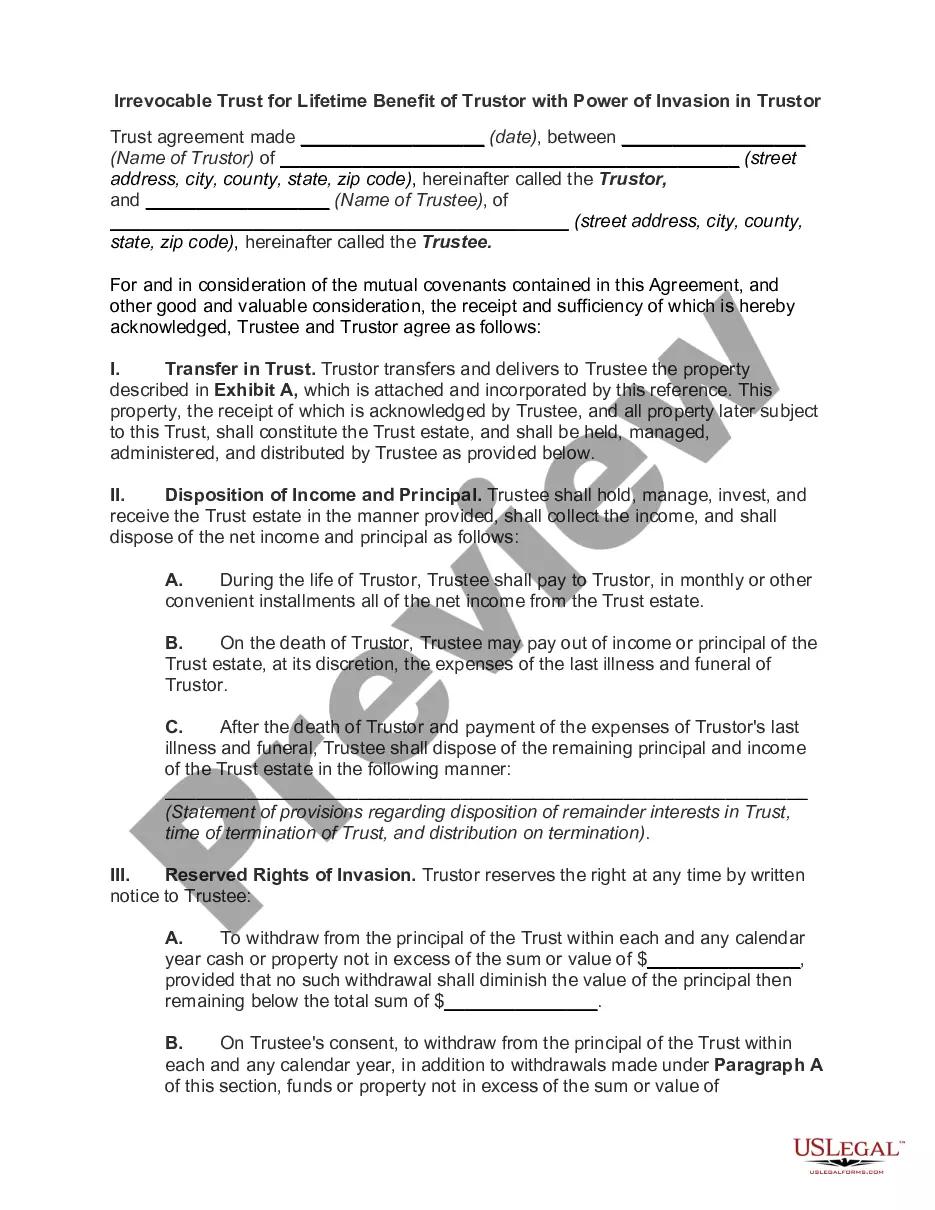

How to fill out Irrevocable Trust As Designated Beneficiary Of An Individual Retirement Account?
It’s clear that you cannot become a legal authority overnight, nor can you swiftly learn how to draft a Pod Beneficiary Bank Account With Swift Code without having a specialized education.
Developing legal documents is a lengthy endeavor that necessitates specific training and expertise. So why not entrust the creation of the Pod Beneficiary Bank Account With Swift Code to the experts.
With US Legal Forms, one of the most comprehensive legal template repositories, you can discover everything from court paperwork to templates for internal business communication. We recognize how vital compliance and adherence to federal and local regulations are.
Select Buy now. After the payment is processed, you can receive the Pod Beneficiary Bank Account With Swift Code, fill it out, print it, and send or mail it to the appropriate individuals or organizations.
You can revisit your documents from the My documents section at any time. If you’re an existing user, you can simply Log In and find and download the template from the same section. Regardless of the purpose of your documentation—be it financial and legal, or personal—our website has you covered. Try US Legal Forms today!
- Here’s how you can initiate your experience with our website and acquire the document you need in just minutes.
- Identify the document you require by utilizing the search bar located at the top of the page.
- Examine it (if this option is available) and review the accompanying description to ascertain if the Pod Beneficiary Bank Account With Swift Code meets your needs.
- Restart your search if you require any additional forms.
- Create a complimentary account and select a subscription plan to obtain the template.
Form popularity
FAQ
The account holder needs only to notify the bank of who the beneficiary should be. The bank, on its end, will give the owner of the account a beneficiary designation form called a Totten trust to fill out. The completed form gives the bank authorization to convert the account to a POD.
Format of a SWIFT Code The SWIFT code is an 8-11 alphanumeric character code structured in a standard format from left to right as: Bank code (four letters abbreviating bank's name) Country code (two letters representing the country) Location code (two letters or numbers for bank's head office)
How to make an International Bank Transfer with SWIFT The full name of the person or company you wish to pay. The full name and branch address of the destination bank. The Bank Identifier Code (BIC) or SWIFT code, plus the account number (or IBAN for European accounts) to which you are transferring funds.
When you open the account and fill out the bank's forms, just list the beneficiary on the signature card as the POD payee. The bank may also ask you for some other information, such as the beneficiary's address or birth date. For example, the current address of each beneficiary is required by law in a few states.
What accounts can have POD beneficiaries? Checking, Savings, Certificate of Deposit (CD) accounts, Individual Retirement Accounts (IRA) and investment accounts are all eligible deposit accounts.