Claims And Litigations
Description
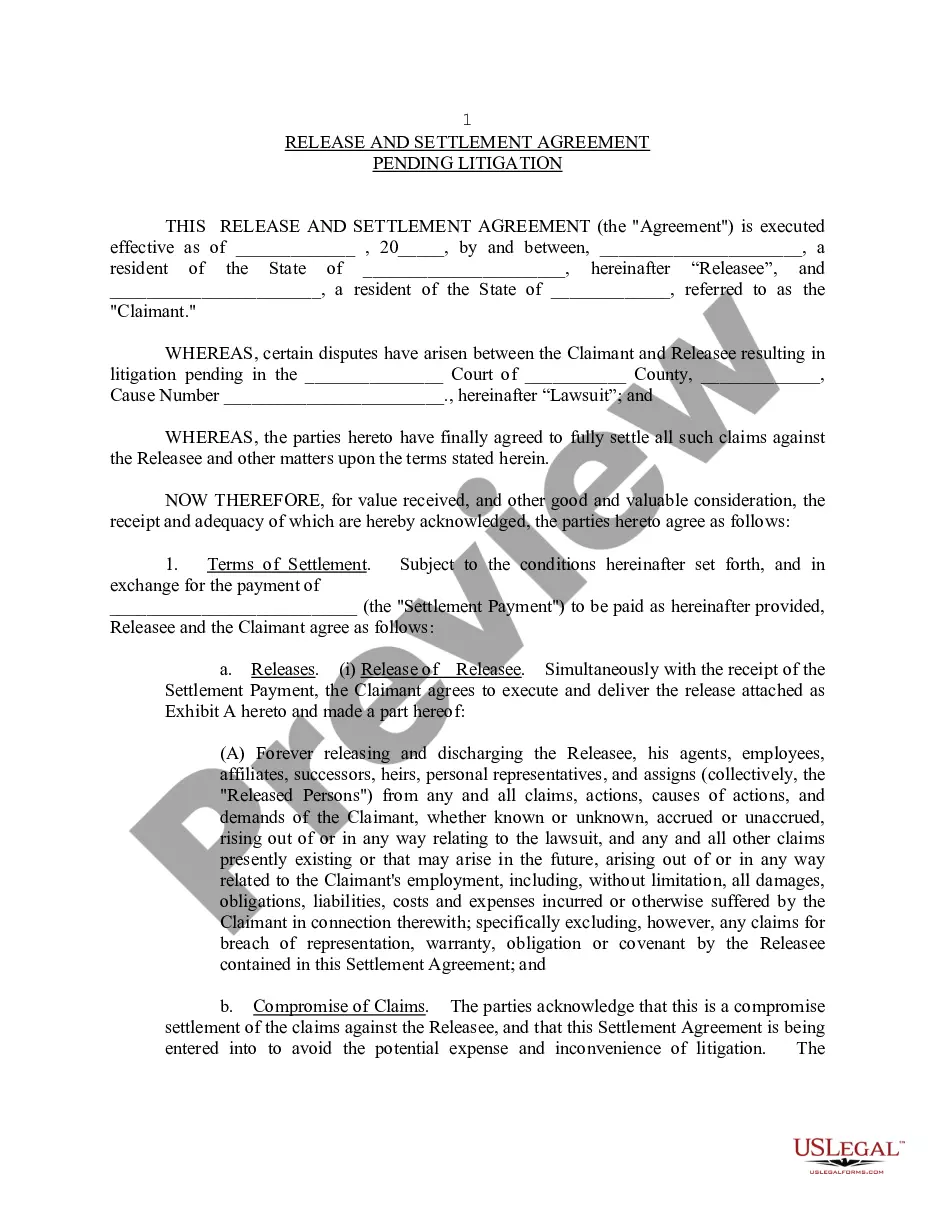
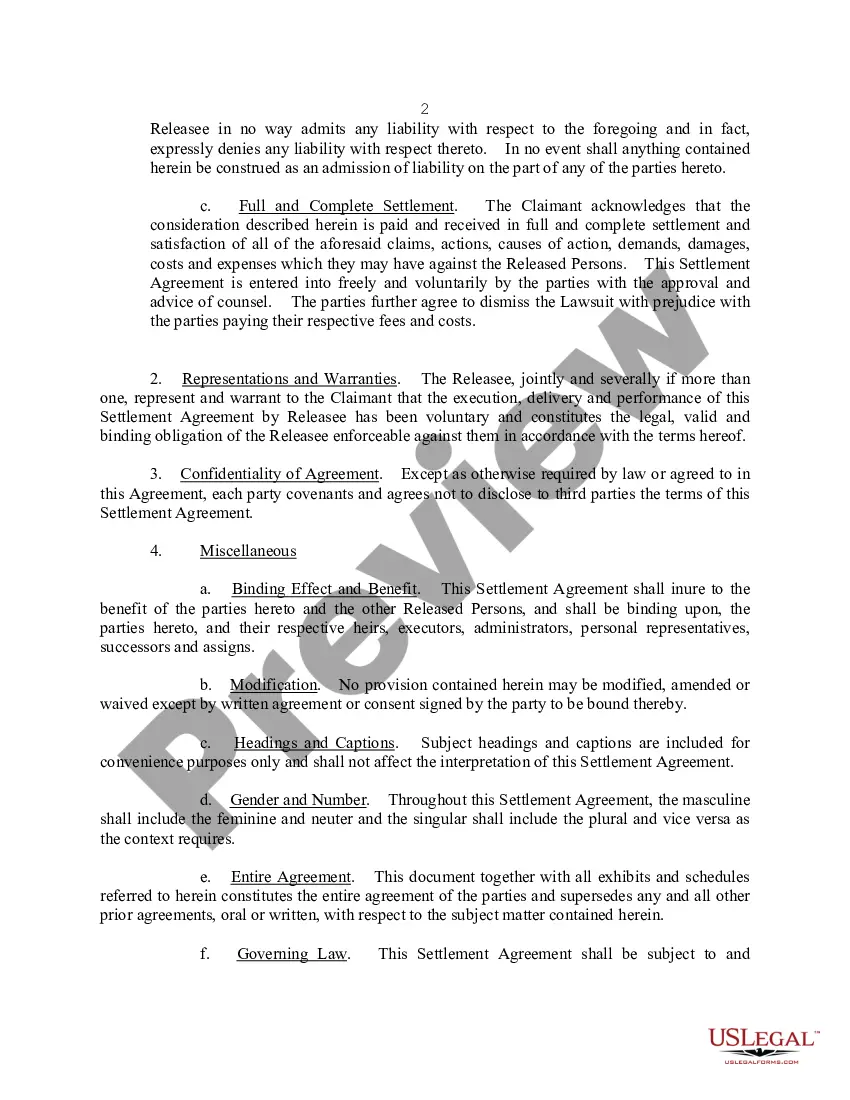
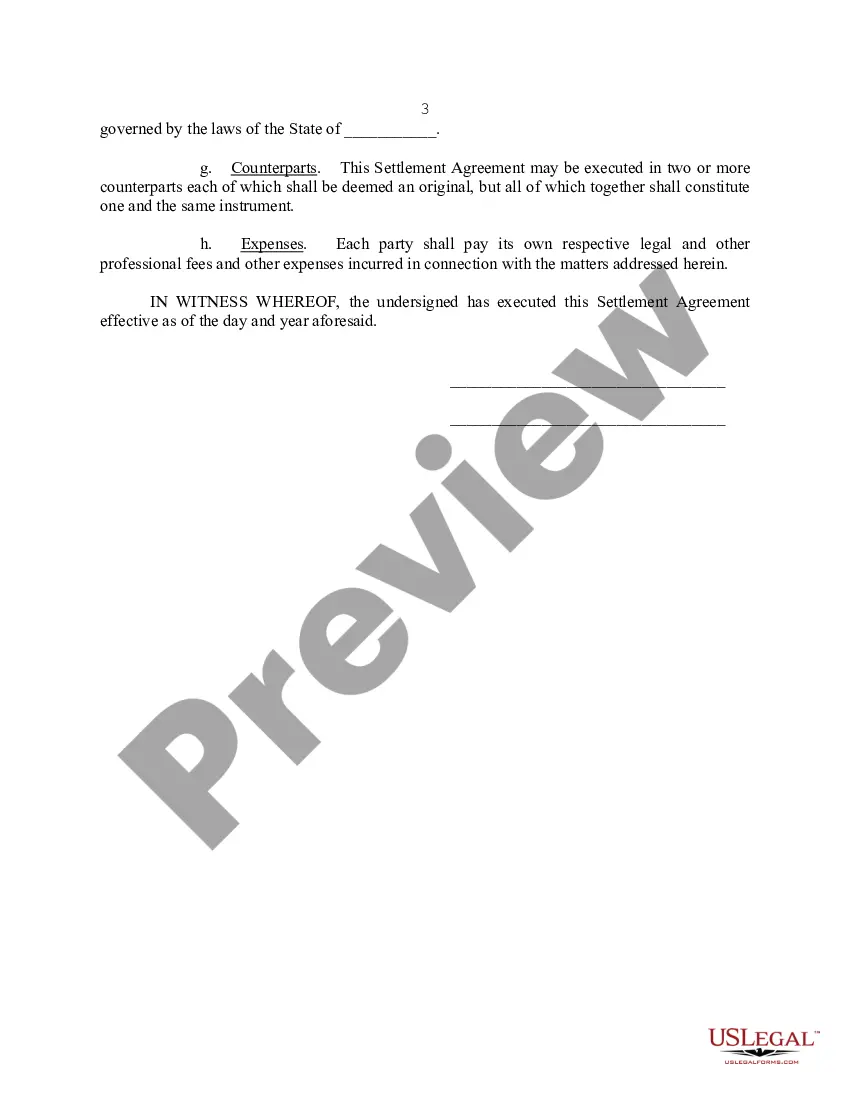
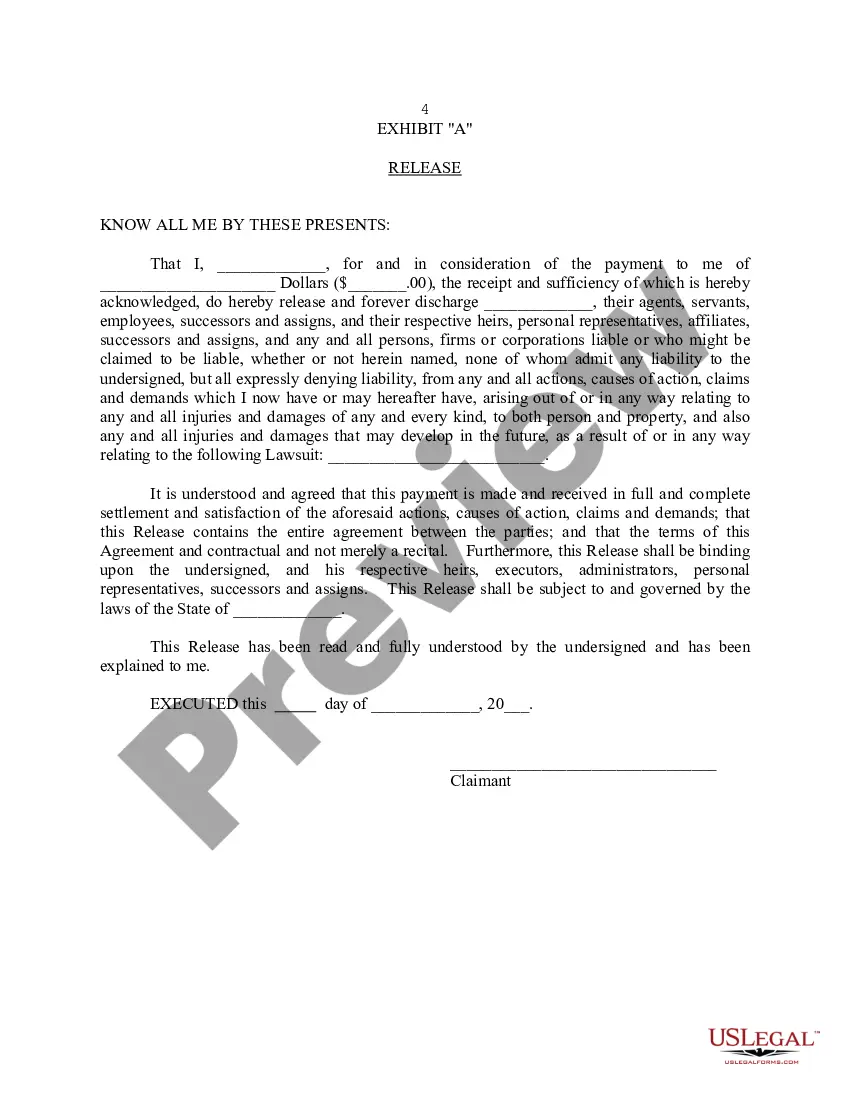
Get your form ready online
Our built-in tools help you complete, sign, share, and store your documents in one place.
Make edits, fill in missing information, and update formatting in US Legal Forms—just like you would in MS Word.
Download a copy, print it, send it by email, or mail it via USPS—whatever works best for your next step.
Sign and collect signatures with our SignNow integration. Send to multiple recipients, set reminders, and more. Go Premium to unlock E-Sign.
If this form requires notarization, complete it online through a secure video call—no need to meet a notary in person or wait for an appointment.
We protect your documents and personal data by following strict security and privacy standards.

Make edits, fill in missing information, and update formatting in US Legal Forms—just like you would in MS Word.

Download a copy, print it, send it by email, or mail it via USPS—whatever works best for your next step.

Sign and collect signatures with our SignNow integration. Send to multiple recipients, set reminders, and more. Go Premium to unlock E-Sign.

If this form requires notarization, complete it online through a secure video call—no need to meet a notary in person or wait for an appointment.

We protect your documents and personal data by following strict security and privacy standards.
Looking for another form?
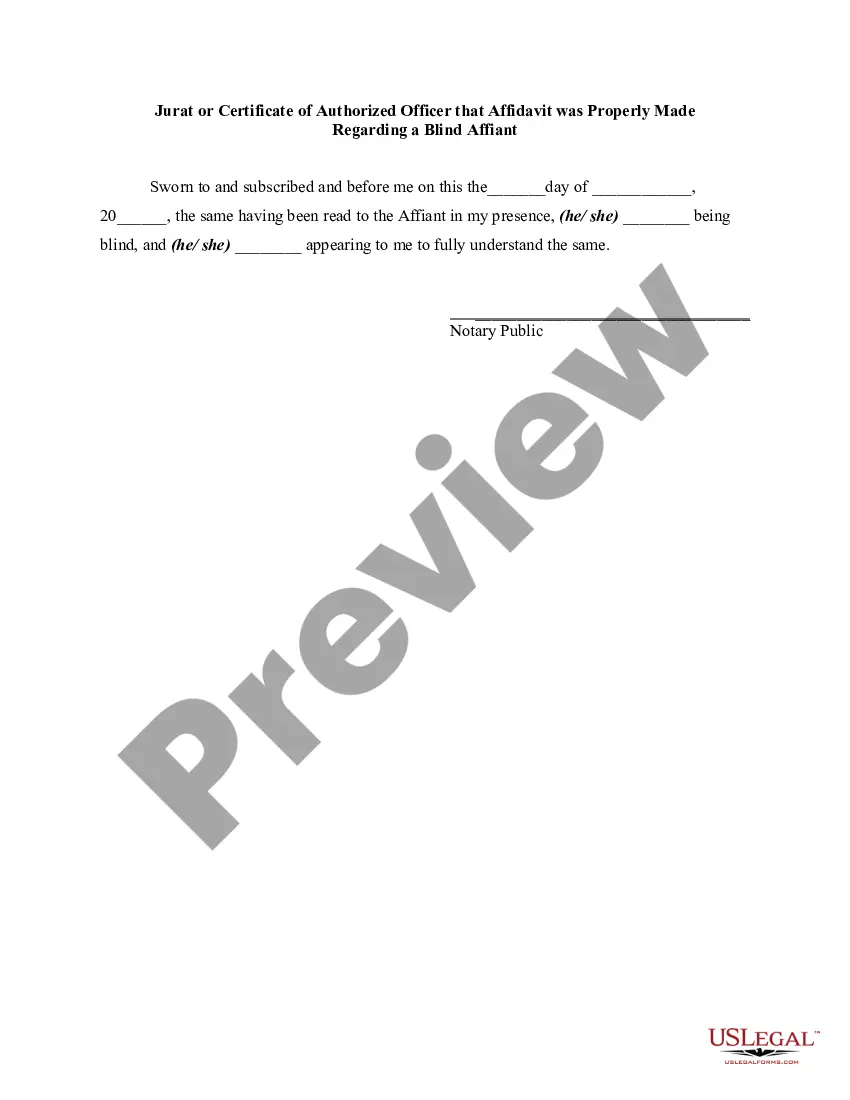
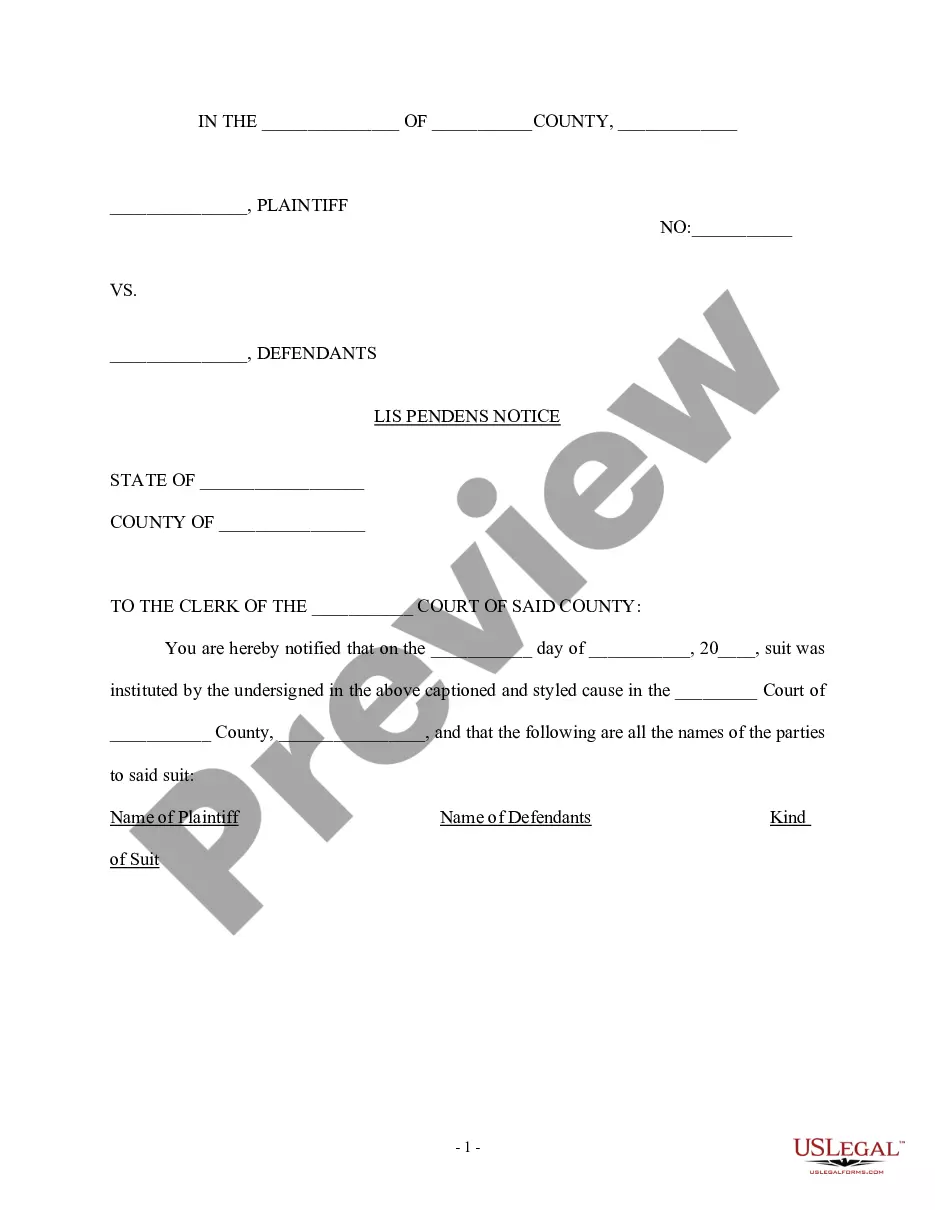
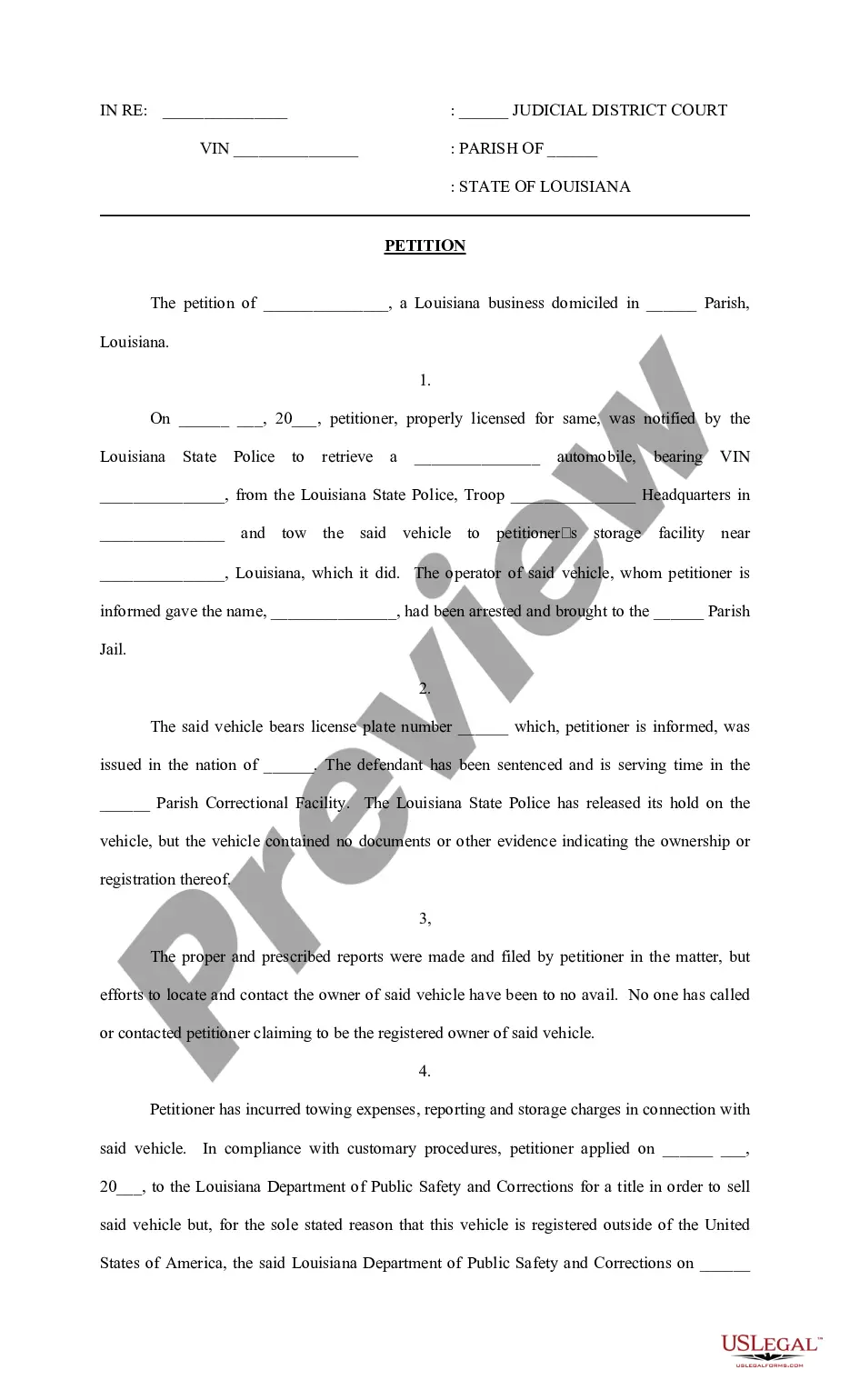
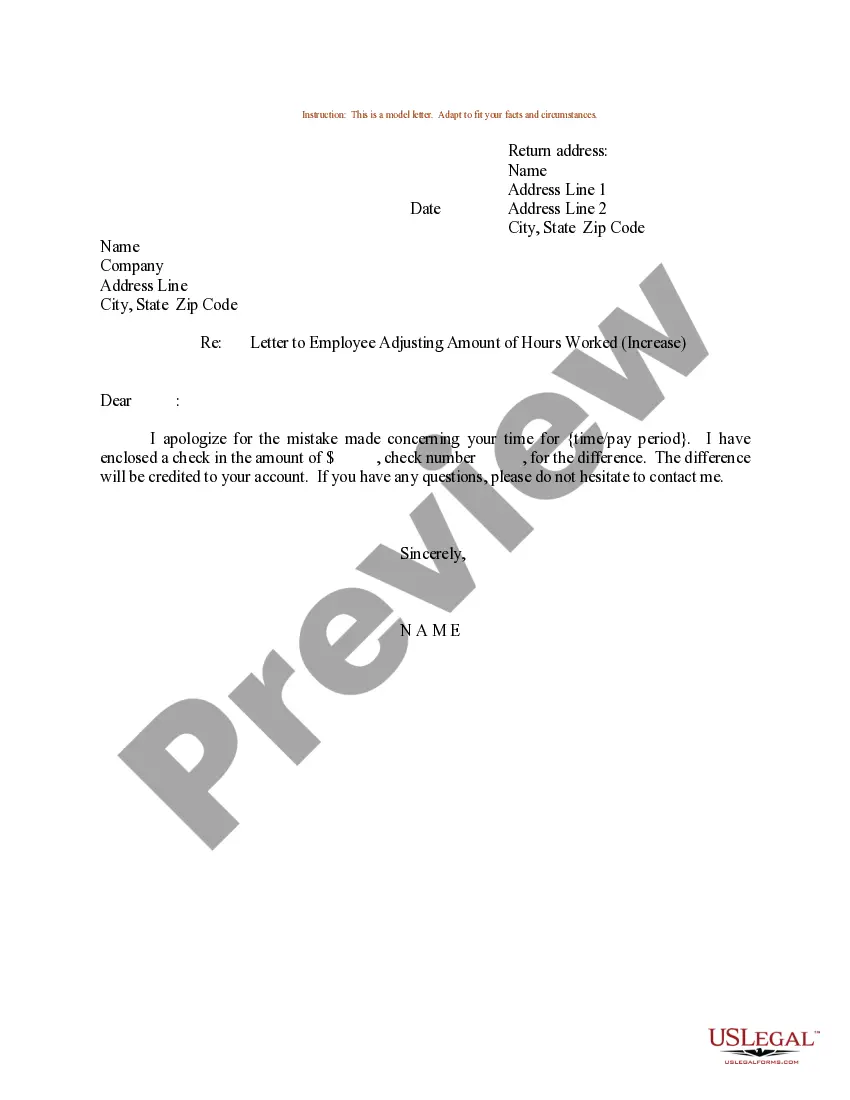
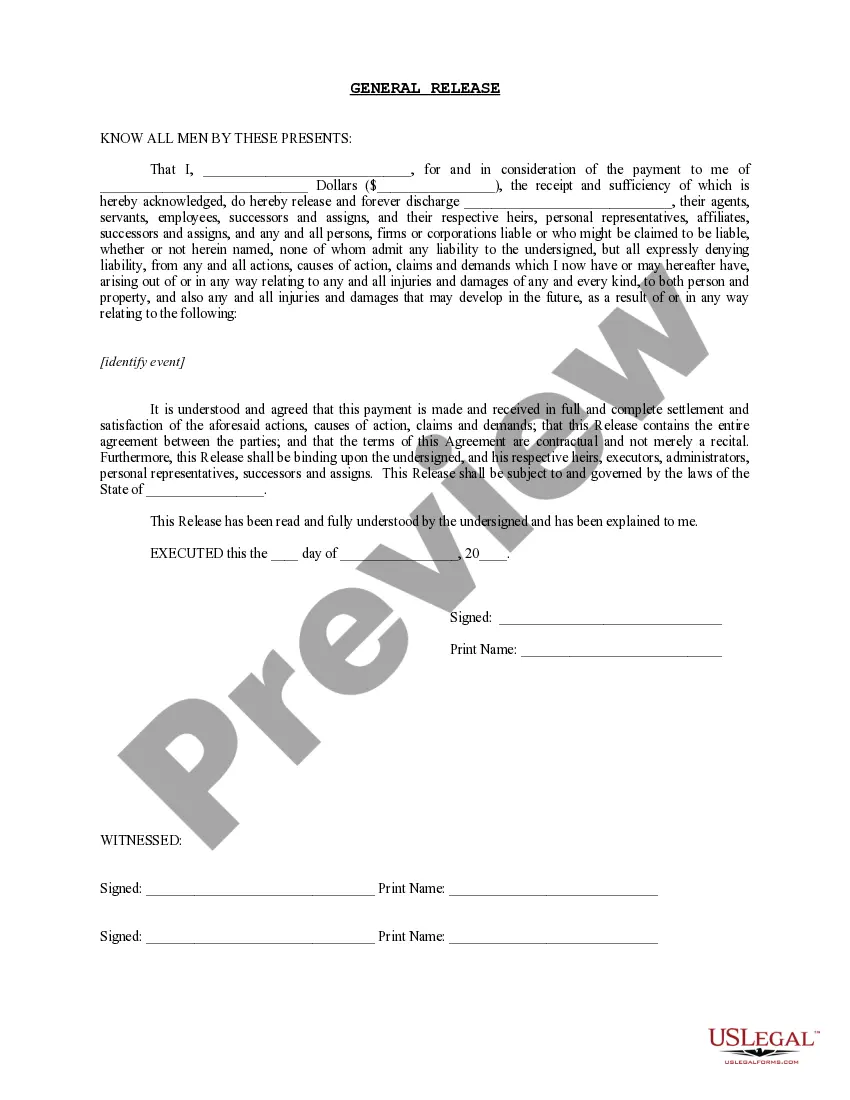
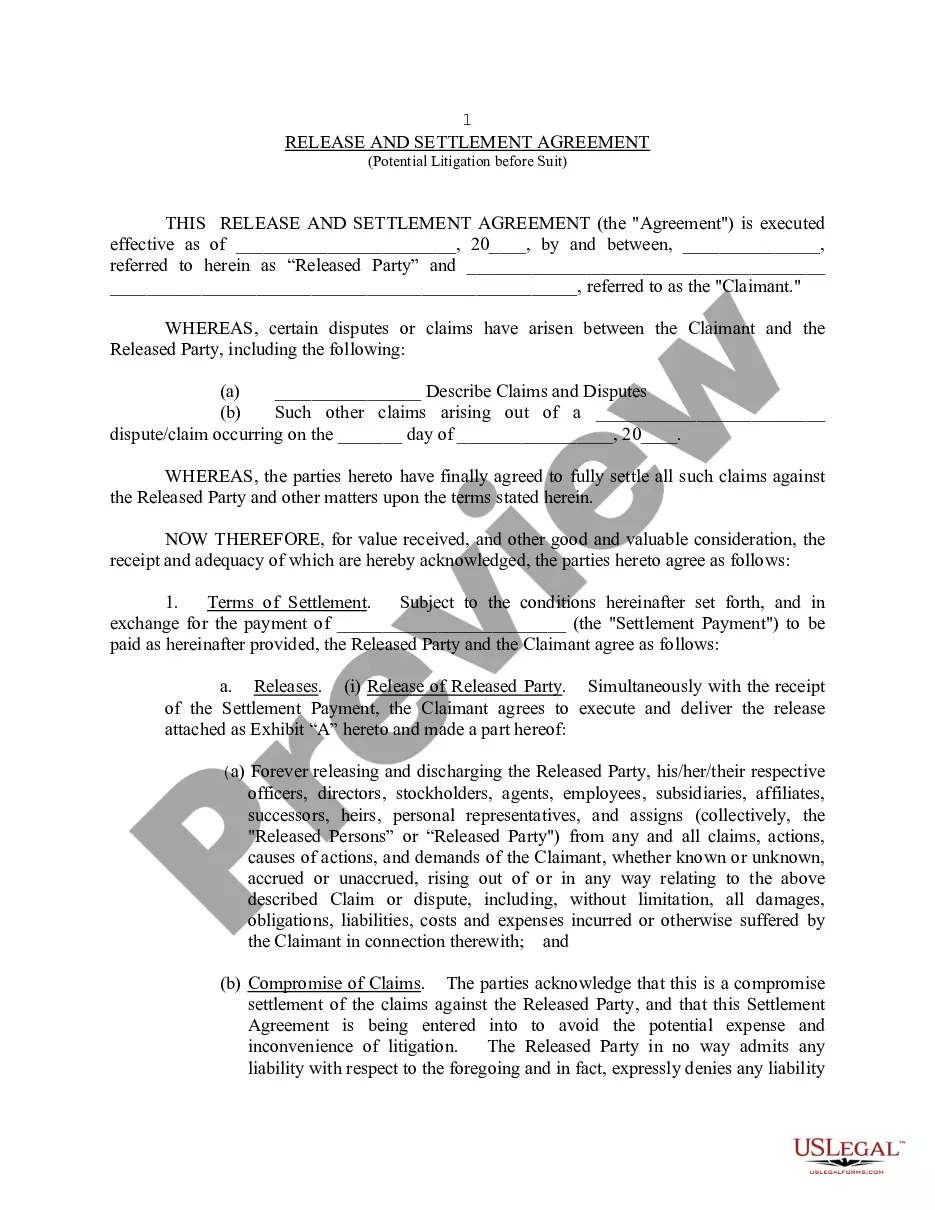
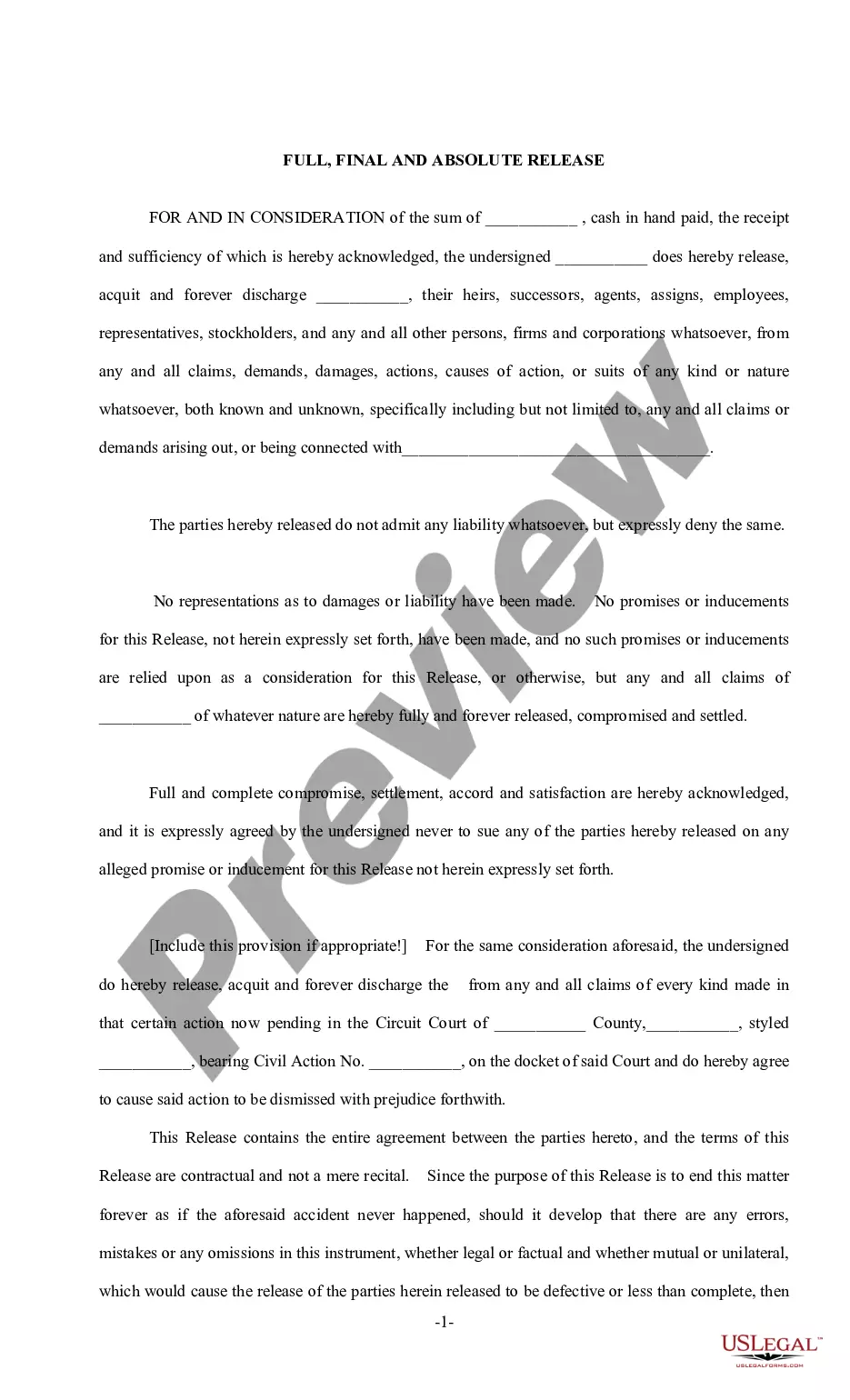
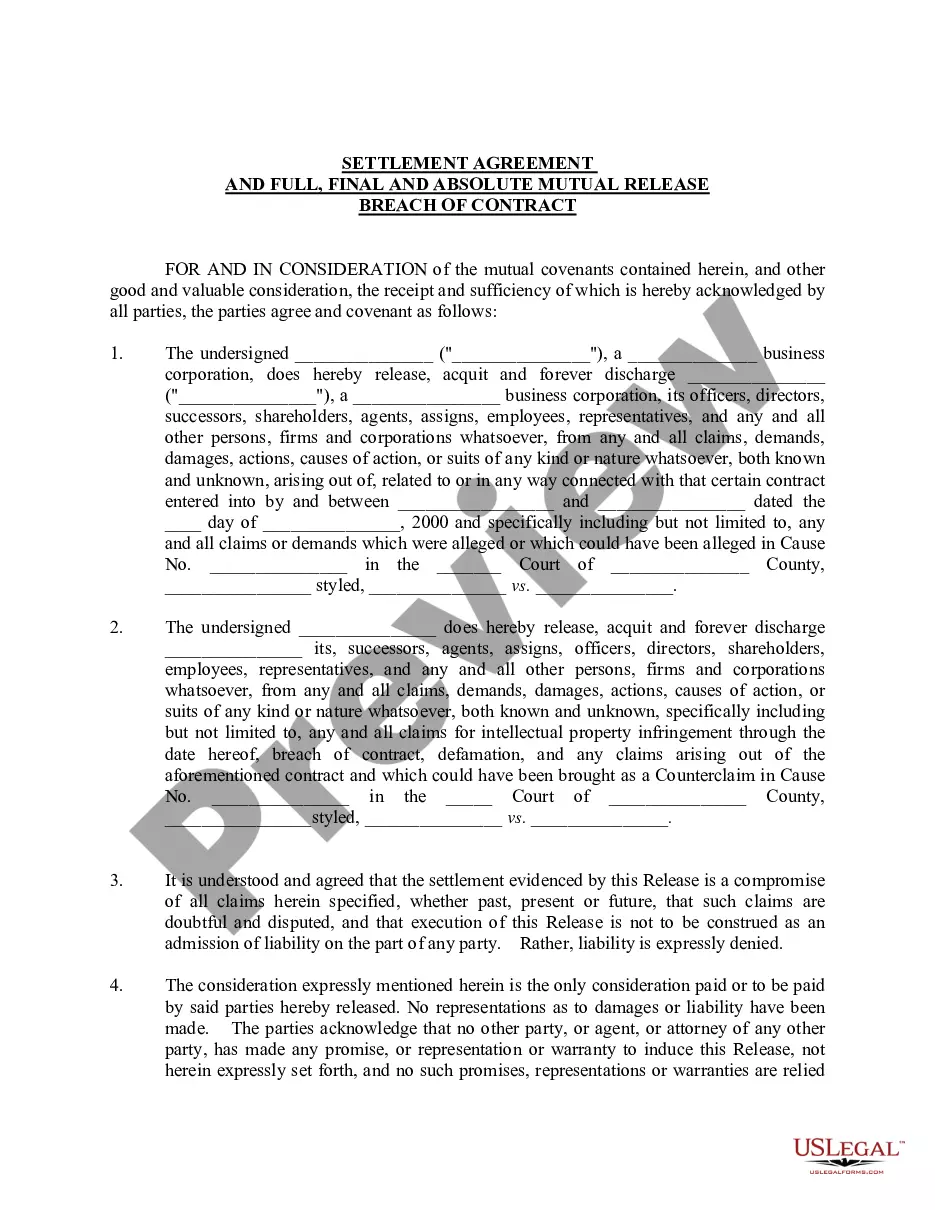
How to fill out Settlement Agreement And Release Of Claims - Pending Litigation - General Form?
- If you already have an account with US Legal Forms, log in to download your required form by clicking the Download button. Ensure your subscription is active, renewing it if necessary.
- For first-time users, start by checking the Preview mode and the form description. Confirm it aligns with your legal requirements.
- If adjustments are needed, use the Search tab to find alternative templates that suit your needs.
- Proceed by selecting the Buy Now button and choose your desired subscription plan. You’ll need to register an account for access.
- Complete your purchase by entering your payment details, either through a credit card or your PayPal account.
- Finally, download your form and save it on your device. You can find it anytime in the My Forms menu of your profile.
With US Legal Forms, you have the advantage of a comprehensive library at your fingertips. The extensive collection allows you to find the right legal documents without hassle.
Take control of your legal processes today! Explore the US Legal Forms library and ensure your documents are both accurate and legally compliant.
Form popularity
FAQ
Winning a litigation case typically involves presenting strong evidence and effectively supporting your claims. You must understand applicable laws and how to demonstrate the facts clearly. Building your case is crucial, as is having a solid strategy for negotiations. Tools and resources available through US Legal Forms can help you prepare the necessary documents and strengthen your approach to claims and litigations.
In general, you can sue someone for any amount, but practical considerations often apply. The minimum amount often accepted in small claims court varies by state; in many places, it may start around $1,000. Keep in mind that claims and litigations involving smaller amounts might not justify the legal costs. Finding the right forum is key; platforms such as US Legal Forms provide guidance on your options.
In New York, a notice of claim is essential for anyone seeking to file a lawsuit against a public entity. You must serve the notice within 90 days after the incident. The notice should include details about the claims and litigations you intend to pursue, as well as information about the damages sought. Utilizing platforms like US Legal Forms can help ensure that your notice meets all legal requirements.
'Claims and litigations' refer to the legal processes involved in resolving disputes and enforcing rights. Claims often initiate the litigation process when one party seeks redress or compensation from another. Understanding this terminology is vital for anyone navigating legal issues, and resources like USLegalForms can provide practical support in managing your claims and litigation needs.
Common outcomes of litigation include a court judgment, a settlement agreement, or a dismissal of the case. Each outcome can significantly impact the involved parties, depending on the specific circumstances. Knowing the potential results can help you approach claims and litigations with a clear strategy, and tools like USLegalForms can assist in preparing your legal documents if necessary.
When your case is in litigation, it indicates that you are actively engaged in a legal dispute. This phase includes filing a lawsuit, gathering evidence, and possibly going through the discovery process. It’s a critical stage in claims and litigations where formal legal arguments are presented, influencing the final outcome of your case.
Litigation does not necessarily mean that a settlement has been reached. While many cases may end in a settlement before reaching trial, litigation encompasses the entire legal process. It involves both the possibility of resolving disputes through negotiation and the opportunity for a formal trial. Therefore, understanding claims and litigations is crucial for making informed decisions about your case.
A litigated claim occurs when parties cannot resolve their dispute outside of court and decide to proceed with legal action. This means that the claim is formally presented to a court to seek a resolution. In the context of claims and litigations, this process can clarify responsibilities and provide legal remedies.
Cases of litigation refer to disputes resolved through the judicial system. In this process, parties present their claims and arguments before a judge or jury. The aim is to reach a legally binding decision. Understanding claims and litigations can help you navigate potential legal challenges more effectively.
The procedure for litigation typically involves several key stages: filing a complaint, serving the other party, discovery, pre-trial motions, trial, and potentially appeals. During these stages, both parties will exchange information, present evidence, and argue their legal positions to the court. Understanding this process helps demystify claims and litigations, allowing you to be more prepared. Platforms like US Legal Forms can provide valuable resources to guide you through each step.