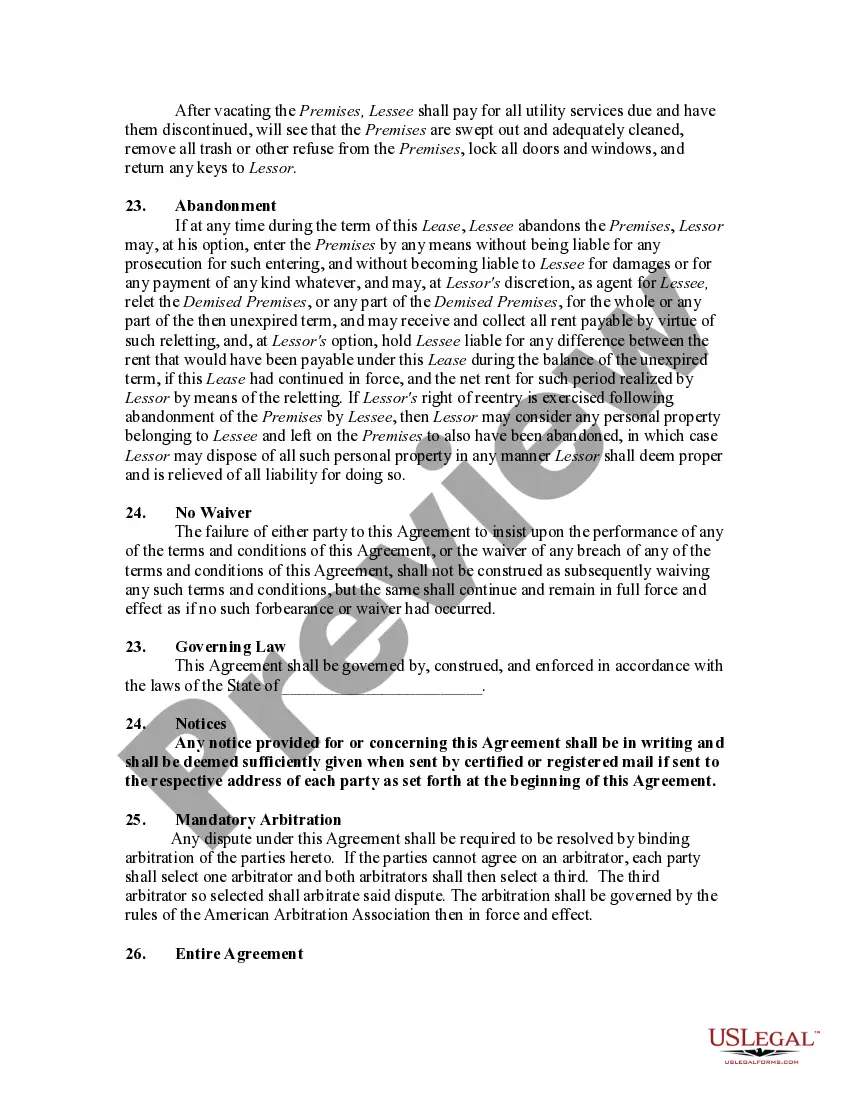
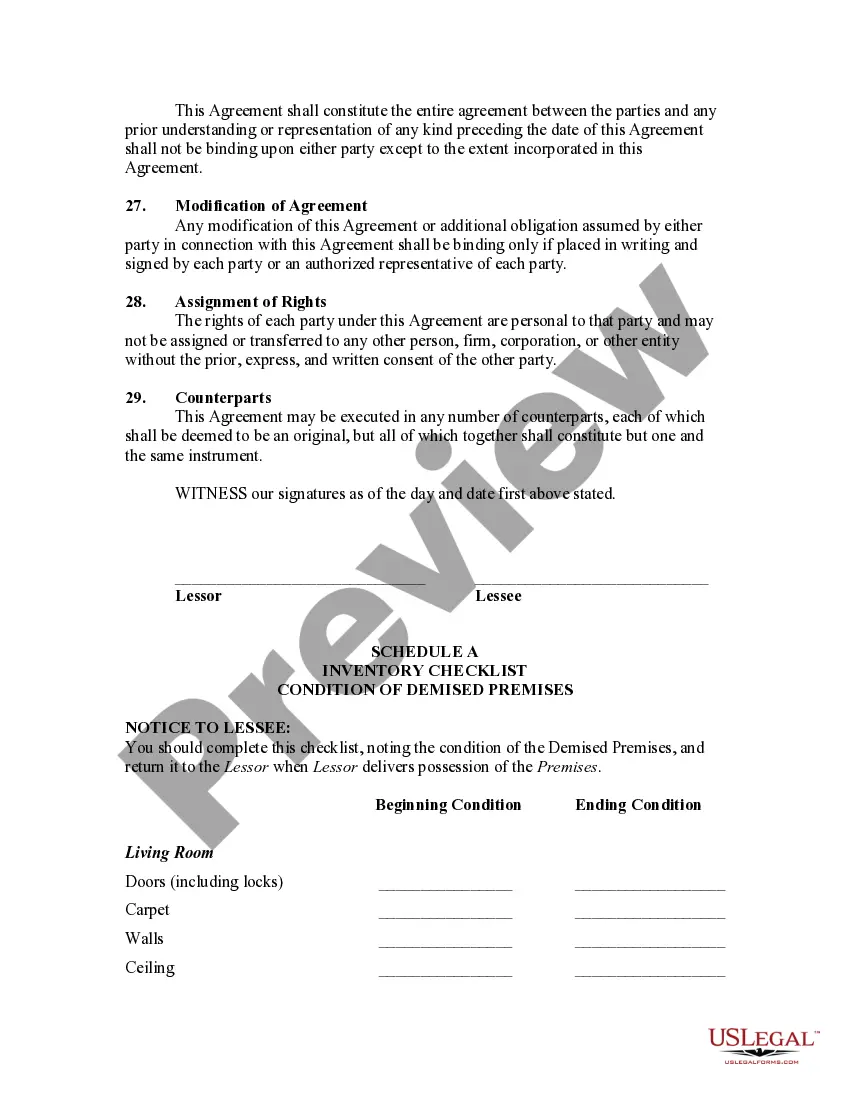
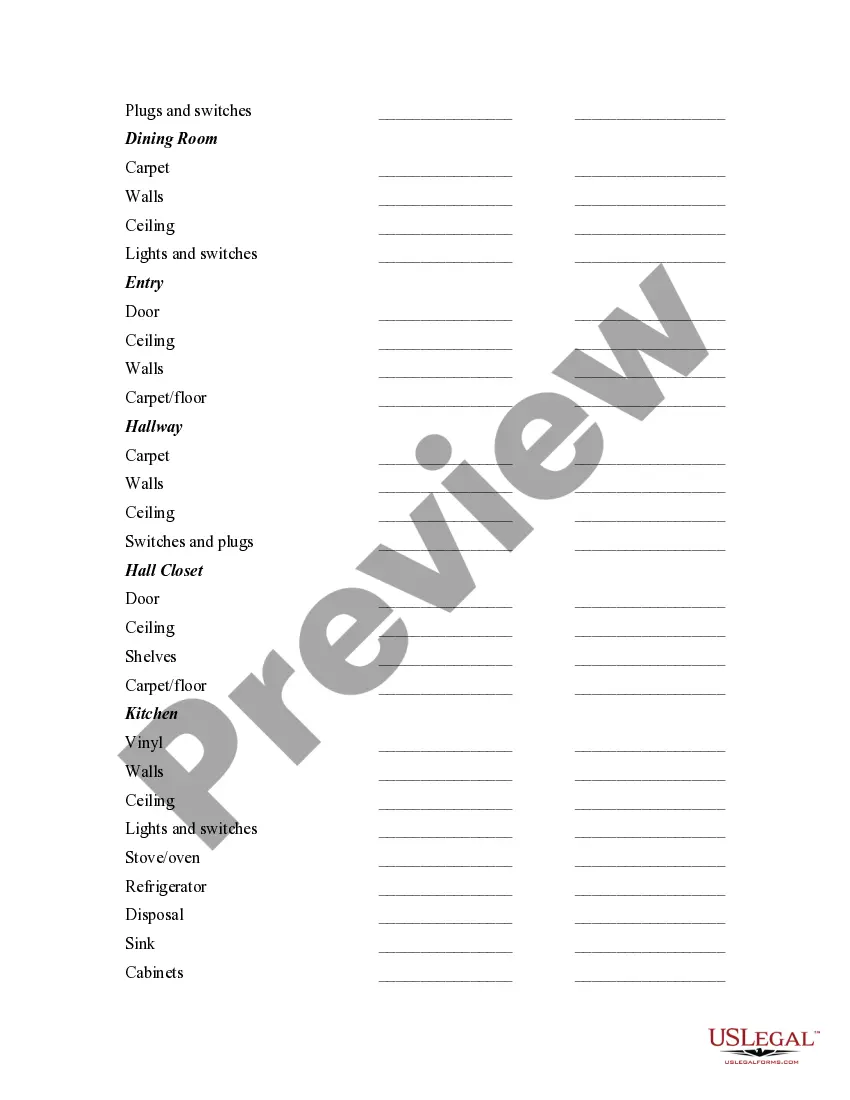
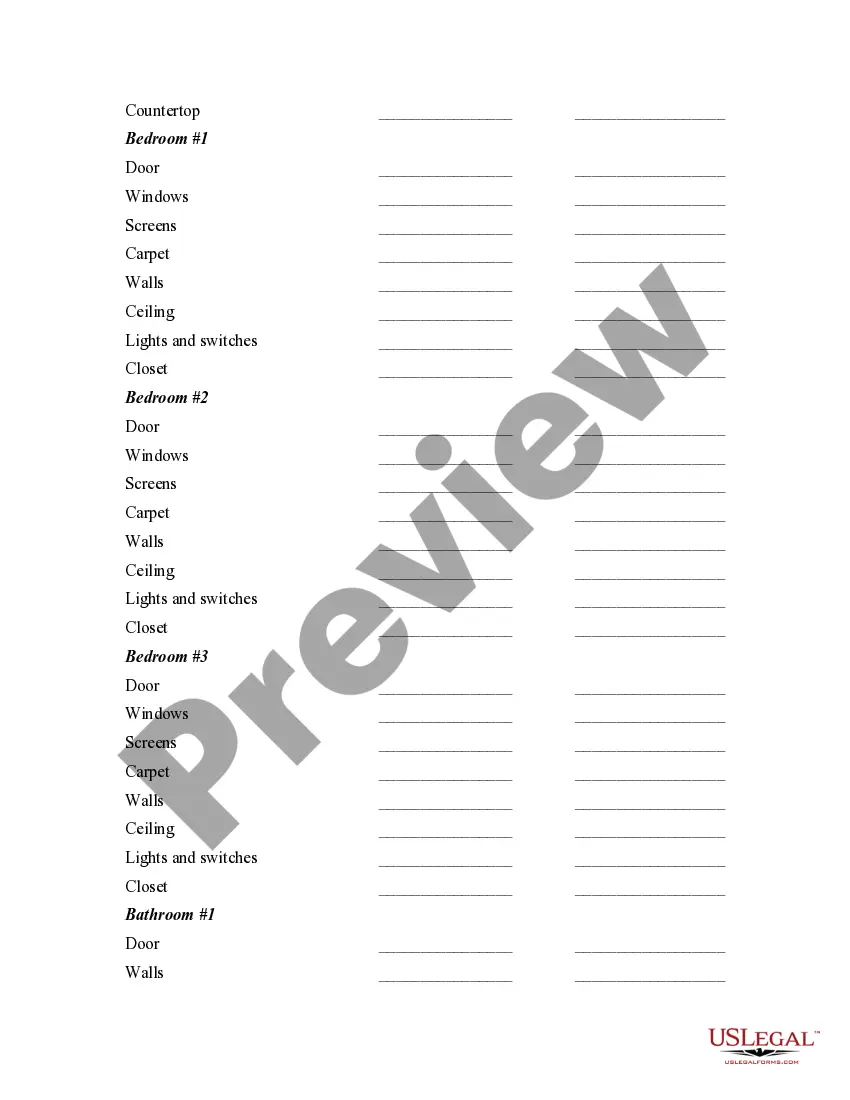
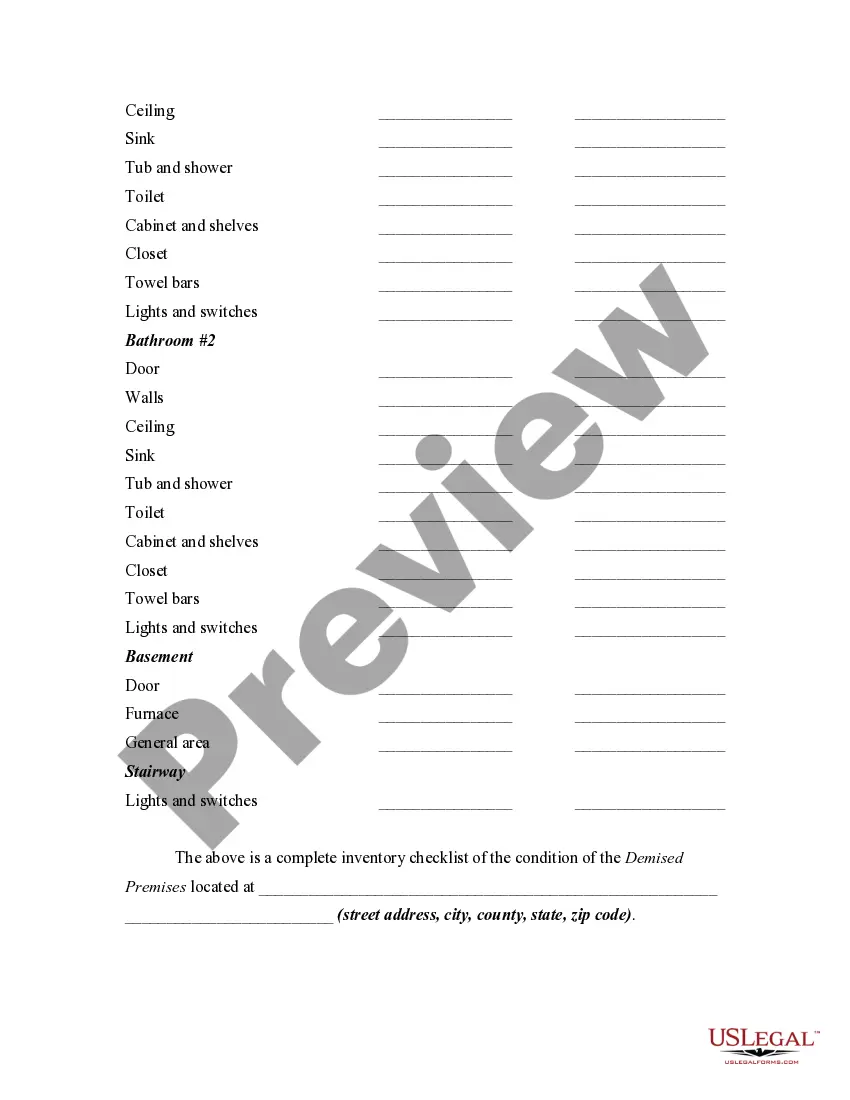
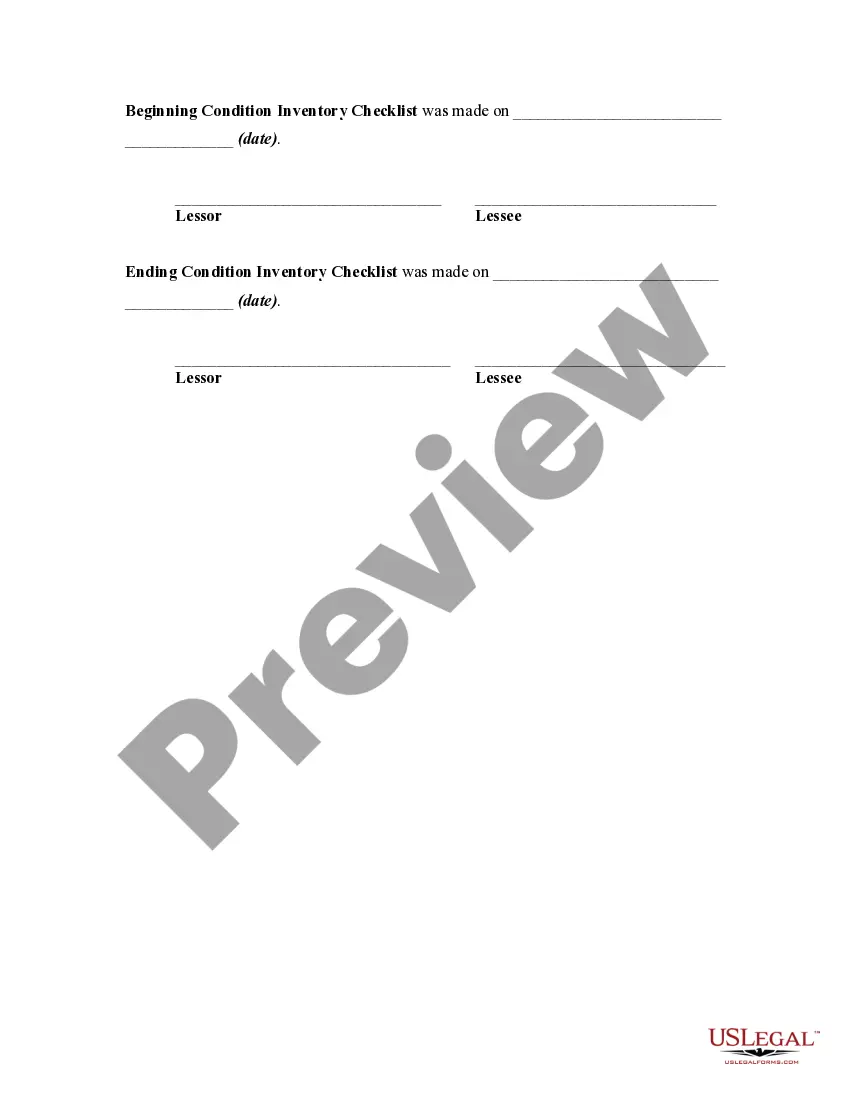
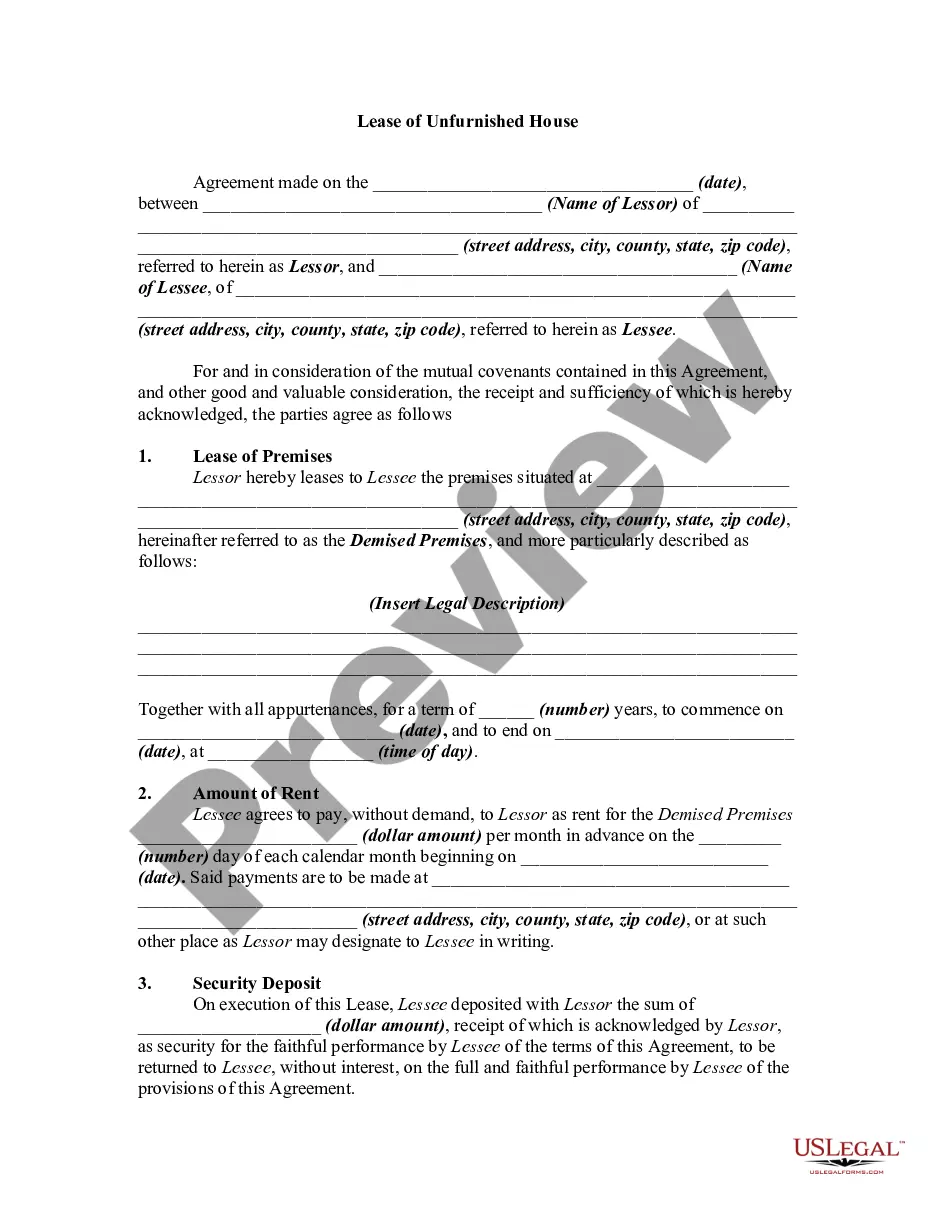
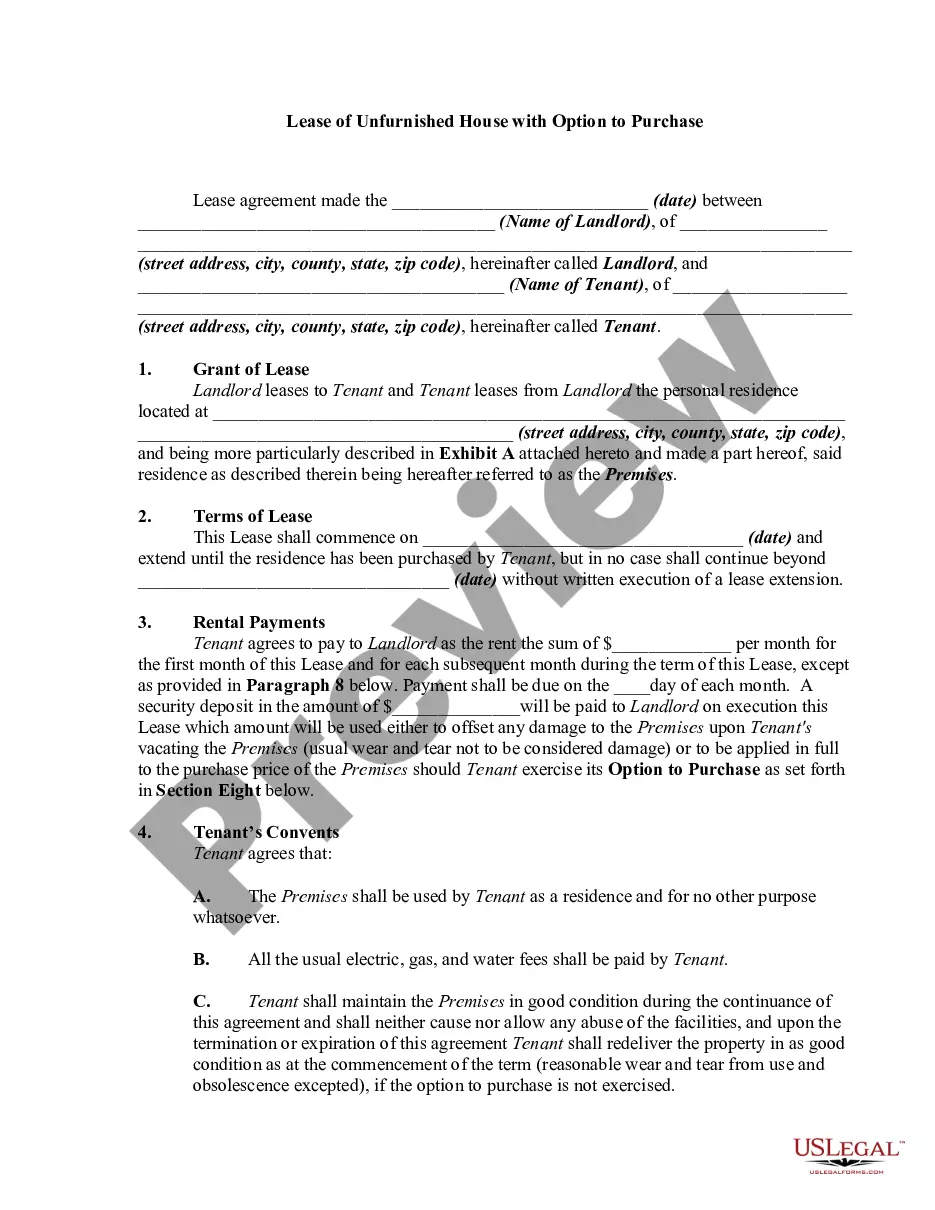
Inventory Sheet Format
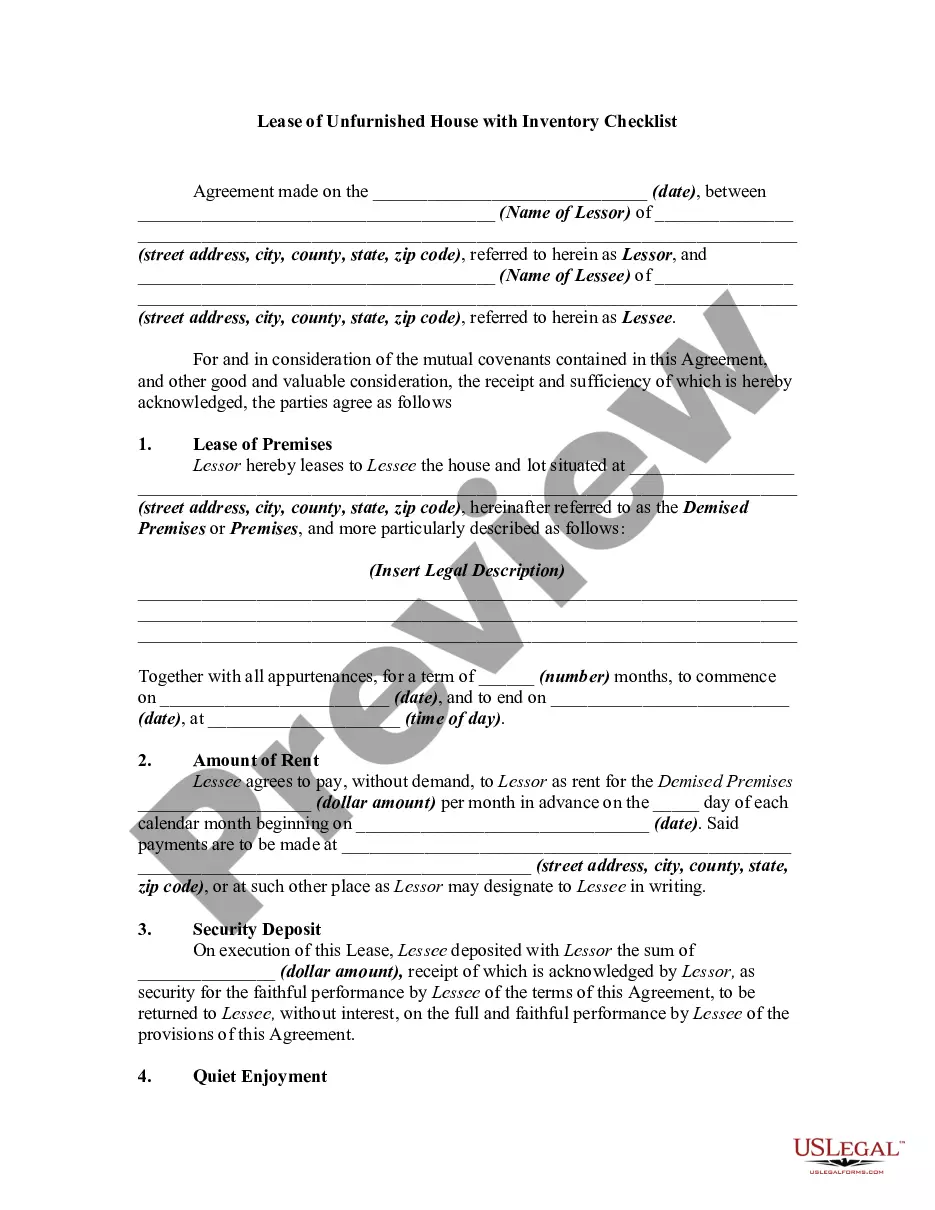
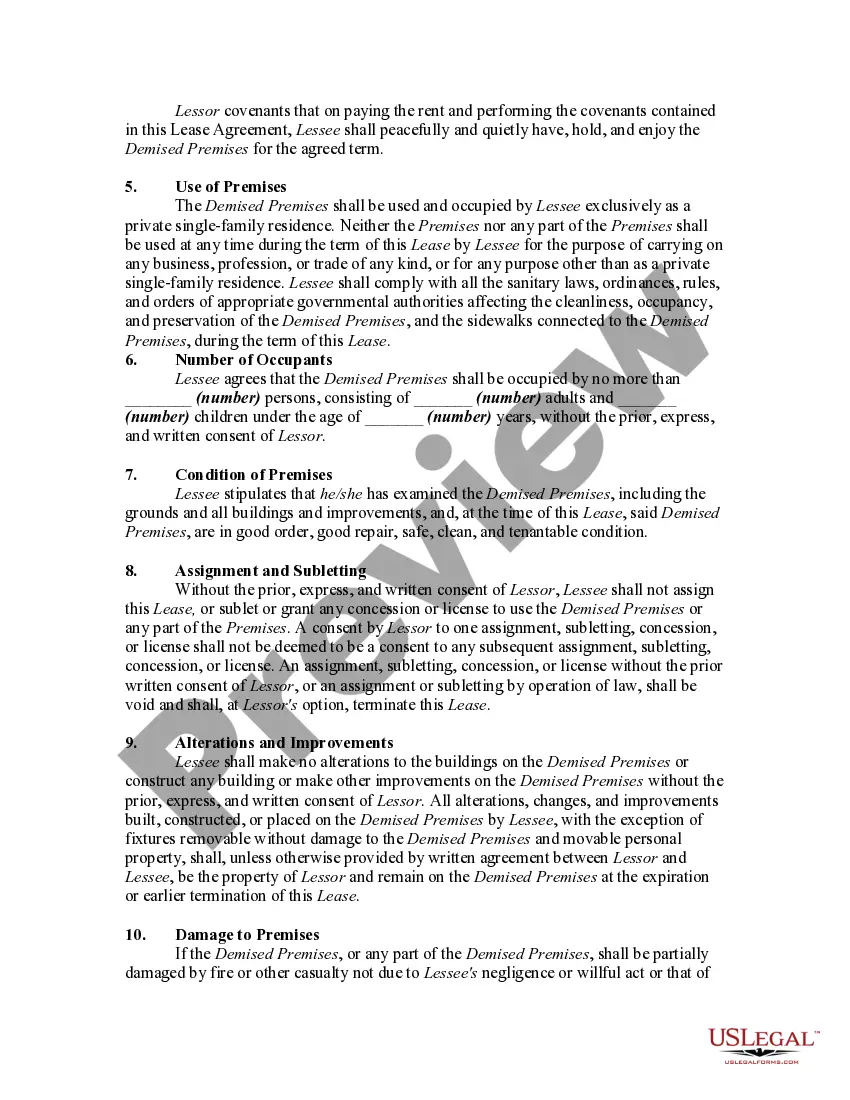
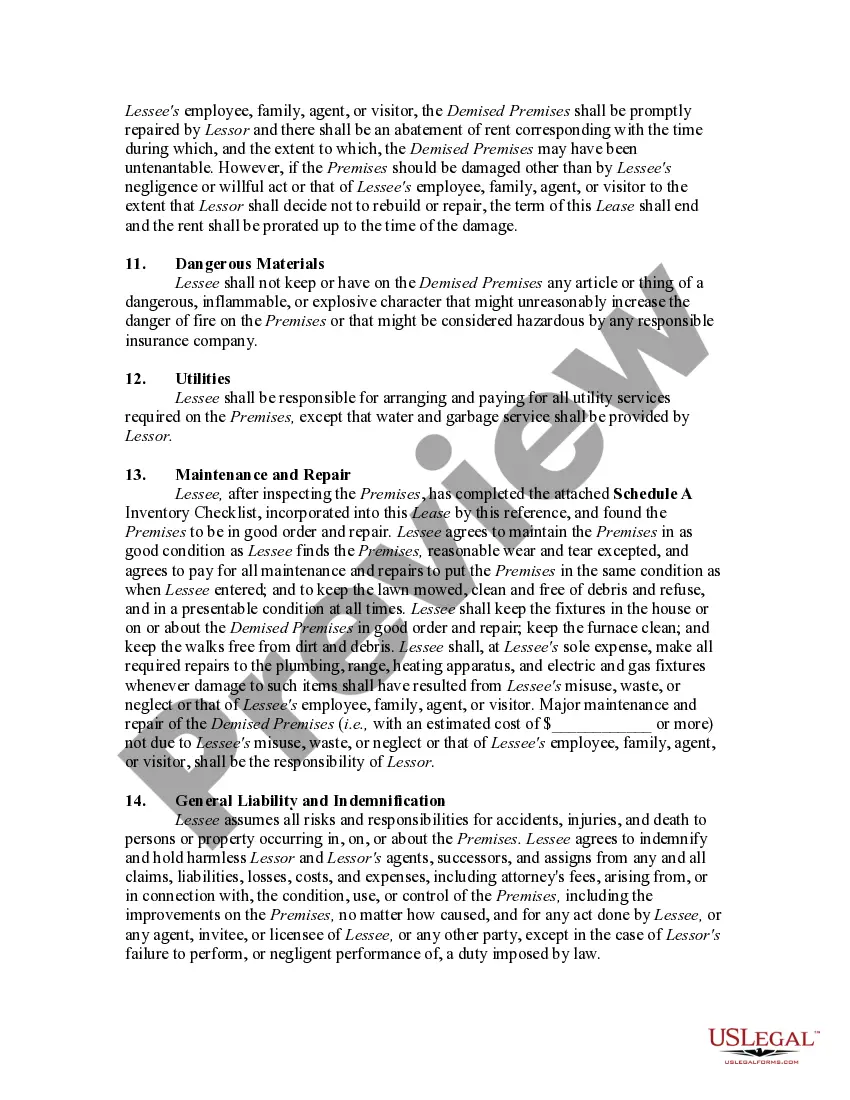
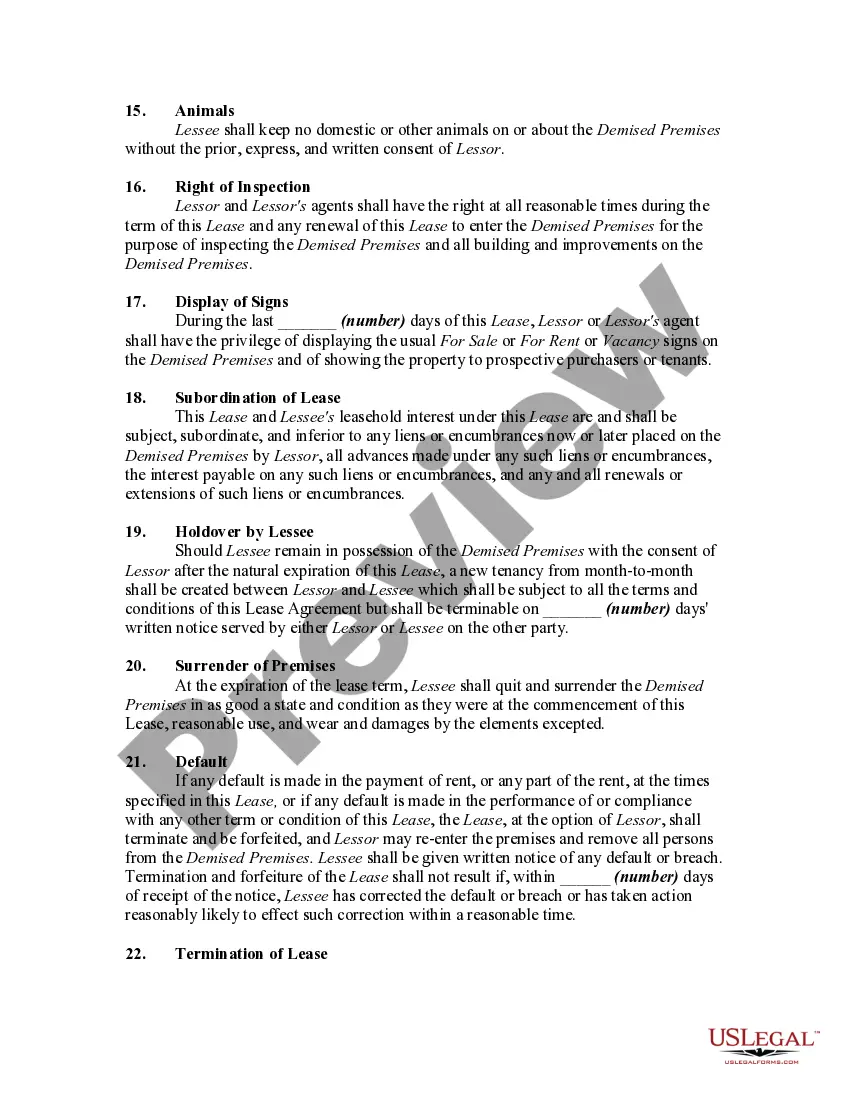
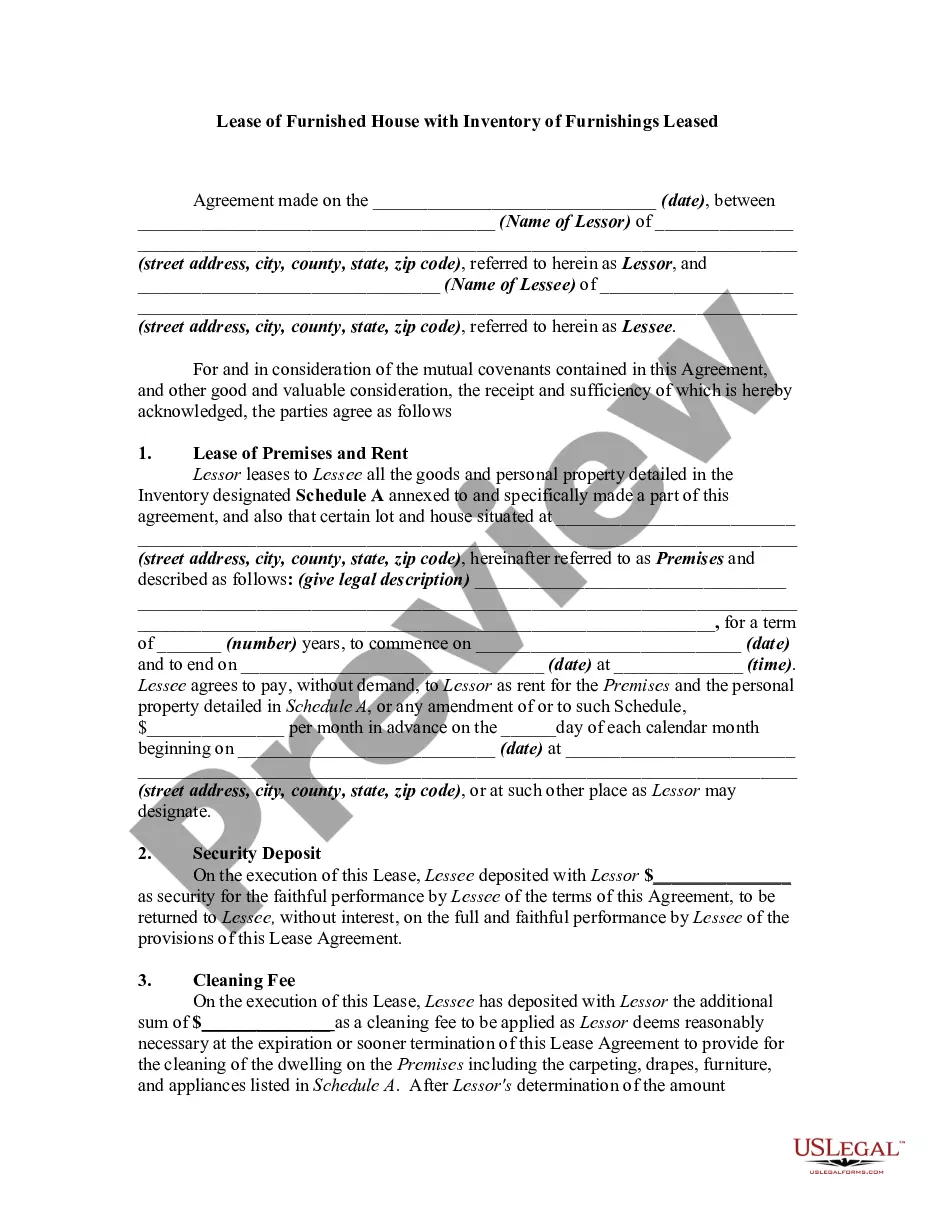
Description
Get your form ready online
Our built-in tools help you complete, sign, share, and store your documents in one place.
Make edits, fill in missing information, and update formatting in US Legal Forms—just like you would in MS Word.
Download a copy, print it, send it by email, or mail it via USPS—whatever works best for your next step.
Sign and collect signatures with our SignNow integration. Send to multiple recipients, set reminders, and more. Go Premium to unlock E-Sign.
If this form requires notarization, complete it online through a secure video call—no need to meet a notary in person or wait for an appointment.
We protect your documents and personal data by following strict security and privacy standards.

Make edits, fill in missing information, and update formatting in US Legal Forms—just like you would in MS Word.

Download a copy, print it, send it by email, or mail it via USPS—whatever works best for your next step.

Sign and collect signatures with our SignNow integration. Send to multiple recipients, set reminders, and more. Go Premium to unlock E-Sign.

If this form requires notarization, complete it online through a secure video call—no need to meet a notary in person or wait for an appointment.

We protect your documents and personal data by following strict security and privacy standards.
Looking for another form?




How to fill out Lease Of Unfurnished House With Inventory Checklist?
It’s well known that you cannot instantly become a legal expert, nor can you easily learn how to promptly create an Inventory Sheet Format without possessing a specific skill set. Drafting legal documentation is a lengthy process that necessitates specialized education and abilities. So why not entrust the creation of the Inventory Sheet Format to the professionals.
With US Legal Forms, one of the most extensive legal document repositories, you can locate everything from court paperwork to templates for internal business communication. We recognize the significance of compliance and adherence to federal and state laws and regulations. Hence, on our platform, all forms are location-specific and current.
Here’s how to get started on our website and acquire the form you need in just a few minutes.
You can access your forms again from the My documents tab at any time. If you are an existing customer, you can simply Log In, and find and download the template from the same tab.
Regardless of the purpose of your documents—whether financial and legal, or personal—our website has you covered. Try US Legal Forms today!
- Find the document you require using the search bar located at the top of the page.
- Preview it (if this feature is available) and review the accompanying description to ascertain whether the Inventory Sheet Format is what you’re looking for.
- If you need another form, start your search again.
- Create a free account and select a subscription plan to purchase the form.
- Select Buy now. Once the payment is processed, you can obtain the Inventory Sheet Format, complete it, print it, and either mail it or send it to the relevant individuals or organizations.
Form popularity
FAQ
How to use Excel for inventory management Determine what you need to track. Before getting started and creating a spreadsheet, decide what you want to track first. ... Choose how to build your spreadsheet. ... Input your company-specific categories. ... Add your product information. ... Adjust the cells as required.
Here are the steps to create a basic inventory report that requires manual updating. Create a column for inventory items. ... Create a column for descriptions. ... Assign a price to each item. ... Create a column for remaining stock. ... Select a time frame.
What to Include on Inventory Lists Name of the item. SKU (stock-keeping unit), serial number and/or barcode that identifies an item. Category and/or brief item description. Name of manufacturer or supplier. Unit cost. Sale price. Quantity in stock. Total value.
An inventory list is a comprehensive, itemized list that details every product your company has in stock, including raw materials, work-in-progress items, and finished goods. In general, an inventory list should include the product's name, SKU number, description, pricing, and quantity.
An inventory form helps you track critical elements of your business inventory, ensuring that in-stock and reorder information is up to date and accurate. An inventory form can also help you monitor discrepancies and capture inventory transfer and write-off details.