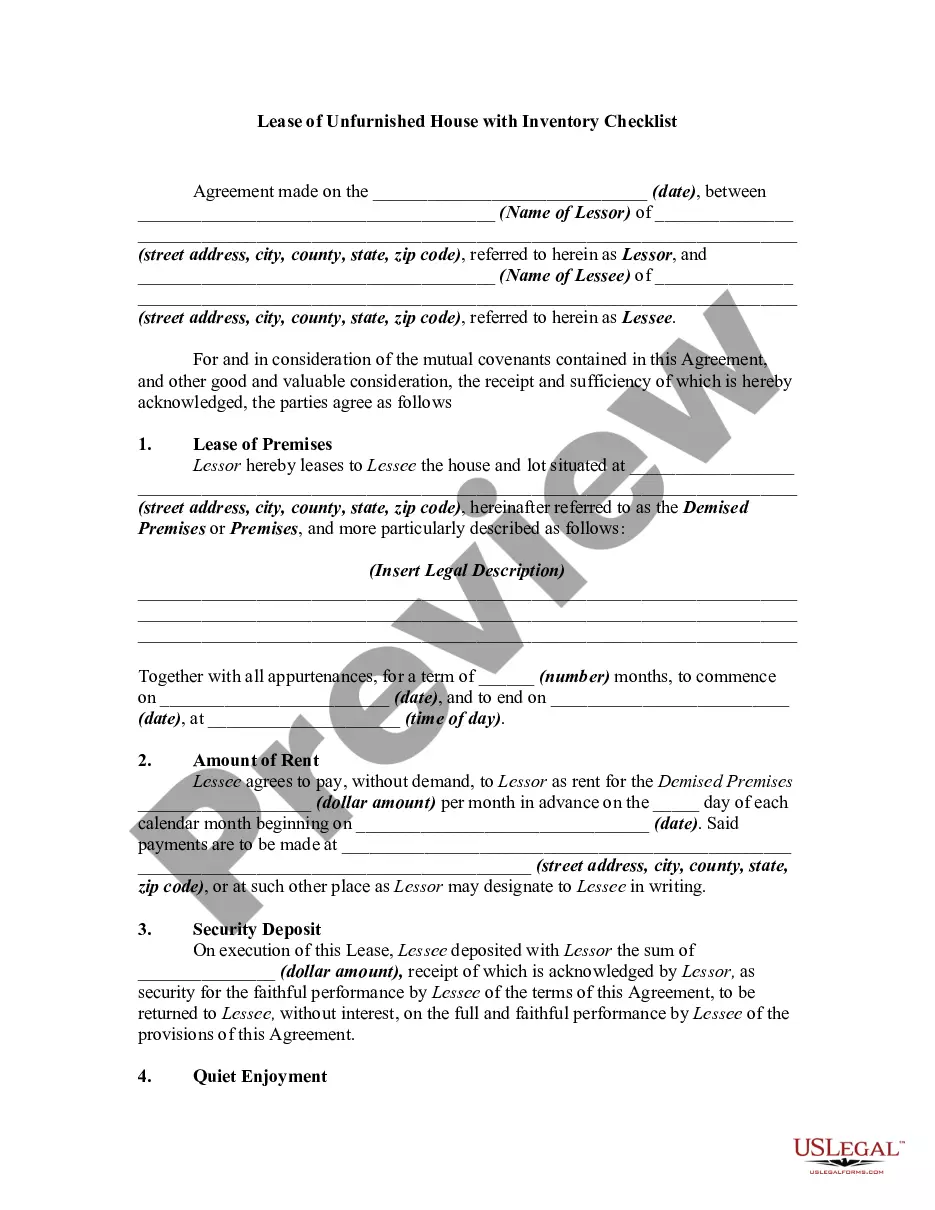
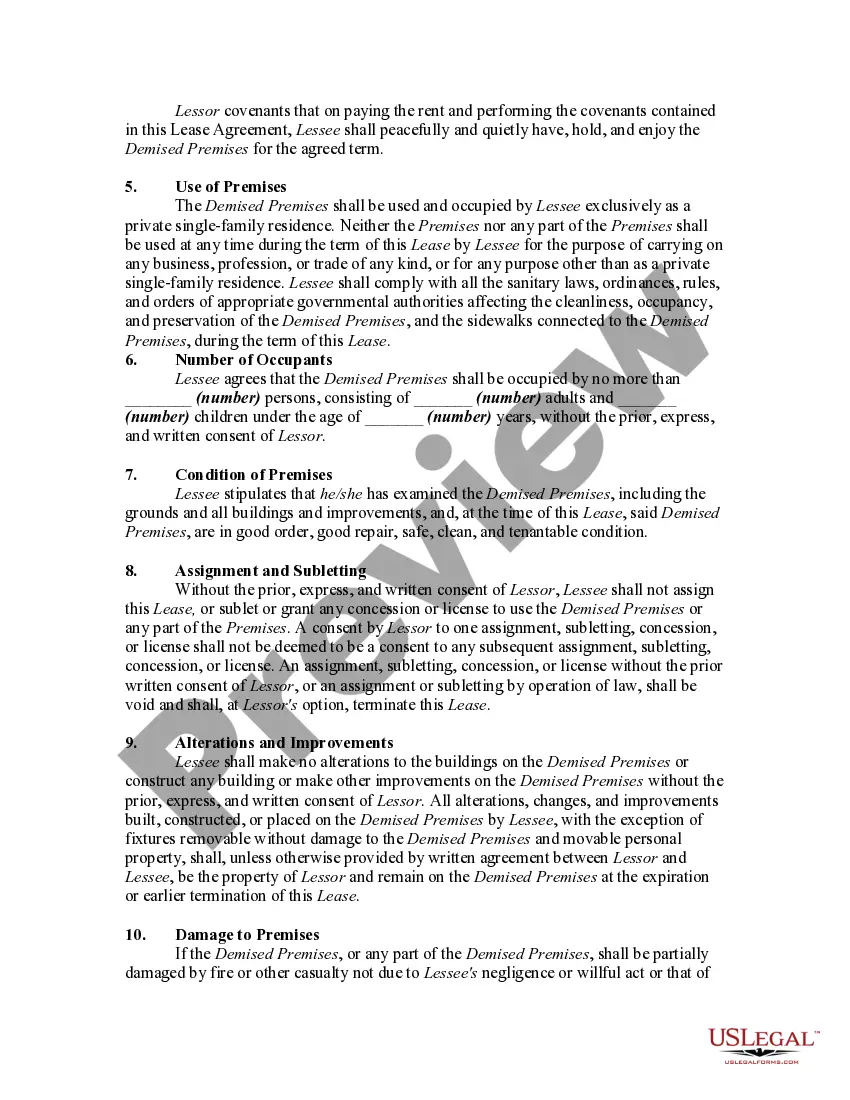
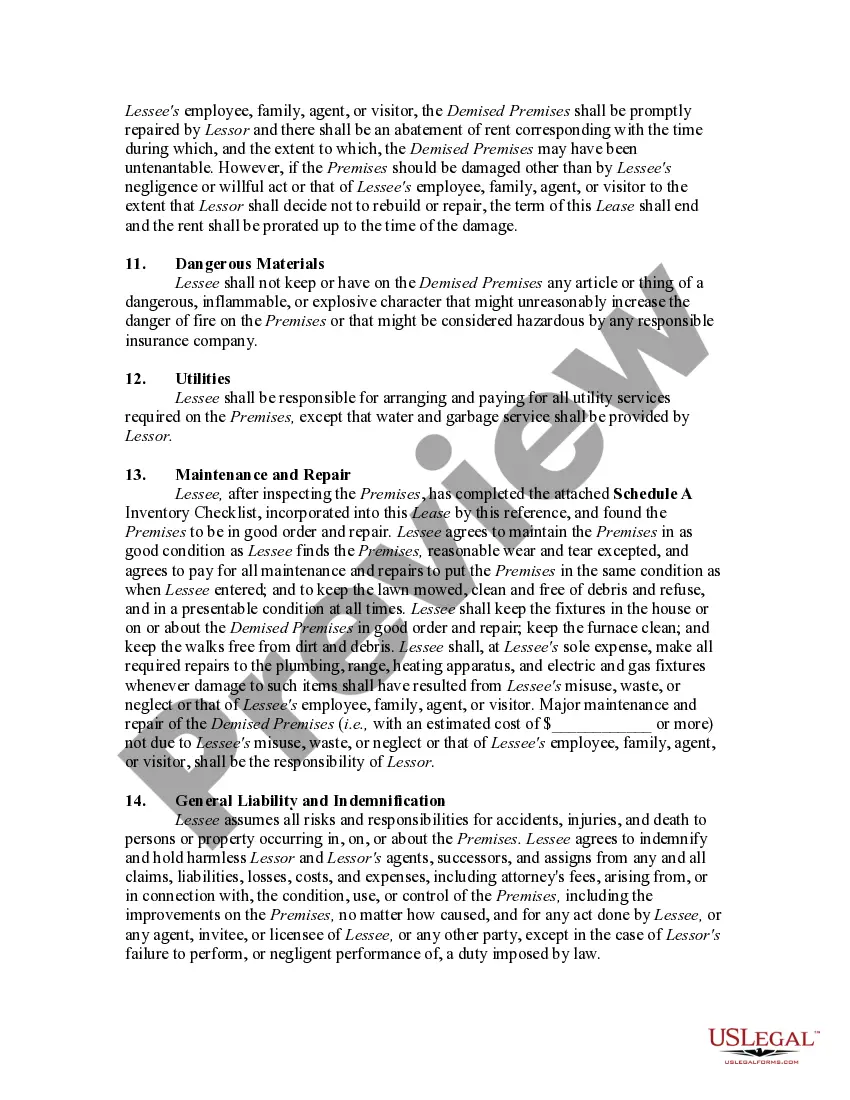
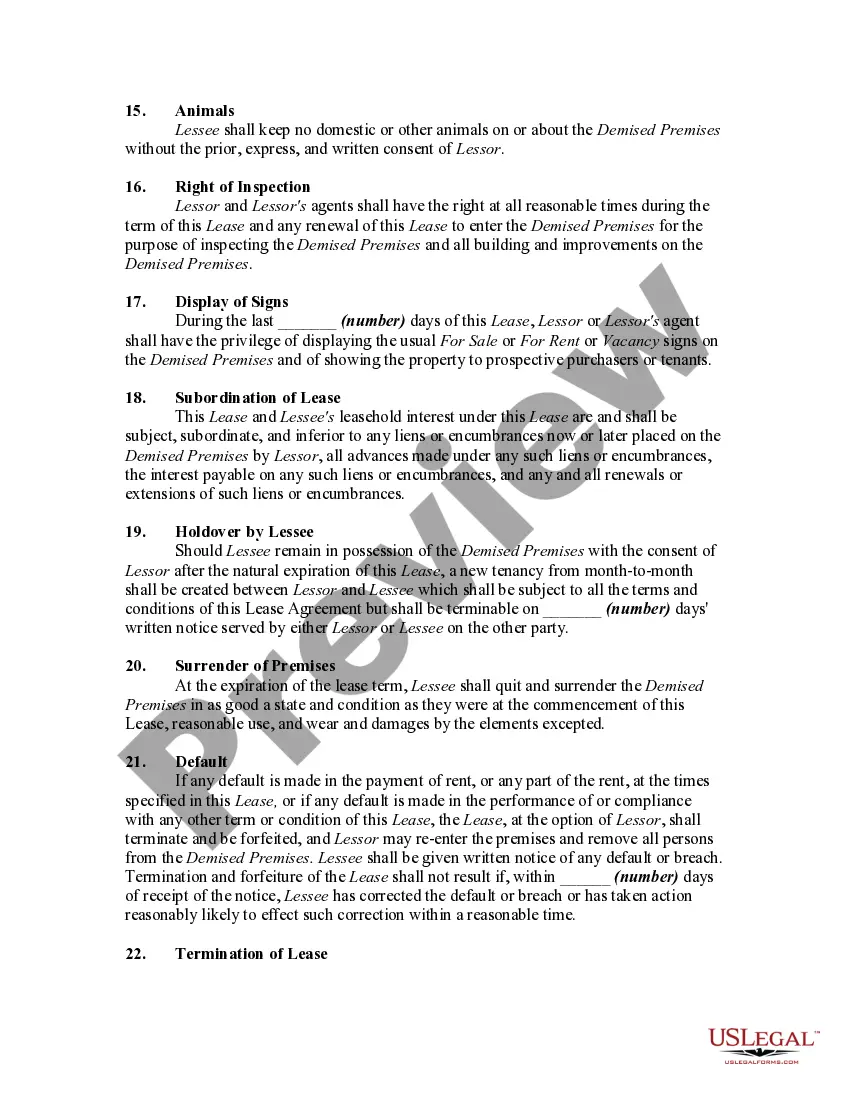
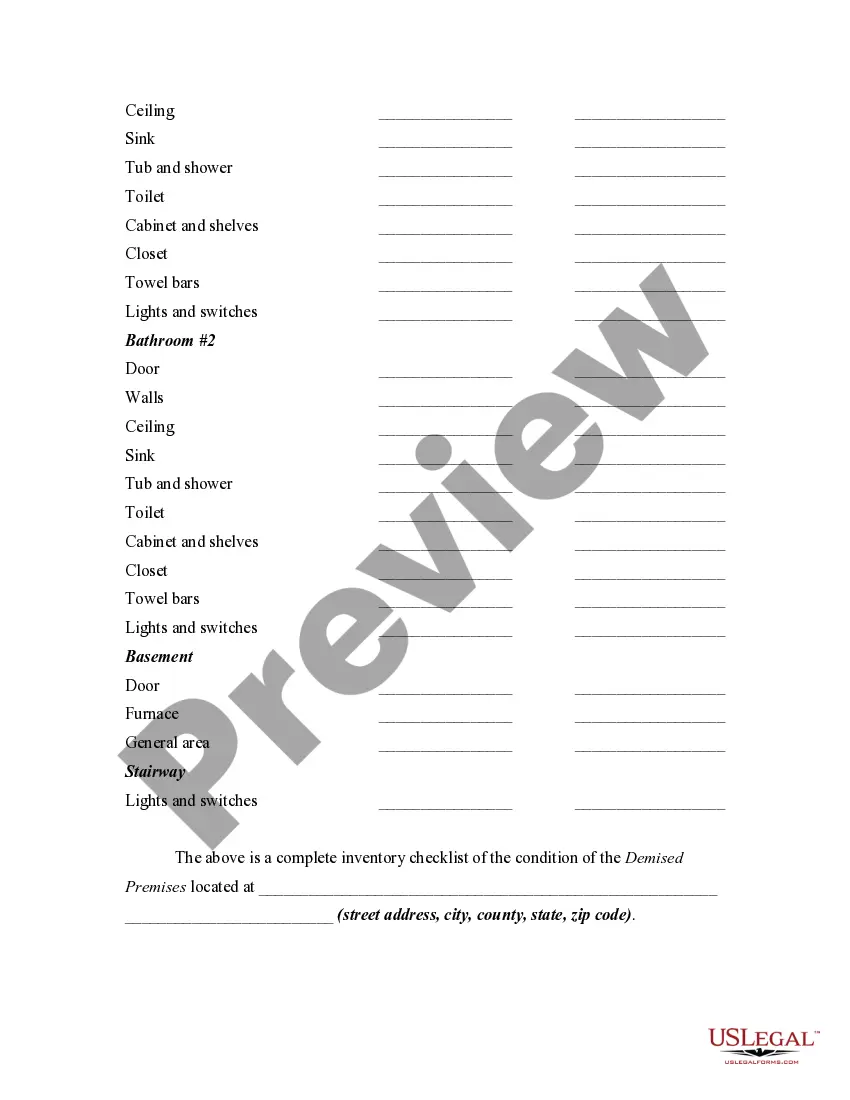
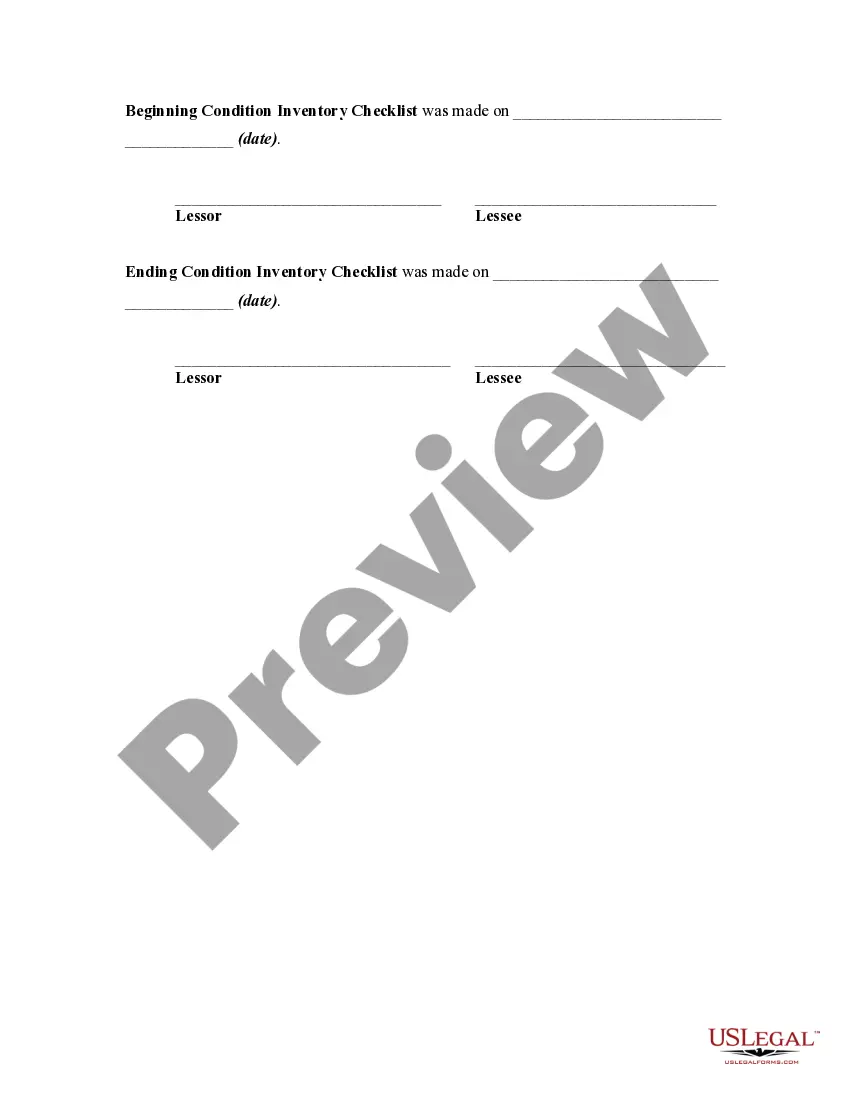
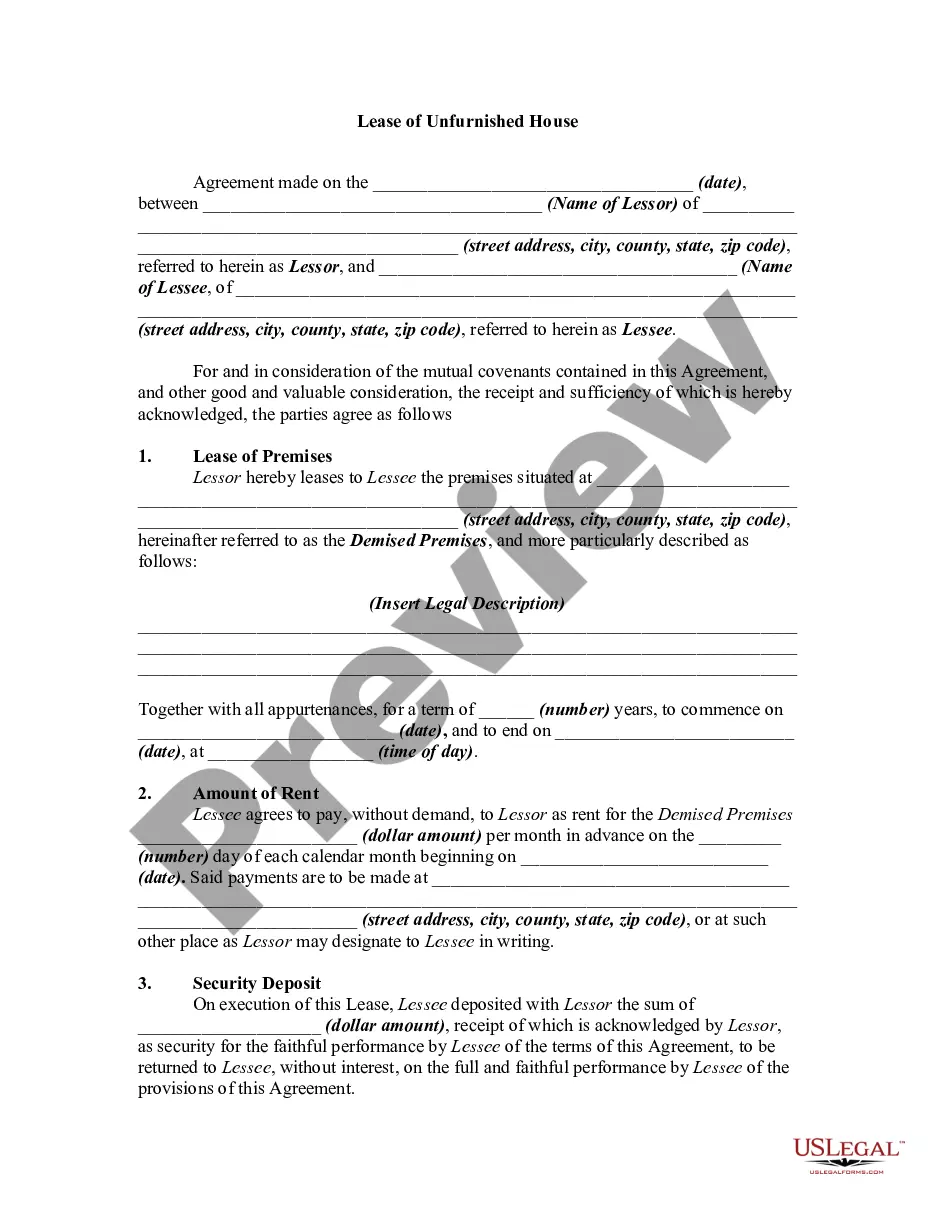
Inventory Checklist For Rental Property
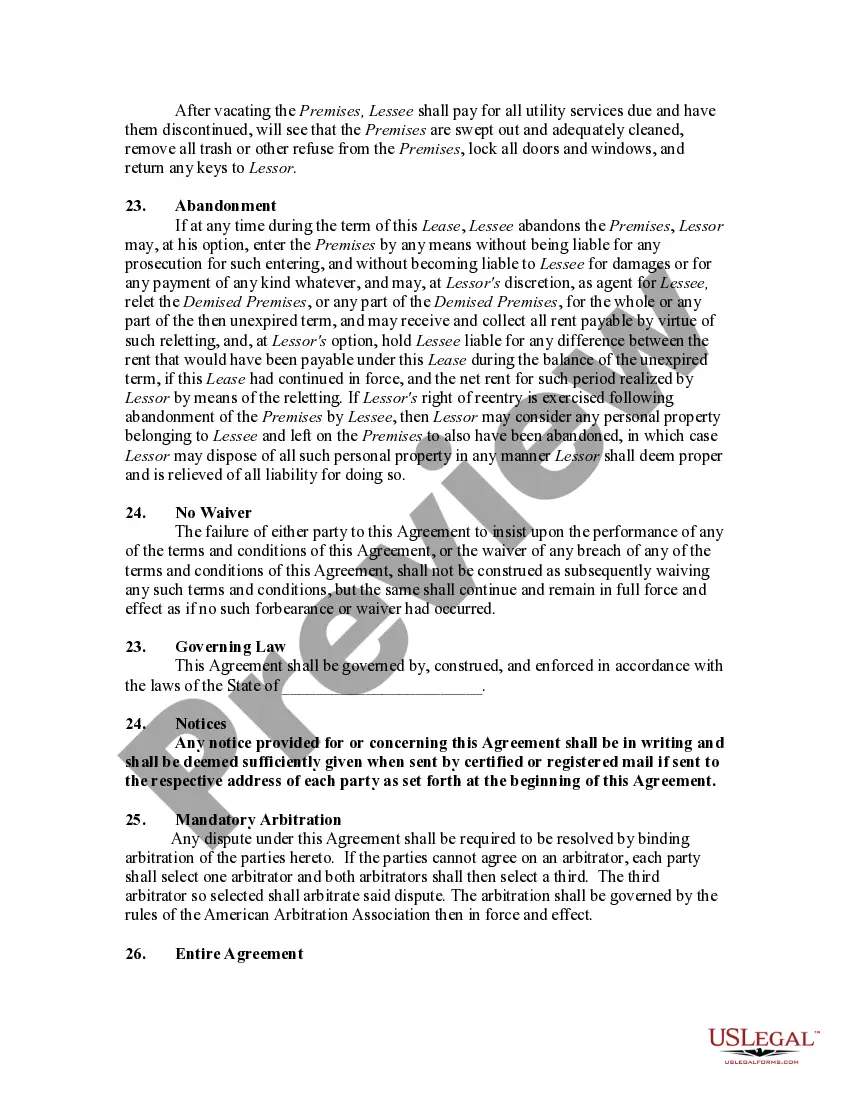
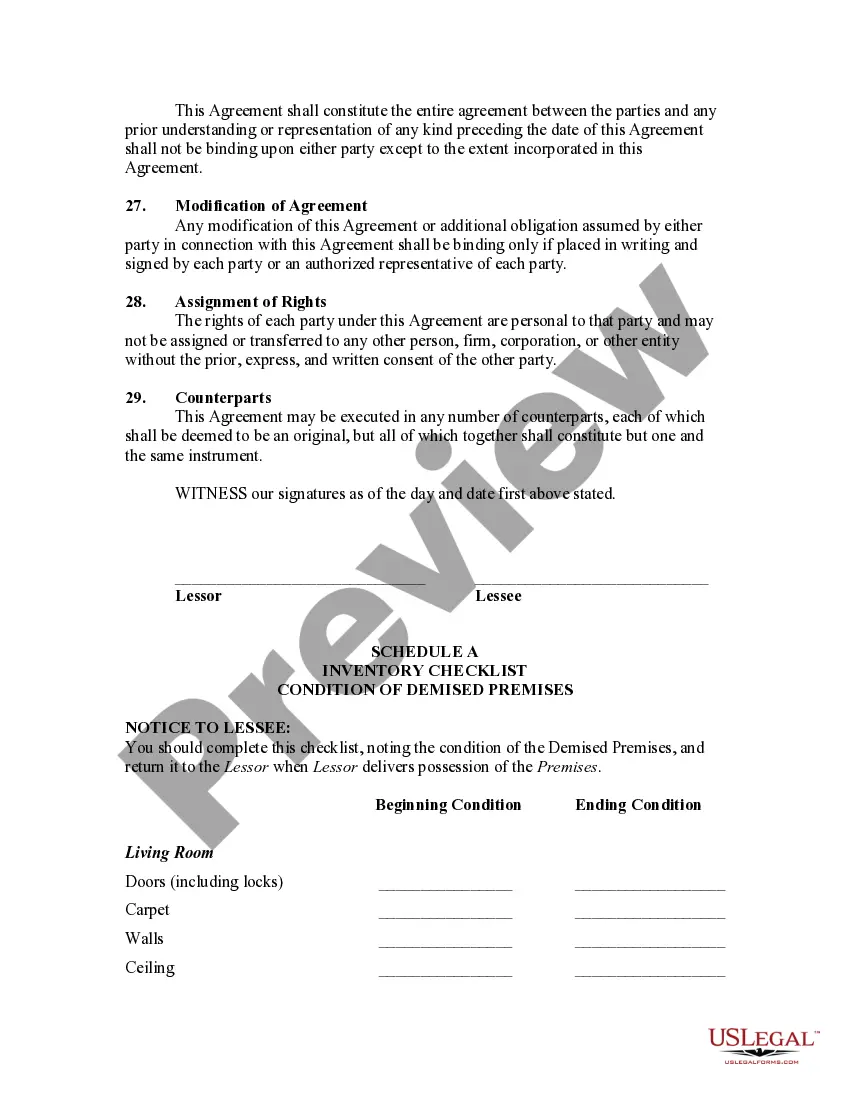
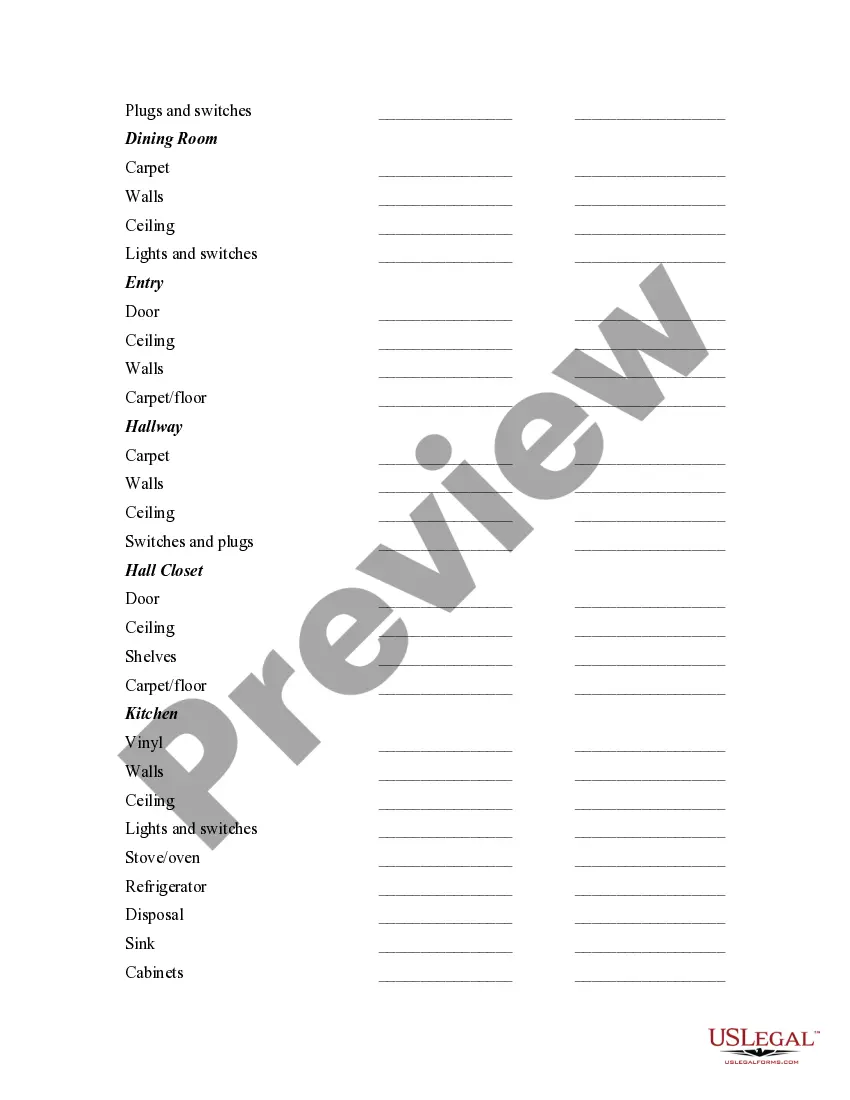
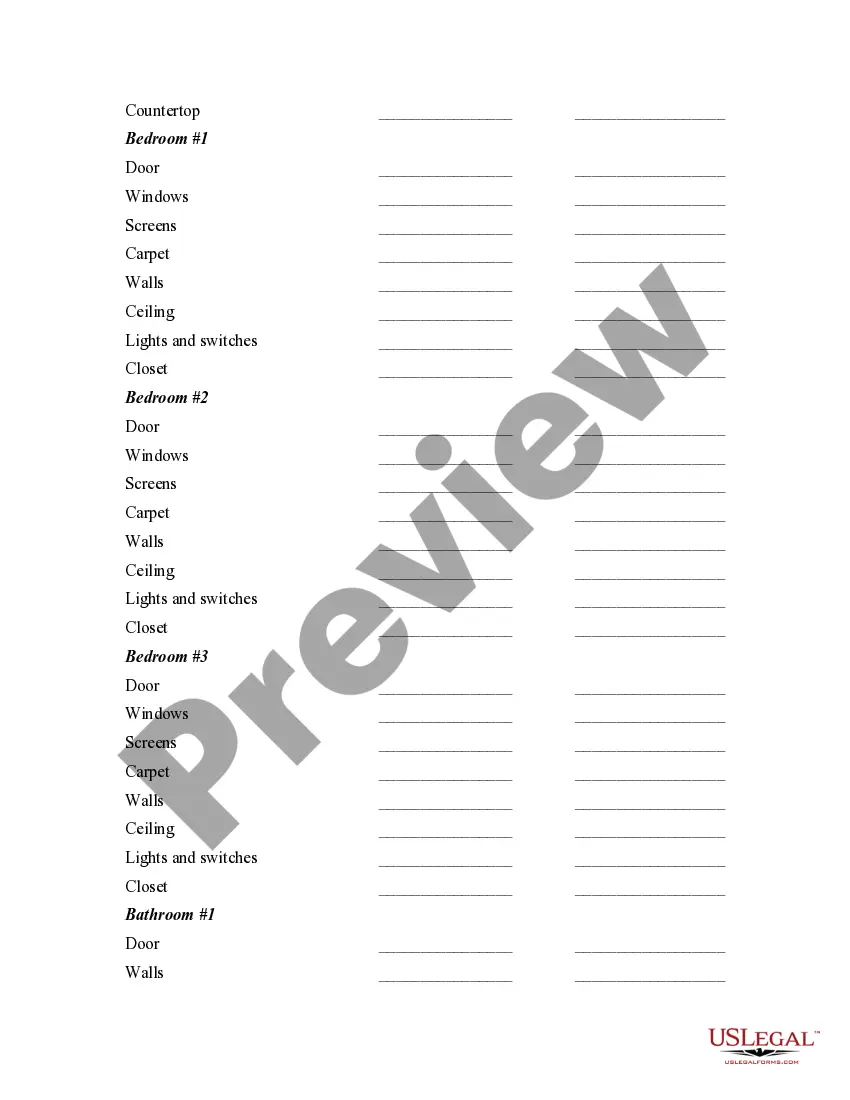
Description
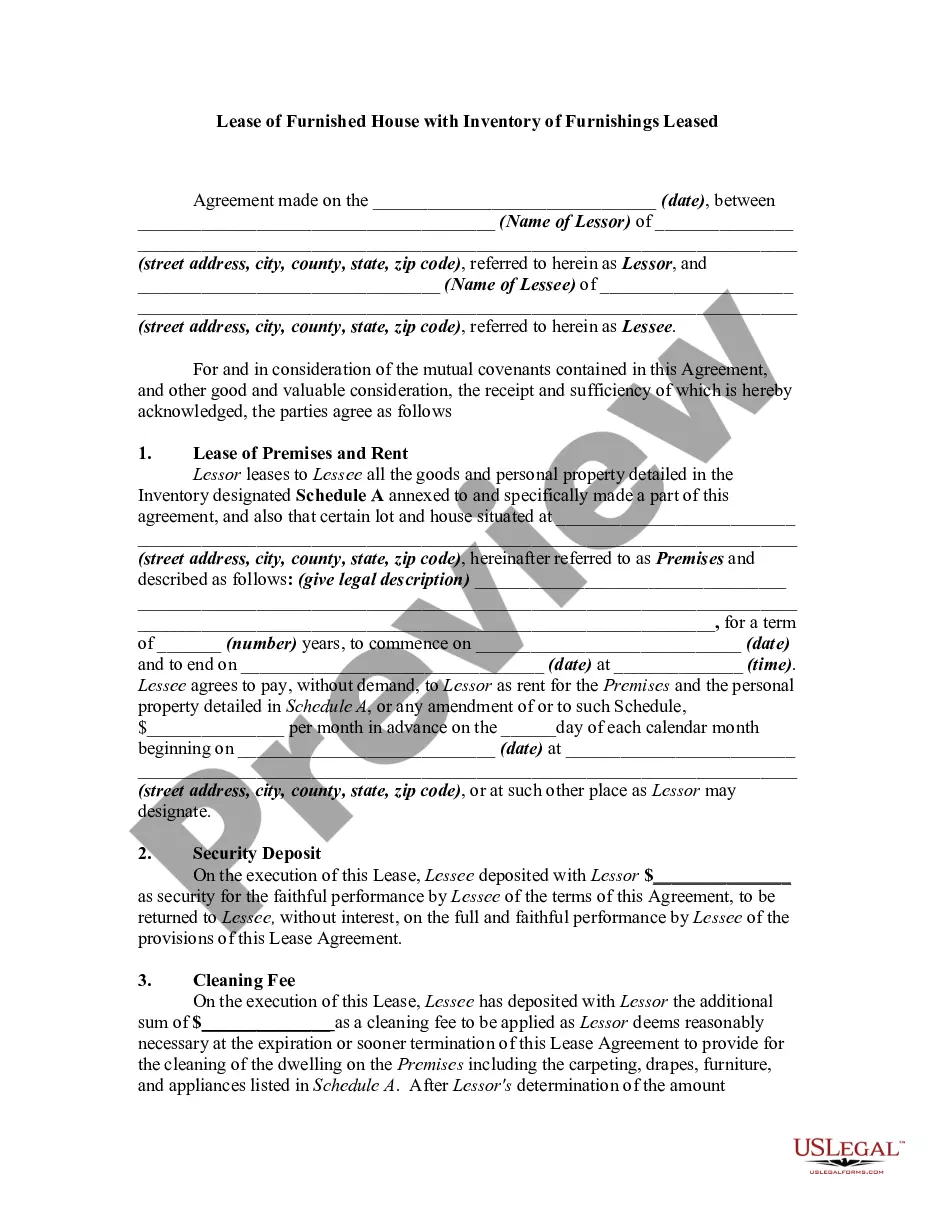
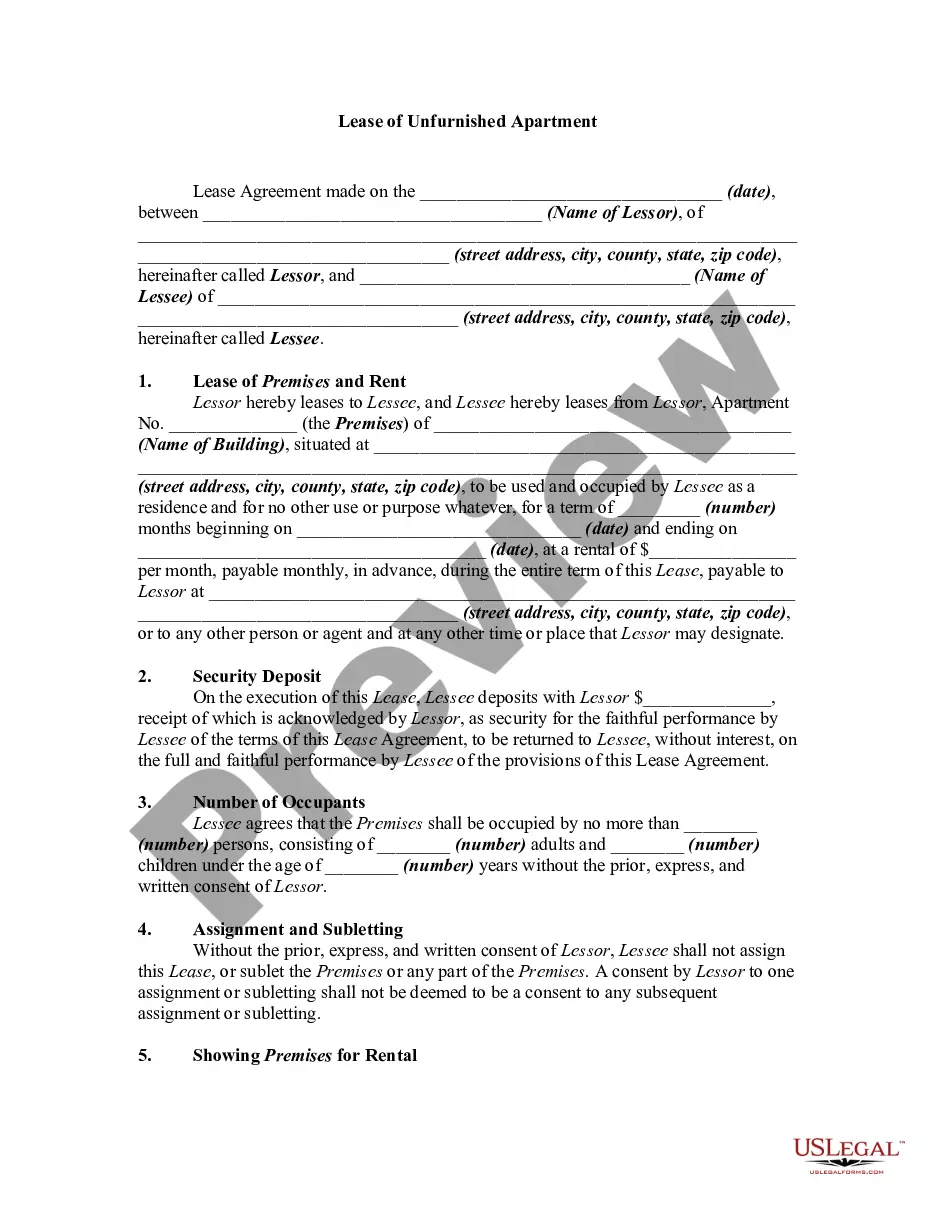
Get your form ready online
Our built-in tools help you complete, sign, share, and store your documents in one place.
Make edits, fill in missing information, and update formatting in US Legal Forms—just like you would in MS Word.
Download a copy, print it, send it by email, or mail it via USPS—whatever works best for your next step.
Sign and collect signatures with our SignNow integration. Send to multiple recipients, set reminders, and more. Go Premium to unlock E-Sign.
If this form requires notarization, complete it online through a secure video call—no need to meet a notary in person or wait for an appointment.
We protect your documents and personal data by following strict security and privacy standards.

Make edits, fill in missing information, and update formatting in US Legal Forms—just like you would in MS Word.

Download a copy, print it, send it by email, or mail it via USPS—whatever works best for your next step.

Sign and collect signatures with our SignNow integration. Send to multiple recipients, set reminders, and more. Go Premium to unlock E-Sign.

If this form requires notarization, complete it online through a secure video call—no need to meet a notary in person or wait for an appointment.

We protect your documents and personal data by following strict security and privacy standards.
Looking for another form?
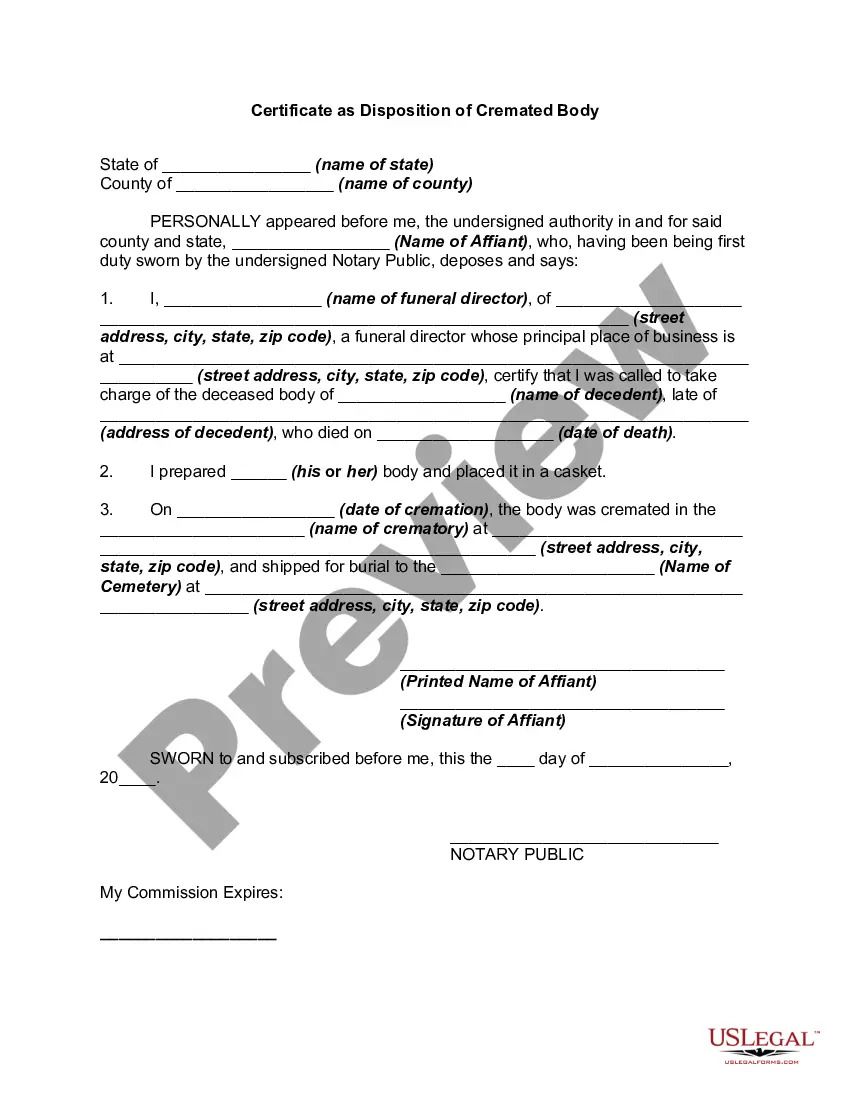









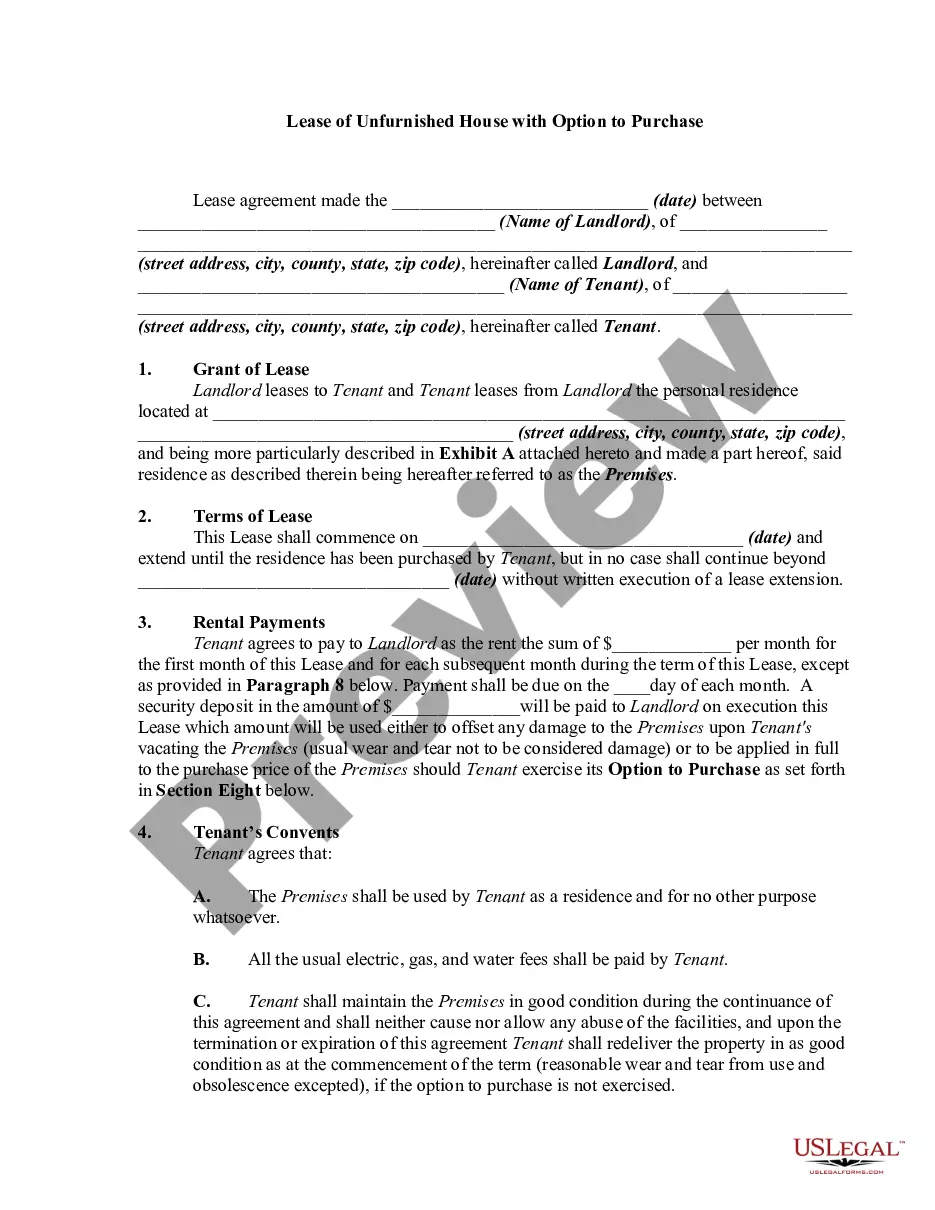
How to fill out Lease Of Unfurnished House With Inventory Checklist?
It’s clear that you cannot transform into a legal authority instantly, nor can you comprehend how to swiftly assemble an Inventory Checklist For Rental Property without possessing a specialized set of abilities.
Compiling legal documents is a lengthy endeavor necessitating specific training and expertise. Therefore, why not entrust the development of the Inventory Checklist For Rental Property to the professionals.
With US Legal Forms, one of the most extensive legal document repositories, you can access everything from judicial documents to templates for internal business communication. We recognize the significance of compliance and adherence to federal and state laws and regulations.
You can regain access to your documents from the My documents section at any time. If you’re a current customer, you can simply Log In, and locate and download the template from the same section.
Regardless of the intent behind your paperwork—whether it’s financial, legal, or personal—our platform has you covered. Experience US Legal Forms today!
- Identify the form you require by utilizing the search bar located at the top of the page.
- Preview it (if this option is available) and review the accompanying description to ascertain whether the Inventory Checklist For Rental Property is what you’re looking for.
- Initiate your search again if you require a different template.
- Create a free account and choose a subscription plan to acquire the template.
- Select Buy now. After the transaction is finalized, you can obtain the Inventory Checklist For Rental Property, complete it, print it, and send it to the specified individuals or organizations.
Form popularity
FAQ
What Is An Inventory Check-Out. At the Check-out inventory, the property will be checked at the end of the tenancy, the cleanliness and condition detailed at check-in will be compared against the cleanliness and condition on check-out. All differences will be noted in the report sent to the Agent or Landlord.
What Should you Include in the Inventory & Condition Form? This is a common question by tenants who are new to the renting process. We advise that you walk into each room of the house and meticulously record the condition of each room, bathroom, and appliance, both inside and outside of the home.
It is a list of the contents of your rental property as well as a log or record of the property's condition (including whether furnished or non-furnished).
Don't forget, a tenant can compile their own inventory in addition to the one provided by the landlord or agent. This can be self-produced or generated by booking one of the independent clerks listed here. An inventory doesn't have to be behind closed doors.
Take photos of any cracks, marks or scratches that are not recorded in the inventory. Only sign and date the inventory when you're happy it's accurate. Keep a copy.