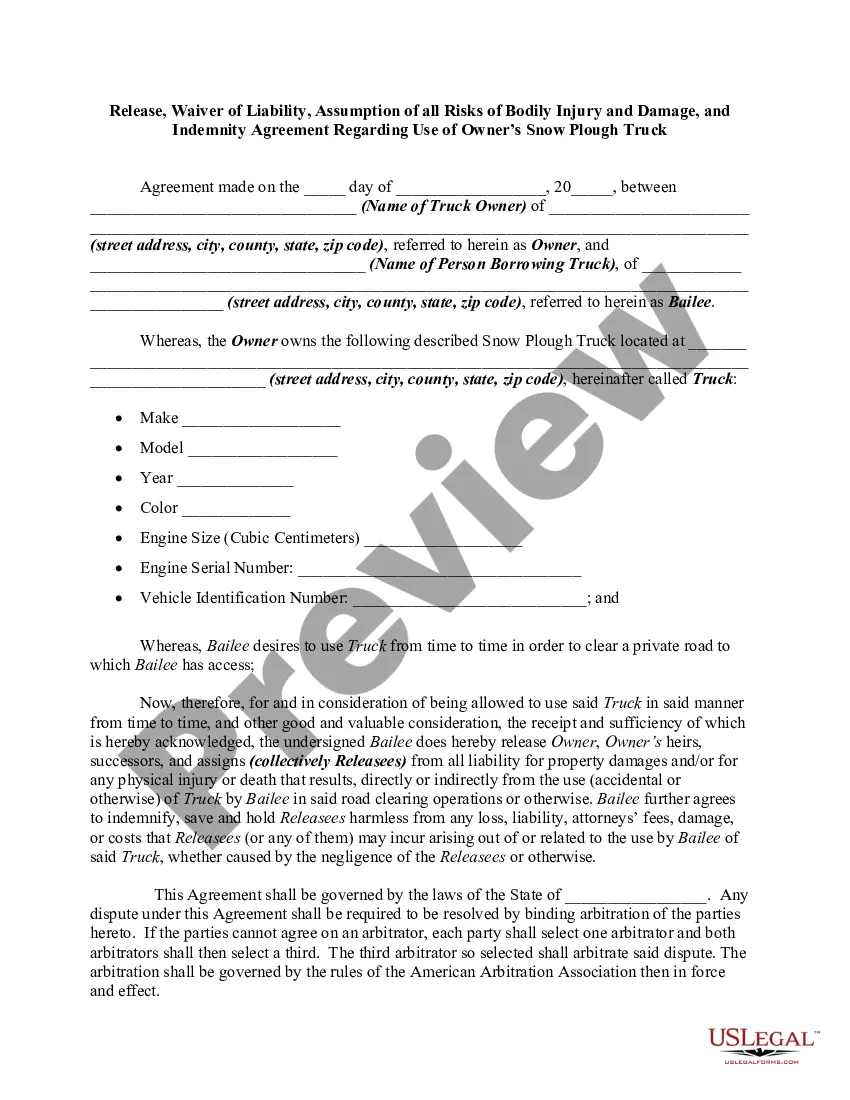
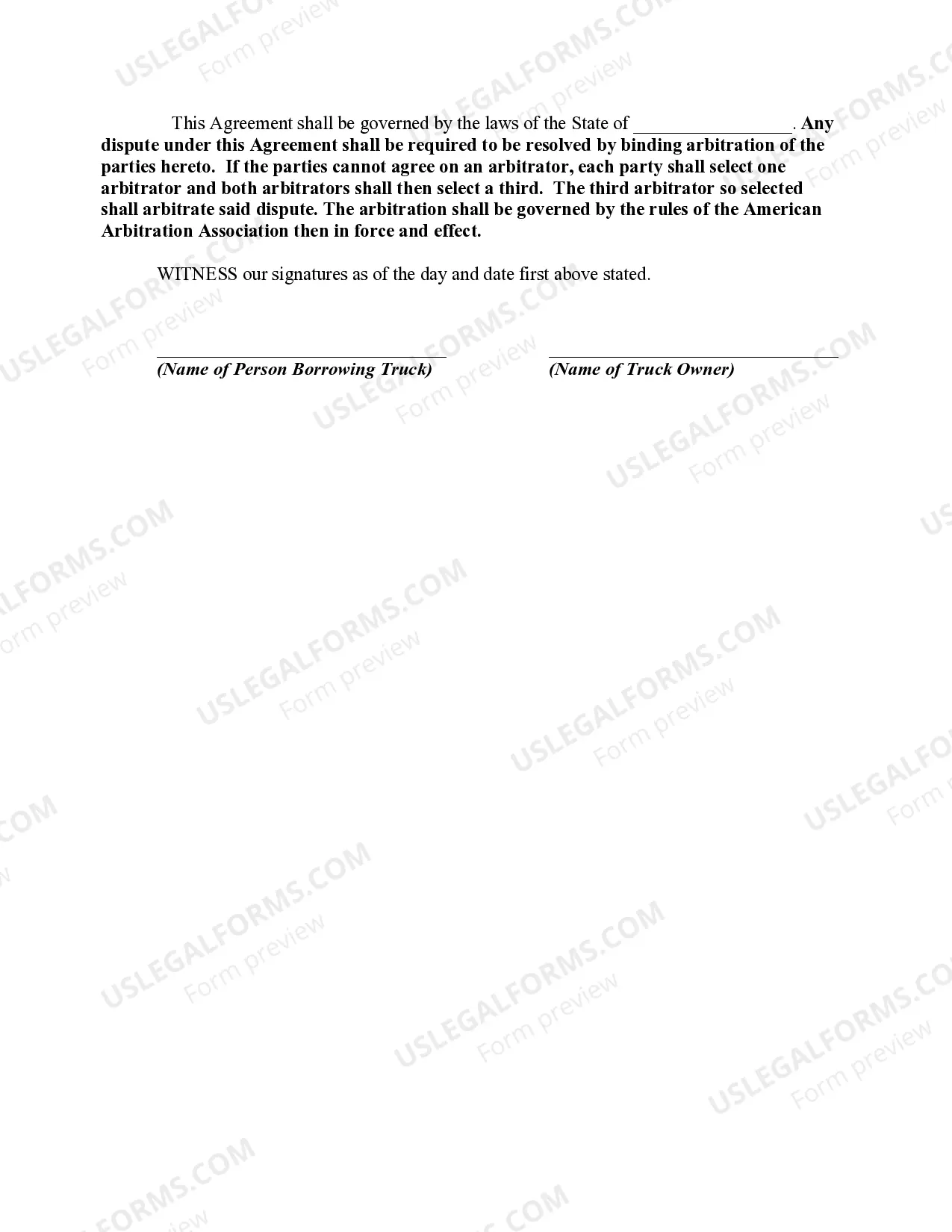
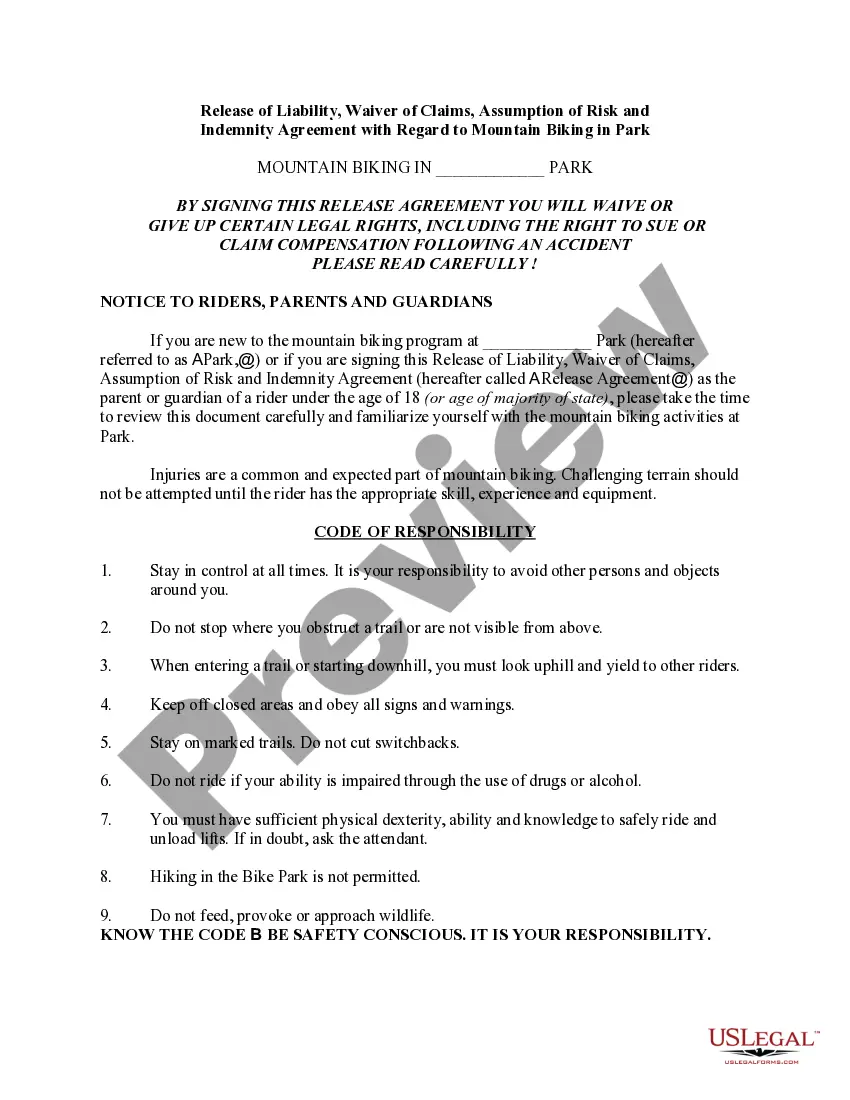
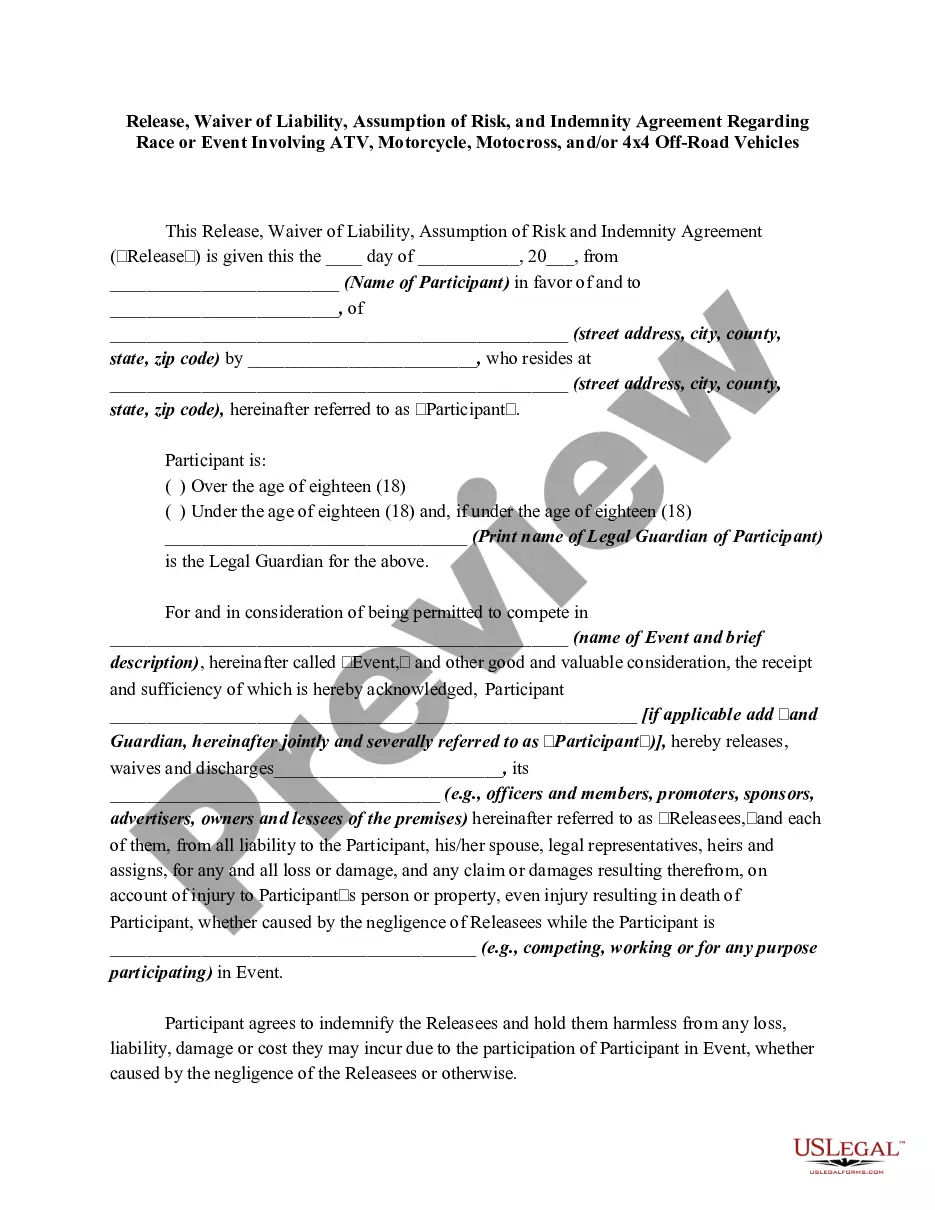
Liability Waiver For Personal Injury
Description
Get your form ready online
Our built-in tools help you complete, sign, share, and store your documents in one place.
Make edits, fill in missing information, and update formatting in US Legal Forms—just like you would in MS Word.
Download a copy, print it, send it by email, or mail it via USPS—whatever works best for your next step.
Sign and collect signatures with our SignNow integration. Send to multiple recipients, set reminders, and more. Go Premium to unlock E-Sign.
If this form requires notarization, complete it online through a secure video call—no need to meet a notary in person or wait for an appointment.
We protect your documents and personal data by following strict security and privacy standards.

Make edits, fill in missing information, and update formatting in US Legal Forms—just like you would in MS Word.

Download a copy, print it, send it by email, or mail it via USPS—whatever works best for your next step.

Sign and collect signatures with our SignNow integration. Send to multiple recipients, set reminders, and more. Go Premium to unlock E-Sign.

If this form requires notarization, complete it online through a secure video call—no need to meet a notary in person or wait for an appointment.

We protect your documents and personal data by following strict security and privacy standards.
Looking for another form?






Form popularity
FAQ
When drafting a liability waiver for personal injury, common pitfalls include vague language and inadequate details about the risks involved. Failing to communicate potential hazards clearly can lead to misunderstandings. Additionally, forgetting to include an expiration date or not having everyone involved sign the waiver can undermine its validity. Using a service like US LegalForms can help you avoid these mistakes.
Several factors can render a liability waiver for personal injury invalid. A waiver may be considered unenforceable if it contains ambiguous language or if it is signed under duress. Additionally, if the document violates public policy or attempts to waive liability for gross negligence, it may not hold in court. Understanding these potential pitfalls can help you create a more effective waiver.
To be effective, a liability waiver for personal injury must meet three key requisites. First, the waiver must clearly state the intention to release one party from liability. Second, the language should be easy to understand and not misleading. Finally, the signer must have the legal capacity to enter into the agreement, ensuring they fully comprehend what they are agreeing to.
Notarization is not always required for a liability waiver for personal injury. However, having a waiver notarized can add an extra layer of authenticity and security. This may be particularly beneficial if disputes arise regarding the waiver's validity. Always check local laws and regulations to understand specific requirements.
Liability waivers for personal injury may not hold up in court for reasons such as ambiguity in language, lack of understanding by the signer, or coercion at the time of signing. Additionally, if the waiver attempts to exempt liability for gross negligence, courts may invalidate it. Ensuring clarity and fairness in the waiver can improve its chances of being upheld.
Yes, a properly executed liability waiver for personal injury is generally considered legally binding. However, the enforceability can depend on its structure and the context in which it was signed. Clarity in language and a comprehensive outline of risks enhance its binding nature.
While hiring a lawyer is not always necessary to write a liability waiver for personal injury, it can be beneficial. A lawyer can ensure the waiver complies with legal requirements and adequately protects your interests. If budget constraints exist, online platforms like US Legal Forms offer valuable resources without needing legal help.
You can draft your own liability waiver for personal injury, but it's advisable to follow best practices. The waiver should clearly define the scope of liability being waived and include essential elements, such as signatures and date. Tools like US Legal Forms can help streamline the drafting process.
In many cases, a properly written liability waiver for personal injury can hold up in court. Courts generally enforce waivers that are clear, concise, and outline specific risks. However, factors such as context and whether the signatory fully understood the document can affect its enforceability.
Yes, you can create a liability waiver for personal injury yourself, but you should be cautious. Ensuring that it meets legal standards and properly addresses potential risks requires attention to detail. Consider using platforms like US Legal Forms, which offer templates and guidance to help you create an effective waiver.
