Complain Vs Complaint Sentence
Description
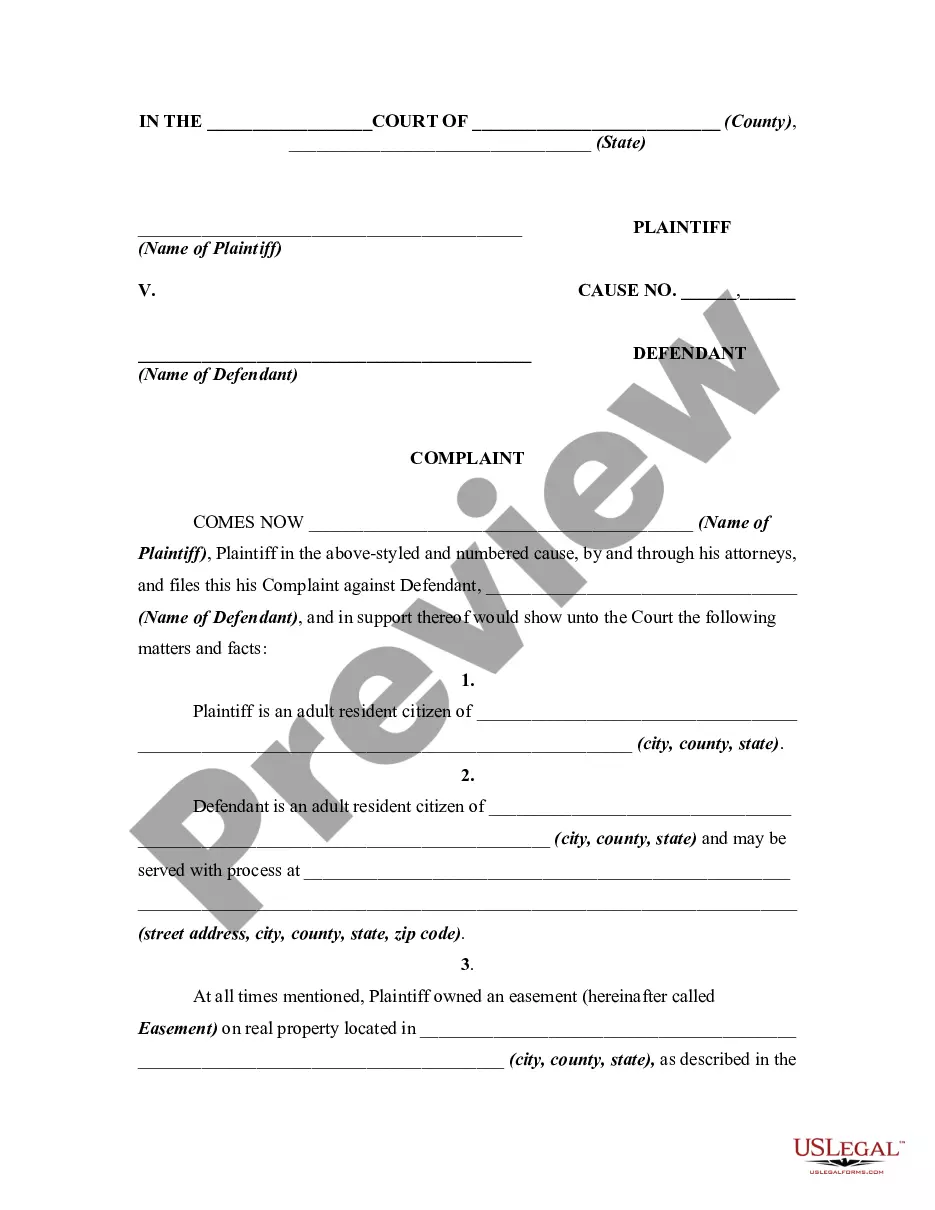
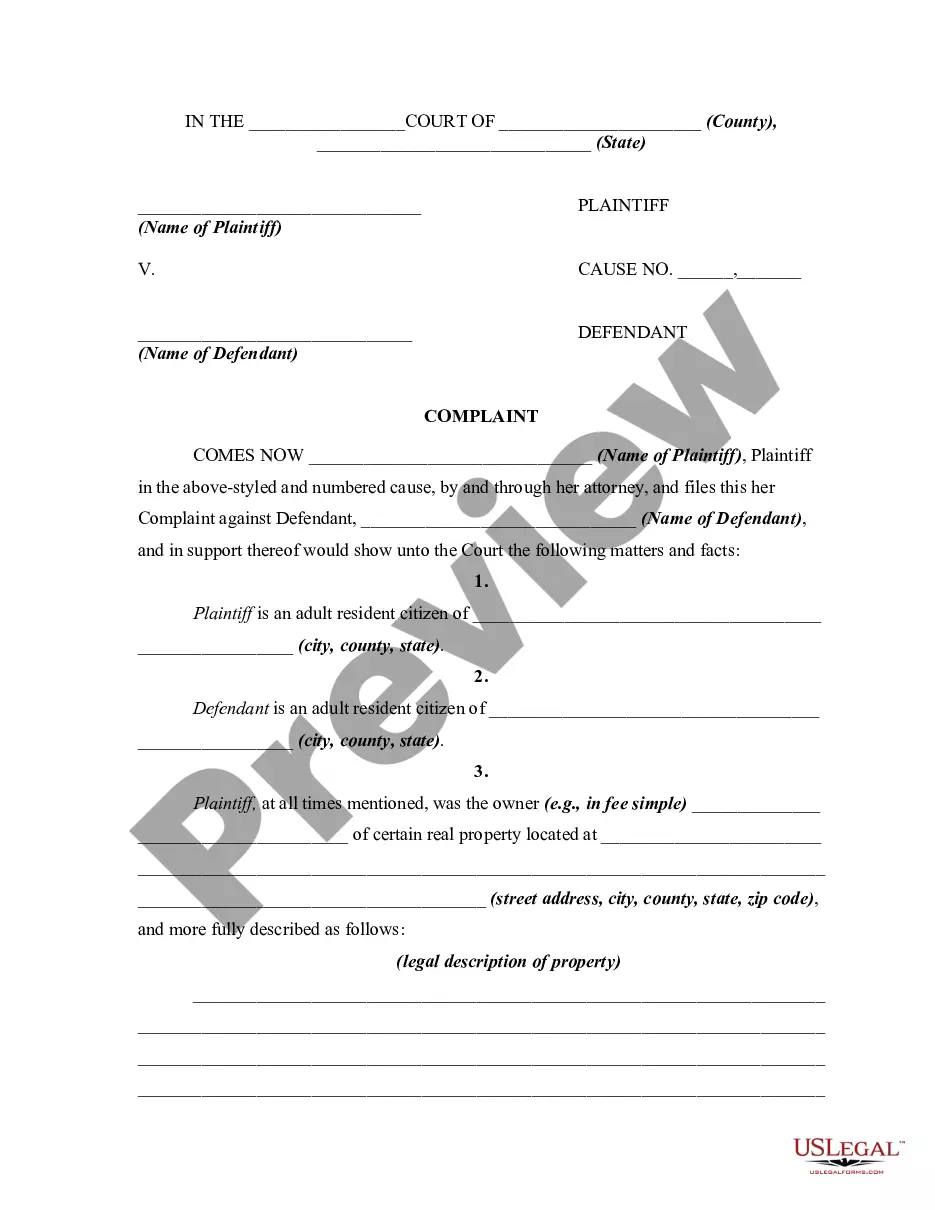
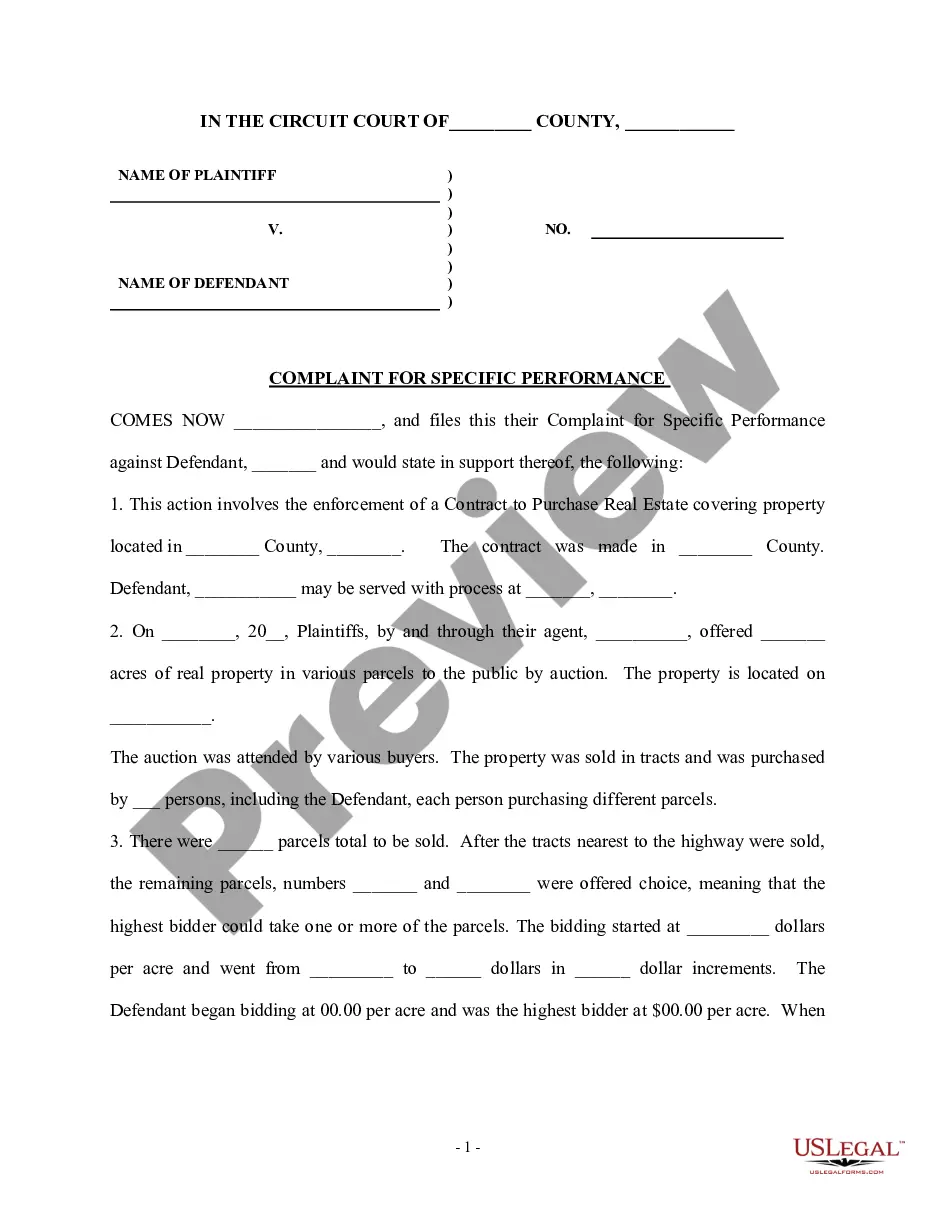
Get your form ready online
Our built-in tools help you complete, sign, share, and store your documents in one place.
Make edits, fill in missing information, and update formatting in US Legal Forms—just like you would in MS Word.
Download a copy, print it, send it by email, or mail it via USPS—whatever works best for your next step.
Sign and collect signatures with our SignNow integration. Send to multiple recipients, set reminders, and more. Go Premium to unlock E-Sign.
If this form requires notarization, complete it online through a secure video call—no need to meet a notary in person or wait for an appointment.
We protect your documents and personal data by following strict security and privacy standards.

Make edits, fill in missing information, and update formatting in US Legal Forms—just like you would in MS Word.

Download a copy, print it, send it by email, or mail it via USPS—whatever works best for your next step.

Sign and collect signatures with our SignNow integration. Send to multiple recipients, set reminders, and more. Go Premium to unlock E-Sign.

If this form requires notarization, complete it online through a secure video call—no need to meet a notary in person or wait for an appointment.

We protect your documents and personal data by following strict security and privacy standards.
Looking for another form?
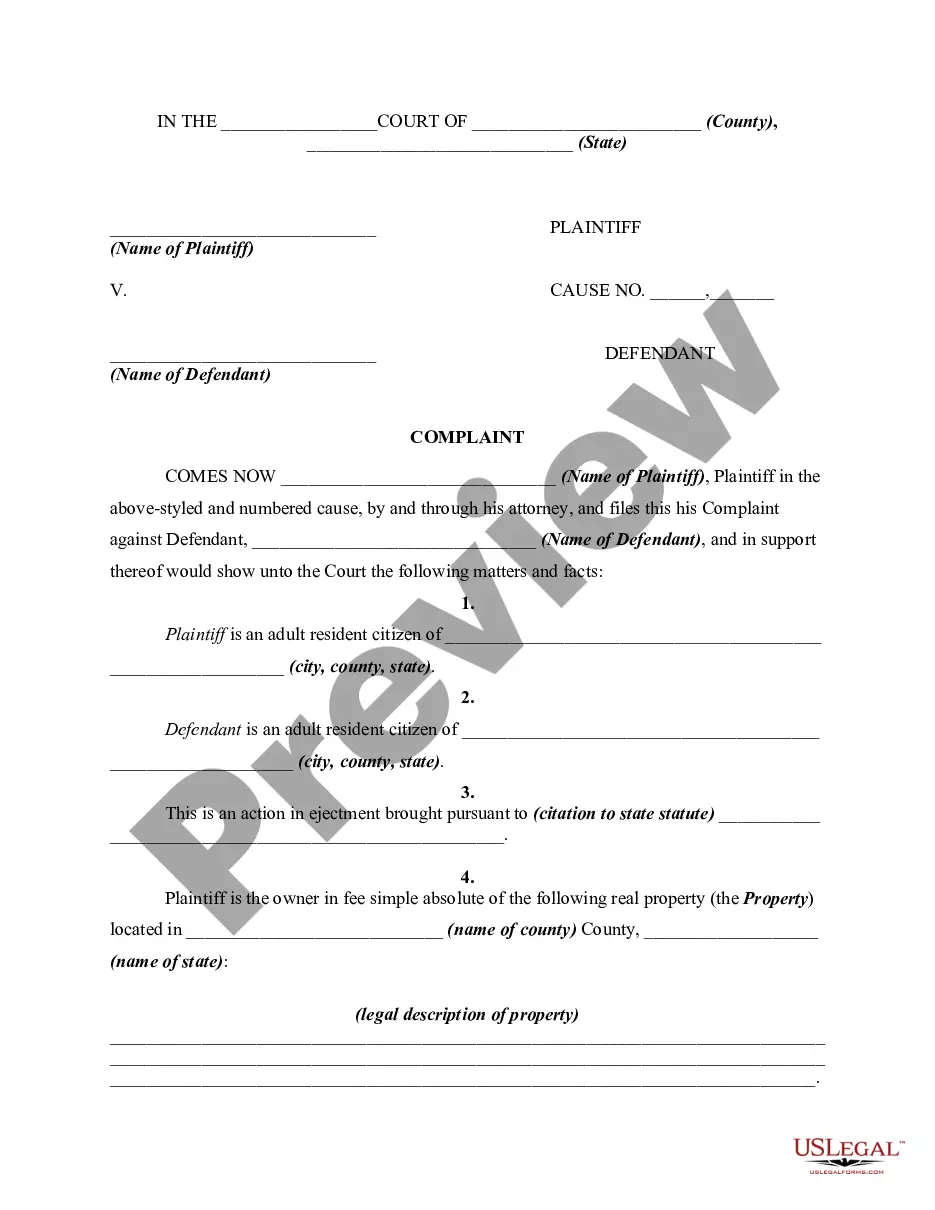
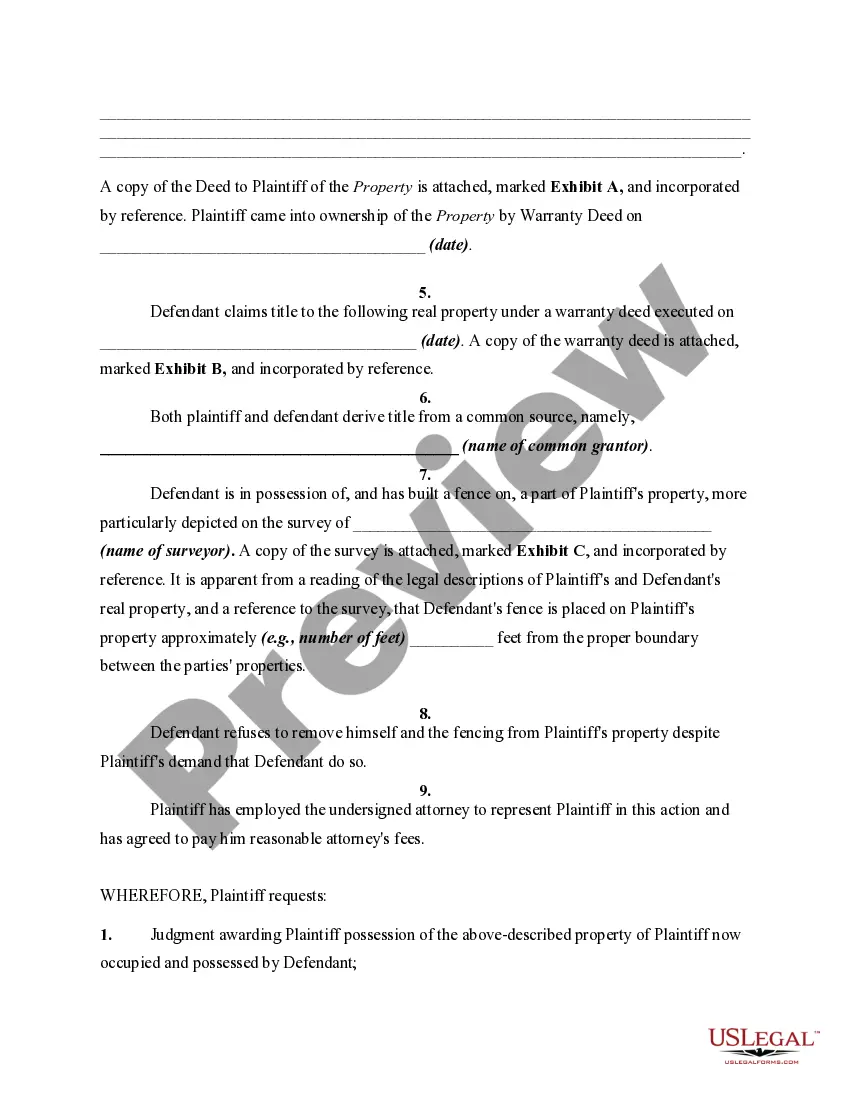
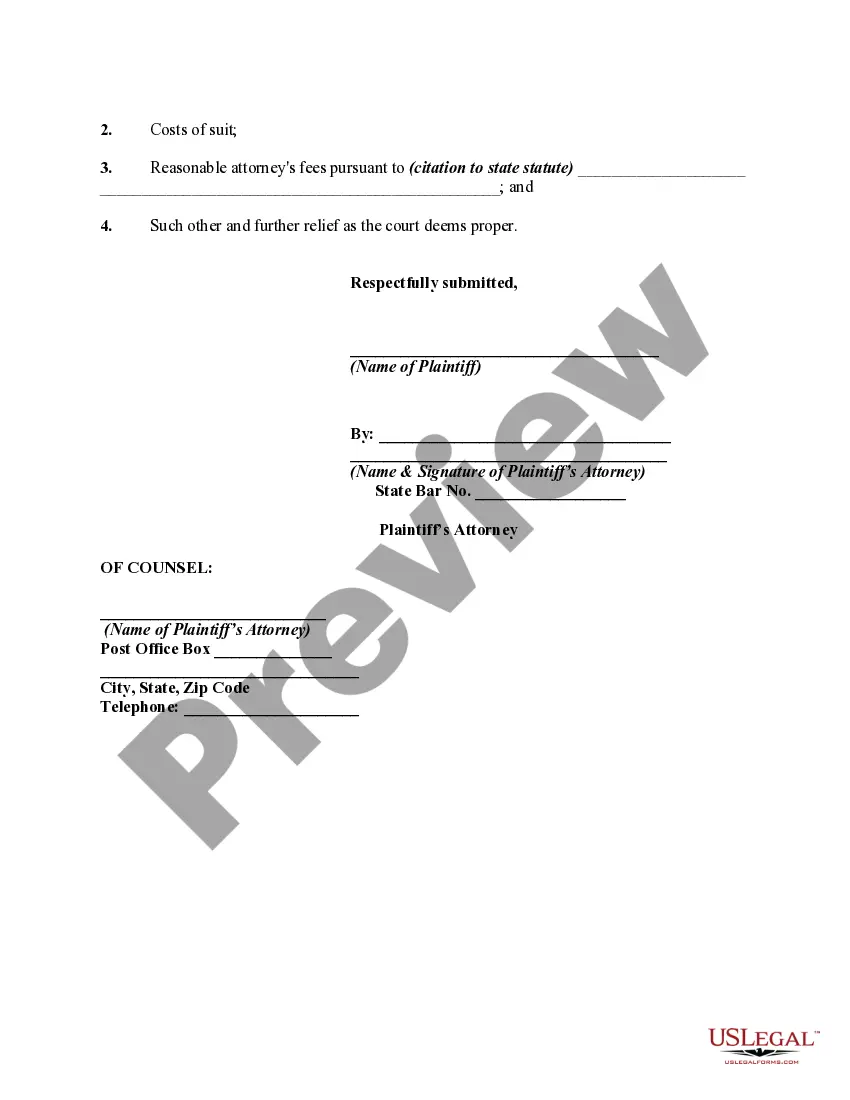
How to fill out Complaint, Petition, Or Declaration For Recovery Of Possession Of Property Due To Fence Built By Adjoining Landowner On Plaintiff's Property?
Accessing legal document examples that comply with federal and local regulations is crucial, and the internet provides numerous choices to choose from.
However, what’s the purpose of spending time seeking the suitable Complain Vs Complaint Sentence example online if the US Legal Forms online repository has already aggregated such templates in one location.
US Legal Forms is the largest online legal repository with over 85,000 fillable documents created by lawyers for various business and personal situations. They are straightforward to navigate, with all documents organized by state and use case.
Utilize the search feature at the top of the page to find another example if required. Once you discover the form you desire, click Buy Now and select a subscription plan. Create an account or Log In and process your payment via PayPal or a credit card. Choose the format for your Complain Vs Complaint Sentence and download it. All templates available through US Legal Forms are reusable. To re-download and fill out previously purchased documents, navigate to the My documents section in your account. Make the most of the most extensive and user-friendly legal document service!
- Our specialists keep up with legal updates, ensuring that your forms are always current and compliant when obtaining a Complain Vs Complaint Sentence from our site.
- Acquiring a Complain Vs Complaint Sentence is fast and simple for both existing and new users.
- If you already possess an account with an active subscription, Log In and save the document sample you require in the correct format.
- If you are unfamiliar with our website, follow the steps below.
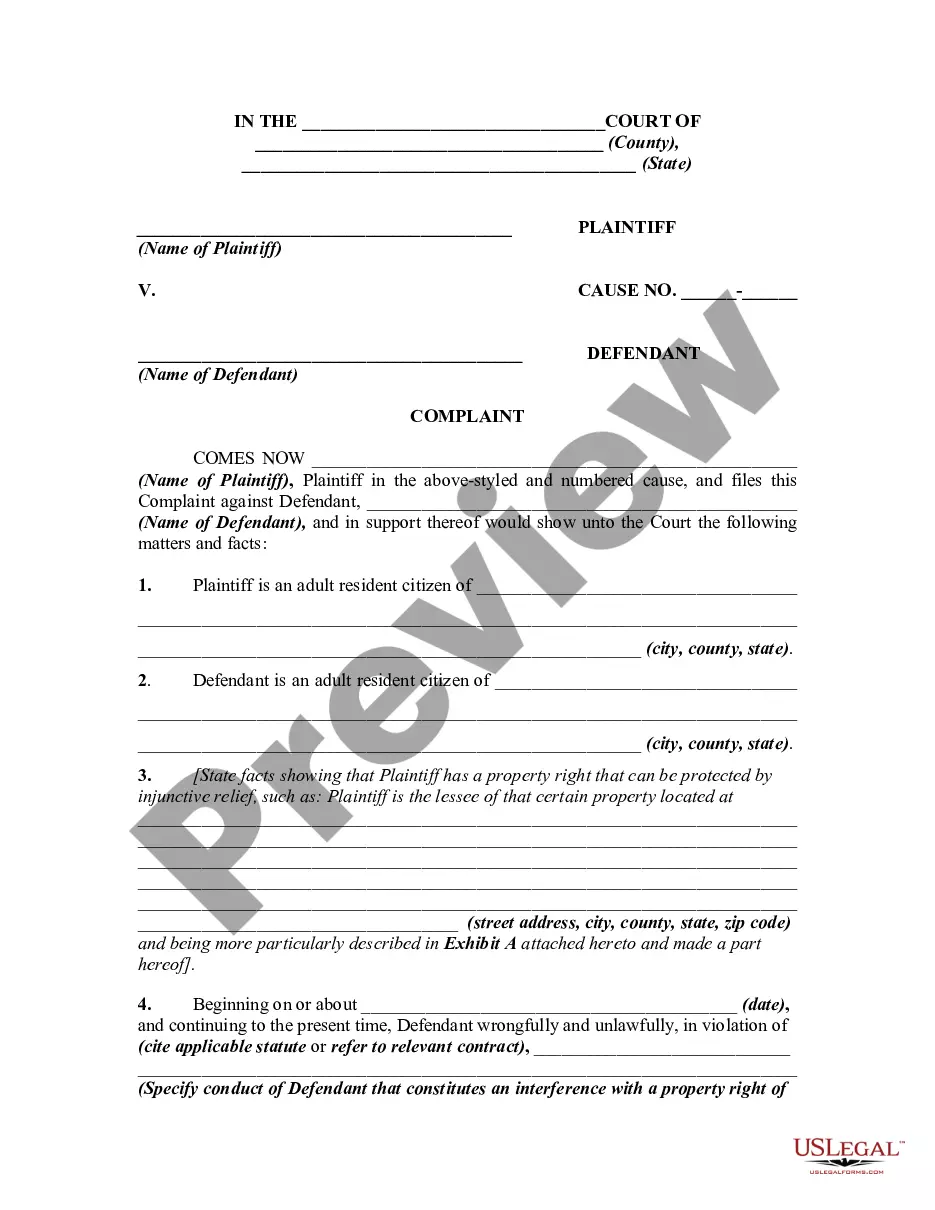
- Review the template using the Preview feature or via the text description to ensure it fulfills your needs.
Form popularity
FAQ
Use 'complaint' when you want to refer to the actual grievance or expression of dissatisfaction. For instance, you might say, 'She filed a complaint about the defective product.' Understanding the correct context for 'complaint' will aid in developing accurate communication. This clarity contributes to more effective interactions in both personal and professional settings.
To complain = verb, complaint = noun, so "to complaint" is not a thing. Have you bothered to look up these words in a dictionary? Justin Young is correct. "Complain" is a verb and "complaint" is a noun.
Answer : Yes. It is correct ?Complain? is a verb. ?Complaint? is a noun.
The words complains and complaints are often confused because they are easy to mistype. But what is the difference? Complaints means expressions of discontent, pain, or grief when used as a noun. Complains means expressing discomfort, pain, or unease when used as a verb.
Phrases for making complaints in English I'm sorry to say this, but? I'd like to make a complaint about? I'm afraid I'd like to complain to you. Excuse me, but I'm really not happy with? Excuse me, but there seems to be a problem? There appears to be something wrong with? I was really upset when?
In the body of the letter, the opening sentence should identify your specific complaint. Next, outline what actions you have already taken to resolve it and how you expect the company to address the issue. Use a simple, professional, complimentary close, such as Sincerely or Regards.