Infliction Of Emotional Distress Examples
Description
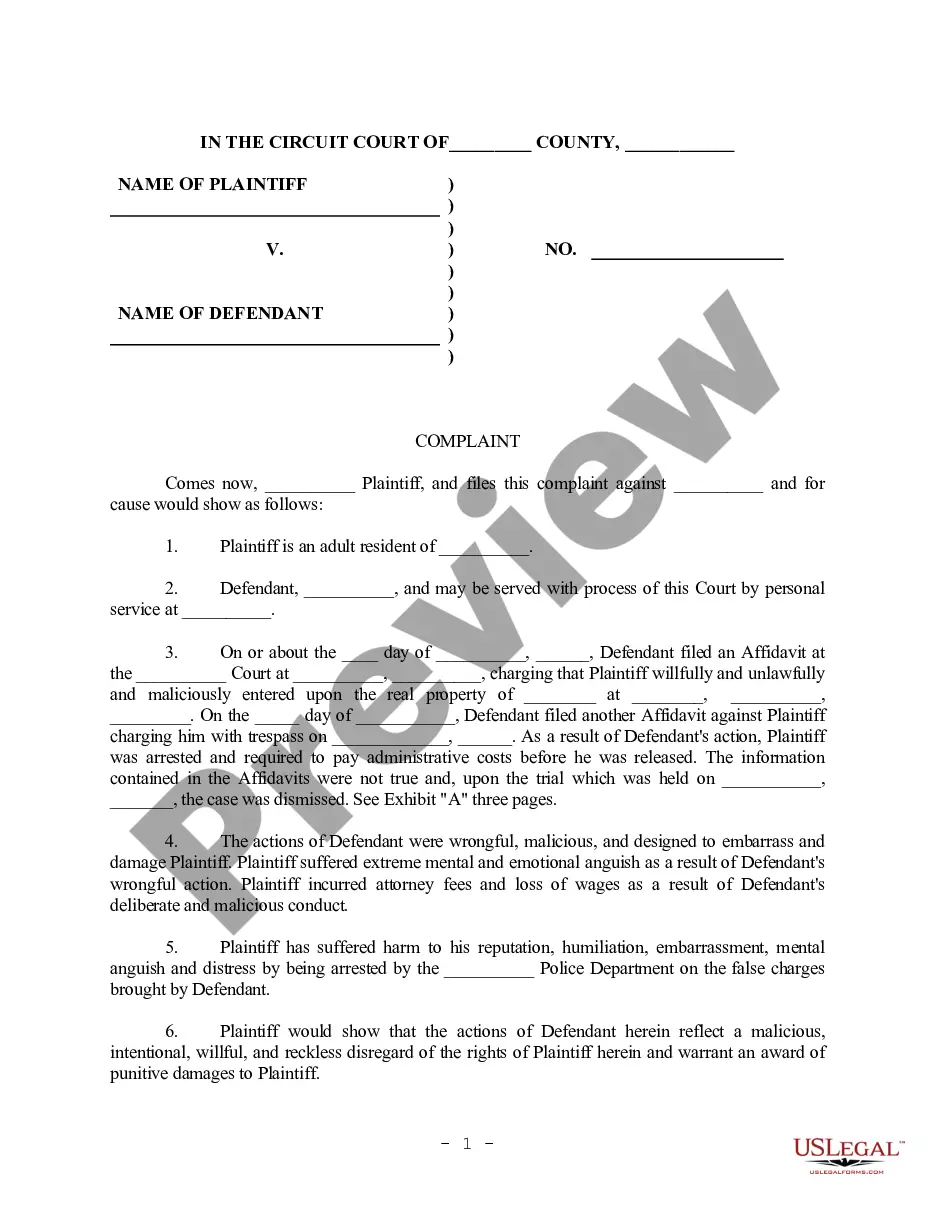
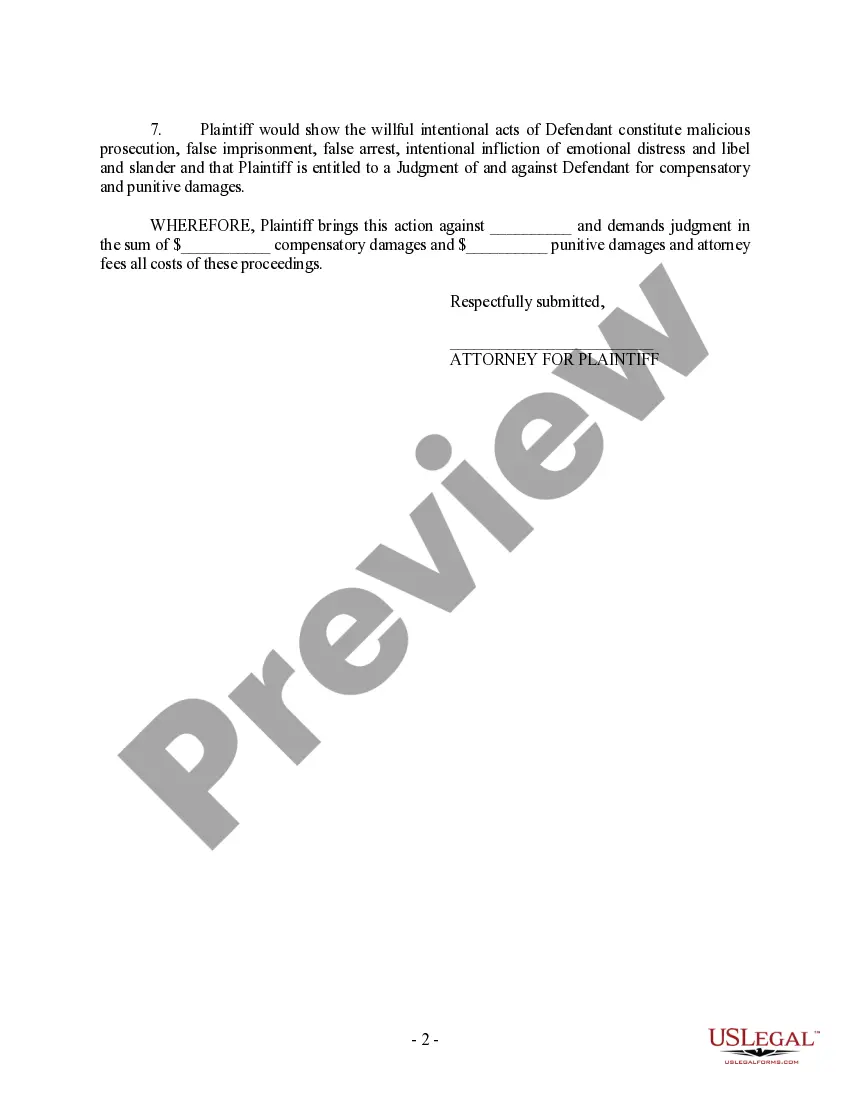
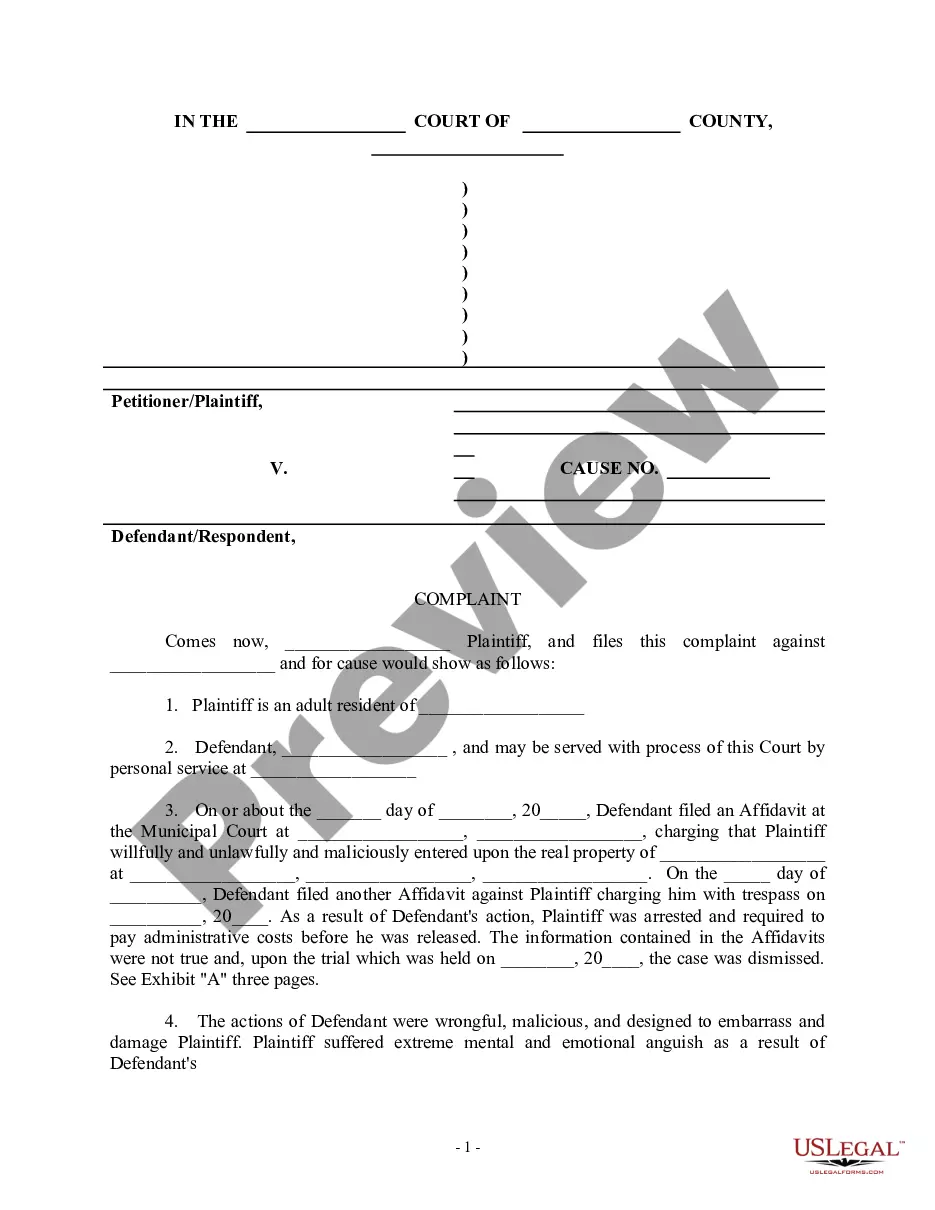
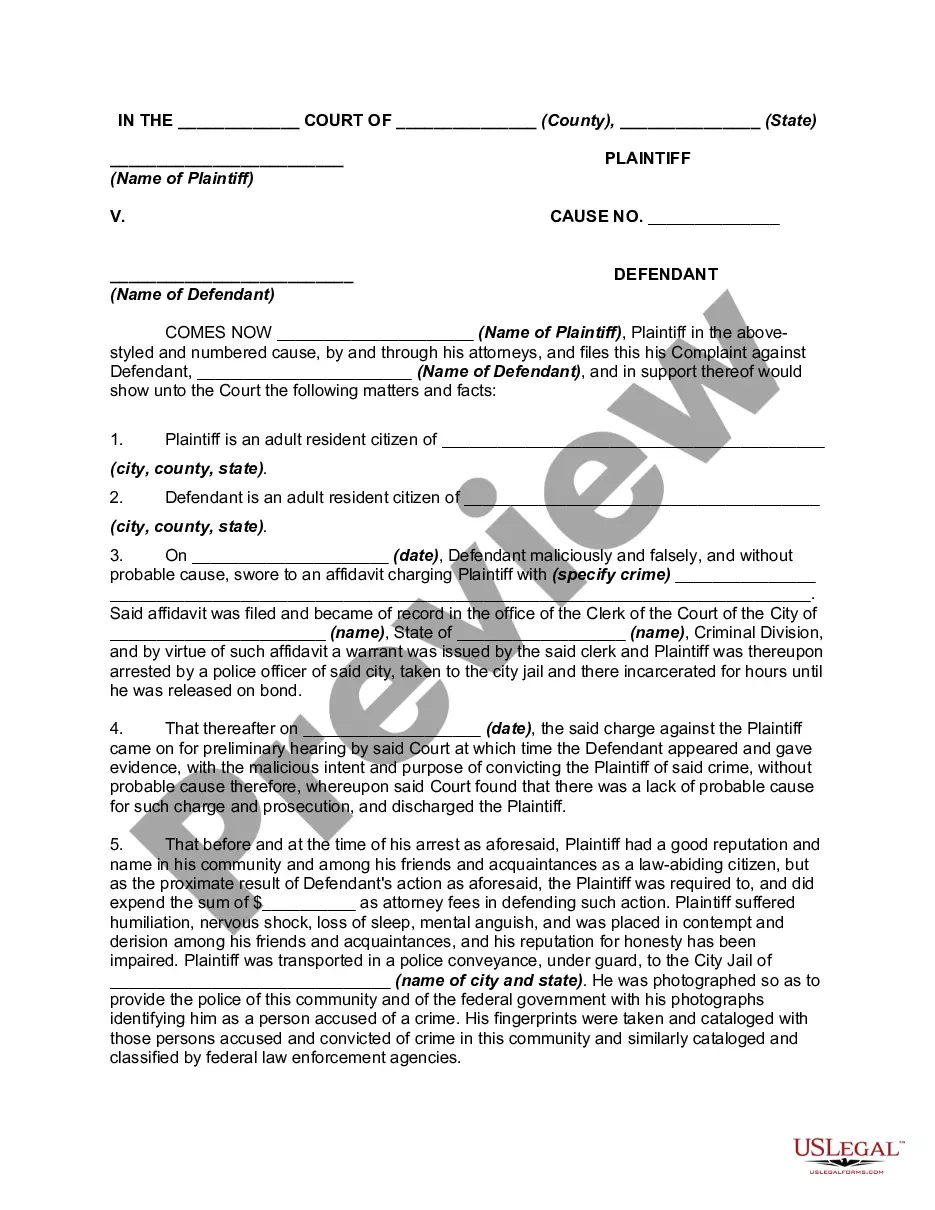
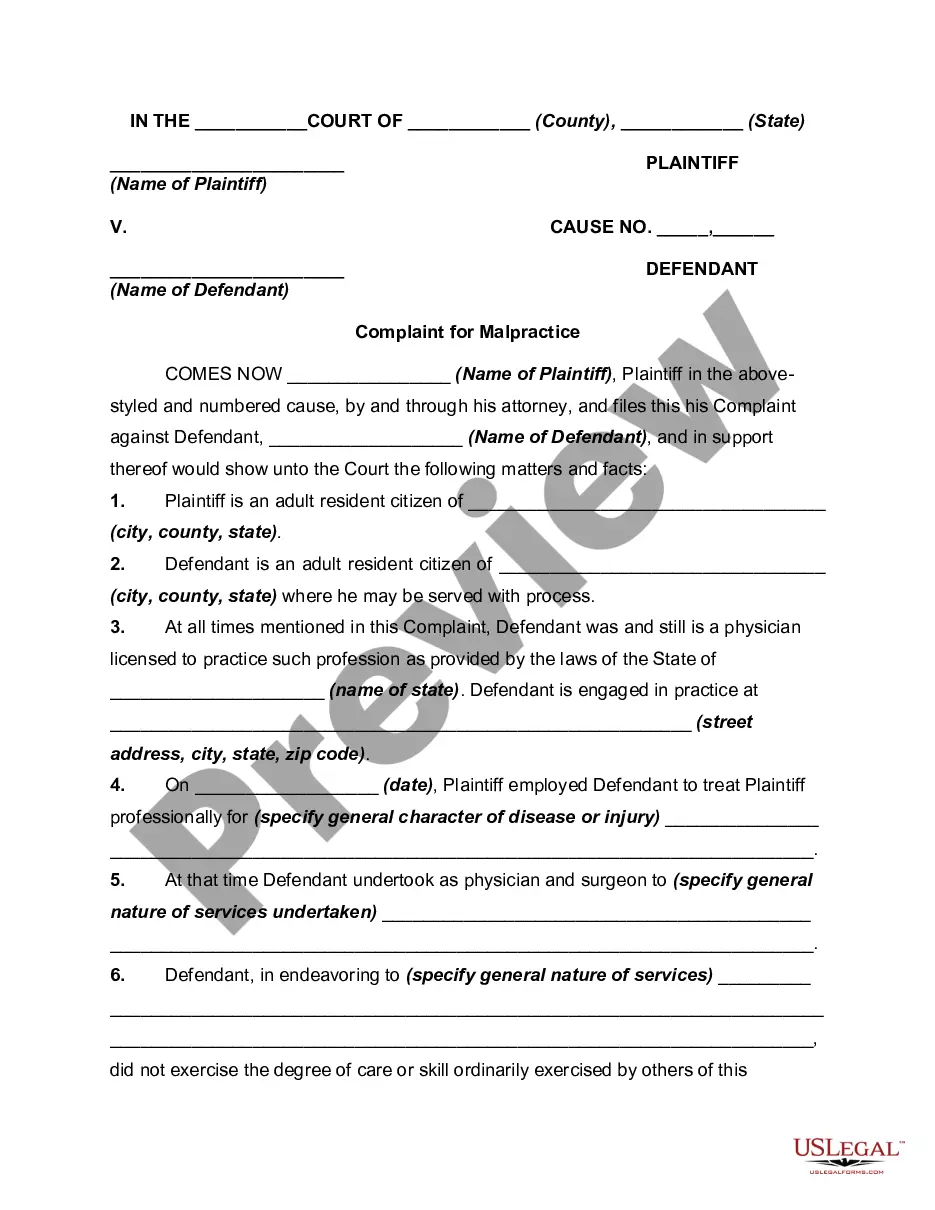
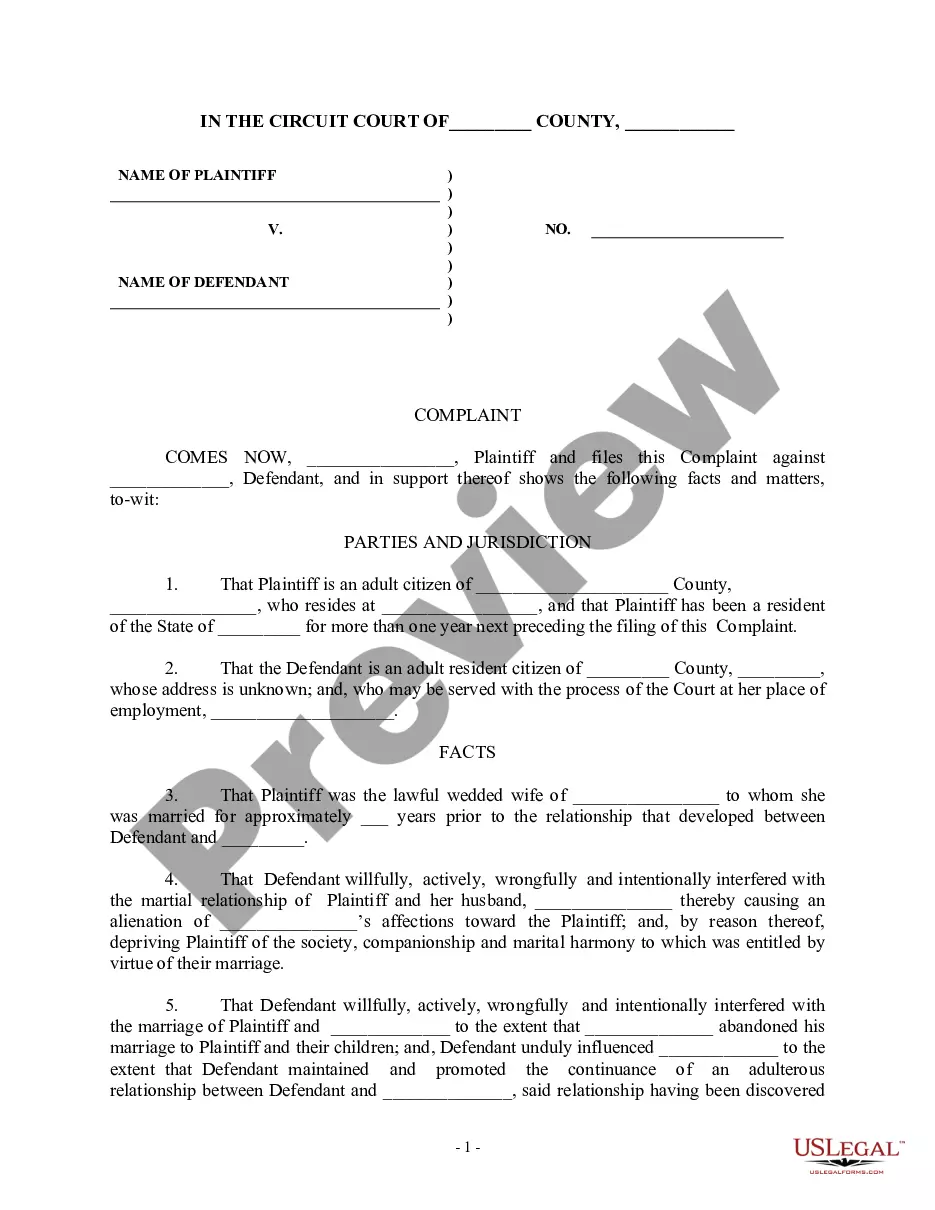
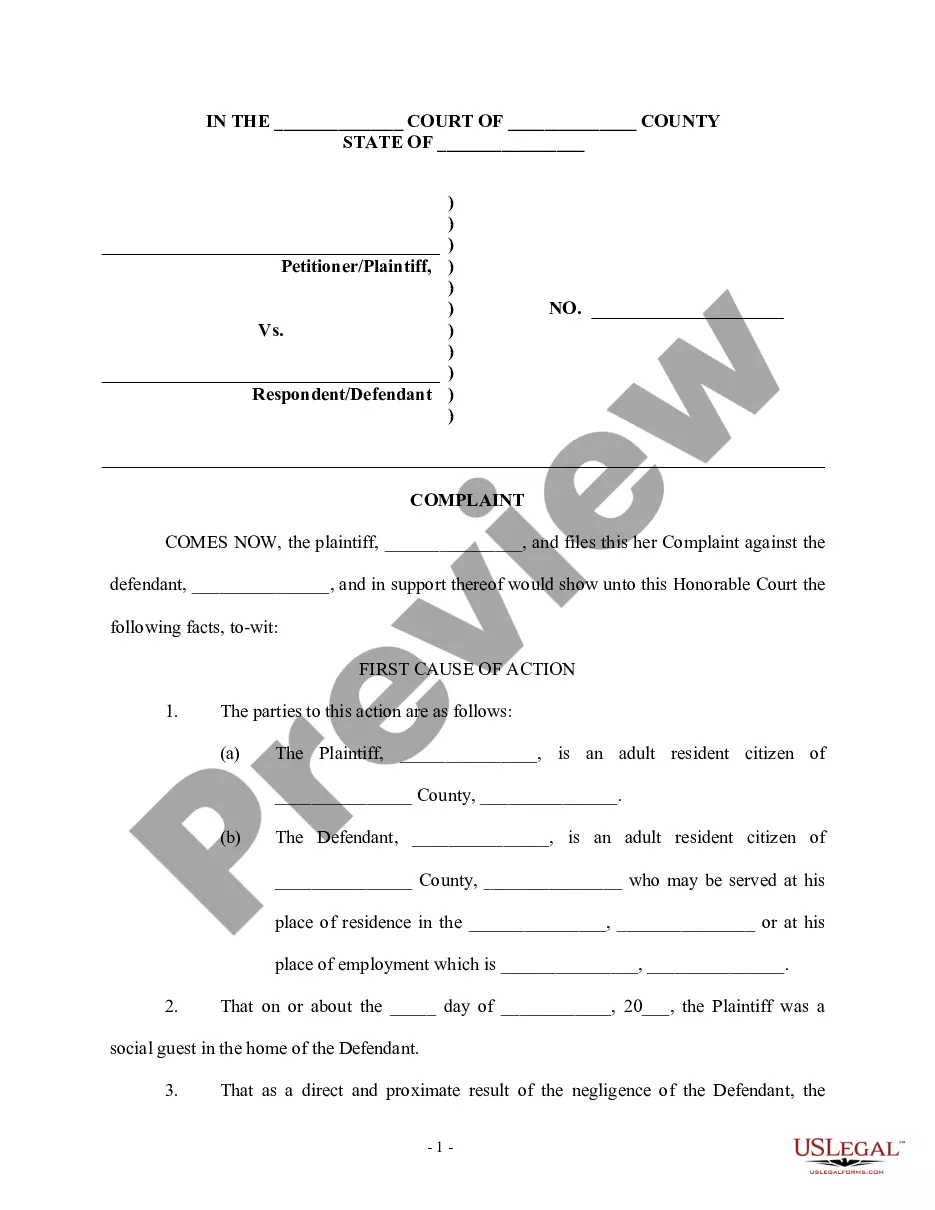
Get your form ready online
Our built-in tools help you complete, sign, share, and store your documents in one place.
Make edits, fill in missing information, and update formatting in US Legal Forms—just like you would in MS Word.
Download a copy, print it, send it by email, or mail it via USPS—whatever works best for your next step.
Sign and collect signatures with our SignNow integration. Send to multiple recipients, set reminders, and more. Go Premium to unlock E-Sign.
If this form requires notarization, complete it online through a secure video call—no need to meet a notary in person or wait for an appointment.
We protect your documents and personal data by following strict security and privacy standards.

Make edits, fill in missing information, and update formatting in US Legal Forms—just like you would in MS Word.

Download a copy, print it, send it by email, or mail it via USPS—whatever works best for your next step.

Sign and collect signatures with our SignNow integration. Send to multiple recipients, set reminders, and more. Go Premium to unlock E-Sign.

If this form requires notarization, complete it online through a secure video call—no need to meet a notary in person or wait for an appointment.

We protect your documents and personal data by following strict security and privacy standards.
Looking for another form?
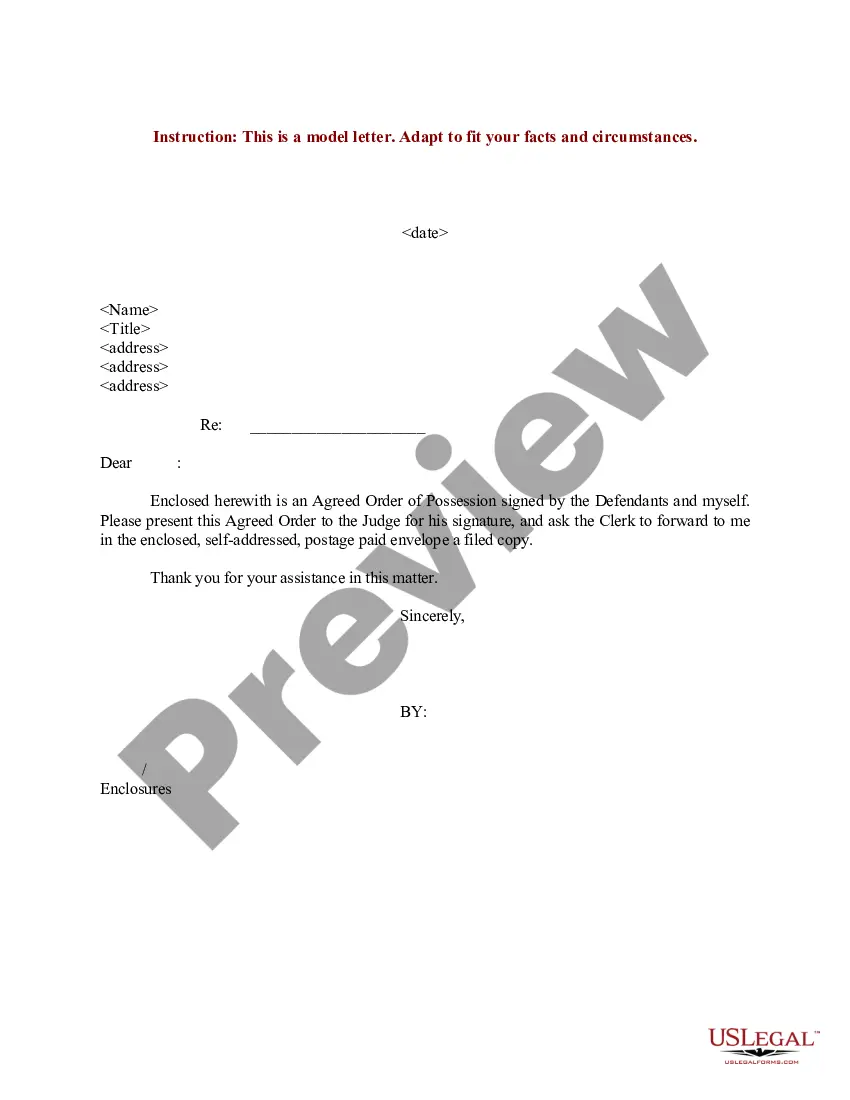
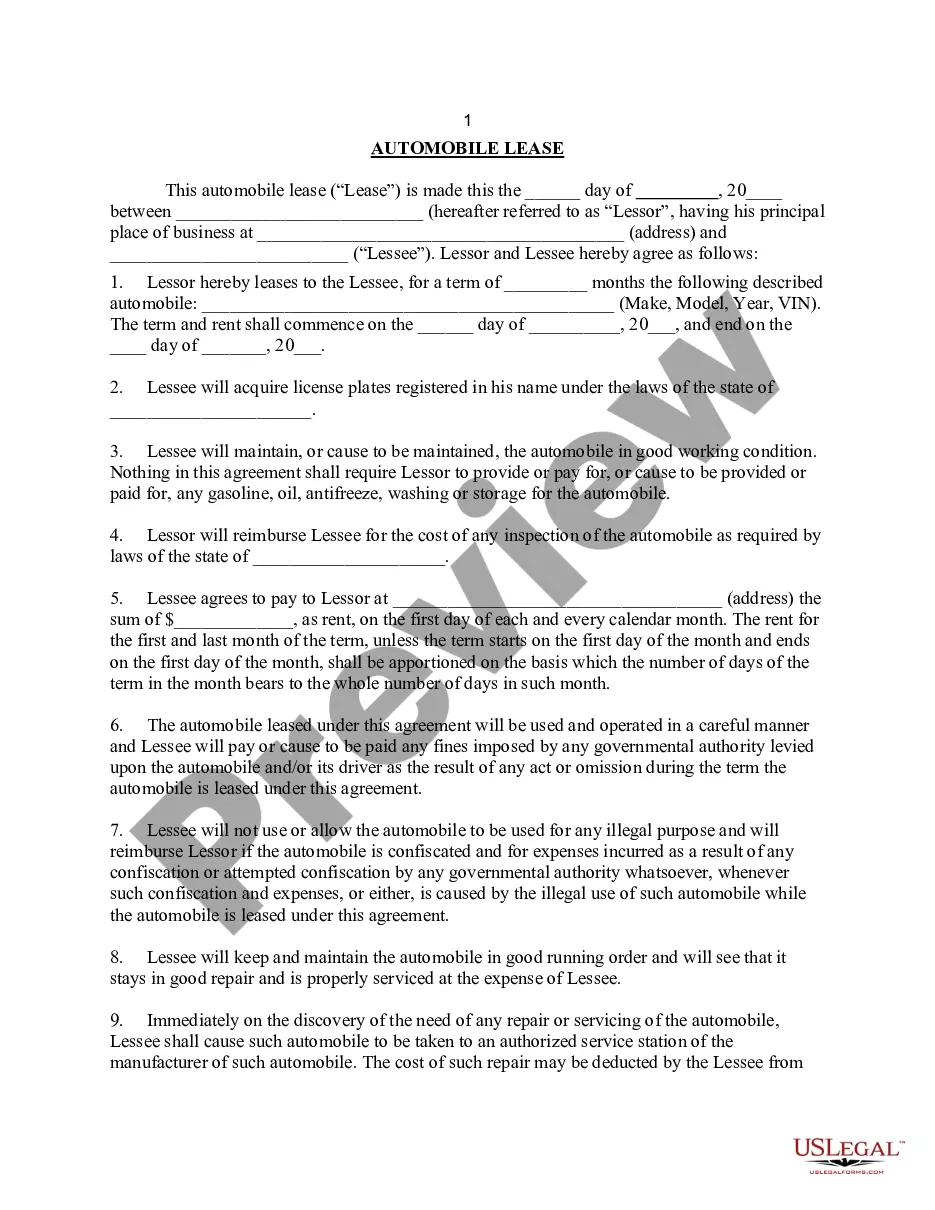
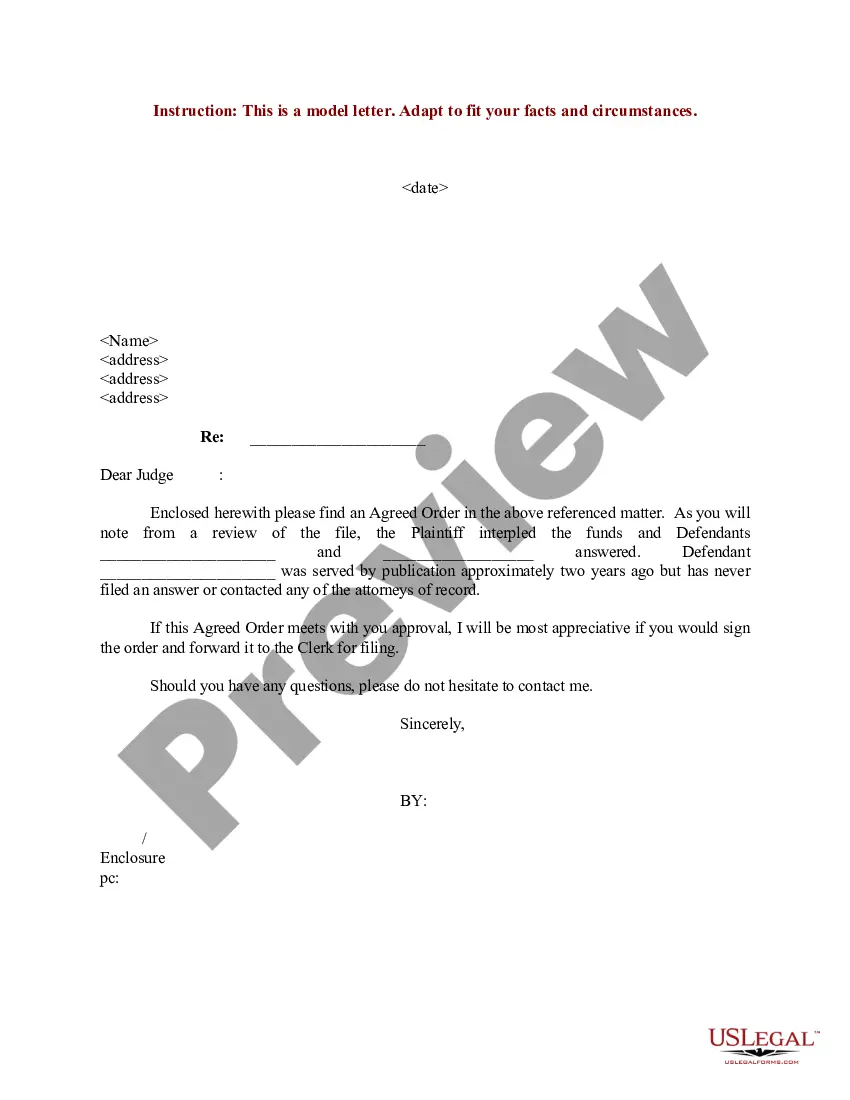

How to fill out Complaint For Malicious Prosecution?
It's well-known that you cannot transform into a legal expert instantly, nor can you swiftly learn how to create Infliction Of Emotional Distress Examples without having a specific background.
Producing legal documents is a lengthy process that demands particular training and expertise.
So why not entrust the preparation of the Infliction Of Emotional Distress Examples to the experts.
You can access your forms again from the My documents tab whenever necessary. If you are an existing client, you can simply Log In and find and download the template from the same section.
Regardless of the reason for your documentation—whether it’s financial, legal, or personal—our platform has everything you need. Give US Legal Forms a try now!
- Begin your search by utilizing the search bar at the top of the webpage.
- Review the document (if this option is available) and read the accompanying description to see if Infliction Of Emotional Distress Examples is the document you need.
- Restart your search if you require a different document.
- Create a free account and select a subscription plan to acquire the form.
- Click Buy now. Once the payment is confirmed, you can download the Infliction Of Emotional Distress Examples, complete it, print it, and send or deliver it to the appropriate individuals or organizations.
Form popularity
FAQ
Infliction of emotional distress refers to actions that cause severe emotional pain or trauma to another person, often through extreme or outrageous behavior. This can include harassment, threats, or any conduct that exceeds the boundaries of acceptable behavior. To better understand your situation or seek legal guidance, explore the resources available on the US Legal Forms platform, which provides valuable information on infliction of emotional distress examples and related legal matters.
Symptoms of emotional damage may include persistent feelings of sadness, anxiety, or hopelessness, as well as changes in sleep patterns or appetite. Individuals may also experience difficulty concentrating or loss of interest in activities they once enjoyed. Recognizing these symptoms is essential, as they can often stem from situations involving infliction of emotional distress examples.
The four elements of intentional infliction of emotional distress include intentional or reckless conduct, extreme and outrageous actions, a causal connection between the conduct and emotional distress, and actual emotional distress suffered by the victim. Each of these components plays a critical role in establishing a claim. Understanding these elements can help you identify how infliction of emotional distress examples apply in real-life situations.
An example of infliction of emotional distress could involve a situation where someone experiences severe anxiety or emotional pain due to another person's outrageous conduct. For instance, if an employer publicly humiliates an employee in a demeaning manner, it may lead to emotional harm. These infliction of emotional distress examples often highlight how one person's actions can cause significant psychological suffering to another.
Emotional distress encompasses severe mental suffering, anxiety, or trauma caused by an event, action, or behavior of another person. It often manifests in various ways, such as depression, anxiety, or significant disruptions in daily life. Understanding infliction of emotional distress examples can shed light on what qualifies, helping you assess your own situation.
To prove you have emotional distress, present clear documentation of your emotional struggles and their origins. Include medical records that reflect therapy or psychiatric treatment, alongside detailed personal accounts of your experiences. By combining these elements, you enhance your likelihood of successfully demonstrating emotional distress.
Evidence of emotional distress may come in various forms, such as medical documentation, personal testimonies, and written accounts of experiences. Additionally, records of therapy sessions and correspondence with mental health professionals provide insight into a person's emotional condition. Utilizing infliction of emotional distress examples in real-life situations can clarify the nature of your claims.
Proving that someone is suffering from emotional distress often requires showing their emotional state and its impact on daily life. This can involve medical expert evaluations and therapy records that detail the distress. Using specific examples of incidents that caused emotional harm helps illustrate the severity of the situation.
To prove infliction of emotional distress, you typically need documentation that illustrates your experiences. This can include medical records indicating mental health evaluations, personal journals capturing your feelings, and testimonies from friends or family who witnessed the distress. For best results, gather a variety of supporting evidence to strengthen your case.