Emotional Distress Examples
Description
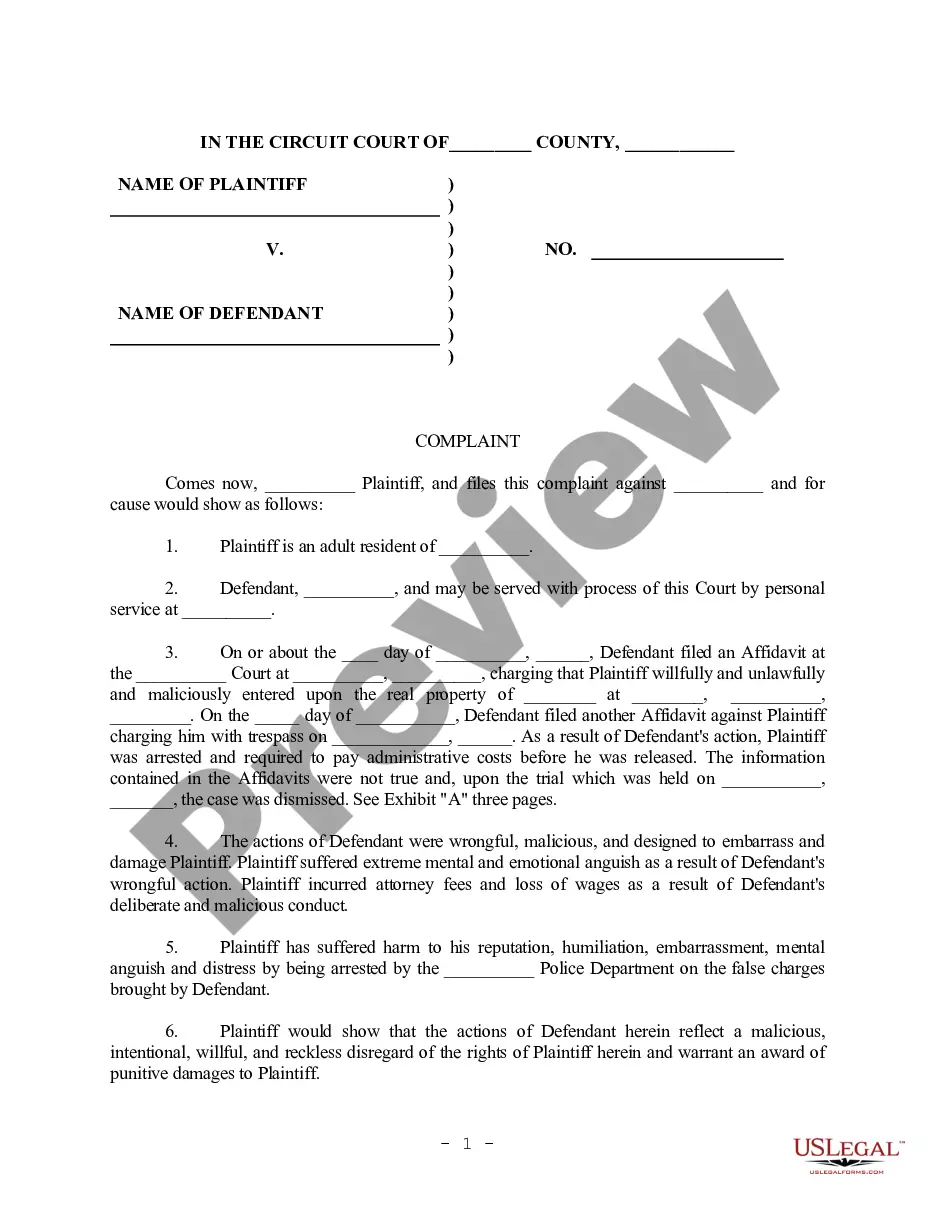
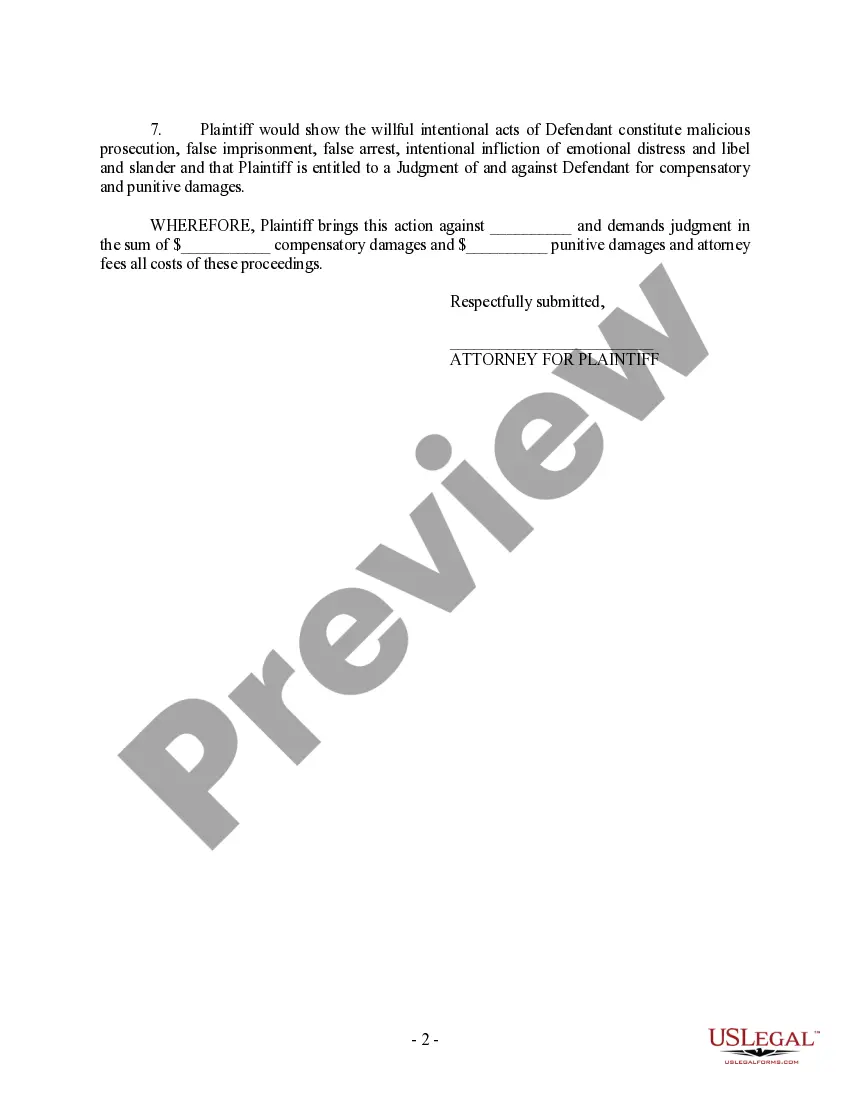
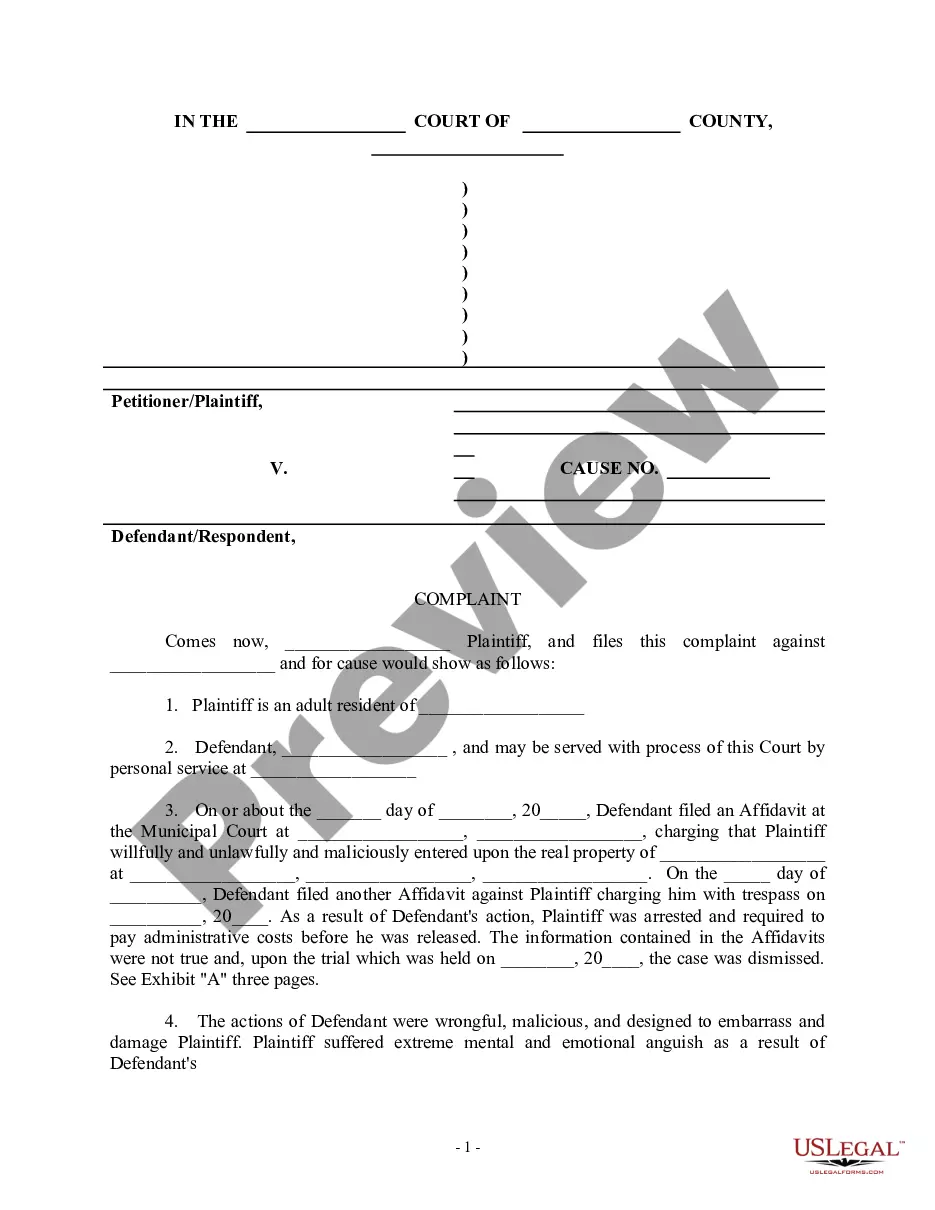
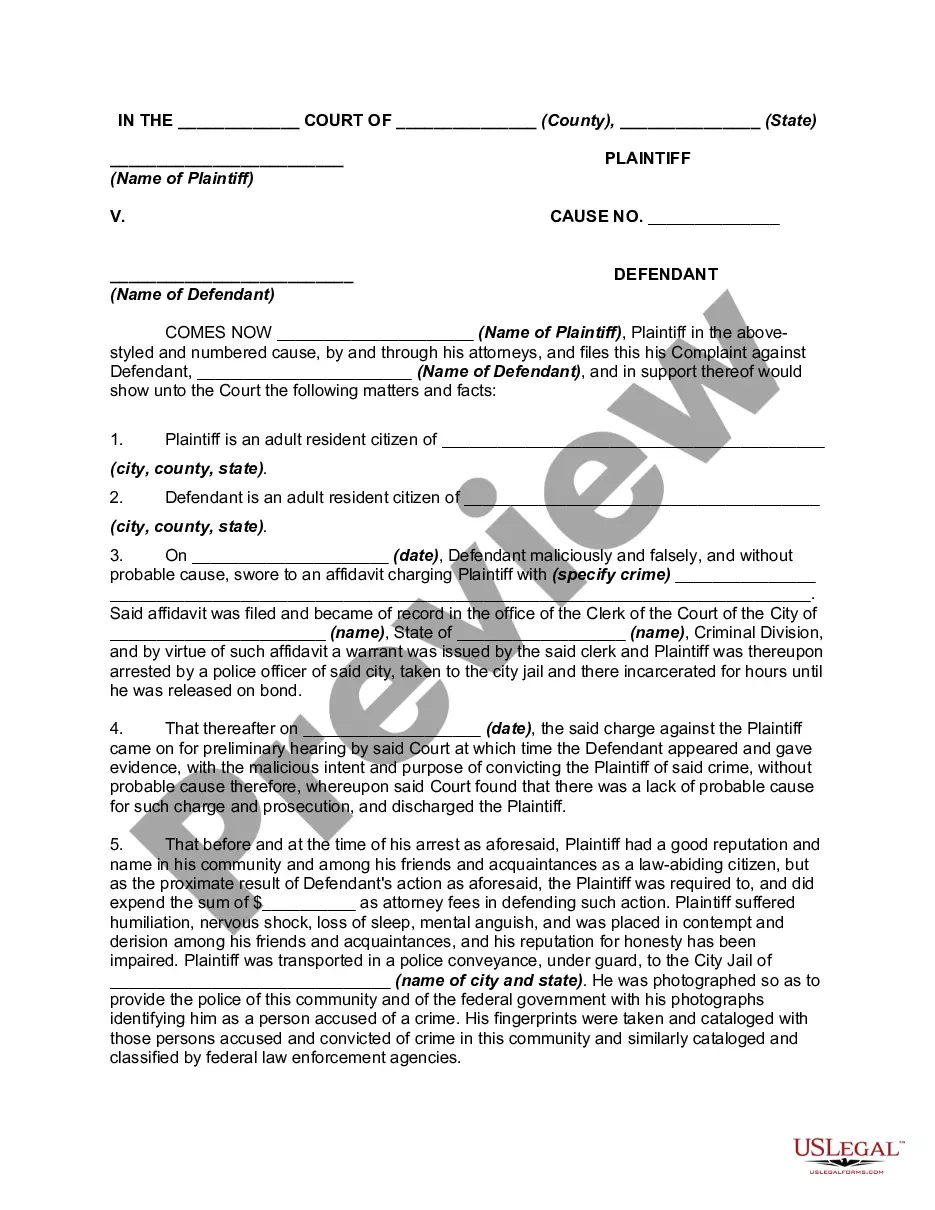
Get your form ready online
Our built-in tools help you complete, sign, share, and store your documents in one place.
Make edits, fill in missing information, and update formatting in US Legal Forms—just like you would in MS Word.
Download a copy, print it, send it by email, or mail it via USPS—whatever works best for your next step.
Sign and collect signatures with our SignNow integration. Send to multiple recipients, set reminders, and more. Go Premium to unlock E-Sign.
If this form requires notarization, complete it online through a secure video call—no need to meet a notary in person or wait for an appointment.
We protect your documents and personal data by following strict security and privacy standards.

Make edits, fill in missing information, and update formatting in US Legal Forms—just like you would in MS Word.

Download a copy, print it, send it by email, or mail it via USPS—whatever works best for your next step.

Sign and collect signatures with our SignNow integration. Send to multiple recipients, set reminders, and more. Go Premium to unlock E-Sign.

If this form requires notarization, complete it online through a secure video call—no need to meet a notary in person or wait for an appointment.

We protect your documents and personal data by following strict security and privacy standards.
Looking for another form?
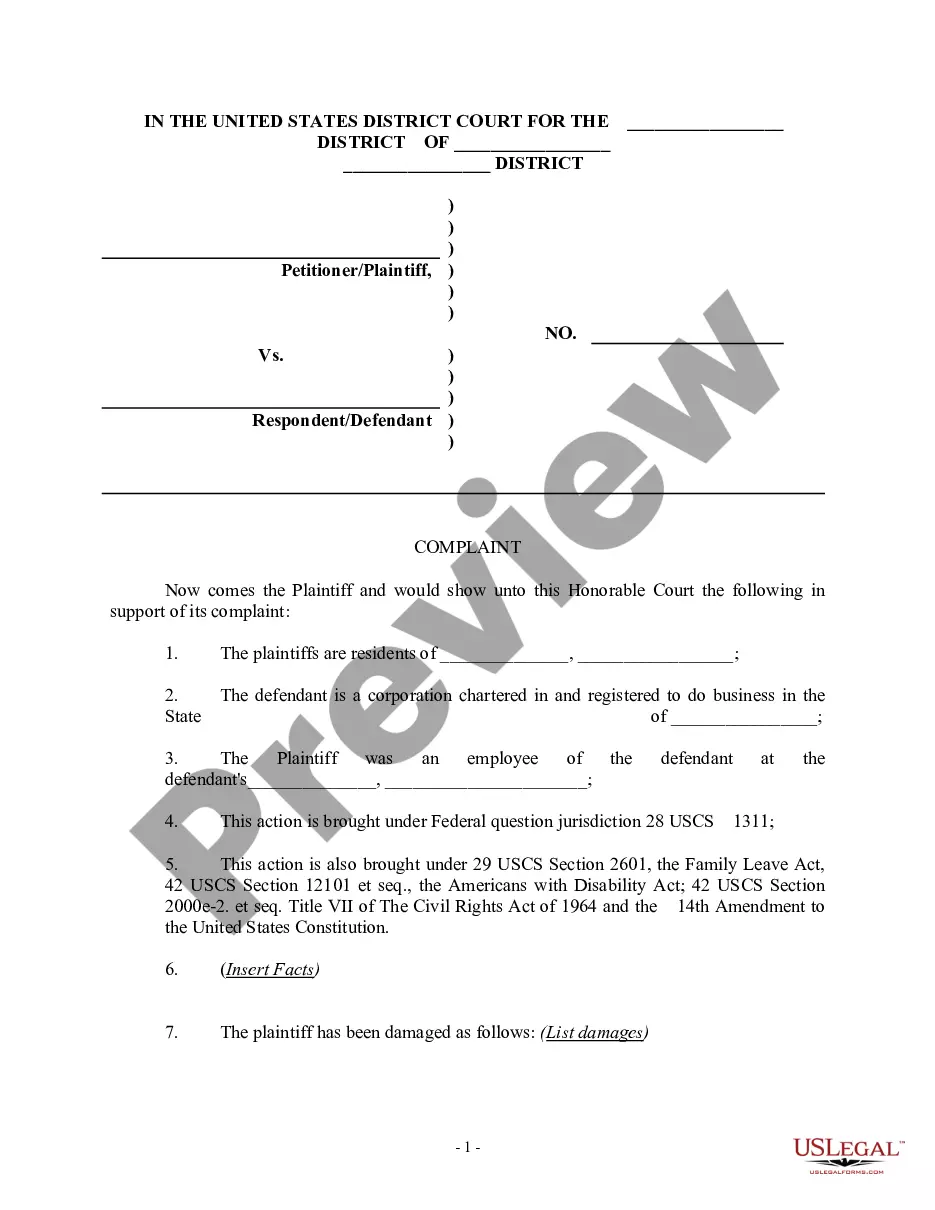


How to fill out Complaint For Malicious Prosecution?
Managing legal documentation can be exasperating, even for the most adept specialists.
When you are looking for instances of emotional suffering and lack the opportunity to invest time seeking the correct and updated version, the procedures can be stressful.
With US Legal Forms, you can.
Access a valuable knowledge base filled with articles, guides, and resources pertinent to your circumstances and needs.
Ensure that this is the correct document by previewing it and reviewing its description.
- Save energy and time in locating the necessary documents, and use US Legal Forms' sophisticated search and Preview feature to find instances of emotional suffering and obtain it.
- If you possess a subscription, Log In to your US Legal Forms account, search for the form, and obtain it.
- Check the My documents tab to review the documents you have previously acquired and manage your folders as needed.
- If this is your first encounter with US Legal Forms, create an account and enjoy unrestricted access to all the platform's features.
- Once you have the form you require, take the following steps.
- Utilize an extensive online form repository to greatly improve the management of these scenarios.
- US Legal Forms stands as a frontrunner in digital legal documents, offering over 85,000 state-specific forms accessible at any time.
- Employ advanced tools to fill out and handle your instances of emotional distress.
Form popularity
FAQ
One clear example of emotional distress is when someone faces chronic anxiety after a traumatic event, such as a car accident. This person may struggle with daily activities due to their ongoing fear and unease. Understanding these emotional distress examples is vital, particularly when evaluating potential legal claims or seeking therapeutic help for recovery. Platforms like USLegalForms can assist in navigating the legal avenues related to these experiences.
Emotional distress examples can vary widely, encompassing situations that cause significant psychological pain. For instance, the loss of a loved one often leads to profound sadness and anxiety. Moreover, experiencing severe humiliation at work or in public can also result in lasting emotional trauma. Recognizing these experiences is essential, especially when seeking support or compensation.
Emotional distress qualifies when your emotional state is negatively affected due to another party's actions or negligence. Common emotional distress examples include severe anxiety, depression, or changes in your daily functioning following a traumatic event. The distress must typically be severe enough to cause noticeable impairment in your life. Understanding what qualifies can help you seek appropriate support or legal recourse.
To prove emotional distress, you typically need documentation that outlines the cause of your distress and its effects on your life. Emotional distress examples, such as sudden changes in behavior, withdrawal from social activities, or professional help sought, are crucial. Support from mental health professionals provides significant weight to your case. Collecting credible documentation improves your chances of a favorable outcome.
Evidence that shows emotional distress can include medical documents, therapy records, or personal journals detailing your feelings. Emotional distress examples may also involve witness statements describing changes in your behavior or mood. Photographs or other documentation that capture the impact of the distress can also strengthen your case. Ultimately, a well-rounded approach with varied evidence can help convey your experience successfully.
To prove you have emotional distress, you typically need to show that an event or situation has significantly affected your emotional well-being. Documenting your feelings and reactions after the incident can serve as key emotional distress examples. Additionally, seeking mental health support and obtaining professional evaluations offers credible backing for your claims. Collect all relevant records to ensure a strong case.
Examples of Intentional Infliction of Emotional Distress claims can include racial insults, sex discrimination, false imprisonment and conduct that threatens your physical security (although a physical injury is not necessary).
To recover for the intentional infliction of emotional distress, a plaintiff usually has the burden to prove that 1) the defendant has acted intentionally or recklessly; 2) defendant's act was outrageous and extreme and 3) such act has caused the plaintiff's emotional distress.
Emotional damages can be the mental repercussions of physical wounds such as a brain trauma that leads to forgetfulness, or insecurities caused by permanent scars, or physical reactions that stem from emotionally charged scenarios.
Here are five ways to prove emotional distress in court. #1: Intensity. The intensity of your emotional distress can help your attorney prove that you suffered damages. ... #2: Duration. ... #3: Related Bodily Harm. ... #4: Underlying Cause. ... #5: Doctor's Note.