Employee Workers Compensation With A Disability
Description
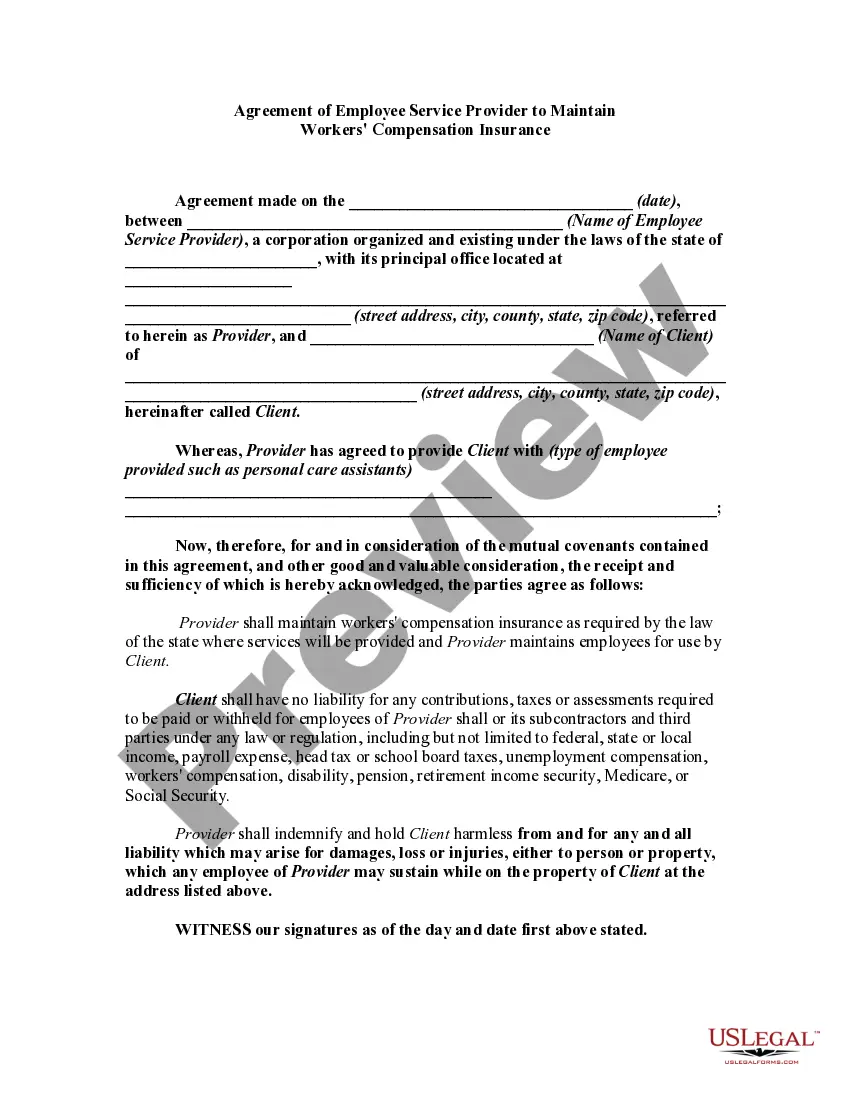
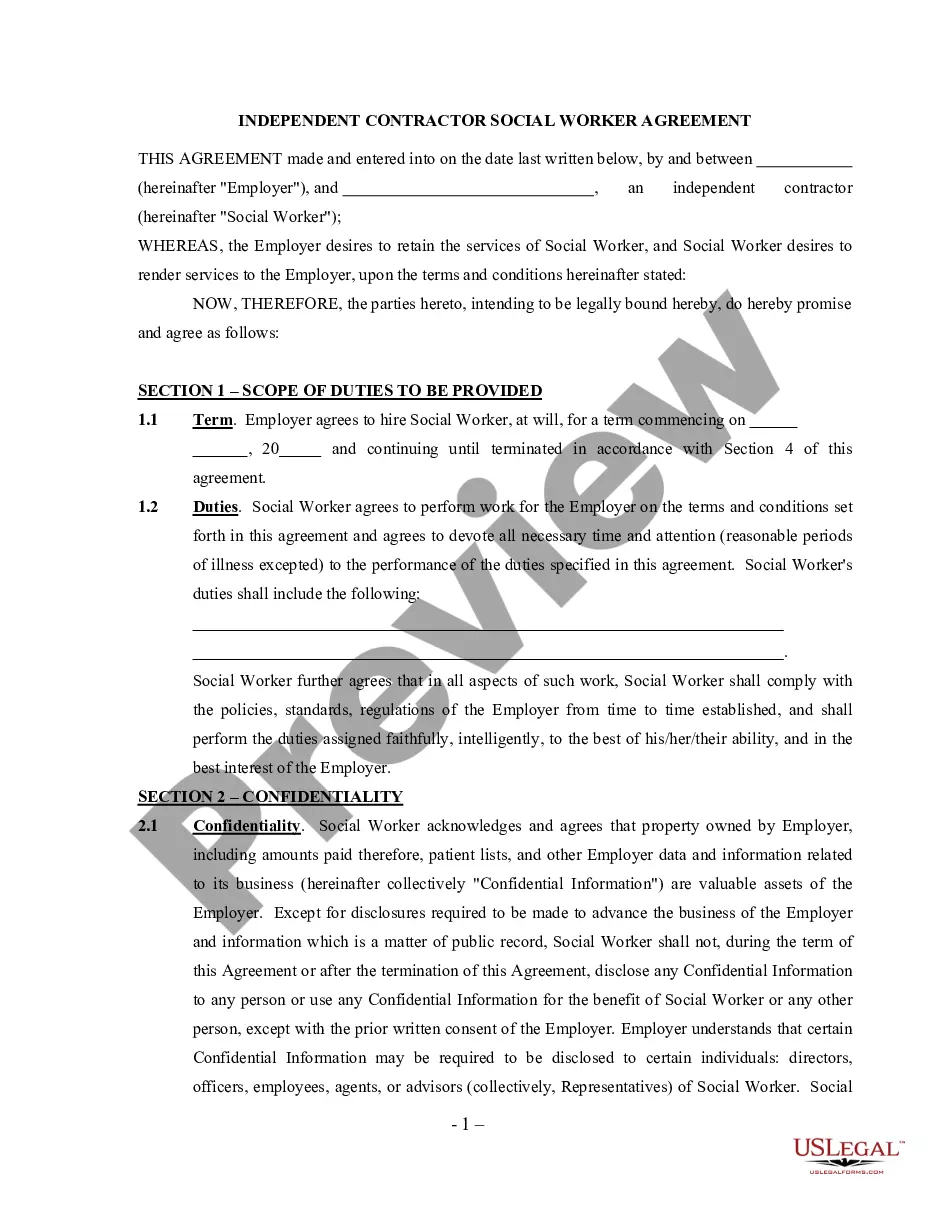
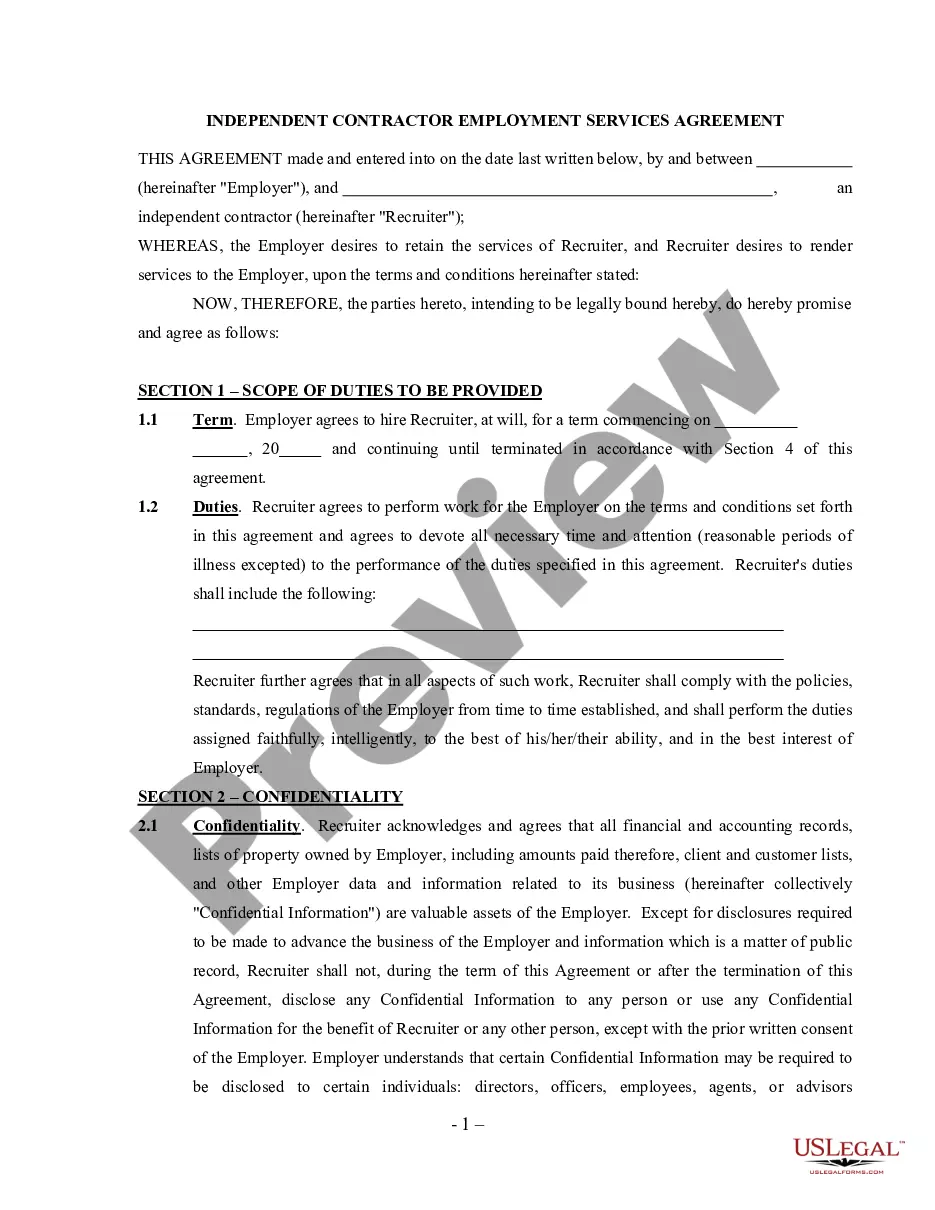

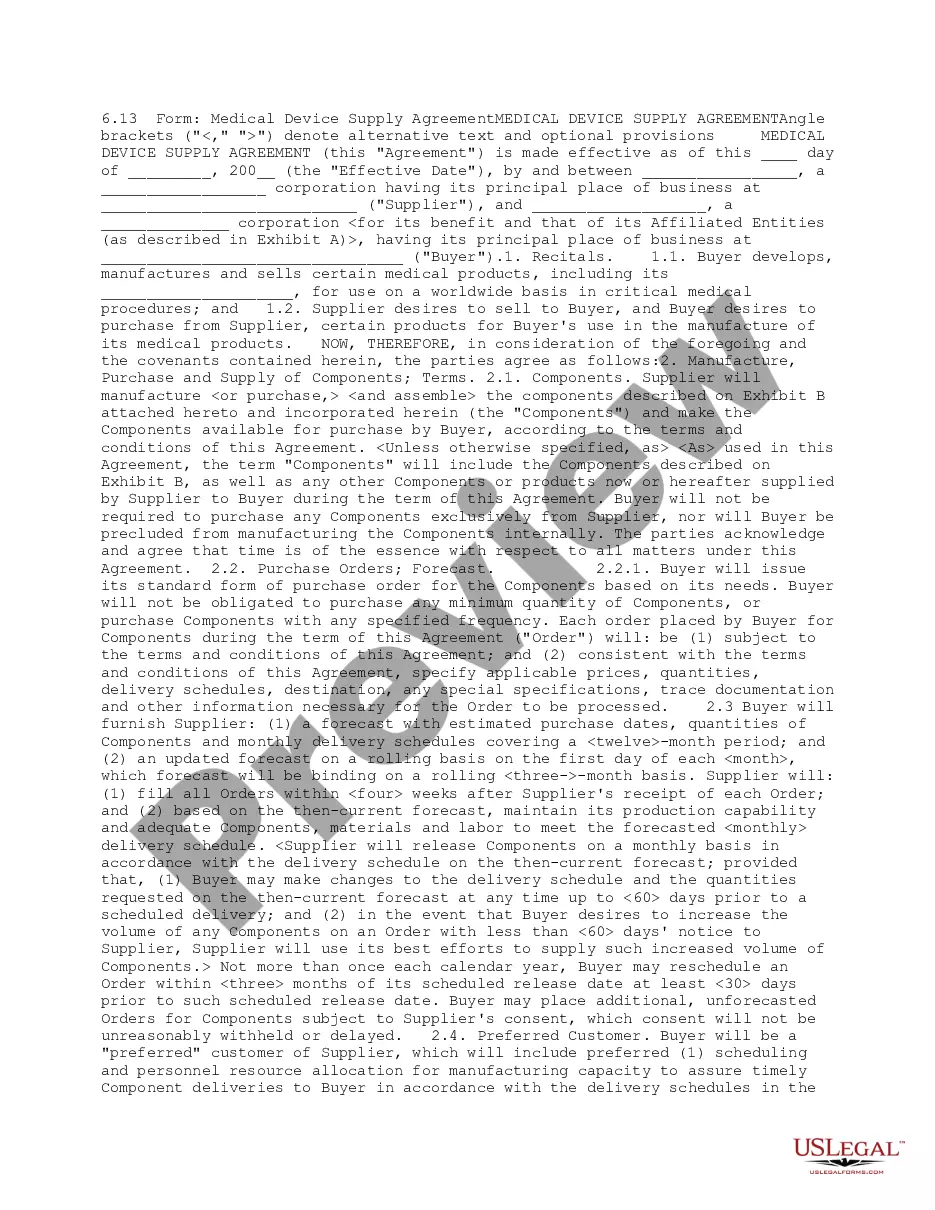



How to fill out Agreement Of Employee Service Provider To Maintain Workers Compensation Insurance?
- If you have used US Legal Forms before, log in to your account and download the necessary form by clicking the Download button. Ensure your subscription is current; if not, renew it to proceed.
- For first-time users, start by checking the Preview mode and detailed description of the form. Make sure it meets your needs and adheres to your local jurisdiction's requirements.
- If you need another document, use the Search tab to locate more options, ensuring you choose the correct form before moving on.
- Purchase the form by clicking the Buy Now button and selecting your desired subscription plan. You'll need to create an account to access all features.
- Complete your purchase using your credit card or PayPal for a swift transaction.
- Finally, download your form to your device for easy access and completion. You can find it anytime in the My Forms section of your profile.
In conclusion, US Legal Forms is your go-to resource for employee workers compensation with a disability. Their extensive library and premium expert assistance ensure that you can create effective legal documents quickly and accurately.
Start simplifying your legal document process today by visiting US Legal Forms and exploring their offerings.
Form popularity
FAQ
To secure 100% permanent disability benefits under employee workers compensation with a disability, start by gathering comprehensive medical documentation of your condition. Next, consult with a disability attorney or a claims specialist who can guide you through the necessary steps, including filing claims and attending medical evaluations. Utilizing platforms like UsLegalForms can streamline your application process and ensure all forms are correctly completed.
Total and permanent disability means that a person's condition is so severe that they cannot engage in any gainful employment. For employee workers compensation with a disability, this can involve a combination of factors, including medical evaluations, vocational assessments, and personal circumstances. It's essential to work with professionals who understand these requirements to navigate the claims process effectively.
Examples of total permanent disability within the context of employee workers compensation with a disability include severe injuries such as complete loss of limbs, paralysis, or significant cognitive impairments. These conditions can prevent you from holding any job that would provide a sustainable income. If you or someone you know faces such a situation, it's important to gather all necessary medical records to support your claim.
To be considered permanently disabled under employee workers compensation with a disability, you must demonstrate that your condition limits your ability to work and perform daily tasks. This often involves a thorough medical evaluation and documentation supporting your diagnosis and its impact on your life. Additionally, your disability must be expected to last for an extended period, typically at least 12 months or more.
A total permanent disability means that your injury prevents you from performing any work in the future. An example could be the complete loss of limbs or severe brain injury that results in cognitive impairment. Employee workers compensation with a disability often provides benefits for individuals in these situations to ensure they receive the support needed for their lifetime. If you believe you may qualify, seeking advice from a legal professional or using platforms like USLegalForms can guide you through the process.
Certain illnesses may qualify you for disability coverage based on their severity and impact on your ability to work. For instance, conditions such as severe arthritis or chronic respiratory diseases often qualify under employee workers compensation with a disability. Each state has specific guidelines, so it's important to consult your local workers' compensation program or a legal expert. They can help clarify which disabilities meet the criteria for benefits.
Yes, you can receive State Disability Insurance (SDI) benefits alongside workers' compensation, but there are some important details to consider. Employee workers compensation with a disability can sometimes affect how much you receive from SDI. However, combining these benefits may help you financially during your recovery. Make sure to check with your employer or a legal expert to understand how these benefits work together.
Yes, workers' compensation can cover disability as a result of a work-related injury or illness. When you are unable to work due to a job-related issue, employee workers compensation with a disability provides financial support to help you recover. This coverage ensures you receive benefits to cover medical expenses and lost wages during your recovery period. It's essential to file your claim correctly to ensure you receive the right benefits.
A 15% impairment rating denotes a moderate level of disability that can substantially affect a person's daily life and work activities. This rating indicates that the individual may face challenges in performing their job effectively and could be eligible for more comprehensive benefits. Understanding your impairment rating is crucial, as it helps you advocate for your rights under employee workers compensation with a disability. Make sure to consult legal resources to fully grasp your entitlements.
A 3% impairment rating indicates a minor level of disability and suggests limited impact on a person's ability to work. This rating may reflect slight difficulties in performing specific tasks but usually does not hinder overall job functions significantly. Knowing this percentage is important, particularly for determining benefits under employee workers compensation with a disability. In some cases, even a small rating can influence your compensation package.