Attorney Client Privilege For Consultants
Description

Get your form ready online
Our built-in tools help you complete, sign, share, and store your documents in one place.
Make edits, fill in missing information, and update formatting in US Legal Forms—just like you would in MS Word.
Download a copy, print it, send it by email, or mail it via USPS—whatever works best for your next step.
Sign and collect signatures with our SignNow integration. Send to multiple recipients, set reminders, and more. Go Premium to unlock E-Sign.
If this form requires notarization, complete it online through a secure video call—no need to meet a notary in person or wait for an appointment.
We protect your documents and personal data by following strict security and privacy standards.

Make edits, fill in missing information, and update formatting in US Legal Forms—just like you would in MS Word.

Download a copy, print it, send it by email, or mail it via USPS—whatever works best for your next step.

Sign and collect signatures with our SignNow integration. Send to multiple recipients, set reminders, and more. Go Premium to unlock E-Sign.

If this form requires notarization, complete it online through a secure video call—no need to meet a notary in person or wait for an appointment.

We protect your documents and personal data by following strict security and privacy standards.
Looking for another form?


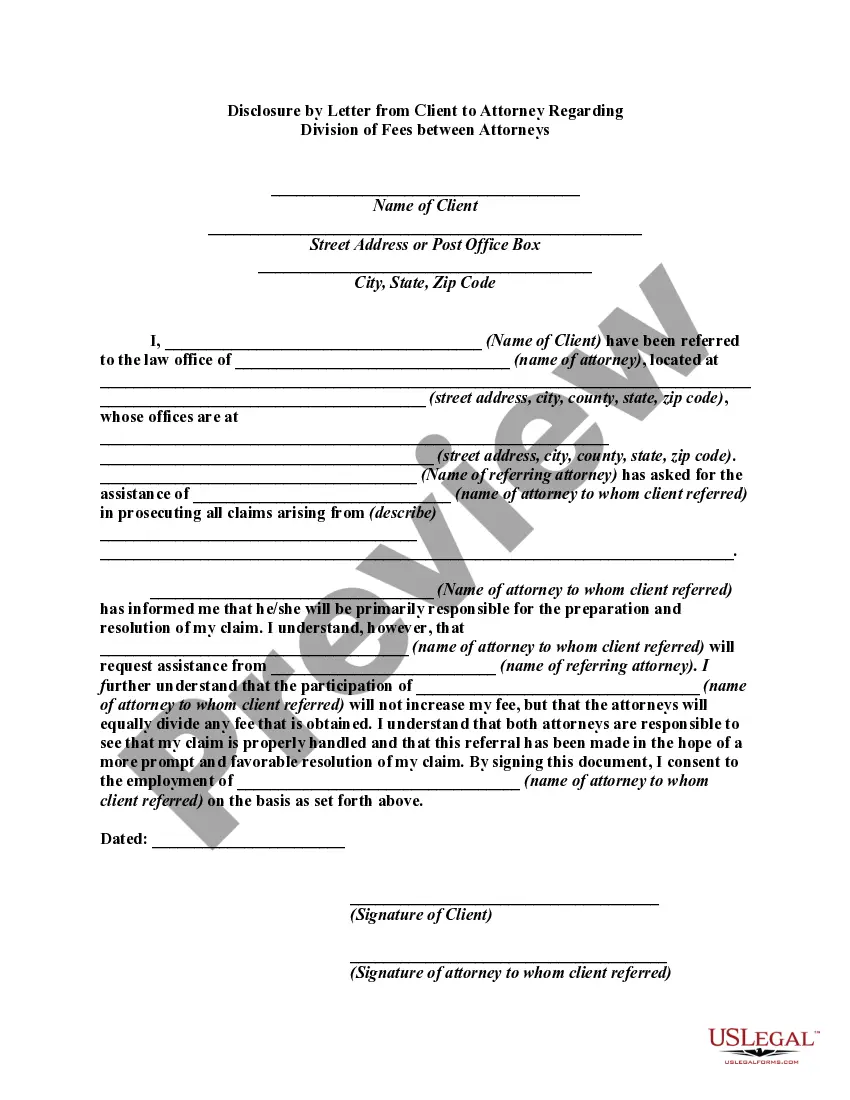
How to fill out Disclosure By Letter From Client To Attorney Regarding Division Of Fees Between Attorneys?
Using legal document samples that comply with federal and state laws is crucial, and the internet offers many options to choose from. But what’s the point in wasting time searching for the correctly drafted Attorney Client Privilege For Consultants sample on the web if the US Legal Forms online library already has such templates collected in one place?
US Legal Forms is the most extensive online legal library with over 85,000 fillable templates drafted by attorneys for any professional and personal scenario. They are easy to browse with all files arranged by state and purpose of use. Our experts keep up with legislative updates, so you can always be sure your form is up to date and compliant when acquiring a Attorney Client Privilege For Consultants from our website.
Obtaining a Attorney Client Privilege For Consultants is fast and simple for both current and new users. If you already have an account with a valid subscription, log in and download the document sample you need in the right format. If you are new to our website, adhere to the guidelines below:
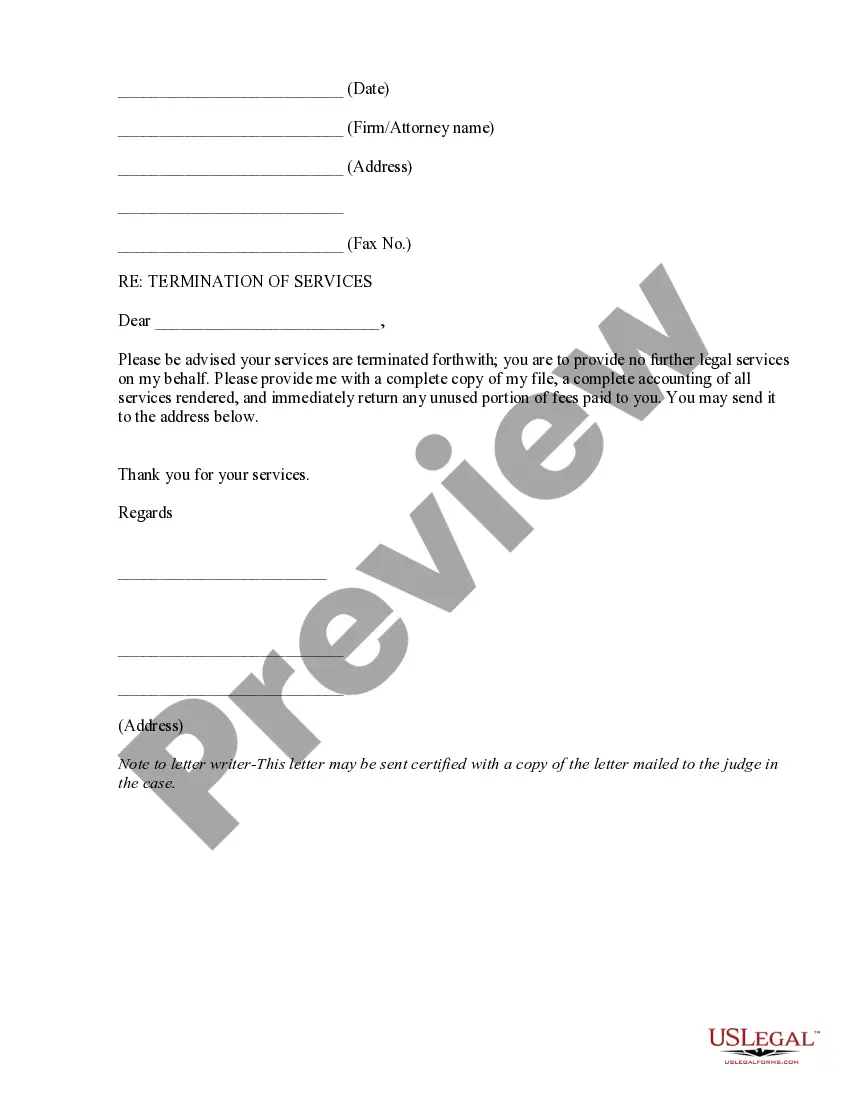
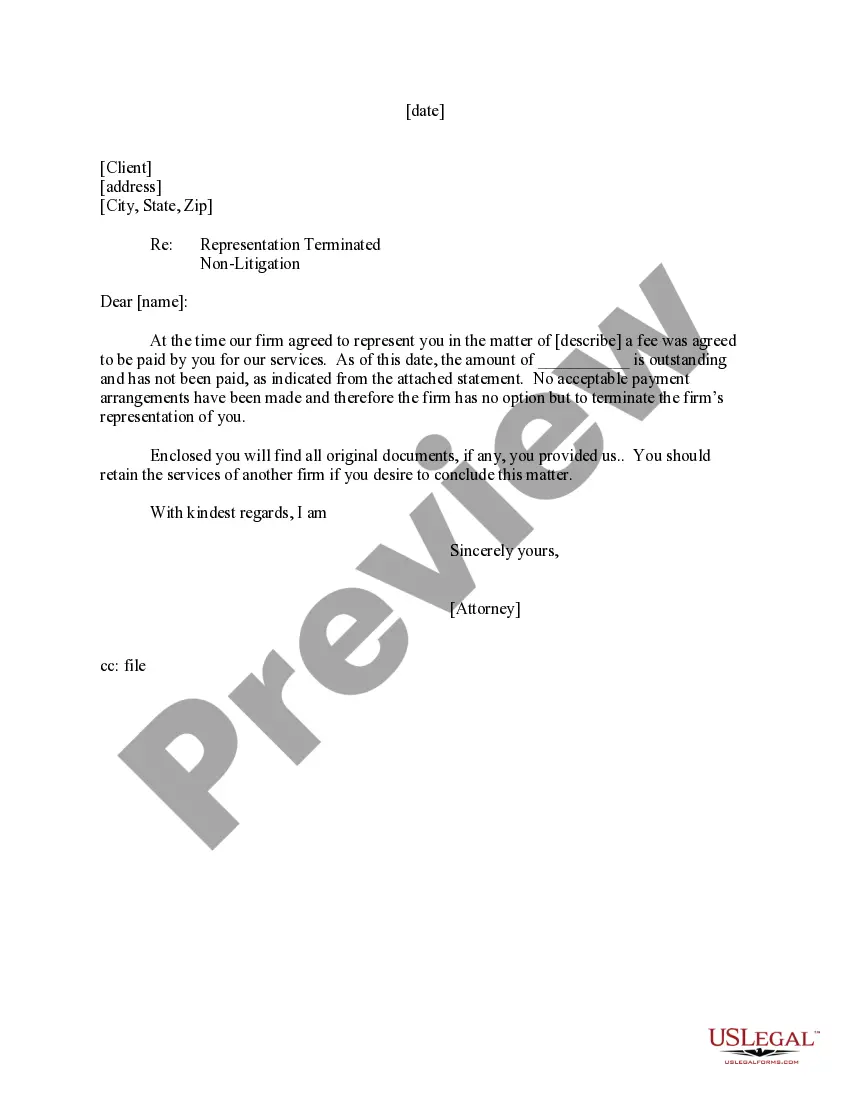
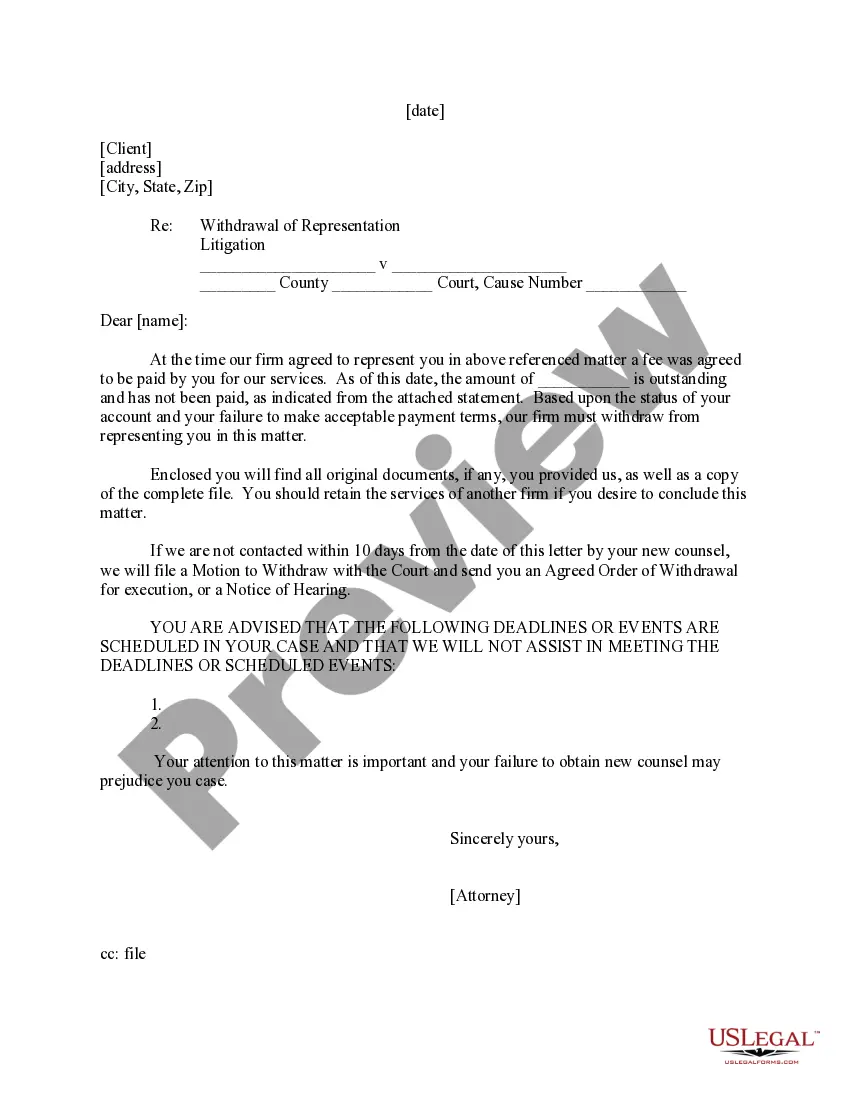
- Take a look at the template utilizing the Preview feature or through the text outline to ensure it meets your requirements.
- Locate another sample utilizing the search function at the top of the page if necessary.
- Click Buy Now when you’ve located the correct form and choose a subscription plan.
- Create an account or log in and make a payment with PayPal or a credit card.
- Select the best format for your Attorney Client Privilege For Consultants and download it.
All templates you find through US Legal Forms are reusable. To re-download and fill out previously saved forms, open the My Forms tab in your profile. Take advantage of the most extensive and easy-to-use legal paperwork service!
Form popularity
FAQ
A classic example involves someone being arrested and charged with Penal Code 503 embezzlement from their employer. They retain a defense lawyer and admit they did indeed take the money. Their lawyer can't disclose their conservation to anyone during the court process.
No matter how the attorney-client privilege is articulated, there are four basic elements necessary to establish its existence: (1) a communication; (2) made between privileged persons; (3) in confidence; (4) for the purpose of seeking, obtaining or providing legal assistance to the client.
To be safe put "Attorney-Client Communication", "Privileged and Confidential" or "Attorney Work Product" in the subject of the e-mail, or on privileged documents.
The attorney-client privilege does not extend to the fact that a consultation between attorney and client occurred, or to the general subject matter of the consultation. It protects only the content of the communications during that consultation.
For the privilege to exist, the communication must be to, from, or with an attorney, and intended to be confidential. In addition, the communication must be for the purpose of requesting or receiving legal advice.