Grievance Against Former Employee
Description
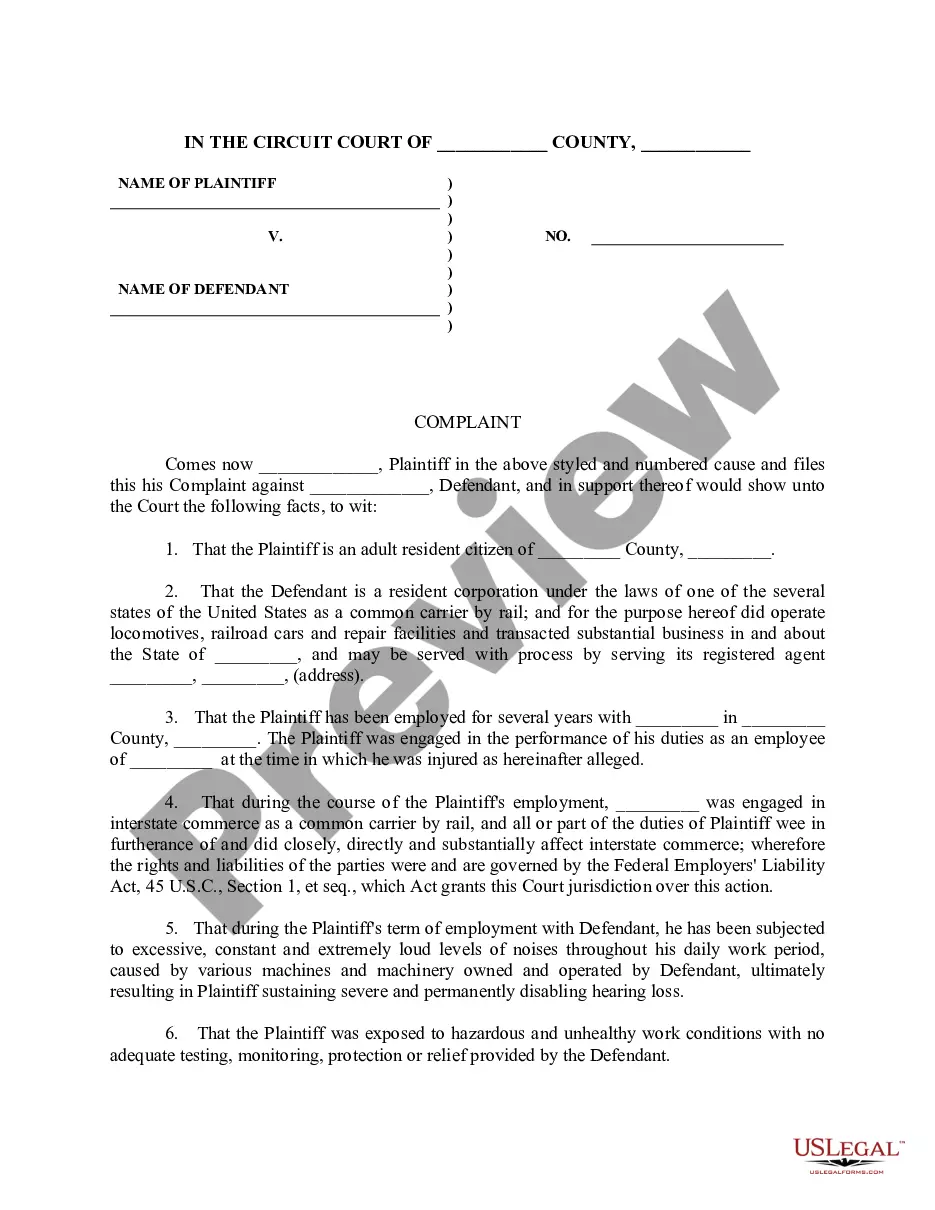
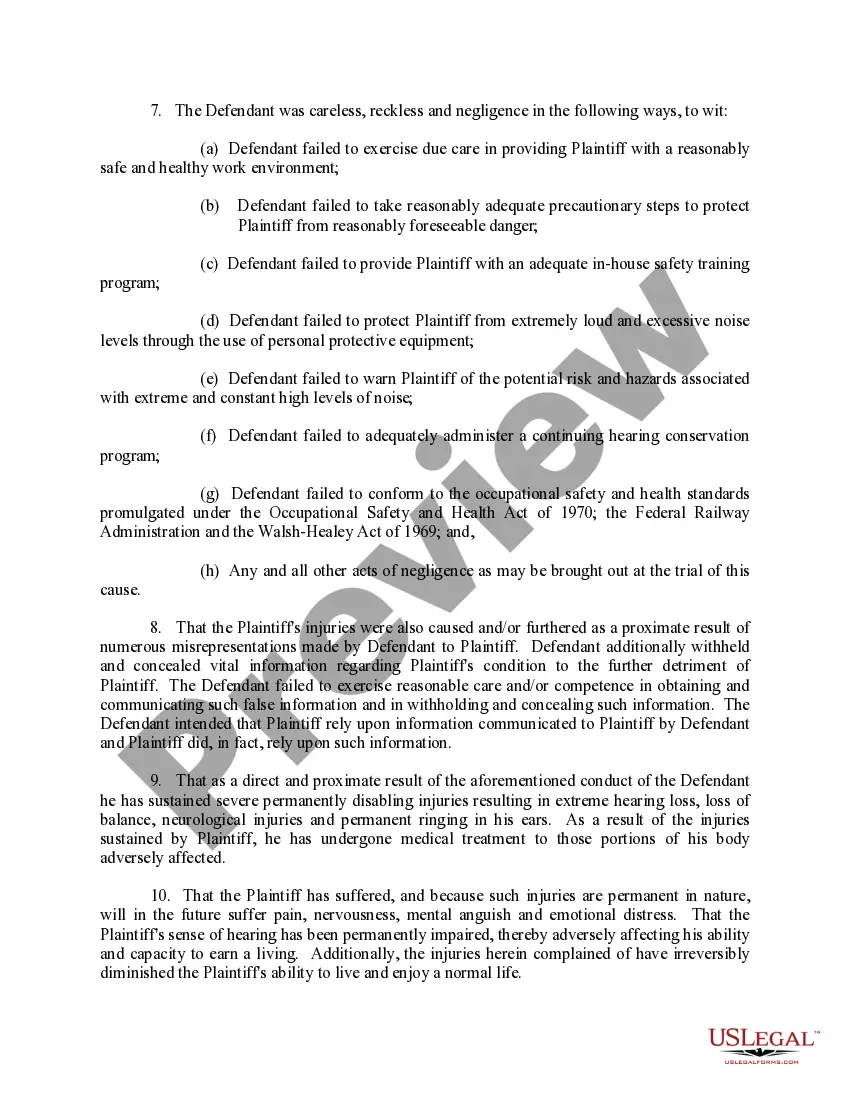


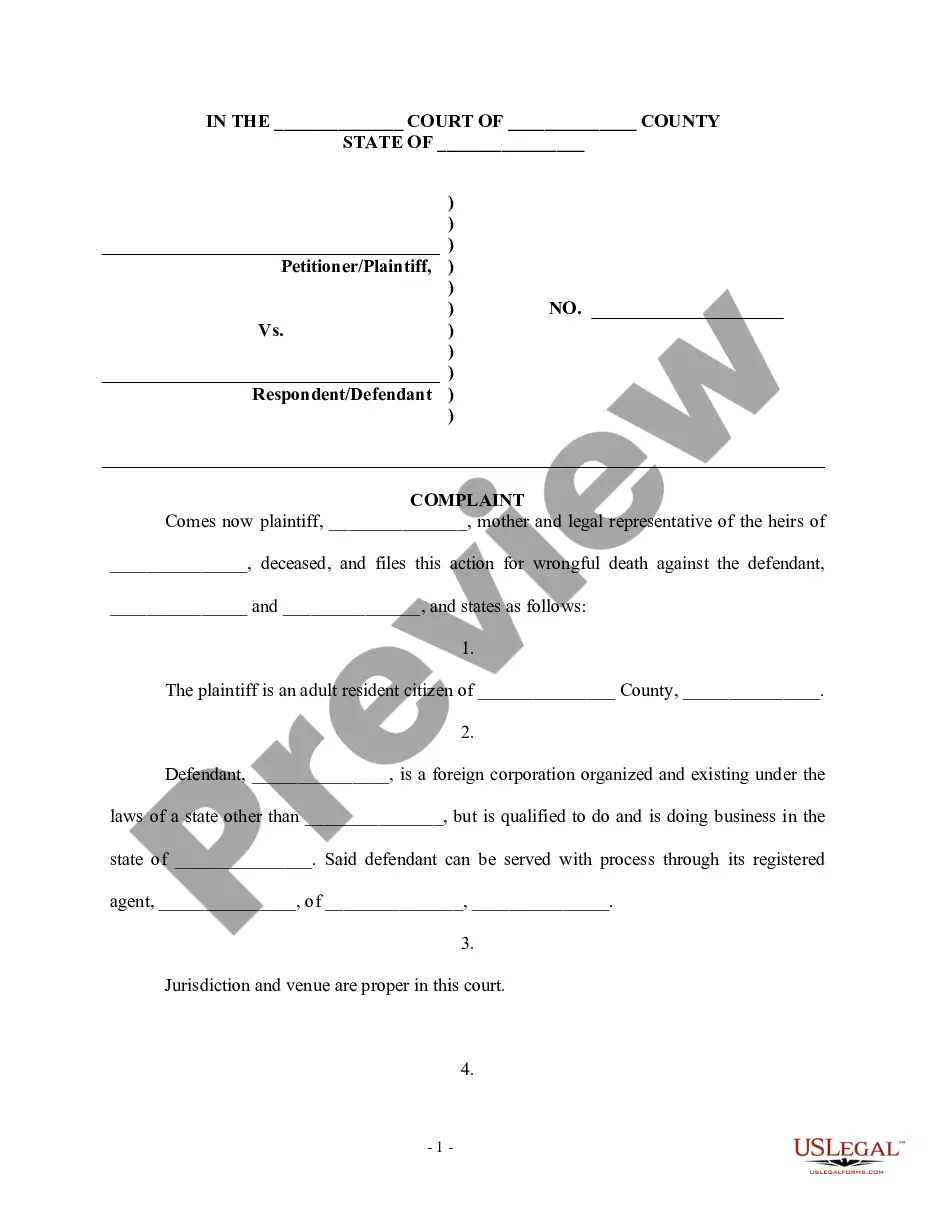
Get your form ready online
Our built-in tools help you complete, sign, share, and store your documents in one place.
Make edits, fill in missing information, and update formatting in US Legal Forms—just like you would in MS Word.
Download a copy, print it, send it by email, or mail it via USPS—whatever works best for your next step.
Sign and collect signatures with our SignNow integration. Send to multiple recipients, set reminders, and more. Go Premium to unlock E-Sign.
If this form requires notarization, complete it online through a secure video call—no need to meet a notary in person or wait for an appointment.
We protect your documents and personal data by following strict security and privacy standards.

Make edits, fill in missing information, and update formatting in US Legal Forms—just like you would in MS Word.

Download a copy, print it, send it by email, or mail it via USPS—whatever works best for your next step.

Sign and collect signatures with our SignNow integration. Send to multiple recipients, set reminders, and more. Go Premium to unlock E-Sign.

If this form requires notarization, complete it online through a secure video call—no need to meet a notary in person or wait for an appointment.

We protect your documents and personal data by following strict security and privacy standards.
Looking for another form?









Form popularity
FAQ
A good example of a grievance against a former employee might involve a situation where an employee shares confidential company information after leaving the organization. In this case, you could document the incident and outline how it breached company policy, potentially harming the business’s reputation. By presenting this example clearly, you can demonstrate the severity of the issue in your grievance against the former employee. Consulting a platform like US Legal Forms can help you draft a formal grievance tailored to your situation.
To form a grievance against a former employee, you should begin by outlining the specific issues that prompted your complaint. Gather documentation and evidence to support your claims, as this will strengthen your position. You can then formulate a formal grievance letter or report that clearly states your concerns, including relevant details such as dates and occurrences. Using a structured approach helps ensure your grievance against a former employee is clear and actionable.
The three stages of a grievance typically include informal discussion, written complaint, and formal hearings. Initially, it’s beneficial to address the issue informally with the involved parties, aiming for a resolution. If this does not work, a formal written complaint may be necessary to document the grievance. Finally, if the issue persists, a formal hearing might take place to reach a structured resolution. US Legal Forms helps you prepare for each step with relevant forms and guidance.
The three most important grievances usually involve unfair dismissal, wage disputes, and unsafe working conditions. Unfair dismissal pertains to termination without just cause, while wage disputes relate to unpaid wages or overtime. Unsafe working conditions can jeopardize employee health and safety. Handling these grievances correctly is essential, and US Legal Forms offers templates to help you draft formal complaints and pursue your rights.
A Step 3 grievance typically refers to the final stage in a grievance process, which occurs when an employee escalates an unresolved issue after previous attempts to resolve it. Often, this involves a formal meeting with higher management or a designated grievance officer. At this stage, it's crucial to present all pertinent details succinctly and effectively. Utilizing resources from US Legal Forms can provide you with the proper documents and advice to navigate this process successfully.
Grievances against a former employee often arise due to unfair treatment, violations of company policies, or misconduct during employment. Unfair treatment can include discrimination, harassment, or retaliation. Company policy violations might relate to inappropriate workplace conduct or breaches of confidentiality. Addressing these grievances legally can help you find a resolution, and the US Legal Forms platform provides necessary templates and guidance.
To write a grievance against someone, start with a clear statement of the issue you wish to address. Provide specific examples of the behavior or actions that triggered the grievance, while maintaining a professional tone. If your grievance centers on a former employee, being precise about the situation will help the investigation move forward smoothly.
The grievance process typically includes the following five steps: first, the employee raises the grievance; second, management investigates the complaint; third, a meeting occurs between the involved parties; fourth, management provides a decision; and fifth, if necessary, an appeal can be requested. This process is essential in effectively handling grievances, especially those against a former employee.
To put a grievance against someone, formally document your concerns by writing a clear and detailed complaint. Include factual descriptions of incidents, dates, and any witnesses if applicable. If this involves a grievance against a former employee, ensure that the appropriate parties are notified for an effective resolution.
To write a grievance example, begin by outlining the specific behaviors or incidents that prompted the grievance. Use concise language to describe the impact these actions had on you. If your grievance pertains to a former employee, be sure to include their name and the context of your relationship for clarity.
