Dispute (credit Card)
Description
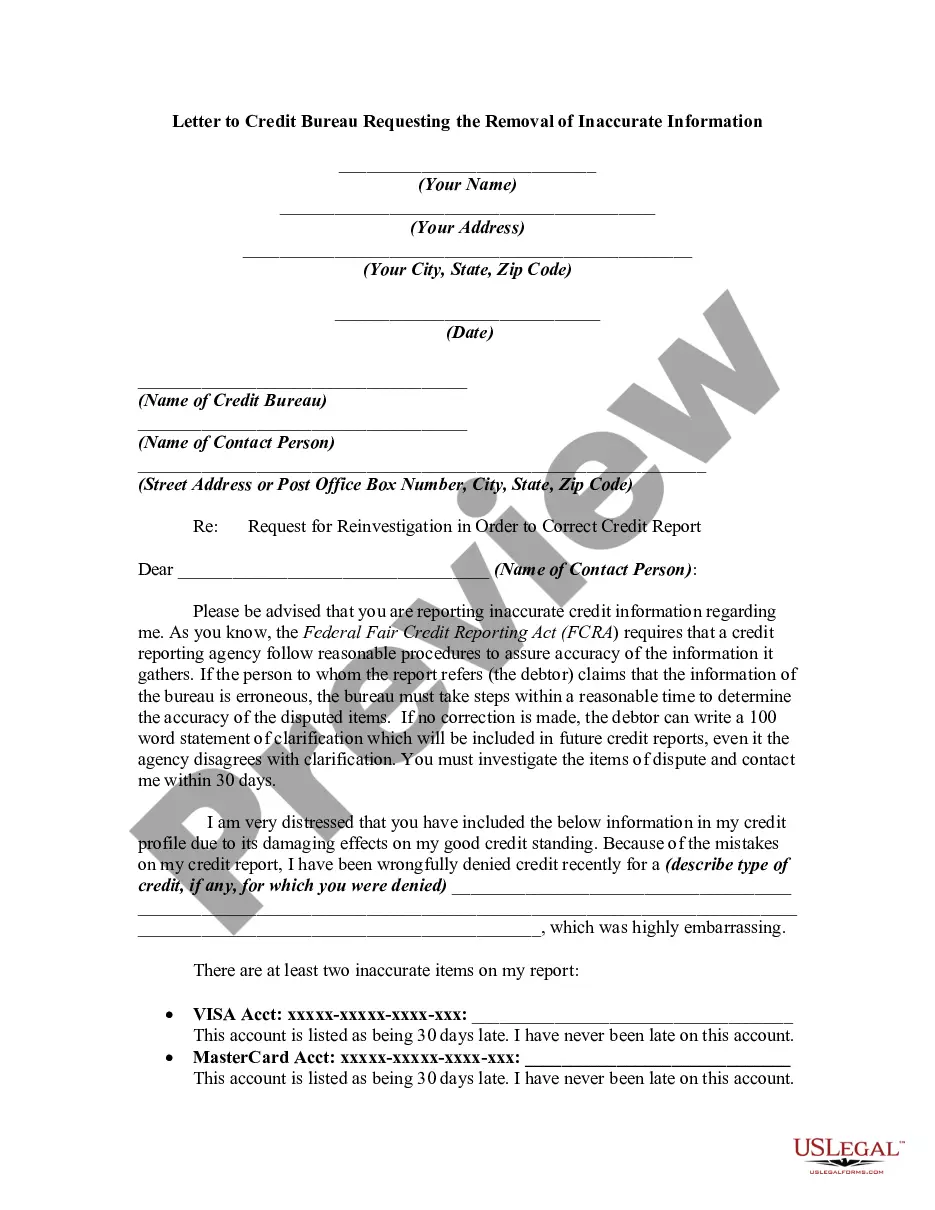
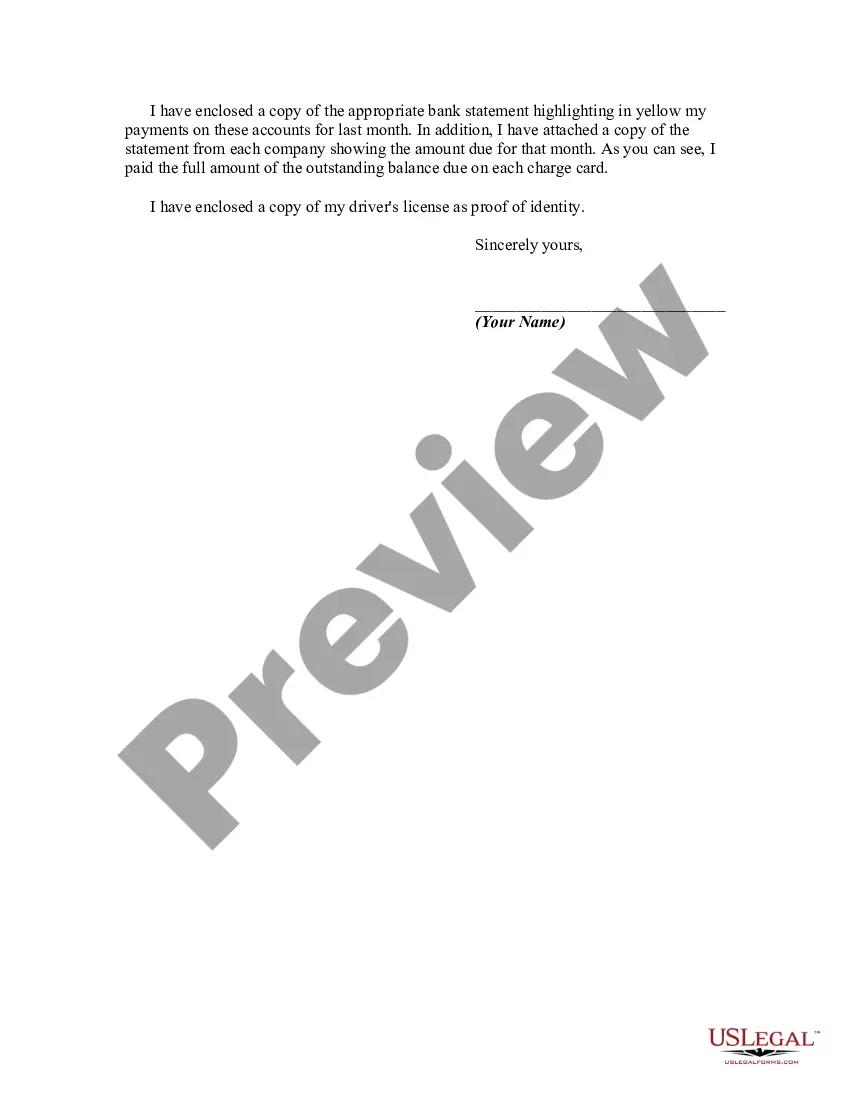
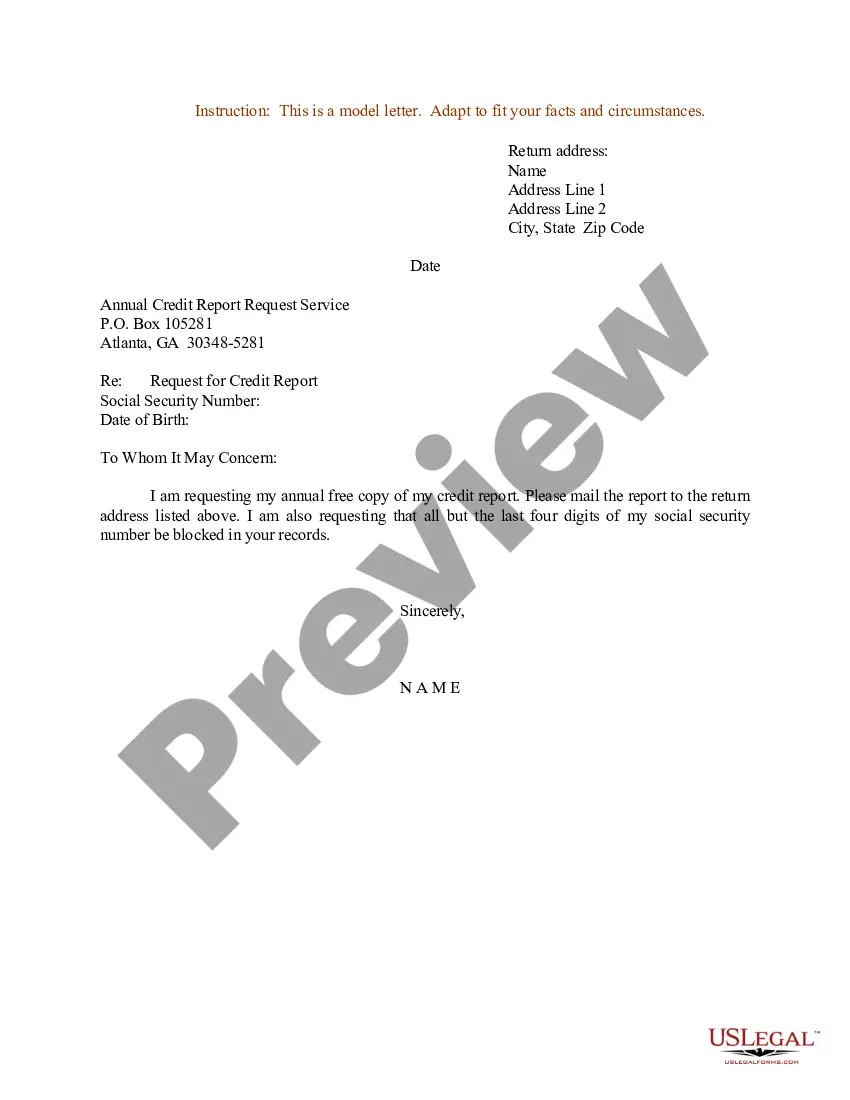
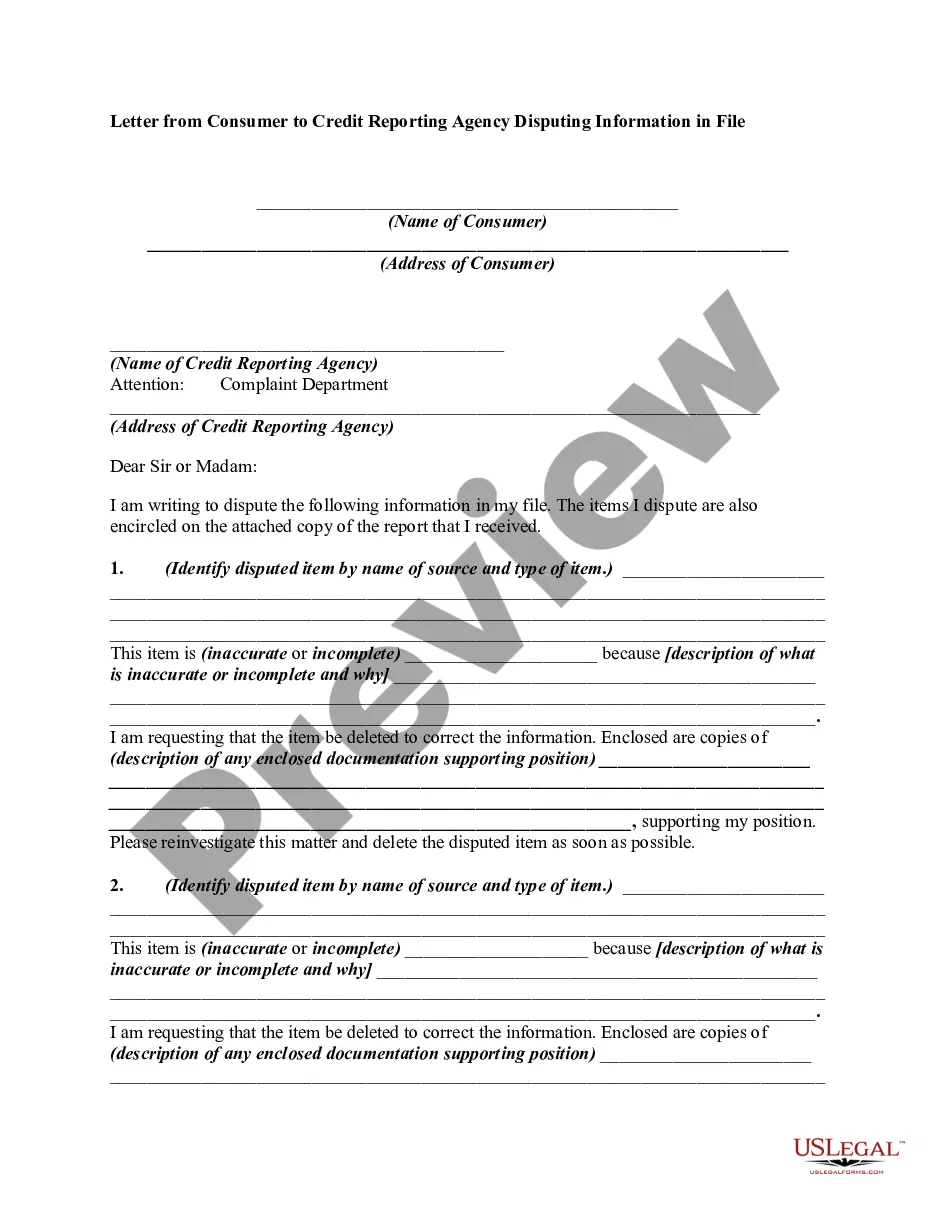
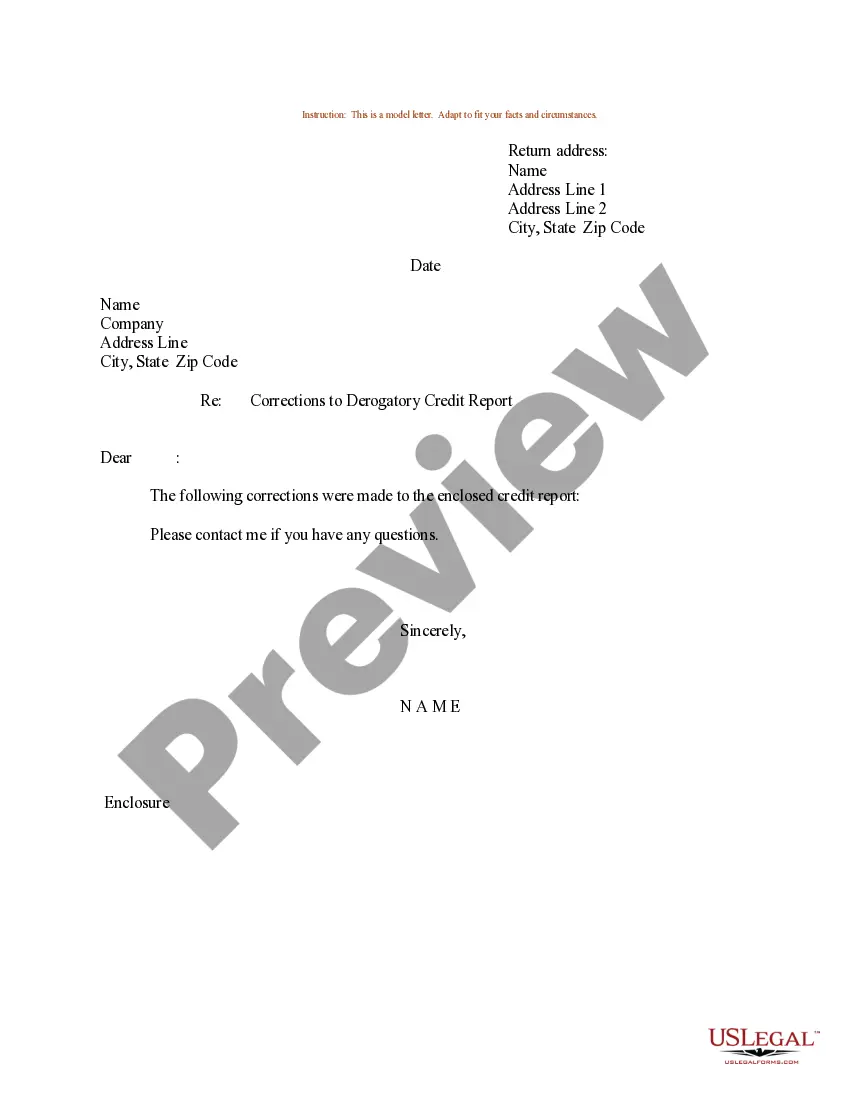
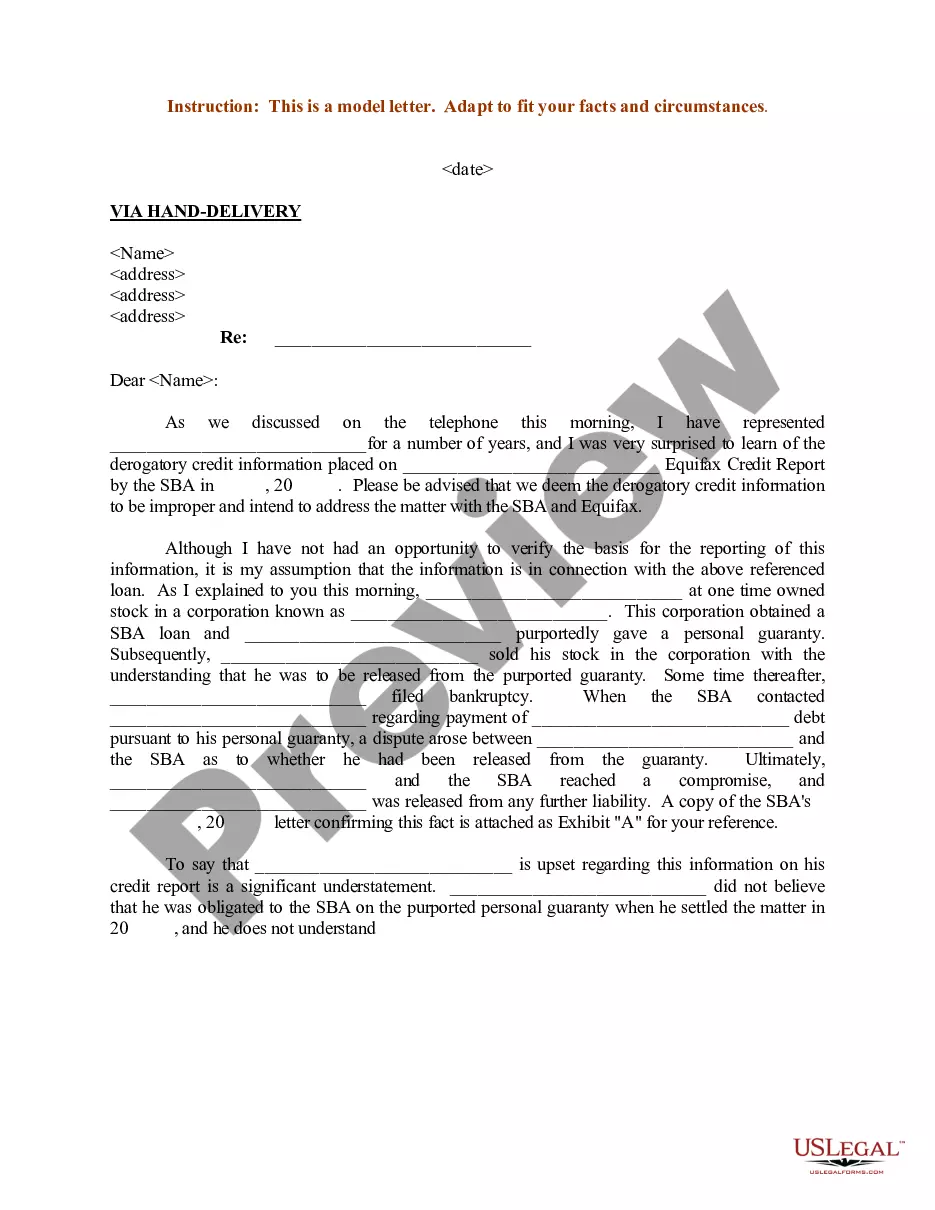
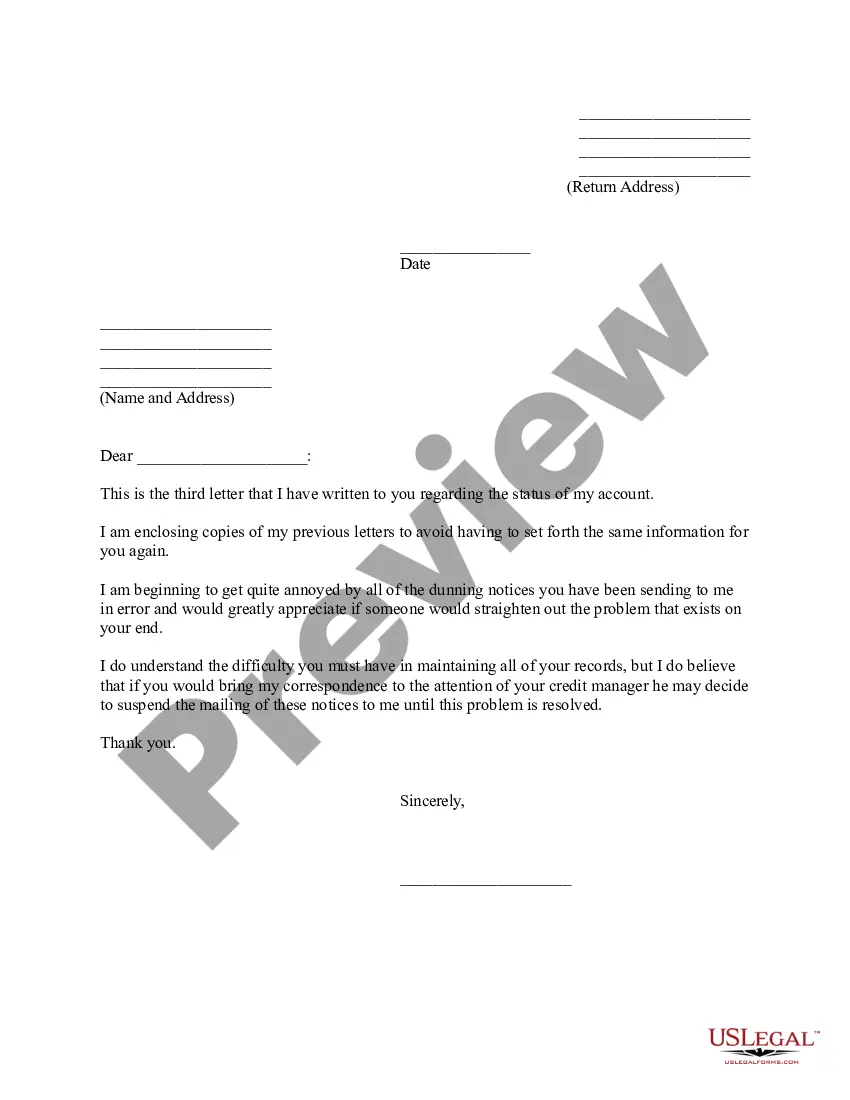
How to fill out Letter To Credit Bureau Requesting The Removal Of Inaccurate Information?
- Log in to your US Legal Forms account if you're a returning user and download the required dispute form. Check your subscription status to continue.
- If you're new to US Legal Forms, begin by browsing the extensive legal library. Use the Preview mode to find and confirm the correct form for your jurisdiction.
- In case the initial template you select doesn't align with your needs, utilize the Search feature to find a more suitable option.
- Once you’ve located the correct document, click on the Buy Now button and choose a subscription plan that fits your requirements. You’ll need to create an account to proceed.
- Finalize your purchase by entering your credit card information or using your PayPal account for payment.
- After completing the transaction, download your dispute form and save it to your device. You can easily access it again through the My Forms section of your profile.
By following these steps, you can effectively dispute a credit card charge while leveraging the extensive resources of US Legal Forms.
Ready to take action? Start your journey to resolving your credit card disputes today by visiting US Legal Forms.
Form popularity
FAQ
Credit card disputes can be successful, but the outcome often depends on the specific case and provided evidence. Many users find that presenting clear documentation, such as receipts and communication records, strengthens their claims during the dispute process. It's important to act quickly and follow the guidelines set by your credit card issuer. Utilizing platforms like uslegalforms can help streamline your dispute (credit card) process by providing the necessary templates and resources.
To write a credit card dispute, first gather all necessary information regarding the transaction you are disputing. Compose a letter that includes your account details, the nature of the dispute, and any supporting evidence that justifies your claim. Keep a copy of your correspondence for your records. You can also find useful templates and information on US Legal Forms to assist you in crafting an effective credit card dispute.
Writing a good credit dispute letter involves being clear and concise. Start with your identification details and specify the inaccuracies you want to dispute. Explain your reasoning and attach any relevant documents that back your claims. With US Legal Forms, you can access expert resources that help you draft a professional and compelling dispute letter.
Filling out a credit dispute form requires you to provide basic personal information, such as your name and address. Next, identify the errors in your credit report by clearly referencing each disputed item. Include any documentation that supports your dispute, and be sure to include your signature at the end. You can rely on US Legal Forms for user-friendly templates that guide you through completing this form effectively.
The proper way to dispute a credit report involves contacting the credit bureau that issued the report. Begin by writing a formal dispute letter, detailing the inaccuracies you found, and include proof that supports your claim. It’s important to follow up to ensure they received your dispute and are taking action. Utilizing services from US Legal Forms can streamline this process, offering you ready-made templates and reliable information.
To write a 609 credit dispute letter, start by including your personal information, such as name, address, and Social Security number. Clearly state that you are disputing specific items on your credit report under Section 609 of the Fair Credit Reporting Act. Provide details about why the information is incorrect, and include any supporting documentation. You can use US Legal Forms to find templates and guidance that simplify the process.
To get a credit card dispute started, contact your bank or credit card issuer directly. You will need to provide information about the disputed transaction, and sometimes complete a written form. Options vary by issuer, so check for online resources that can guide you through this process. Utilizing platforms like USLegalForms can also streamline your documentation and support your needs in resolving disputes effectively.
To raise a dispute on your credit card, start by gathering relevant documentation, such as statements or transaction details. Next, reach out to your credit card provider via their customer service number or online portal. Explain your situation clearly and follow their specific instructions for the dispute (credit card) process. Many companies offer a straightforward path to resolve these issues.
Yes, you can dispute a transaction if you believe you got scammed. First, contact your credit card issuer and report the fraudulent transaction. Provide any evidence you have, such as receipts or communication with the scammer. This process helps you initiate a dispute (credit card) and potentially recover your funds.
To file a dispute on your credit card, start by reviewing your transaction details and gathering any supporting documents. Next, contact your credit card issuer through their customer service line or online portal, and clearly outline the reason for your dispute. After submitting your dispute, follow up with the issuer to ensure they are addressing your claim. You may find assistance on USLegalForms, which offers resources to help you through the entire dispute process.