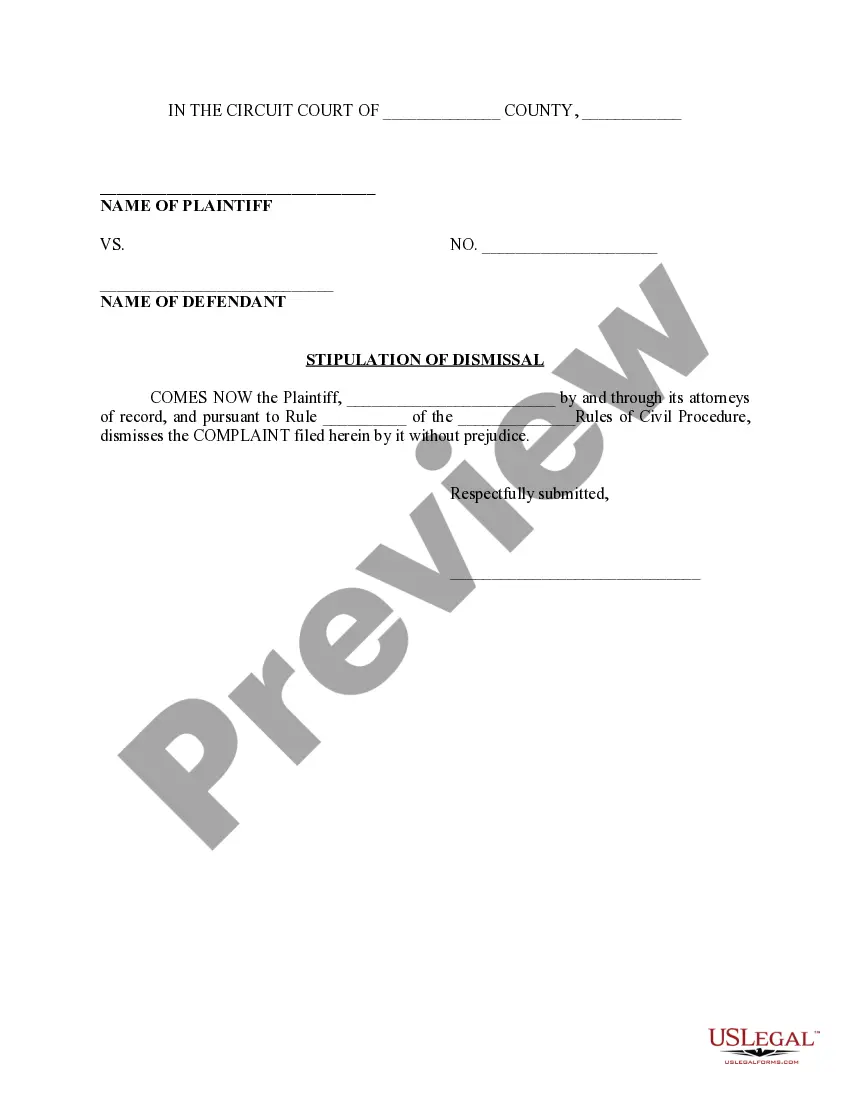
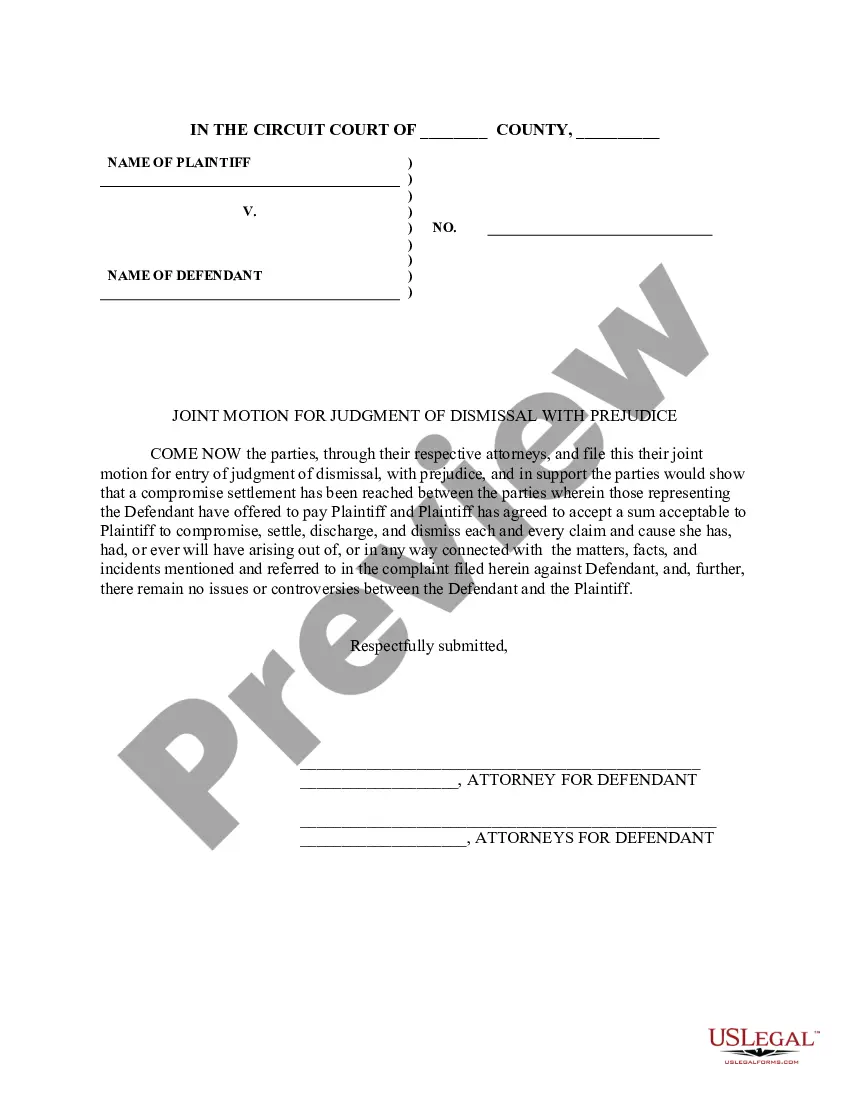
Stipulation Document Withdrawal
Description
Get your form ready online
Our built-in tools help you complete, sign, share, and store your documents in one place.
Make edits, fill in missing information, and update formatting in US Legal Forms—just like you would in MS Word.
Download a copy, print it, send it by email, or mail it via USPS—whatever works best for your next step.
Sign and collect signatures with our SignNow integration. Send to multiple recipients, set reminders, and more. Go Premium to unlock E-Sign.
If this form requires notarization, complete it online through a secure video call—no need to meet a notary in person or wait for an appointment.
We protect your documents and personal data by following strict security and privacy standards.

Make edits, fill in missing information, and update formatting in US Legal Forms—just like you would in MS Word.

Download a copy, print it, send it by email, or mail it via USPS—whatever works best for your next step.

Sign and collect signatures with our SignNow integration. Send to multiple recipients, set reminders, and more. Go Premium to unlock E-Sign.

If this form requires notarization, complete it online through a secure video call—no need to meet a notary in person or wait for an appointment.

We protect your documents and personal data by following strict security and privacy standards.
Looking for another form?








How to fill out Stipulation For Dismissal?
Regardless of whether it’s for corporate reasons or personal matters, everyone must confront legal issues at some point in their lives.
Completing legal paperwork requires meticulous focus, starting with selecting the correct form template.
With a comprehensive US Legal Forms library available, you do not need to waste time searching for the right template online. Take advantage of the library’s user-friendly navigation to find the suitable template for any occasion.
- For instance, if you select an incorrect version of the Stipulation Document Withdrawal, it will be rejected once submitted.
- Thus, it is crucial to find a reliable source for legal documents like US Legal Forms.
- To acquire a Stipulation Document Withdrawal sample, follow these simple steps.
- Use the search bar or catalog navigation to find the template you require.
- Review the details of the form to confirm it aligns with your situation, state, and locality.
- Click on the form’s preview to inspect it.
- If it is not the correct form, return to the search option to find the Stipulation Document Withdrawal sample you need.
- Download the file if it meets your specifications.
- If you already have a US Legal Forms account, simply click Log in to access previously saved documents in My documents.
- If you don't have an account yet, you can download the form by clicking Buy now.
- Choose the appropriate payment option.
- Complete the account registration form.
- Select your payment method: use a credit card or PayPal account.
- Choose the document format you prefer and download the Stipulation Document Withdrawal.
- Once it is downloaded, you can fill out the form using editing software or print it and complete it manually.
Form popularity
FAQ
A procedural device that enables defendants to try to dispose of some or all of a plaintiff's claims at the beginning of a case.
A notice of discontinuance is used when a plaintiff or applicant (someone who has commenced proceedings), or an appellant (someone who is appealing a case) decides to 'drop the case'. This means that they won't continue pursuing the case. The Court then stays the proceedings.
After the notice of trial has been filed, a plaintiff can discontinue the case against a specific defendant but must have either the consent of all other parties or an order from the court to allow the discontinuance. To discontinue a claim, prepare a document called a notice of discontinuance (Form 36).
(a) before the close of pleadings, by serving on all parties who have been served with the statement of claim a notice of discontinuance (Form 23A) and filing the notice with proof of service; (b) after the close of pleadings, with leave of the court; or (c) at any time, by filing the consent in writing of all parties.
A notice of discontinuance can signal relief and an end to the stresses of litigation. However, it's important to remember that the party who brings it is able to start proceedings again for the reason that bowing out of a case can't bar someone from exercising their legal rights.