Contract Fraud In The Inducement
Description

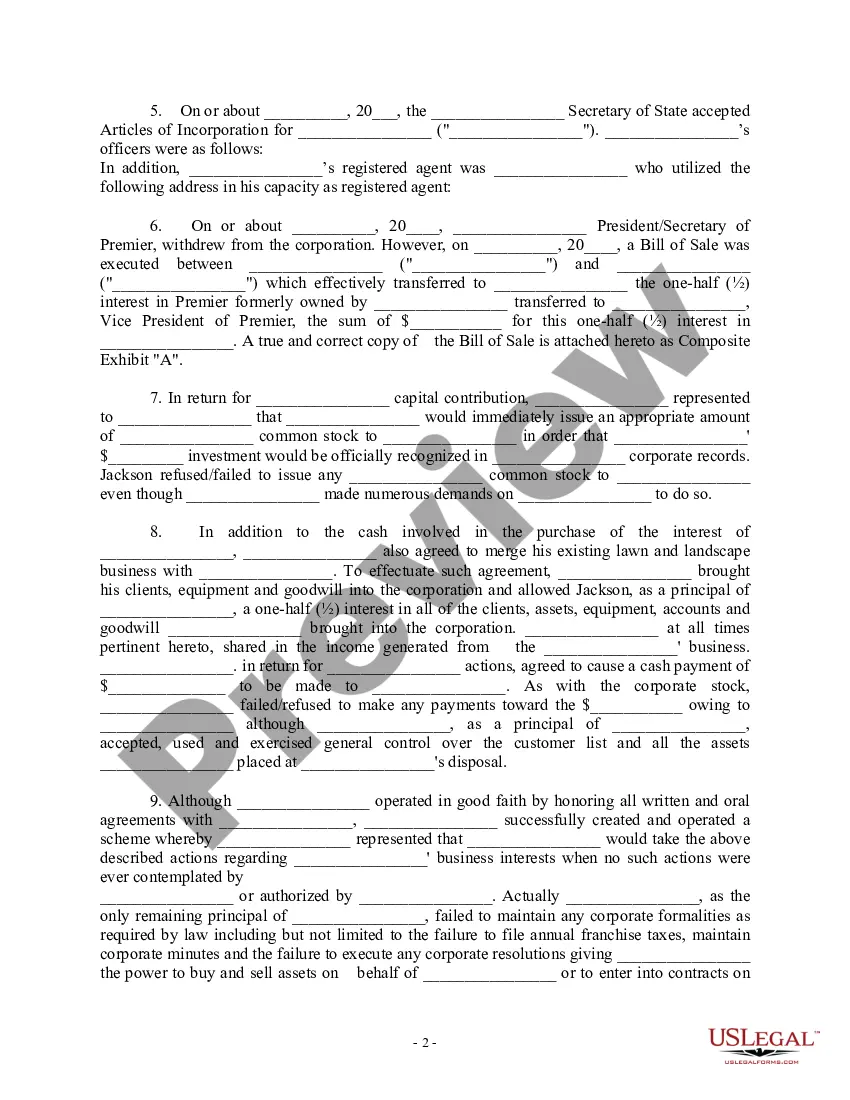
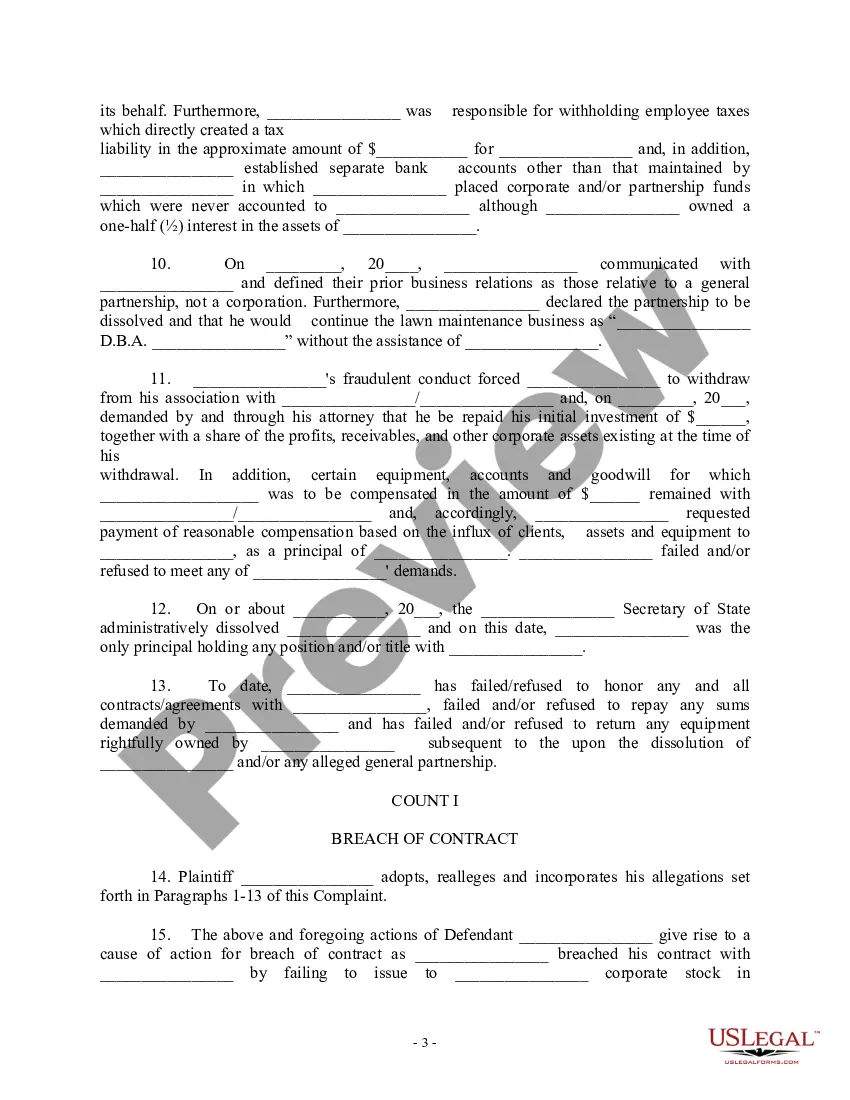
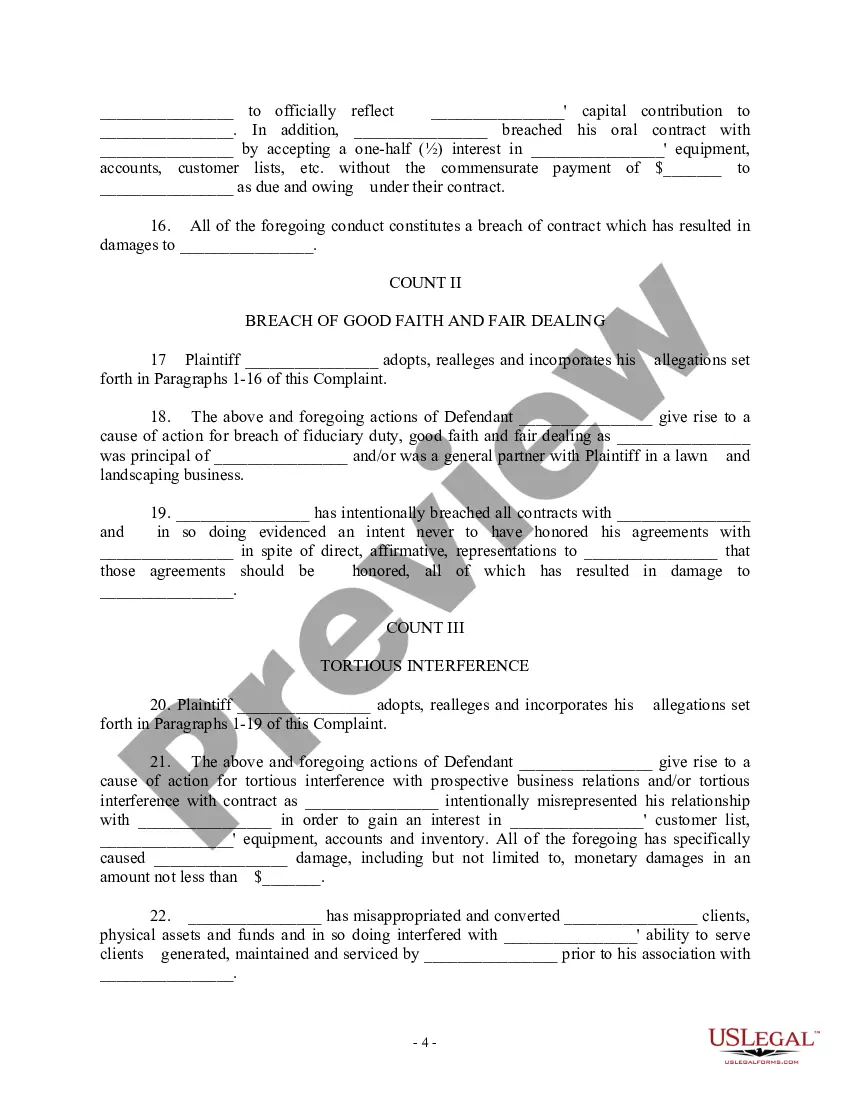
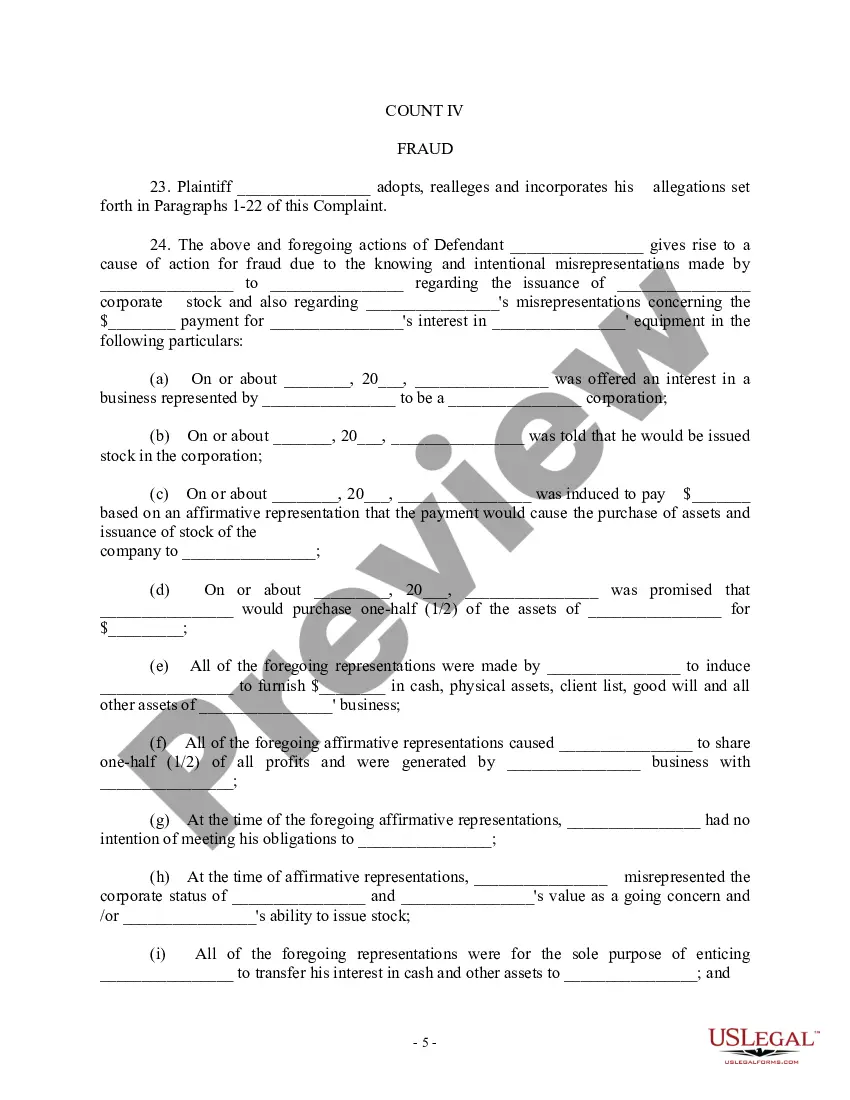
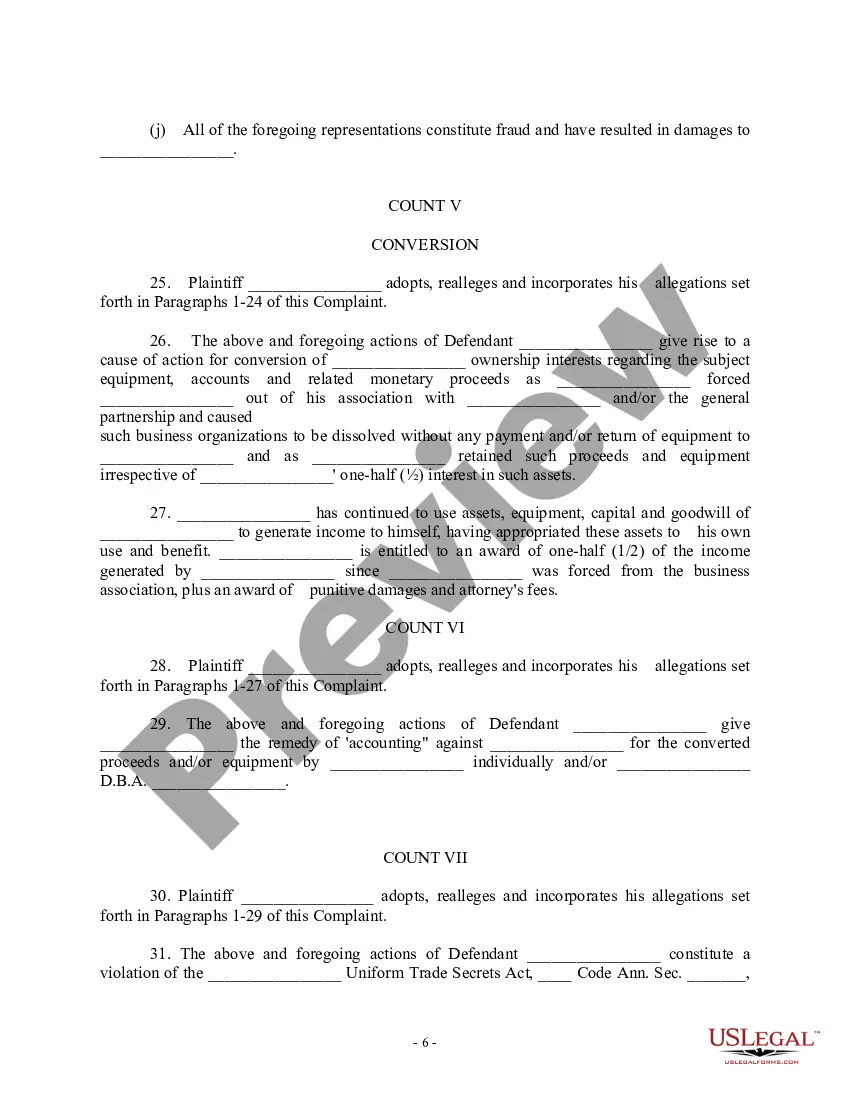
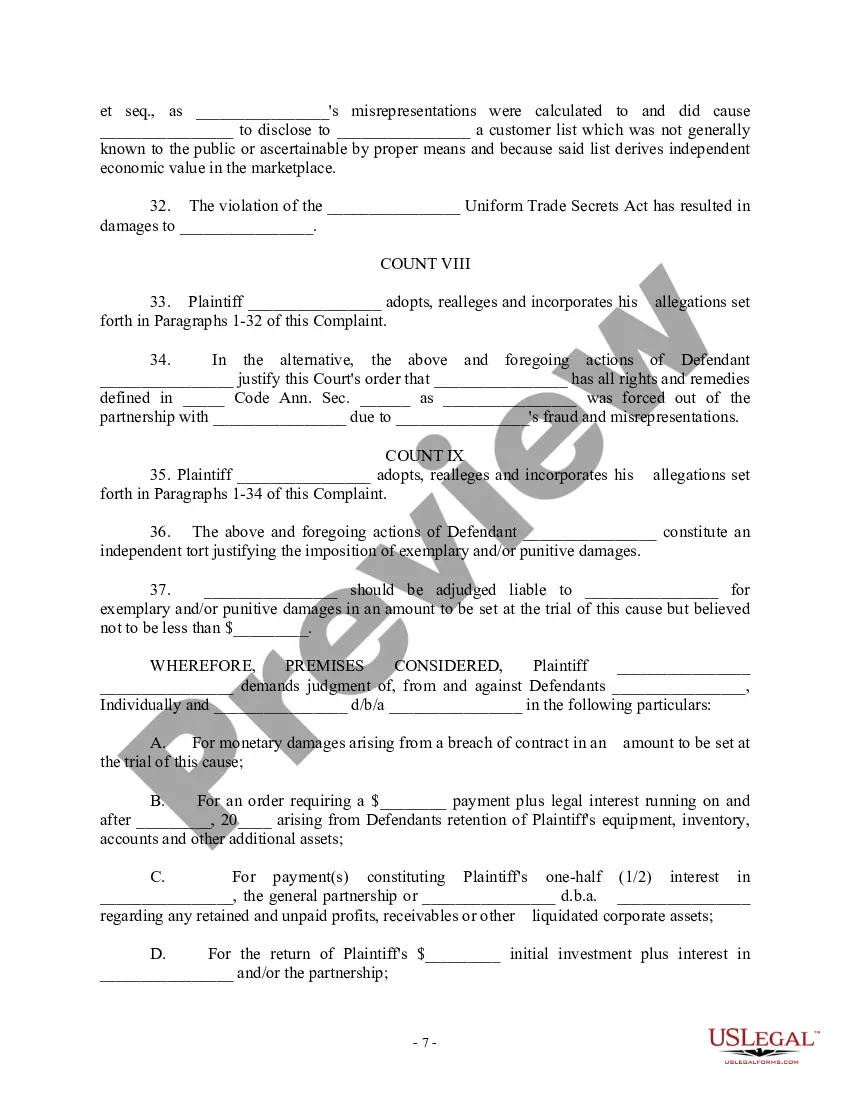
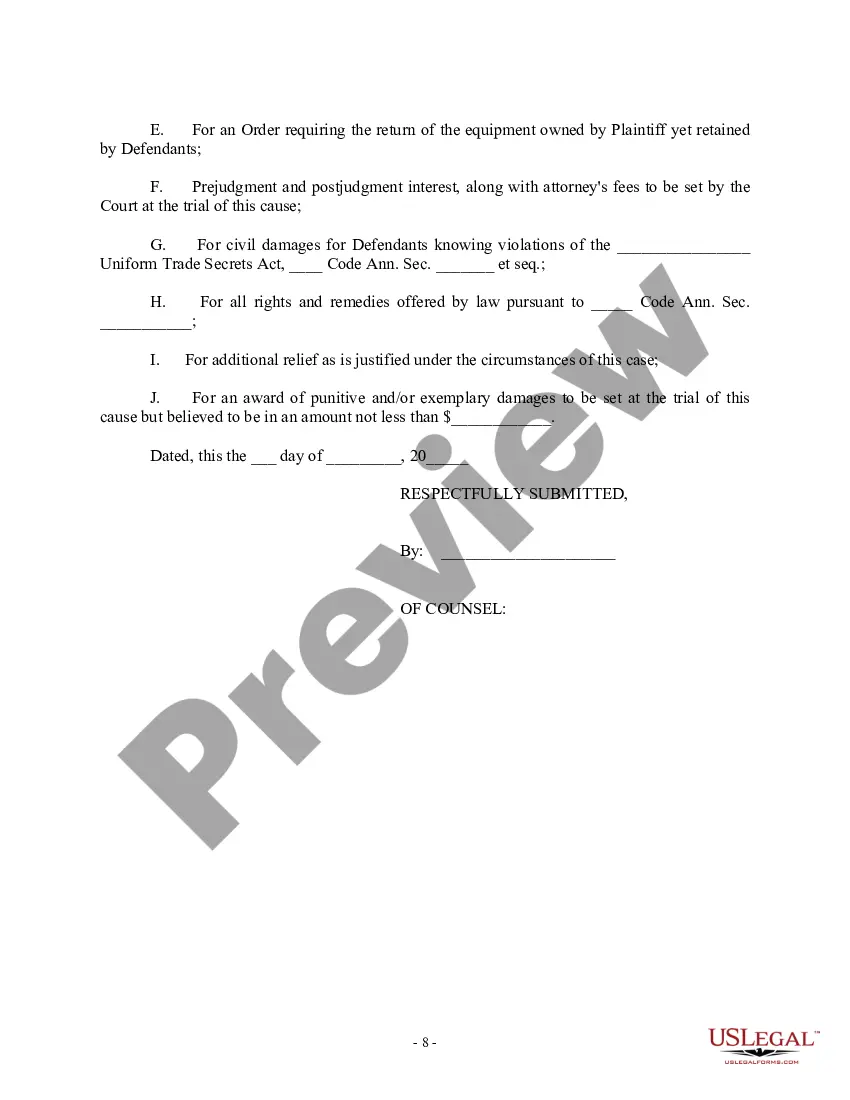

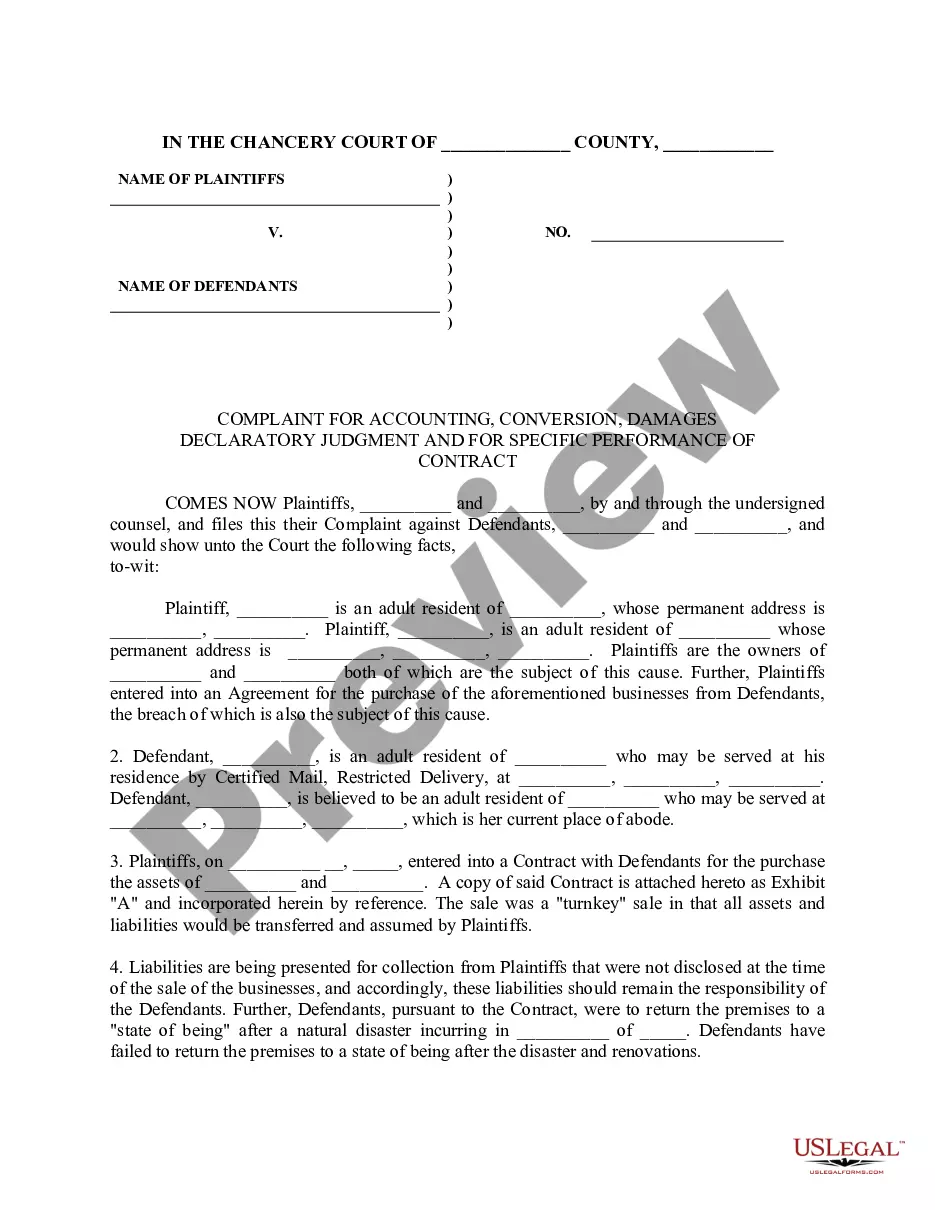
Get your form ready online
Our built-in tools help you complete, sign, share, and store your documents in one place.
Make edits, fill in missing information, and update formatting in US Legal Forms—just like you would in MS Word.
Download a copy, print it, send it by email, or mail it via USPS—whatever works best for your next step.
Sign and collect signatures with our SignNow integration. Send to multiple recipients, set reminders, and more. Go Premium to unlock E-Sign.
If this form requires notarization, complete it online through a secure video call—no need to meet a notary in person or wait for an appointment.
We protect your documents and personal data by following strict security and privacy standards.

Make edits, fill in missing information, and update formatting in US Legal Forms—just like you would in MS Word.

Download a copy, print it, send it by email, or mail it via USPS—whatever works best for your next step.

Sign and collect signatures with our SignNow integration. Send to multiple recipients, set reminders, and more. Go Premium to unlock E-Sign.

If this form requires notarization, complete it online through a secure video call—no need to meet a notary in person or wait for an appointment.

We protect your documents and personal data by following strict security and privacy standards.
Looking for another form?
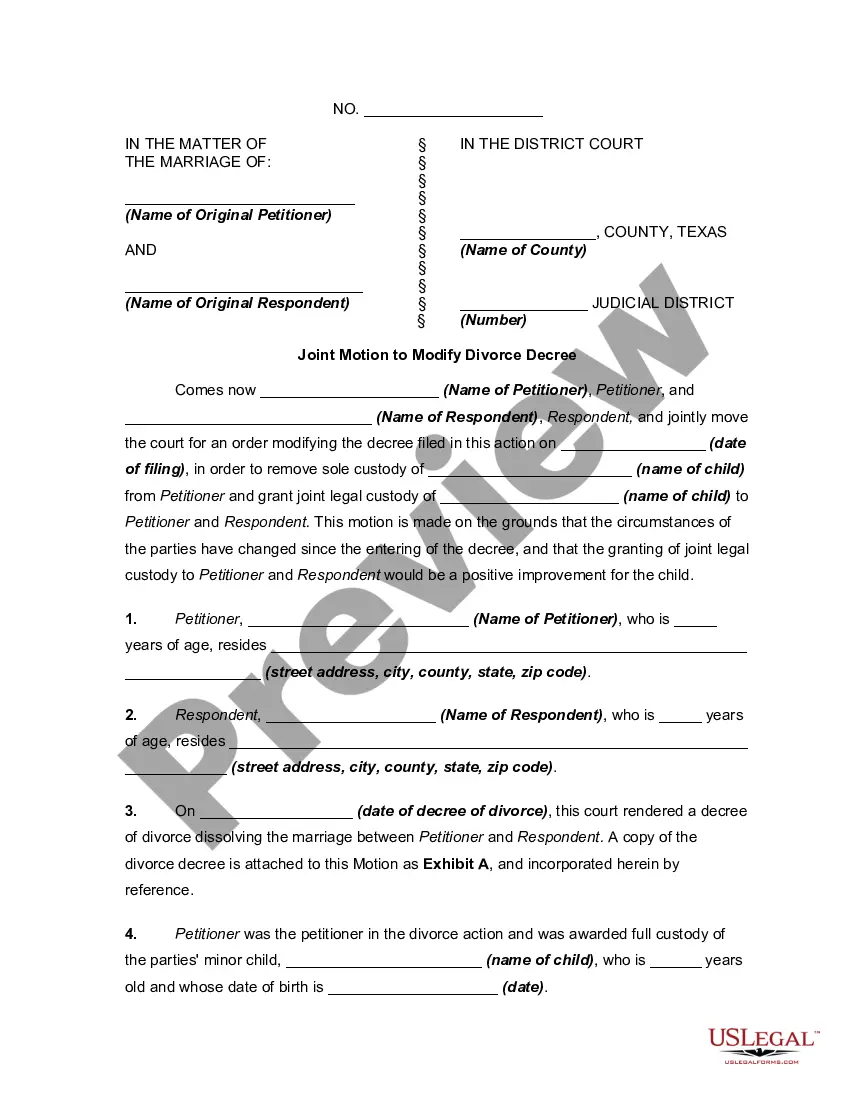
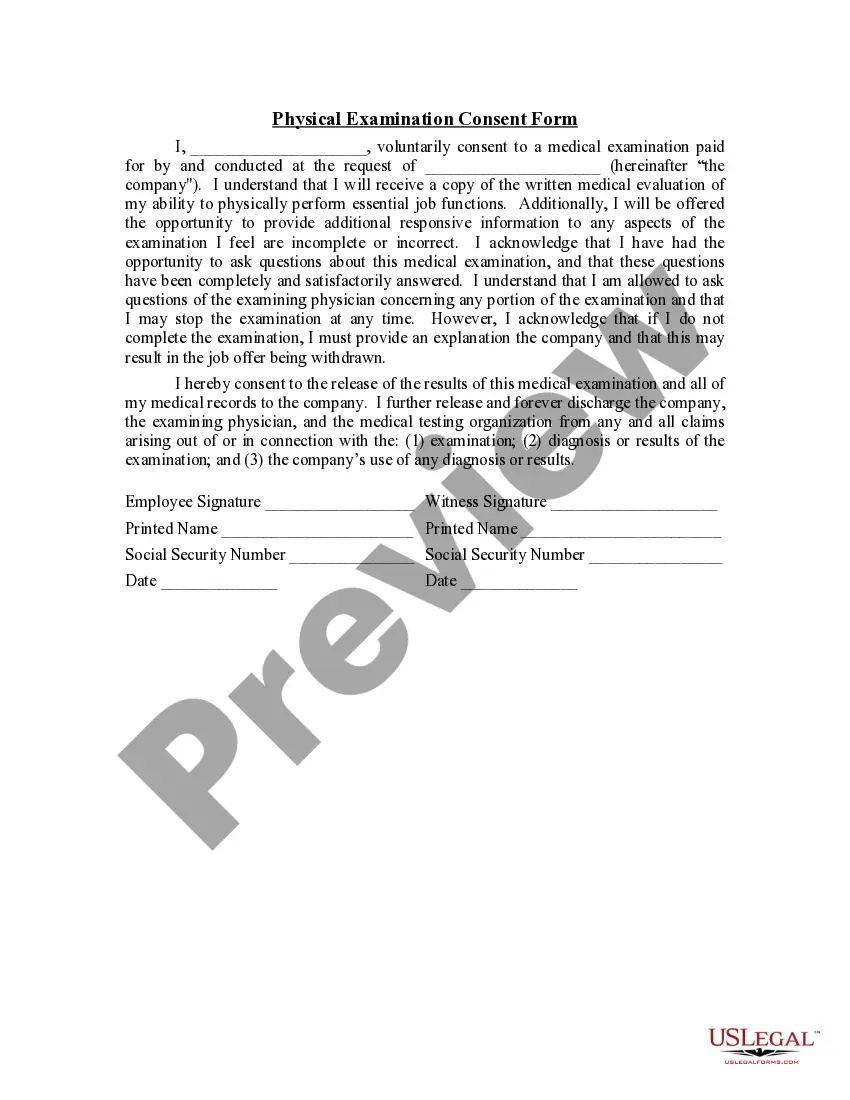
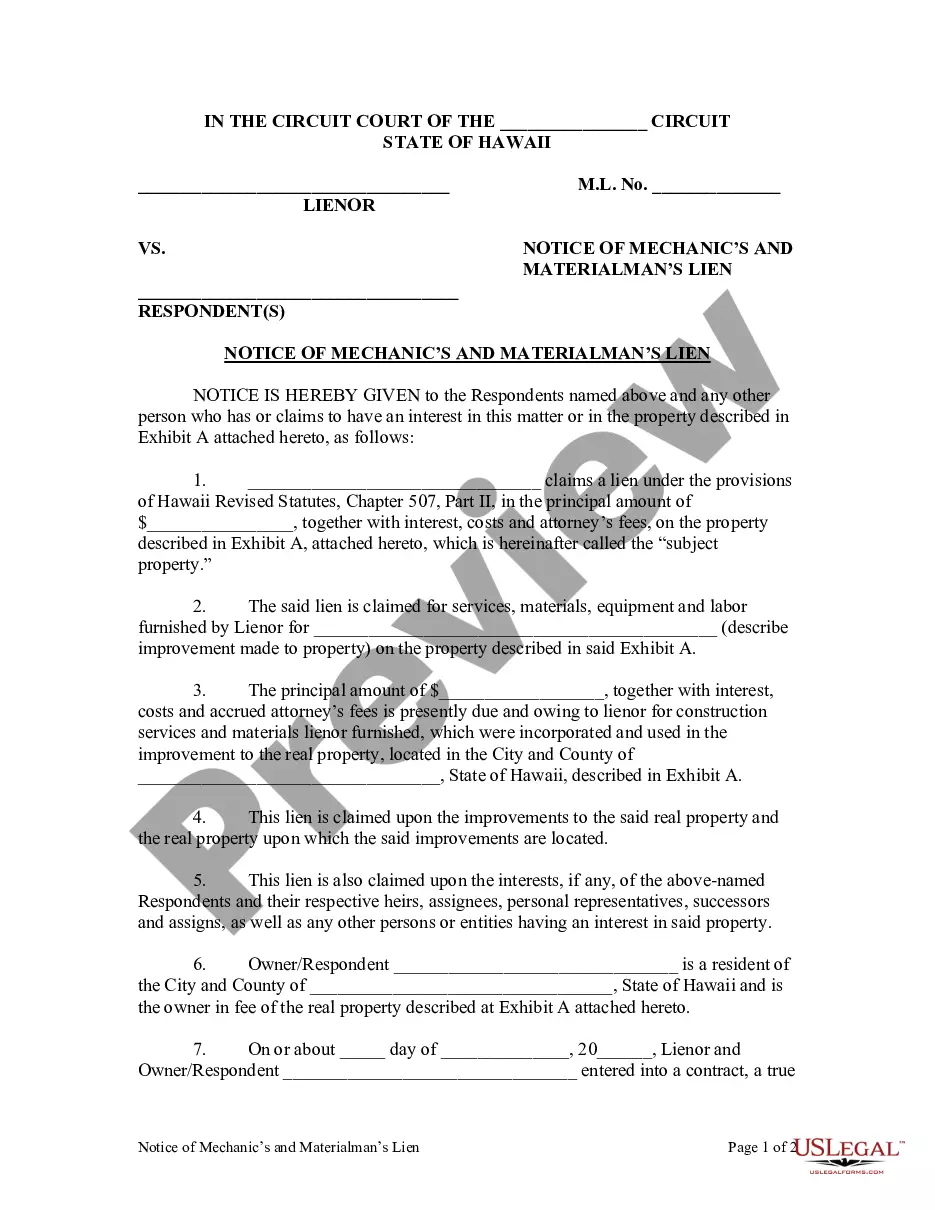
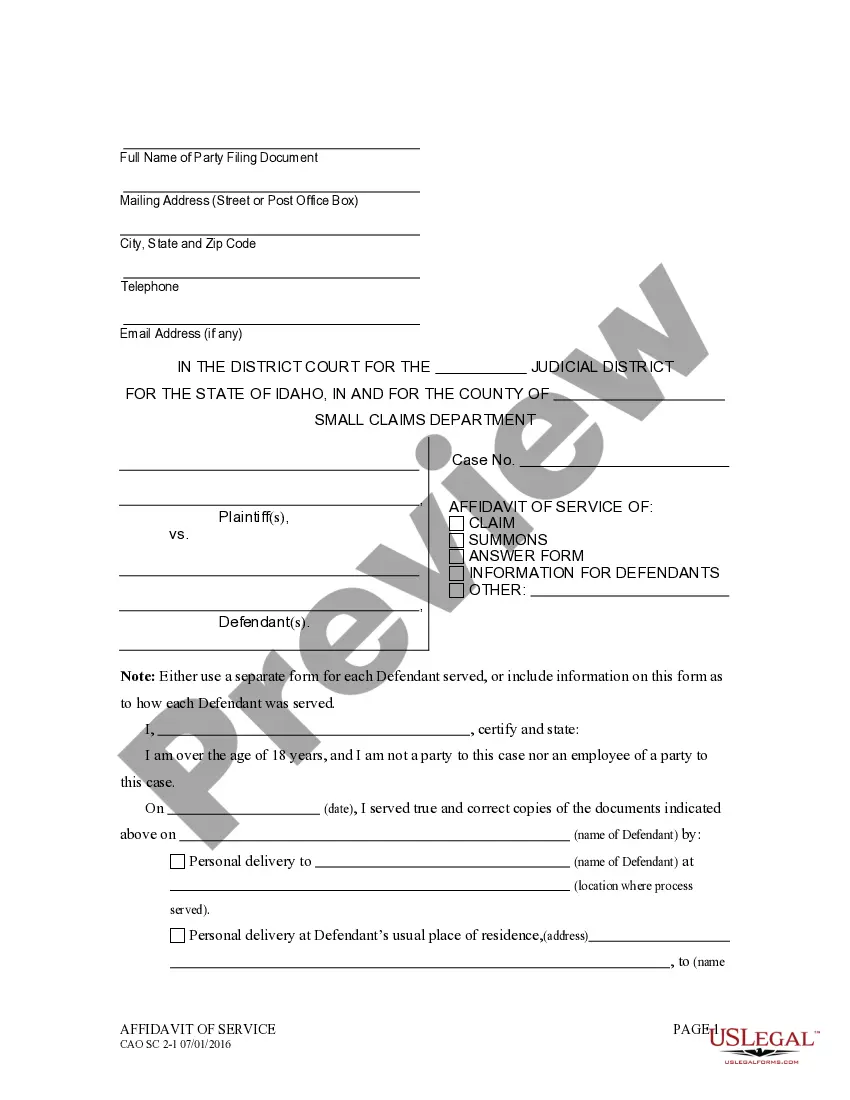
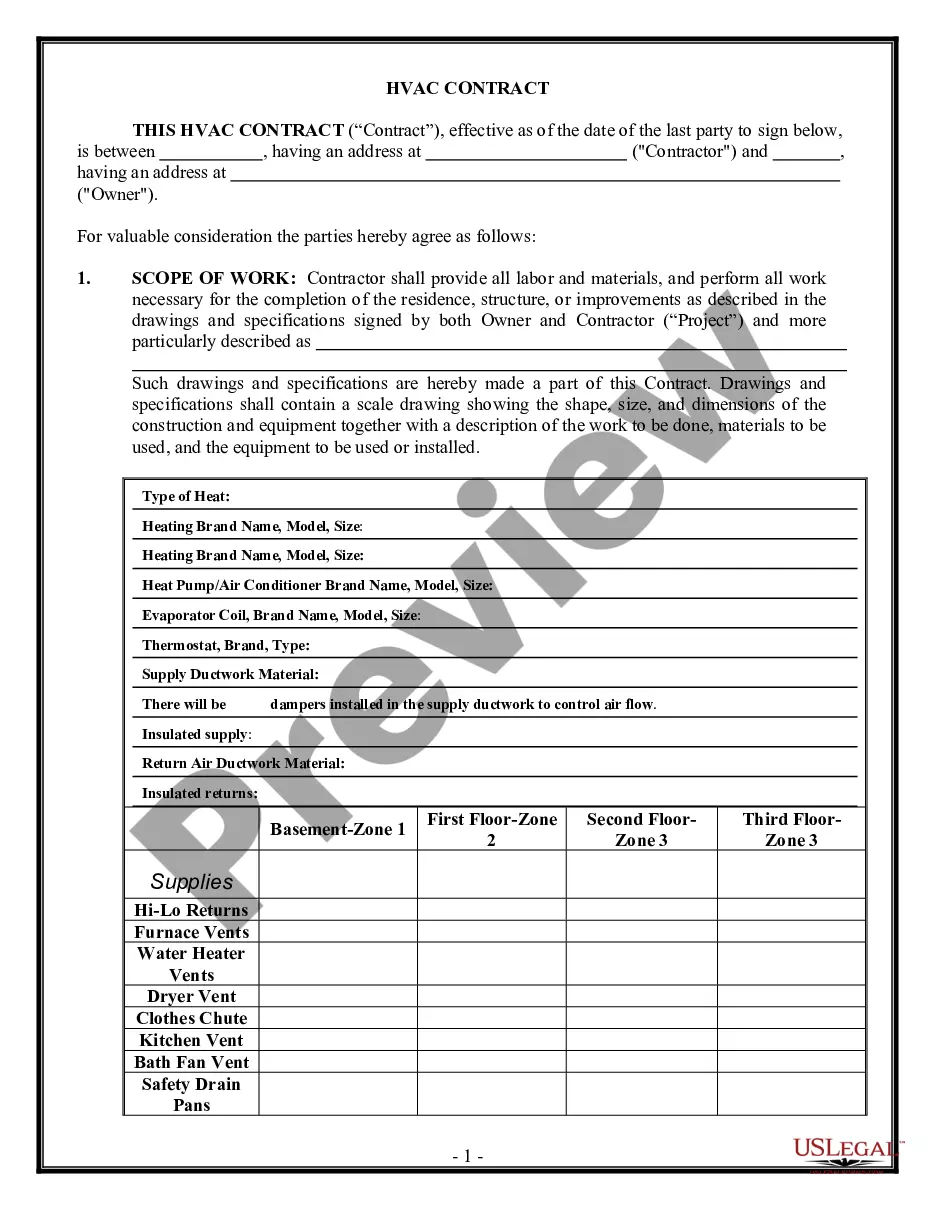
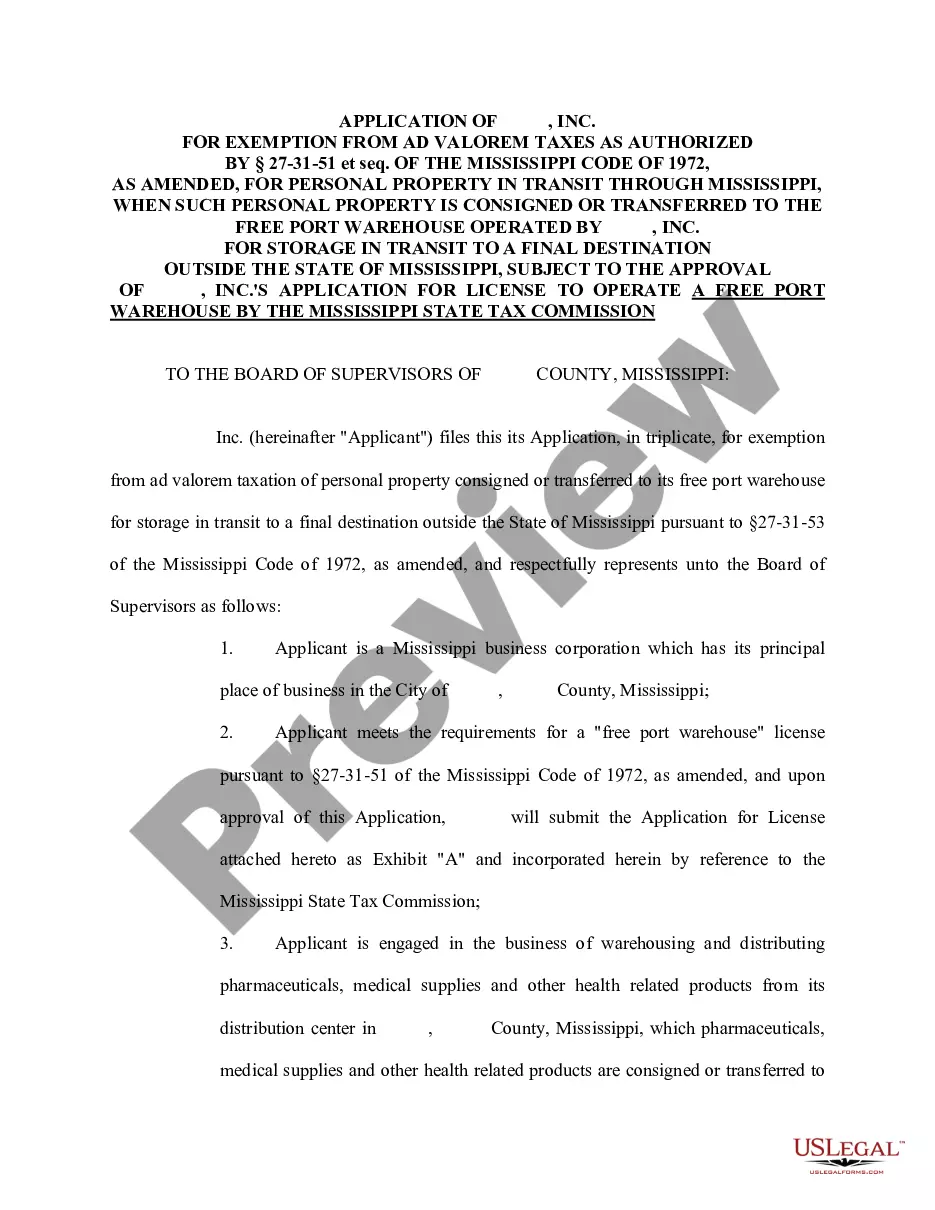


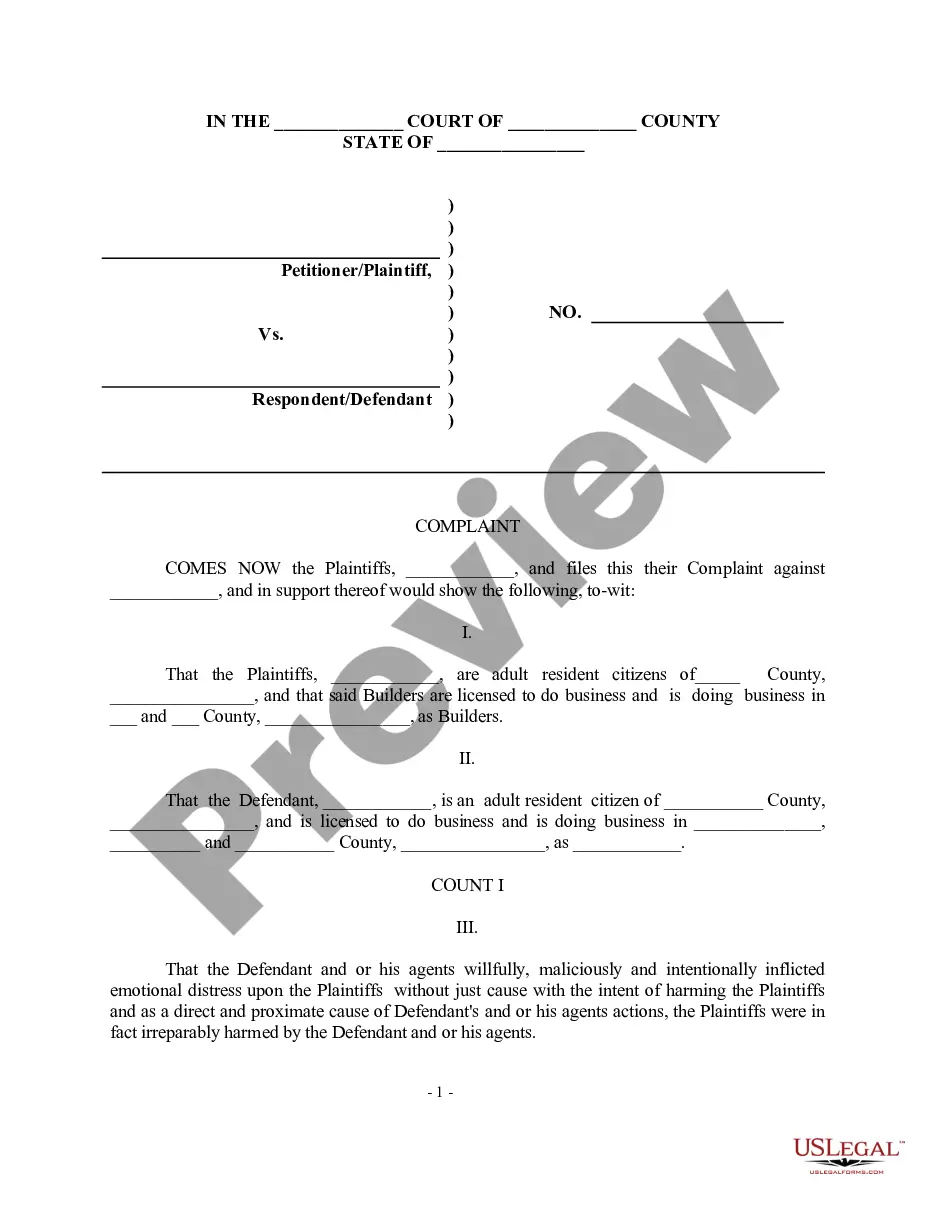
How to fill out Complaint Regarding Breach Of Contract, Fair Dealing, Fraud, Conversion, Accounting, Trade Secrets Act. Agreement To Merge Businesses?
It’s clear that you cannot transform into a legal expert instantly, nor can you determine how to swiftly create a Contract Fraud In The Inducement without the necessity of a specialized background.
Assembling legal papers is a lengthy undertaking needing particular education and abilities. So why not entrust the creation of the Contract Fraud In The Inducement to the experts.
With US Legal Forms, one of the most comprehensive legal document repositories, you can find anything from court documents to formats for in-office correspondence.
You can access your forms again from the My documents tab at any moment. If you’re a current client, you can just Log In, and locate and download the template from the same tab.
Regardless of the aim of your forms—be it financial, legal, or personal—our platform has everything you need. Give US Legal Forms a try now!
- Locate the form you need using the search bar at the top of the page.
- Preview it (if this option is available) and read the accompanying description to determine if Contract Fraud In The Inducement is what you're looking for.
- Initiate your search again if you require any other template.
- Sign up for a free account and choose a subscription plan to purchase the template.
- Click Buy now. Once the transaction is completed, you can download the Contract Fraud In The Inducement, complete it, print it, and send or deliver it by mail to the specified individuals or entities.
Form popularity
FAQ
To prove fraud in inducement, one must establish that a misrepresentation was made, that it was intentional, and that the deceived party relied on it when entering the contract. You will also need to demonstrate that this reliance caused damages or losses. Utilizing the resources available at USLegalForms can assist in gathering the necessary documentation and evidence to support your case of contract fraud in the inducement. Engaging with legal experts can further enhance your chances of a favorable outcome.
The test for inducement misrepresentation involves determining whether a party was significantly misled by false statements made by another. Factors such as the relevance of the representation and the reliance placed on it by the deceived party come into play. When discussing contract fraud in the inducement, applying this test can help clarify whether fraud has occurred. Legal professionals can guide you through this evaluation process to strengthen your case.
The Statute of Frauds requires certain contracts to be in writing to be enforceable, but it also relates to cases of fraud in the inducement. If a contract meets the Statute's criteria yet was obtained through fraudulent misrepresentation, the victim may seek remedies despite the statute's requirements. Hence, understanding the interplay between these legal concepts is essential for anyone navigating contract law.
Fraud entails a broader range of deceptive practices aimed at misleading a party, while fraud in the inducement specifically focuses on false statements that imply an agreement is entered into based on misinformation. In the context of contract fraud in the inducement, the deceived party is led to believe something untrue, which ultimately sways their decision. Recognizing this distinction is important for both legal professionals and individuals engaging in contracts.
A contract induced by fraud occurs when one party deceives another to secure an agreement. In these cases, the misrepresentation or deceit is significant enough to influence the other party's decision to enter into the contract. Therefore, understanding contract fraud in the inducement is crucial for anyone involved in a contractual agreement. Legal resources can provide insights on how to identify and address such fraud effectively.
Fraud in the execution renders a contract void rather than voidable. This occurs when a party is deceived into signing a contract without understanding its true nature or content. Recognizing the distinction between fraud in the execution and fraud in the inducement is critical in legal contexts. If you need assistance navigating these issues, platforms like US Legal Forms can provide valuable resources.
In California, the elements of fraud in the inducement include a false representation, knowledge of its falsity, intent to deceive, and reliance on that representation by the other party. Additionally, the deceived party must suffer damages as a result. Familiarizing yourself with these elements can help you navigate legal disputes effectively. If you believe you've been a victim of contract fraud in the inducement, seeking legal advice is a smart step.
Contracts induced by fraud or misrepresentation are not automatically void. Such contracts are voidable, allowing the misled party to choose whether to enforce or void the agreement. It's important to recognize these legal nuances, as they can significantly impact contractual relationships. If you encounter such a situation, examining your options carefully can lead to the right decision.
Fraud in the inducement does not automatically void a contract. Instead, it makes the contract voidable at the option of the party who was misled. This means that the deceived party has the right to choose whether to affirm or rescind the contract. Understanding this concept is crucial in managing legal rights effectively.